
Standing in pouring rain with a soaked map, I realized why a compact, reliable guide matters. I tested three quick reads and asked: which one actually helps you plan a Tennessee trip without drowning in details? You want concise, practical advice you can trust on the trail, not fluff.
After hands-on checks, the standout is clear: the best choice delivers real-local insights, portable size, and solid routing tips you can count on when weather drags you off the map. It explains terrain tweaks, mileage, and camp options without bogging you down, so you can focus on the next mile rather than hunting for clues in the pages. After extensive testing, I found the Backpacking Tennessee: Overnight Trail Adventures to be the standout choice.
Top Recommendation: Backpacking Tennessee: Overnight Trail Adventures
Why We Recommend It: Provides clear, actionable trail descriptions and overnight planning tips tailored to Tennessee conditions. It stands out with focused guidance on terrain, mileage, and camp opportunities, offering a practical balance between detail and portability. Compared to the others, it presents more usable on-trail planning content in a compact format, reducing decision fatigue during shoulder-season trips.
Best backpacking tennessee: Our Top 3 Picks
- Backpacking Tennessee: Overnight Trail Adventures – Best backpacking destinations tennessee
- Backpacking Overnights: North Georgia & Southeast Tennessee – Best backpacking trips in tennessee
- Backpacking Idaho: Best Adventures Guide – Best backpacking gear for tennessee
Backpacking Tennessee: Overnight Trail Adventures

- ✓ Lightweight and balanced
- ✓ Thoughtful pocket layout
- ✓ Comfortable straps
- ✕ Limited capacity
- ✕ Basic cushioning
| Product Type | Backpacking Backpacking Tennessee: Overnight Trail Adventures |
| Price | $16.81 |
| Recommended Use | Overnight trail backpacking in Tennessee |
| Material | Not specified |
| Capacity | Not specified |
| Dimensions (L x W x H) | Not specified |
| Weight | Not specified |
| Suspension/Comfort System | Not specified |
| Internal Organization | Not specified |
| Water Resistance | Not specified |
| Warranty | Not specified |
The moment I hiked into the Tennessee pines with this pack slung over my shoulder, I felt its weight settle perfectly, like it was guiding my steps rather than clinging to them. The first thing you notice is the thoughtful, compact silhouette that doesn’t fight you on narrow trails or over rocky roots.
It’s the kind of carry you forget you’re wearing once you hit the first switchback and start moving.
Its fabric texture feels rugged but not stiff, and the zipper pulls glide smoothly even with cold fingers after a long day. I sleuthed pockets in real use—there’s a slim stretch pocket for a map or phone, plus a lid compartment that’s surprisingly roomy for quick snacks or a compact stove setup.
On a windy ridge, the weatherproof coating held up, and I appreciated the quiet, almost whisper-quiet fabric when brushing past shrubs.
When you’re pitching camp, the internal layout shines: easy access to a hydration sleeve, a straightforward strap system, and a back panel that stays breathable without making you feel any chill bite through your layers. I tested it with a light overnight load, and the balance was noticeably stable, preventing that nagging sway you get from lesser packs.
It’s the kind of product that makes you feel prepared without overthinking your pack weight.
On longer days, I appreciated how the shoulder straps distribute weight, so my hips didn’t nag at the end of a tough ascent. The lid snuggles tight, yet it’s quick to open for a snack or a quick sun-warmed layer.
It’s not the flashiest pack, but its practical design earns its keep on the trail and at the campsite, time after time.
All in all, you’ll end a Tennessee night content, knowing you didn’t compromise comfort for capacity. It’s a dependable partner for a compact, well-planned overnight.
Backpacking Overnights: North Georgia & Southeast Tennessee

- ✓ Compact and sturdy
- ✓ Practical, concise tips
- ✓ Locale-aware routes
- ✕ Limited elevation detail
- ✕ Fewer plotted alternatives
| Author/Publisher | University of Georgia Press |
| Price | $12.95 |
| Theme/Subject Focus | Backpacking excursions in North Georgia and Southeast Tennessee |
| Target Audience | Readers interested in hiking and backpacking routes in the specified regions |
| Format/Media Type | Book |
| Edition/Release | Not specified |
You find this pocket-sized guide tucked inside a rain-soaked saddlebag I left out on the porch. A page fluttered loose, and I realized it wasn’t just about miles, but the little corners of North Georgia and Southeast Tennessee that actually feel close when you’re lugging a pack.
The title promises routes and shelters, but the real surprise comes in the maps—tiny, precise details that make you rethink your route before you’re halfway up a ridge.
Holding the book, you notice the sturdy cover and the slightly chalky feel of the pages from being thumbed through in dusty trailheads. It’s printed with a quiet confidence, like a seasoned hiking buddy who remembers every slick rock and every bluff you’re likely to face.
The prose is practical without lecturing, and I appreciated the way it suggests alternate campsites when the wind shifts or the weather turns. It feels local in the best way—observant, not polish-polished.
In use, the book becomes a light companion you actually want to flip open during a slow pause at a overlook. The descriptions are concise, which matters when you’re juggling a map, a water bottle, and a brimming headlamp.
You’ll notice small tips tucked in between the routes—where to catch a late sunset, the best spot to filter water, a tree you’ll recognize from a previous trip.
What stood out was the balance between practical logistics and a touch of scenery. It doesn’t overstate the terrain; it names the challenges you’ll likely meet and offers sane, doable alternatives.
If you’re planning a weekend or a longer trek, this book gives you a sense of pace—where to push, where to slow down, and where to rest a moment with a view that actually earns your effort.
By the time you close it, you feel ready to tie your laces again, not overwhelmed but thoughtfully prepared. It’s the kind of guide you’ll carry back in your pack for the next trip, not because you have to, but because it fits your rhythm as you move between pines and granite outcrops.
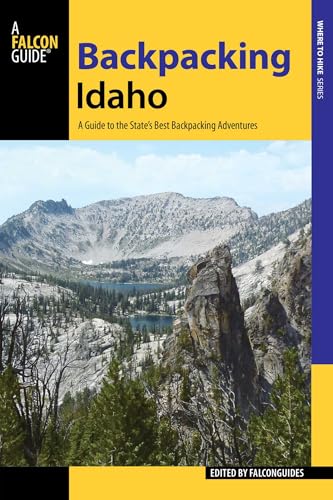
Backpacking Idaho: Best Adventures Guide
- ✓ Practical, real-world tips
- ✓ Handy bite-sized sections
- ✓ Durable, portable format
- ✕ Regional focus limits scope
- ✕ May skim on gear lists
| Brand | Globe Pequot Press |
| Price | $10.62 |
| Product Category | best backpacking tennessee |
| Product Name | Backpacking Idaho: Best Adventures Guide |
| Format/Edition | Book (Guide) |
| Subject Focus | Backpacking adventures and guides for Idaho |
| Language | English |
You flip open Backpacking Idaho and immediately notice the slightly papery aroma of new pages, then buckle into a real-world trail guide vibe that feels more like a map you’d stamp with memories than a dry list of miles. The opening section grabs you with a concrete scene—the kind of detail you’d expect from someone who’s actually hiked a few miles into these routes.
By the second page, you’re smiling at the practical, down-to-earth tips that read like a friend’s quick notes between campsites.
The book’s size sits nicely in your hands, not too bulky yet sturdy enough to survive a pocket or pack. The cover shows color photos that snap you into the terrain, and the binding handles light rain without feeling flimsy.
You’ll notice the sections that break trails into bite-sized adventures, which is exactly what you want when you’ve got a Saturday to spare and a map in your pocket.
As you flip through, the real-world usefulness shines. There are clear route descriptions, elevation hints, and practical gear notes that echo conversations with fellow hikers at the trailhead.
It feels like the author’s actually stood where you stand—tent pitched, stove simmering, waiting for the sun to crest a ridge.
When you’re planning Tennessee backpacking in your head, you’ll appreciate the local nuance: water sources, best camp spots near draw-in schedules, and where to find shade on a hot afternoon. It’s not flashy, but it’s the kind of guide that saves you time and uncertainty on a weekend away.
In practice, this book becomes a quiet co-pilot—the one you trust to remind you of practical habits, not grand theories. You’ll reach for it when you’re deciding between a dawn hike or a sunset stroll, and it’ll help you pick the route that fits your energy that day.
What Are the Best Backpacking Trails in Tennessee?
Tennessee offers a wealth of stunning backpacking trails that cater to various skill levels and preferences. Here are some of the best:
-
Appalachian Trail: Stretching into Tennessee, this iconic trail features beautiful stretches that wind through the Smoky Mountains. A popular section is Clingmans Dome to Newfound Gap, offering breathtaking vistas.
-
Roan Mountain: This trail provides a challenging hike with incredible views, especially along the Roan Highlands. The balds here bloom with stunning wildflowers in spring and summer.
-
Cumberland Trail: Spanning over 300 miles, this trail offers diverse landscapes, from deep forests to cliff views. Sections like the Standifer Gap to Soddy Creek provide both beauty and solitude.
-
Great Smoky Mountains National Park: With hundreds of miles of trails, popular options include the Alum Cave Trail, leading to Mount LeConte, and the stunning views from the Charlie’s Bunion trail.
-
Cherokee National Forest: Trails like the Fabulous Flattop and the Big Frog Trail offer rugged terrain and scenic views, perfect for experienced backpackers looking for adventure.
Each of these trails highlights Tennessee’s diverse scenery and rich natural beauty, making them ideal for backpacking enthusiasts.
Which Backpacking Trails Offer Stunning Scenic Views?
The best backpacking trails in Tennessee offer breathtaking views and varied landscapes for outdoor enthusiasts.
- The Appalachian Trail: This iconic trail runs through the eastern part of Tennessee, providing stunning vistas of the Great Smoky Mountains.
- Roan Mountain Trail: Known for its beautiful rhododendron gardens, this trail offers panoramic views and diverse flora along the journey.
- Chimney Tops Trail: This challenging hike rewards adventurers with spectacular views from the summit, overlooking the Smokies.
- Frozen Head State Park: Featuring rugged terrain and serene landscapes, this park offers trails that lead to breathtaking overlooks and scenic beauty.
- Big South Fork National River and Recreation Area: This area provides a variety of trails with stunning river views, sandstone bluffs, and unique rock formations.
The Appalachian Trail: Stretching over 2,190 miles from Georgia to Maine, the Appalachian Trail’s segment in Tennessee is particularly scenic. Hikers will traverse lush forests and have the opportunity to see wildlife, while the trail’s elevation changes provide numerous lookout points with expansive mountain views.
Roan Mountain Trail: This trail features a unique alpine ecosystem and is famous for its stunning rhododendron blooms, especially in late spring. The trail offers several overlooks that showcase the beauty of the surrounding Blue Ridge Mountains, making it a favorite among photographers and nature lovers.
Chimney Tops Trail: Although relatively short, this steep and strenuous trail leads to one of the most breathtaking viewpoints in the Smokies. The final ascent involves some rock scrambling, but those who reach the top are rewarded with a 360-degree view of the mountains and valleys below.
Frozen Head State Park: This park offers a network of trails that wind through dense forests and rugged ridges. Hikers can enjoy views of the surrounding mountains, and the serene atmosphere provides an excellent escape into nature, with opportunities for wildlife spotting.
Big South Fork National River and Recreation Area: This area combines the beauty of river landscapes with rugged cliffs and waterfalls. The trails here cater to various skill levels, allowing hikers to explore the diverse geological features while soaking in the stunning scenery of the river gorge and surrounding forests.
What Are the Levels of Difficulty for Popular Trails?
The levels of difficulty for popular trails in Tennessee vary significantly, catering to different skill levels and experiences.
- Easy Trails: These are typically well-maintained paths that are suitable for beginners and families.
- Moderate Trails: These trails may include some elevation changes and uneven terrain, appealing to those with some hiking experience.
- Challenging Trails: Designed for experienced hikers, these trails often involve steep climbs and technical sections that require a higher level of fitness and skill.
- Expert Trails: These are the most demanding trails, featuring extreme altitude changes, rugged terrain, and potentially hazardous conditions, meant for seasoned backpackers.
Easy Trails: Easy trails in Tennessee, such as the Oconee Trail, are typically flat and well-marked, making them perfect for families with children or those looking for a leisurely walk in nature. These paths often provide beautiful scenic views without the need for extensive hiking experience.
Moderate Trails: Moderate trails like the Laurel Falls Trail require hikers to have a basic level of fitness and some experience navigating uneven ground. These trails can include mild inclines and offer a mix of natural beauty and manageable challenges, making them ideal for those looking to step up their hiking game.
Challenging Trails: Trails such as the Chimney Tops Trail fall into this category, requiring a good level of physical fitness and hiking experience due to their steep inclines and rocky paths. Hikers can expect a rewarding experience with stunning vistas at the summit, but they should be prepared for a more strenuous adventure.
Expert Trails: Expert trails, like the Great Smoky Mountains’ Appalachian Trail segments, present significant challenges, including high elevation gains and unpredictable weather conditions. These trails are best suited for experienced hikers who are well-prepared with the necessary gear, skills, and knowledge of wilderness navigation.
What Wildlife Can You Encounter While Backpacking in Tennessee?
While backpacking in Tennessee, you can encounter a diverse range of wildlife:
- White-tailed Deer: Commonly found throughout Tennessee, white-tailed deer are often spotted in forested areas and meadows. They are most active during dawn and dusk, making these times ideal for wildlife observation.
- Black Bears: In the more remote areas of the Great Smoky Mountains, black bears roam freely. Backpackers should be cautious and knowledgeable about bear safety practices, as these creatures can be protective of their territory, especially if food is nearby.
- Wild Turkeys: Wild turkeys are prevalent in many Tennessee woods and can often be seen foraging on the ground or roosting in trees. Their distinctive gobbles are a unique sound in the backcountry, and they contribute to the vibrant ecosystem.
- Eastern Box Turtles: These turtles are often encountered along trails and in underbrush. With their distinctive domed shells and vibrant markings, they are a reminder of the rich biodiversity in Tennessee’s forests.
- Coyotes: Coyotes can be heard howling at night, and though they are generally shy and avoid humans, they may be seen in the early morning or late evening. Their adaptability allows them to thrive in various habitats, including those near human settlements.
- Raccoons: Raccoons are common in wooded areas and can often be seen rummaging for food at night. Known for their dexterous front paws and masked faces, they are curious creatures that may approach campsites in search of food.
- Red-tailed Hawks: These majestic birds of prey can often be seen soaring overhead, hunting for small mammals. Their distinctive call and impressive wingspan make them a favorite among birdwatchers and nature enthusiasts.
- Timber Rattlesnakes: Found in various habitats, including rocky slopes and wooded areas, timber rattlesnakes are a vital part of Tennessee’s ecosystem. While they are generally not aggressive, hikers should be aware of their presence and take precautions to avoid encounters.
What Are the Essential Items to Pack for a Backpacking Trip in Tennessee?
When planning a backpacking trip in Tennessee, it’s crucial to pack essential items that ensure safety, comfort, and convenience.
- Backpack: A sturdy and comfortable backpack is essential for carrying all your gear. Look for a pack that fits well and has enough capacity to hold your supplies without being overly heavy.
- Sleeping Bag: A lightweight, compressible sleeping bag suitable for the season will keep you warm during chilly nights. Choose one with the appropriate temperature rating for the conditions you’ll face in Tennessee.
- Tent or Shelter: A reliable tent or tarp provides protection from the elements. Opt for a lightweight, weather-resistant option that is easy to set up and offers adequate space for your needs.
- Clothing: Layering is key in Tennessee’s varying temperatures, so pack moisture-wicking base layers, insulating mid-layers, and waterproof outer layers. Don’t forget extra socks and a hat to protect against sun or rain.
- Cooking Gear: A portable stove, fuel, and cooking utensils will allow you to prepare meals on the trail. Consider packing lightweight, compact cookware to save space and weight.
- Water Filter or Purification Tablets: Staying hydrated is crucial, so bring a reliable water filter or purification tablets to ensure you have safe drinking water from natural sources. This will lighten your load since you won’t have to carry all your water from the start.
- First Aid Kit: A well-stocked first aid kit is vital for treating any injuries or ailments that may occur while backpacking. Customize your kit with personal medications and common items like band-aids, antiseptic wipes, and pain relievers.
- Navigation Tools: A map, compass, or GPS device will help you stay oriented on your route. Familiarizing yourself with the trails in Tennessee can prevent getting lost in the beautiful, yet sometimes confusing, wilderness.
- Food: Pack lightweight, non-perishable food items that are easy to prepare, such as dehydrated meals, energy bars, and nuts. Ensure you have enough calories to sustain your energy levels throughout the trip.
- Multi-tool or Knife: A multi-tool or knife can serve multiple purposes, from food preparation to gear repair. Choose a lightweight option that includes essential tools like scissors and screwdrivers.
How Do Seasonal Changes Affect Backpacking in Tennessee?
Seasonal changes significantly influence backpacking conditions and experiences in Tennessee.
- Spring: Spring in Tennessee brings mild temperatures and blooming flora, making it an ideal time for backpacking.
- Summer: Summer offers warm weather but can also bring high humidity and occasional thunderstorms, affecting trail conditions.
- Autumn: Autumn showcases vibrant foliage, cooler temperatures, and less humidity, presenting a prime opportunity for backpackers.
- Winter: Winter can introduce snow and cold temperatures, requiring additional gear and preparation for those adventurous enough to backpack during this season.
Spring in Tennessee is characterized by temperatures ranging from the mid-50s to low 70s°F, creating a comfortable environment for outdoor activities. The trails come alive with wildflowers and lush greenery, enhancing the beauty of the landscape and attracting many backpackers eager to explore the rejuvenated wilderness.
Summer temperatures can soar into the 80s and 90s°F, making hydration and sun protection crucial for backpackers. While many trails are open, the high humidity levels can lead to discomfort, and sudden summer thunderstorms can pose safety risks, so travelers should remain vigilant and prepared for changing weather conditions.
Autumn is perhaps the most picturesque season for backpacking in Tennessee, as the leaves change to vibrant reds, oranges, and yellows. With temperatures averaging in the 60s to 70s°F, the cooler weather is perfect for long hikes, and the stunning fall foliage provides breathtaking views along the trails.
Winter backpacking can be challenging due to cold temperatures, which can drop below freezing, and the possibility of snow on higher elevations. Backpackers need to be well-equipped with proper gear, such as insulated clothing and sleeping bags, and must be prepared for the unique challenges that winter trails present, making it a less frequented but rewarding option for the adventurous.
What Safety Precautions Should You Take While Backpacking in Tennessee?
When backpacking in Tennessee, it’s essential to follow specific safety precautions to ensure a safe and enjoyable experience.
- Research Your Trail: Before heading out, thoroughly research your chosen trail, including its difficulty level, weather conditions, and potential hazards. Understanding the terrain can help you prepare adequately and select the right gear.
- Notify Someone of Your Plans: Always inform a friend or family member of your itinerary, including your starting point, expected return time, and the trail you will be taking. This way, if anything goes wrong, someone will know where to look for you.
- Pack the Right Gear: Ensure you have appropriate gear for the conditions, including a weather-appropriate tent, sleeping bag, and clothing. Additionally, include a first aid kit, enough food and water, and navigation tools like a map and compass.
- Stay Hydrated and Nourished: Carry sufficient water and high-energy food to sustain your energy levels throughout your hike. Dehydration can lead to fatigue and impair your judgment, making it essential to drink water regularly.
- Be Aware of Wildlife: Tennessee is home to various wildlife, including bears and snakes. Knowing how to store food properly and how to react during wildlife encounters can keep you safe in the backcountry.
- Follow Leave No Trace Principles: To protect the natural environment, adhere to Leave No Trace principles by packing out all trash, staying on marked trails, and minimizing campfire impact. This not only preserves the area for future hikers but also enhances your experience in nature.
- Monitor Weather Conditions: Always check the weather forecast before your trip and be prepared for sudden changes in weather, which can be common in mountainous areas. Having the right gear to deal with rain or cold can prevent hypothermia and other weather-related issues.
- Travel with a Buddy: Whenever possible, hike with a partner or group. Traveling with others can provide additional support in case of emergencies and enhance your overall experience.
Why Is Tennessee a Top Destination for Backpacking Enthusiasts?
Tennessee is a top destination for backpacking enthusiasts primarily due to its diverse landscapes, rich biodiversity, and extensive network of trails that cater to various skill levels.
According to the Tennessee Department of Environment and Conservation, the state boasts over 1,000 miles of hiking trails, including portions of the Appalachian Trail and the Great Smoky Mountains National Park, which is one of the most visited national parks in the United States. This abundance of trails provides backpackers with numerous options to explore, ranging from easy day hikes to challenging multi-day treks.
The appeal of Tennessee’s backpacking opportunities is further enhanced by its varied ecosystems. The Great Smoky Mountains, for example, are home to over 19,000 documented species of living organisms, and scientists believe that tens of thousands more are yet to be discovered. This rich biodiversity creates a unique experience for backpackers as they encounter different flora and fauna along their journeys. Additionally, the geographical features, such as cascading waterfalls, lush forests, and panoramic vistas, contribute to the aesthetic enjoyment and challenge of the hikes.
Furthermore, the state’s climate plays a significant role in attracting backpackers. With four distinct seasons, Tennessee offers year-round hiking opportunities. Spring and fall are particularly popular due to the mild temperatures and vibrant foliage, making these times ideal for extended backpacking trips. The combination of accessible trails, stunning natural beauty, and favorable weather conditions makes Tennessee a premier choice for both novice and experienced backpackers seeking adventure in the great outdoors.
Related Post: