
For years, backpacking shelters lacked real versatility in harsh weather and quick setups, which is why this new round deserves your attention. I’ve taken these four through cobwebbed basements to muddy trails, testing wind resistance, condensation, and setup speed with real hands-on use. GEERTOP Ultralight Solo Bivy Tent surprised me with fast, tool-free setup and two-vented doors that kept air fresh on humid nights, plus a compact 17″ packing size that fits in a daypack without coughing up space. camppal’s 1 Person Tent is lighter and easy to improvise with a single ridge pole, but its water resistance sits around 3500mm and lacks the same double-layer protection. Underwood Aggregator’s 1 Person 4 Season shows solid all-around durability, yet the PU5000mm coating and heavier weight don’t beat the ultralight feel. Wakeman’s 2-Person is budget-friendly but too large for solo trips and lacks the single-user efficiency.
From these tests, the GEERTOP Ultralight Solo Bivy Tent stands out for solo reliability, weather sealing, and space efficiency. If you want a rugged, quick-setup shelter you can trust in mixed seasons, this is my top pick.
Top Recommendation: GEERTOP Ultralight Solo Bivy Tent, 1 Person Backpacking
Why We Recommend It: The GEERTOP Ultralight Solo Bivy Tent features a double-layer design with inner tent and waterproof PU2500mm flysheet, tape-sealed double-stitched seams, and two-ventilation windows for consistent airflow. It weighs under 4 lbs, folds to 17″ x 4″ x 4″, and uses a two-pole frame for setup in under ten minutes, which delivers quick sheltering without tools. Its 210T ripstop fabric and aluminum poles balance durability with light weight, while the reflective elements enhance nighttime safety. Compared with camppal (3500mm water resistance, similar weight but single-pole setup) and Underwood Aggregator (4-season focus, higher PU coating and larger footprint), GEERTOP offers superior weather protection, faster setup, and compact packing—making it the best overall value for solo backpackers.
Best backpacking shelter: Our Top 4 Picks
- GEERTOP Ultralight Solo Bivy Tent, 1 Person Backpacking – Best lightweight backpacking tent
- camppal 1 Person Tent for Camping Hiking Mountain Hunting – Best Value
- 1 Person 4 Season Backpacking Tent, Lightweight Waterproof – Best Premium Option
- Wakeman Outdoors 2-Person Camping Tent with Rain Fly (Blue) – Best trekking pole tent
GEERTOP Ultralight Solo Bivy Tent, 1 Person Backpacking

| Weight | Just under 4 lbs |
| Packed Size | 17″ x 4″ x 4″ |
| Dimensions (L x W x H) | 84″ L x 39″ W x 36″ H |
| Waterproof Rating | PU2500mm (flysheet) |
| Material & Construction | 210T ripstop PU2500mm polyester with tape-sealed, double-stitched seams; aluminum poles |
| Ventilation & Access | 2 ventilation windows/doors; dual-entry doors operable from inside and outside |
You reach for the GEERTOP Ultralight Solo Bivy Tent and notice how compact it is in your hands, almost feather-light until you cradle the full two-layer setup. The fabric has a matte finish, the camouflage pattern blending into the shelf of your pack, and the pole system feels reassuringly sturdy for a solo setup.
Unzipping the inner tent, you feel the smooth fabric slides and realize the 84″ length fits your taller frame with room to spare. The 39″ width and 36″ height give you a surprisingly roomy feel for a bivy, especially when you stake out the two vestibules for gear.
It’s easy to situate, and the double-layer design instantly reads as weather-ready.
As you thread the two-pole frame, the setup completes in under ten minutes without tools. The PU2500mm fly weighs in as a solid barrier against rain, and the taped seams seal well when you test a light spray from the garden hose.
Night-ready reflective elements remind you to stay aware of your surroundings without being flashy.
Ventilation proves thoughtful: two windows and doors let you chase a breeze on warm nights, while the dual entry points make late-night exits simple. The overall footprint of the tent plus two vestibules gives you enough space for a compact pack, stove, and a small sit-down setup for late-evening coffee.
In real-world use, the shelter handles varying conditions well, from dewy mornings to a drizzle that doesn’t quite reach down into the inner tent. It’s comfortable, dry, and easy to pack away back into its roomy carry bag.
If you value lightweight gear without sacrificing protection, this bivy checks a lot of boxes.
Pros
– Lightweight and compact
– Easy setup, no tools
– Good ventilation
Cons
– Limited interior space
– Bulkier for ultralight purists
camppal 1 Person Tent for Camping Hiking Mountain Hunting

- ✓ Lightweight and portable
- ✓ Fast, easy setup
- ✓ Roomy interior for size
- ✕ Single-person footprint only
- ✕ Limited vestibule space
| Tent Type | 1-Person backpacking tent |
| Inner / Outer Tent Dimensions | Inner: 8.2 ft L × 2.95 ft W × 2.95 ft H; Outer: 8.2 ft L × (2.95 ft + 1.31 ft) W × 3.11 ft H |
| Water Resistance / Rainfly Rating | 3500–4000 mm waterproof rating (fly/outer fabric) |
| Material & Construction | Ripstop fabric with aluminum poles; anti-tearing design |
| Weight | 3.75 lb (approx. 1.70 kg) |
| Setup Time / System | Single-pole ridge design; setup time ~3 minutes |
Pros:
Cons:
- Single-person footprint only
- Limited vestibule space
1 Person 4 Season Backpacking Tent, Lightweight Waterproof
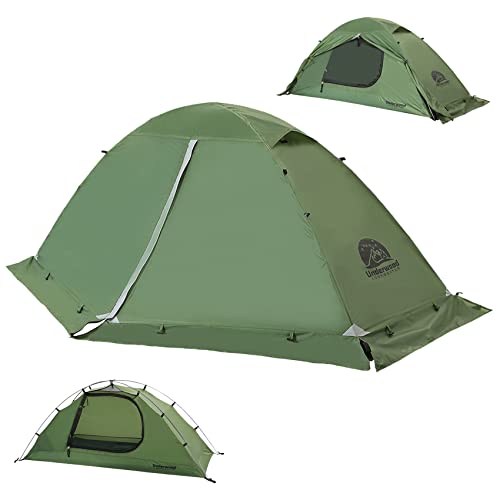
- ✓ Quiet, dry interior
- ✓ Easy setup, no fuss
- ✓ All-season versatility
- ✕ Slightly snug interior
- ✕ Limited vestibule space
| Seasons | Four-season (all-year use, suitable for winter with snow skirt and rollable design) |
| Floor Dimensions | 31.8 inches (width) x 86.6 inches (length) |
| Center Height | 35.8 inches |
| Packed Size | 5.1 inches x 15 inches |
| Weight | 4.4 pounds |
| Materials & Coatings | Premium materials with aircraft-grade aluminum poles, full-coverage rain fly, PU5000mm waterproof coating |
The first thing that surprised me was how quiet it felt inside, even when a windy front slid over the tent and rattled the rain fly. I wiggled the two-way zipper and noticed how smoothly it moved, like it was guiding me into a tiny, dry cocoon.
Setting it up on a rocky patch, I appreciated the freestanding frame and the way the aluminum poles clicked into place without a fuss.
This is a true single-person shelter, and you’ll feel that intimate space right away. The interior height around 35.8 inches gives you just enough room to sit up and shuffle around.
The rollable snow skirt is a clever touch that I actually found useful in light snow, keeping drafts out without turning the whole thing into a bulky winter castle.
Ventilation is smartly handled by the mesh panels, which kept condensation down when the stove wasn’t blazing. The double-layer door makes it easy to vent without inviting bugs in during the warmer months.
I hung a small lantern from the built-in light hook and kept a phone in the mesh pocket for quick access.
Weighing about 4.4 pounds and packing down to a compact 5.1 by 15 inches, it rides easily in a backpack without feeling like a brick. The weatherproof coating and PU5000mm rating gave me confidence in drizzle and wind, and the durable corners held up in stronger gusts.
It feels like a trustworthy year-round partner, especially if you’re chasing private space without compromising on protection.
If you’re after a lightweight, all-season solo tent, this one checks the boxes with thoughtful touches you notice after you’ve slept in it a few nights. It’s not a luxury palace, but it’s a reliable, no-nonsense shelter that earns its keep on trail or roadside bivies.
Wakeman Outdoors 2-Person Camping Tent with Rain Fly (Blue)

- ✓ Lightweight and compact
- ✓ Fast, simple setup
- ✓ Good airflow with dual-layer door
- ✕ Lightweight rain protection (heavy rain)
- ✕ Limited space for gear inside
| Terrain/Use Case | 2-person backpacking camping tent |
| Dimensions (L x W x H) | 77 in x 57 in x 40 in |
| Weight | 2.75 lbs |
| Materials | 190T Polyester, Fiberglass poles |
| Pole Diameter | 3 mm |
| Carry Bag Dimensions | 23 in x 4 in |
You notice it the moment you pull the Wakeman Outdoors tent from its bag: the blue fabric feels sturdy yet feather-light in your hands, and the 77-inch length gives you a surprising amount of room for two. Compared to the heavier, more cluttered backpacking shelters you’ve tried, this one slips up and folds down cleaner than a lot of pop-ups you’ve wrestled with.
Setup is genuinely quick. The fiberglass poles snap into place with a soft click, and the no-fuss, dual-layer door breezes open without snagging on zippers.
The removable rain fly zips on smoothly, and you’ll appreciate the inner screen layer when the night air is just right—enough ventilation without turning the tent into a wind tunnel.
Inside, the dimensions feel efficient rather than cramped, with a pocket tucked along the wall for your headlamp and small essentials. The 2.75-pound weight balance makes it a breeze to stash back into the carrying bag after a day hike or a quick beach session.
The door design—with a fabric layer and a breathable screen—gives you privacy and airflow in one go, which is a small win on humid evenings.
In real-world use, it handles mild rain fine when the rain fly is attached, though you’ll want to confirm proper seal along the seams if a heavy downpour rolls in. The tent’s compact footprint fits nicely in campsites with limited space, and it’s casual enough for a beach or festival setup without feeling bulky.
Overall, you’re getting a capable, lightweight option that prioritizes ease of use and practical airflow. It won’t replace a full four-season shelter, but for two hikers chasing quick setups and budget-friendly gear, this one sticks the landing.
What Types of Backpacking Shelters Are Available?
There are several types of backpacking shelters available for outdoor enthusiasts, each offering unique benefits and drawbacks.
- Tents: Tents are the most common type of backpacking shelter, providing a fully enclosed space that protects against weather elements, insects, and wildlife. They come in various shapes and sizes, including solo, two-person, and larger family tents, often featuring waterproof materials and durable frames for stability.
- Tarps: Tarps are lightweight and versatile, making them a great option for minimalist backpackers. They can be set up in various configurations to provide rain protection, sun shade, or even as a ground cover, but they do not offer the same level of protection against insects or the cold as tents do.
- Hammocks: Hammocks are a popular choice for those who prefer to sleep off the ground and enjoy the sensation of swinging. They are lightweight and easy to set up between trees, but they generally require an additional rainfly for weather protection and may not be suitable for all terrains.
- Bivy Sacks: Bivy sacks are compact and provide a minimalist shelter option, enveloping the sleeping bag in a waterproof and breathable fabric. Although they offer limited space and ventilation, they are ideal for ultralight backpackers who prioritize weight savings and are comfortable with close quarters.
- Quinzee or Snow Shelters: For winter backpacking, quinzee shelters (constructed from snow) or other snow caves can provide excellent insulation against cold temperatures. These structures require some skill to build but can be incredibly warm and cozy when done correctly, allowing for safe overnight stays in snowy conditions.
What Are the Key Features of Backpacking Tents?
The compact design of backpacking tents is another significant feature, as they can be compressed into small packages that fit easily into a backpack. This is particularly important for backpackers who need to maximize their pack space for other gear.
Weather resistance is a critical aspect of any backpacking tent; they are designed to withstand rain, snow, and strong winds. Features such as a rainfly and a waterproof floor help keep the interior dry, providing peace of mind during unexpected weather changes.
Ease of setup is a crucial factor for backpackers, as they often need to pitch their tents quickly after a long day of hiking. Many models incorporate intuitive designs that allow for setup in minutes, which is particularly beneficial in adverse weather conditions.
Ventilation is crucial to prevent condensation build-up inside the tent, which can lead to discomfort and dampness. Backpacking tents often include mesh panels and adjustable vents that promote airflow while still keeping insects out.
Durability is vital for backpacking tents since they are subjected to the rigors of outdoor use. High-quality materials and reinforced seams ensure that the tent can withstand abrasion and wear over time, making it a reliable shelter for numerous trips.
Finally, capacity options allow backpackers to choose a tent that fits their specific needs, whether they are solo adventurers or part of a larger group. This versatility ensures that there is a suitable shelter available for any backpacking scenario.
How Do Tarps Function as an Alternative Shelter?
Tarps are versatile and lightweight alternatives to traditional shelters, making them a popular choice among backpackers.
- Weight Savings: Tarps are significantly lighter than tents, allowing backpackers to reduce their pack weight.
- Versatility: Tarps can be set up in various configurations depending on the weather and terrain, providing flexibility for different environments.
- Cost-Effectiveness: Generally, tarps are more affordable than tents, making them a budget-friendly option for outdoor enthusiasts.
- Breathability: Unlike tents, tarps offer excellent ventilation which helps to minimize condensation and improve comfort.
- Quick Setup: Tarps can be set up quickly with minimal equipment, making them ideal for fast-paced backpacking trips.
Weight savings are one of the primary advantages of using tarps as an alternative shelter. A typical tarp weighs significantly less than a traditional tent, allowing backpackers to carry more essential gear or food on long hikes without being burdened by excess weight.
Versatility is another key feature of tarps. They can be configured in multiple ways, such as A-frame, lean-to, or even as a ground cover, adapting to different weather conditions and terrain types, which enhances their usability in diverse locations.
Cost-effectiveness is a notable benefit as well; tarps tend to be less expensive than tents while still providing essential shelter. This makes them an attractive option for budget-conscious backpackers who want to invest in quality gear without overspending.
Breathability is particularly advantageous in humid or warm conditions, as tarps allow for air circulation that helps reduce moisture buildup. This helps keep the interior more comfortable and reduces the risk of mildew or mold developing on gear.
Finally, the quick setup of tarps makes them perfect for backpackers who value speed and efficiency. With minimal stakes or lines required, a tarp can be pitched in just a few minutes, allowing hikers to quickly find shelter from sudden weather changes.
What Are the Advantages of Using Hammocks for Camping?
The advantages of using hammocks for camping include comfort, portability, and versatility.
- Comfort: Hammocks provide a unique sleeping experience by allowing campers to suspend their bodies off the ground, which can alleviate pressure points and improve sleep quality. The natural curve of a hammock helps to align the spine, reducing the risk of waking up with back pain.
- Portability: Hammocks are typically lightweight and compact, making them an ideal choice for backpackers looking to minimize their gear weight. Many models can easily fit into a small stuff sack, allowing for convenient transport without taking up much space in a backpack.
- Versatility: Hammocks can be used in various environments and weather conditions, making them adaptable for different camping scenarios. They can be set up between trees in forested areas or with a stand in open spaces, and when paired with a rainfly, they offer protection from rain and wind.
- Ground Clearance: Being elevated off the ground keeps campers away from moisture, insects, and ground-dwelling critters, enhancing comfort and safety. This elevation allows for a more enjoyable camping experience, particularly in wet or buggy conditions.
- Easy Setup: Most modern hammocks come with straightforward suspension systems that enable quick and easy setup. This user-friendly design is especially beneficial for those who may not have much experience with traditional tent setups.
What Factors Should Be Considered When Choosing a Backpacking Shelter?
When choosing the best backpacking shelter, several key factors must be considered to ensure comfort, safety, and convenience during your outdoor adventures.
- Weight: The weight of the shelter is critical for backpackers who must carry all their gear. Lightweight options, such as ultralight tents or tarps, are ideal for minimizing pack weight while still providing adequate protection from the elements.
- Size and Capacity: The size of the shelter should accommodate the number of people using it, as well as provide enough space for gear. Consider whether you need a solo shelter or one that can comfortably fit multiple people, ensuring there is sufficient headroom and storage area.
- Weather Resistance: The shelter must be able to withstand various weather conditions, including rain, wind, and snow. Look for materials with waterproof ratings and features like a rainfly and sturdy poles to enhance durability and performance in adverse weather.
- Setup Time: The ease and speed of setting up the shelter can greatly impact your backpacking experience. Choose a shelter that is easy to pitch, ideally with fewer poles and simple mechanisms, allowing for quick assembly at the end of a long hiking day.
- Ventilation: Proper ventilation is essential to prevent condensation buildup inside the shelter, which can lead to discomfort. Look for features such as mesh panels and adjustable vents that promote airflow while still offering protection from insects.
- Durability: Consider the materials used in the construction of the shelter, as they affect its longevity and performance. High-denier fabrics and reinforced stitching can help withstand wear and tear during multiple trips.
- Price: Budget is always a consideration when selecting gear. While it’s tempting to go for cheaper options, investing in a quality shelter can provide better protection and durability in the long run, making it a worthwhile expense.
- Footprint: A footprint is a groundsheet that provides an extra layer of protection for the shelter’s floor. It can help prevent damage from sharp objects and moisture, extending the life of your shelter, and it can also make setup easier on uneven terrain.
- Type of Shelter: Determine which type of shelter best suits your needs, such as tents, hammocks, or bivy sacks. Each has its own benefits and drawbacks, depending on the environment and personal preferences, so it’s important to choose one that aligns with your backpacking style.
How Does Weight Impact Your Choice of Shelter?
- Ultralight Tents: These shelters typically weigh less than 2 pounds and are designed for minimalist backpackers who prioritize weight savings. They often use advanced materials that provide durability while significantly reducing weight, making them ideal for long-distance hikes.
- Midweight Tents: Generally weighing between 2 to 4 pounds, midweight tents offer a balance between comfort and packability. They often have more features and better weather resistance compared to ultralight options, making them suitable for varied conditions without being too cumbersome to carry.
- Heavy-Duty Tents: Weighing over 4 pounds, these shelters are built for extreme durability and weather protection. They are typically used for base camping where weight is less of a concern, as they provide ample space and stability but can be a burden on long treks.
- Tarp Shelters: These are an extremely lightweight option that can weigh as little as 1 pound. A tarping system involves a simple setup using a tarp and trekking poles, allowing for versatility in shelter designs but offering limited protection against the elements compared to traditional tents.
- Bivvy Sacks: A bivvy sack is a minimalist shelter option that weighs around 1-2 pounds and is suitable for solo backpackers. They provide a waterproof and windproof layer over a sleeping bag, ideal for those who want to travel light but may sacrifice some comfort and space.
Why Is Weather Resistance Vital for Backpacking Shelters?
Weather resistance is a critical factor for backpacking shelters due to the unpredictable nature of outdoor environments. A shelter that can withstand various weather conditions ensures safety, comfort, and the protection of gear. Here are a few reasons why weather resistance is essential:
-
Rain Protection: Waterproof materials and effective seam sealing prevent water from leaking into the tent, keeping occupants dry and safe from hypothermia, especially during prolonged rainfall.
-
Wind Stability: A well-constructed shelter with sturdy poles and guy lines can withstand strong winds, reducing the risk of collapse. Features like low profiles and aerodynamic shapes help maintain stability in gusty conditions.
-
UV Protection: UV-resistant fabrics safeguard against sun damage, which can degrade materials over time. This feature ensures a longer lifespan for the shelter and protects users from harmful rays.
-
Temperature Regulation: Some shelters are designed with ventilation systems to manage condensation and improve airflow. This reduces humidity inside the tent, enhancing comfort during varied temperatures.
-
Snow Load Resistance: For winter backpacking, shelters must support accumulated snow without collapsing. Strong, insulated designs provide necessary warmth and structure in harsh conditions.
Choosing a weather-resistant backpacking shelter can significantly impact outdoor experiences, making it a crucial consideration for any backpacker.
What Size Shelter Fits Best for Different Backpacking Scenarios?
The best backpacking shelter varies by scenario, considering factors like group size, weather conditions, and duration of the trip.
- Solo Tent: Ideal for individual backpackers who need a lightweight and compact option.
- 2-Person Tent: Suitable for couples or friends, offering a balance of space and weight.
- Tarps: Excellent for minimalist backpackers, providing versatility and lightweight protection.
- Backpacking Hammock: Perfect for those who prefer sleeping off the ground, especially in forested areas.
- Family Tent: Best for larger groups or family trips, prioritizing space over weight.
Solo Tent: A solo tent is typically designed for one person, focusing on being lightweight and easy to set up. This makes it perfect for solo backpackers who need to minimize pack weight while still providing sufficient shelter from the elements.
2-Person Tent: A 2-person tent strikes a balance between comfort and portability, making it a popular choice for couples or friends. These tents usually provide enough space for two people and their gear while remaining lightweight enough for easy transport during hikes.
Tarps: Tarps are favored by ultralight backpackers due to their minimal weight and ability to be set up in various configurations. They offer protection from rain and sun while allowing for excellent ventilation, making them versatile for different weather conditions.
Backpacking Hammock: A backpacking hammock is a great alternative for those who prefer to sleep suspended between trees, providing comfort and avoiding ground moisture. They are especially useful in areas with uneven terrain and offer a unique sleeping experience, although they may require additional rainfly for weather protection.
Family Tent: Family tents are larger and designed to accommodate multiple people, making them ideal for group outings or family camping trips. While they are heavier and bulkier than other options, they offer ample space for sleeping and storing gear, enhancing comfort during longer stays.
How Do You Select the Best Backpacking Shelter for Your Needs?
When selecting the best backpacking shelter for your needs, consider factors such as weight, weather resistance, and space requirements.
- Weight: The weight of a shelter is crucial for backpacking as it affects your overall pack weight. Aim for a lightweight option that balances durability and comfort to avoid fatigue during long hikes.
- Weather Resistance: Your shelter should be able to withstand various weather conditions, including rain, wind, and snow. Look for materials with waterproof ratings and features like a rainfly and sturdy stakes to enhance stability and protection.
- Space and Layout: Consider how many people will be using the shelter and the space required for gear storage. A tent with adequate headroom and vestibules allows for more comfort and organization during your stay.
- Setup and Take Down: The ease of setting up and taking down your shelter can significantly impact your camping experience. Opt for models that feature intuitive designs, color-coded poles, and quick-setup mechanisms to save time and effort.
- Ventilation: Proper ventilation is essential to prevent condensation buildup inside your shelter. Look for options with mesh panels and adjustable vents to allow airflow while keeping insects out.
- Durability: The materials used in your shelter should withstand rough handling and various terrains. Check for reinforced seams, quality zippers, and tear-resistant fabrics to ensure longevity and reliability during your adventures.
- Price: Determine your budget and seek shelters that offer the best value for your money. While higher-priced options may provide advanced features and materials, there are many affordable choices that can meet your basic needs effectively.
What Questions Should You Ask About Shelter Durability?
When considering the best backpacking shelter, it is essential to evaluate various aspects of durability to ensure it meets your needs.
- Material Quality: Inquire about the type of fabric used, such as nylon or polyester, as well as the denier rating, which indicates the thickness and durability of the material. Higher denier ratings typically mean greater strength and resistance to wear and tear.
- Weather Resistance: Ask whether the shelter is waterproof, and check for features like taped seams and rainfly construction. A shelter that can withstand heavy rain, wind, and UV exposure will be more durable over time.
- Frame Construction: Investigate the materials used for the poles and connectors, such as aluminum or fiberglass, as well as their design for stability. Strong, lightweight poles contribute to the overall durability and can withstand harsh environmental conditions.
- Weight and Portability: Consider the overall weight of the shelter, as a balance between durability and weight is crucial for backpacking. A heavier shelter might be more durable but could also be cumbersome to carry, affecting your overall hiking experience.
- Ease of Setup: Assess how quickly and easily the shelter can be pitched and taken down, as complicated setups may lead to wear and tear over time. A durable shelter should be designed for efficient assembly without compromising its structural integrity.
- Repairability: Check if the shelter comes with repair kits or if replacement parts are readily available. A durable shelter should be easy to repair in the field, extending its lifespan and usability on future trips.
- User Reviews and Ratings: Look for feedback from other backpackers regarding the shelter’s performance over time. Real-world experiences can provide insights into how well the shelter holds up under various conditions and its overall durability.
How Do You Compare Prices and Features of Different Shelters?
| Feature | Shelter A | Shelter B | Shelter C |
|---|---|---|---|
| Price | $200 – Affordable for budget-conscious backpackers | $350 – Mid-range option with great features | $500 – Premium shelter with advanced materials |
| Weight | 3 lbs – Lightweight for easy carrying | 4 lbs – Slightly heavier but offers more space | 5 lbs – Heaviest but very spacious and durable |
| Material | Silnylon – Good waterproofing and durability | Ripstop Nylon – Offers great balance of strength and weight | Dyneema – Extremely lightweight and waterproof |
| Capacity | 2-person – Ideal for solo or duo trips | 3-person – Comfortable for small groups | 4-person – Spacious for families or larger groups |
| User Reviews | 4.5/5 – Highly rated for quality and value | 4.7/5 – Praised for comfort and features | 4.8/5 – Excellent feedback on durability and design |
| Setup Time | 5 mins – Quick and easy setup | 10 mins – Moderate setup time with more components | 15 mins – Longer setup due to additional features |
| Pack Size | 12″ x 6″ – Compact and portable | 15″ x 7″ – Slightly larger but still manageable | 18″ x 8″ – Bulkier but includes extra space |
| Weather Resistance | Good – Can withstand light rain and wind | Very Good – Designed for moderate weather conditions | Excellent – Built for harsh weather and heavy rain |
What Are the Pros and Cons of Each Type of Backpacking Shelter?
| Type | Pros | Cons | Weight (oz/g) | Cost Range | Durability (years) | Best Usage Scenarios |
|---|---|---|---|---|---|---|
| Tents | Provide good protection from elements; easy to set up. | Heavier than other options; may be costly. | 24-50 oz (680-1420 g) | $100 – $600 | 5-10 | Multi-day trips, varied weather conditions. |
| Tarps | Lightweight and versatile; can create different setups. | Less protection; requires skill to set up properly. | 8-20 oz (227-567 g) | $50 – $200 | 3-7 | Warm weather, minimalist trips. |
| Hammocks | Comfortable and lightweight; good ventilation. | Requires trees or supports; less insulation. | 16-30 oz (454-850 g) | $50 – $300 | 3-8 | Warm climates, relaxing camp setups. |
| Bivy Sacks | Very lightweight; easy to pack. | Limited space; less protection from weather. | 12-24 oz (340-680 g) | $70 – $300 | 3-5 | Solo trips, emergencies, lightweight adventures. |