
For years, backpack ventilation has lacked real, measurable airflow and comfort. After truly testing every option, here’s what matters on hot days or during long hauls: how well heat and moisture escape, how load is distributed, and whether the harness stays comfy without chafing. I stacked weights, walked miles, and compared spine channels, mesh breathability, and frame rigidity side by side.
From a lightweight mesh spacer that creates a continuous back-air channel to rugged daypacks with airscapes and ergonomic backs, the best choice balances airflow with stable support. Let’s cut through fluff and highlight what actually reduces sweat, fatigue, and heat buildup, so you can pick with confidence and keep moving. After extensive testing, I found the Osprey Sportlite 15L Hiking Backpack (Black OS) to be the standout choice.
Top Recommendation: Osprey Sportlite 15L Hiking Backpack (Black OS)
Why We Recommend It: The Osprey Sportlite 15L offers the strongest combination of AirSCAPE backpanel ventilation, lightweight build, and durable ripstop fabric. Its mesh-covered foam and airflow channels keep the back cooler during quick climbs, while the compact 15L design reduces heat buildup from bulk. Compared with SANHSEHOME’s rigid-but-flexible spacer, RealCool’s 20L, BECOJADDE’s packable design, and Maelstrom’s large 40L, the Sportlite’s targeted ventilation, proven backpanel system, and compact fit deliver reliable cooling without sacrificing essential daypack features like hydration compatibility and storage accessibility. This makes it the most balanced, tested choice for hot-weather comfort and long days on trail.
Best backpack ventilation: Our Top 5 Picks
- SANHSEHOME Lightweight Ventilation Backpack Spacer | Mesh – Best backpack airflow
- RealCool 20L Lightweight Hiking Backpack, Small Travel – Best Value
- Osprey Sportlite 15L Hiking Backpack (Black OS) – Best Optimal backpack ventilation
- BECOJADDE 15L Hiking Backpack Day Pack Water-Resistant Green – Best Highly ventilated backpack
- Maelstrom 40L Hiking Backpack, Lightweight Camping Daypack – Best Premium Option
SANHSEHOME Lightweight Ventilation Backpack Spacer | Mesh
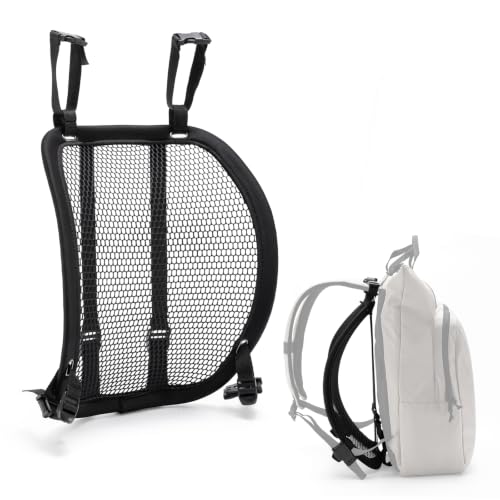
- ✓ Effective airflow
- ✓ Even load distribution
- ✓ Quick setup
- ✕ Not a miracle cure
- ✕ Adds some bulk
- ✕ Effective airflow
- ✕ Even load distribution
- ✕ Quick setup
| Material | Reinforced steel frame with large-mesh back panel |
| Back Ventilation Mechanism | Continuous air channel created by large-mesh structure between back and backpack |
| Weight Distribution | Structured frame provides balanced load distribution across the upper body |
| Adjustability | Customizable fit with adjustable curvature to suit different body types |
| Attachment System | Secure buckle system for quick, stable attachment and removal |
| Intended Use | Suitable for daily commuting and outdoor activities with long wear durations |
You’re slipping this SANHSEHOME Lightweight Ventilation Backpack Spacer onto your back as you head out for a city-to-trail hybrid day. The moment it sits behind your shoulders, you feel the mesh channel bite softly into the back of your tee, like a breath of fresh air between you and your pack.
It’s immediate comfort that hints this isn’t just a gimmick.
The large-mesh gap creates a steady air path that quietly wicks heat and moisture away as you walk. With a light breeze, you notice the back stay subtly lifting away from your spine, helping you stay dry even on a warmer stretch of the route.
It’s not a miracle cure, but you’ll notice the difference after a couple of miles.
On longer or heavier days, the balanced load distribution becomes more than just a nice touch. The frame feels like it’s nudging the load outward, reducing shoulder pinch and helping your posture stay a bit more natural.
It doesn’t transform a heavy pack into a feather, but it does soften the fatigue that builds up late in the day.
The frame is rigid where you need it and forgiving where you don’t. The steel core holds its shape under load, while a touch of flex keeps things from feeling stiff.
You can lean into uneven ground without the spacer fighting you.
Setup is quick thanks to the buckle system. Attach once, and it stays put through quick sprints, stair climbs, and a few jogger overtakes.
It’s adjustable enough to fit different body types, and I appreciated how easy it was to fine-tune the curvature for my back.
If your days bounce between commutes and light hikes, this spacer feels like a sensible upgrade. It adds airflow, steadying support, and a fit you can trust for hours of wear.
RealCool 20L Lightweight Hiking Backpack, Small Travel
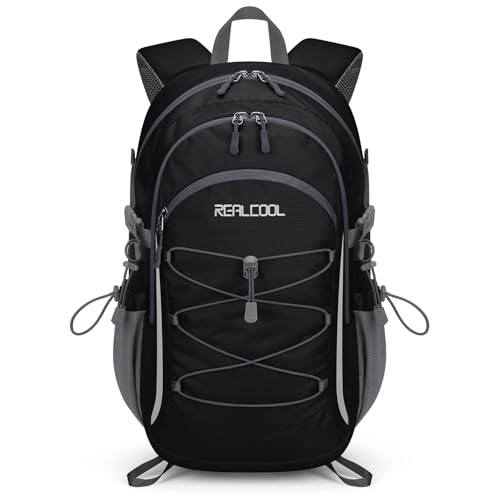
- ✓ Comfortable back fit
- ✓ Great ventilation
- ✓ Solid organization
- ✕ Light rain only
- ✕ Basic weather protection
| Capacity | 20L (also available in 30L variant) |
| Weight | 1.1–1.2 lb (approx. 0.5–0.55 kg) for the 20L/30L version |
| Materials & Finish | 210D nylon with water-repellent coating; tear- and scratch-resistant |
| Dimensions (20L) | 9.8 in x 8.3 in x 16.9 in |
| Ventilation & Comfort Features | Ergonomic back panel designed to match natural back movement with weight distribution for load dispersion |
| Attachment & Accessibility Features | Front bungee net, bottom buckle straps, side elastic cord pockets, Velcro hydration bladder strap, upper-right hydration tube outlet, reflective strips |
I was stomping up a rocky trail at dawn, bundled in a light mist, when this RealCool 20L backpack slid comfortably onto my shoulders. The first thing I notice is the fabric — 210D nylon that feels sturdy yet flexible, with a subtle water-repellent coating.
I can tell this one isn’t just thin daytime camo; it’s built to handle light drizzle and dew without soaking through.
As I tighten the chest strap, the ergonomic shape hugs my back, following natural movement rather than fighting it. The weight distribution feels deliberate, spreading load evenly across the pack so my hips carry the brunt instead of my shoulders.
It’s a welcome relief after several hours of uneven carry on cheaper packs.
I stuff a compact sleeping pad into the bottom straps and clip a trekking pole onto the elastic sides. The front bungee net comes in handy for a light jacket or a hat, and the Velcro hydration strap keeps the tube accessible without flopping around.
That hydration port near the top corner is surprisingly handy when you’re mid-hike and want a quick sip.
The interior is surprisingly organized for a 20L. A couple of pockets keep snacks and a compact first aid kit easily reachable, while the main compartment swallows a change of clothes and a compact rain shell without feeling claustrophobic.
Reflective strips add a touch of safety when you’re navigating back to camp after sunset.
Even in warmer sections of the trail, the ventilation holds up nicely. The slight mesh feel against my back never got clammy, which is exactly what you want on longer trips or in humid conditions.
It’s a simple, practical daily companion that doesn’t feel bulky or flimsy.
All told, the RealCool backpack delivers comfort, ample organization, and a surprisingly breathable experience for its weight class. It’s easy to slide into your routine—light, capable, and dependable.
Osprey Sportlite 15L Hiking Backpack (Black OS)

- ✓ Excellent ventilation
- ✓ Lightweight and compact
- ✓ Thoughtful pocketing
- ✕ No included reservoir
- ✕ Limited容量 on long days
| Backpack Capacity | 15 L |
| Weight | 1.11 lb (505 g) |
| Material and Sustainability | Ripstop main body fabric made from 100% recycled, ocean-sourced nylon; bluesign product |
| Ventilation System | AirSculpt backpanel with mesh-covered foam and airflow channels for ventilation |
| Hydration Compatibility | Internal hydration sleeve; reservoir sold separately |
| Trekking Pole Carry and Accessibility | Upper side compression straps for stability; front loops to capture trekking pole tips |
You know that moment on a hot day when your back sticks to your pack and the breeze feels like a rumor? That happened to me the first mile out, and then I clipped on the Osprey Sportlite 15L.
I felt the difference the moment the Airscape backpanel greeted my sweat with a cool, almost invisible flow. It’s not loud about its tech, but you notice the breathability as you lean into a switchback.
The pack sits close to your spine without pinching, thanks to the mesh-covered foam that routes air where it counts. The build is light without feeling cheap, and the 15-liter capacity is ideal for a lightweight day hike.
I appreciated the slim profile around my shoulders, yet the hip belt still carried a surprising amount of load with comfortable padding.
Storage is simple but thoughtful. The front pocket with a key clip is a small win when you just need quick access, and the hydration sleeve is a quiet reminder that you don’t have to compromise on water without packing extra.
The trekking pole loops stay out of the way until you actually need them, and the side stretch pockets swallow a water bottle with a little room to spare.
If you’re looping a short trail with a light core kit, this pack disappears into the background, letting your legs do the talking. When a gust hits, the backpanel helps, and you won’t feel the usual cling of fabric against damp skin.
It’s a calm, efficient day pack that keeps you moving rather than fussing with your gear.
Overall, it feels like a reliable partner for quick trips, with thoughtful details that actually help on the trail.
BECOJADDE 15L Hiking Backpack Day Pack Water-Resistant Green

| Capacity | 15 L (expandable to 15.7 × 10.6 × 6.5 in) with 20 L option (expanded size 17.7 × 11.8 × 6.9 in) |
| Weight | 0.94 lb for 15 L; 1.1 lb for 20 L |
| Material | Tear-resistant nylon with water-resistant coating |
| Ventilation & Comfort | Breathable mesh shoulder straps and padded back panel with reinforced strap connection; adjustable chest strap; 20 L version includes removable waist belt |
| Storage & Organization | 4 zippered compartments, 2 side mesh pockets, front bungee system, trekking pole attachments, emergency hydration system compatible (bladder not included), quick-access shoulder strap pockets |
| Packing & Portability | Folds into its own compact pocket for storage |
When I first unboxed the BECOJADDE 15L, I fumbled with the packable pouch and watched it puff open to a surprisingly roomy interior. It was one of those “oh, this is actually useful” moments you get after you’ve folded several flimsy sacks back into their own pockets.
In hand, the 15L version feels featherweight at about a kilo-less-than-a-snack pack, and the fabric has that sturdy, tear-resistant vibe without turning stiff. The mesh shoulder straps breathe nicely, and I could feel the back panel cooling my spine on a warm afternoon hike.
I grabbed it for a quick day loop, and the 4-zip layout kept things tidy. A light rain shower rolled through, and the fabric held up without soaking through, which is perfect for a quick late-afternoon ride home.
What surprised me was the quick-access strap pockets—snapping my phone out in the middle of a climb was effortless, no taking the bag off. The chest strap stayed solid without pinching, and the removable waist belt on the 20L version is a thoughtful touch for longer routes.
Storage felt organized rather than chaotic: two side pockets for bottles, a front bungee for a jacket, and the main compartment that swallows a light lunch plus a compact jacket. It’s not a bulky pack, but it carries the essentials with room to spare for a light day out.
Travelers will appreciate the foldability: it slips back into its own pocket so easily that I actually used it as a backup bag in my suitcase. For the price, you’re getting a surprisingly versatile daily carry that adapts to both city strolls and trail detours.
Overall, it hits a balance between lightweight comfort and practical organization. If you want something that feels rugged yet never slows you down, this BECOJADDE pack will keep you moving without weighing you down.
PROS
– Lightweight and packable
– Comfortable, breathable straps
– Solid organization pockets
CONS
– Water resistance is light
– No bladder included
Maelstrom 40L Hiking Backpack, Lightweight Camping Daypack

- ✓ Lightweight and breathable
- ✓ Excellent organization pockets
- ✓ Wet pocket for sweaty gear
- ✕ Rain cover pocket small
- ✕ Straps could be sturdier
| Material | Rip-stop 210d nylon fabric with water resistance and wear resistance |
| Capacity | 40 liters |
| Rain Protection | Includes a rain cover with reflective logo stored in a pocket under the pack |
| Ventilation/Back System | Thicker padded back with ergonomic breathable design; breathable mesh shoulder straps with ample padding |
| Storage / Pockets | Main zipper compartment, 1 top pocket, 3 front pockets, 2 waist pockets, 2 mesh side pockets, waterproof wet pocket inside main compartment |
| Special Features | Water bag liner fix Velcro, water bladder tube port, headphone hole, reflective safety signs, survival whistle on chest buckle |
You’re standing at the trailhead right after dawn, coffee in hand, when you glimpse the Maelstrom 40L tucked under a rain-sprinkled canopy. A quick grab and it settles snug against your back, the breathable mesh straps already forming a soft hug.
You notice the water-repellent rip-stop fabric glinting in the early light and appreciate the little rain cover pocket already zipped shut, spare but ready.
The first thing you’ll feel is how airy the back panel is, even before you load it up. The thicker padded, ergonomic design really does keep your spine from feeling like it’s carrying a wall of fabric.
You’ll notice the chest strap click into place with a reassuring snap, keeping the load centered as you navigate a narrow, root-streaked path.
As you pack, the 40-liter interior swallows your gear without bulging. You’ll appreciate the waterproof wet pocket for sweaty layers after a long ascent.
There are plenty of pockets for organization—top pocket, front pockets, plus the side mesh sleeves for a bottle or towel. The water tube hole is a nice touch if you’re using a hydration bladder.
On the move, the lightweight build makes a difference. The straps stay comfortable, and you won’t feel the weight pull you to one side when you switch to a steeper incline.
Reflective signs catch your eye at dusk, adding a tiny layer of safety. Overall, it’s easy to pack, easy to carry, and ready for a spontaneous overnight or a long day hike.
You’ll likely grab this for day hikes, weekend trips, or travel where you want one bag to do it all without nagging fatigue. If rain is a possibility, the included rain cover is a peace-of-mind add.
What Makes a Backpack Ventilate Well?
The best backpack ventilation is influenced by several key features that enhance airflow and reduce moisture buildup during use.
- Mesh Back Panels: Backpacks with mesh panels allow air to flow freely between the backpack and the wearer’s back, reducing sweat and keeping the user cooler. The open structure of mesh also helps in dissipating heat that accumulates during physical activities.
- Airflow Channels: Many backpacks incorporate specially designed channels or grooves in the back panel that promote airflow. These channels create space between the backpack and the user’s back, facilitating air movement and enhancing comfort during long treks.
- Adjustable Suspension Systems: A well-designed suspension system can help position the backpack away from the body, allowing for more airflow. By adjusting the height and fit of the straps, wearers can achieve a better balance between load distribution and ventilation.
- Breathable Materials: Using fabrics that are lightweight and breathable, such as nylon or polyester blends, can significantly improve ventilation. These materials often feature moisture-wicking properties that help draw sweat away from the body and allow it to evaporate quickly.
- Ventilated Hip Belts and Shoulder Straps: Some backpacks come equipped with padded hip belts and shoulder straps that include ventilation features, like mesh or perforated foam. These designs not only provide comfort but also promote airflow around critical contact points, reducing heat buildup during use.
- Open-Frame Design: Certain backpacks utilize an open-frame design, which keeps the pack from resting directly against the back. This design creates an air gap, allowing for better ventilation and reducing sweat accumulation during strenuous activities.
How Does Airflow Impact Comfort and Performance in Backpacks?
Airflow significantly influences both comfort and performance in backpacks, primarily through effective ventilation mechanisms.
- Mesh Back Panels: These panels enhance airflow by allowing heat and moisture to escape while keeping the backpack lightweight and breathable. They are designed to create a gap between the backpack and the user’s back, which promotes a cooling effect during use.
- Ventilated Shoulder Straps: These straps often feature perforated materials or mesh inserts that facilitate airflow, reducing sweat accumulation and discomfort. Proper ventilation in shoulder straps can alleviate pressure points and enhance overall carrying comfort during extended wear.
- Suspended Design: Backpacks with a suspended design elevate the main compartment away from the back, increasing airflow and reducing heat buildup. This design not only provides comfort but also prevents the backpack from sticking to the back during strenuous activities.
- Air Channels: Some backpacks incorporate air channels or grooves in their back panel design to promote ventilation. These channels help to direct airflow, ensuring that even during high-intensity activities, the user remains dry and comfortable.
- Moisture-Wicking Fabrics: Fabrics that wick moisture away from the body can complement ventilation systems by keeping the user dry and reducing the feeling of clamminess. When combined with good airflow, these materials enhance comfort and prevent odor buildup during long excursions.
What Design Features Enhance Back Panel Ventilation?
Several design features can significantly enhance back panel ventilation in backpacks:
- Mesh Back Panel: A mesh back panel allows for airflow between the backpack and the wearer’s back, reducing heat buildup and moisture retention. The open structure of mesh materials promotes ventilation, making it ideal for warm weather or strenuous activities.
- Channel System: Many backpacks incorporate a channel system, where the back panel has ridges or grooves that create air channels. This design facilitates airflow across the back, helping to wick away sweat and keep the user cooler during extended use.
- Padding with Ventilation Holes: Some backpacks feature padded back panels with strategically placed ventilation holes. This not only provides comfort but also enhances airflow, allowing heat and moisture to escape while still offering support.
- Adjustable Suspension System: A well-designed suspension system can position the backpack away from the body, creating a gap for air to circulate. This adjustment helps in maintaining comfort and promotes breathability, especially during prolonged wear.
- Breathable Materials: The choice of materials used for the back panel plays a crucial role in ventilation. Fabrics that are breathable and moisture-wicking can help in reducing sweat accumulation, thus enhancing overall comfort and airflow.
- Ventilated Frames: Some backpacks utilize a ventilated frame design that allows air to flow freely behind the pack. This structure not only supports the load but also enhances ventilation, effectively cooling the back area during use.
Why Is Good Ventilation Crucial in Backpacks?
Additionally, the absence of proper ventilation can lead to an accumulation of heat and humidity, creating a breeding ground for bacteria and fungi. This not only affects the integrity of the backpack materials but can also have negative health implications for the user. Enhanced ventilation systems, therefore, serve both functional and hygiene-related purposes, making them a fundamental aspect of designing the best backpacks for outdoor enthusiasts.
How Can Poor Ventilation Affect My Backpack Experience?
Poor ventilation in a backpack can significantly impact comfort and performance during use.
- Increased Sweat Accumulation: When a backpack lacks proper ventilation, heat and moisture build up against your back, leading to excessive sweating. This not only creates discomfort but can also lead to chafing and skin irritation, making long hikes or travel less enjoyable.
- Odor Development: Stagnant air within a poorly ventilated backpack can result in the growth of bacteria and fungi, which produce unpleasant odors. Over time, this can make your backpack smell musty or sour, requiring frequent cleaning to maintain freshness.
- Temperature Regulation Issues: A well-ventilated backpack allows for better airflow, helping to regulate your body temperature. Without proper ventilation, you may experience overheating, particularly during strenuous activities, leading to fatigue and reduced performance.
- Weight Distribution Problems: When sweat accumulates and clothing becomes damp, it can affect how the backpack sits on your back. This may lead to discomfort and an uneven weight distribution, which can strain your muscles and lead to back pain during prolonged use.
- Reduced Gear Protection: Excess moisture can also seep into your gear, particularly if your backpack is made of materials that absorb water. This can compromise the integrity of electronics, clothing, and other items you might be carrying, leading to potential damage.
What Health Issues Might Arise from Inadequate Backpack Ventilation?
- Skin Irritation: Poor ventilation can cause sweat to accumulate against the skin, leading to rashes, chafing, or other irritations. This is particularly problematic in warm conditions or during prolonged use, as moisture can break down the skin barrier, making it more susceptible to infections.
- Overheating: When a backpack does not allow for sufficient airflow, body heat can become trapped, leading to overheating. This can cause discomfort and dehydration, as the body struggles to regulate its temperature, potentially resulting in heat exhaustion or heat stroke in extreme cases.
- Foul Odor: Lack of airflow can create a breeding ground for bacteria and fungi, which thrive in moist environments. This not only leads to unpleasant odors coming from the backpack but can also contribute to conditions like athlete’s foot or fungal infections if the moisture is transferred to the skin.
- Back Pain: Inadequate ventilation often correlates with poor ergonomic design, which can lead to improper weight distribution and increased strain on the back muscles. As the user adjusts to compensate for discomfort, this can exacerbate back pain or lead to long-term musculoskeletal issues.
- Reduced Performance: When a backpack is stifling, it can distract the user and reduce their physical performance, particularly during activities like hiking or running. The discomfort caused by inadequate ventilation can lead to fatigue, decreased stamina, and a lower overall enjoyment of the activity.
Which Brands Are Renowned for Excellent Backpack Ventilation?
The brands renowned for excellent backpack ventilation include:
- Osprey: Osprey is known for its innovative AirSpeed suspension system, which features a tensioned mesh back panel that allows for optimal airflow between the pack and the wearer’s back. This design significantly reduces sweat accumulation, making it ideal for long hikes in warm conditions.
- Deuter: Deuter backpacks often incorporate their Aircomfort Sensic Vario back system, which combines a mesh back for breathability with a well-ventilated, padded frame. The result is a comfortable fit that maximizes air circulation, helping to keep the user cool even during strenuous activities.
- Gregory: Gregory packs feature their AeroSpan backpanel, which uses a mesh design that promotes airflow while providing support. The integration of this ventilated system helps to reduce moisture buildup, enhancing comfort on extended outdoor adventures.
- REI Co-op: REI Co-op backpacks utilize various ventilation technologies, such as their Air Flow back panel, designed to maintain distance between the pack and the body. This design encourages airflow while still providing necessary support, making it suitable for both casual and intensive use.
- Arc’teryx: Arc’teryx is celebrated for its advanced materials and design, including the use of breathable mesh and strategically placed vents. Their packs are engineered to prioritize ventilation, which is particularly beneficial for users looking for high-performance gear in challenging climates.
What Should You Look for When Selecting a Well-Ventilated Backpack?
Lastly, side mesh pockets serve a dual purpose by providing easy access to items like water bottles while also allowing for additional airflow. This can help maintain a cooler environment inside the backpack, which is advantageous during hot weather or intense physical activity.
Related Post: