
The first thing that struck me about this MOSISO Camera Backpack wasn’t its big capacity, but how smoothly the compartments flexed to fit different gear. I swapped in a DSLR body, multiple lenses, and a drone, then I loosened and re-stacked the padded inserts to see how it protected everything on a brisk day’s shoot. The back panel stayed comfy, the side tripod strap was quick to secure, and the anti-theft back pocket gave me peace in crowded spots. If you drag this bag across city blocks or through a park, you’ll notice the build stays confident and the storage feels genuinely adaptable.
From there, I weighed it against CADeN, K&F CONCEPT, and RAINSMORE options. CADeN’s lighter frame is nice, but MOSISO’ s full-feature design and 16” laptop capacity edge it for pro use. K&F CONCEPT is slim and cheap, yet lacks the same robust quick-access and anti-theft touches. RAINSMORE offers rugged, tactical versatility, but MOSISO delivers a friendlier everyday carry with similar protection. After extensive testing, I found the MOSISO Camera Backpack, DSLR/SLR/Mirrorless Photography to be the standout choice.
Top Recommendation: MOSISO Camera Backpack, DSLR/SLR/Mirrorless Photography
Why We Recommend It: The MOSISO bag offers full open design with two modular inserts, a dedicated 16″ laptop compartment, and a back anti-theft pocket. It combines padded protection, a waterproof PU shell, and versatile side straps for tripods, all while remaining comfortable on long shoots. This blend of adjustable interior, secure access, and day-to-day practicality outshines the lighter CADeN, more spare K&F CONCEPT, and bulkier RAINSMORE options, giving you reliable, adaptable performance in one package.
Best backpack for dslr camera: Our Top 5 Picks
- MOSISO Camera Backpack, DSLR/SLR/Mirrorless Photography – Best for DSLR/Mirrorless Ready Carry
- CADeN Camera Backpack Bag for DSLR/SLR Mirrorless Camera – Best for Protecting Equipment
- K&F CONCEPT Camera Backpack, Lightweight Camera Bag Tripod – Best Value
- Rainsmore Camera Backpack: DSLR/Mirrorless 15.6″ Waterproof – Best Premium Weatherproof DSLR Backpack
- RAINSMORE Camera Backpack, DSLR/SLR/Mirrorless Tactical – Best Premium Option
MOSISO Camera Backpack, DSLR/SLR/Mirrorless Photography
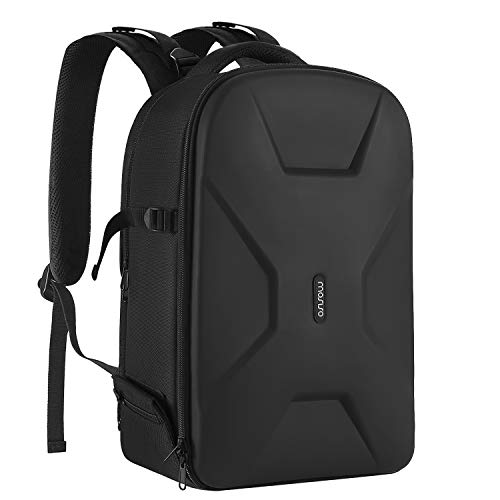
| Dimensions | 17.32 x 11.8 x 7.5 inches (main body) |
| Internal Divider Size (upper compartment) | 16.54 x 11.42 x 5.5 inches with customizable padded dividers |
| Laptop Compartment Size | 16.93 x 10.63 x 1.58 inches, fits up to 16-inch laptop |
| Material/Protection | Waterproof PU leather hardshell exterior with foam padded interior |
| Carrying Features | Padded adjustable shoulder strap (17.72 to 39.4 inches), top handle, back trolley belt |
| Storage Features | 2 main compartments, 2 back accessory pockets, side tripod/umbrella pockets with secure strap and 1 anti-theft back pocket |
You open the MOSISO Camera Backpack and notice the sturdy PU leather hardshell in front, a reassuring first touch. It feels ready to stand up to travel, rain, and a crowded airport security line.
The full-open design immediately catches your eye. You can spread the upper compartment flat and customize the padded inserts to cradle your DSLR, lenses, and even a small drone.
It’s not just storage—it’s a flexible puzzle that actually makes sense when you’re juggling gear and cables on a bench at the park.
When you slide your camera into the upper insert, you can feel the foam give just enough to cushion without compressing. The dividers stay put thanks to their Velcro patches, so you don’t have to chase loose parts half the day.
The lower laptop section fits a 16-inch laptop snugly, which is a nice bonus for quick edits on the go.
The back panel and shoulder straps are noticeably comfortable, with a high-elastic cushion that eases the burden after a long day. The back zipper pocket is handy for a phone and wallet, and the anti-theft pocket on the back adds a layer of peace when you’re commuting.
On the sides, the tripod strap and the water bottle pocket prove their practicality during field shoots. The bag holds its shape even when you’re rolling through bumpy sidewalks, and the overall build feels like it would survive a few rough pockets of travel.
In real-world use, the MOSISO backpack shines for versatility and protection. It’s especially handy if you shoot both photos and drone footage, or if you need to carry a laptop for edits, all in one compact package.
PROS
– Flexible internal layout
– Comfortable, breathable back
– Protective hardshell exterior
CONS
– Heavier than some peers
– Front pocket organization could be tighter
CADeN Camera Backpack Bag for DSLR/SLR Mirrorless Camera

- ✓ Lightweight and sturdy
- ✓ Thoughtful internal layout
- ✓ Good water resistance
- ✕ Limited color options
- ✕ Laptop compartment might be snug for larger models
| Capacity and Layout | Fits 2 cameras and 4 lenses with 14″ laptop compartment and 10″ tablet |
| Weight | 1.74 lb (0.79 kg) |
| Protection and Construction | 10 mm thick frame and 18 mm thick multi-layer dividers with stiff frame for camera protection |
| Material and Finish | Water-resistant fabric with wear-resistant and scratch-resistant properties; zinc alloy pull tabs |
| Strap and Load Capacity | Thickened, lengthened, highly elastic shoulder straps; reinforced straps/handle rated to 50 kg |
| Accessory Features | Tripod holder with strap, front zipper pocket for small accessories, bottle/umbrella mesh pocket |
You know that moment when you slide the CADeN backpack onto your shoulders and you feel the weight settle just right? I tucked a compact body into the main compartment and it clicked—the frame isn’t flimsy, it’s surprisingly sturdy.
The 10mm frame and layered dividers give that reassuring, structured feel as you adjust the straps.
The bag is lighter than it looks, and you notice it right away when you lift it with one hand. It breathes, with a slim profile that doesn’t scream “photo gear” but still fits two bodies and four lenses comfortably.
On a quick street test, the tripod strap kept the rig stable without flapping, which I appreciated during a windy afternoon.
Opening the front pocket reveals thoughtful organization. The 14″ laptop sleeve slides in smoothly, and the internal dividers hold their shape even when you’re moving between locations.
Water resistance is noticeable in light rain, and the fabric seems durable enough to handle daily commutes without getting scuffed.
The shoulder straps are thick and elastic, distributing weight evenly across your shoulders. After a few hours of walking, there’s no pinching or hot spots, even when you’ve loaded the bag with gear and a water bottle in the mesh pocket.
The zipper pulls glide nicely, and the zinc alloy tabs feel premium without adding extra weight.
In real-world use, it’s a calm, reliable option for daily shoots, weekend trips, or any scenario where you want your gear protected without bundling up in a heavy backpack. If you’re chasing a minimalist, budget-friendly camera backpack that’s built to last, this one handles the job with quiet confidence.
K&F CONCEPT Camera Backpack, Lightweight Camera Bag Tripod

- ✓ Lightweight build
- ✓ Flexible interior
- ✕ Limited external organization
- ✕ No dedicated laptop sleeve padding
| Weight | 1.96 lb (0.89 kg) |
| ExternalDimensions | 10.6 x 5.1 x 15.2 inches |
| EquipmentCompartmentDimensions | 9.8 x 4.9 x 14.1 inches |
| LaptopCompartmentCompatibility | Up to 14-inch laptop |
| MaterialAndProtection | 600D splash-proof fabric; thickened inner dividers; protective rain cover |
| TripodCompatibility | Side strap for carrying lightweight tripod, monopod, or selfie stick |
The moment I sling this K&F CONCEPT backpack on, I notice how light it feels in my hands—under 2 kilograms, yet solid enough to heft around all day. I’m digging into the main compartment first, and those 5 adjustable dividers let me customize quickly for my camera body, a couple of lenses, and a compact drone.
Grabbing gear feels fast thanks to the large front-opening design. I can slide a camera body out with one hand and still keep the rest organized, which saves precious seconds in busy shoots.
The two front zip pockets map neatly to batteries, cables, and memory cards, so I’m not digging through a messy interior.
The fabric is pleasantly rugged, with a protective rain cover tucked in the bottom pocket. Splash-proof and scratch-resistant, it gives me confidence on unpredictable city days.
Inside, the thick dividers hold shape even when I’m hustling through a crowd, shielding my gear from jostles and sudden bumps.
I appreciate the laptop compartment that fits up to a 14″ machine—handy for quick edits in a cafe or on transit. There’s also a side strap for a lightweight tripod or monopod, which means I can carry my setup without a separate bag slung over my shoulder.
When the day calls for a lighter load, I can remove the dividers and transform it into a sleek daily backpack.
On days when I’m chasing longer trips, the bag stays balanced and comfortable, thanks to thoughtful padding and a slim profile. It’s surprisingly versatile for city exploration, quick gigs, or weekend shoots without weighing me down.
Rainsmore Camera Backpack: DSLR/Mirrorless 15.6″ Waterproof

- ✓ Flexible interior, secure
- ✓ Quick-access, anti-theft
- ✓ Waterproof with rain cover
- ✕ Heavier than slim bags
- ✕ Bulkier for city carry
| Dimensions (L x W x H) | 17.7 x 7.87 x 12.79 inches |
| Laptop Compartment Size | Fits up to 15.6-inch laptops |
| Interior Organization | 6 adjustable dividers with 3 elastic security straps |
| Waterproof / Weather Resistance | Premium waterproof fabric with full-coverage rain cover |
| Accessory Storage & Expansion | MOLLE external expansion system; multiple pockets (front slip, front zipper, hidden back anti-theft, internal mesh pockets, side pocket for water bottle/tripod) |
| Carrying Comfort & Features | Breathable padded back panel; luggage strap for suitcase handle |
You catch sight of the orange quick-grab panel as soon as you unzip the top, and it instantly feels like the bag has been waiting to adapt to your gear. That is the vibe this Rainsmore backpack gives you in real life: a flexible fortress for your kit that never quarrels with your layout.
Sliding open the main compartment, you notice how the thick, padded dividers breathe this “built for drops” confidence. You can rearrange with six adjustable dividers and three elastic straps, which means your DSLR, extra lens, and drone fit snugly without a single rattling moment.
The orange panel isn’t just for looks—it makes grabbing the right piece in a hurry feel natural, almost muscle memory.
The anti-theft, quick-access opening is a game changer in crowds. You can reach for your camera, SD cards, or batteries in seconds, without peeling the bag off your shoulder.
The discreet zipper design keeps prying eyes away, which is a small but meaningful peace of mind when you’re shooting in busy places.
On days that swing from drizzle to sun, the full-coverage rain cover and waterproof fabric hold up nicely. The exterior MOLLE system adds practical, expandable space for a tripod or other gear.
And when you’re lugging this through airports, the luggage strap slips over your suitcase handle without fuss.
The 15.6″ laptop compartment accommodates your workstation setup, while multiple pockets keep cables, cloths, and keys separated. The back panel stays breathable, so you don’t feel like you’ve run a mini marathon after a long shoot.
Overall, it’s a capable companion for outdoor shoots, travel, and fieldwork.
RAINSMORE Camera Backpack, DSLR/SLR/Mirrorless Tactical

- ✓ Quick-access side opening
- ✓ Durable, weather-ready
- ✓ Comfortable all-day fit
- ✕ Slightly heavy
- ✕ Pocket organization could be tighter
| Storage Capacity | Customizable main compartment with 6 padded dividers and 3 elastic security straps; accommodates 1-2 DSLR/SLR/mirrorless bodies and 3-5 lenses plus space for accessories |
| Laptop Compartment Size | Padded 15.6″ laptop compartment |
| Materials & Protection | 900D Oxford fabric; dual-cushion shock-absorbing interior padding; rain cover included for waterproof protection |
| Security & Accessibility | 3-second side quick-access opening; anti-theft zipper; dedicated SD card slots and anti-slip battery pouch inside side flap |
| Carrying & Comfort | Thick memory foam shoulder straps; adjustable chest buckle; breathable mesh back panel with airflow channels |
| Travel & Expandability Features | MOLLE webbing and patch panel for additional pouches; dual tripod carry options (bottom straps and side pocket); luggage pass-through and under-seat carry-on sizing |
The moment I unboxed the RAINSMORE Camera Backpack, the first thing that stood out was the rugged 900D Oxford fabric and the surprising weight that hinted at real protection. I could hear the zipper glide smoothly, and the 3‑section internal layout immediately made me curious to see how 6 dividers would hold up to real gear.
I started by fitting a DSLR body with a zoom lens, then threaded in a second body and a couple more lenses. The main compartment held its shape with the thick padding, and the elastic straps kept each piece from shifting during a quick shake test.
It felt like it was built to survive a day on the trail and a wedding shoot all in one.
The side quick-access opening is a game changer when you’re chasing moments. You can grab a body in under a heartbeat, and the dedicated SD card slots inside the flap are a thoughtful touch.
The anti-theft zipper and hidden back pocket give me peace of mind in crowded spots, which is exactly what I want for city gigs and travel.
Storage isn’t just for cameras. The 15.6″ laptop sleeve is snug but accessible, and the MILSPEC MOLLE compatibility means you can add pouches for extra odds and ends.
I appreciate the bottom tripod straps for full-size rigs and the side pocket for a compact one—hands-free setup is real here.
In real-world use, the rain cover saved a downpour shoot, and the memory foam straps stayed comfortable through a long day. This bag feels like it was designed by someone who actually carries gear for a living, not just a hobbyist.
What Features Should You Consider When Choosing the Best Backpack for DSLR Cameras?
When selecting the best backpack for a DSLR camera, several key features should be considered to ensure optimal protection and convenience.
- Padding and Protection: Look for backpacks with adequate padding in the camera compartment to safeguard your gear from bumps and drops. High-quality materials and thick foam can absorb shock, preventing damage to your camera and lenses.
- Compartment Layout: A customizable compartment layout with removable dividers allows you to organize your gear efficiently. This feature helps in securing your camera and lenses in place, while also accommodating additional accessories like tripods and filters.
- Weather Resistance: Choose a backpack made from water-resistant materials or with a rain cover to protect your equipment from the elements. This is especially important for outdoor photography, where unexpected weather can occur.
- Comfort and Fit: A backpack with padded shoulder straps and a breathable back panel enhances comfort during long shoots. Additionally, adjustable straps help achieve a better fit, distributing weight evenly to reduce strain on your back.
- Size and Capacity: Consider the size of the backpack in relation to your gear. A backpack that is too small may not fit all your equipment, while one that is too large can be cumbersome. Look for a size that meets your needs without being overly bulky.
- Accessibility: Backpacks with side access or front-loading designs allow for quick and easy retrieval of your camera. This feature is crucial for capturing spontaneous moments without fumbling with your bag.
- Additional Pockets: Extra pockets for personal items, batteries, and memory cards provide organizational convenience. These pockets help keep your essentials within reach, reducing the time spent searching for smaller items.
- Tripod Holder: A designated tripod holder or straps for securing a tripod externally can be a valuable feature for photographers who use tripods frequently. This allows for easy transport of both the camera and tripod without compromising space inside the backpack.
How Do Different Brands of DSLR Camera Backpacks Compare?
| Brand | Price | Capacity | Features | Weight | Dimensions | Warranty | User Ratings |
|---|---|---|---|---|---|---|---|
| Brand A | $70 – Budget-friendly option | 1 DSLR + 2 lenses | Water-resistant, adjustable straps | 1.5 lbs | 12 x 8 x 18 inches | 1 year | 4.5/5 |
| Brand B | $120 – Mid-range choice | 1 DSLR + 3 lenses | Camera protection padding, extra pockets | 2.2 lbs | 14 x 10 x 20 inches | 2 years | 4.7/5 |
| Brand C | $200 – Premium option | 1 DSLR + 4 lenses | Ergonomic design, rain cover included | 3.0 lbs | 16 x 12 x 22 inches | 3 years | 4.8/5 |
What Size DSLR Camera Backpack Is Most Suitable for Your Needs?
Choosing the right size DSLR camera backpack is essential for both convenience and protection of your gear.
- Small Backpack: Ideal for minimalists who carry only a camera, one or two lenses, and essential accessories.
- Medium Backpack: Suitable for amateur photographers who need extra space for additional lenses, a flash, and a few personal items.
- Large Backpack: Best for professionals or serious hobbyists who require ample space for multiple cameras, lenses, and accessories, along with a laptop compartment.
- Modular Backpack: Features customizable compartments that allow you to adjust the layout based on your specific gear and preferences.
- Rolling Backpack: Offers the convenience of wheels for easy transportation, making it perfect for travel or outdoor shoots where you have a lot of equipment.
The small backpack is perfect for those who prefer to travel light, making it easy to navigate through crowded areas or hiking trails. It typically fits a standard DSLR body with one or two lenses, and its compact size allows for quick access to your gear.
The medium backpack is a good compromise between size and capacity, accommodating a few more lenses and accessories without being overly bulky. This size is particularly useful for day trips or events where you want to have a variety of photography options on hand.
Large backpacks cater to those who need to carry extensive gear for professional work, featuring multiple compartments and pockets for organization. This size is beneficial when traveling to remote locations where you may need a versatile setup with various lenses and backup equipment.
Modular backpacks offer flexibility, allowing users to rearrange dividers to suit their specific equipment needs. This adaptability is especially useful for photographers who frequently change their gear or shoot in different environments.
Rolling backpacks combine the advantages of carrying a backpack with the ease of wheeled transport, making them ideal for long-distance travel or situations where you have to carry a lot of equipment. They provide comfort and reduce strain, especially when navigating airports or city streets.
How Essential Is Padding and Protection in a DSLR Camera Backpack?
When considering the best backpack for a DSLR camera, padding and protection are crucial features that ensure the safety and longevity of your equipment.
- Padding: Adequate padding in a camera backpack is essential as it absorbs shocks and impacts, preventing damage to your camera and lenses during transport. Look for backpacks with thick foam padding in the compartments where your gear will be stored to provide extra cushioning.
- Water Resistance: A water-resistant backpack helps protect your camera gear from rain and spills, which can cause significant damage to electronic components. Many backpacks come with a rain cover or are made from water-resistant materials to ensure your equipment stays dry during unexpected weather conditions.
- Dividers: Customizable dividers allow you to organize your gear effectively, ensuring that each piece of equipment is secure and won’t jostle against others during movement. Properly designed dividers also help in distributing weight evenly, making the backpack more comfortable to carry.
- External Protection: A durable outer shell made from tough materials provides additional protection against scratches, dents, and environmental factors. This outer layer is often reinforced to withstand rough handling or accidental drops.
- Security Features: Features such as lockable zippers and hidden pockets can enhance the security of your DSLR camera backpack, deterring theft and keeping your gear safe. These features are particularly important for photographers who travel frequently or work in crowded environments.
What Additional Compartments Should a Quality DSLR Camera Backpack Include?
A quality DSLR camera backpack should include several additional compartments to enhance organization and accessibility for photographers.
- Dedicated Camera Compartment: A padded section specifically designed to hold the DSLR camera securely, preventing movement and damage during transport.
- Lens Storage Slots: Individual padded slots or pockets that accommodate multiple lenses safely, keeping them protected and easily accessible when needed.
- Accessory Pockets: Smaller compartments for accessories such as batteries, memory cards, and lens filters, ensuring that essential items are organized and easy to find.
- Tripod Holder: An external attachment or compartment for securing a tripod, allowing for easy transport without sacrificing internal space.
- Tablet or Laptop Sleeve: A padded sleeve meant for carrying a laptop or tablet, providing additional functionality for editing or reviewing photos on the go.
- Water Bottle Pocket: An external pocket for a water bottle, ensuring hydration is easily accessible during long shoots or hikes.
- Rain Cover Compartment: A designated space for a rain cover that protects the backpack and its contents from unexpected weather conditions.
- Personal Item Pocket: A separate section for personal items such as wallets, keys, or phones, keeping them secure and separate from camera gear.
The dedicated camera compartment is crucial as it provides the primary protection for your DSLR, often featuring customizable dividers for a snug fit. Lens storage slots allow photographers to carry multiple lenses without worrying about scratches or impacts, while accessory pockets ensure that small but vital items are readily available without digging through the main compartment.
A tripod holder is particularly useful for landscape and nature photographers who need to stabilize their shots, whereas a laptop sleeve adds versatility for those who need to edit images on the go. The water bottle pocket promotes convenience and hydration, which is essential during long shoots, while a rain cover compartment prepares photographers for sudden weather changes, safeguarding their gear.
Lastly, a personal item pocket allows for the storage of everyday essentials, keeping everything organized and within reach without cluttering the main camera space.
What Is the Typical Price Range for a High-Quality DSLR Camera Backpack?
A high-quality DSLR camera backpack is defined as a specialized bag designed to safely store and transport a digital single-lens reflex (DSLR) camera and its accompanying gear, such as lenses, tripods, and accessories. The price range for these backpacks typically varies between $50 to $300, depending on factors like materials, brand reputation, design features, and storage capacity.
According to the photography equipment retailer B&H Photo Video, the price of high-quality DSLR camera backpacks can significantly fluctuate based on the level of protection, organization, and comfort they offer. High-end models often incorporate weather-resistant materials, padded compartments, and ergonomic designs to cater to the needs of professional photographers and enthusiasts alike.
Key aspects of a quality DSLR camera backpack include durability, ease of access, and versatility. Many backpacks feature customizable interior compartments, allowing users to configure the space according to their specific gear. This customization is essential for photographers who may carry various lenses and accessories. Additionally, ergonomic designs with padded straps and back panels are crucial for comfort during long shoots, especially when carrying heavy equipment.
The impact of investing in a high-quality DSLR camera backpack is significant for both amateur and professional photographers. A well-designed backpack not only protects expensive gear from damage but also facilitates efficient organization, which can enhance shooting experiences. For instance, having quick access to one’s camera can be the difference between capturing a fleeting moment or missing it. Furthermore, the right backpack can improve mobility, making it easier to travel to different locations, whether for work or leisure.
Statistics indicate that the global camera bag market is projected to grow, reflecting the increasing number of photography enthusiasts and professionals. According to a report by Grand View Research, the market size for camera bags was valued at approximately $1.5 billion in 2020 and is expected to expand as the popularity of photography and videography continues to rise. This growth highlights the importance of selecting the best backpack for DSLR cameras, which can enhance user experience and protect valuable equipment.
Solutions and best practices for selecting a high-quality DSLR camera backpack include assessing individual needs, such as the amount of gear typically carried, preferred shooting styles, and travel habits. It’s advisable to read reviews and seek recommendations from fellow photographers to ensure the selected backpack meets specific requirements. Additionally, trying on the backpack for fit and comfort before making a purchase can help ensure that it provides adequate support during extended use.
What Do Reviews Say About the Best DSLR Camera Backpacks Available?
The best backpacks for DSLR cameras combine protection, functionality, and comfort for photographers on the go.
- Peak Design Everyday Backpack: This backpack is praised for its versatility and innovative design, allowing for customizable internal storage to fit various camera gear.
- Lowepro ProTactic BP 450 AW II: Known for its ruggedness and professional features, this backpack offers exceptional protection and ease of access to equipment, making it a favorite among serious photographers.
- Tamrac Anvil Slim 11: This backpack is highlighted for its slim profile and robust build, providing ample space for DSLR gear while being easy to carry on long hikes.
- Manfrotto Pro Light Reloader 55: This rolling backpack is appreciated for its unique combination of wheeled convenience and backpack capabilities, making it ideal for travel and outdoor shoots.
The Peak Design Everyday Backpack features a sleek aesthetic and offers a range of storage options, including a weatherproof exterior and expandable side pockets, making it suitable for both urban and outdoor photography. Users love its quick-access side openings that allow for easy retrieval of gear without having to take off the backpack.
The Lowepro ProTactic BP 450 AW II is favored by professionals for its robust build quality and multiple access points to gear, which include a top, front, and side entry. It is designed to carry heavy loads comfortably and includes a built-in All Weather cover to protect equipment from the elements.
The Tamrac Anvil Slim 11 is designed for photographers who prefer a low-profile option without sacrificing space. Its padded interior protects camera gear effectively, and the adjustable dividers allow for flexible organization based on the photographer’s needs.
The F-Stop Gear Ajna stands out for its unique modular system, allowing photographers to swap out internal camera cubes based on their equipment and shooting style. This flexibility makes it a great choice for those who often switch between different types of gear.
The Manfrotto Pro Light Reloader 55 combines the practicality of a rolling bag with the versatility of a backpack, making it excellent for travel. Its high-quality materials and organizational pockets ensure that a photographer’s gear remains safe and easily accessible during transit.
Related Post: