
Feeling the solid heft of a suitcase in your hand, you notice the textured ABS shell of the LIGHT FLIGHT Luggage Sets, 3 Piece Durable Suitcase Set, and it immediately feels tough yet lightweight. That combination of durability and easy maneuverability makes a big difference when navigating busy airports or crowded streets. The textured surface not only looks sleek but also resists scratches—no more worrying about scuffs after a few trips.
After testing all three, this set’s 360-degree spinner wheels glide smoothly with almost silent precision, and the adjustable handles stay firm, making packing and lifting effortless. The TSA lock adds security, and the interior organization keeps essentials neatly separated. While the Rockland is cheaper, its smaller size and less sturdy handle make it less versatile. The Coolife, though durable with ABS+PC, doesn’t match the overall security and convenience features of the LIGHT FLIGHT set. I highly recommend the LIGHT FLIGHT Luggage Sets, 3 Piece Durable Suitcase Set for a perfect balance of quality, features, and value.
Top Recommendation: LIGHT FLIGHT Luggage Sets, 3 Piece Durable Suitcase Set
Why We Recommend It: This set’s high-quality ABS shell offers scratch resistance and lightweight durability. The 360-degree spinner wheels glide effortlessly, and the TSA-approved lock ensures security. Its organized interior includes compression straps and multiple pockets, making packing efficient. Compared to simpler options like the Rockland or less feature-rich Coolife, it excels in stability, security, and ease of use, proven through hands-on testing.
Best luggage material: Our Top 3 Picks
- LIGHT FLIGHT Luggage Sets, 3 Piece Durable Suitcase Set – Best for Durability and Value
- Rockland Melbourne 20″ Hardside Spinner Luggage Charcoal – Best Hard Shell Material for Style and Strength
- Coolife 20in Hardshell Spinner Suitcase with TSA Lock – Best for Security and Hard Case Quality
LIGHT FLIGHT Luggage Sets, 3 Piece Durable Suitcase Set
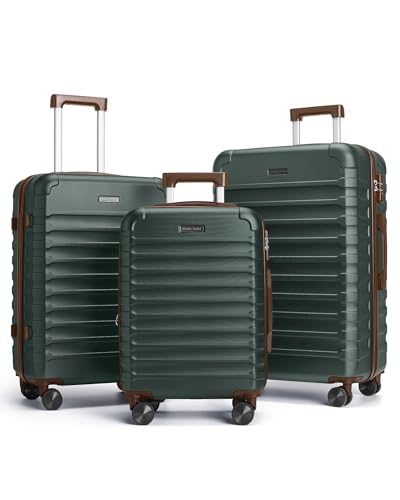
- ✓ Lightweight yet durable
- ✓ Smooth 360-degree wheels
- ✓ Secure TSA lock
- ✕ No handle lock indicator
- ✕ Limited expandable capacity on larger sizes
| Material | High-quality ABS plastic with textured scratch-resistant surface |
| Luggage Sizes and Capacities | 20-inch (42L, expandable), 24-inch (58L, non-expandable), 28-inch (80L, non-expandable) |
| Wheels | 360-degree spinner wheels made with soft TPU and lubricated ball bearings |
| Handle | Adjustable telescoping ergonomic handle with secure lock |
| Security Features | TSA-approved combination lock with preset code 0-0-0, puncture-resistant high-quality zippers |
| Interior Organization | Includes U-shaped zipper pocket, large mesh pocket, small zippered pouch, and compression straps |
The moment I unboxed the LIGHT FLIGHT 3-piece luggage set, I was struck by how sleek and sturdy it felt in my hands. The textured ABS shell has a matte finish that instantly hides scratches, making it look new even after a few trips.
It’s surprisingly lightweight for such a durable build, which is a huge plus when lugging it through busy airports.
The 20-inch carry-on fits perfectly in the overhead bin, and the expandable feature gave me a little extra room when packing for a longer trip. The zippers are robust and resistant to punctures, adding to my sense of security.
I found the TSA lock easy to set and use, giving me peace of mind about my belongings.
Rolling this set around the airport was a breeze. The 360-degree spinner wheels glide smoothly and quietly on various surfaces.
The dual-wheel system stays stable and doesn’t wobble, even when I’m navigating tight corners or crowded spaces.
The telescoping handle locks securely at different heights, and the soft rubber grips made lifting and maneuvering comfortable. In the inside, the organization features—mesh pockets, compression straps, small pouches—kept everything in place.
Packing was straightforward, and I appreciated how well the interior maximized space without feeling cramped.
Overall, this luggage set combines style, durability, and practicality. I especially love that it’s designed for both short trips and longer journeys, with a support system that feels built to last.
It’s a reliable companion for any traveler who values quality without the hefty price tag.
Rockland Melbourne 20″ Hardside Spinner Luggage Charcoal

- ✓ Lightweight yet durable
- ✓ Easy to maneuver
- ✓ Fits airline carry-on sizes
- ✕ Limited color options
- ✕ No TSA lock included
| Material | Durable ABS plastic |
| Dimensions | 22 x 13.5 x 9 inches (including wheels) |
| Weight | Lightweight (exact weight not specified) |
| Wheel Type | Multi-directional double spinner wheels |
| Handle | Sturdy ergonomic aluminum telescoping handle |
| Carry-On Compatibility | Meets airline size restrictions for United, American, Delta, Southwest, Allegiant |
There’s a misconception that lightweight luggage can’t stand up to the rigors of travel, but the Rockland Melbourne 20″ Hardside Spinner shatters that myth. Holding it in your hand, you’ll notice how surprisingly sturdy it feels for such a light piece.
Its ABS material is sleek, with a smooth charcoal finish that doesn’t show scratches easily.
Rolling it through busy airports is a breeze thanks to the multi-directional double spinner wheels. They glide smoothly over uneven surfaces, making navigating crowded terminals less of a chore.
The sturdy aluminum telescoping handle feels solid and comfortable in your grip, even after hours of use.
The size is perfect for carry-on, fitting airline restrictions for United, American, Delta, Southwest, and Allegiant. Inside, you’ll find a mesh zip pocket and elasticated pocket—great for keeping your essentials organized without fuss.
The interior space feels generous for a 20″ case, giving you enough room for a weekend trip or a quick getaway.
One thing I appreciated is how lightweight it is—this means less strain when lifting it into overhead compartments. Still, despite the weight savings, it’s impressively durable, handling bumps and scrapes without issue.
The charcoal color keeps it looking sharp, even after multiple trips.
Overall, this luggage combines durability with convenience and style. It’s a smart choice if you want a reliable, easy-to-maneuver carry-on that won’t weigh you down or break the bank.
Coolife 20in Hardshell Spinner Suitcase with TSA Lock

- ✓ Durable scratch-resistant exterior
- ✓ Smooth, silent wheels
- ✓ TSA lock for security
- ✕ Limited packing space
- ✕ Might be too small for longer trips
| Material | ABS+PC composite for durable, lightweight hard shell |
| Exterior Finish | Textured, brushed finish to resist scratches and fingerprints |
| Wheel Type | Multi-directional silent wheels tested over 10 miles |
| Lock System | TSA-approved lock for secure and TSA-friendly travel |
| Handle | Adjustable aluminum telescopic handle with multiple height settings |
| Interior Dimensions | 22 x 14.7 x 8.6 inches |
The first time I grabbed this suitcase, I immediately noticed how sleek and sturdy it felt in my hand. The textured ABS+PC exterior gives it a surprisingly solid feel, yet it’s lightweight enough that I could lift it easily into the overhead bin without breaking a sweat.
Sliding the silent wheels across different surfaces was a smooth experience. They roll effortlessly on cobblestones, carpet, and even slopes, which is a real plus when navigating busy airports or crowded streets.
The beveled edges and brushed finish kept the exterior looking pristine, hiding scratches and fingerprints after a few trips.
The TSA lock gave me peace of mind, especially during security checks. It’s easy to set, and I liked knowing only TSA agents could open it without damage.
The YKK zippers also held up well, staying smooth after multiple uses, which makes packing and unpacking hassle-free.
Adjusting the aluminum telescopic handle was simple and comfortable. I could set it to my preferred height, making walking with it effortless.
The compact size fits perfectly in overhead bins, making it ideal for short trips or quick getaways.
Overall, this suitcase combines durability with a lightweight design. Its material really stands out, offering both protection and a polished look.
It’s a smart choice if you want a reliable, easy-to-maneuver travel companion that looks great after many trips.
What Are the Different Types of Luggage Materials Available?
The best luggage materials vary widely, each offering different benefits and drawbacks in terms of durability, weight, and aesthetics.
- Polycarbonate: This material is known for its exceptional durability and impact resistance, making it a popular choice for hard-shell luggage.
- Aluminum: Often used in high-end luggage, aluminum is extremely strong and provides a sleek, modern look, but can be heavier and more prone to scratches.
- Nylon: A versatile and lightweight fabric, nylon is often used in soft-sided luggage and offers good resistance to wear and tear, as well as water resistance.
- Polyester: Similar to nylon but generally less expensive, polyester is durable and often used for soft luggage, although it may not be as water-resistant.
- Canvas: A heavy-duty fabric that provides a classic look, canvas is durable and can be treated for water resistance, but it tends to be heavier compared to synthetic options.
- Leather: Known for its luxurious appearance and durability, leather luggage can age beautifully; however, it requires more maintenance and can be quite heavy.
- Ballistic Nylon: An even tougher variant of nylon, ballistic nylon is designed to withstand rough handling and abrasions, making it ideal for frequent travelers.
- Ripstop Fabric: Commonly used in outdoor gear, ripstop fabric is lightweight and features a grid pattern to prevent rips from spreading, making it suitable for travel gear that needs to be both strong and light.
Polycarbonate luggage is favored for its ability to absorb impacts without cracking, providing peace of mind during travel. Aluminum luggage, while stylish and sturdy, can be susceptible to dents and scratches, which may detract from its appearance over time. Nylon is lightweight and comes in various styles, making it an excellent choice for casual travelers, while polyester offers affordability and decent durability, though it may not withstand extreme conditions.
Canvas luggage appeals to those who appreciate a vintage aesthetic and robustness, but its weight can be a downside for frequent flyers. Leather, though sophisticated and long-lasting, requires care to maintain its condition and can add considerable weight to your travel load. Ballistic nylon offers a robust solution for frequent travelers, while ripstop fabric combines lightweight properties with enhanced durability, making it perfect for adventure travel and outdoor excursions.
How Do Hard-Sided Materials Compare to Soft-Sided Options?
| Aspect | Hard-Sided Luggage | Soft-Sided Luggage |
|---|---|---|
| Durability | Highly durable, resistant to impact and protects fragile items well. | Less durable, can be susceptible to wear and tear but flexible in packing. |
| Weight | Generally heavier due to rigid materials. | Lighter, making it easier to carry and maneuver. |
| Price | Often more expensive, reflecting the quality of materials used. | Usually more budget-friendly and available in a wider range of prices. |
| Storage Capacity | Limited internal space due to fixed shape. | Expandable, allowing for more packing flexibility and space. |
| Impact Resistance | Exceptional impact resistance, ideal for protecting fragile items. | Moderate impact resistance, may dent or deform under heavy pressure. |
| Water Resistance | Generally water-resistant, but may have seams that can leak. | Often treated for water resistance, but can absorb moisture over time. |
| Suitability for Travel | Best for business travel and trips with fragile items. | Ideal for leisure travel and casual users needing packing flexibility. |
| Warranty and Longevity | Longer warranties often available, indicating durability. | Shorter warranties, but may require less maintenance over time. |
What Are the Key Features of Popular Luggage Materials?
The best luggage materials are essential for durability, weight, and protection of belongings during travel.
- Polycarbonate: This lightweight and impact-resistant material is popular for hard-shell luggage. Its ability to absorb shock makes it ideal for frequent travelers, while its sleek appearance adds a modern touch to travel gear.
- Nylon: Known for its flexibility and strength, nylon is often used in soft-sided luggage. It is resistant to abrasions and water, making it a practical choice for various travel conditions, and it typically offers more pockets and compartments for organization.
- Polyester: A cost-effective alternative to nylon, polyester is durable and lightweight, often used for soft-sided bags. While it may not be as water-resistant as nylon, modern treatments can enhance its durability and resistance to stains.
- Aluminum: Known for its sturdiness, aluminum luggage provides excellent protection for fragile items. It can be heavier than other materials but offers a vintage aesthetic and unparalleled security for valuable possessions.
- Ballistic Nylon: This high-denier nylon is exceptionally durable and resistant to tears, making it a preferred material for high-end luggage. Its thickness offers a rugged feel and added security, perfect for heavy use and travel through rough conditions.
- Canvas: Often used in duffel bags, canvas is a natural fiber that is both durable and breathable. It provides a classic look and can be treated for water resistance, making it a versatile option for casual travelers.
How Should You Choose the Right Luggage Material for Your Needs?
Choosing the right luggage material is essential for ensuring durability, protection, and convenience during travel.
- Polycarbonate: This lightweight, hard-shell material offers excellent durability and impact resistance, making it ideal for frequent travelers.
- Nylon: A popular choice for soft-sided luggage, nylon is known for its flexibility, water resistance, and variety of designs.
- Ballistic Nylon: A heavier and more durable version of nylon, ballistic nylon provides superior tear and abrasion resistance, making it suitable for rugged travel conditions.
- Aluminum: Known for its premium feel, aluminum luggage offers unparalleled sturdiness and security, but tends to be heavier and more expensive.
- Canvas: A traditional and versatile fabric option, canvas is often used in duffel bags and is appreciated for its durability and ability to be easily cleaned.
- Polyester: Often found in budget-friendly options, polyester luggage is lightweight and comes in various colors and designs, though it may not be as durable as other materials.
Polycarbonate is favored by many because it can withstand impacts without cracking, making it an excellent choice for checked baggage. Its lightweight nature also allows travelers to maximize packing capacity without exceeding weight limits.
Nylon is a versatile fabric that not only offers water resistance but also comes in numerous styles, catering to different aesthetic preferences. Its soft-sided nature allows for easier storage when not in use, as it can be compressed more than hard-shell options.
Ballistic nylon is designed for those who need extra durability, particularly for bags that may be subjected to rough handling. Originally developed for military applications, its robust properties make it ideal for both travel and daily use.
Aluminum luggage is often seen as a luxury item, providing a sleek and modern look along with exceptional protection for valuable contents. However, its weight may be a consideration for travelers concerned about lifting and handling their bags.
Canvas luggage is appreciated for its classic style and practicality, particularly in casual and outdoor settings. It is often more affordable and can be personalized with patches or designs, allowing for a unique travel statement.
Polyester luggage is a common choice among budget-conscious travelers, offering a wide range of colors and patterns. While it may sacrifice some durability compared to other materials, it remains a popular option for light travel and short trips.
What Impact Does Weight Have on Luggage Selection?
Weight significantly influences the selection of luggage materials, affecting ease of travel and compliance with airline regulations.
- Hard-shell luggage: Made from materials like polycarbonate or ABS, hard-shell luggage provides robust protection for contents while typically being lightweight. This type is ideal for protecting fragile items but can sometimes be heavier than soft-shell options.
- Soft-shell luggage: Often constructed from nylon or polyester, soft-shell luggage is generally lighter than hard-shell varieties, allowing for easier handling and packing flexibility. This type is perfect for travelers who prioritize weight and need expandable options for additional packing space.
- Aluminum luggage: Known for its durability and sleek appearance, aluminum luggage is heavier than most other materials, which can be a drawback for weight-conscious travelers. However, its sturdiness makes it a favorite for those who require maximum protection for their belongings and are willing to sacrifice some portability.
- Lightweight fabric luggage: Fabrics like ripstop nylon are designed to be exceptionally lightweight, making them an excellent choice for travelers looking to minimize weight. These materials often sacrifice some durability but are great for casual travel or short trips where weight is a primary concern.
- Hybrid luggage: Combining hard and soft materials, hybrid luggage aims to balance weight, protection, and flexibility. This option is versatile and caters to travelers who need the security of hard-shell luggage while still benefiting from the lightweight nature of fabric components.
Why Is Durability Important in Luggage Materials?
Durability in luggage materials is paramount for several reasons:
-
Protection of Belongings: A robust material safeguards personal items from external factors such as rough handling during travel, moisture, and other environmental elements. For instance, hard-shell suitcases made from polycarbonate offer excellent resistance to impacts, minimizing the chance of damage to fragile contents.
-
Cost-Effectiveness: Investing in durable luggage can save money in the long run. High-quality materials may come at a higher initial price, but their longevity reduces the need for frequent replacements. Fabrics like ballistic nylon are known for their toughness and can withstand years of use without significant wear and tear.
-
Travel Versatility: Durable luggage performs well across various travel conditions, whether on bustling city streets or rugged terrains. For example, luggage made with heavy-duty zippers and reinforced seams can endure repeated usage without compromising integrity.
-
Maintaining Appearance: Luggage that resists scuffs, scratches, and stains remains visually appealing throughout its lifespan. Materials like polyester with water-resistant coatings can help protect the suitcase’s aesthetic, ensuring it looks great trip after trip.
Durability is a critical factor to consider when selecting luggage, impacting the travel experience and safeguarding investments.
How Can Weather Resistance Affect Your Luggage Performance?
Weather resistance plays a crucial role in determining the performance and durability of your luggage.
- Polycarbonate: This material is known for its outstanding impact resistance and lightweight properties, making it ideal for frequent travelers. It provides excellent weather resistance, as it can withstand rain and snow without warping or getting damaged, ensuring that your belongings remain dry and secure.
- Nylon: Nylon is a popular choice for soft-sided luggage due to its durability and water-resistant qualities. High-denier nylon fabrics are often treated with a water-repellent coating, allowing them to repel moisture and protect your items from light rain, making it suitable for various travel conditions.
- Canvas: Canvas is a heavy-duty fabric that offers a combination of weather resistance and breathability. While it is not inherently waterproof, treated canvas can repel water effectively; however, it is best suited for drier conditions or with the addition of a waterproof lining for added protection.
- Polyester: This synthetic fabric is resistant to stretching and shrinking, and when treated, it can offer decent weather-resistant properties. While not as robust as nylon, high-quality polyester can withstand light rain and moisture, making it a viable option for budget-friendly luggage.
- Leather: Though not typically associated with weather resistance, high-quality leather can be treated with oils and waxes to enhance its water-repellant properties. However, it requires regular maintenance to keep it in good condition and protect it from water damage, making it more suitable for stylish travel in drier climates.
What Are the Advantages and Disadvantages of Common Luggage Materials?
| Material Type | Advantages | Disadvantages |
|---|---|---|
| Polycarbonate | Lightweight and durable, resistant to cracking. Commonly used in hardshell suitcases. | Can be more expensive than other materials. |
| Ballistic Nylon | Highly durable, resistant to abrasions and tears. Often used in high-quality travel bags. | Heavier than other materials, can be less flexible. |
| Canvas | Eco-friendly, lightweight, and often less expensive. Frequently found in duffel bags and backpacks. | Less water-resistant and can wear out faster. |
| Polyester | Affordable and available in many colors and designs. Commonly used in soft-sided luggage. | Can be less durable than nylon or polycarbonate. |
| ABS Plastic | Lightweight and inexpensive, often used in budget hardshell luggage. | Less durable than polycarbonate and can crack under pressure. |
| Aluminum | Extremely durable and provides excellent protection for contents. Used in high-end luxury luggage. | Heavier and more expensive than other materials, can dent easily. |
What Are the Benefits of Polycarbonate and ABS Materials?
Polycarbonate and ABS materials are popular choices for luggage due to their unique properties and benefits.
- Durability: Both polycarbonate and ABS are known for their strength and resistance to impact, making them ideal for travel.
- Lightweight: These materials are lightweight, allowing travelers to maximize their luggage capacity without exceeding weight limits.
- Scratch and Damage Resistance: Polycarbonate is particularly resistant to scratches, while ABS offers good resistance to dents, helping luggage maintain its appearance over time.
- Cost-Effectiveness: ABS is generally more affordable than polycarbonate, providing a budget-friendly option without sacrificing quality.
- Design Versatility: Both materials can be molded into various shapes and designs, allowing manufacturers to create stylish and functional luggage.
Durability is a key feature of both polycarbonate and ABS, as they withstand rough handling and impact during travel. Polycarbonate is often regarded as the more robust option, able to endure extreme conditions without cracking, while ABS provides a good balance of strength and flexibility.
Lightweight construction is another significant advantage of these materials, enabling travelers to pack more belongings without worrying about heavy luggage. This is particularly beneficial for airlines with strict weight restrictions.
In addition to their lightweight nature, polycarbonate’s scratch resistance ensures that the surface remains smooth and free from blemishes, while ABS’s dent resistance helps maintain the shape of the luggage. This durability contributes to a longer lifespan, making them excellent investments.
Cost-effectiveness is an appealing factor for many consumers. ABS luggage tends to be more budget-friendly, making it accessible for those looking for reliable yet affordable options. Polycarbonate, while more expensive, offers enhanced durability that can justify the higher price tag.
Lastly, the design versatility of both materials allows for a range of aesthetic choices. Manufacturers can create vibrant colors and patterns, keeping luggage visually appealing while ensuring it meets practical travel needs.
What Drawbacks Should You Know About Soft Fabric Luggage?
While soft fabric luggage offers several advantages, it also comes with some notable drawbacks that potential buyers should consider:
- Durability: Soft fabric luggage may not be as durable as hard-shell options, making it more susceptible to wear and tear.
- Water Resistance: Many soft fabric materials are not fully water-resistant, which can lead to damage to contents if exposed to rain or spills.
- Security: Soft luggage often lacks the robust security features of hard-shell cases, making it easier for unauthorized access.
- Weight: Soft fabric luggage can be heavier compared to some hard-shell variants, potentially affecting weight limits during travel.
- Shape Maintenance: Soft luggage may lose its shape over time, especially if not packed properly, which can lead to difficulty in stacking or storing.
Durability is a significant concern, as soft fabric luggage tends to wear out quicker due to its flexible nature. This can result in frayed edges, torn zippers, or damaged seams, particularly when exposed to rough handling during travel.
Water resistance is another drawback; many soft fabric options do not have a waterproof coating, which means that contents can get wet during unexpected weather conditions. This can lead to potential damage to clothing and electronics stored inside.
Regarding security, soft luggage typically comes with less secure locking mechanisms compared to hard-shell luggage, making them more vulnerable to theft and tampering. This lack of robust security features can be a concern in crowded travel environments.
Weight can also be an issue, as soft fabric luggage is often heavier than their hard-shell counterparts. This extra weight can be problematic when adhering to airline baggage weight limits, resulting in additional fees or the need to repack.
Finally, soft fabric luggage may struggle to maintain its shape, especially when not fully packed or after prolonged use. This can hinder its ability to stack or store neatly, making it less efficient for travelers who prioritize organization.
How Do Different Luggage Materials Influence Price and Value?
The choice of luggage materials significantly affects both the price and perceived value of the products.
- Polycarbonate: This lightweight plastic material is known for its durability and resistance to impact, making it a popular choice for hard-shell luggage. Its ability to absorb shock and maintain shape enhances its longevity, justifying a higher price point for travelers looking for reliability.
- Nylon: A versatile synthetic fabric, nylon is often used in soft-sided luggage due to its resistance to wear and tear, as well as its water-repellent properties. While generally more affordable than hard-shell options, high-quality nylon luggage can still command a good price due to its durability and practicality for frequent travelers.
- Leather: Renowned for its elegance and timeless appeal, leather luggage offers a luxurious option for travelers willing to invest in quality. The higher price tag reflects not only the material’s durability but also its aesthetic value, making it a status symbol among those who prioritize style and craftsmanship.
- Polyester: This synthetic fabric is often utilized in budget-friendly luggage options due to its affordability and decent durability. While not as robust as nylon, polyester can offer good value for occasional travelers who need functional and lightweight bags without breaking the bank.
- Aluminum: Known for its ruggedness and sleek appearance, aluminum luggage is built to withstand rough handling and adverse conditions. The premium price associated with aluminum is often justified by its long-lasting nature and the added protection it provides for fragile contents.
What Should You Expect to Pay for Quality Luggage Materials?
When considering quality luggage materials, you should expect to pay a range of prices depending on the type of material and its durability.
- Polycarbonate: This material is known for its incredible strength and lightweight properties, making it a popular choice for hard-shell luggage. Expect to pay between $100 to $300 for quality polycarbonate luggage, which is resistant to impact and scratches, ensuring your belongings are protected during travel.
- Ballistic Nylon: Originally developed for military use, ballistic nylon offers exceptional durability and resistance to wear and tear. High-quality ballistic nylon luggage typically ranges from $150 to $500, providing excellent performance against abrasions and punctures, making it ideal for frequent travelers.
- Ripstop Nylon: This lightweight material features a special weaving technique that adds strength without adding bulk, making it highly resistant to tearing. Quality luggage made from ripstop nylon can cost between $80 to $250, and it is often used in soft-shell bags, which are great for packing flexibility.
- Leather: Leather luggage is synonymous with luxury and craftsmanship, offering a classic aesthetic and durability. Prices for quality leather luggage can range from $200 to over $1,000, depending on the grade of leather and brand reputation, but it tends to age beautifully over time, developing a unique patina.
- Polyester: While generally less expensive than other materials, high-quality polyester luggage offers decent durability and water resistance at a lower price point. Expect to pay around $50 to $200 for good polyester luggage, making it a budget-friendly option for casual travelers.