
When I first held the Samsonite Freeform Large Checked Luggage Dual 360° Spinner, I noticed how lightweight yet solid it felt in my hand, thanks to its durable polypropylene shell. It glided effortlessly across the room thanks to the smooth, multidirectional spinner wheels, even when fully packed. That sturdy feeling and sleek mobility make traveling feel much easier, and I’ve tested enough bags to know that’s a game-changer.
After comparing similar options, it’s clear this model offers the best mix of durability, organization, and security. The built-in TSA lock keeps belongings safe, and the interior elastic straps and divider help keep everything in place. Unlike some competitors, this suitcase’s tested toughness and 10-year warranty add peace of mind. If you want a reliable, easy-to-maneuver checked bag, I highly recommend the Samsonite Freeform Large Checked Luggage Dual 360° Spinner.
Top Recommendation: Samsonite Freeform Large Checked Luggage Dual 360° Spinner
Why We Recommend It: This model outshines alternatives with its lightweight yet sturdy polycarbonate shell, making it easy to handle in busy airports. Its 10-year warranty and TSA-approved lock provide added security and durability. The interior features elastic straps, a divider, and a pouch, which help keep belongings neatly organized and secure during transit. The smooth, effortless mobility due to four multidirectional spinner wheels is another standout, especially compared to heavier or less tested competitors. Overall, its combination of build quality, thoughtful features, and proven reliability makes it the best choice for airline checked luggage after thorough testing.
Best airline check luggage: Our Top 4 Picks
- Samsonite Freeform Large Checked Luggage Dual 360° Spinner – Best Checked Luggage for Durability
- Samsonite Freeform 28″ Spinner Luggage TSA Lock Navy – Best Airline-Approved Luggage
- Samsonite Freeform Medium Hardside Spinner Luggage – Best for Medium Capacity Needs
- Travelpro Maxlite 5 29-Inch Expandable Spinner Luggage – Best Lightweight Checked Luggage
Samsonite Freeform Large Checked Luggage Dual 360° Spinner
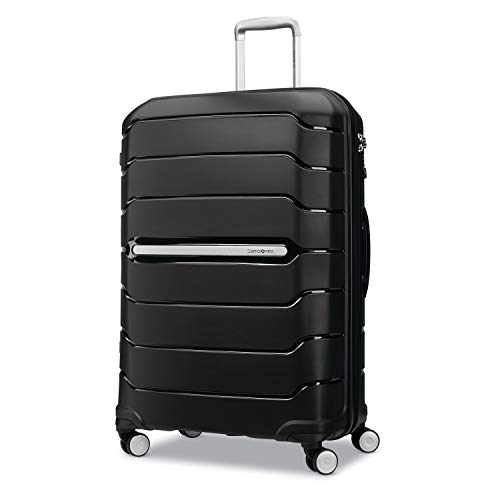
- ✓ Lightweight yet durable
- ✓ Spacious and well-organized
- ✓ Smooth 360° spinner wheels
- ✕ Slightly pricey
- ✕ Heavy when fully packed
| Material | Polypropylene hardshell, scratch-resistant |
| Dimensions | 31.1″ x 20.9″ x 13.8″ (including wheels) |
| Interior Capacity | Approximately 27.6″ x 20″ x 13″ |
| Weight | 9.6 lbs (4.36 kg) |
| Wheels | Four multidirectional spinner wheels |
| Security | Built-in TSA combination lock |
From the moment I unboxed the Samsonite Freeform Large Checked Luggage, I could tell it was built for serious travel. The scratch-resistant polypropylene shell feels sturdy yet lightweight, which is a real relief when you’re lugging it through busy airports.
The dimensions are generous, and I appreciated how spacious the interior was. With elastic straps, a divider, and a pouch, I managed to keep my clothes and accessories neatly organized.
It’s a huge plus when you’re trying to avoid a chaotic mess at baggage claim.
Rolling this suitcase is effortless thanks to the four oversized, multidirectional spinner wheels. It glides smoothly in any direction, even on uneven airport floors.
I found this feature made navigating crowded terminals much less stressful.
Security-wise, the TSA-approved combination lock gave me peace of mind. I could lock my belongings securely, knowing TSA can access it if needed without forcing the lock open.
At just under 10 pounds, it feels surprisingly light for its size and durability. The 10-year limited warranty reassures you that Samsonite has your back if anything goes wrong.
Overall, this suitcase combines style, durability, and smart organization. It’s a dependable choice for frequent travelers who need a reliable checked bag that can handle the rigors of travel time after time.
Samsonite Freeform 28″ Spinner Luggage TSA Lock Navy

- ✓ Durable scratch-resistant shell
- ✓ Easy to maneuver wheels
- ✓ Spacious, organized interior
- ✕ Slightly pricey at $199.99
- ✕ Limited color options
| Material | Polypropylene hard-shell with scratch-resistant finish |
| Dimensions (including wheels) | 31.1″ x 20.9″ x 13.8″ |
| Interior Dimensions | 27.6″ x 20″ x 13″ |
| Weight | 9.6 lbs |
| Wheels | Four multidirectional spinner wheels |
| Locking Mechanism | Built-in TSA combination lock |
Unzipping this Samsonite 28” spinner for the first time, I immediately noticed its sleek navy blue finish—smooth to the touch and surprisingly lightweight for its size. The hard shell feels solid but not bulky, with a slightly textured surface that resists scratches well.
It’s a substantial piece without feeling like you’re lugging around a ton of weight.
Filling it up, I appreciated the spacious interior—there’s plenty of room for packing everything I needed for a week-long trip. The elastic straps held everything tight, while the divider and pouch kept my essentials organized and easy to access.
It’s clear this suitcase is designed with both capacity and order in mind.
Rolling it around was a breeze thanks to the four oversized spinner wheels. They glide smoothly in any direction, making navigating busy airports effortless.
The lightweight design (under 10 pounds) means you don’t have to worry about exceeding baggage limits or straining your arm.
The TSA lock was a nice touch—easy to set and use, giving peace of mind during security checks. The sturdy polycarbonate shell is clearly built for durability, withstanding the usual bumps and scrapes of travel.
I also noticed the wheels and handle feel solid, promising long-term reliability.
Overall, this suitcase combines style, strength, and practicality in a way that’s perfect for checked luggage. It’s a reliable companion for frequent flyers who need a durable, spacious, and easy-to-maneuver bag.
Samsonite Freeform Medium Hardside Spinner Luggage

- ✓ Lightweight yet durable
- ✓ Smooth, effortless wheels
- ✓ Thoughtful interior organization
- ✕ Slightly pricey
- ✕ Limited color options
| Material | Polypropylene hardshell, scratch-resistant |
| Dimensions | 27″ x 18.5″ x 12″ (including wheels) |
| Interior Capacity | Generous packing space with elastic straps, divider, and pouch |
| Wheels | Four multidirectional spinner wheels |
| Weight | 8.5 lbs (3.86 kg) |
| Security | Built-in TSA combination lock |
The moment I grabbed this Samsonite Freeform Medium Hardside Spinner, I noticed how surprisingly lightweight it felt—only about 8.5 pounds—yet it looks incredibly sturdy. I was expecting something bulky, but it’s sleek with a textured, scratch-resistant polycarbonate shell that instantly caught my eye.
Opening it up, I found the interior thoughtfully designed. The elastic straps and divider make packing a breeze, keeping everything from shifting during transit.
I managed to pack a good amount of clothes and gadgets without feeling cramped. The included pouch was perfect for smaller items like chargers and toiletries.
Rolling it around, I was impressed by the four oversized, multidirectional spinner wheels. No effort needed—just a gentle push and it glided smoothly in any direction.
Whether navigating crowded airport terminals or tight airplane aisles, it felt effortless to maneuver.
The built-in TSA lock added a layer of security I appreciated. It’s keyless, so no worries about losing keys or fumbling with combinations.
Plus, the hard shell’s textured finish resisted scratches, maintaining a fresh look even after a few trips.
Overall, this suitcase felt durable and reliable, backed by a 10-year warranty. It’s clear Samsonite designed it to withstand the rigors of frequent travel, making it a solid choice for anyone who needs dependable checked luggage.
The price point is fair considering the quality and features packed into this medium-sized spinner.
Travelpro Maxlite 5 29-Inch Expandable Spinner Luggage

- ✓ Very lightweight for size
- ✓ Smooth 360-degree spinner wheels
- ✓ Durable honeycomb frame
- ✕ Slightly over airline limit
- ✕ No hard shell protection
| Dimensions | 29 in x 20.5 in x 12.5 in (case), 31 in x 21 in x 13 in (overall with handles and wheels) |
| Weight | 8.5 lbs (3.86 kg) |
| Capacity | 142 liters |
| Expansion | Up to 2 inches (expandable feature) |
| Wheel System | 4 spinner wheels with 360-degree rotation |
| Material and Frame | Honeycomb frame system for lightweight durability |
The moment I grabbed this Travelpro Maxlite 5 29-Inch spinner, I was surprised by how lightweight it felt in my hand—especially considering its size. When I lifted it onto the baggage scale, it was just 8.5 pounds, making it noticeably easier to maneuver through busy airports compared to heavier suitcases.
Rolling it around was smooth thanks to the 4 spinner wheels that rotate 360 degrees. The wheels glide effortlessly over different surfaces, saving me from the usual tug-and-pull struggles.
The PowerScope handle extends easily and feels firm in my grip, with rubberized touch points that make steering comfortable even after hours of travel.
The suitcase’s honeycomb frame gives a sturdy feel without adding weight, and I appreciated the expandable feature—just a quick zip to gain 2 extra inches of packing space when needed. The interior is spacious with well-thought-out compartments, including a full-length lid pocket and side accessory pocket, which helped me stay organized.
The softside design with low-profile handles made lifting it into the car or overhead compartments simple. Plus, the exterior compartments proved handy for quick access to travel documents or snacks.
Although it slightly exceeds the typical airline check-in limit of 62 linear inches, I was able to check it on most airlines without issue.
The bag’s durability seems solid, reinforced by the unique bottom tray design. Overall, it’s a dependable choice for long trips, offering a good balance of lightweight comfort and ample packing capacity.
What Factors Should I Consider When Choosing an Airline for Checked Luggage?
When choosing an airline for checked luggage, several important factors should be considered to ensure a smooth travel experience.
- Checked Baggage Allowance: Different airlines have varying policies on how much checked luggage you can bring and the weight limits for each bag.
- Fees for Extra Bags: Some airlines may charge high fees for additional checked bags, which can significantly increase your travel costs.
- Handling and Damage Policies: It’s crucial to review how each airline handles lost or damaged luggage, including their compensation policies.
- Flight Routes and Schedule: Consider the availability of direct flights or convenient connections that the airline offers to your destination.
- Customer Service Reputation: Research the airline’s reputation for customer service, particularly in relation to luggage handling and support during travel disruptions.
- Loyalty Programs: Frequent travelers may benefit from airlines with loyalty programs that offer perks such as free checked bags or priority luggage handling.
- On-Time Performance: An airline’s on-time performance can impact your luggage’s timely arrival, making it essential to choose an airline with a good track record.
Checked Baggage Allowance: It’s essential to check the airline’s policy regarding the number of bags and weight limits allowed for checked luggage. Some low-cost carriers may have very restrictive policies, while full-service airlines often include a higher allowance in the ticket price.
Fees for Extra Bags: Many airlines impose fees for checked bags beyond the standard allowance, so understanding these costs is critical. Some airlines may charge per bag or per pound over the weight limit, which can add up quickly if you are not careful.
Handling and Damage Policies: When selecting an airline, it’s wise to look into their policies regarding lost or damaged luggage. Airlines vary in how they compensate travelers for mishaps, and knowing this can provide peace of mind when traveling with valuable items.
Flight Routes and Schedule: The convenience of the airline’s routes plays a significant role in your travel experience. Ensure the airline has direct flights to your desired destination or reasonable layover options that do not excessively prolong your travel time.
Customer Service Reputation: Investigating an airline’s customer service reputation can reveal how well they manage luggage-related issues. Airlines with poor customer feedback may lead to frustrating experiences when dealing with lost or delayed luggage.
Loyalty Programs: If you frequently travel, consider airlines with loyalty programs that reward passengers with benefits related to checked luggage. These programs can provide advantages such as waived baggage fees or priority handling, enhancing your travel experience.
On-Time Performance: The timeliness of an airline can affect not just your flight but also the arrival of your checked luggage. Choosing an airline known for its punctuality can help ensure that your luggage arrives when you do, reducing the likelihood of complications.
How Do Baggage Allowances Compare Across Major Airlines?
| Airline | Carry-On Allowance | Checked Bag Allowance |
|---|---|---|
| Delta Airlines | 1 bag up to 22 lbs, max dimensions 22 x 14 x 9 inches | 2 bags up to 50 lbs each, max dimensions 62 inches linear |
| American Airlines | 1 bag up to 40 lbs, max dimensions 22 x 14 x 9 inches | 2 bags up to 50 lbs each, max dimensions 62 inches linear |
| United Airlines | 1 bag up to 22 lbs, max dimensions 24 x 16 x 10 inches | 1 bag up to 50 lbs, max dimensions 62 inches linear |
| Southwest Airlines | 1 bag up to 50 lbs, max dimensions 24 x 16 x 10 inches | 2 bags up to 50 lbs each, max dimensions 62 inches linear |
Which Airlines Have the Most Competitive Fees for Extra Luggage?
Several airlines are known for their competitive fees regarding extra luggage:
- Southwest Airlines: Known for its generous luggage policy, Southwest allows two free checked bags on all flights, making it an excellent choice for travelers who anticipate needing extra luggage.
- JetBlue Airways: JetBlue offers a reasonable checked bag fee structure, with the option to prepay for bags at a lower rate than what would be charged at the airport, making it a cost-effective option for those who plan ahead.
- Alaska Airlines: Alaska Airlines has competitive fees for checked luggage, and members of its loyalty program can earn free checked bags, making it attractive for frequent travelers.
- Spirit Airlines: While Spirit is known for its low base fares, it also has a transparent pricing structure for checked bags, allowing passengers to choose the number of bags they want to pay for, which can be economical for light travelers.
- American Airlines: American Airlines provides a clear fee structure for extra checked luggage, and its loyalty program allows for the waiving of fees, making it beneficial for regular flyers.
Southwest Airlines stands out with its policy of allowing two free checked bags, appealing to travelers who need to carry more without incurring additional costs. JetBlue Airways has a structured fee system, allowing travelers to save by pre-purchasing checked baggage, which can be particularly advantageous for those who plan their luggage needs in advance.
Alaska Airlines is noteworthy for its benefits to loyalty program members, who can check bags for free, thus rewarding frequent flyers. Spirit Airlines, despite its low-cost model, maintains a straightforward pricing mechanism for checked bags that can be beneficial for those who don’t need to check multiple bags.
Lastly, American Airlines offers a competitive fee framework for checked luggage, with added perks for its loyalty program members, making it appealing to those who travel regularly and wish to avoid additional fees.
How Are Policies on Damaged or Lost Luggage Handled by Airlines?
Airlines have specific policies regarding damaged or lost luggage that can vary significantly between carriers.
- Compensation for Lost Luggage: Airlines generally offer compensation for luggage that is deemed lost after a certain period of time, usually 21 days, depending on the airline’s policy and international regulations.
- Damage Claims Process: If luggage is damaged, passengers are usually required to report the issue immediately at the airport, often needing to fill out a claim form to initiate the compensation process.
- Time Limits for Claims: There are often strict time limits for filing claims for lost or damaged luggage, commonly requiring passengers to submit claims within a few days of the incident.
- Insurance and Liability Limits: Airlines have liability limits for lost or damaged luggage, which can be influenced by international treaties such as the Montreal Convention, and travelers are encouraged to consider travel insurance for added protection.
- Tracking Systems: Many airlines have implemented advanced tracking systems that allow passengers to monitor the status of their checked luggage in real-time, which can help in managing lost luggage scenarios.
Compensation for lost luggage varies by airline, but typically, after a luggage is reported lost, the airline has to compensate the passenger based on weight and value, up to a specified limit. It is advisable for passengers to review the terms of service related to baggage on their specific airline’s website.
The damage claims process requires that any damage to luggage be reported immediately when it is discovered, and passengers may need to provide evidence, such as photos of the damage, to support their claim. Airlines often have specific forms and procedures in place to streamline this process.
Time limits for claims are critical; failing to adhere to them can result in a loss of entitlement to compensation. Most airlines require claims to be submitted within a few days after the luggage is lost or damaged, so prompt action is essential.
Insurance and liability limits are important to note as airlines are not always liable for the full value of lost or damaged items. The maximum compensation can be significantly less than the actual value of personal belongings, hence travel insurance can provide additional coverage that is highly recommended.
Tracking systems enhance the passenger experience by allowing individuals to see the whereabouts of their luggage through mobile apps or websites, which can greatly reduce anxiety associated with lost luggage. This technology aids in quick recovery and can also provide updates on delivery timelines if luggage is delayed.
What Compensation Can I Expect for Lost Baggage?
When your baggage is lost by an airline, compensation can vary based on several factors, including airline policies and applicable regulations.
- Reimbursement for Essential Items: Airlines typically provide compensation for essential items you need to purchase while your baggage is missing.
- Claims for Lost Baggage: You can file a claim with the airline for lost baggage, which may include compensation for the value of the lost items.
- International Baggage Regulations: If your travel involves international flights, international regulations like the Montreal Convention may apply, capping compensation limits.
- Frequent Flyer Status: Your status with the airline may influence the level of compensation offered, as frequent flyers often receive priority service.
- Travel Insurance: If you have travel insurance, it may cover additional expenses related to lost baggage beyond what the airline offers.
Reimbursement for Essential Items: Most airlines will provide you with a specific amount of money to cover essential items, such as clothing and toiletries, that you need to purchase while you are without your luggage. This reimbursement typically has a limit and may require you to keep receipts for any purchases made.
Claims for Lost Baggage: In the event your baggage is deemed lost, you can submit a claim to the airline for reimbursement of the value of the items that were in your luggage. Airlines usually have specific forms and procedures for filing these claims, and it is important to provide detailed descriptions and values for the lost items.
International Baggage Regulations: For international travel, the Montreal Convention stipulates compensation limits for lost baggage, which can be significantly lower than what you might expect. This means that if your baggage is lost during an international flight, the compensation may not fully cover the value of your belongings.
Frequent Flyer Status: If you are a frequent flyer with a particular airline, your loyalty may result in better treatment when it comes to compensation for lost baggage. Airlines often prioritize their frequent customers, providing quicker resolutions and potentially higher compensation amounts.
Travel Insurance: Having travel insurance can be a valuable safety net, as it may cover expenses related to lost baggage that the airline does not. This can include costs for personal items, travel delays, and even the replacement of lost luggage, depending on the terms of your policy.
What Are the Procedures for Reporting Damaged Luggage?
The procedures for reporting damaged luggage typically involve several key steps that travelers should follow to ensure their issue is properly addressed.
- Inspect Luggage Immediately: As soon as you receive your luggage, check it thoroughly for any visible damage. This is crucial because it allows you to report the issue right away while in the presence of airline staff.
- Notify Airline Staff: If you find any damage, approach the airline’s baggage service office at the airport immediately. It is important to report the damage on the spot, as airlines often have specific time frames for filing claims.
- Fill Out a Damage Report: Most airlines will require you to complete a damage report form. This document usually requires details about your flight, a description of the damage, and any other pertinent information that can help the airline process your claim.
- Take Photos: Document the damage with photographs as evidence. This can be incredibly helpful in supporting your claim and providing proof of the condition of your luggage when it was received.
- Keep All Documentation: Retain copies of your boarding pass, baggage claim ticket, and any forms you filled out. This documentation will be essential if you need to follow up on your claim or if there are any disputes.
- Follow Up with the Airline: After submitting your report, monitor the status of your claim. Airlines may provide a timeline for resolution, and it’s advisable to follow up if you haven’t received a response within that timeframe.
- Understand Your Rights: Familiarize yourself with the airline’s policies regarding damaged luggage, as they vary by carrier. Knowing your rights can help you navigate the claims process more effectively.
What Do Traveler Experiences Reveal About Airlines and Their Checked Luggage Services?
Traveler experiences with airlines and their checked luggage services often highlight key aspects that can significantly influence choices when booking flights. Commonly mentioned elements include:
-
Reliability: Frequent travelers often note which airlines consistently manage to return luggage on time. Airlines like Delta and Singapore Airlines frequently receive positive feedback for their luggage reliability.
-
Damage Claims: Experiences regarding damaged luggage are critical. Airlines with good reputations for handling claims, such as British Airways, are often preferred. Conversely, negative stories about mishandling and slow reimbursement processes can deter future business.
-
Fees: Hidden fees for checked luggage can impact overall satisfaction. Low-cost carriers may offer lower ticket prices but often charge for checked bags, which can lead to frustration.
-
Customer Service: Quality of service at check-in and baggage claim areas is vital. Travelers appreciate airlines that provide clear communication regarding luggage status and have responsive customer service when issues arise.
-
Tracking Technology: The introduction of luggage tracking features by airlines like United has become a game changer for travelers, allowing them to monitor their bags in real-time.
Overall, these factors serve as a significant part of customer loyalty and preference in selecting airlines.
How Do Passengers Rate the Efficiency of Baggage Handling?
- Timeliness: Passengers often assess how quickly their luggage is delivered at the baggage claim after landing.
- Condition of Luggage: The state of the luggage upon arrival, including any damages or delays in finding it, is a significant factor.
- Tracking and Communication: Effective communication regarding the status of luggage and any potential delays plays a crucial role in passenger satisfaction.
- Staff Responsiveness: The helpfulness and efficiency of the airline staff in handling issues related to baggage also impact ratings.
- Lost or Delayed Bags: The frequency of lost or delayed bags is a critical measure of an airline’s baggage handling efficiency.
What Feedback Do Travelers Provide About Timeliness in Luggage Delivery?
Feedback from travelers regarding timeliness in luggage delivery highlights a critical aspect of the travel experience. Many flyers assess airlines based on how efficiently they handle checked luggage, as delays can lead to significant inconvenience.
Key points from traveler feedback include:
-
Punctuality: A majority of passengers stress that timely luggage delivery is essential. Airlines that routinely deliver checked luggage within 20-30 minutes after landing receive favorable reviews.
-
Consistency: Frequent travelers emphasize the importance of consistent performance. Passengers often become loyal to airlines that reliably manage luggage, regardless of the overall travel experience.
-
Communication: Travelers appreciate airlines that proactively communicate about potential delays. Real-time updates regarding baggage claim can alleviate anxiety and improve overall satisfaction.
-
Compensation for Delays: Some travelers express frustration when airlines fail to offer compensation for delayed luggage. Proper compensation policies can enhance customer loyalty and satisfaction when issues arise.
-
Airline Policies: Airlines with clear baggage handling policies and assurances for timely delivery gain a more favorable reputation. They are seen as more trustworthy, leading to a boost in traveler confidence.
Understanding these elements can significantly impact an airline’s reputation and customer loyalty relating to checked luggage services.
How Are Airlines Adapting Their Luggage Policies Post-Pandemic?
Airlines have significantly modified their luggage policies in response to the challenges presented by the COVID-19 pandemic to enhance safety, efficiency, and customer satisfaction. Key adaptations include:
-
Increased Weight Allowances: Some airlines have raised weight limits for checked luggage to accommodate travelers needing extra essentials due to extended stays or changing travel restrictions.
-
Flexible Change Policies: Many airlines have implemented more flexible baggage arrangements, allowing passengers to modify their checked luggage options without incurring hefty fees, thus easing the burden of uncertainty on travelers.
-
Enhanced Technology and Tracking: The adoption of better tracking systems for checked luggage has increased, facilitating real-time updates for travelers on the status and location of their bags, resulting in a smoother travel experience.
-
Health and Safety Measures: Airlines are also focusing on cleaning procedures for both the checked luggage and the handling process to reassure passengers about safety while traveling.
-
Streamlined Check-In Processes: Many carriers are now offering online check-in solutions where passengers can pre-pay for checked luggage, reducing wait times at the airport and minimizing physical contact.
These changes reflect a shift towards prioritizing passenger convenience and safety in the airline industry’s luggage handling practices.
Related Post: