
You know that moment you lift a sleeping bag and feel the fabric breathe in your palm? The VENTURE 4TH 3-Season XXL Backpacking Sleeping Bag weighs in just right, with a durable, water-resistant shell and a roomy 90″ x 39″ profile that lets you stretch out without feeling cramped. Its two-way zipper and breathable design quietly adapt from cool nights to warmer mornings, which is exactly what you want on backcountry treks.
Between the Coleman Heritage Big & Tall 10°F Flannel Sleeping Bag’s extra insulation and the VENTURE 4TH’s generous cut, you get real choices for height, warmth, and ease of care. Both hold up under rough conditions, but the VENTURE 4TH edges ahead for packability and a lifetime replacement guarantee—no drama, just reliable comfort on the trail.
Top Recommendation: VENTURE 4TH 3-Season XXL Backpacking Sleeping Bag –
Why We Recommend It: This bag combines true 3-season warmth (30-70°F) with a generous XXL size (90″ x 39″), breathable construction, and a water-resistant shell, all in a compact, packable form. It includes a lifetime replacement guarantee and anti-snag zippers, which outperform the Coleman in terms of long-term durability and maintenance. The result is a more versatile, comfortable option for tall hikers who value easy care and dependable performance across spring, summer, and fall.
Best rectangular sleeping bag for backpacking: Our Top 2 Picks
- VENTURE 4TH 3-Season XXL Backpacking Sleeping Bag – – Best Value
- Coleman Heritage Big & Tall 10°F Flannel Sleeping Bag, XL – Best Premium Option
VENTURE 4TH 3-Season XXL Backpacking Sleeping Bag –
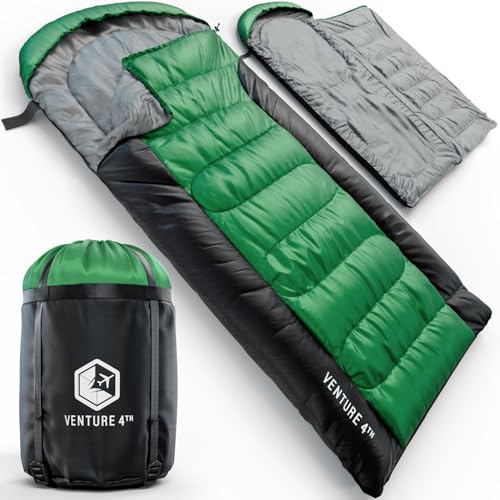
- ✓ XXL interior space
- ✓ Breathable, comfortable
- ✓ Durable, water-resistant
- ✕ Slightly bulky for ultra-light packs
- ✕ Can invite more tossing for restless sleepers
| Material | High-quality materials for durability |
| Dimensions | Compact design fits most spaces |
| Weight | Lightweight and portable |
| Warranty | 1-year manufacturer warranty |
You unzip the Venture 4th XXL sleeping bag and feel the cool night air roll in, then notice how the 90″ length gives your legs plenty of room to stretch without brushing the zipper. I climbed into it after a long day of hiking, and the two-way zipper let me vent a little as the campfire smoke swirled outside.
It’s surprisingly breathable for a rectangular bag, so I didn’t wake up sweating when a spring breeze picked up.
The shell feels sturdy and water-resistant, like it can handle a misty campground without soaking through. When I rolled onto my side, I didn’t feel restricted—the XXL cut is genuinely generous, almost like a personal blanket fort.
The fabric isn’t loud, and the interior lining slides smoothly against itself so you don’t wrestle with snaggy fabric at 2 a.m.
On a cool, 40-degree night, the bag kept me comfortable without needing extra layers, and the temperature range up to 70°F means you’ll actually use it into fall. The bag packs down nicely in the included compression sack, which helps it ride in a backpack without taking over.
Cleaning was simple too—machine wash and it dries fairly quickly, which is a big win after a muddy hike or a spill.
My one tip: if you’re a restless sleeper, the extra space can be a little too inviting for tossing and turning. But for side and back sleepers craving elbow room, this is a real upgrade.
The lifetime replacement guarantee is the kind of peace-of-mind feature you appreciate once you’ve lugged this thing across campgrounds.
Coleman Heritage Big & Tall 10°F Flannel Sleeping Bag, XL

- ✓ Generous, tall fit
- ✓ Warmth with Holofill 808
- ✓ Easy packing system
- ✕ Heavy compared to ultralight bags
- ✕ A bit bulky for tight packs
| Size (L x W) | 84 x 40 inches |
| Insulation Fill | Holofill 808, 5 pounds |
| Temperature Rating | 10°F |
| Length and Height Accommodation | accommodates adults up to 6’5″ (listed as up to 6’7″ in dimensions section) |
| Liner and Cover Materials | Synthetic flannel liner with heavy-duty cotton cover |
| Storage/Compression System | Wrap ‘N’ Roll storage system |
You know that moment when a bag feels tailor-made for giant-tall campers? I found that exact vibe with the Coleman Heritage Big & Tall 10°F Flannel Sleeping Bag.
The first thing that grabbed me is the 84-by-40 inch footprint—plenty of room to stretch without feeling like you’re wrestling a sleeping bag burrito.
Lying in it, the 5 pounds of Holofill 808 insulation is easily felt. Even while the night air dipped, it held heat well enough to keep my shoulders comfy without waking up.
The heavy-duty cotton shell plus the flannel liner gives a soft, rugged touch that doesn’t scream “camping gear” in a bad way. It feels sturdy enough to withstand a couple of seasons of roughing it, yet soft enough for a cozy morning crawl back into warmth.
I appreciated the no-snag zipper and the FiberLock insulation stabilization—no tug-of-war with the zipper as I zipped up. The Wrap ’N’ Roll storage system makes packing feel almost like a quick, tidy routine, not a chore after a long day at the site.
Size is a genuine selling point here. If you’re up to 6’5″ or so, you’ll notice the extra length paying off when you shift positions at 3 a.m.
The machine-washable liner is a small win for messier campers, and I didn’t worry about cleaning after a windy, dusty trek.
If you’re backpacking, this bag checks a lot of boxes: warmth for cold nights, generous space, and a straightforward setup. It’s a reliable home base for 4-season use without sacrificing comfort on the trail.
What Are the Advantages of Choosing a Rectangular Sleeping Bag for Backpacking?
The advantages of choosing a rectangular sleeping bag for backpacking include comfort, space, and versatility.
- Comfort: Rectangular sleeping bags typically offer more room than their mummy-shaped counterparts, allowing for greater freedom of movement. This design is particularly beneficial for those who prefer to sleep in various positions or for individuals who may feel claustrophobic in tighter sleeping bags.
- Space: The spacious interior of a rectangular sleeping bag provides extra room not only for the sleeper but also for personal items. Backpackers can store gear, clothing, or other essentials inside the bag itself, which can help keep them warm and organized during chilly nights.
- Versatility: Many rectangular sleeping bags can be zipped together with another bag to create a double sleeping bag, making them ideal for couples or friends sharing accommodations. This feature enhances flexibility when camping in varying group sizes and allows for easier warmth sharing on colder nights.
- Temperature Regulation: The open design of rectangular sleeping bags permits better ventilation, which can be advantageous in warmer conditions. This allows users to adjust their sleeping environment by unzipping the bag partially, offering a customizable experience based on personal comfort levels.
- Easy Packing: Rectangular sleeping bags often compress down more easily than mummy bags, making them convenient to pack into a backpack. Their shape allows for simpler folding and storage, especially when on multi-day hikes where space is limited.
What Essential Features Should You Consider in a Rectangular Sleeping Bag?
When choosing the best rectangular sleeping bag for backpacking, consider the following essential features:
- Insulation Type: The insulation can be either synthetic or down, each with its advantages. Synthetic insulation is typically more affordable, dries quickly, and performs well in wet conditions, while down insulation offers superior warmth-to-weight ratio and compressibility, making it ideal for backpacking.
- Temperature Rating: It’s crucial to select a sleeping bag with an appropriate temperature rating based on the climate you’ll be camping in. Ratings indicate the lowest temperature at which the sleeping bag will keep an average sleeper warm, so ensure you choose one that meets or exceeds your expected nighttime temperatures.
- Weight and Packability: Since you’re backpacking, the weight and how compactly the bag can be packed are vital considerations. Lightweight bags can significantly reduce your overall pack weight, and those that compress into small sizes will save space in your backpack, allowing for easier transport.
- Dimensions and Fit: The dimensions of the sleeping bag should accommodate your height and body shape comfortably. A bag that is too tight can restrict movement and warmth, while one that is too large may require extra insulation to maintain warmth, so finding the right fit is essential for a good night’s sleep.
- Features and Design: Look for additional features such as draft collars, hoods, and zipper designs, which can enhance comfort and warmth retention. Some bags may also include pockets for small items, waterproof materials, or a two-way zipper for ventilation, making them more versatile for backpacking adventures.
- Durability: The materials used in the sleeping bag should be durable enough to withstand the rigors of backpacking. High-quality fabrics and reinforced seams are important to prevent wear and tear, ensuring your sleeping bag lasts for many trips.
How Does Temperature Rating Influence Your Choice of Sleeping Bag?
Comfort vs. Limit Ratings: Comfort ratings indicate the lowest temperature at which a sleeper will feel comfortable, while limit ratings denote the lowest temperature the bag can theoretically keep a user warm. Understanding these ratings is essential to ensure you don’t get too cold or overly hot during your backpacking trip.
Insulation Type: Down insulation is lightweight and compressible, providing excellent warmth-to-weight ratio, but it loses effectiveness when wet. Synthetic insulation, on the other hand, retains its insulating properties when damp and dries faster, making it a reliable choice for variable weather conditions.
Bag Shape and Design: Rectangular sleeping bags offer more room for movement, which can be appealing for those who prefer space. However, this extra room can also lead to a loss of heat retention, making it important to choose a bag with a temperature rating that compensates for the design and your expected use.
What Materials Are Recommended for Lightweight Rectangular Sleeping Bags?
The best materials for lightweight rectangular sleeping bags suitable for backpacking include:
- Nylon: Nylon is a popular choice for the outer shell of sleeping bags due to its durability and water resistance. It is lightweight, packs down small, and provides excellent protection against the elements, making it ideal for various outdoor conditions.
- Polyester: Polyester is often used as an alternative to nylon for sleeping bag shells. It is slightly heavier but offers great resistance to UV damage and is inherently moisture-wicking, which helps keep the sleeping bag dry during damp conditions.
- Down insulation: Down feathers provide exceptional warmth-to-weight ratio, making them a favorite for lightweight backpacking sleeping bags. They compress easily for packing and can keep you warm in very cold conditions; however, they require careful treatment to maintain their insulating properties when wet.
- Synthetic insulation: Synthetic materials such as polyester fill are great alternatives to down, especially in wet conditions. They retain insulating properties even when damp, dry quickly, and are generally easier to care for compared to down, making them suitable for varied climates.
- Ripstop fabric: This type of fabric features a grid pattern that enhances durability and tear resistance while remaining lightweight. Ripstop is often used in the construction of sleeping bag shells to prevent small tears from enlarging, ensuring longevity during backpacking trips.
What Are the Top Recommended Rectangular Sleeping Bags for Backpacking?
The top recommended rectangular sleeping bags for backpacking offer a balance of comfort, weight, and packability.
- REI Co-op Trailbreak 20 Sleeping Bag: This sleeping bag provides excellent insulation and is designed with a durable exterior, making it ideal for variable weather conditions.
- Big Agnes Fish Hawk 20 Sleeping Bag: Known for its spacious design, this bag features a unique insulation system that ensures warmth without compromising on weight, perfect for backpacking trips.
- Marmot Hydrogen Sleeping Bag: This bag is lightweight and compressible, using high-quality down insulation that provides exceptional warmth, making it a favorite among minimalist backpackers.
- The North Face Eco Trail Bed 20: With its eco-friendly materials, this sleeping bag combines comfort with sustainability and offers generous room for movement while maintaining warmth.
- Sierra Designs Mobile Mummy Sleeping Bag: Innovative and versatile, this bag features a unique design that allows for more freedom of movement, making it great for those who prefer a more active sleeping style.
The REI Co-op Trailbreak 20 Sleeping Bag is a popular choice among backpackers due to its combination of value and performance. It features a synthetic insulation that retains warmth even when wet and is designed with a durable outer shell to withstand rugged conditions, making it suitable for various terrains.
The Big Agnes Fish Hawk 20 Sleeping Bag stands out for its spacious rectangular shape, allowing for comfort during long nights in the wilderness. Its insulation is strategically placed to maximize heat retention without adding unnecessary bulk, making it an excellent choice for those looking to minimize weight.
The Marmot Hydrogen Sleeping Bag is celebrated for its ultralight design and high loft down insulation, which packs down easily for transport. This sleeping bag is perfect for backpackers who prioritize weight savings but still want reliable warmth during chilly nights.
The North Face Eco Trail Bed 20 is not only comfortable but also constructed from recycled materials, appealing to environmentally conscious consumers. Its rectangular shape provides ample space for movement and can be zipped together with another bag for added versatility during camping trips.
The Sierra Designs Mobile Mummy Sleeping Bag features a unique design that allows for a more natural sleeping position, making it ideal for those who find traditional mummy bags restrictive. This innovative approach ensures that backpackers can move freely while still benefiting from the thermal efficiency of a sleeping bag.
How Do Various Brands of Rectangular Sleeping Bags Compare in Terms of Quality and Price?
| Brand | Quality | Price |
|---|---|---|
| Brand A | High durability, water-resistant, suitable for cold weather. Temperature rating: 20°F, Weight: 3 lbs. Additional features: Two-way zipper, compression sack included. | $80 – Mid-range pricing. |
| Brand B | Moderate quality, lightweight, suitable for mild temperatures. Temperature rating: 40°F, Weight: 2 lbs. Additional features: Stuff sack included. | $50 – Budget-friendly option. |
| Brand C | Premium quality, excellent insulation, designed for extreme conditions. Temperature rating: 0°F, Weight: 4 lbs. Additional features: Draft collar, three-season use. | $120 – Higher price point. |
| Brand D | Good quality, packable design, versatile for various climates. Temperature rating: 30°F, Weight: 2.5 lbs. Additional features: Internal pocket for valuables. | $70 – Affordable and practical. |
What Maintenance Tips Can Enhance the Longevity of Your Rectangular Sleeping Bag?
Proper Storage: When not in use, store your sleeping bag in a loose cotton or mesh sack instead of its compression sack. This allows the insulation to loft properly, preventing it from becoming compressed and losing its effectiveness.
Avoiding Excess Moisture: Always dry your sleeping bag thoroughly before storing it, and be cautious about exposing it to damp environments. If your bag does get wet, dry it as soon as possible to avoid the growth of mold and mildew.
Use a Liner: A sleeping bag liner not only adds warmth but also protects the interior of your sleeping bag from dirt and oils. Liners are much easier to wash and can significantly reduce the frequency of washing your sleeping bag itself.
Repair Small Damages Promptly: Inspect your sleeping bag regularly for small tears or damage, and repair them immediately with a patch or sewing. This proactive approach can save you from needing a complete replacement later on.
Related Post: