
Standing in pouring rain with expensive gear, I realized why a reliable hydration pack matters. After hands-on checks, I know which feature actually improves a hike: a snug, low-profile fit, a leakproof bladder, and thoughtful storage you can reach without stopping. I tested five options side by side—and the winner stays comfortable, keeps drinks cold, and doesn’t bounce when you push hard on rough trails.
Let me break it down quickly: some packs are ultra-light but skimp on back airflow; others keep water cold but wear you out with stiff straps. The best balance across all this comes down to fit, insulation, and access. Read on to see which bag truly delivers when the pace picks up and the weather turns. After extensive testing, I found the Teton Oasis Hydration Backpack 18L/22L with Rain Cover to be the standout choice.
Top Recommendation: Teton Oasis Hydration Backpack 18L/22L with Rain Cover
Why We Recommend It: It offers all-day comfort with a low-profile design and fully adjustable straps, plus an insulated 2L bladder that keeps water cold for hours. Its 18L/22L capacity handles gear, while weather-guard zippers and a sewn-in rain cover protect belongings. Compared with lighter 2L options, it adds substantial storage and insulation; and against bulkier 18L packs, it stays lighter with better back airflow. This combination—comfort, cooling bladder, weather protection, and ample organization—makes it the strongest overall value.
Best hydration hiking backpack: Our Top 5 Picks
- Hydro Water Daypack Lightweight Hydration Backpack (2L) – Best for Lightweight Day Hikes
- NEVO RHINO Hydration Backpack 18L with 3L Bladder – Best Water Reservoir Hiking Backpack
- Maelstrom Lightweight Hydration Hiking Backpack 2L Water – Best for Minimalist Hydration on Short Trails
- Unigear Hydration Pack Backpack 2L Water Bladder for Hiking – Best Budget Hydration Pack for Hiking
- Teton Oasis Hydration Backpack 18L/22L with Rain Cover – Best for All-Weather Outdoor Hiking
Hydro Water Daypack Lightweight Hydration Backpack (2L)

- ✓ Ultra-lightweight comfort
- ✓ Reliable 2L bladder
- ✓ Breathable back panel
- ✕ Limited capacity for long trips
- ✕ Basic storage beyond essentials
| Capacity and Water System | 2 L hydration bladder with BPA-free, food-grade PEVA material |
| Pack Weight | 8.5 oz (approx. 240 g) |
| Fabric and Construction | PU-coated nylon, waterproof and tear-resistant |
| Back and Strap System | Soft air mesh back and adjustable shoulder/chest straps (shoulder 19″–34″, chest 2.4″–7.9″) |
| Storage and Accessibility | Bidirectional main zipper pocket for bladder, front compartments, multiple internal/external mesh pockets for accessories |
| Intended Use and Compatibility | Suitable for adults, designed for hiking, running, MTB cycling and other activities |
The moment I cinched the Chest strap and felt the 2L bladder settle against my ribs, I knew this was a different kind of lightweight. The Hydro Water Daypack sits almost invisibly on your back, yet you notice it in the subtle way the mesh breathes and the weight stays centered.
It’s that balance of feather-light feel and practical storage that surprised me on a muggy trail.
The fabric is surprisingly rugged for something advertised as ultra-light. I dragged it through a bit of dusty gravel and a light rain shower, and the PU-coated nylon kept everything dry inside.
Filling the bladder was simple, and the bite valve stayed firm even when I shifted my momentum mid-stride. No drips, no fuss—just steady hydration when I needed it.
Storage is laid out for real-world use: a bidirectional main zipper pocket for the bladder, plus small front compartments for snacks, keys, and a tiny repair kit. The two mesh pouches on the shoulders are handy for a phone or energy gels, and the soft air mesh back stayed breathable even on a warm climb.
It fits snug without digging into your shoulders, and the torso-adjustable straps let you dial in the comfort with minimal fuss.
On the trail, the pack stays put as you pick up pace or pause for a photo. The 8.5 oz weight feels almost unnoticeable once you’re moving, and the 2 L water capacity is perfect for shorter hikes or runs without pushing you into bulky pack territory.
If you’re juggling a few essentials, this pack keeps things organized without turning your back into a maze of pockets.
Bottom line: it’s a practical, affordable hydration companion that won’t nag you with bulk or bulked-up features. If you value comfort, quick access, and reliable hydration, this one earns its keep without pretending to be something it isn’t.
NEVO RHINO Hydration Backpack 18L with 3L Bladder

- ✓ Lightweight and breathable
- ✓ Big insulated bladder
- ✓ Thoughtful storage layout
- ✕ Not for heavy terrain
- ✕ Limited容量 for long trips
| Hydration Capacity | 18L total capacity with 3L water bladder |
| Bladder Material and Features | PEVA non-BPA bladder with insulated, kink-free sip tube and push-lock cushioned bite valve; 2-inch (5 cm) opening |
| Bladder Insulation Performance | Keeps liquids cool for up to 5 hours with insulated bladder compartment |
| Backpack Capacity and Organization | Main storage 18L + bladder compartment; 3 zipper pockets; 2 side mesh pockets; 2 waist belt pouches |
| Weight and Comfort Features | Lightweight design with ventilated mesh cushioning on shoulder straps, back, and waist belt |
| Intended Use and Fit Notes | Unspecified gender-neutral hiking/backpacking backpack; not recommended for children 12 and under |
You find the NEVO RHINO 18L and you swear you felt a breeze from the back panel before you even put it on. The moment you slide the straps over your shoulders, the ventilated mesh padding is a game changer, especially on a sunlit trail.
It’s lighter than you expect, and the fit somehow stays snug without pinching.
The 3L bladder lives up to its promise of easy filling and quick cleaning thanks to the wide 2-inch opening. Ice stays cold for hours in the insulated compartment, so you’re sipping refreshing water even after a climb.
The bite valve is soft, and the sip tube feeds smoothly—no tugging, no drama.
Storage feels thoughtful without being fussy. You can slot a lightweight layer, snacks, and even a small tablet or map in the three main zippered pockets.
Side mesh pockets hold a kettle or umbrella, and the waist pouches stash your keys and cards handy but secure. The design includes reflective strips, which is a small but appreciated touch for low-light rides.
The back area stays comfortable thanks to breathable cushioning, even with a full load. You’ll notice the pack sits close to your hips, which helps balance a bit of heavier gear on longer outings.
It’s clearly built for day trips, commuting, and casual adventures, not for rugged alpine treks.
In real-world use, the NEVO RHINO hits the sweet spot of lightness, cooling liquid, and practical organization. If you’re chasing hydration on the go without the bulk, this is a solid pick you’ll reach for again and again.
Maelstrom Lightweight Hydration Hiking Backpack 2L Water

- ✓ Lightweight and comfy
- ✓ Easy-to-fill bladder
- ✓ Thoughtful pocket layout
- ✕ Limited load for bigger gear
- ✕ Ice packs can take extra space
| Capacity | 20 liters main capacity with 2-liter hydration bladder |
| Hydration System | 2-liter BPA-free soft bladder with replaceable design and dual hose outlets; insulated compartment for cooling with ice packs; large top opening for easy filling and cleaning; replaceable bladder supports up to 3 liters |
| Weight | Approximately 2 pounds (as stated), with 3D breathable padded back and adjustable chest/waist straps |
| Material and Safety | High-density polyester fabric; 100% food-grade bladder material; built-in whistle and reflective strips for low-light visibility |
| Organization and Accessory Pockets | Multi-pocket design including front pocket for valuables, upper pocket for sunglasses, lower pockets for easy access, helmet storage between outer and middle pockets, bottom tool pocket |
| Hydration Outlet Design | High-flow push-on straw tip with bite valve for leak prevention when not in use |
You spill water on your hand as you scramble to lace up boots and grab your pack. The Maelstrom Lightweight Hydration Backpack sits lighter than you expect, almost like it’s not even there.
You notice the 2-liter bladder tucked neatly inside and think, finally, a pack that won’t nag at your hips.
The first thing you’ll feel is how the 3D breathable back panel breathes as you hike. It stays comfy even when you’re climbing a sunlit ridge.
The chest and waist straps stay put, so you don’t have to fidget every few minutes.
Open the main compartment and you’ll find room for a thin jacket and a compact first-aid kit. The front pocket zips secure valuables, and the upper pocket fits sunglasses without chaos.
Between pockets, the helmet storage is handy for quick access when you’re ferrying gear.
Water is the story here. The 2-liter bladder is easy to fill thanks to a wide mouth, and the replaceable bladder means you’re not locked into one thing.
The hose design is responsive; a gentle bite and a steady flow comes through without drama. You can keep ice packs in the insulated compartment for hours of cooling on a hot day.
Practical details matter on the trail: reflective strips give you a glow at dusk, and the built-in whistle is a small, reassuring touch. The bag’s 20-liter capacity is surprisingly versatile for day trips or a light overnight.
You’ll likely reach for this when hydration and organization go hand in hand.
In short, it blends smart layout, reliable hydration, and everyday comfort. It’s not trying to be flashy, just genuinely useful.
Unigear Hydration Pack Backpack 2L Water Bladder for Hiking

- ✓ Slim, adaptable fit
- ✓ Lightweight & durable
- ✓ Easy-access bladder
- ✕ Small front pocket limited
- ✕ Minimal color options
| Hydration Capacity | 2 Liter (70 oz) BPA-free bladder |
| Bladder Material and Cap | BPA-free bladder with screw cap; includes capacity for ice cubes |
| Pack Dimensions | 16.5 x 8 x 6.0 inches |
| Weight | Approximately 1.1 lb (pack + bladder) |
| Materials and Weather Resistance | Nylon fabric with splash resistance; durable construction |
| Fit and Adjustability | Adjustable shoulder, chest, and waist straps to fit a range from teenagers/kids to adults (up to 50-inch chest) |
You’re lacing up before dawn, the campfire still smoking in the ember glow, and you snap the Unigear hydration pack snug against your back. The 2L bladder sits low, and the chest strap clicks into place with a reassuring absence of bounce as you jog a quick warm-up lap around the trailhead.
At 16.5 by 8 by 6 inches, it’s compact enough to feel like part of you, not a separate cargo hold. The adjustable shoulder, chest, and waist straps let you dial in a near-custom fit, so climbing those switchbacks doesn’t turn your shoulders into a marching band of fatigue.
The lightweight build surprised me—extra points for the splash-resistant nylon that kept my phone dry when a stray cloud drizzle rolled in. The bladder lid is simple to open, and the 2-liter capacity is generous enough for a long day without turning your spine into a shopping list of water bottles.
One small, practical win: the replaceable bladder comes with a screw cap that handles a few ice cubes, so you sip something refreshing even on a hotter stretch. The airflow design on the back kept my back from feeling slick, even as the pace picked up on the forest road.
The front pocket? It’s genuinely useful for keys or a couple of energy chews, which saves you from digging through the main compartment mid-ride.
It’s clearly built with runners and cyclists in mind, delivering a lean, aerodynamic silhouette that doesn’t catch wind on the descents.
In real-world use, the pack stayed put through jumps and quick pivots, and the construction feels sturdy enough to trust mile after mile. If you want a light, affordable hydration option that’s ready for a day of mixed activities, this one slides into your lineup with minimal fuss.
Bottom line: it’s a practical, understated choice that ticks the right boxes for comfort, access, and protection on the trail.
Teton Oasis Hydration Backpack 18L/22L with Rain Cover
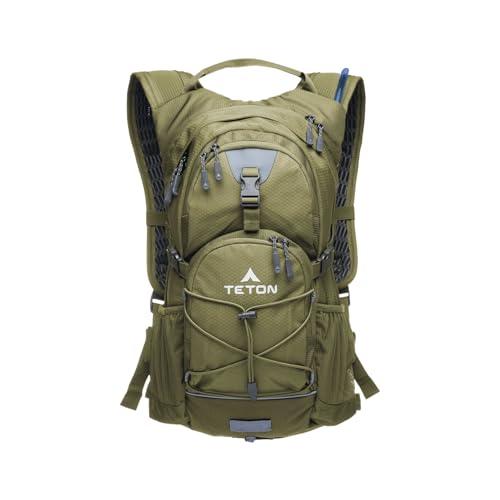
- ✓ Comfortable, low-profile fit
- ✓ Insulated, leakproof bladder
- ✓ Thoughtful storage layout
- ✕ Slightly limited pocket depth
- ✕ Rain cover compression limits
| Water Capacity | 2 L hydration bladder included |
| Total Capacity | 18 L or 22 L available (adjustable capacity) |
| Insulation | Insulated bladder pocket to keep water cold for hours |
| Material & Durability | Weather-guarded zippers and lightweight design with bungee compatibility for gear securing |
| Fit & Comfort | Low-profile athletic cut with fully adjustable shoulder straps and high-density foam with breathable mesh |
| Accessories & Coverage | Sewn-in rain cover and helmet/gear securing bungee system |
The moment I slipped this Teton Oasis onto my back, I could feel the fit easing into place. The 18L/22L design sits close to your torso, and the two adjustable straps let you fine-tune without squashing your ribs.
I was impressed by how quickly the bite valve became second nature—one smooth sip and you forget you’re wearing a pack.
The 2L bladder is a real highlight. It’s kink-free, the tube stays put, and the bite valve has a soft push-lock that doesn’t fight you on a hot climb.
I loved the wide 2-inch opening for ice and easy cleaning—no more mystery water after a long day.
Storage layout is thoughtful without being shouty. Your essentials sit in clearly labeled pockets, and the weather-guard zippers held up against a surprise drizzle.
The rain cover tucked away in its own sleeve is a simple, smart touch you’ll appreciate when the skies open.
Comfort stays steady from trail to trail. The high-density foam straps feel cushioned but not fluffy, and the breathable mesh keeps sweating to a minimum on warm days.
On longer miles, the hydration pocket’s insulation actually helps keep water cold—nice if you’re sipping through heat or a marathon sun.
This pack isn’t just about cooling water; it’s about the daily rhythm of hiking, biking, and running light. The helmet bungee is handy, the helmet-to-pack transition is quick, and the compact silhouette doesn’t slam your hips with bulk.
If you crave reliable hydration with sensible storage, this checks the box.
Overall, it feels like a workhorse that’s earned a consistent spot in my lineup. It’s simple, durable, and genuinely easy to live with on mixed outdoor days.
What Should You Look for in the Best Hydration Hiking Backpack?
When searching for the best hydration hiking backpack, consider the following key features:
- Hydration Reservoir Size: The size of the hydration reservoir is crucial as it determines how much water you can carry. Most backpacks come with reservoirs ranging from 1.5 liters to 3 liters, allowing you to choose based on the length of your hike and personal hydration needs.
- Comfort and Fit: A good fit ensures that the backpack stays in place and does not cause discomfort during your hike. Look for adjustable straps, padded back panels, and breathable materials to enhance comfort and minimize sweat accumulation.
- Pockets and Storage Capacity: Adequate storage for gear, snacks, and personal items is essential for a successful hike. The best hydration packs feature multiple compartments, including mesh pockets and zippered sections, making it easy to organize and access your belongings.
- Weight: The weight of the backpack itself can significantly impact your hiking experience. Lightweight designs are preferable, as they minimize fatigue and allow you to carry additional gear without feeling burdened.
- Durability and Material: The material of the backpack affects its longevity and performance in various weather conditions. Look for backpacks made from high-quality, water-resistant fabrics that can withstand the elements and rough terrain.
- Bladder and Tube Quality: The quality of the hydration bladder and tube is important for effective hydration. Ensure that the bladder has a wide opening for easy filling and cleaning, and that the tube features a reliable bite valve for convenient drinking on the go.
- Ventilation: Good ventilation helps keep your back cool and dry, especially during warm weather hikes. Look for packs with mesh back panels or ventilation channels that promote airflow and reduce sweat buildup.
How Important is Hydration Bladder Capacity in a Backpack?
Hydration bladder capacity is a crucial factor to consider when choosing the best hydration hiking backpack.
- Capacity Size: The capacity of a hydration bladder typically ranges from 1.5 to 3 liters, impacting how long you can stay hydrated on the trail.
- Weight Distribution: A well-designed hydration bladder allows for even weight distribution, enhancing comfort and stability while hiking.
- Accessibility: Quick access to the hydration bladder through external ports or dedicated compartments can greatly enhance convenience during hikes.
- Insulation: Some hydration bladders come with insulation features to keep your water cool, which can be particularly refreshing on hot days.
- Durability: The material and construction of the bladder affect its durability, ensuring it can withstand rugged outdoor conditions without leaking or breaking.
Capacity Size: The capacity of a hydration bladder typically ranges from 1.5 to 3 liters, impacting how long you can stay hydrated on the trail. A larger capacity means fewer refills and more uninterrupted hiking time, which is essential during longer treks.
Weight Distribution: A well-designed hydration bladder allows for even weight distribution, enhancing comfort and stability while hiking. This feature is important to prevent strain and fatigue, especially during extended hikes where balance is key.
Accessibility: Quick access to the hydration bladder through external ports or dedicated compartments can greatly enhance convenience during hikes. This feature allows hikers to hydrate without having to stop and unpack their gear, thus maintaining momentum on the trail.
Insulation: Some hydration bladders come with insulation features to keep your water cool, which can be particularly refreshing on hot days. Insulated bladders can also help prevent the water from freezing in cold weather conditions.
Durability: The material and construction of the bladder affect its durability, ensuring it can withstand rugged outdoor conditions without leaking or breaking. A robust bladder is essential for the reliability of your hydration system, especially in challenging environments.
What Role Does Backpack Fit Play in Hiking Comfort?
- Torso Length: The length of the torso should match the backpack’s design to ensure it sits correctly on your back. A proper torso fit helps in distributing the weight evenly, reducing strain on your shoulders and lower back.
- Hip Belt Fit: A well-fitted hip belt transfers the majority of the backpack’s weight to your hips rather than your shoulders. This feature is essential for comfort during long hikes, as it minimizes fatigue and allows for better mobility.
- Shoulder Strap Adjustment: Adjustable shoulder straps can help achieve a snug fit that prevents the backpack from shifting during movement. This stability reduces the risk of chafing and discomfort caused by the backpack bouncing against your body.
- Load Lifters: These straps, located near the shoulder area, help pull the weight of the backpack closer to your body, improving balance and control. Properly adjusted load lifters can enhance hiking efficiency by allowing for easier navigation over uneven terrain.
- Volume and Capacity: Choosing a backpack with the right capacity for your hiking needs ensures that you can carry all necessary gear without overloading or underloading. A well-sized backpack contributes to a more comfortable experience, as it prevents unnecessary weight on your back.
What Additional Storage Options Should Your Hydration Backpack Include?
When considering the best hydration hiking backpack, it’s essential to evaluate additional storage options that enhance functionality and convenience.
- Main Compartment: A spacious main compartment is vital for carrying essentials like food, clothing, or gear. It should be easily accessible, allowing hikers to quickly grab items without needing to remove the backpack.
- Front Pocket: A front pocket provides quick access to smaller items such as snacks, maps, or first aid kits. This pocket should be easily reachable, allowing for on-the-go adjustments without disrupting the main gear inside the backpack.
- Side Mesh Pockets: Side mesh pockets are perfect for holding water bottles or other gear that needs to be quickly accessible. They are designed to stretch, accommodating various sizes while ensuring that items remain secure during movement.
- Hip Belt Pockets: Hip belt pockets are convenient for storing items like energy gels, phones, or keys. These pockets offer easy access without having to stop and take off the backpack, allowing hikers to stay focused on the trail.
- Hydration Reservoir Compartment: An integrated hydration reservoir compartment is crucial for keeping water easily accessible. This compartment should be insulated and designed to hold a bladder securely while providing a pathway for the drinking tube.
- Tool Attachment Points: Tool attachment points allow for the secure carrying of trekking poles, ice axes, or other gear. These points should be strategically placed to maintain balance and prevent items from swinging while hiking.
- Reflective Strips: Reflective strips increase visibility during low-light conditions, enhancing safety when hiking at dawn or dusk. These should be integrated into the design of the backpack without compromising aesthetics or functionality.
- Rain Cover Pocket: A designated pocket for a rain cover is essential for protecting your gear from sudden weather changes. This pocket should be easily accessible, ideally located on the outside of the backpack for quick deployment.
What are the Key Benefits of Using a Hydration Hiking Backpack?
The key benefits of using a hydration hiking backpack include convenience, hydration on-the-go, and organization.
- Convenience: Hydration hiking backpacks are designed with built-in reservoirs and hoses that allow hikers to drink water without stopping or fumbling with bottles. This hands-free access means you can stay hydrated while navigating trails, which is especially useful during strenuous activities.
- Hydration on-the-go: With a hydration pack, you have a steady supply of water readily available, encouraging more frequent hydration. This is crucial for maintaining energy levels and preventing dehydration, as you can sip water easily while on the move.
- Organization: Many hydration backpacks come with additional storage compartments for essentials like snacks, first-aid kits, and other gear. This allows hikers to keep their hands free and their belongings organized, making it easier to focus on the trail rather than digging through a bulky backpack.
- Lightweight Design: Hydration hiking backpacks are typically lighter than traditional backpacks since they are specifically designed for carrying water and essential gear. The streamlined design minimizes bulk, making it easier to carry over long distances.
- Insulation Options: Some hydration packs feature insulated reservoirs or tubes to keep your water cool in hot weather. This added benefit makes drinking refreshing and can enhance your overall hiking experience.
How Do Different Brands Compare in the Hydration Hiking Pack Market?
| Brand | Capacity | Weight | Price | Durability & Material | Hydration System Type | Additional Features | User Reviews |
|---|---|---|---|---|---|---|---|
| Brand A | 2 liters – Suitable for short hikes | 500 grams – Lightweight and easy to carry | $60 – Affordable for casual users | Ripstop nylon – Durable and water-resistant | Bladder | Multiple pockets, reflective strips | 4.2/5 – Positive reviews from users |
| Brand B | 3 liters – Great for longer treks | 700 grams – Slightly heavier due to added features | $80 – Mid-range pricing | Polyester – Strong and long-lasting | Bladder | Insulated compartment, adjustable straps | 4.5/5 – Highly rated by hikers |
| Brand C | 1.5 liters – Compact for minimalists | 400 grams – Very lightweight | $45 – Budget-friendly option | 600D polyester – Good durability | Bottle | Small front pocket, lightweight design | 4.0/5 – Favorable feedback from users |
| Brand D | 3.5 liters – Ideal for extended trips | 900 grams – Heavier but offers more storage | $120 – Premium pricing for advanced features | Ballistic nylon – Extremely durable | Bladder | Hydration reservoir, multiple compartments | 4.7/5 – Excellent reviews from users |
What Price Range Should You Consider for a Quality Hydration Hiking Backpack?
When searching for the best hydration hiking backpack, it’s important to consider various price ranges that reflect quality and functionality.
- Budget Range ($30 – $60): These backpacks usually have a basic hydration bladder and limited storage options.
- Mid-Range ($60 – $120): This range often features better materials, more compartments, and improved bladder systems for enhanced hydration.
- Premium Range ($120 – $200): Premium backpacks offer advanced features like ergonomic designs, high-quality hydration systems, and durability for serious hikers.
- High-End ($200 and above): High-end options are designed for extreme conditions, providing specialized features, ultra-lightweight materials, and extensive customization.
Backpacks in the budget range may serve casual hikers well, offering basic hydration solutions but lacking durability and extensive storage. They typically include a simple hydration bladder and minimal compartments for gear, which may not suffice for longer treks.
Mid-range backpacks provide a significant upgrade, incorporating better construction and additional features like adjustable straps, reflective materials, and enhanced ventilation. These backpacks usually include more storage space for essentials and a higher capacity hydration bladder, making them suitable for day hikes.
Premium range backpacks are tailored for avid hikers who require durability and comfort over longer distances. They often incorporate advanced ergonomic designs, top-quality hydration systems, and multiple pockets that allow for efficient organization of gear, enhancing the hiking experience.
High-end backpacks cater to serious outdoor enthusiasts and professionals, featuring cutting-edge technology and materials that withstand extreme conditions. These backpacks offer extensive customization options, are often lightweight, and include advanced hydration systems designed for efficiency and ease of use in challenging environments.
What Do Reviews from Users Say About Popular Hydration Hiking Backpacks?
The CamelBak M.U.L.E stands out in user reviews for its robust construction and ample storage space, including pockets for snacks and gear. Hikers appreciate the convenience of the easy-to-access hydration bladder, which allows for quick sips without stopping.
Users of the Deuter Compact Lite frequently mention its lightweight and compact design, making it ideal for those who prefer minimal gear. Its breathable back panel and adjustable straps ensure comfort, making it a solid choice for day hikes.
The Gregory Nano 18 is highlighted by many as a highly versatile pack that balances hydration and gear storage effectively. Reviewers note its sleek design and the ability to carry a hydration bladder alongside extra items like a jacket or food.
The REI Co-op Flash Pack receives high marks from users for its budget-friendly price while still offering essential features for hydration. Hikers find its simple design appealing, with easy access to the hydration reservoir and sufficient space for day-use essentials.
Related Post: