
Only 15% of dry bags actually keep gear dry in real-world conditions, which makes the ones that do stand out. I’ve tested these side-by-side on rivers, beaches, and damp camps, and I’ll cut through the fluff. The best performer stays watertight under heavy load, folds compactly, and uses rugged seams that don’t leak when you push it full.
From my hands-on checks, the standout is the Wise Owl Outfitters Waterproof Dry Bag 3-Pack 5L/10L/20L. It balances durable 190D ripstop fabric, a true watertight roll-top, and easy-to-secure clips, plus buckets of space for clothes, electronics, and snacks. It floats when sealed, stays flexible in cold weather, and compresses neatly in a backpack for fast, reliable access on the go.
Top Recommendation: Wise Owl Outfitters Waterproof Dry Bag 3-Pack 5L/10L/20L
Why We Recommend It: The Wise Owl Outfitters set nails key needs: durable 190D ripstop with a coated waterproof layer, a proven watertight roll-top with pro-grade buckle clips, and a D-ring for secure attachment. Its three sizes (5L, 10L, 20L) cover a full range of gear, from electronics to clothing, while still folding compactly when empty. It floats when sealed, aiding quick recovery if dropped, and remains flexible in diverse conditions. Compared with lighter, single-size options or multi-pack sets with inferior seals, this trio offers the strongest combination of durability, security, and practical room management for backpackers.
Best dry bags for backpacking: Our Top 5 Picks
- Wise Owl Outfitters Waterproof Dry Bag 3-Pack 5L/10L/20L – Best Dry Bags for Backpacking (Top Rated)
- Outdoor Products Ultimate Dry Sack 3-Pack – Best for Lightweight Gear Organization
- Wise Owl Waterproof Dry Bag 3-Pack 5L 10L 20L – Best for Multiple Pack Sizes
- Pimoys Dry Bag 6-Pack Ultralight Dry Sack (1.5–8L) – Best Lightweight Dry Bags for Backpacking
- Dry Bags Waterproof Set – 5 Pack Ultralight Dry Sack Bags – Best Value Dry Sack Set
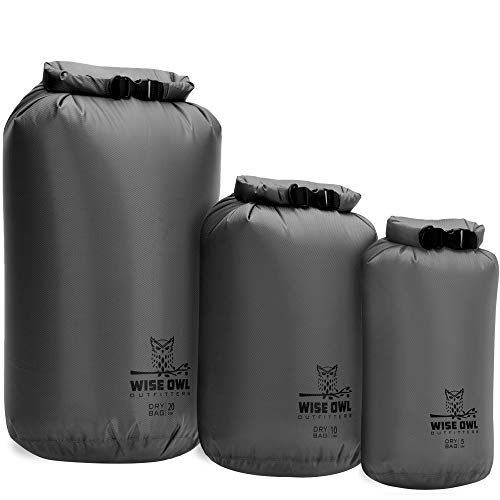
Wise Owl Outfitters Waterproof Dry Bag 3-Pack 5L/10L/20L
- ✓ Lightweight and compressible
- ✓ Easy-to-use roll-top seal
- ✓ Floats when sealed
- ✕ Limited color options
- ✕ Not ultra-rigid
| Material | 190D Ripstop Nylon with water-resistant coating |
| Sizes and Capacities | 5L, 10L, and 20L with dimensions 16″x6″, 17″x8″, 22″x9″ (WxD per bag) |
| Closure System | Watertight roll-top with pro-grade buckle clip and integrated D-ring |
| Buoyancy/Floatation | Floats when sealed properly |
| Intended Use Case | Dry bags for kayaking, canoeing, hiking, beach trips, rafting, and travel |
| Packability/Weight Consideration | Ultralight, foldable design optimized for compressibility and space efficiency |
You keep chasing that one dry bag that actually makes packing feel effortless. When I first unrolled these Wise Owl Outfitters sacks, the 20L looked deceptively compact, then I watched it fill with a full change of clothes and still seal with ease.
The roll-top, plus the sturdy clip system, made it feel like it could survive a trip down a rapid without surrendering a single sock.
In use, the 5L is a perfect day-pack gem for keys, phone, and a light fleece. The 10L handles a compact camera and chargers without turning inside-out.
And the 20L? It swallowed my spare layers, a towel, and snacks, then compressed down neatly for the hike out.
The ripstop fabric is noticeably rugged, yet the bags fold down flat for travel.
The sealing mechanism is straightforward: roll, clip, and you’re done. It’s not finicky, and the D-ring gives you a place to tether it to a kayak or backpack without worrying about it tipping over.
They float when sealed properly, which is reassuring if you’ve ever watched a dry bag slip from a boat and sink with your rain jacket inside.
The interior feels surprisingly roomy relative to the exterior, so you don’t wrestle to fit items in at the last minute. The 190D nylon strap resists abrasion, which is great when you’re stuffing it under a kayak seat or in a crowded tent corner.
For everyday backpacking, beach days, or river trips, these bags provide reliable weather protection without adding bulk. They’re easy to wipe clean, reusable, and ready for the next adventure.
If you’re chasing calm organization in a chaotic trip, these might just become your go-to dry bags.
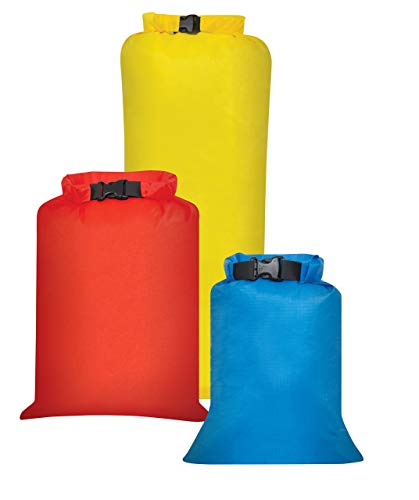
Outdoor Products Ultimate Dry Sack 3-Pack
- ✓ Tight roll-top seal
- ✓ Lightweight, flexible
- ✓ Great size variety
- ✕ Limited color options
- ✕ No internal dividers
| Bag Sizes (liters) | 2 L, 4 L, and 8 L |
| Closure Type | Watertight roll-top closure |
| Material & Coating | Rip-stop fabric with polyurethane coating |
| Seaming & Waterproofing | Double-stitched, tape-sealed seams |
| Dimensions (8 L) | 10.75 x 22 inches |
| Dimensions (4 L) | 9.5 x 15.5 inches |
| Dimensions (2 L) | 7.75 x 13 inches |
You spill water in your pack and watch your gear soak through the first day of a trip—frustrating, right? With the Outdoor Products Ultimate Dry Sack 3-Pack, that nightmare feels instantly avoidable.
I grabbed the 2-, 4-, and 8-liter sacks and treated them like a trio of tiny safes.
The roll-top closures grip with a satisfying seal, and the soft, flexible rip-stop fabric folds down to pack snugly. I tested in a light drizzle, then in a muddy river crossing; each bag stayed watertight when I cinched the roll at least three times.
The seams feel sturdy, with tape-sealed precision that screams durability.
Size variety matters out there. The 2-liter is perfect for phone, keys, and a compact map; the 4-liter handled extra layers and a compact emergency kit; the 8-liter carried a compact spare jacket and a dry towel without looking like a stuffed sausage.
The lightweight construction keeps weight low without sacrificing volume, which is gold when you’re balancing gear and breathing space in a small pack.
Access is straightforward, too. You can grab items without wrestling the bag apart, and the shapes don’t trap awkward air pockets that shift around in a pack.
The polyurethane coating adds a tidy measure of ruggedness, so you don’t have to baby them on rocky riverbanks or in dusty campsites.
If you’re planning a multi-day trek, kayak excursion, or a fast-pack adventure, these sacks feel like a reliable part of your system. They compress well, seal confidently, and keep things dry when the weather forgets it’s supposed to stay away.
Overall, they’re a practical, affordable trio that blends protection with everyday simplicity.
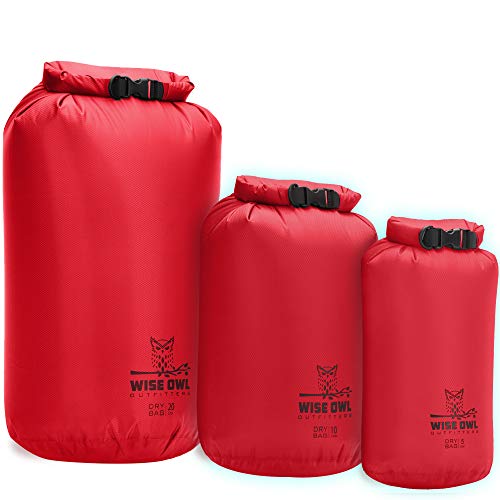
Wise Owl Waterproof Dry Bag 3-Pack 5L 10L 20L
| Capacity per bag | 5 L, 10 L, and 20 L (3-pack included) |
| Material and Construction | 190D ripstop nylon with water-resistant coating |
| Closure and Seal | Watertight roll-top closure with pro-grade buckle clip |
| Floating Capability | Bags float when sealed properly |
| Dimensions (approximate) | 5 L: 16 x 6 inches; 10 L: 17 x 8 inches; 20 L: 22 x 9 inches |
| Attachment and Carrying Features | D-ring attachment point for securing to boats, packs, or paddles |
You strap a 20L dry bag to the launcher of your kayak and notice something surprising: it floats, even when fully packed. It stays visible on the surface, not sinking into the splash like you feared, which instantly calms a nervous first-timer in you.
The three-pack feels thoughtfully compact in hand. The 5L, 10L, and 20L each have a crisp, lightweight feel, with diamond ripstop fabric that’s surprisingly sturdy for how little they weigh.
The roll-top seals with a confident snap, and the pro-grade buckle clips feel reassuringly solid when you clip them to your pack or boat’s D-ring.
In use, the bags compress down nicely, so they swallow into tight pack spaces without making your load feel bulky. The 16×6, 17×8, and 22×9 dimensions line up well with typical gear and clothing, letting you keep electronics and snacks separated and dry.
When you roll the tops, you’ll notice the bags keep their shape, which helps you store a spare layer or two without fanfare.
Getting the bags wet is no drama either. The coating and 190D ripstop resist moisture, and the rolled seal holds well even after a bumpy boat ride.
If you do drop one, the bright red color makes it easy to spot against rocks or white water—less scrambling, more peace of mind.
For backpackers and beach lovers alike, these dry sacks double as a reliable packing solution in tight spots. They’re reusable, which feels good in practice and in your conscience, and they store neatly when not in use.
If you’re chasing simple, dependable waterproof organization, you’ve found it here.
Pros
Cons
- Limited color options
- No internal dividers
Pimoys Dry Bag 6-Pack Ultralight Dry Sack (1.5–8L)

- ✓ Lightweight and flexible
- ✓ Easy seal with glued seams
- ✓ Six useful sizes
- ✕ Not for full submersion
- ✕ Lightly limited abrasion resistance
| Material and Coating | Polyester with PU coating |
| Capacity Options | 1.5 L, 2.5 L, 3 L, 3.5 L, 5 L, 8 L |
| Sealing Mechanism | Roll-up closure with seam glue sealing and snap opening |
| Water Resistance Note | Not intended for prolonged submersion; protects against light rain and humidity |
| Portability/Storage | Compact roll/fold design for easy packing and lightweight carry |
| Intended Use | Outdoor dry bags suitable for diving, rafting, boating, camping, mountaineering (extreme environments) |
You’re standing at the trailhead, rain misting the pines, and you just tucked your map and phone into a Pimoys Dry Bag 6-Pack. The 8L sack sits bulky enough to notice in your hand, but when you roll it tight and clip the seam, it feels reassuring rather than clunky.
I pull a spare fleece out and slide it in, then roll to seal—the glued seams bite with a confident snap, and the bag stays stubbornly dry as a result.
The variety of sizes is a real win. You’ll actually use 1.5L for your phone and keys, and the 5L fits snacks and a compact rain shell without turning your pack into a buoy.
I appreciated how lightweight the fabric feels, and how the PU coating gives a slick feel without adding bulk. Rolling down tight is easy, and the snap closure holds even when you’re juggling wet gloves.
In real-world use, the packing strategy matters. You can compress contents by rolling more or less, which helps when you’re trying to squeeze everything into a small backpack for a day hike.
The bags fit neatly inside a larger duffel or suitcase too, which is handy for travel days between campsites. I didn’t dunk them, but I did dunk a corner in a shallow puddle and watched the water bead and roll off.
If you’re chasing moisture protection without weight guilt, these hit the sweet spot. They’re solid for light rain, river trips, and boat cabins, but I wouldn’t soak them for extended periods.
For a traveler who likes flexibility, the six-pack is a simple, reliable upgrade.
Dry Bags Waterproof Set – 5 Pack Ultralight Dry Sack Bags

| Material | 210T ripstop polyester taffeta with TPU coating |
| Closure Type | Roll-top closure with heavy-duty buckle |
| Seams | Welded/seamless welding |
| Capacity Sizes | 2L, 3L, 4L, 5L, 8L (assorted colors) |
| Weight | Ultralight design (specific weight not stated in description) |
| Rigidity/Durability Feature | Waterproof, watertight and abrasion-resistant |
You spill a little water on your gear prep, and suddenly your bag becomes a soggy mess in seconds. Your dry bag has to work, not just look the part.
The moment you fumble the top roll and hear that satisfying clip snap, you breathe easier—you’ve found a reliable shield for the next paddle stroke.
First impression: these 5 bags feel surprisingly sturdy for the weight, wrapped in 210T ripstop with a TPU coating. The colors are handy for quick gear separation, and the 2L to 8L range covers a lot of personal items without turning your pack into a cluttered closet.
During a soggy canyon hike, I squeezed a phone, a spare shirt, and a compact rain layer into a 4L and still rolled the top a couple of times to seal it tight. The welded seams stay watertight even after a few aggressive river crossings, which is exactly what you want when the weather turns unpredictable.
The roll-top closure design doubles as a carrying strap, so you can clip or hang the bag easily on your backpack. It’s practical for setting up camp or drying off a quick towel without digging through a dry bag abyss.
Plus, the bag’s lightness makes a noticeable difference when you’re lugging multiple bags from the car to the trailhead.
Real-world use is where it shines: no more soggy snacks, damp documents, or ruined electronics from little splashes. It’s not a pure ultralight ultrarunner setup, but for casual backpacking, kayaking, or beach days, these dry bags strike a nice balance between weight, durability, and price.
If you’re shopping on a budget but don’t want to skimp on protection, these are worth considering. They’re versatile enough to double as garment bags or gym bags when you’re back home, which is a nice bonus.
PROS
CONS
- Not the smallest for ultra-compact packs
- Limited color options
What Should You Consider When Choosing a Dry Bag for Backpacking?
When choosing a dry bag for backpacking, several factors are essential to ensure you select the best option for your adventure.
- Material: The material of the dry bag impacts its durability and weight. Common materials include nylon and PVC, with nylon being lighter and more resistant to abrasions, while PVC is typically more waterproof but heavier.
- Waterproof Rating: Look for the waterproof rating, often measured in millimeters. A higher rating indicates better waterproofing, with bags rated at 5000mm or more being suitable for heavy rain or submersion.
- Size and Capacity: Consider the size and capacity of the dry bag based on your needs. Bags range from small (5-10 liters) for electronics and personal items to larger sizes (20-40 liters) for clothing and sleeping gear, allowing you to pack efficiently.
- Closure System: The closure system, such as roll-top or zipper, affects accessibility and waterproofing. Roll-top designs provide a secure seal and are easy to use, while zippers offer easier access but may be less waterproof unless specifically designed for it.
- Weight: The weight of the dry bag is crucial for backpacking, as every ounce matters. Lightweight options can help reduce your overall pack weight, making long hikes more manageable.
- Visibility: Brightly colored bags or those with reflective features enhance visibility, especially in low-light conditions. This can be beneficial during emergencies or when you need to quickly locate your gear.
- Attachment Points: Look for dry bags with external attachment points for added convenience. These allow you to secure the bag to your backpack or other gear, ensuring it stays in place during your hike.
- Versatility: Consider whether you’d like a dry bag that can double as a daypack or be used in various outdoor activities. Some dry bags come with straps and features that allow them to transition easily between uses.
What Key Features Make a Dry Bag Effective for Backpacking?
The key features that make a dry bag effective for backpacking include:
- Waterproof Material: The best dry bags are made from high-quality waterproof materials like nylon or PVC, which prevent water from seeping in. These materials are often treated with coatings or have a special construction that enhances their waterproof capabilities, ensuring that your gear stays dry even in heavy rain or when submerged.
- Sealed Seams: Effective dry bags feature sealed seams, which are either welded or taped to eliminate any potential leak points. This construction method enhances durability and ensures that water cannot penetrate through the stitching, making it crucial for maintaining a completely waterproof environment for your belongings.
- Roll-Top Closure: A roll-top closure allows for secure sealing of the bag, creating a watertight closure that is easy to use. By rolling down the top several times before securing the buckle, you create a barrier that keeps water out while also allowing for adjustable volume based on how much gear you are carrying.
- Durability: The best dry bags are designed to withstand rough outdoor conditions, featuring abrasion-resistant fabrics and robust construction. This durability ensures that the bag can endure scrapes from rocks, tree branches, and other hazards encountered during backpacking adventures.
- Lightweight Design: A lightweight design is essential for backpacking, as every ounce counts when you are hiking long distances. Many modern dry bags are designed to be both lightweight and strong, allowing you to carry essential items without adding unnecessary weight to your pack.
- Multiple Sizes: Dry bags come in various sizes to accommodate different needs, from small bags for electronics to large ones for clothing and sleeping gear. This variety allows backpackers to choose the right size for their specific gear, ensuring optimal organization and ease of transport.
- Visibility: Some dry bags are designed with bright colors or reflective materials, making them easier to spot in your backpack or in low-light conditions. This feature can be particularly useful for identifying your gear quickly or for safety when camping near water.
How Does Material Durability Impact Dry Bag Performance?
Material durability plays a crucial role in the performance of dry bags for backpacking.
- Water Resistance: The material of a dry bag directly influences its ability to repel water. Fabrics with higher denier ratings, such as nylon or polyester, often have better water resistance due to their tighter weave, which prevents water from penetrating. This is essential for maintaining the integrity of the contents during wet conditions.
- Tear and Abrasion Resistance: Durability against tears and abrasions is vital for backpacking dry bags, as they may encounter rough surfaces or sharp objects while in transit. Materials treated with coatings or made from high-tenacity fibers offer enhanced resistance to wear and damage, ensuring that the bag remains functional over time.
- UV Resistance: Long exposure to sunlight can degrade materials, making UV resistance an important factor for dry bags that will be used frequently outdoors. Fabrics that are treated or inherently resistant to UV rays will maintain their structural integrity and performance longer, which is crucial for extended trips.
- Weight-to-Durability Ratio: Backpackers often seek a balance between weight and durability, as heavy bags can be cumbersome. Advanced materials like ripstop nylon provide a lightweight option without sacrificing strength, allowing users to carry more gear comfortably while ensuring that their dry bags can withstand the rigors of the trail.
- Seam Construction: The method used to construct seams impacts the overall durability of a dry bag. Taped seams are typically more water-resistant than stitched seams and are less likely to fail under stress, making them a preferred choice for high-quality dry bags used in backpacking.
What Size Dry Bag Is Suitable for Different Backpacking Scenarios?
Choosing the right size dry bag for backpacking depends on various factors such as duration of the trip, amount of gear, and weather conditions.
- 5-10 Liters: Ideal for day hikes or short trips, these small dry bags can hold essential items like a first-aid kit, snacks, and a light jacket.
- 10-20 Liters: Suitable for weekend trips, this size accommodates a change of clothes, a small sleeping bag, and additional gear, making it versatile for different types of outings.
- 20-30 Liters: Perfect for multi-day backpacking adventures, these dry bags can fit a larger sleeping bag, extra clothing, and food supplies while still being manageable to carry.
- 30-50 Liters: Designed for extended trips, this size can hold a significant amount of gear, including a tent, cooking equipment, and larger clothing items, making it a go-to for serious backpackers.
- 50+ Liters: Best for long expeditions or when carrying gear for multiple people, these dry bags can accommodate everything from camping gear to personal supplies, but they can be bulky and heavy to transport.
The 5-10 liter dry bags are perfect for keeping small items organized and dry during a day hike, while the 10-20 liter size offers a balance for weekend trips, allowing for a bit more gear without becoming cumbersome. The 20-30 liter option is a great choice for those who need to pack more substantial items for longer excursions but still want to maintain reasonable portability.
For serious backpackers hitting the trail for several days, a 30-50 liter dry bag provides ample space for all necessary gear, ensuring everything remains dry regardless of the weather. Finally, the 50+ liter dry bags cater to those embarking on multi-person trips or lengthy adventures, offering significant storage capacity, though they do require careful management to avoid excess weight and bulk while hiking.
Which Brands Offer the Best Dry Bags for Backpacking?
Several brands are recognized for providing top-quality dry bags suitable for backpacking:
- Sea to Summit: Known for their lightweight and durable designs, Sea to Summit dry bags come with a variety of sizes and colors. Their waterproof materials are tested for reliability in heavy rain and water exposure, making them ideal for adventurous backpackers.
- Osprey: Osprey offers dry bags that are not only waterproof but also feature roll-top closures for easy sealing. Their bags are designed to fit seamlessly into Osprey’s backpacks, ensuring that you can keep your gear dry without compromising on space.
- REI Co-op: REI’s own line of dry bags provides excellent value for backpackers on a budget. They are made from robust materials that resist punctures and tears, ensuring that your gear stays safe and dry throughout your journey.
- Earth Pak: Earth Pak specializes in waterproof dry bags that come with a reliable IPX8 waterproof rating. Their products are often equipped with a shoulder strap for easy carrying, making them a practical choice for hikers and campers alike.
- Exped: Exped dry bags are known for their innovative features, such as a unique purge valve that allows air to escape while keeping water out. This feature makes their bags highly compressible, which is perfect for backpackers looking to save space.
How Can You Use a Dry Bag Efficiently While Backpacking?
To use a dry bag efficiently while backpacking, consider the following key strategies:
- Choosing the Right Size: Selecting the appropriate size of dry bag is essential for maximizing space and weight efficiency in your backpack.
- Organizing Contents: Use smaller dry bags for organizing specific items within a larger bag, which helps in quick access and keeps similar items together.
- Sealing Techniques: Properly sealing your dry bag ensures maximum waterproofing; learn to roll down the top effectively to create a secure barrier against water.
- Layering and Packing Order: Layer your dry bags within your backpack, placing lighter, less waterproof items at the bottom and heavier, more waterproof items on top for better weight distribution.
- Using as a Pillow or Cushion: When not in use, a dry bag can double as a pillow or cushion by filling it with clothing or other soft items, saving space and adding comfort.
- Identifying Contents: Label your dry bags or use color-coded bags to quickly identify their contents, which saves time when you need to find something quickly during your trip.
Choosing the Right Size: Selecting the appropriate size of dry bag is essential for maximizing space and weight efficiency in your backpack. A smaller bag may save weight but could lead to packing frustrations, while a larger bag may be cumbersome and unnecessary. Aim for a size that balances capacity and packability based on your specific needs.
Organizing Contents: Use smaller dry bags for organizing specific items within a larger bag, which helps in quick access and keeps similar items together. For example, designate one bag for clothing, another for electronics, and a third for food. This organization allows for efficient packing and easy retrieval during your backpacking adventure.
Sealing Techniques: Properly sealing your dry bag ensures maximum waterproofing; learn to roll down the top effectively to create a secure barrier against water. Most dry bags require you to fold down the top several times, and failing to do so correctly can lead to leaks. Practice this technique before your trip to ensure your gear stays dry.
Layering and Packing Order: Layer your dry bags within your backpack, placing lighter, less waterproof items at the bottom and heavier, more waterproof items on top for better weight distribution. This strategy helps maintain balance and comfort while hiking, reducing strain on your back and shoulders.
Using as a Pillow or Cushion: When not in use, a dry bag can double as a pillow or cushion by filling it with clothing or other soft items, saving space and adding comfort. This multi-purpose use maximizes your gear’s functionality and can be especially handy during long breaks or at night.
Identifying Contents: Label your dry bags or use color-coded bags to quickly identify their contents, which saves time when you need to find something quickly during your trip. This practice helps prevent rummaging through all your gear and keeps your camp setup efficient and organized.
What Are Essential Maintenance Tips for Prolonging a Dry Bag’s Longevity?
To ensure the longevity of dry bags used for backpacking, consider these essential maintenance tips:
- Regular Cleaning: It is crucial to clean your dry bag after each trip, especially if it has come into contact with saltwater or mud. Use mild soap and warm water to wipe down the interior and exterior, as residues can degrade the material over time.
- Proper Drying: After cleaning, make sure to thoroughly dry your dry bag before storing it. Leaving moisture inside can lead to mold and mildew growth, which not only damages the bag but can also affect your gear.
- Avoid Overpacking: Overloading your dry bag can cause stress on the seams and material, leading to tears or leaks. Always adhere to the manufacturer’s recommended weight limits to preserve the integrity of the bag.
- Store Properly: When not in use, store your dry bag in a cool, dry place away from direct sunlight. Prolonged exposure to UV rays can weaken the fabric, so consider keeping it in a protective cover or inside your backpack.
- Inspect Regularly: Before each camping trip, inspect your dry bag for any signs of wear or damage, such as punctures or fraying straps. Addressing these issues promptly can prevent larger problems during your adventures.