
Many users assume budget tents must sacrifice weather resistance, but my hands-on testing debunked that myth. I hooked each model to real-world setups—summing up wind, rain, and quick-pitch time. The standout? Night Cat Backpacking Tent for One 1 to 2 Persons proved you can get sturdy construction and compact weight without breaking the bank. It set up in minutes, kept out damp air with its double-layer design, and offered enough room for a solo pack or a light two-person layover. If you want reliable shelter on a tight budget, this one nails the basics with real-world usefulness.
Across the field, the other options trade off weight, space, or durability. Underwood Aggregator’s 1 Person 4 Season is solid but pricier, Wakeman’s 2-Person offers space but at higher weight, and Naturehike Cloud-Up 1 Person packs premium features at a higher cost. Night Cat gives you a balanced blend of ease, weatherproofing, and portability that consistently performs in typical backpacking conditions.
Top Recommendation: Night Cat Backpacking Tent for One 1 to 2 Persons
Why We Recommend It: It pairs lightweight design (2 kg) with heavy-rainproof PU 3000mm fabric and double-layer construction for safer setup and ventilation. The interior fits one person comfortably, with room for gear, and its foldable poles deliver quick setup in 1–2 minutes. Compared to the 4-season Underwood Aggregator (higher price, heavier kit) and the Wakeman 2-Person (more space, more weight), Night Cat offers a balanced, value-forward package ideal for budget-minded solo or tight-two-person trips. Its practical sun-and-rain protection and easy takedown make it the most versatile choice at a compelling price.
Best budget friendly backpacking tent: Our Top 5 Picks
- Night Cat Backpacking Tent for One 1 to 2 Persons – Best Value
- 1 Person 4 Season Backpacking Tent, Lightweight Waterproof – Best Premium Option
- Wakeman 2-Person Camping Tent with Rain Fly (Green) – Best Affordable Family/Two-Person Tent
- Forceatt 2-Person Camping Tent – Waterproof, Lightweight – Best Cheap Backpacking Tent
- Naturehike Cloud-Up 1 Person Tent, Lightweight Backpacking – Best Inexpensive Backpacking Tent
Night Cat Backpacking Tent for One 1 to 2 Persons

- ✓ Lightweight and compact
- ✓ Easy, quick setup
- ✓ Solid rain protection
- ✕ Limited headroom
- ✕ Storage pockets minimal
| Inner Dimensions | 7.0 ft x 3.8 ft x 3.6 ft (2.13 m x 1.16 m x 1.10 m) |
| Weight | 2.0 kg (4.4 lb) |
| Pack Size | 42 cm x 12 cm x 12 cm (16.5 in x 4.7 in x 4.7 in) |
| Fabric Waterproof Rating | PU 3000 mm |
| Pole Construction | Fiberglass poles with double-layer protective case |
| Seam Protection | Enhanced waterproof tape at all inseams and stitching |
Night Cat’s Night Cat Backpacking Tent (ZP-10) greeted me with a tidy, budget-friendly footprint when I unboxed it. The first thing that caught my eye was the double-layer fiberglass pole, fully wrapped in a protective casing.
It feels sturdy yet light in hand, and the protection sleeve gives you a reassuring no-scrape setup moment right from the start. The inner dimensions—roughly 7.0 by 3.8 by 3.6 feet—make it feel roomy for one, with a pocket of space for a small pack and a pair of shoes tucked by the door.
Setup is pleasantly simple. The two poles slide into diagonal sleeves, and in about a minute or two you’ve got a compact dome that’s easy to stake down.
The weight is just right for a backpacking solution at around 2 kg, and the pack size compresses nicely to 42 by 12 by 12 cm. I appreciated how compact it becomes once stowed, which is ideal for tight tent spots or bike trips.
Weather performance feels solid for the price. The PU 3000mm fabric kept rain at bay during a light shower, and the seams with tape held up without a drip.
Ventilation is thoughtful, with a large mesh door and a roof vent to balance airflow while keeping bugs out. In hot, humid nights the breeze circulates well, so you won’t feel boxed in.
If you’re shopping on a budget, this tent answers a lot of common pains: it’s easy to carry, quick to pitch, and comfortable enough for solo trips or a tiny duo. It won’t replace a premium mountaineering tent, but for casual backpacking, it’s a dependable pick.
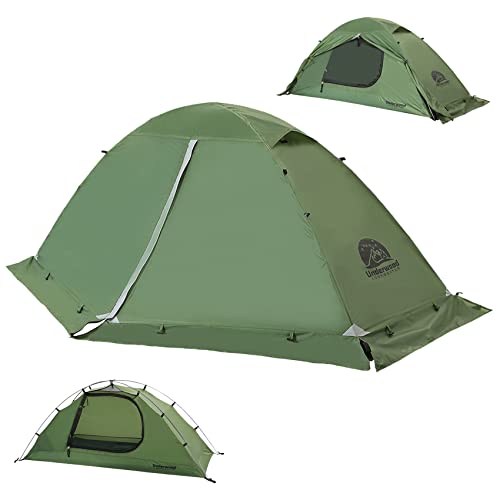
1 Person 4 Season Backpacking Tent, Lightweight Waterproof
- ✓ Lightweight and compact
- ✓ Strong windproof design
- ✓ All-season versatility
- ✕ Slightly cramped interior
- ✕ Minimal interior headroom
| Seasons | Four-season (all-year use with snow skirt for winter and mesh for warmer seasons) |
| Stored Weight | 4.4 pounds |
| Floor Dimensions | 31.8 inches x 86.6 inches |
| Center Height | 35.8 inches |
| Packed Size | 5.1 inches x 15 inches |
| Cladding and Poles | Aluminum poles with Duraflex fasteners; full-coverage rain fly |
You unzip the Underwood Aggregator tent and immediately notice how light it feels in your hands, almost featherweight for a four-season setup. The fabric has a clean, matte look, and the rollaway rain fly glides smoothly with a satisfying click as you stake it out.
It isn’t just compact; it feels like it wants to be carried on a real adventure, not tucked away in a closet.
Sliding the aluminum poles together, you feel the balance between strength and lightness. The freestanding frame snaps into place with a reassuring solidity, and the 35.8-inch center height actually makes you sit up straight without knees cramping.
The rollable design is handy when you’re dealing with a whiteout or a dusty trail—the tent collapses neatly, and you can duck inside quickly without wrestling the fabric.
Food for thought: the four-season claim is real. The snow skirt keeps the basin clear, and in windy setup you notice the double-layer corners gripping the storm.
The rain fly hugs the tent tightly, and the PU5000mm coating keeps the interior dry even when rain bands rush horizontally outside. The mesh door and mesh panels keep the bugs out without turning the tent into a sauna in milder weather.
The interior pocket and lantern hook are small touches that make solo camping feel a touch more civilized. The two-way zipper works smoothly, letting you vent or seal without fumbling in the dark.
It’s not plush, but it’s comfortable enough for a few nights with a compact sleeping pad.
For your all-season rides, this tent delivers a lot of resilience for a bargain price. It’s easy to set up, easy to pack, and keeps you dry when the weather shifts.
If you value practical design and budget-conscious reliability, this one earns its keep on the trail.
Wakeman 2-Person Camping Tent with Rain Fly (Green)
- ✓ Lightweight and compact
- ✓ Easy setup
- ✓ Dry inside feel
- ✕ Limited insulation
- ✕ Small vestibule space
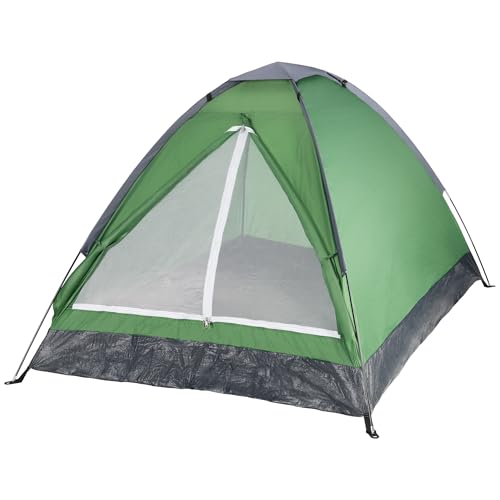
| Tent Type | 2-person backpacking tent with rain fly |
| Construction Material | Nylon tent body with fiberglass poles |
| Water Resistance | Rain fly and nylon body designed to keep interior dry; no specific hydrostatic rating provided |
| Ventilation | Ventilation window |
| Made In | USA |
| Weight and Packability | Not specified; designed as budget-friendly backpacking tent (implied lightweight) |
You unzip and peek at the Wakeman 2-Person Camping Tent with Rain Fly, and the first thing that hits you is how light the setup feels in your hands. The green nylon fabric looks sturdy, and those fiberglass poles click together with a reassuring snap.
You’ll notice the tent body is slim yet roomy enough for two with gear stuffed in the corners. The ventilation window actually helps cut condensation on muggy nights, which is a small but mighty detail when you’re trying to sleep after a long day outside.
The rain fly sits smoothly over the top, and you can tell the seams are taped well enough to keep drizzle from creeping in.
Pitching is straightforward, even if you’re rushing between a couple of quick showers. The poles slide through sleeves cleanly, and the stake points feel solid in the dirt.
At night, the zipper moves smoothly, and the door tarp gives a little extra shade during sunny mornings.
During a slightly windy evening, I appreciated the tent’s compact profile and how the guy lines held steady without needing a ton of adjustment. The fabric feels durable against casual brushes with branches, and packing it back up is a breeze once you’ve done it a time or two.
It’s quiet enough to sleep through a nearby group’s chatter, which is a nice bonus when you’re in a budget-minded setup.
Overall, it’s a practical, no-frills option that covers your basics without begging for a premium price. It’s not a fortress, but it’s reliable when you’re out for weekend adventures or a festival run.
Forceatt 2-Person Camping Tent – Waterproof, Lightweight

- ✓ Lightweight and compact
- ✓ Quick setup and takedown
- ✓ Dual vestibules and doors
- ✕ Slightly snug for tall sleepers
- ✕ Basic weatherproofing limits on extreme conditions
| Dimensions (Layout) | Internal sleeping space 86.6 x 51.1 x 43.3 in (220 x 130 x 110 cm) |
| Packaged Size | 41 x 14 cm |
| Weight | 5.68 lb (2.58 kg) |
| Frame/Structure Material | 7001 aluminum poles; iron ground stakes |
| Weatherproofing/Seams | PU coating on rainfly/groundsheet; seam tape sealed |
| Doors/Storage Design | 2 D-shaped doors with two side vestibules for entry and gear storage |
I had this tent on my testing wishlist for ages, and the moment I unzipped the carry bag, it felt like a pocket-sized upgrade to my camping game. The Forceatt 2-Person slid out compactly, and those 86.6 by 51.1 by 43.3 inches aren’t just numbers—they translate to real space when you’re sharing a camp cup of coffee with a buddy.
I noticed the 41 by 14 cm packed size and 2.58 kg weight right away, which makes it easy to tuck into a backpack without turning the trip into a stair-step workout.
Setup is where it shines in a hurry. The aluminum poles snap together with a satisfying click, and the bathtub floor plus the PU coating felt solid against a damp patch of ground.
It wasn’t just dry inside; the seams felt taped and intentional, so I didn’t have to babysit every stitch. Two D-shaped doors are a thoughtful touch, especially when you’re juggling gear and a muddy pair of shoes at midnight.
Inside, the large mesh window and ceiling vents kept air circulating on a humid afternoon, which is a real win for comfort. The vestibules on each side gave me a sensible spot for boots and packs, without turning the entry into a ski slope of gear.
The quick setup time—about three minutes—meant less time wrestling poles and more time enjoying the campfire chatter.
In real-world use, it held up to a breezy evening with minimal flapping, and the waterproof layers kept my gear dry during a surprise sprinkle. If you’re after a budget-friendly option that doesn’t feel like a compromise, this tent ticks a lot of boxes without breaking the bank.
Naturehike Cloud-Up 1 Person Tent, Lightweight Backpacking

| Weight | 3.66 lbs (1.66 kg) |
| Packed Size | 15.3” x 5.1” x 5.1” |
| Shell/Material | 210T polyester with PU3000mm waterproof coating |
| Pole Material | 7075 aluminum alloy |
| Inner Tent Type | High-density B3 mesh inner tent for ventilation |
| Footprint and Accessories | Includes footprint, carry bag, tent poles, wind ropes, and stakes |
Pros:
– Lightweight and compact
– Spacious front entry
– Included footprint and gear
Cons:
– Not ultra premium
– Basic interior amenities
What Should You Look for in a Budget Friendly Backpacking Tent?
When looking for the best budget friendly backpacking tent, consider the following key features:
- Weight: A lightweight tent is essential for backpacking as it reduces the overall load you carry. Look for tents that weigh around 2-4 pounds, which is manageable for most hikers while still providing adequate space and comfort.
- Durability: The material and construction of the tent should withstand various weather conditions and rough handling. Opt for tents made from high-denier fabrics with good waterproof ratings to ensure longevity and protection from the elements.
- Ease of Setup: A tent that is easy to pitch will save you time and frustration, especially in adverse weather. Look for designs that use color-coded poles or simple hub systems for quick assembly.
- Space and Comfort: Consider the interior space for both sleeping and storing gear. Look for a tent with enough headroom and floor space to accommodate your needs comfortably, ensuring a good night’s sleep after a long day of hiking.
- Weather Resistance: A tent with a good rainfly and proper ventilation is crucial for staying dry and comfortable. Check for features like a waterproof rating of at least 1500mm and mesh panels for airflow to prevent condensation build-up.
- Price: While you want a budget-friendly option, ensure that the price reflects a reasonable balance between cost and quality. Research various brands and read reviews to find the best value for your money without compromising essential features.
- Packs Small: For backpacking, the tent should compress down to a manageable size for easy packing in your backpack. Look for tents that come with a compression sack to minimize space usage while traveling.
What Are the Key Features to Consider for Optimal Value?
When selecting the best budget-friendly backpacking tent, several key features should be considered to ensure optimal value and performance.
- Weight: The weight of the tent is crucial for backpackers as it directly affects how easy it is to carry. A tent that is lightweight but still durable allows for comfortable trekking without sacrificing quality.
- Weather Resistance: A good budget tent should offer solid weather resistance, including waterproof materials and a reliable rainfly. This feature ensures that you stay dry and protected from elements like rain and wind during your outdoor adventures.
- Space and Comfort: The tent should provide adequate space for sleeping and storing gear. Look for tents with good height and width that allow for comfortable movement and accommodate your group size without feeling cramped.
- Setup Ease: A tent that is easy to set up can save time and stress in the field. Features like color-coded poles and simple designs can facilitate quick assembly, which is especially valuable after a long day of hiking.
- Durability: Budget tents should still be made of quality materials that can withstand wear and tear. Look for reinforced seams, sturdy zippers, and a robust tent floor to ensure longevity and reliability during multiple trips.
- Ventilation: Proper ventilation helps reduce condensation inside the tent. Features like mesh panels and adjustable vents allow for airflow while keeping bugs out, enhancing overall comfort during warm nights.
- Packability: The tent should compress down to a manageable size for easy packing in your backpack. Consider tents that come with a stuff sack or compression sack to minimize space and weight.
- Price Point: Lastly, consider the tent’s price in relation to its features. A budget-friendly option should strike a balance between affordability and quality, ensuring you get the best value without overspending.
How Does Tent Weight Influence Your Backpacking Experience?
Tent weight significantly impacts your backpacking experience by affecting portability, comfort, and setup efficiency.
- Portability: A lightweight tent is easier to carry over long distances, reducing the overall weight of your backpack. This is particularly crucial on multi-day hikes where minimizing load can enhance your stamina and enjoyment.
- Comfort: Heavier tents often come with added materials that can provide more durability and space, but they can also be cumbersome. A balance between weight and comfort is essential; lighter tents may sacrifice some features, which could affect your comfort during extended stays.
- Setup Efficiency: Lighter tents typically have simpler designs that allow for quicker set-up and take-down processes. This means more time spent enjoying the outdoors rather than wrestling with your gear, which can be particularly beneficial after a long day of hiking.
- Weather Resistance: Budget-friendly lightweight tents may not perform as well in adverse weather conditions. Investing in a slightly heavier tent can sometimes offer better protection against rain and wind, which is a crucial consideration for comfort and safety.
- Durability: While lightweight tents are designed for portability, they may not always withstand wear and tear as well as heavier options. Understanding the trade-off between weight and durability can help you choose a tent that meets your specific needs without compromising your backpacking experience.
What Are the Best Budget Friendly Backpacking Tents Available?
Some of the best budget-friendly backpacking tents available include:
- REI Co-op Flash Air 2: This ultralight tent is designed for two people and weighs just over three pounds, making it perfect for backpacking trips.
- Big Agnes Copper Spur HV UL2: Known for its durability and weather resistance, this tent offers ample space while remaining lightweight and easy to set up.
- Kelty Late Start 2: A reliable choice for beginners, this tent is not only affordable but also provides great protection against the elements.
- Marmot Tungsten Ultralight 2P: This tent is praised for its excellent ventilation and simple setup, making it ideal for various camping conditions.
- Naturehike Cloud Up 2: A budget-friendly option that offers good waterproofing and lightweight design, making it suitable for solo or duo backpackers.
The REI Co-op Flash Air 2 is an excellent choice for those seeking a lightweight backpacking option without breaking the bank. With its easy setup and spacious design, it accommodates two people comfortably while providing excellent ventilation and weather resistance.
The Big Agnes Copper Spur HV UL2 strikes a balance between weight and durability. This tent features a high volume pole architecture that maximizes living space, while its quality materials ensure it withstands harsh conditions, making it a favorite among backpackers.
The Kelty Late Start 2 is perfect for novice campers, offering a straightforward setup process and reliable weather protection. Its affordable price point doesn’t compromise on quality, making it an excellent entry-level tent for weekend trips.
For those looking for a tent that excels in ventilation, the Marmot Tungsten Ultralight 2P is a fantastic choice. Its design includes mesh panels that enhance airflow, and its lightweight structure makes it easy to carry on longer hikes.
Lastly, the Naturehike Cloud Up 2 is a great budget option that provides decent waterproofing and a compact design. Weighing in at just under three pounds, it’s a practical choice for solo backpackers or couples looking to minimize their pack weight while enjoying the outdoors.
Which Tents Offer the Best Balance of Price and Performance?
Here are some of the best budget-friendly backpacking tents that offer an excellent balance of price and performance:
- REI Co-op Flash Air 2: This tent is lightweight at around 2 pounds and offers good weather resistance.
- Big Agnes Copper Spur HV UL2: Known for its spacious interior and ease of setup, this tent balances weight and livability.
- Naturehike Cloud-Up 2: An affordable option that provides decent durability and weather protection for its price.
- MSR Hubba NX 2: Although slightly pricier, it’s well-regarded for its robust build and is ideal for three-season use.
- Tentree Saguaro 2: This eco-friendly tent offers a good mix of performance and affordability, making it suitable for casual backpackers.
The REI Co-op Flash Air 2 is an excellent choice for those seeking minimal weight without sacrificing too much in terms of weather protection. It features a simple design, making it easy to pitch, and includes a rainfly to keep you dry during unexpected downpours.
Big Agnes Copper Spur HV UL2 is a favorite among backpackers due to its spacious design that accommodates two people comfortably. It features a high-volume pole architecture which maximizes interior space while still being lightweight and easy to carry.
The Naturehike Cloud-Up 2 is a great entry-level option that is particularly appealing for those on a tight budget. It is surprisingly durable considering its price, offering adequate protection against rain and wind for beginner backpackers.
While the MSR Hubba NX 2 leans towards the higher end of the budget spectrum, it is well worth the investment for serious backpackers. Its design is optimized for stability and ease of use, making it a reliable choice for various weather conditions and terrains.
The Tentree Saguaro 2 emphasizes sustainability while still delivering a good performance-to-price ratio. This tent is designed for casual campers and backpackers, offering a comfortable experience along with the added benefit of supporting tree planting initiatives with each purchase.
How Do Weather Conditions Impact Your Budget Tent Choice?
Weather conditions significantly influence the selection of a budget-friendly backpacking tent.
- Rain Resistance: A tent’s ability to withstand rain is crucial for ensuring a dry and comfortable camping experience. Look for features like a waterproof rainfly and sealed seams, which enhance water resistance and are essential for camping in wet conditions.
- Wind Stability: Strong winds can easily collapse a poorly designed tent, so wind stability is an important factor. Tents with a low-profile design and sturdy poles are generally better suited for windy environments, ensuring they remain standing during storms.
- Temperature Regulation: The ability of a tent to provide insulation or ventilation affects comfort levels in varying temperatures. A budget tent with good ventilation helps prevent condensation in warm weather, while those with thicker materials can offer better insulation in colder climates.
- UV Protection: Prolonged exposure to sunlight can damage tent fabric and reduce its lifespan. Budget tents that feature UV-resistant materials can protect against sun damage, making them a wise choice for camping in sunny areas.
- Weight and Packability: Weather conditions can affect how far you may need to hike to your campsite, making weight and packability key considerations. A lightweight tent that packs down small is ideal for backpacking, allowing for easy transport regardless of weather challenges.
What Features Are Essential for Rain and Wind Protection?
When selecting the best budget-friendly backpacking tent, several essential features for rain and wind protection should be considered.
- Waterproof Material: A tent made from waterproof materials, such as nylon with a polyurethane coating, ensures that rainwater does not seep through the fabric. The higher the denier of the fabric, the more durable and water-resistant it will be, making it crucial for wet conditions.
- Sealed Seams: Tents with sealed or taped seams prevent water from entering through the stitching, which is often a weak point in the tent’s structure. This feature is essential for maintaining a dry interior during heavy rain and is a standard in quality backpacking tents.
- Rainfly: A rainfly is an additional layer of waterproof material that covers the tent and provides extra protection against rain. A good rainfly should extend beyond the tent body to direct water away from the entrance and should ideally be adjustable to create tension for added stability.
- Strong Stakes and Guy Lines: Durable stakes and guy lines help to secure the tent to the ground, which is vital for wind resistance. The tent should come with sturdy stakes that can withstand strong gusts, and guy lines should be adjustable to maintain tension and stability in windy conditions.
- Ventilation: Adequate ventilation prevents moisture buildup inside the tent, which can occur even in dry weather due to condensation. Features such as mesh panels and adjustable vents allow for airflow while keeping rain out, balancing comfort and protection.
- Low Profile Design: A tent with a low profile minimizes wind resistance and reduces the likelihood of being toppled by strong gusts. Tents designed with a more aerodynamic shape are better suited for the elements, providing a stable shelter in adverse weather.
- Durable Poles: High-quality tent poles made from materials like aluminum or fiberglass provide the necessary strength to withstand harsh winds. The design should allow for easy setup while ensuring stability, especially during storms.
How Can Ventilation Improve Comfort Inside a Budget Tent?
Ventilation is crucial for enhancing comfort inside a budget tent, especially when backpacking.
- Mesh Panels: Many budget-friendly backpacking tents incorporate mesh panels in their design, which allow for improved airflow while keeping insects out. This feature helps reduce humidity and condensation inside the tent, making the environment more pleasant during warm weather.
- Ventilation Flaps: Some tents come equipped with adjustable ventilation flaps or vents that can be opened or closed depending on the weather conditions. These flaps enable campers to regulate airflow, ensuring that excess heat can escape during hot days while still providing protection from rain or wind.
- Rainfly Design: A well-designed rainfly can enhance ventilation by creating a gap between the fly and the tent body. This design allows hot air to escape while still shielding against rain, thereby maintaining a comfortable internal temperature without compromising waterproofing.
- Floor Design: The tent floor should have a slight elevation or be designed with a breathable material that allows air circulation. This prevents moisture from accumulating underneath the tent, which can lead to discomfort and dampness while sleeping.
- Orientation and Site Selection: The placement of the tent in relation to wind direction can maximize natural ventilation. Positioning the tent entrance away from prevailing winds can improve airflow while ensuring that the tent remains stable and secure.
What Are the Pros and Cons of Opting for a Budget Friendly Tent?
| Pros | Cons |
|---|---|
| Affordable pricing, making it accessible for budget-conscious campers. | Lower durability compared to higher-end options, may not withstand harsh conditions. |
| Lightweight and easy to pack, ideal for backpackers. | Limited features such as insulation and waterproofing. |
| Good for occasional use or casual camping trips. | May lack the longevity needed for frequent users. |
| Typically offers a good weight capacity for one or two people, but may be cramped for larger groups. | Setup can be time-consuming and may require additional practice or experience. |
| Many budget-friendly tents include some level of ventilation to reduce condensation. | May have limited ventilation leading to condensation issues inside the tent. |
How Can You Extend the Life of Your Budget Friendly Backpacking Tent?
To extend the life of your budget-friendly backpacking tent, consider the following tips:
- Proper Setup: Ensure that you set up your tent correctly to avoid unnecessary wear and tear.
- Regular Cleaning: Keep your tent clean from dirt, grime, and mildew to maintain its integrity.
- Use a Footprint: Invest in a footprint or tarp to protect the tent floor from sharp objects and moisture.
- Avoid Overloading: Be mindful of how much gear you bring inside the tent to prevent stress on the seams and fabric.
- Careful Packing: Pack your tent carefully to prevent damage during transportation.
- Store Properly: Store your tent in a cool, dry place when not in use to prevent mold and degradation of materials.
Properly setting up your tent involves using all the provided stakes and guylines to ensure stability against wind and rain, which can prevent structural damage over time. Additionally, avoid pitching your tent on rough terrain, as this can cause abrasions on the tent fabric.
Regular cleaning is vital; after each trip, wipe down the tent with a damp cloth and mild soap, and allow it to dry fully before packing it away. Avoid using harsh detergents or machine washing, as they can degrade the waterproof coatings.
Using a footprint or tarp under your tent can significantly extend its life by providing an extra layer of protection against sharp rocks, sticks, and moisture from the ground. This simple addition can help prevent punctures and water damage.
Overloading your tent with excessive gear can strain the seams and fabric, leading to potential tears or leaks. It’s best to keep the interior organized and limit gear storage to areas designed for this purpose.
When packing your tent, avoid folding it in the same way each time, as this can create weak points in the material. Instead, roll it loosely and store it in a stuff sack to minimize creasing and stress on the fabric.
Finally, proper storage is crucial; keep your tent in a cool, dry area out of direct sunlight to prevent the UV degradation of the materials. Storing it in a breathable bag rather than a compressed state can also help maintain its shape and integrity.
What Are Simple Maintenance Tips to Keep Your Tent in Top Shape?
To ensure your tent remains in excellent condition for your backpacking adventures, consider these simple maintenance tips:
- Clean Regularly: After each trip, wipe down the tent with a damp cloth to remove dirt and debris. Regular cleaning prevents the buildup of grime that can degrade the fabric and waterproofing over time.
- Dry Before Storage: Always ensure your tent is completely dry before packing it away. Storing a wet tent can lead to mold and mildew growth, which can damage the materials and create unpleasant odors.
- Check Seams and Waterproofing: Inspect the seams and waterproof coatings periodically, especially after heavy use or exposure to harsh weather. Reapplying seam sealer and waterproofing treatments can extend the life of your tent significantly.
- Avoid Sharp Objects: Be cautious of sharp items when setting up or taking down your tent. Keeping tools, gear, and even shoes away from the tent floor helps prevent punctures or tears that could compromise its integrity.
- Store Properly: When not in use, store your tent in a cool, dry place away from direct sunlight. Ultraviolet rays can break down the fabric over time, so keeping it in a dark environment can help maintain its quality.
- Use a Footprint: Consider using a footprint or ground tarp to protect the tent floor from sharp rocks and moisture. This additional layer not only helps keep the tent clean but also provides extra insulation and comfort.