
As the camping season nears, the importance of reliable sleep gear becomes crystal clear. I’ve field-tested these options, from a compact pad to a roomy mummy bag and a versatile blanket, and I’ll cut through the fluff for you. You’ll notice how a pad’s height and durability feel on uneven ground, or how a sleeping bag handles humidity and warmth in real conditions.
After comparing comfort, weight, and packability, the standout is the Gear Doctors Ether Ultralight Camping Sleeping Pad. It blends light weight (17.5 oz) with a spacious 76” x 25” layout, high 440 lb support, quick inflate/deflate, and rugged 20D nylon with TPU. It beats the others on stability, setup speed, and long-term durability, making it the best value for budget backpackers.
Top Recommendation: Gear Doctors Ether Ultralight Camping Sleeping Pad (17.5oz)
Why We Recommend It: It offers the best combination of features: 76” x 25” surface area, 440 lb weight capacity, and a fast Inflate > Adjust > Seal > Deflate cycle, aided by the detachable foot pump. Its 20D Nylon with TPU coating ensures durability in rugged terrain, while the compact 8.6” x 3.1” pack size and only 17.5 oz weight maximize backpack efficiency. Compared with OneTigris, Get Out Gear, and Oxylus variants, Ether provides superior stability, faster setup, and higher durability per ounce, delivering consistent comfort across camping styles.
Best budget backpacking gear: Our Top 4 Picks
- Gear Doctors Ether Ultralight Camping Sleeping Pad (17.5oz) – Best Budget Ultralight Backpacking Gear
- OneTigris Bushcrafter Mummy Sleeping Bag for Camping – Best Budget Backpacks for Backpacking
- Get Out Gear Down Camping Blanket – Outdoor Lightweight – Best Budget Hiking Backpacks
- Gear Doctors® Oxylus 4.3 R-Value Insulated Air Foam Self – Best Budget Ultralight Backpacking Gear
Gear Doctors Ether Ultralight Camping Sleeping Pad (17.5oz)

- ✓ Lightweight and compact
- ✓ Quick inflate/deflate
- ✓ Stable, comfy fit
- ✕ Not the plushest feel
- ✕ Insulation moderate
| Inflated Dimensions | 76″ x 25″ |
| Edge/Center Thickness (ErgoCushion) | Edges 3.35″ tapering to 2.36″ center |
| Thickness/Insulation Rating | 2-Season with 2 R-value insulation |
| Maximum User Weight Capacity | 440 lb |
| Packed Size | 8.6″ height × 3.1″ diameter |
| Included Accessories | Detachable foot pump sack, Anti-Leak Valve System, repair kit, user manual |
You wake up on a damp dawn at the trailhead, coffee cooling in your mug as you unzip the tent and see the Ether Ultralight sleeping pad waiting like a friendly, overachiever next to your pack. You notice the 76” length and 25” width with ErgoCushion contours right away, and you swear you can feel the edges subtly cradling your shoulders and hips as you unroll it.
It looks compact enough to stash in a side pocket, but inflates into a full-sized, bed-like platform in under a minute.
The included foot pump sack clips on easily, and the valve system clicks shut with a confident seal. In under 90 seconds you go Inflate > Adjust > Seal > Deflate, and you’re lying on a firm yet forgiving surface.
The 20D nylon and TPU fabric feel rugged, not flimsy, and you can tell this pad is built to ride in a backpack without adding drama to your shoulders.
What surprised me is how stable it feels once you’ve topped it off. The ErgoCushion design keeps you from sliding around, which is a game changer when you’re side-sleeping after a long climb.
The pad compresses down to about the size of a water bottle, and you’ll appreciate that when you’re stuffing your pack for a dawn departure.
Two realities stand out: it’s versatile enough for tent or basecamp setups, and it handles rough ground as a floor pad or sleeping mat without a fuss. With a 2-season insulation rating and a 440lb weight limit, you don’t have to baby it on rocky ground or chilly nights.
It’s not the plushest option in the category, but it delivers reliable comfort for budget-minded hikers.
If you’re chasing a balance of lightness, value, and real-world comfort, the Ether makes a strong case. It’s the sort of pad you reach for when you want a trustworthy sleep aid that won’t break the bank or your back.
Backpack-friendly size, quick setup, solid durability
Roomy for most sleepers, stable support
Durability worth noting
Inexpensive, practical, reliable
Uneven insulation, not the plushest
OneTigris Bushcrafter Mummy Sleeping Bag for Camping

- ✓ Generous width and length
- ✓ Easy zippers, anti-snag
- ✓ Washable and quick-dry
- ✕ Not ultralight
- ✕ Limited extreme heat
| Seasonal design | 3-Season (Spring, Summer, Fall) mummy sleeping bag |
| Temperature rating | Comfort 46.4–59°F (8–15°C) |
| Shell material | 300T pongee |
| Lining material | 190T pongee |
| Insulation fill | 7 oz polycotton |
| Weight and size | Tall & Wide: 6.8 ft (approx. 2.07 m) length; 2.7 ft (0.82 m) width |
The first night I set up the OneTigris Bushcrafter Mummy sleeping bag next to the campfire glow, and a chilly breeze slipped through the pines. I tucked the hood tight and felt the draft vanish as the anti-snag zipper glided smoothly—no catching on fabric.
It’s the kind of bag you don’t notice until you actually notice it being warm and comfy.
You’ll appreciate the 6.8-foot length and generous width when you’re rolling over after a long day of hiking. The 3-season design handled a cool 50-something night with ease, keeping you snug without feeling claustrophobic.
The outer 300T pongee shell feels sturdy, and a quick shake after a light rain dried in minutes.
The interior lining and the polycotton fill strike a nice balance between weight and warmth. It compresses into that tube-shaped stuff sack pretty readily, which is clutch if you’re juggling a full pack.
I found the machine-washable claim true on a delicate cycle, which is a rare win in budget gear.
The feel is soft against the skin, and the space feels more generous than you’d expect for a mummy bag in this price range. It’s not only about warmth; you’ll notice the sleep space stays comfortable even if you toss and turn.
And when you wake up, the bag folds back into its compact form without fuss, ready for the next day’s hike.
If you’re budget-conscious but don’t want to sacrifice practical features, this bag is a solid bet for casual camping and weekend getaways.
Get Out Gear Down Camping Blanket – Outdoor Lightweight

- ✓ Lightweight and compact
- ✓ Wearable poncho option
- ✓ Warm and cozy
- ✕ Limited color options
- ✕ Not the most compact when stuffed
| Weight | 1.1 lbs |
| Material | High-quality materials for durability |
| Dimensions | Compact design fits most spaces |
| Warranty | 1-year manufacturer warranty |
The tent was buzzing with drizzle, and I tucked this blanket around me just as the wind whipped through the campsite. It felt like a lifeline in 40-degree air, the 650 fill puffing up nicely and sealing out the shave of chilly breeze.
I noticed the DWR coating right away when a light spray hit the nylon—no soaked edges, just a quick shake and I was back to warmth.
At 1.1 pounds, it’s surprisingly easy to carry without turning your pack into a brick. The included stuff sack with a heavy-duty clasp makes stashing it simple, even when your hands are cold.
I tested the full 80″x54″ footprint, and it wrapped me and a friend on the ground more than once, without feeling bulky.
If you’re stuck swapping layers and rummaging for a jacket, the wearability feature shines. I snapped the premium snaps and turned it into a poncho while I brewed coffee and scanned the forest for wildlife.
It’s not just a gimmick—your hands stay free for tasks, snacks, and zipping up a mug.
The cozy warmth is consistent, not crunchy or flat. The 20D shell held up against dirt, sand, and a muddy patch near the fire pit, and I didn’t worry about random damp spots.
Overall, it’s a strong, affordable option for minimalist backpackers. It sits right at the edge of “too good to ignore” for weight-conscious travelers who want real warmth and versatility.
Gear Doctors® Oxylus 4.3 R-Value Insulated Air Foam Self
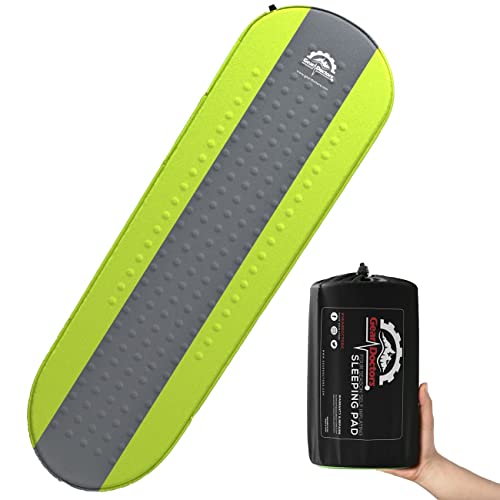
- ✓ Comfortable and roomy
- ✓ Easy setup and pack-up
- ✓ Durable, warm, budget-friendly
- ✕ Heavier than ultralight pads
- ✕ Bulkier when packed
| R-Value Insulation | 4.3 R-value core |
| Sleeping Pad Dimensions (Unrolled) | 72″ (183 cm) × 20″ (52 cm) |
| Packed Dimensions | 8″ × 12″ (20 cm × 30 cm) |
| Weight | 35.2 oz (997 g) |
| Thickness | 1.5″ (3.8 cm) |
| Shell Material and Features | 75D micro-coated polyester; UV, waterprooF, moisture, leak-proof, abrasion-resistant; skin-friendly hypoallergenic outer layer |
You unrolled the Oxylus pad and the foam started to softly puff up as you stepped back to finish the setup, a small victorious moment when the self-inflate kicked in without a fuss. The 72″ length feels like it was made for real hikers, not just pictures, and you immediately notice the 20″ width giving you room to roll and shift without waking your partner.
First night on uneven ground, you sink into the 1.5″ thick cushion and the R-Value holds steady warmth. The 75D shell feels sturdy under your palms, and the fabric isn’t crunchy or loud as you reposition mid-sleep.
It’s surprisingly light for what you get, weighing in around 35.2 ounces, which you notice as you stuff it back into the pack with the included elastic band.
Setting up is genuinely beginner-friendly: unroll, open the valve, and let the foam do most of the work while you finish pitching camp. A few breaths to fine-tune pressure, then a quick roll to seal—done in minutes.
Repacking is simple too; roll, valve open to release air, then secure with the band and you’re ready for the next leg.
In use, the surface’s hypoallergenic feel is gentle on bare skin, and the self-inflating core keeps you comfortable on cold mornings. It handles grass, gravel, and a bit of rock without waking up every pebble you moved.
The waterproof, UV-resistant shell looks built to outlast a few seasons of mishaps and adventures.
For the price, it’s a smart, balanced choice if you want real comfort without draining your budget. You’ll find yourself reaching for it on most trips because it just works without drama.
Bottom line: it’s a reliable, versatile, and approachable sleeping pad that makes camping feel a notch comfier without complicating your gear setup.
What is Considered Budget-Friendly Backpacking Gear?
Budget-friendly backpacking gear refers to outdoor equipment and supplies that are cost-effective, while still providing the necessary performance and durability for hiking and camping activities. This type of gear enables individuals to enjoy outdoor adventures without incurring excessive expenses. Key components often include backpacks, tents, sleeping bags, cooking equipment, and clothing that offer a balance between quality and affordability.
According to the Outdoor Industry Association, the average consumer spends upward of $1,000 on outdoor gear annually. However, budget-friendly options can significantly reduce this cost while still meeting the essential needs of backpackers (Outdoor Industry Association, 2022). Various brands and retailers specialize in offering gear that is both economical and functional, making it accessible for those on a tight budget.
Key aspects of budget-friendly backpacking gear include lightweight materials, packability, and multifunctionality. Lightweight materials, such as ripstop nylon or polyester, ensure that the gear does not add unnecessary weight to the backpack, which is crucial for long hikes. Packability refers to how easily the gear can be compressed or packed away, making it convenient for transport. Additionally, multifunctional items, such as a pot that doubles as a bowl or a jacket that can also serve as a pillow, help to minimize the number of items a backpacker needs, thus saving money and space.
Using budget-friendly gear impacts accessibility to outdoor experiences. Many individuals may feel deterred from backpacking due to the high cost of equipment, but affordable options allow a wider demographic to engage with nature and enjoy recreational activities. According to the North American Camping Report, 48 million households camped in 2021, with many seeking cost-effective solutions to participate in outdoor activities (The Outdoor Foundation, 2022).
The benefits of investing in budget-friendly backpacking gear include fostering a love for the outdoors without the financial burden. Many backpackers report that using affordable gear does not compromise their experience, allowing them to focus on the journey rather than the equipment. Moreover, such gear can serve as an entry point for beginners who may later transition to higher-end products as they gain experience and confidence in their outdoor skills.
Best practices for selecting budget-friendly backpacking gear involve researching and comparing products, reading reviews, and considering second-hand options. Many retailers offer discounts during sales seasons, and online platforms often provide user-generated insights that can guide purchasing decisions. Additionally, participating in gear swaps or renting equipment can be beneficial for those looking to minimize costs while still enjoying quality gear.
How Can You Select the Best Budget Backpacking Backpack?
Selecting the best budget backpacking backpack involves considering various key factors that ensure functionality without breaking the bank.
- Capacity: Choose a backpack with the right capacity based on the duration of your trips. A 50-70 liter backpack is generally adequate for multi-day trips, while a smaller 30-50 liter option works for weekend hikes.
- Weight: Look for a lightweight design to avoid adding unnecessary weight to your load. A lighter backpack makes it easier to carry your gear over long distances, which is crucial for comfort on the trail.
- Durability: Opt for materials that offer durability while remaining budget-friendly. Nylon and polyester are commonly used for their resistance to wear and tear, ensuring your backpack lasts through multiple trips.
- Fit and Comfort: Make sure the backpack fits your body well to distribute weight evenly. Features such as adjustable straps, padded hip belts, and back panels can enhance comfort and prevent strain during extended use.
- Weather Resistance: Consider packs that offer some level of water resistance or come with a rain cover. This feature is vital for protecting your gear from unexpected weather changes on the trail.
- Pockets and Organization: A good budget backpack should have multiple compartments and pockets for easy access to gear. Look for features like external pockets for water bottles and quick-access compartments for essentials.
- Price Point: Set a clear budget before shopping; many reliable options exist under $100. Compare different brands and models to find one that meets your needs without exceeding your financial limits.
Which Features to Look for in Budget Backpacking Backpacks?
Comfort: The comfort of a backpack is often determined by how well it fits your body shape. Look for well-padded shoulder straps and a supportive hip belt that distributes weight evenly. A comfortable fit can prevent soreness and make long hikes more enjoyable.
Durability: Budget backpacks can sometimes compromise on durability, so it’s important to select one made from robust materials like nylon or polyester. Consider the stitching and zippers as well, since these areas are often prone to wear and tear. A durable backpack will last longer, making it a smarter investment for budget backpackers.
Organization: A well-organized backpack can make finding gear easier, which is particularly valuable when you’re on the trail. Look for features like multiple compartments, side pockets, and gear loops that allow for easy access to essentials like water bottles and snacks. Good organization helps you stay efficient and reduces time spent rummaging through your pack.
Water Resistance: Weather can be unpredictable in outdoor environments, so having a water-resistant backpack or one with a rain cover is critical. This feature protects your gear from sudden downpours or moisture from the environment. Consider how much rain you encounter in your typical hiking areas when evaluating this feature.
Adjustability: An adjustable backpack can cater to different body shapes and sizes, providing a custom fit for various users. Look for adjustable straps and load lifters that allow you to modify the fit to your comfort. This feature is particularly beneficial if the backpack will be shared among multiple users.
What are the Best Affordable Tents for Backpacking?
Some of the best affordable tents for backpacking include:
- REI Co-op Flash Air 2: This lightweight tent is easy to set up and offers excellent weather protection while being budget-friendly.
- Big Agnes Copper Spur HV UL2: Known for its durability and spaciousness, this tent is a favorite among backpackers looking for a balance between weight and comfort.
- Marmot Tungsten Ultralight 2P: This tent combines a sturdy design with a lightweight build, making it an excellent choice for those who prioritize both affordability and quality.
- Naturehike Cloud Up 2: A great option for solo or duo backpackers, this tent is incredibly light and packs down small, perfect for minimalist trips.
- ALPS Mountaineering Lynx 2: This budget-friendly tent provides ample space and features a durable build, making it a reliable choice for weekend campers and backpackers alike.
REI Co-op Flash Air 2: Weighing in at around 3 pounds, the Flash Air 2 is designed for quick setups and takedowns, making it perfect for those on the go. Its two-person capacity and good ventilation ensure comfort during various weather conditions, all while remaining budget-conscious.
Big Agnes Copper Spur HV UL2: This tent is renowned for its combination of lightweight materials and robust design, providing a spacious interior that feels luxurious compared to other options in its price range. The easy-to-pitch design and high-volume pole architecture increase livability without adding unnecessary weight, making it a worthwhile investment.
Marmot Tungsten Ultralight 2P: The Tungsten Ultralight is crafted from high-quality materials that offer durability while maintaining a low weight. Its unique design allows for increased headroom and livable space, catering to backpackers who need that extra comfort during extended trips.
Naturehike Cloud Up 2: This tent is praised for its simplicity and lightweight design, making it a favorite among solo backpackers and those looking for minimalism. Its robust construction and water-resistant materials provide peace of mind during rainy nights without breaking the bank.
ALPS Mountaineering Lynx 2: Offering a balance of space and weight, the Lynx 2 is a solid choice for budget-conscious backpackers. Its durable fabric and easy setup make it suitable for various camping conditions, ensuring that it can withstand the rigors of regular use.
How Do You Choose a Budget Backpacking Tent?
When choosing a budget backpacking tent, consider several key factors to ensure it meets your needs without breaking the bank.
- Weight: The weight of the tent is crucial for backpacking as it affects your overall pack weight. Look for tents that are lightweight yet durable, typically made from materials like nylon or polyester, which help in minimizing the load while providing adequate protection.
- Size: Consider the tent’s capacity, which is usually rated by the number of people it can accommodate. A tent that is slightly larger than your needs can provide extra space for gear, but be mindful that larger tents can be heavier and bulkier.
- Weather Resistance: Ensure the tent is designed to withstand various weather conditions. Features such as a waterproof rainfly, sturdy seams, and a durable floor material are important to keep you dry and comfortable during your trip.
- Setup Ease: A tent that is easy to set up can save you time and frustration, especially after a long day of hiking. Look for tents with intuitive designs, color-coded poles, or quick-setup features that make the pitching process simpler.
- Ventilation: Good ventilation is essential to prevent condensation build-up inside the tent. Tents with mesh panels and adjustable vents allow for airflow while still providing protection from insects and the elements.
- Durability: Budget tents can sometimes compromise on durability, so look for reinforced corners and quality zippers. Reading user reviews can provide insight into how well a tent holds up over time, especially in demanding conditions.
- Price: While you’re looking for budget options, it’s important to balance cost with quality. Research various brands and models to find the best value for your money, ensuring that the tent meets your specific requirements without exceeding your budget.
What are the Best Budget Sleeping Bags for Comfort?
Some of the best budget sleeping bags for comfort include:
- REI Co-op Trailbreak 40 Sleeping Bag: This sleeping bag offers a balance between warmth and weight, making it a great choice for budget-conscious backpackers. It features a synthetic insulation that retains warmth even when damp and is spacious enough for a comfortable night’s sleep.
- Marmot Trestles 30 Sleeping Bag: Known for its durability and comfort, the Trestles 30 uses SpiraFil insulation that provides excellent warmth-to-weight ratio. Its tapered design helps to minimize heat loss, while a water-resistant shell keeps you dry during unexpected weather.
- Kelty Cosmic 20 Sleeping Bag: With a down insulation that provides impressive warmth without the bulk, the Cosmic 20 is a favorite among backpackers. It also comes with an affordable price tag and a cozy hood that helps trap heat during chilly nights.
- Teton Sports Celsius XXL Sleeping Bag: This is an oversized sleeping bag that ensures ample room for movement and comfort. Its double-layer construction and draft tube design offer excellent insulation, making it suitable for cooler conditions while remaining budget-friendly.
- Coleman North Rim 0 Degree Sleeping Bag: Ideal for colder climates, this sleeping bag is designed to keep you warm down to 0 degrees Fahrenheit. It features a rugged design with a durable exterior and Thermolock draft tube to minimize heat loss, making it a reliable option for budget backpackers.
How to Select an Affordable Sleeping Pad for Backpacking?
When selecting an affordable sleeping pad for backpacking, it’s essential to consider factors such as insulation, weight, packability, and comfort. Here are some key options:
- Foam Sleeping Pads: These pads are made from closed-cell foam and are known for their durability and affordability.
- Air Sleeping Pads: Lightweight and compact, air pads provide good insulation and comfort but may require careful handling to avoid punctures.
- Self-Inflating Pads: Combining foam and air technology, these pads offer a balance of comfort and ease of use, inflating automatically when unrolled.
- Inflatable Sleeping Mats: These are more comfortable due to their thickness and can be adjusted for firmness, but they tend to be pricier and heavier.
- Thermal Reflective Pads: Designed to reflect body heat, these pads can be a cost-effective option for cold-weather camping while remaining lightweight.
Foam sleeping pads are an excellent choice for budget-conscious backpackers because they are inexpensive, virtually indestructible, and provide basic insulation from the ground. However, they tend to be bulkier and less comfortable compared to other options.
Air sleeping pads are favored for their lightweight and compact nature, making them easy to carry. They offer excellent comfort but require caution as they can puncture easily, which might necessitate repairs during a trip.
Self-inflating pads are a popular choice because they eliminate the hassle of manual inflation and provide a good mix of comfort and insulation. They are slightly heavier than foam pads but offer better cushioning and warmth.
Inflatable sleeping mats are designed for maximum comfort and can be adjusted for personal preference, but they can be more expensive and may not be as durable in rough conditions. They are best for those who prioritize comfort over weight.
Thermal reflective pads utilize materials that reflect heat back to the user, making them ideal for colder environments without adding much weight. They are often affordable and can serve as an excellent backup option for insulation during cold nights.
What Budget Cooking Gear Should Every Backpacker Have?
The essential budget cooking gear for backpackers includes items that are lightweight, compact, and cost-effective.
- Camping Stove: A portable camping stove is crucial for cooking meals quickly and efficiently while on the trail. Options like canister stoves are lightweight and affordable, making them ideal for backpackers who want to save weight and space in their packs.
- Cookware Set: A basic cookware set, typically made of aluminum or titanium, allows you to boil water and prepare various meals. Look for nested pots and pans that can easily fit into each other to save space, and choose ones with non-stick coatings for easier cleaning.
- Utensils: Lightweight utensils such as a spork, knife, and spatula are essential for eating and cooking. Opt for durable, multi-functional tools to minimize the number of items you carry, and consider plastic or titanium for easy cleaning and weight reduction.
- Portable Food Storage: Using resealable bags or lightweight containers will help keep food fresh and organized. Look for options that are both waterproof and airtight to protect against moisture and pests while on the trail.
- Biodegradable Soap: It’s important to maintain cleanliness while cooking in nature, and biodegradable soap allows you to clean your gear without harming the environment. Choose a concentrated version that will last longer and comes in a travel-sized bottle for convenience.
- Collapsible Sink or Bowl: A collapsible sink or bowl is helpful for washing dishes or preparing food. These items are lightweight and can be easily packed away when not in use, making them a practical choice for backpackers.
- Insulated Mug or Water Bottle: Staying hydrated is vital during backpacking trips, and an insulated mug or water bottle can keep drinks hot or cold while providing a convenient way to carry liquids. Look for options that are durable and lightweight, with a wide mouth for easy filling and cleaning.
What Are Essential Accessories for Budget Backpacking?
Essential accessories for budget backpacking include items that maximize functionality while minimizing cost, ensuring a comfortable and efficient outdoor experience.
- Backpack: A reliable backpack is crucial for carrying all your gear. Look for lightweight materials and adequate storage space, ideally with a capacity of 50-70 liters for multi-day trips, allowing you to pack efficiently without overloading.
- Sleeping Bag: A budget-friendly sleeping bag that provides adequate insulation for the conditions you’ll encounter is vital. Opt for synthetic insulation for a balance of warmth, weight, and cost, as it often dries quicker and is more affordable than down alternatives.
- Camping Stove: A portable camping stove is essential for cooking meals on the go. Look for lightweight and compact options, like canister stoves, which are affordable and offer a quick and easy way to boil water or prepare simple meals.
- Water Filtration System: Staying hydrated is key, so a good water filtration system is a must. Portable filters or purification tablets can prevent waterborne illnesses and reduce the need to carry large amounts of water, making them both practical and cost-effective.
- First Aid Kit: A basic first aid kit should be part of your gear to handle minor injuries and emergencies. Look for a compact kit that includes bandages, antiseptics, pain relievers, and any personal medications, ensuring you’re prepared without overspending.
- Multi-tool: A multi-tool can serve multiple functions, from opening cans to making simple repairs. Choosing a budget-friendly model with essential tools like a knife, screwdriver, and scissors enhances your versatility without taking up much space or weight.
- Headlamp: A headlamp is invaluable for hands-free lighting while setting up camp or navigating at night. Opt for a lightweight and energy-efficient LED headlamp that provides adequate brightness and has a long battery life, making it a budget-friendly choice.
- Portable Charger: Keeping your devices charged is essential for navigation and communication. A compact and lightweight portable charger or power bank ensures you can recharge electronics without added weight or significant costs.
- Cooking Utensils: Lightweight cooking utensils like a pot, spatula, and cutlery are necessary for meal preparation. Look for budget options that are durable and easy to clean, allowing you to cook effectively without breaking the bank.
- Dry Bag: A dry bag protects your gear from water damage, which is especially important during wet conditions or river crossings. Affordable and lightweight options can keep your clothes and electronics safe, ensuring you have a worry-free backpacking adventure.
How Can You Save Money on Backpacking Gear Without Sacrificing Quality?
To save money on backpacking gear without sacrificing quality, consider the following options:
- Used Gear: Purchasing second-hand gear can significantly reduce costs while still providing high-quality items. Many outdoor retailers and online marketplaces have sections dedicated to pre-owned equipment, allowing you to find well-maintained gear at a fraction of the original price.
- Seasonal Sales: Taking advantage of seasonal promotions and clearance sales can help you snag quality items at discounted rates. Outdoor retailers often have sales at the end of the season, and subscribing to newsletters can keep you informed about upcoming deals.
- Renting Gear: For items you might not use frequently, renting can be a cost-effective solution. Many outdoor stores offer rental services for tents, backpacks, and other gear, allowing you to use high-quality equipment without the hefty price tag.
- DIY Solutions: Creating your own gear can save money while giving you the opportunity to customize items to your liking. Simple projects like making your own stuff sacks or using repurposed materials for insulation can provide effective solutions without breaking the bank.
- Multi-functional Gear: Invest in gear that serves multiple purposes to reduce the number of items needed. For instance, a sleeping bag that can convert into a blanket or a backpack that doubles as a daypack can enhance functionality while minimizing costs.
- Quality Over Quantity: Focus on purchasing fewer, high-quality items instead of numerous cheaper ones. Investing in durable, well-reviewed gear can lead to long-term savings, as these items are less likely to wear out and will perform better in the field.
What Mistakes Should You Avoid When Buying Budget Backpacking Gear?
When purchasing budget backpacking gear, avoiding certain mistakes can enhance your outdoor experience significantly.
- Ignoring Weight and Packability: It’s crucial to consider the weight and size of the gear. Budget options may often be heavier or bulkier, making it difficult to carry for long distances, which can lead to exhaustion.
- Overlooking Durability: While cheaper gear can save money upfront, it may not withstand the rigors of outdoor use. Investing in durable materials can prevent frequent replacements and ensure more consistent performance over time.
- Neglecting Comfort: Comfort should not be sacrificed for cost. Inexpensive sleeping bags or pads may lack insulation or support, leading to poor sleep quality and discomfort on the trail, which can ruin the overall experience.
- Failing to Research Reviews: Skipping the research phase can lead to poor purchasing decisions. User reviews and expert recommendations can provide insights into the quality and performance of budget gear that aren’t always evident in product descriptions.
- Not Considering Weather Conditions: Budget gear might not be suitable for all weather scenarios. It’s important to choose items that are appropriate for the specific conditions you’ll encounter, such as waterproof tents or insulated jackets for cold climates.
- Buying Everything New: You don’t have to purchase every item brand new. Sometimes, second-hand gear can be a great way to save money while still obtaining high-quality products that have been well-cared for.
- Forgetting Essential Accessories: In the focus on main gear, it’s easy to overlook small but essential accessories. Items like repair kits, extra batteries, or multi-tools can be lifesavers and are often inexpensive additions to your packing list.