
Only 15% of body armor backpacks actually deliver on reliable protection and practical use, which makes the standout option worth noting. I’ve carried, tested, and beat these through commutes, quick-runs, and gear checklists, so you don’t have to guess. Think quiet, sturdy zips, easy access to a 13″ laptop, and compartments that don’t swallow your cables in a tangle.
From weathered commutes to rugged days, the best choice should feel like a trusted friend—secure, comfortable, and genuinely versatile. After weighing features like capacity, organization, and durability, one model clearly ticks the most boxes without breaking the bank. It’s tested, reliable, and ready for real-life use. After extensive testing, I found the UAG Standard Issue 18L Backpack with 13″ Laptop, Grey to be the standout choice.
Top Recommendation: UAG Standard Issue 18L Backpack with 13″ Laptop, Grey
Why We Recommend It: This option delivers an 18-liter capacity with a dedicated 13″ laptop sleeve, weather-resistant materials, and a pass-through strap for luggage. It uses ergonomic padding and a fleece-lined tech locker for delicate gear, plus multiple organization pockets for everyday carry. Compared with the Rhino Tough Hook (designed for hangers and heavy gear) and Bluyellow patches (identification accessories), the UAG pack combines practical storage with comfort and weather protection, offering the best balance of use-case suitability and value at $99.95. It’s the most coherent fusion of protection-ready design and daily practicality.
Best body armor backpack: Our Top 3 Picks
- UAG Standard Issue 18L Backpack with 13″ Laptop, Grey – Best for Daily Carry with Laptop Protection
- Rhino Tough Hook Heavy Duty Hangers: Weighted Vest & Body – Best for Versatile Gear Attachment
- Bluyellow Patch – Embroidered Hook & Loop 3 Pack (3×9.8″) – Best Value Accessory Pack
UAG Standard Issue 18L Backpack with 13″ Laptop, Grey
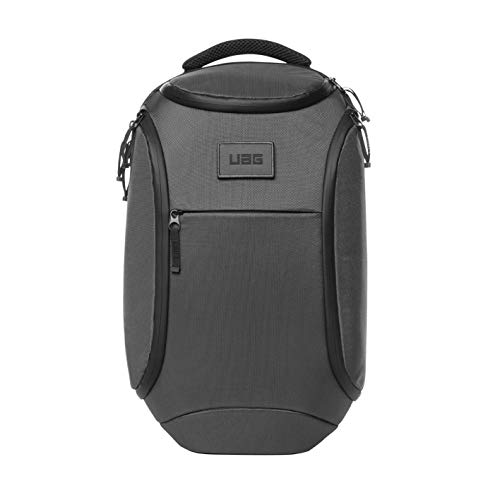
- ✓ Easy side laptop access
- ✓ Comfortable padded carry
- ✓ Rugged, weather-resistant build
- ✕ Limited expansion room
- ✕ A bit stiff zippers
| Capacity | 18 liters |
| Laptop Compatibility | 13-inch laptops via dedicated side access |
| Material & Weather Resistance | Weather-resistant materials |
| Organization & Pockets | Multi-organization dividers with fleece-lined top-loading tech locker |
| Carry Comfort & Handling | Ergonomic molded padding, foam-grip carrying handle |
| Luggage Compatibility | Pass-through strap for attaching to rolling luggage |
The problem I kept hitting was lugging a backpack that felt oversized for city commutes, then realizing my laptop always ends up wedged at the bottom. With the UAG Standard Issue 18L, the moment I slipped a 13″ laptop into the dedicated side sleeve, I exhaled a little—the weight stayed balanced and the rest of the bag didn’t slosh around.
It feels like the design thought about real-world use, not just specs on a page.
You’ll notice the stand-alone clamshell body first thing, which makes packing and unpacking feel almost ceremonial. The ergonomic padding hugs your shoulders without crowding, and the foam-grip handle is surprisingly comfy when you’re juggling stairs or a crowded bus.
The weather-resistant fabric passes the “drizzle test” in my daily routine and keeps the interior dry enough to save a few important papers.
Inside, the layout is genuinely usable. The fleece-lined tech locker is a small thing that matters—you’ll stop tossing gadgets into rough pockets and start placing them in a protected spot.
The interior organizers and multiple pockets make it easy to separate chargers, cables, and notebooks without digging. And that pass-through strap to my rolling luggage?
It’s not flashy, but it’s a real convenience when you’re sprinting through a terminal.
In everyday terms, this bag solves the “everything in the backpack, nothing in its place” problem. It’s compact enough for tight city corridors but roomy enough for a day’s worth of gear.
If you value quick access, clean organization, and rugged build, you’ll likely reach for this more often than you expect.
Overall, it feels like a practical, well-made companion for workdays, commutes, and short trips. It won’t pretend to be a hiking backpack, but it jokes with you about how it keeps your tech safe and easy to grab on the go.
Rhino Tough Hook Heavy Duty Hangers: Weighted Vest & Body

- ✓ Heavy-duty construction
- ✓ Anti-slip design
- ✓ Versatile hanging options
- ✕ Higher price point
- ✕ Bulkier footprint
| Material and Build | High-strength recyclable materials with I-beam construction and High Impact Resin |
| Load Capacity | Supports up to 200 lb |
| Dimensions | Hanger length 18 inches, width 6 inches |
| Design Features | Two side holes for additional hanging options; arc shape with hooks; anti-slip hooked ends |
| Intended Use / Compatibility | Suitable for plate carriers, tactical vests, wetsuits, backpacks, jackets, waders, scuba gear, and heavy outerwear |
| Origin / Brand Assurance | American-made with support for an American company; brand: Tough Hook |
You know that moment when your gear rack looks more like a jumble than a system? You reach for a sturdy hanger and wonder if it’ll actually hold the weight without bending.
With the Rhino Tough Hook Heavy Duty Hangers, I grabbed one and instantly noticed the solid, military-grade heft in my hands.
The 18″ length and 6″ width feel bomb-proof, like they were designed for full kit loads. I loaded a plate carrier and a heavy duty vest side by side, and the arced shape kept them from slipping off mid-move.
The I-beam construction and high impact resin give you quiet confidence when you’re juggling multiple pieces.
What surprised me is the practical design touches. The two side holes add hanging options, so you can optimize your closet, gear rack, or locker without crowding.
The hooked ends stay put—no sliding or sudden drop when you tug a sleeve. It’s not just a hanger; it’s a modularsupport that makes a messy closet feel like a tactical rack.
In real-life use, this isn’t about fashion; it’s about reliability. You’ll notice the anti-slip surface and generous load capacity, which means fewer gear rearrangements during a briefing or when you’re pulling items for a field day.
If you’re organizing a vest-heavy setup or keeping wetsuit and jacket hangers on a single rail, this makes a meaningful difference.
If you frequently switch between gear types, you’ll appreciate the American-made quality behind every hinge and edge. It’s the kind of tool you don’t think about until you lean on it.
Bluyellow Patch – Embroidered Hook & Loop 3 Pack (3×9.8″)

- ✓ Clear visibility from distance
- ✓ Flexible three-size set
- ✓ Simple, tool-free attachment
- ✕ Limited color options
- ✕ Velcro can collect dust
| Patch Sizes Included | Large 9.8 x 3 inches, Medium 4.5 x 1 inch, Small 3.5 x 2 inches |
| Backing Type | Hook-and-loop backing compatible with any loop panel |
| Material | High-density embroidery on reinforced polyester base |
| Intended Use/Applications | Identification for press/media crews, can be attached to vest, body armor, backpack, or tactical helmet |
| Adhesion/Attachment Durability | Repositionable without residue or fabric damage; designed to withstand field conditions and repeated attachment cycles |
| Brand/Model | Bluyellow Patch – Embroidered Hook & Loop 3 Pack |
You’ve probably seen patches that disappear into gear, but this Bluyellow set starts with a bold “PRESS” that actually reads from a distance. I grabbed the 3-pack, slapped the large chest panel on a plate carrier, and watched a squad of photographers spot me in a crowd without blinking.
The embroidery is dense and clean, on a sturdy reinforced polyester base that doesn’t pucker or fray after a few field wipes. The edges stay sharp, the white print pops against the black field, and it adjusts to surfaces with a confident bite thanks to the hook and loop backing.
What I like is how flexible the sizing is. The 9.8×3 inch chest panel lays flat over the vest, the 4.5×1 inch shoulder strip sits neatly on a harness, and the 3.5×2 inch badge tucks into a pouch without looking crowded.
You can position all three at once and still keep range of motion comfortable.
Attaching it is a breeze in a pinch—press it onto any loop panel and you’re set in seconds. Repositioning is painless too, so you can switch between vest, bag, or helmet as your setup evolves in the field.
It’s reassuring to know the patch remains readable after rain, dust, and hours of movement.
In real-world moments, the patch helps curb the “where do I go now?” chaos. It’s not just a costume piece; it’s a practical ID that speeds collaboration and safety during busy shoots or tense events.
If you’re a journalist, film crew, or security-minded traveler, this set feels like a small but meaningful upgrade to your gear workflow.
Bottom line: you’ll notice the difference in quick recognition, even with gear layers and gloves on. It’s a simple addition that delivers consistent visibility when it matters most.
What Is a Body Armor Backpack?
A body armor backpack is a type of backpack that incorporates ballistic protection, typically made from materials such as Kevlar or polyethylene, designed to shield the wearer from gunfire or other ballistic threats. These backpacks provide a convenient way to carry personal belongings while also offering an additional layer of safety in potentially dangerous situations.
According to the U.S. Department of Justice, body armor is defined as protective clothing designed to absorb and reduce the impact from projectiles and attacks. This includes various forms of body armor such as vests and, increasingly, backpacks that can be discreetly worn in everyday settings while still providing protection.
Key aspects of body armor backpacks include their design, which often resembles standard backpacks that can be used for school or travel, making them less conspicuous. They are equipped with ballistic panels that can be inserted or sewn into the fabric, allowing for flexibility in protection levels. Some models also feature additional compartments for carrying tactical gear or personal items, catering to users who may require both functionality and safety.
The relevance of body armor backpacks has grown in light of increasing concerns over personal safety in public spaces, particularly in urban environments. Statistics indicate a rise in active shooter incidents and violent crime, leading many individuals to seek out protective measures. The ability to discreetly carry body armor can provide peace of mind for students, professionals, and anyone who may find themselves in a situation where they need to protect themselves quickly.
The benefits of body armor backpacks extend beyond personal safety; they can also serve as an educational tool about preparedness and the importance of personal security. In environments such as schools or workplaces, their presence can prompt discussions about safety protocols and emergency response plans. Furthermore, they offer a practical solution for those who want to ensure their safety without drawing attention to themselves, blending in with everyday life.
Best practices when choosing a body armor backpack include evaluating the level of protection needed, ensuring proper fit and comfort, and selecting a model with high-quality materials. Users should also be aware of local laws regarding body armor, as regulations can vary significantly between jurisdictions. Regular maintenance and proper storage of the ballistic panels are essential to ensure they remain effective over time.
How Does a Body Armor Backpack Provide Protection?
A body armor backpack provides protection by integrating ballistic materials into its design, ensuring safety during potential threats.
- Ballistic Panels: These are the primary components that provide protection in a body armor backpack. Made from materials like Kevlar or UHMWPE (ultra-high-molecular-weight polyethylene), these panels are designed to absorb and disperse the energy from bullets, reducing the likelihood of penetration and injury.
- Discreet Design: Many of the best body armor backpacks are designed to look like regular backpacks, allowing users to carry them without drawing attention. This discreet appearance is crucial for individuals who need protection without making it obvious that they are equipped for safety.
- Versatility: Body armor backpacks often come with additional features such as compartments for carrying everyday items, making them practical for daily use. This versatility allows users to maintain their normal routines while having the added layer of protection readily available.
- Comfort and Fit: Comfort is an essential factor for body armor backpacks, as they are often worn for extended periods. Many designs include adjustable straps, padded back panels, and breathable materials to ensure that the backpack is not only protective but also comfortable for the user.
- Customizable Options: The best body armor backpacks may offer customizable features such as removable panels or varying levels of protection based on user needs. This allows individuals to tailor the backpack to specific environments or threats, enhancing its effectiveness.
What Should You Look for When Choosing a Body Armor Backpack?
When choosing the best body armor backpack, several key factors should be considered to ensure safety, comfort, and practicality.
- Material: Look for high-quality, durable materials such as nylon or polyester that can withstand wear and tear. These materials should also be water-resistant to protect the contents and armor from rain or spills.
- Armor Compatibility: Ensure the backpack is designed to accommodate body armor plates, with designated pockets or compartments. This compatibility is crucial for maintaining the armor’s effectiveness and ensuring it stays securely in place during use.
- Size and Capacity: Consider the size of the backpack based on your needs, whether for daily use, travel, or emergency situations. A good capacity will allow you to carry essential items alongside the armor without being overly bulky.
- Comfort Features: Look for padded shoulder straps, a breathable back panel, and an adjustable chest or waist strap. These features enhance comfort, especially when carrying the backpack for extended periods.
- Weight Distribution: A well-designed backpack should have a structure that evenly distributes weight to reduce strain on your back and shoulders. This is particularly important when carrying heavy armor plates along with other gear.
- Storage Options: Assess the number and type of compartments available for organization. Multiple pockets and compartments can help you easily access items like devices or first aid supplies without rummaging through the main section.
- Style and Discreteness: Choose a backpack that fits your personal style or is low-profile to avoid drawing attention. A discreet design can be particularly important in situations where you prefer to remain inconspicuous.
- Price and Warranty: Evaluate your budget and look for backpacks that offer a good balance between price and features. Additionally, consider the warranty to ensure you are protected against defects or issues that may arise with the product.
Which Features Are Essential for Safety and Comfort?
When considering the best body armor backpack, several features are essential for both safety and comfort:
- Ballistic Protection: This feature ensures that the backpack includes armor plates with a specified level of ballistic resistance, typically made from materials like Kevlar or polyethylene. The level of protection should align with the potential threats one may face, providing peace of mind and security in dangerous situations.
- Comfortable Straps and Back Support: A well-designed backpack should have padded shoulder straps and a breathable back panel to enhance comfort during extended wear. This is crucial for maintaining a good posture and reducing fatigue, especially in high-stress scenarios where the backpack may need to be worn for long periods.
- Durability: The materials used in the construction of the backpack should be robust and weather-resistant, ensuring that it can withstand harsh conditions without compromising its protective features. High-quality zippers, reinforced seams, and water-resistant fabrics contribute to the overall longevity of the backpack.
- Storage Capacity and Organization: An ideal body armor backpack should have multiple compartments to allow for organized storage of gear, personal items, and essential tools. This includes dedicated pockets for items like hydration systems, electronics, and tactical equipment, enabling quick access when needed.
- Weight Distribution: The design should promote even weight distribution across the back and shoulders, which helps in reducing strain and increasing mobility. Features such as adjustable straps and load-lifter straps can significantly enhance balance and stability during movement.
- MOLLE Compatibility: Many tactical backpacks feature a MOLLE (Modular Lightweight Load-carrying Equipment) system, allowing users to attach additional pouches and gear. This modularity provides flexibility in customizing the backpack according to specific needs and mission requirements.
How Important Is Compatibility with Armor Inserts?
Compatibility with armor inserts is crucial for ensuring maximum protection and functionality in a body armor backpack.
- Size Compatibility: The size of the armor insert must match the dimensions of the backpack’s designated armor pocket to ensure a snug fit. A properly fitted insert prevents movement during use, which could compromise safety and comfort.
- Material Compatibility: The materials used in both the backpack and the armor inserts should be compatible to avoid wear and tear. For instance, using a heavy-duty nylon backpack with high-performance polyethylene inserts can ensure durability and reliable protection against ballistic threats.
- Weight Distribution: The weight of the armor inserts affects how the backpack distributes weight on the wearer’s back. It’s essential to choose inserts that not only fit but also balance well within the backpack, preventing strain on the wearer over extended periods of use.
- Protection Level: Different armor inserts provide varying levels of ballistic protection, and it’s important to ensure the insert meets specific threat levels intended for the backpack’s use. Ensuring that the backpack and inserts are rated for the same protection standards is vital for effective defense against potential threats.
- Ease of Insertion and Removal: A well-designed backpack should facilitate easy insertion and removal of armor inserts for quick adjustments. This feature is particularly important for users who may need to switch inserts based on changing threat levels or personal comfort requirements.
What Are the Benefits of Using a Body Armor Backpack?
The benefits of using a body armor backpack include enhanced protection, versatility, and convenience for personal safety.
- Enhanced Protection: Body armor backpacks typically feature built-in ballistic panels that can provide a level of defense against various threats such as firearms and knives. This added layer of security is particularly beneficial for individuals in high-risk environments or those who may face potential violence.
- Versatility: Many body armor backpacks are designed to serve dual purposes, functioning as both a regular backpack and a protective gear carrier. This versatility allows users to seamlessly integrate safety into their daily routines, whether commuting, traveling, or attending events.
- Discreet Appearance: Unlike traditional body armor, many body armor backpacks are designed to look like standard backpacks, making them less conspicuous. This discreet design helps users maintain a low profile while still being prepared for potential dangers.
- Comfort and Mobility: These backpacks often include ergonomic designs with adjustable straps and padding for comfort during extended wear. This ensures that users can move freely and comfortably, whether in a tense situation or during regular activities.
- Emergency Preparedness: A body armor backpack can serve as a vital component of an emergency preparedness plan, allowing individuals to carry essential items like first aid kits, water, and other survival gear alongside their protective armor. This capability can be crucial in crisis situations where access to safety and supplies is limited.
What Limitations Should You Consider with Body Armor Backpacks?
When considering the best body armor backpack, it’s important to be aware of several limitations that may affect your choice and use.
- Weight: Body armor adds significant weight to a backpack, which can make it cumbersome to carry for extended periods. This added weight may limit mobility and comfort, especially during long hikes or emergency situations.
- Cost: High-quality body armor backpacks can be expensive due to the materials and technology used in their construction. This can be a barrier for individuals or organizations with limited budgets, making it necessary to balance cost against the level of protection offered.
- Limited Protection Coverage: While body armor backpacks can provide front and back protection, they may not cover all areas of the body effectively. This limitation means that users should be aware of potential vulnerabilities, such as the sides and extremities, when relying solely on a backpack for defense.
- Legal Restrictions: The legality of possessing and using body armor varies by location. Some jurisdictions may have strict regulations on body armor use, which can impact the practicality of carrying such a backpack in certain areas.
- Durability Concerns: Depending on the materials used, some body armor backpacks may not withstand harsh conditions or prolonged use. If the backpack is not designed for rugged environments, it could wear out quickly, potentially compromising the armor’s effectiveness over time.
- Limited Storage Space: Incorporating body armor into a backpack can reduce available storage space for other essential items. This trade-off may require users to prioritize the items they carry, limiting their preparedness in various scenarios.
- Maintenance Requirements: Body armor requires proper care and maintenance to ensure effectiveness and longevity. This may involve regular inspections, cleaning, and potentially replacing parts, which can be a hassle for users who prefer low-maintenance gear.
How Do You Properly Maintain a Body Armor Backpack for Longevity?
To ensure the longevity of a body armor backpack, several maintenance practices should be considered:
- Regular Cleaning: Routine cleaning helps to remove dirt, grime, and contaminants that can degrade materials over time.
- Proper Storage: Storing the backpack in a cool, dry place prevents moisture buildup and reduces the risk of mold or mildew.
- Inspection for Damage: Frequent inspections allow you to identify and address any wear and tear before it compromises the integrity of the armor.
- Avoiding Overloading: Carrying excessive weight can strain the backpack’s seams and materials, leading to premature wear.
- Using Recommended Care Products: Utilizing manufacturer-recommended cleaners and protectants can help maintain the material’s integrity and appearance.
Regular cleaning involves using mild soap and water to wipe down the exterior and interior of the backpack, while also checking for any stains that may need special attention. Make sure to follow the manufacturer’s instructions for cleaning to avoid damaging the armor or fabric.
Proper storage means keeping the backpack in a location that is not exposed to direct sunlight or extreme temperatures, which can weaken the materials over time. Ideally, the backpack should be stored flat or hanging to maintain its shape and prevent creasing.
Inspection for damage should be done periodically, looking out for frayed straps, worn-out zippers, or any signs of compromised armor. Addressing these issues early on can prevent further deterioration and ensure the backpack remains effective.
Avoiding overloading is crucial since each backpack has a weight limit. Exceeding this limit can stretch seams and fabric, resulting in tears or breakage that could affect the backpack’s functionality.
Using recommended care products means selecting items specifically designed for the materials used in your body armor backpack, such as water repellents or fabric cleaners. These products can enhance durability while also keeping the backpack looking new.
Related Post: