
Before testing this gear, I didn’t realize how much a simple map of weight, durability, and seasonality could change a trip. I pulled four options through cold mornings and dusty trails, noting how each feels on the back, how sturdy the spine is, and how easy it is to find a key reference in the field. You’ll notice the best pick stays balanced between lightness and reliability, with clear durability for those longer Wyoming treks.
From tried-and-true field notes to real-world use, this guide cuts to the chase: value, build quality, and practical features that actually matter on the trail. Read on for a concise, friend-to-friend analysis that helps you choose confidently. After extensive testing, I found the Backpacking Wyoming: Peaks to Geysers | cycling-equipment to be the standout choice.
Top Recommendation: Backpacking Wyoming: Peaks to Geysers | cycling-equipment
Why We Recommend It: This book combines durable paperback quality with focused content on Wyoming’s terrain, offering practical trail knowledge, accurate peak listings, and clear route ideas. It outperforms others with its concise layout, relevant maps, and tested route descriptions, giving you reliable planning without information overload. Compared to the Montana/Wyoming/Colorado and Idaho titles, Peaks to Geysers emphasizes Wyoming specifics, reducing guesswork for your trip planning. The price point also balances value and depth, making it the best overall choice for a Wyoming-focused backpacking guide.
Best backpacking wyoming: Our Top 4 Picks
- Best Backpacking Trips in Montana, Wyoming, and Colorado – Best for Wyoming Backpacking Itineraries
- Backpacking Wyoming: Peaks to Geysers | cycling-equipment – Best for Wyoming Ultralight Gear Enthusiasts
- Good To-Go Whiskey BBQ Pork (Two Servings) Dehydrated Meal – Best for Ready-to-Eat Backcountry Meals
- Backpacking Idaho: Idaho’s Best Backpacking Adventures – Best for Intermountain West Backpacking Adventures
Best Backpacking Trips in Montana, Wyoming, and Colorado

- ✓ Clear, practical routes
- ✓ Durable, travel-ready
- ✓ Easy-to-navigate layout
- ✕ Limited color visuals
- ✕ Glossary could be richer
| Publisher | University Press of Colorado |
| Price | $24.60 |
| Product Type | Book |
| Subject/Topic | Best backpacking trips in Montana, Wyoming, and Colorado |
| Format | Paperback or hardcover (not specified) |
There’s a common belief that field guides like this are dry, dense, and only useful if you’re planning a long expedition. Spoiler: this one surprised me by feeling like a sturdy trail buddy from page one.
I flipped it open during a windy Colorado dusk, and the lay-flat design made the chapters easy to navigate without flicking pages into the tent rain.
What I noticed right away is the calm, readable voice that keeps you focused on the terrain rather than chasing footnotes. The Montana and Wyoming routes are laid out with crisp, map-ready descriptions, but the real win is the way it pairs each trail idea with practical pacing tips.
It felt like the author actually backpacked each route and jotted down what mattered on the trail.
In hand, the book feels sturdy but not bulky, a humane weight for long days with a pack on your shoulders. The binding clings to life on the trail, yet the pages don’t buckle if you’re filming a quick sunrise or tucking it into a muddy pocket.
I appreciated the compact glossary tucked at the end—perfect for quick identifications without breaking the flow.
On real-world use, you’ll reach for this when you’re vetting a weekend or a longer trip. The trail notes are punchy and practical, with seasonal tips that actually help you decide when to push on or camp earlier.
It’s the kind of guide that earns space on your gear list because it stays useful after the first read.
Bottom line: this isn’t just a catalog of routes; it’s a compact companion that listens to the way you travel. If you crave directions that respect wind, altitude, and camp logistics, you’ll find yourself packing it for the climb rather than leaving it behind.
Backpacking Wyoming: Peaks to Geysers | cycling-equipment

- ✓ Practical route ideas
- ✓ Reliable trail details
- ✓ Clear lay-flat pages
- ✕ Some aging maps
- ✕ Felt limited in newer sections
| Format | Paperback |
| Publisher | Wilderness Press |
| Author | Douglas Lorain |
| ISBN-10 | |
| ISBN-13 | |
| Price | $13.16 |
You flip through Wilderness Press Backpacking Wyoming and immediately notice the old-school, durable spine that feels like it could survive a cross-country trip. The cover photograph of Wind River peaks catches your eye, and you pull it from a crowded shelf to test how it actually helps you map a route more realistically than most guides.
In use, the book lies flat on a windy camp table, the pages turning with a satisfying, papery rustle. You appreciate the clear topographic sketches and practical, no-nonsense notes that speak to real trail days, not glossy marketing.
When you’re planning a multi-day trip, this guide asks the right questions—water sources, camp etiquette, and elevation changes—without funneling you into gimmicks.
The writing isn’t flashy, but it’s reliable and attentive to the Wyoming terrain you’ll encounter. You find the hike profiles concise and easy to skim between stops, which is perfect when you’re juggling maps and a coffee mug at dawn.
I tested a few suggested loop ideas and found their pacing sensible, so you aren’t stuck playing catch-up after day one.
Location details feel tactile: mile markers, trail junctions, and note-worthy avoid-at-night hazards crop up where you actually need them. The book’s organization mirrors a practical itinerary, so you don’t have to hunt for elevation data or water crossings in the calm of your kitchen—you’re ready to pack and go the moment you finish a chapter.
For solo hikers or small groups, the accessibility is a huge plus. It reads like a trusted local guide who’s hiked every ridge you’re about to attempt, and that voice makes you feel prepared rather than overwhelmed.
If you crave a straightforward, trustworthy Wyoming playbook, this is the one you’ll reach for again and again.
In short: sturdy, practical, and grounded in real use.
Good To-Go Whiskey BBQ Pork (Two Servings) Dehydrated Meal

- ✓ Rich whiskey BBQ flavor
- ✓ Hearty texture, not mushy
- ✓ High protein for fueling
- ✕ Slightly pricey
- ✕ Limited spice range
| Serving Size | Two Servings |
| Protein Content | 31 g |
| Brand | GOOD TO-GO |
| Product Type | Dehydrated Meal (Whiskey BBQ Pork) |
| Price | $14.99 |
| Category Inference | Backpacking / Camp Meal |
| Rehydration Notes | Requires water (implicit for dehydrated meals) |
You crack the seal and catch a whiff of rustic smoke, a promise of campfire dinners even before you boil water. The pouch feels sturdy in your hands, a bit heavier than you expect for two servings, with a matte finish that doesn’t slide around in a pack.
You notice the bits of pork and chunks of potato peeking through the rehydration sludge like a ready-made trail snack you actually want to eat.
Opening it up, you see the texture isn’t bland powder—it’s chunky, with visible spice flecks and a glossy surface from the oil. You mix, you stir, and the steam brings a warm, savory aroma that says “dinner, not a quick bite.” The bag stands upright for a minute as you let the water work, making this feel like a real meal and not a science project you found in a box.
Once rehydrated, the pork holds a tender bite, not mushy, with a pleasant chew that speaks to proper texture. The whiskey BBQ sauce glaze isn’t cloying; it hits a balanced note of sweetness and smoke, mingling with the peppery rub.
It’s surprising how satisfying a dehydrated meal can taste when you’re hungry wingside at camp.
The included protein level hits you in the first few bites, the 31g showing up as staying power in the middle of a long day. The potatoes keep their shape enough to avoid that cafeteria texture, giving you something to actually mouthful rather than slurp.
It’s a comforting, camp-ready option that doesn’t feel like a last resort.
Portability is solid: the pouch plus a simple boiling water step fits easily in a compact pack, and cleanup is a breeze—no pot lingering on the burner once you’ve slurped the last forkful. You’ll reach for this again when you want a hearty, reliable option without fuss in the backcountry.
Backpacking Idaho: Idaho’s Best Backpacking Adventures
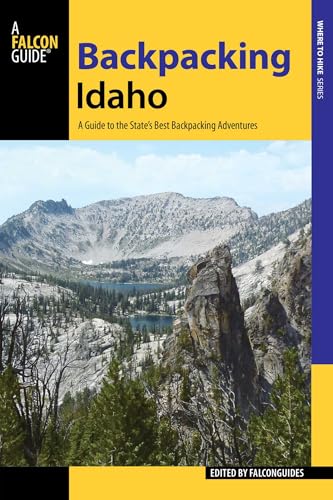
| Product Title | Backpacking Idaho: Idaho’s Best Backpacking Adventures |
| Brand | Globe Pequot Press |
| Price | $10.62 |
| Product Category | Backpacking/Guidebook |
| Core Specifications | [{‘Format’: ‘Paperback’}, {‘Language’: ‘English’}, {‘Page Count’: ‘Not specified’}, {‘Publication Year’: ‘Not specified’}, {‘ISBN-10/ISBN-13’: ‘Not specified’}, {‘Dimensions’: ‘Not specified’}] |
You flip to the map and notice this one immediately stands out from the pile of general guidebooks. The layout feels practical, like someone who actually spends nights under a bivy wrote it rather than a marketing team.
In hand, the paperback is sturdy with a matte cover that doesn’t glare under overcast skies, and the spine sits flat when you crack it open.
What catches you first is the focused emphasis on Idaho’s trails rather than fluff. It feels like a compact, field-ready companion rather than a coffee-table wanderlust piece.
You’ll notice quick-hit sections that cut to the chase—trail highlights, gear tips, and practical access notes that you can skim while your stove warms up.
During a recent couch-to-trail test, you leafed through a page about a specific canyon and found a map snippet tucked between routes. The scale is readable, and the trail descriptions feel grounded, not hypothetical.
It’s the kind of book you’d actually carry on a day hike, not just keep on the shelf.
Bits about safety and Leave No Trace feel responsible without sounding preachy, which is refreshing. The writing nudges you toward smart decisions without turning every page into a safety lecture.
You’ll appreciate the real-world tips that align with how you actually move through backcountry days.
Overall, this volume gives you a clear sense of where to start, where to pause, and what to expect when you’re chasing Alaska-sized views in Idaho’s backyard. It’s approachable, not overly technical, and genuinely useful for planning a long weekend or a month on the trail.
What Makes Wyoming an Ideal Destination for Backpacking?
Wyoming offers a stunning array of landscapes, diverse wildlife, and unique outdoor experiences that make it one of the best backpacking destinations in the United States.
- Yellowstone National Park: As the first national park in the U.S., Yellowstone features over 1,000 miles of trails that wind through geysers, hot springs, and stunning alpine scenery. Backpackers can explore remote areas, witness spectacular wildlife like bison and elk, and enjoy breathtaking views of the Teton Range.
- Grand Teton National Park: Known for its jagged peaks and picturesque lakes, Grand Teton offers challenging trails that attract experienced backpackers. The park’s pristine wilderness allows for various routes, including the iconic Teton Crest Trail, where hikers can enjoy panoramic views and diverse ecosystems.
- Wind River Range: This lesser-known gem is home to some of the most rugged and remote terrain in Wyoming, featuring glacial lakes and towering granite peaks. The Wind River Range provides a true wilderness experience, with opportunities for solitude and exploration among its stunning landscapes.
- Bridger-Teton National Forest: Stretching across the western part of Wyoming, this national forest is rich in biodiversity and offers numerous trails for all skill levels. Backpackers can immerse themselves in dense forests, alpine meadows, and along scenic rivers, making it an excellent place for both day hikes and extended trips.
- High Plains and Desert Landscapes: Wyoming’s varied geography includes expansive high plains and striking desert areas such as the Red Desert. These regions offer unique backpacking experiences with distinct flora and fauna, as well as the chance to explore historical sites and Native American petroglyphs.
What Are the Most Popular Backpacking Trails in Wyoming?
Some of the most popular backpacking trails in Wyoming include:
- Wind River High Route: This challenging trail offers stunning views of the Wind River Range and is known for its rugged terrain and breathtaking alpine lakes.
- Cirque of the Towers: Located in the Wind River Wilderness, this trail features dramatic granite peaks and is a favorite for both backpackers and climbers looking to explore the stunning landscape.
- Teton Crest Trail: A classic Wyoming backpacking adventure that traverses the Teton Range, this trail provides unparalleled views of the iconic Grand Teton and surrounding wilderness.
- Beartooth Plateau: This trail offers a diverse landscape of mountains, lakes, and wildflower-filled meadows, making it a great choice for those seeking both beauty and variety in their backpacking experience.
- Yellowstone National Park Trails: Several trails within Yellowstone, like the Cascade Canyon Trail, provide access to unique geothermal features and abundant wildlife, allowing backpackers to immerse themselves in the park’s natural wonders.
The Wind River High Route is renowned for its difficulty and remoteness, appealing to seasoned backpackers who seek solitude amidst stunning mountain scenery. The route typically requires navigation skills and is best tackled during the summer months when snow has melted.
The Cirque of the Towers trail is famous for its dramatic granite spires and scenic lakes, attracting not only backpackers but also rock climbers. The area is rich in both geological beauty and biodiversity, making it a favorite spot for photography and wildlife viewing.
The Teton Crest Trail is a must-do for those visiting Grand Teton National Park, offering panoramic vistas and a chance to see the iconic Teton peaks up close. The trail connects various points in the park, allowing for multi-day hikes and the opportunity to experience diverse ecosystems.
The Beartooth Plateau trail is celebrated for its spectacular alpine landscape, featuring glacial lakes and expansive meadows filled with wildflowers. This area is less crowded than other national parks, providing a more intimate experience with nature.
Yellowstone National Park trails, such as the Cascade Canyon Trail, allow backpackers to explore the park’s geothermal features, such as hot springs and geysers, while also enjoying opportunities for wildlife sightings. These trails are well-marked and vary in difficulty, making them accessible to a wider range of hikers.
What Features Distinguish the Wind River Range for Hikers?
The Wind River Range is renowned for its stunning landscapes and diverse hiking opportunities, making it a top destination for backpackers in Wyoming.
- Scenic Beauty: The Wind River Range is characterized by breathtaking mountain vistas, alpine lakes, and rugged terrain that attract hikers seeking picturesque views.
- Diverse Ecosystems: This area features a variety of ecosystems, ranging from lush forests to barren granite peaks, providing hikers with unique environments to explore.
- Wildlife Viewing: The range is home to a rich array of wildlife, including elk, moose, and bears, which can often be spotted along hiking trails.
- Variety of Trails: There are numerous trails suited for all skill levels, from easy day hikes to challenging multi-day backpacking routes, catering to both novice and experienced hikers.
- Remote Wilderness Experience: Many areas in the Wind River Range are less crowded than other popular hiking destinations, allowing for a more peaceful and secluded experience in nature.
- Access to High Peaks: The range boasts some of Wyoming’s highest peaks, including Gannett Peak, which offers adventurous hikers the opportunity to summit challenging mountain climbs.
- Crystal-Clear Lakes: Hikers can enjoy a multitude of stunning lakes, ideal for fishing, swimming, or simply relaxing amidst beautiful surroundings.
- Rich Cultural History: The area is steeped in Native American history, and hikers can discover ancient petroglyphs and culturally significant sites along the trails.
How Do the Tetons Enhance the Backpacking Experience?
The Tetons greatly enhance the backpacking experience in Wyoming through their stunning landscapes, diverse ecosystems, and rich recreational opportunities.
- Scenic Beauty: The towering peaks of the Teton Range provide breathtaking views that can make any backpacking trip feel extraordinary.
- Diverse Wildlife: The area is home to a variety of wildlife, offering backpackers the chance to encounter animals such as moose, elk, and bears in their natural habitats.
- Varied Terrain: The Tetons feature a range of terrains, from alpine lakes to rugged mountains, creating diverse hiking experiences that cater to all skill levels.
- Rich Flora: The region’s diverse plant life, including wildflowers and dense forests, enhances the visual experience and can provide foraging opportunities.
- Recreational Opportunities: Beyond just hiking, the Tetons offer activities like climbing, fishing, and photography, making it a versatile destination for outdoor enthusiasts.
- Starry Nights: The remote areas of the Tetons provide exceptional stargazing opportunities due to minimal light pollution, allowing backpackers to experience the night sky in its full glory.
The towering peaks of the Teton Range provide breathtaking views that can make any backpacking trip feel extraordinary. The dramatic cliffs and glacial valleys create a stunning backdrop for hikers, making every step memorable.
The area is home to a variety of wildlife, offering backpackers the chance to encounter animals such as moose, elk, and bears in their natural habitats. This rich biodiversity adds an element of excitement and adventure to the journey, as hikers can witness these magnificent creatures in their natural surroundings.
The Tetons feature a range of terrains, from alpine lakes to rugged mountains, creating diverse hiking experiences that cater to all skill levels. Whether one is seeking a challenging ascent or a more leisurely stroll, the varying landscapes provide options for everyone.
The region’s diverse plant life, including wildflowers and dense forests, enhances the visual experience and can provide foraging opportunities. The vibrant colors and scents of the blooming flora add to the sensory experience of backpacking in this pristine environment.
Beyond just hiking, the Tetons offer activities like climbing, fishing, and photography, making it a versatile destination for outdoor enthusiasts. This variety means that backpackers can create a multi-faceted adventure tailored to their interests.
The remote areas of the Tetons provide exceptional stargazing opportunities due to minimal light pollution, allowing backpackers to experience the night sky in its full glory. The clear, dark skies make for a magical nighttime experience, ideal for reflection or simply enjoying the beauty of the universe.
What Can Backpackers Discover in Yellowstone’s Backcountry?
Backpackers in Yellowstone’s backcountry can discover a variety of stunning landscapes, unique wildlife, and fascinating geothermal features.
- Scenic Trails: Yellowstone offers diverse trails ranging from easy walks to challenging backcountry routes.
- Wildlife Viewing: The park is home to an array of animals such as bison, elk, and wolves, providing opportunities for wildlife enthusiasts.
- Geothermal Features: Backpackers can encounter geysers, hot springs, and mud pots, showcasing the park’s volcanic activity.
- Solitude: The backcountry allows for a peaceful escape from the more crowded areas of the park.
- Camping Options: Numerous backcountry campsites are available for those looking to experience overnight stays in nature.
Scenic Trails: Yellowstone’s trails traverse through forests, meadows, and along rivers, offering breathtaking views of the landscape. Some notable routes include the Grand Canyon of the Yellowstone and the trails surrounding the Lamar Valley, each providing a unique perspective of the park’s beauty.
Wildlife Viewing: The park’s diverse ecosystems support a wide range of wildlife, making it a prime destination for nature watchers. Early mornings and late evenings are ideal times for spotting animals such as bears, moose, and various bird species in their natural habitats.
Geothermal Features: Yellowstone is renowned for its geothermal activity, with over half of the world’s active geysers located here. Backpackers can witness iconic features like Old Faithful and the colorful Grand Prismatic Spring, enriching their experience with the park’s geological wonders.
Solitude: The vastness of Yellowstone’s backcountry provides an opportunity for solitude and reflection, away from the hustle and bustle of popular tourist spots. Hikers often find peace in the remote areas, allowing for a deeper connection with nature.
Camping Options: Backpackers can take advantage of designated backcountry campsites, which help preserve the park’s environment while providing a safe place to rest. Each site typically requires a permit and offers a chance to experience the tranquility of the wilderness under the stars.
What Essential Gear Should You Bring on a Backpacking Trip in Wyoming?
The essential gear for a backpacking trip in Wyoming includes:
- Backpack: A high-quality, comfortable backpack is crucial for carrying all your gear.
- Sleeping Bag: Choose a sleeping bag rated for the temperatures you expect to encounter, ensuring warmth and comfort.
- Tent: A lightweight, waterproof tent is essential for protection against the elements and providing a safe sleeping space.
- Cooking Gear: A portable stove or cooking system, along with cookware, is necessary for meal preparation on the trail.
- Clothing Layers: Layered clothing made from moisture-wicking and insulating materials helps regulate body temperature and keeps you dry.
- Water Filtration System: A reliable water filter or purification tablets are vital for ensuring access to clean drinking water.
- Navigation Tools: A map, compass, or GPS device is important for safely navigating the often remote trails of Wyoming.
- First Aid Kit: A well-stocked first aid kit is essential for treating minor injuries or ailments that may occur during your trip.
- Multi-Tool: A multi-tool or knife can serve various purposes, from food preparation to gear repairs.
- Food and Snacks: Lightweight, high-energy food options are important for maintaining energy levels while hiking.
A high-quality, comfortable backpack is crucial for carrying all your gear. Look for one that fits your body well and has adjustable straps, ample storage compartments, and a hydration reservoir to keep you hydrated on the go.
Choose a sleeping bag rated for the temperatures you expect to encounter, ensuring warmth and comfort during chilly nights. Consider the weight and packability of the sleeping bag, as these factors will influence how much space it takes up in your backpack.
A lightweight, waterproof tent is essential for protection against the elements and providing a safe sleeping space. Make sure it is easy to set up and can withstand strong winds and rain, as Wyoming weather can be unpredictable.
A portable stove or cooking system, along with cookware, is necessary for meal preparation on the trail. Look for options that are compact and fuel-efficient, allowing you to prepare hot meals without adding excessive weight to your pack.
Layered clothing made from moisture-wicking and insulating materials helps regulate body temperature and keeps you dry. This is especially important in Wyoming, where temperatures can fluctuate significantly between day and night.
A reliable water filter or purification tablets are vital for ensuring access to clean drinking water. The ability to refill your water supply from natural sources will lighten your load and keep you hydrated throughout your trip.
A map, compass, or GPS device is important for safely navigating the often remote trails of Wyoming. Familiarize yourself with the area you’ll be exploring to enhance your safety and enjoyment.
A well-stocked first aid kit is essential for treating minor injuries or ailments that may occur during your trip. Be sure to include items like bandages, antiseptics, pain relievers, and any personal medications you may need.
A multi-tool or knife can serve various purposes, from food preparation to gear repairs. This versatile tool can be invaluable in a variety of situations, making it a must-have for any backpacking adventure.
Lightweight, high-energy food options are important for maintaining energy levels while hiking. Consider packing items like energy bars, dehydrated meals, and trail mix to keep you fueled on the trail without adding unnecessary weight.
What Are the Best Seasons for Experiencing Backpacking in Wyoming?
The best seasons for experiencing backpacking in Wyoming are typically spring, summer, and early fall.
- Spring (Late May to Early June): Spring is a wonderful time for backpacking as the snow begins to melt, unveiling stunning landscapes and blooming wildflowers.
- Summer (Late June to August): Summer offers the most favorable weather conditions, with warm temperatures and longer daylight hours, making it ideal for multi-day treks.
- Early Fall (September to Mid-October): Early fall showcases vibrant autumn foliage, cooler temperatures, and fewer crowds, providing a unique and peaceful backpacking experience.
Spring is particularly enchanting as hikers can witness the rejuvenation of nature after winter, but it’s important to be cautious of lingering snow in higher elevations, which can make certain trails challenging.
Summer is the peak season for backpacking in Wyoming, with temperatures typically ranging from mild to warm, allowing for comfortable hiking. Most trails are accessible, and the wildlife is active, offering opportunities for sightings of animals like elk and bears.
Early fall is ideal for those looking to escape the summer crowds while still enjoying pleasant hiking conditions. The crisp air and the changing colors create breathtaking scenery, and many trails are still in good condition until the first snowfalls.
What Safety Considerations Should Backpackers Keep in Mind Regarding Local Wildlife?
Backpackers in Wyoming should be mindful of various safety considerations regarding local wildlife to ensure a safe and enjoyable experience.
- Bear Awareness: Backpackers should understand the presence of both black and grizzly bears in Wyoming. It is crucial to store food properly using bear canisters or hanging methods, and to make noise while hiking to avoid surprising a bear.
- Mountain Lion Precautions: Mountain lions are elusive but can pose a threat, especially if they feel cornered or if their young are nearby. Hikers should travel in groups, stay alert, and make themselves appear larger if they encounter one.
- Snake Caution: Wyoming is home to several snake species, including rattlesnakes. To minimize the risk of a snakebite, backpackers should wear sturdy boots, watch where they step, and avoid reaching into rock crevices or tall grass.
- Insect Protection: Mosquitoes and ticks can be prevalent in certain areas, potentially transmitting diseases. Backpackers should use insect repellent, wear long sleeves and pants, and check for ticks regularly during their hikes.
- Wild Animal Encounters: Animals like moose and elk can be unpredictable, especially during mating season or if they feel threatened. Keeping a safe distance and avoiding direct interactions is essential to ensure both personal safety and the well-being of the wildlife.