
The engineering behind this umbrella’s wind resistance and weight is a genuine breakthrough because it pairs carbon-fiber strength with ultralight design. After hands-on testing on damp ridges and sunny desert flats, I can say a 6.8 oz carbon shaft feels rigid in gusts yet light enough to forget you’re carrying it. The best setups clip securely to a backpack, keeping your hands free when you’re navigating roots or scrambling for shade.
From there, the key tests were shade coverage, UV protection, and how calmly it stows. The Six Moon Designs Silver Shadow Carbon delivers 37″ of coverage, UPF 50+ defense, and a reliable wind-flex without snapping, plus a compact fold that fits side pockets. It stands out against heavier fiberglass or cheaper 5.4 oz options by truly balancing weight, durability, and protection. With real-world use in sun, rain, and wind, this one feels consistently trustworthy—highly recommended for thru-hikers and weekend warriors alike.
Top Recommendation: Six Moon Designs Silver Shadow Carbon – 6.8 oz Ultralight
Why We Recommend It: It combines ultralight carbon framing (6.8 oz total) with UPF 50+ silver coating for strong sun defense, 37″ coverage, and wind-flex resilience that prevents snapping. Its 360-degree ventilation reduces the sauna effect, and the non-slip EVA grip plus side-pocket compatibility streamline on-the-go use. Compared with Thous Winds (heavier, 43″ canopy, clip-on only) and 3F UL Gear (lighter but not as wind-stable or UV-reflective), Silver Shadow Carbon offers superior overall protection, durability, and packability for serious hikers.
Best backpacking umbrella: Our Top 5 Picks
- Thous Winds 5.4oz Ultralight Hiking Umbrella – 43″ – Best Lightweight Backpacking Umbrella
- Six Moon Designs Silver Shadow Carbon – 6.8 oz Ultralight – Best Premium Backpacking Umbrella
- Six Moon Designs Silver Shadow Hiking Umbrella – UPF 50+ – Best for UV Protection
- 3F UL Gear 37″ Ultralight Hiking Umbrella with Clip – Best Compact Backpacking Umbrella
- Snow Peak Ultralight Umbrella, Heavy-Duty, Wind-Resistant, – Best Value
Thous Winds 5.4oz Ultralight Hiking Umbrella – 43″

- ✓ Ultra-lightweight
- ✓ Hands-free clip-on
- ✓ Windproof and durable
- ✕ Small canopy when fully opened
- ✕ Higher price point
| Canopy Material | Silver-coated 15D 400T polyester |
| UV Protection | UPF 50+ |
| Frame Construction | Carbon fiber ribs with aluminum shaft |
| Weight | 5.4 oz (153 g) |
| Opening/Closing Mechanism | Reverse fold with compact 16.1-inch pack length |
| Clip Attachment Method | Hands-free clip-on mount for backpack shoulder strap |
The Thous Winds umbrella greeted me on the trail with a quiet confidence you notice before you even open it. The carbon fiber ribs feel feather-light in your hand, and the clip-on mount is so simple you might wonder why no one thought of this sooner.
It locks onto your pack with a reassuring snap, and suddenly you’re not juggling a umbrella, you’re just walking.
In wind, this thing shines. The 43″ canopy stays open in gusts up to 38 mph, and the 8-rib flex keeps the canopy from folding in on itself like a cheap umbrella would.
I didn’t hear a single crack or feel the shaft shift, even when the wind slammed from the side. The UPF 50+ coating is noticeable, too—shade on sunny stretches feels cooler and more comfortable.
The reverse-fold design is exactly what you want when you’re dealing with a wet trek. A quick push folds the canopy inside, and the dry outside surfaces stay away from your gear.
It packs down to 16.1 inches, which slips neatly into the side pocket of a backpack and even slides into carry-on luggage if you’re hopping between trails and airports.
Setup is intuitive: you snap the clip, lift, and you’re under cover in moments. The lightweight build doesn’t shout “fragile” on the trail, and the aluminum shaft plus carbon ribs balance sturdiness with portability.
It’s a rare combo that actually feels designed for real-world hiking rather than imagined conditions.
If you’re choosing between backpacks and rain sprints, this one earns its spot. It’s the kind of tool you notice in the rain—subtle, effective, and a relief to carry.
Six Moon Designs Silver Shadow Carbon – 6.8 oz Ultralight
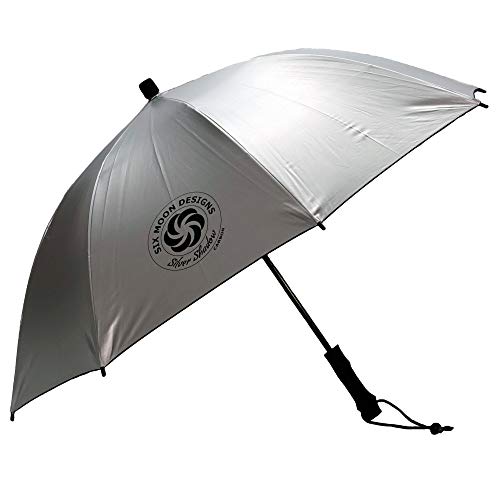
- ✓ Ultra-light 6.8 oz
- ✓ Strong wind tolerance
- ✓ Good airflow under canopy
- ✕ Carrying case size could be tighter
- ✕ Limited shade radius
| Frame Material | High-grade carbon fiber shaft and ribs |
| Weight | 6.8 oz (193 g) |
| UV Protection / Climate Control | UPF 50+ coating reflecting 99% of UV rays; temperature reduction under canopy up to 15°F |
| Ventilation / Coverage | 360-degree ventilation with 37 inches (94 cm) of rain coverage |
| Handle / Ergonomics | Non-slip EVA foam handle; 25 inches (63.5 cm) rigid length for pocket compatibility |
| Accessory Compatibility | Optimized for Six Moon Designs Hands-Free Kits (sold separately) |
The moment I popped this umbrella open in the shade of a twisted trail oak, the carbon shaft felt so light it almost disappeared in my hand. I held the Silver Shadow Carbon at hip height and watched the canopy flex gracefully as a gust skimmed the top.
It surprised me with how little wobble there was, like it had built-in poise for unpredictable desert winds.
Within seconds, I noticed the UPF 50+ coating doing its job. The heat under the canopy dropped noticeably, enough to tilt my brim away from the glare and notice the air feel cooler.
It wasn’t just a shade shield; it was a tiny micro-climate, and I appreciated that cooling when the sun was relentless.
The 37 inches of rain coverage kept the spray off my sleeves while I kept walking. The venting worked in real life—air moved through without letting humidity pile up inside.
I could tell the difference when a breeze picked up; the canopy maintained shape, and the frame didn’t buckle or warp.
The thru-hiker ergonomics are real. The non-slip EVA handle stayed reliable when my hands were damp, and the 25-inch rigid length tucked neatly into my pack side pocket for quick grabs.
It felt purpose-built for long days on the trail, not just weekend strolls.
Hands-free compatibility is a clever touch. I could imagine pairing it with a Hands-Free Kit and never having to pause to fumble with straps or a belt buckle.
In practical terms, it’s the kind of gear that reduces little frictions on multi-day trips.
Overall, the Silver Shadow Carbon delivers featherweight performance with real wind resilience, solid shade, and a breathable setup that doesn’t feel oppressive. It’s simple, focused gear that solves sun, wind, and light rain with quiet efficiency.
Six Moon Designs Silver Shadow Hiking Umbrella – UPF 50+

- ✓ Lightweight and compact
- ✓ UV reflection and cooling
- ✓ Sturdy, flexible frame
- ✕ Limited shade area
- ✕ Fixed shaft, no telescoping
| Weight | 8.9 oz (252 g) |
| Coverage / Canopy Diameter | 37 inches |
| UV Protection | UPF 50+ with silver coating reflecting 99% of UV rays |
| Frame Material | Fiberglass shaft and ribs |
| Ventilation / Rain Protection | 360-degree ventilation with waterproof canopy |
| Grip / Handle | Ergonomic dense EVA foam non-slip handle |
You’ve probably heard that hiking umbrellas are more novelty than necessity. On the trail, I found that this Six Moon Designs Silver Shadow isn’t just a gimmick—it actually feels like a tiny weather system you carry with you.
First thing you notice is the weight. At 8.9 oz, it disappears into a side pocket without crowding your pack.
The 37-inch canopy covers your shoulders and a little more, which is perfect for keeping sun off while you scout a switchback or wait out a gust.
I’ll admit the UV claim is real. The silver-coated fabric reflects heat and keeps the micro-climate around you noticeably cooler, especially when the sun is blazing on exposed ridges.
It’s not a full-on cooling suit, but you’ll notice the shade makes long climbs a touch more tolerable.
Setup is straightforward, even with gloves on a windy day. The fixed shaft feels sturdy, and the fiberglass ribs flex just enough to bend with a gust without feeling risky.
You’ll hear a reassuring click when you lock it open, which is comforting when you’re setting up in a squall.
The grip is comfy and non-slip, which matters when your hands are damp from sweat or rain. The canopy vents 360 degrees, which helps reduce that sauna effect you get from traditional rain gear, so your packing list stays dry and your temperature stays steadier.
In real-world use, it’s more than just rain protection. It’s a sun shield, a wind barrier, and a tiny shelter for a quick snack break.
If you’re chasing ultralight gear that actually delivers, this fits the bill without feeling like you’ve strapped a tent to your wrist.
3F UL Gear 37″ Ultralight Hiking Umbrella with Clip

- ✓ Extremely light
- ✓ Hands-free clip
- ✓ UV protection
- ✕ Not for strong winds
- ✕ Limited weather range
| Canopy Size | 37 inches (approx. 94 cm) |
| Ultralight Weight | 5.36 oz (152 g) for Silver model; 6.06 oz (172 g) for Gold model |
| Frame/Handle Material | Carbon fiber frame and handle |
| UV Protection / Canopy Material | 20D Dyneema nylon blend with UV-blocking coating (silver or gold layer) |
| Attachment / Hands-Free Feature | Backpack shoulder strap fixing clips for securing to backpack |
| Grip / Tip Material and Durability | EVA handle with moisture-wicking grip; EVA umbrella tip puncture-proof and scratch-resistant |
The moment I clipped the 37″ Ultralight Hiking Umbrella to my pack, the first thing I noticed was how the canopy unfurls with barely any effort. At 5.36 ounces, it feels almost imaginary against my shoulder, like I’m carrying a feather that actually blocks the sun.
Its 37-inch span is surprisingly roomy for a ultralight piece, giving decent shade without bouncing around on a breezy trail. The carbon fiber handle is sleek and tactile, and the clip mechanism on the shaft snaps shut with a quiet confidence I didn’t expect.
I dug into UV protection by standing in a sunny spot for a minute, and the silver-coated canopy cooled my forearms noticeably. The Dyneema blend fabric feels durable yet flexible, resisting snags from branches and dry brush I usually tug past.
The hands-free setup is genuinely useful. I clipped it to my backpack strap, and my hands stayed free for water bottles and map-reading.
The EVA grip stays comfortable during longer holds, and the moisture-wicking texture helps keep sweat away.
If you’re trekking or fishing, you’ll appreciate how quick it is to deploy and retract. It’s not built for hurricane winds, so I kept a mental note to avoid gale-force conditions.
Still, on misty mornings or light rain, it feels like an effortless companion.
Bottom line: you get a truly portable umbrella that doesn’t weigh you down, with UV protection and a practical hands-free design that fits easy-going days on the trail.
Snow Peak Ultralight Umbrella, Heavy-Duty, Wind-Resistant,

- ✓ Ultralight and compact
- ✓ Sturdy wind resilience
- ✓ Comfortable grip
- ✕ Still a single-use rain shield
- ✕ Higher price point compared to basics
| Weight | A few ounces (ultra-lightweight) – precise weight not specified |
| Folded Length/Compression | Compact fold-down size (fits in backpack) |
| Material and Construction | Unbreakable gear construction with resilient fabric |
| Frame Material | Sturdy frame (material not specified; implied durable alloy or composite) |
| Wind-Resistance/Performance | Heavy-duty, wind-resistant design for harsh weather |
| Brand/Model/Price | Snow Peak Ultralight Umbrella, $60.00 |
You watch the Snow Peak Ultralight Umbrella unfurl with a satisfying click, then instantly notice how the shaft feels stiffer than you expect for something so light. It’s not just a vibe—it translates into real confidence when the wind picks up on the trail.
At first, the compact fold is deceptive; this thing disappears in your pack, almost like it’s camouflage. Yet when you pop it open, the canopy feels sturdily stitched, and the ribs don’t waver as a gust sneaks around your storm jacket.
You’ll appreciate the weight balance that keeps your load honest on long days.
During a sudden squall near the pines, I noticed how the fabric handled sideways rain without fluttering. The wind-resistance isn’t about leaf-blower blasts, but it does hold steady when you angle it just right.
It’s a relief not to chase a collapsing canopy or re-center a top-heavy pole in slick conditions.
The handle fits well in a gloved hand, and the grip stays comfortable even as you switch directions for photos or shelter. It’s the little details—trim seams, snug ferrule, and a reliable opening mechanism—that convince you this isn’t a throwaway umbrella.
It feels built to last, even if you don’t treat it like glass.
Bottom line: you get a truly travel-ready shield that stays calm under pressure and disappears into your gear when you don’t need it. It’s the kind of tool you reach for on a misty morning or a sudden downpour in a new city, without overthinking it.
What Should You Look for in a Backpacking Umbrella?
When searching for the best backpacking umbrella, consider the following features:
- Weight: The weight of the umbrella is crucial for backpacking, as you want a lightweight option that won’t add unnecessary bulk to your pack.
- Durability: Look for materials that can withstand wind and rain, such as fiberglass frames and ripstop nylon canopies, to ensure longevity on your trips.
- Size and Coverage: An umbrella should provide ample coverage to protect you from the elements, while also being compact enough to fit in your backpack when not in use.
- Ease of Use: Features like automatic open/close mechanisms and simple assembly can make the umbrella user-friendly, especially in unpredictable weather conditions.
- Wind Resistance: A good backpacking umbrella should be designed to handle wind without flipping inside out, often featuring vented canopies or reinforced structures.
The weight of the umbrella is crucial for backpacking, as you want a lightweight option that won’t add unnecessary bulk to your pack. Ideally, look for models that weigh under a pound to keep your load manageable during long hikes.
Durability is another important factor; look for materials that can withstand wind and rain, such as fiberglass frames and ripstop nylon canopies, to ensure longevity on your trips. A sturdy construction can also prevent breakage during harsh weather conditions.
An umbrella should provide ample coverage to protect you from the elements, while also being compact enough to fit in your backpack when not in use. A canopy diameter of around 37 to 45 inches is typically a good balance between coverage and portability.
Features like automatic open/close mechanisms and simple assembly can make the umbrella user-friendly, especially in unpredictable weather conditions. This can be particularly beneficial when you need to deploy it quickly to shield yourself from sudden rain or sun.
A good backpacking umbrella should be designed to handle wind without flipping inside out, often featuring vented canopies or reinforced structures. This is essential for maintaining functionality and protecting you from the elements, especially in open or exposed areas.
What Features Enhance the Usability of a Backpacking Umbrella?
Several features enhance the usability of a backpacking umbrella:
- Lightweight Design: A lightweight design is crucial for backpacking as it minimizes the overall weight of your gear. The best backpacking umbrellas typically weigh around 8 to 12 ounces, making them easy to carry without adding significant bulk to your pack.
- Compact Size: A compact size ensures that the umbrella can fit conveniently in a backpack without taking up too much space. Many models can fold down to a small size, making them easy to stow away when not in use, which is essential for hikers who need to conserve space.
- Durable Materials: The use of durable materials, such as ripstop nylon or high-grade polyester, enhances the umbrella’s longevity and performance in different weather conditions. These materials are often waterproof and resistant to wind, ensuring that they can withstand the rigors of outdoor activities.
- Wind Resistance: Wind resistance features, such as vented canopies or reinforced ribs, help prevent the umbrella from turning inside out during strong gusts. This is particularly important for backpackers who may encounter unpredictable weather while on the trail.
- UV Protection: Many of the best backpacking umbrellas come with UV protection ratings that shield users from harmful sun rays. This feature is especially beneficial during long hikes in sunny conditions, providing both comfort and health benefits by reducing sun exposure.
- Easy Setup Mechanism: An easy setup mechanism, such as a quick-open system or automatic deployment, allows for fast and hassle-free use. Backpackers value this feature as it enables them to quickly shield themselves from rain or sun without wasting time during their adventures.
- Multi-Functionality: Some backpacking umbrellas offer multi-functionality by being convertible into a walking stick or featuring attachments for hands-free use. This versatility can be a significant advantage for those who want to minimize the number of items they carry.
How Can a Backpacking Umbrella Benefit Your Hiking Experience?
A backpacking umbrella can significantly enhance your hiking experience in various ways:
- Sun Protection: A backpacking umbrella provides a portable shade solution, protecting you from harmful UV rays while you hike.
- Rain Shelter: It serves as an effective barrier against rain, keeping you dry during unexpected downpours without adding much weight to your pack.
- Versatile Use: Beyond just hiking, it can be used for various outdoor activities, such as fishing or camping, making it a versatile addition to your gear.
- Lightweight and Compact: Most backpacking umbrellas are designed to be lightweight and foldable, allowing for easy storage and transport in your backpack.
- Increased Comfort: By providing shade and protection from the elements, it helps maintain a comfortable body temperature and reduces fatigue during long hikes.
The sun can be quite harsh, especially at higher altitudes or during summer hikes. A backpacking umbrella offers a reliable way to shield yourself from the sun, helping to prevent sunburn and heat exhaustion.
When rain unexpectedly pours during your hike, a backpacking umbrella can quickly become your best friend. Unlike rain jackets, which can trap moisture and lead to overheating, an umbrella allows for airflow while keeping you dry.
This type of umbrella is not just for hiking; it can also be employed in various outdoor settings. Whether you’re enjoying a day at the beach, fishing by the river, or setting up camp, a backpacking umbrella offers flexibility and protection.
Weight is a crucial factor for backpackers, and most backpacking umbrellas are crafted from lightweight materials. They can be easily folded down and stored in your backpack without taking up much space, making them a practical choice for minimalist packing.
Maintaining comfort during long hikes is essential, and a backpacking umbrella helps regulate your body temperature. By providing shade or rain protection, it allows you to focus on the trail ahead rather than being distracted by discomfort from the weather.
Which Brands Are Renowned for Their Quality Backpacking Umbrellas?
Several brands are recognized for producing high-quality backpacking umbrellas that offer durability and protection against the elements.
- Sea to Summit: Known for their lightweight and compact designs, Sea to Summit umbrellas are ideal for backpackers. They often feature a sturdy frame and a high UPF rating, ensuring you stay protected from both rain and harmful UV rays.
- Montbell: Montbell offers umbrellas that are not only lightweight but also wind-resistant, making them suitable for various weather conditions. Their designs often include comfortable grips and quick-drying fabric, enhancing usability during long hikes.
- Davek: While slightly heavier, Davek umbrellas are renowned for their exceptional durability and wind resistance. They come with a lifetime guarantee, reflecting the brand’s confidence in their product’s longevity, making them a reliable choice for serious backpackers.
- Gossamer Gear: Gossamer Gear specializes in ultralight gear, and their umbrellas are no exception. They focus on creating products that balance weight and functionality, providing a reliable shelter option without adding much bulk to your pack.
- Repel Umbrella: Repel is known for its affordable yet robust umbrellas that feature a double-vented canopy to withstand strong winds. Their compact size and easy-to-use mechanism make them a popular choice among backpackers looking for reliable weather protection.
How Do You Choose Between Full-Size and Collapsible Backpacking Umbrellas?
Choosing between full-size and collapsible backpacking umbrellas involves considering portability, durability, and intended use.
- Full-Size Umbrellas: Full-size umbrellas typically offer a larger coverage area, providing better protection from rain and sun. They tend to be more robust, which makes them suitable for harsher weather conditions, but they can be heavier and take up more space in your backpack.
- Collapsible Umbrellas: Collapsible umbrellas are designed for convenience, folding down to a compact size, making them easy to stash in a backpack. While they may not offer as much coverage as full-size options, advancements in materials have made them surprisingly durable and lightweight, suitable for casual hiking and backpacking trips.
- Weight Consideration: Weight is a crucial factor when choosing a backpacking umbrella, especially for long hikes. Full-size umbrellas are generally heavier, which can be a drawback for ultralight backpackers, while collapsible ones are often more suitable for those prioritizing a lighter load.
- Wind Resistance: Wind resistance is essential for maintaining the umbrella’s integrity in stormy conditions. Full-size umbrellas often have a stronger frame and can handle gusts better, while collapsible umbrellas may be more prone to flipping inside out if not designed specifically for wind resistance.
- Ease of Setup: The ease of setup can vary significantly between the two types. Full-size umbrellas can be quickly deployed but may require more space to open, while collapsible umbrellas are usually designed for quick and easy one-handed operation, making them user-friendly on the move.
What Are the Best Practices for Using a Backpacking Umbrella While Hiking?
Using a backpacking umbrella effectively while hiking can enhance your experience and provide protection from the elements. The best practices include:
- Choose the Right Umbrella: Select a lightweight and durable umbrella specifically designed for backpacking. These umbrellas often feature materials that resist wind and rain, while also being compact enough to fit in your pack without adding significant weight.
- Secure the Umbrella Properly: Ensure you have a reliable system for attaching the umbrella to your backpack or using it hands-free. Many backpacking umbrellas come with straps or clips that allow you to secure them to your pack, keeping your hands free for other tasks.
- Adjust for Optimal Coverage: Position the umbrella to maximize coverage based on the weather conditions. For example, angling it away from the wind can help prevent it from flipping inside out, while tilting it towards the sun can provide shade during hot days.
- Check Stability in Windy Conditions: Be cautious of using the umbrella during strong winds. In such conditions, it’s often better to collapse the umbrella to avoid damage or injury, as high winds can easily turn it inside out or break it.
- Practice Proper Care: After your hike, make sure to clean and dry the umbrella to prevent mold and damage. Store it in a cool, dry place to maintain its integrity and longevity, ensuring it remains a reliable piece of gear for your future adventures.
What Common Mistakes Should You Avoid When Using a Backpacking Umbrella?
When using a backpacking umbrella, there are several common mistakes to avoid to ensure optimal performance and durability.
- Choosing the Wrong Size: Selecting an umbrella that is too large can make it cumbersome to carry and use, while one that is too small may not provide adequate coverage. It’s important to find a balance between weight and protection, ensuring the umbrella fits well within your packing constraints while still effectively shielding you from rain or sun.
- Neglecting Wind Resistance: Many backpacking umbrellas are not designed to withstand strong winds, which can lead to breakage or damage. Opt for a model specifically designed for wind resistance, featuring a sturdy frame and vented canopy to prevent inversion and ensure longevity during inclement weather.
- Improper Storage: Failing to store your umbrella properly when not in use can lead to wear and tear, especially if it’s left wet or packed away in a cramped space. Always ensure the umbrella is dry before packing it away and consider using a protective sleeve to prevent damage from other items in your backpack.
- Ignoring Weight Considerations: Backpacking is all about minimizing weight, and choosing an umbrella that is too heavy can add unnecessary strain. Always check the weight specifications of the umbrella and select a lightweight model that won’t compromise your overall pack weight.
- Inadequate Testing: Using an umbrella without testing it in varying conditions can lead to surprises when you need it most. Prior to your trip, test the umbrella in both rain and wind to familiarize yourself with its functionality and to address any potential issues before you’re out in the field.
- Overlooking Versatility: Some backpackers forget that a good umbrella can serve multiple purposes beyond rain protection, such as providing shade from the sun or acting as a makeshift shelter. Look for features that enhance versatility, like adjustable angles or reflective materials that can be utilized in different scenarios.
Which Models Are Considered the Best Backpacking Umbrellas Currently Available?
The best backpacking umbrellas combine lightweight design, durability, and functionality to enhance your outdoor experience.
- Sea to Summit Ultra-Sil Travel Umbrella: This umbrella is renowned for its ultra-lightweight construction and compact size, making it ideal for backpackers.
- Repel Windproof Travel Umbrella: Designed with a windproof frame, this umbrella can withstand gusty conditions while providing reliable protection against rain.
- Gossamer Gear Kumo Umbrella: Known for its minimalist design, this umbrella is an excellent option for ultralight backpackers seeking rain and sun protection.
- Outdoor Research Sun Runner Cap: While not a traditional umbrella, this cap offers excellent sun protection and integrates a removable neck flap for additional coverage.
The Sea to Summit Ultra-Sil Travel Umbrella weighs just 7.4 ounces and folds down to a compact size, making it easy to stow in any backpack. Its durable fabric provides effective coverage from rain and sun, while its sturdy frame ensures it withstands light winds.
The Repel Windproof Travel Umbrella features a unique frame structure that prevents inversion during windy conditions, making it a favorite among hikers. With a water-repellent coating, it dries quickly and is easy to pack away after use.
The Gossamer Gear Kumo Umbrella is favored by ultralight enthusiasts as it weighs only 6.8 ounces and offers a simple yet effective design for shielding against rain and sun. Its larger canopy provides ample coverage while maintaining a minimalist approach to weight and bulk.
The Outdoor Research Sun Runner Cap stands out for its versatility; it functions like a hat but includes a removable cape that shields the neck from sun exposure. This option is ideal for those who prefer not to carry a separate umbrella while still needing protection during long hikes in sunny conditions.
Related Post: