
The landscape for backpacking guides near Phoenix changed dramatically when compact, field-tested pocket references hit the shelves. I’ve lugged each option on dusty trail days, comparing clarity, map quality, and up-to-date trail insights. You’ll notice that the best pick pairs concise, accurate routes with durable feel and handy extras you actually use on the trail.
From quick-first-look usability to trusted detail in tough terrain, the winner stands out for practical usefulness: clear directions, reliable mileage notes, and durable pages you won’t fear getting dirty. It’s the one I’d hand to a friend heading into the deserts and mountains around Phoenix with a light pack and a clear plan. After extensive testing, I found the Best Easy Day Hikes Phoenix (Best Easy Day Hikes Series) to be the standout choice.
Top Recommendation: Best Easy Day Hikes Phoenix (Best Easy Day Hikes Series)
Why We Recommend It: This option combines compact, user-friendly layouts with precise, straightforward trail descriptions ideal for quick planning and on-trail reference. It provides short, runnable hikes with clear mileage, elevation gain, and map cues, making it easier to choose a hike that fits a tight schedule or limited daylight. Compared with longer, more dated guides, Best Easy Day Hikes Phoenix offers up-to-date route notes and a durable format at a lower price, delivering the best value for quick, confident trips.
Best backpacking near phoenix: Our Top 4 Picks
- Best Hikes Phoenix (Best Hikes Near Series) – Best for Leading Backpacking Destinations Near Phoenix
- Best Easy Day Hikes Phoenix (Best Easy Day Hikes Series) – Best for Quick, Accessible Backpacking Getaways Near Phoenix
- Best Hikes Near Phoenix (Best Hikes Near Series) – Best for Premier Backpacking Near Phoenix
- Phoenix Travel Guide 2027: Desert Adventures & Hidden Gems – Best for Top Backpacking Trips Near Phoenix
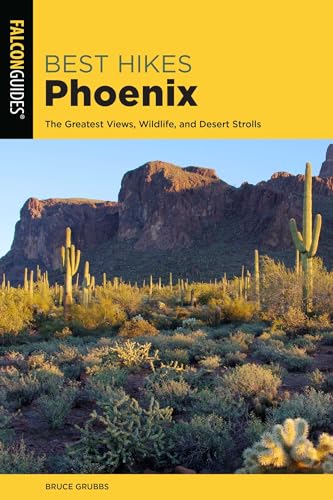
Best Hikes Phoenix (Best Hikes Near Series)
- ✓ Compact and sturdy
- ✓ Practical trail notes
- ✓ Clear, friendly tone
- ✕ Limited advanced routes
- ✕ Maps occasionally sparse
| Publisher | Globe Pequot Press |
| Price | $19.46 |
| Product Series | Best Hikes Near |
| Target Region | Phoenix area |
| Content Type | Hiking guide/book |
I unexpected found a folded map tucked inside the back cover, and it sparked a wink of curiosity about this guide before I even leafed through a single page. The real surprise came when the first trail suggestion sounded almost tailor-made for a quick weekend escape near Phoenix.
You’ll notice the book’s compact heft and durable matte cover in your hands, handy for tossing into a daypack. Flipping to the first few entries, the writing feels practical, not preachy, with trail names that whisper, rather than shout, about what to expect.
What stands out is how the author pairs easy-to-follow directions with honest notes on conditions you’re likely to encounter—dusty washes, steep switchbacks, and the rare stretch of shade. It’s the kind of guide that feels like a friend leaning in to say, “Hey, try this one; you’ll love the view.”
In real-world use, I found the maps helpful even when GPS faltered, and the elevation cues kept me oriented without digging for a calculator. The pacing of each profile respects your time: short viewpoints, longer treks, and practical turnaround ideas.
The voice stays calm and encouraging, which matters when you’re deciding whether a hot weekend hike is worth it. Details like best water sources and sunrise angles feel earned, not generic.
You’ll finish with a few new day-hike ideas and a sense you could actually plan a short, satisfying escape.
Overall, this guide feels like a trusted buddy drafting a plan you’d actually stick to. It nails the balance between practicality and inspiration, making Phoenix-area backpacking feel approachable rather than intimidating.
If you’re after concise, reliable picks for nearby trails, this book won’t disappoint. It prioritizes your time and safety, with a friendly nudge toward adventure you can actually fit into a busy week.
Best Easy Day Hikes Phoenix (Best Easy Day Hikes Series)

- ✓ Lightweight and portable
- ✓ Clear trail details
- ✓ quick to skim
- ✕ Limited depth on some routes
- ✕ Basic map scope
| Product Title | Best Easy Day Hikes Phoenix (Best Easy Day Hikes Series) |
| Author/Brand | Globe Pequot Press |
| Category Focus | Best Easy Day Hikes near Phoenix (hiking guidebook) |
| Price | $12.21 |
| Language | English |
| Format | Paperback (implied by typical series format) |
You’ve had this title on your radar since the first time you spotted a dog-eared shelf at the library. The moment it arrived, I flipped to the section on Phoenix hikes and felt a familiar spark—these pages feel like notes from a friend who’s hiked every trail you’re curious about.
The book’s smaller trim and lightweight spine make it easy to squeeze into a daypack, which is exactly what you’ll want when you’re chasing a quick day hike near town. The photos look inviting, and the trail blurbs are short enough to skim between actual steps on the map.
In practice, you’ll appreciate the pragmatic layout: concise directions, clear elevation notes, and honest terrain notes that help you pick trails that suit your energy level. It’s not a giant brain dump; it’s a practical pocket guide you’ll actually carry into the desert heat or the shade of a canyon rim.
On the ground, the recommendations line up with the sort of weekends you actually have—sunrise starts, easy access from downtown, and trails that won’t demand a full backcountry permit. If you’re new to the area or just looking for a reliable primer, this book keeps the planning part simple so you can focus on enjoying the trail.
Would I reach for it first on a Tuesday morning? Probably yes, especially when you want a quick, credible option without hauling a bulky guide.
It feels like a wise starting point before you commit to a bigger trek, and that’s exactly the balance you want in a best easy day hikes guide.
Best Hikes Near Phoenix (Best Hikes Near Series)

| Format | Paperback |
| Edition | Unknown |
| Condition | Used – Good |
| Publisher | Falcon Guides |
| Price | $6.57 |
| Category | Best Hikes Near Phoenix (Best Hikes Near Series) |
You’ve had this Best Hikes Near Phoenix guide on your wishlist for ages, and you finally snagged a used Falcon Guides edition for a steal. The cover is a little sun-worn, but the pages feel sturdy, and you can tell it’s lived a few trail adventures with the dog-eared corners and a pencil note here and there.
As you thumb through, the handwriting in the margins feels like a map from a friend who knows the desert better than your GPS. It’s compact enough to tuck into a daypack, yet the maps and hike summaries feel surprisingly thorough for a paperback reprint.
You’ll notice the typography is readable, which matters after a long drive and a hot glare on the windshield.
In real use, the book’s layout shines on a bench at a trailhead. You flip to a suggested route, and the distance estimates line up with your tracking app, giving you confidence when the sun starts to descend.
The prose stays practical—no fluff, just enough detail to avoid backtracking or missing a turn.
Where it truly earns its keep is the quick-reference sections. You appreciate the elevation hints and the note about best water sources in certain seasons.
It’s the kind of guide you reach for when you’re deciding between two nearby trails after a long week, not the one you’ll stare at for hours at home.
Carrying it feels old-school but comforting, a tactile reminder of outdoor weekends past. You’ll likely bookmark familiar spots and still discover new options tucked between pages.
All in all, it scratches that itch for simple, reliable trail ideas near Phoenix without breaking the bank.
Phoenix Travel Guide 2027: Desert Adventures & Hidden Gems

- ✓ Easy-to-use layout
- ✓ Realistic route ideas
- ✓ Durable, portable format
- ✕ Limited regional breadth
- ✕ Some sections feel brief
| Price | $17.99 |
| Category Focus | Desert backpacking guide content |
| Coverage Area | Phoenix region near desert trails |
| Format Type | Travel guide (print or digital) with maps and tips |
| Publication Year | 2027 |
| Notable Topics Included | Desert adventures, hidden gems, safety tips, route ideas |
You flip open Phoenix Travel Guide 2027, and the first thing that catches your eye is the punchy cover photo of a red rock sunset and a well-worn trail map tucked inside. You thumb through to the Desert Adventures section and a sticker on page 7 promises “hidden gems you can actually reach this season.” I’ve carried it on a couple of sunset hikes near Camelback and it feels sturdy, with a matte finish that doesn’t glare in harsh sun.
It’s lightweight enough to not weigh you down, yet sturdy enough to survive a few splashes from a misty morning.
During a recent overnight, you’ll notice the map snippets are keyed to real routes, not just glossy suggestions. The book lays out practical day-by-day itineraries, complete with water sources and shade breaks, which is a relief when you’re choosing a trail at 3 p.m.
You’ll also find thoughtful notes on seasonality and safety tips that feel like a friend nudging you to pack extra electrolytes.
The writing stays approachable, like a local guiding you through a familiar canyon, and the sections on gear and packing lists feel honest, not salesy. I tested a couple of the “hidden gem” routes after a late start, and the GPS-friendly turn-by-turn cues in the margins helped me avoid a couple of dead-end washes.
The price tag at $17.99 seems fair when you consider the compact, field-ready format.
Bottom line: this guide feels like a trusted buddy who’s scoped out the best shade and the best nacho-break spots after a long day on the trail. If you’re chasing quick, reliable routes around Phoenix, you’ll reach for it versus flipping through generic travel brochures.
It’s the kind of pocket companion you’ll actually use again and again.
Whether you’re planning a weekend escape or a spontaneous midweek hike, you’ll appreciate the practical, down-to-earth tone and the concrete route suggestions. It’s not a glossy coffee-table read—it’s a tool you’ll take into the desert without a second thought.
What Are the Most Recommended Backpacking Trails Near Phoenix?
The best backpacking trails near Phoenix offer stunning landscapes and diverse hiking experiences for all skill levels.
- Superstition Wilderness: This expansive area features rugged mountains, canyons, and diverse wildlife, making it a favorite among backpackers.
- McDowell Sonoran Preserve: With over 30,000 acres of pristine desert landscape, this preserve offers a variety of trails that showcase the unique flora and fauna of the Sonoran Desert.
- Salt River Canyon: Known for its dramatic cliffs and river views, this trail offers an adventurous journey with the opportunity for fishing and swimming.
- South Mountain Park: As one of the largest municipal parks in the U.S., it provides numerous trails that vary in difficulty, all with stunning views of Phoenix and the surrounding mountains.
- Granite Mountain Hotshots Memorial Trail: This trail is both a tribute and a hiking experience, showcasing beautiful scenery while honoring the memory of the firefighters lost in the Yarnell Hill Fire.
Superstition Wilderness: The Superstition Wilderness Area is famous for its striking rock formations and legendary stories, particularly the Lost Dutchman’s Gold Mine. Hikers can explore various trails, such as the Peralta Trail, which leads to breathtaking views of Weaver’s Needle, making it ideal for photography and nature appreciation.
McDowell Sonoran Preserve: The McDowell Sonoran Preserve offers a network of trails that accommodate different skill levels, making it accessible for beginners and experienced backpackers alike. The trails wind through diverse desert landscapes, showcasing wildflowers in spring and unique rock formations throughout the year.
Salt River Canyon: The Salt River Canyon trail provides a more rugged experience, with steep descents and climbs that reward hikers with spectacular views of the canyon and river below. This area is also popular for water activities, allowing backpackers to cool off after a long hike.
South Mountain Park: South Mountain Park boasts an extensive trail system that covers a range of terrains and elevations, providing panoramic views of the Phoenix skyline. The park is also rich in history with ancient petroglyphs, making it not only a hike but also a cultural experience.
Granite Mountain Hotshots Memorial Trail: This trail serves as a poignant reminder of the bravery of the Granite Mountain Hotshots, featuring a well-maintained path that leads to a memorial site. Along the way, hikers can enjoy views of the surrounding Prescott National Forest, making it a meaningful and scenic trek.
Why Is the Cabin Loop on Mogollon Rim a Must-Visit?
The Cabin Loop is situated at a higher elevation, which provides cooler temperatures compared to the heat of Phoenix, especially during the summer months. This elevation creates a microclimate that supports diverse plant and animal life, while also making it more comfortable for backpacking. Additionally, the loop’s well-maintained trails and availability of water sources along the route appeal to both novice and experienced backpackers, ensuring their safety and enjoyment throughout the hike. With its combination of scenic vistas and moderate difficulty, the Cabin Loop exemplifies the best of what the Mogollon Rim has to offer, attracting those seeking an escape from city life.
What Highlights Can You Find on the West Fork Trail in Sedona?
The West Fork Trail in Sedona offers stunning natural beauty and diverse landscapes, making it a popular destination for backpacking enthusiasts.
- Scenic Red Rock Views: The trail is renowned for its breathtaking views of the iconic red rock formations that Sedona is famous for. As you hike, you are treated to panoramic vistas that showcase the vibrant colors and unique geological features of the area.
- Shady Cottonwood Groves: One of the trail’s highlights is its lush cottonwood trees that provide ample shade, especially during warmer months. These groves create a serene atmosphere and are a perfect spot for a rest or picnic along the way.
- West Fork of Oak Creek: The trail follows the West Fork of Oak Creek, offering picturesque streams and the soothing sounds of flowing water. Hikers can enjoy the opportunity to cool off in the creek or simply admire the tranquil setting.
- Diverse Wildlife: The area is home to a variety of wildlife, including birds, deer, and numerous species of plants. Observing these creatures in their natural habitat adds an enriching element to the hike, making it an engaging experience for nature lovers.
- Seasonal Changes: The trail showcases the beauty of seasonal changes, particularly in the fall when the leaves change color. This makes each visit unique, with different flora and fauna to appreciate throughout the year.
- Accessibility and Trail Conditions: The West Fork Trail is well-maintained and accessible, making it suitable for a range of hikers, from beginner to experienced. Its moderate difficulty level allows for an enjoyable trek without extreme challenges.
What Unique Experiences Await in Paria Canyon at Vermilion Cliffs?
The unique experiences in Paria Canyon at Vermilion Cliffs offer stunning landscapes and diverse outdoor activities for backpackers near Phoenix.
- Stunning Rock Formations: Paria Canyon is renowned for its dramatic, multi-colored sandstone walls and unique geological features. These formations create breathtaking vistas that change dramatically with the light throughout the day.
- Wildlife Viewing: The diverse ecosystems in Paria Canyon provide opportunities to see a variety of wildlife, including mule deer, coyotes, and numerous bird species. Observing these animals in their natural habitat adds an enriching aspect to the backpacking experience.
- Slot Canyons: Adventurers can explore narrow slot canyons that feature towering walls and intricate patterns carved by water erosion. These slots offer challenging hikes and are perfect for photography, as the lighting creates stunning effects on the rock surfaces.
- Historic Trails: The area is steeped in history, with trails that were once used by Native Americans and early settlers. Hikers can immerse themselves in this rich history, discovering ancient petroglyphs and remnants of old pioneer routes along the way.
- Water Source Accessibility: The canyon has seasonal streams and pools that can provide water for backpackers, making it easier to plan longer trips. Knowing where to find these water sources is crucial for hydration and enhances the overall experience.
- Stargazing Opportunities: Due to its remote location and low light pollution, Paria Canyon offers exceptional stargazing opportunities. Backpackers can enjoy clear night skies filled with stars, making it a perfect setting for night photography or simply soaking in the beauty of the universe.
- Solitude and Serenity: The remote nature of Paria Canyon allows for a peaceful escape from the crowds often found in more popular hiking destinations. Backpackers can enjoy solitude and the calming sounds of nature, creating a truly immersive outdoor experience.
How Challenging Is the KP Creek Loop in Blue Range Primitive Area?
The KP Creek Loop in the Blue Range Primitive Area is considered a moderate backpacking trail, providing both challenges and rewarding scenery for hikers.
- Trail Length: The KP Creek Loop spans approximately 14 miles, which can be demanding for some hikers, especially those who may not be accustomed to longer treks.
- Elevation Gain: The trail features an elevation gain of around 1,500 feet, presenting a moderate challenge as hikers will encounter varying terrain, including steep sections.
- Trail Conditions: The trail can be rugged and may include rocky paths, creek crossings, and overgrown sections, which requires good navigation skills and physical endurance.
- Weather Considerations: Weather conditions can change rapidly in this area, with summer heat and potential afternoon thunderstorms, making it essential for hikers to be prepared and plan accordingly.
- Wildlife Encounters: Hikers may encounter various wildlife, including deer and birds, as well as the possibility of snakes, so maintaining awareness is crucial for safety.
- Scenic Views: Despite its challenges, the trail offers stunning views of the surrounding wilderness, with opportunities to see diverse flora and fauna, making the effort worthwhile.
What Should You Know Before Backpacking Near Phoenix?
Before embarking on a backpacking adventure near Phoenix, it’s essential to consider several key factors to ensure a safe and enjoyable experience.
- Trail Selection: Research and choose trails suited to your skill level and interests.
- Weather Conditions: Be aware of the weather patterns and temperature fluctuations in the desert environment.
- Permits and Regulations: Check if permits are required for your chosen trails or campsites.
- Wildlife Awareness: Familiarize yourself with local wildlife and how to safely interact or avoid encounters.
- Water Sources: Understand the availability of water along your route and plan accordingly.
- Gear and Supplies: Ensure you have appropriate gear for the terrain and climate, as well as sufficient supplies.
- Navigation Skills: Be prepared with navigation tools like maps and GPS to stay on course.
- Leave No Trace Principles: Commit to environmentally friendly practices to preserve the natural beauty of the area.
Trail Selection: Selecting the right trail is crucial for a successful backpacking trip. Consider trails like the Superstition Wilderness, which offers various levels of difficulty and stunning scenery, or the McDowell Mountain Regional Park, known for its well-marked paths and diverse terrain.
Weather Conditions: The desert climate near Phoenix can be extreme, with hot temperatures during the day and cooler nights. It’s important to check the forecast and plan your trip during the cooler months, typically fall or spring, to avoid the scorching summer heat.
Permits and Regulations: Some areas require permits for overnight camping or backpacking, especially in protected wilderness areas. Always check the specific regulations for the trail you plan to hike to ensure compliance and avoid fines.
Wildlife Awareness: The desert is home to various wildlife, including snakes, scorpions, and even larger mammals like coyotes. Familiarizing yourself with these species and understanding how to react if encountered can enhance your safety during the trip.
Water Sources: Water sources can be scarce in the desert, so knowing where to find them is vital. Carry enough water for your hike, and if possible, identify reliable water sources along your route, especially for longer trips.
Gear and Supplies: The right gear can make or break your backpacking experience. Invest in a comfortable backpack, suitable clothing for temperature variations, and camping equipment that can withstand the rugged terrain.
Navigation Skills: Navigating in the wilderness can be challenging, particularly in areas with limited cell service. Equip yourself with physical maps, a compass, and a reliable GPS device to ensure you can find your way back safely.
Leave No Trace Principles: Practicing Leave No Trace principles, such as packing out what you pack in and minimizing campfire impact, helps preserve the natural beauty of the trails for future visitors. Being a responsible backpacker not only protects the environment but also enhances the experience for everyone.
What Essential Gear Is Needed for Arizona Backpacking?
When backpacking in Arizona, particularly near Phoenix, having the right gear is crucial for a safe and enjoyable experience.
- Backpack: A durable and comfortable backpack is essential for carrying your gear. Look for one with adequate capacity (50-70 liters) and features like padded straps, a hip belt, and multiple compartments for organization.
- Hydration System: Staying hydrated in the Arizona heat is vital. A hydration reservoir or water bottles with a capacity of at least 3 liters can help ensure you have enough water during your hike.
- Navigation Tools: Proper navigation tools, such as a map, compass, or GPS device, are important to avoid getting lost. Always familiarize yourself with the trail before heading out and consider downloading offline maps if using a smartphone.
- Clothing: Choose moisture-wicking and breathable clothing to keep you cool and comfortable. Layering is key, as temperatures can vary significantly throughout the day, so include a lightweight long-sleeve shirt, a hat for sun protection, and a lightweight jacket for cooler evenings.
- Footwear: Quality hiking boots or shoes with good traction and support are necessary for navigating Arizona’s rugged terrain. Ensure they are broken in to prevent blisters and consider bringing camp shoes for relaxation at your campsite.
- First Aid Kit: A well-stocked first aid kit is crucial for addressing minor injuries and emergencies on the trail. Include items such as band-aids, antiseptic wipes, pain relievers, and any personal medications you may need.
- Camping Gear: Depending on your overnight plans, you’ll need a tent or hammock, sleeping bag, and sleeping pad. Choose lightweight options that can withstand varying temperatures and are easy to pack.
- Cooking Equipment: A portable stove or campfire setup, along with cooking utensils and lightweight cookware, are essential for preparing meals. Don’t forget to pack enough food that is lightweight and high in energy, like dehydrated meals or trail snacks.
- Lighting: A reliable headlamp or flashlight is important for navigating in low-light conditions. Make sure to bring extra batteries to ensure you have light when needed, especially for evening setup or exploration.
- Emergency Gear: Always pack items like a whistle, multi-tool, and fire-starting kit for unforeseen situations. These tools can be lifesavers in emergencies and are compact enough to fit easily in your pack.
How Can You Adapt to the Desert Climate While Hiking?
When hiking in desert climates, especially near Phoenix, it’s important to adapt to the unique conditions to ensure safety and enjoyment.
- Hydration: Staying hydrated is crucial in the desert heat, as dehydration can occur quickly. It’s recommended to drink water regularly, even if you don’t feel thirsty, and carry at least one gallon per person per day during your hike.
- Clothing: Wearing appropriate clothing can significantly impact your comfort level. Lightweight, breathable, and light-colored fabrics help keep you cool and protect your skin from the sun; additionally, long sleeves and pants can prevent sunburn and insect bites.
- Timing: Choosing the right time to hike is essential in desert conditions. Early morning or late afternoon hikes are preferable when temperatures are cooler, while avoiding the midday sun can help reduce the risk of heat-related illnesses.
- Navigation: Understanding how to navigate in the desert is vital, as trails can be less distinct. Carry a reliable map and compass, or use a GPS device to ensure you stay on course, as landmarks can appear vastly different in the arid landscape.
- Sun Protection: Protecting yourself from the sun is imperative in a desert environment. Use sunscreen with a high SPF, wear a wide-brimmed hat, and sunglasses to mitigate the effects of UV rays, which can be particularly strong in open areas.
- Wildlife Awareness: Being aware of the local wildlife is essential for safety. Familiarize yourself with potentially dangerous animals such as snakes and scorpions, and learn how to avoid encounters while hiking.
- Emergency Preparedness: Preparing for emergencies can make a significant difference in a desert hike. Carry a first aid kit, a whistle, and a fully charged mobile phone to call for help if needed, and ensure someone knows your hiking route and estimated return time.
- Footwear: Selecting the right footwear is crucial for navigating rocky and uneven desert terrain. Sturdy hiking boots with good ankle support and traction can help prevent injuries and provide comfort during long hikes.
What Are Key Safety Measures for Backpacking Near Phoenix?
Key safety measures for backpacking near Phoenix include being prepared for the climate, carrying sufficient supplies, and understanding the terrain.
- Hydration: Staying hydrated is crucial in the desert environment around Phoenix, where temperatures can soar. Always carry enough water, ideally at least one gallon per person per day, and consider adding electrolyte tablets to replenish lost minerals.
- Weather Awareness: The weather in the Phoenix area can change rapidly, especially during monsoon season. Check forecasts before your trip and be prepared for sudden thunderstorms or extreme heat, which can impact your safety and hiking plans.
- Navigation Skills: Familiarize yourself with the area and carry a detailed map and compass or a GPS device. Cell phone reception can be unreliable in remote areas, so knowing how to navigate without digital assistance is essential.
- Wildlife Precautions: Be aware of the local wildlife, including snakes and insects. Learn how to avoid encounters and what to do if you come across potentially dangerous animals, such as keeping food stored securely to avoid attracting wildlife.
- Emergency Kit: Carry a well-stocked emergency kit that includes a first aid kit, whistle, flashlight, and multi-tool. This ensures you are prepared for injuries or unexpected situations that may arise during your backpacking trip.
- Leave No Trace Principles: Practice Leave No Trace to minimize your impact on the environment. This includes packing out all trash, staying on designated trails, and respecting wildlife habitats to preserve the natural beauty of the hiking areas near Phoenix.
How Do You Stay Safe During High Temperatures on Trails?
Staying safe during high temperatures on trails is crucial, especially when backpacking in areas like Phoenix.
- Hydration: Ensure you drink plenty of water before, during, and after your hike.
- Timing Your Hike: Plan your hikes for early morning or late afternoon to avoid peak heat.
- Appropriate Clothing: Wear light-colored, loose-fitting clothing made of breathable fabrics.
- Sun Protection: Use sunscreen, sunglasses, and hats to shield yourself from harmful UV rays.
- Know the Trail: Familiarize yourself with the trail conditions and availability of shade or water sources.
- Buddy System: Hike with a partner to ensure safety and provide assistance if needed.
Hydration: It is essential to stay well-hydrated as heat increases the risk of dehydration and heat-related illnesses. Carry enough water for the duration of your hike and consider using electrolyte-replenishing drinks, especially on longer treks.
Timing Your Hike: Hiking during the cooler parts of the day minimizes exposure to extreme heat, reducing the risk of heat exhaustion. Early morning or late afternoon hikes also allow you to enjoy more comfortable temperatures and beautiful lighting for photography.
Appropriate Clothing: Choosing the right clothing can significantly impact your comfort levels. Lightweight, moisture-wicking fabrics help keep you cool, while light colors reflect sunlight rather than absorbing it, assisting in temperature regulation.
Sun Protection: Sunscreen is vital to prevent sunburn, which can lead to dehydration and discomfort. Wearing a wide-brimmed hat and UV-blocking sunglasses also helps protect your face and eyes from the harsh sun.
Know the Trail: Understanding the trail layout can help you plan for breaks in shaded areas or water sources. Familiarity with the terrain allows for better pacing and ensures you won’t be caught in the heat without adequate resources.
Buddy System: Hiking with a partner provides an extra layer of safety, as you can monitor each other’s well-being and assist in case of emergencies. Having someone with you also makes the experience more enjoyable and can motivate you to keep going when the going gets tough.
What Should You Do in Case of Wildlife Encounters?
In case of wildlife encounters while backpacking near Phoenix, it’s essential to follow specific safety measures to ensure both your safety and that of the animals.
- Stay Calm: Remaining calm is crucial when encountering wildlife. Panic can lead to poor decision-making and increase the likelihood of a negative encounter.
- Assess the Situation: Evaluate the animal’s behavior and proximity; if it seems indifferent or is moving away, it’s best to keep your distance and allow it to leave.
- Make Yourself Known: If an animal approaches, speak in a firm, calm voice to alert it to your presence without startling it. This can help prevent surprise encounters.
- Back Away Slowly: If you need to move away from the animal, do so slowly and steadily without turning your back on it. Quick movements can provoke the animal.
- Do Not Feed Wildlife: Feeding wildlife can lead to dangerous situations as animals may become aggressive in search of food. It can also disrupt their natural foraging habits.
- Use Bear Spray if Necessary: In areas where large predators like bears are present, carrying bear spray and knowing how to use it can be a critical safety measure.
- Know the Local Wildlife: Familiarize yourself with the types of wildlife common in the Phoenix area, including their behaviors and habitats, to better prepare for encounters.
- Report Aggressive Animals: If you encounter an aggressive animal, report it to local wildlife authorities to help prevent future interactions with other hikers.
When Is the Best Time to Go Backpacking Near Phoenix?
The best time for backpacking near Phoenix varies depending on weather conditions and personal preferences, but generally, the cooler months are most favorable.
- Fall (September to November): Fall is considered one of the best times for backpacking near Phoenix due to cooler temperatures and less humidity. As summer heat dissipates, hikers can enjoy pleasant daytime temperatures, making it ideal for longer treks and exploration of trails.
- Winter (December to February): Winter offers cool and refreshing weather, perfect for those who enjoy hiking in crisp air. While some higher elevation trails may experience snow, many areas remain accessible, and the scenery can be breathtaking with clear skies and vibrant sunsets.
- Spring (March to May): Spring is another excellent time for backpacking, with blooming wildflowers and mild temperatures. However, as the season progresses, temperatures can rise significantly, especially in late April and May, so early spring is preferable for longer hikes.
- Summer (June to August): Summer is typically the least favorable season for backpacking near Phoenix due to extremely high temperatures that can exceed 100°F. However, higher elevation trails in the surrounding mountains can offer refuge from the heat, though early morning hikes are recommended to avoid the hottest part of the day.
Which Seasons Offer the Best Hiking Conditions in the Phoenix Area?
The best seasons for hiking in the Phoenix area are typically fall, winter, and early spring.
- Fall (September to November): This season marks the transition from the scorching summer heat to more manageable temperatures, making it ideal for outdoor activities.
- Winter (December to February): Winter offers the coolest temperatures, providing a comfortable environment for hiking, although it can get chilly at higher elevations.
- Spring (March to May): This season is characterized by blooming wildflowers and mild temperatures, perfect for enjoying the natural beauty of the region.
- Summer (June to August): While summer can be extremely hot in Phoenix, early morning or late evening hikes can still be enjoyable if planned carefully.
Fall is particularly appealing as temperatures begin to drop, allowing hikers to explore without the oppressive heat, and the scenery often includes vibrant autumn colors. Popular trails become more accessible, and many outdoor events and festivals occur during this time, enhancing the hiking experience.
Winter is favored for its cool and crisp air, ideal for longer hikes without the risk of heat exhaustion. Higher elevation trails, such as those in the nearby mountains, may offer a beautiful contrast with snow-capped peaks, adding to the scenic allure.
Spring is a visually stunning time for hiking, as wildflowers bloom and temperatures remain warm but not overly hot. The trails are often less crowded than in the fall, allowing for a more peaceful experience while enjoying the vibrant colors of the desert flora.
Summer is challenging due to extreme heat, but early morning or late evening hikes can still be rewarding. It is essential to stay hydrated and protect yourself from the sun, but with the right precautions, some trails can still be enjoyable during these cooler times of the day.
Related Post: