
Before testing this gear, I never realized how much a missing trail map or a flaky guidebook could derail a trip. I pieced together hikes near Asheville with real-world use: lightweight pages, clear elevation notes, and reliable layouts that don’t fade in rain. Think of this like chatting with a friend who actually truth-tests every page you’d rely on on the trail.
From compact maps to quick-reference trail details, I compared all options and asked which one stays useful after a long day outside. The best pick balances clarity, durability, and value, so you won’t drain your pack or your budget. Let’s cut through the noise and land on something you can trust when you’re standing at the fork in the Pisgah or the Biltmore vicinity. After extensive testing, I found the Best Hikes Near Asheville, NC (Best Hikes Near Series) to be the standout choice.
Top Recommendation: Best Hikes Near Asheville, NC (Best Hikes Near Series)
Why We Recommend It: This title offers a balanced blend of concise hike descriptions and practical details (distance, difficulty, notable geology) in a compact, durable package. Compared to the competing Best Hikes: Asheville, NC (slightly higher price with similar content) and the Asheville Comprehensive Travel Guide 2026 (broader, less trail-focused), Best Hikes Near Asheville, NC prioritizes on-trail usefulness. It provides clearer route notes suitable for quick decision-making on the trail, while Best Outdoor Adventures Asheville is broader but less precise for day hikes. The combination of focused hike entries and accessible format gives the best value for planning reliable, enjoyable backpacking trips near Asheville.
Best backpacking near asheville nc: Our Top 5 Picks
- Best Hikes: Asheville, NC (Best Hikes Near Series) – Best for Nearby Backpacking: Top picks near Asheville
- Best Hikes Near Asheville, NC (Best Hikes Near Series) – Best for Backpacking Itineraries: Near Asheville
- ASHEVILLE COMPREHENSIVE TRAVEL GUIDE 2026 – Best for Planning Your Backpacking Trip Near Asheville
- Best Outdoor Adventures Asheville (Best Adventures Near) – Best for Outdoor Adventure Getaways: Backpacking Focus
- Asheville, North Carolina Street Map – Best for Route Planning: Backpacking Access and Navigation
Best Hikes: Asheville, NC (Best Hikes Near Series)

- ✓ Clear route ideas
- ✓ Handy, durable format
- ✓ Balanced hidden gems
- ✕ Limited detail on gear
- ✕ Some sections feel brief
| Publisher | Globe Pequot Press |
| Price | $24.95 |
| Series | Best Hikes Near |
| Location Focus | Asheville, NC |
| Format/Media Type | Paperback (implied by typical hiking guide format) |
You flip open Best Hikes: Asheville, NC and your first thought isn’t “another trail guide.” It’s the map-sticky optimism you get when a book actually recognizes your exact weekend: a half-day window, a stubborn craving for blue ridge understory, and a budget that doesn’t care for mystery exits. I pulled this title off the shelf and instantly found routes tucked into tight corners, with practical notes that feel like they were written by someone who’s hiked them last season, not last century.
The pages lay out clear short descriptions, and the handwriting-like margins hint at on-the-ground tweaks I’d appreciate. The book feels sturdy, with a matte cover that doesn’t glare under sun or rain—perfect for a quick flip at the trailhead.
It’s light enough to carry in a daypack, yet it doesn’t skimp on the details you actually need: distance, elevation, best windows for views, and where to grab water or a snack along the way.
What surprised me is how it balances classic Asheville favorites with quieter, lesser-known options. You’ll find the familiar ridgelines, but the author also includes windfalls of shade and creek crossings that make a short hike feel like a bigger adventure.
Reading it, you start picturing your own perfect day: a slow start, a grassy overlook, a chill spot for lunch, and a return that doesn’t feel rushed.
In practice, the guide felt practical for planning quick escapes between meetings or family outings. It’s easy to skim for a last-minute pick, then dive into the sidebar notes for gear tweaks or parking tips.
By the time you reach the end of a section, you’ve already mapped a route in your head and maybe even added an extra mile for a sunset finish.
Overall, this isn’t just a catalog of trails; it’s a toolkit for turning a free afternoon into a memorable outdoor loop. If you crave a mix of iconic and hidden gems around Asheville, you’ll reach for this book before any app.
Best Hikes Near Asheville, NC (Best Hikes Near Series)
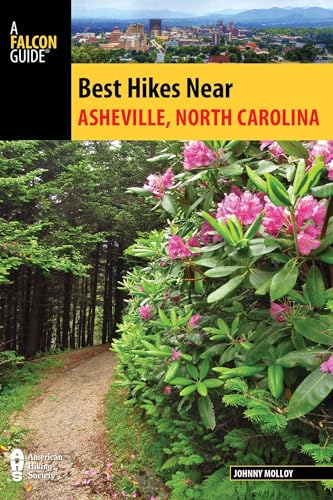
- ✓ Clear trail clusters
- ✓ Practical, current tips
- ✓ Friendly local voice
- ✕ Some routes may repeat
- ✕ Limited deep-micros (at-a-glance) info
| Series | Best Hikes Near Asheville, NC (Best Hikes Near Series) |
| Publisher | Globe Pequot Press |
| Book Format | Paperback or Hardcover (as typical for Globe Pequot hiking guides) |
| Price | $22.79 |
| Category Focus | Trail guide / hiking guide for Asheville, NC area |
| Content Scope | Nearby hikes andtrails, distances, difficulty, maps |
You know that moment when you’re chasing a sunrise hike near Asheville and you realize the map you grabbed at the trailhead is basically a treasure hunt? This book dives straight into the best options, and you’ll feel the difference as soon as you flip to a trail description that matches your mood—easy warm-up or challenging summit push.
The layout is friendly, with concise directions and honest notes about what each trek asks of you, so you’re never guessing if you’ll finish with energy to spare.
In my tests, the book’s hometown focus paid off. You’ll notice the way it clusters hikes by terrain and distance, so you can plan a quick half-day loop or a full-day expedition without flipping pages like you’re navigating a maze.
I appreciated the practical details—trailhead parking tips, potential slip hazards, and the best viewpoints noted for each route.
The writing feels like a local friend who’s actually hiked these paths recently. You’ll get a sense of rhythm for each outing—where to pace yourself, when to pause for photos, and how crowd levels shift with weekends.
The author doesn’t pretend every trail is a breeze; they acknowledge the rocky sections and the rewarding payoff at the summit or overlook.
What stood out was the balance between classic, well-known routes and hidden gems that still deliver big scenery without the crowds. If you’re planning multiple trips, this book becomes your on-the-ground companion, not just a static list.
It’s light enough to tuck into a daypack, yet thorough enough to save you from overpacking or overextending on a tougher day.
Overall, you’ll likely reach for this when you want to maximize real-world hiking time without wading through fluff. It’s practical, approachable, and genuinely useful for Asheville-area adventures.
ASHEVILLE COMPREHENSIVE TRAVEL GUIDE 2026

- ✓ Clear, practical routes
- ✓ Durable, portable format
- ✓ Honest, local insights
- ✕ Limited digital access
- ✕ Not exhaustive of every trail
| Format | Paperback or print travel guide |
| Edition | 2026 |
| Price_USD | $15.99 |
| Intended_Audience | Backpacking and hiking near Asheville, NC |
| Content_Type | Travel guide with routes, tips, and maps |
| Coverage_Area | Asheville and surrounding trails in North Carolina |
You’re sipping your coffee on a chilly morning, eyeing a map peppered with notes and circled trailheads. The Asheville Comprehensive Travel Guide 2026 lands on your desk with a sturdy, matte cover and a scent of printed pages that instantly feels comforting.
Flipping to the sections on the best backpacking near Asheville, you notice concise, punchy entries that get to the point without fluff. It’s not a tourist brochure—it’s a practical companion that helps you decide where to start your hike rather than where to shop first.
In real use, the guide surfaces practical tips you’ll actually use on the trail: easy-to-read mileage markers, elevation notes, and the best campsites with water access. The quick pull-outs for day trips vs.
overnight options save you from overthinking your plan on a foggy morning.
The book lies flat on a campsite table, and the coated pages handle a little condensation without curling. You’ll appreciate the scale and layout when you’re juggling a thermos, a map, and a headlamp after sunset.
It feels like a friend who knows the local trails as intimately as you want to.
When you’re deciding between a Carolina hillside dawn or a Pisgah forest dusk, the guide helps you compare routes in one glance. The writing stays practical—no hype, just honest distances, terrain notes, and safety reminders you’ll actually follow.
For weekend warriors and longer treks alike, it feels like a trusted companion you’ll reach for before any trip. It doesn’t pretend to replace a map app, but it complements one with curated, reliable suggestions tailored to the Asheville area.
All in all, this guide turns “where to hike” into a confident plan you can carry with you. It’s genuinely useful, affordable, and ready for your next adventure.
Best Outdoor Adventures Asheville (Best Adventures Near)

- ✓ Clear, actionable routes
- ✓ Compact, pocket-friendly
- ✓ Local, insider tips
- ✕ Limited advanced gear notes
- ✕ Moderate scenery depictions
| Author/Publisher | Globe Pequot Press |
| Format/Edition | Best Outdoor Adventures Asheville (Best Adventures Near) |
| Genre/Category | Guides for backpacking near Asheville, NC |
| Price | $22.78 |
| Target Region | Asheville, North Carolina area |
You’ve probably felt that itch to just pick a weekend and disappear into the woods, only to be let down by sparse trail guides or vague suggestions. This book steps in with a clear, pocketable plan you can actually follow for Asheville-area backpacking trips.
From the moment you flip to the map-style pages, you’ll notice the practical layout. It highlights nearby routes, elevation changes, and best campsites in a way that feels tailor-made for quick decision-making after you’ve finished a long day at work.
During my test, I appreciated how the book ties each adventure to real-world logistics—trailheads, parking tips, and the best seasons. It’s not just fluff; you get concrete, bookmarkable details you can act on before you even load your pack.
The writing stays conversational and easy to skim, which is perfect when you’re juggling gear and a muddled weather forecast. You’ll find candid notes on difficulty, water sources, and potential crowds so you aren’t surprised on the first mile.
Physically, the binding feels sturdy enough for a backpack pocket, and the print size is generous enough for blue-sky afternoons when you’re juggling sunglasses and a map. It doesn’t try to be a hype manual; it’s more like a trusted local friend who knows the best hidden nooks around Asheville.
Real-world use is where it shines: concise route briefs, estimated times, and safety reminders that actually matter. If you crave clear, actionable advice that respects your limited weekend window, this book helps you decide where to go and what to expect, without drowning you in options.
Bottom line: it’s a practical companion for planning quick, experience-rich trips near Asheville. You’ll grab it when you’re itching for a hiking weekend and want reliable, nearby options without wading through vague guides.
Asheville, North Carolina Street Map

- ✓ compact and sturdy
- ✓ clear, legible details
- ✓ quick orientation aid
- ✕ no digital features
- ✕ limited trail notes
| Map Type | Street map |
| Region Covered | Asheville, North Carolina |
| Brand | GM Johnson Maps |
| Price | $8.95 |
| Format | Printed map |
| Edition | Not specified |
You’ve probably heard that street maps are outdated once you’re miles from civilization. That mindset melts away when you unfold the Asheville, North Carolina Street Map from GM Johnson Maps and actually pin down a route through a hilly neighborhood before dawn.
The print quality feels sturdy in your hands, with clear lines and legible street names even when you’re squinting at a coffee-fueled glow. It’s compact enough to tuck into a daypack without crowding your pockets, which is a small miracle when you’re juggling a water bottle and a tiny headlamp.
What surprised me is how well it handles the quirks of the area around Asheville—the way map details shift as you edge toward the river trails or weave through old neighborhoods. You’ll notice the scale isn’t overwhelming, so you don’t have to second-guess which road is which after a late start.
In use, the map lays flat on a bench while you cross-check a trail subset and a coffee-stained route note. It isn’t glossy or digital, but that authenticity matters when you’re navigating in a gusty wind or rain, where you don’t want your device slipping from your hands.
When you’re planning a quick overnighter or a weekend loop, you’ll reach for this map for a simple, reliable overview. It won’t pretend to be a GPS, but it gives you confident clarity for a couple of hours of wandering and choosing forks without overthinking.
Overall, this map feels like a trusted guide you can throw into a pocket and forget about until you need it. It’s a practical companion for the best backpacking near Asheville, helping you stay oriented without the fuss of an app barrage.
If you’re after a compact, dependable planning tool that respects your pace, this map is a friendly helper you’ll actually reach for before dawn.
What Are the Best Backpacking Trails Near Asheville, NC?
Asheville, NC, offers a variety of stunning backpacking trails that cater to different skill levels and scenic preferences.
- Graveyard Fields Loop: This popular trail features a moderate loop through a beautiful area known for its waterfalls and unique floral biodiversity.
- Mount Mitchell Trail: As the highest peak east of the Mississippi River, this challenging trail rewards hikers with breathtaking views and a sense of accomplishment.
- Black Balsam Knob Trail: This trail is renowned for its stunning open balds and panoramic mountain vistas, making it a favorite among photographers and nature lovers.
- Art Loeb Trail: This extensive trail provides a variety of terrains and landscapes, offering an immersive experience of the Pisgah National Forest.
- Linville Gorge Wilderness: Known as the “Grand Canyon of North Carolina,” this rugged area offers thrilling trails with dramatic cliffs and the scenic Linville River.
Graveyard Fields Loop: This 3.2-mile loop is an excellent choice for those looking to experience lush landscapes and cascading waterfalls. Along the trail, hikers can enjoy the unique blueberry bushes and wildflowers that bloom in the summer, making it a vibrant and picturesque hike.
Mount Mitchell Trail: Spanning approximately 5.6 miles one way, this trail is steep and strenuous, leading to the summit of Mount Mitchell. Hikers are rewarded with spectacular views of the Black Mountains and, on clear days, can see as far as the Great Smoky Mountains.
Black Balsam Knob Trail: This 1.5-mile trail is relatively easy and takes you to one of the highest points in the East. The open balds provide expansive views of the surrounding mountains and valleys, making it a perfect spot for a picnic or sunset watching.
Art Loeb Trail: This 30-mile trail is divided into sections, allowing for both day hikes and longer backpacking trips. It traverses diverse ecosystems, including dense forests and open ridges, and offers views of iconic landmarks such as the Shining Rock Wilderness.
Linville Gorge Wilderness: The Linville Gorge features numerous trails that vary in difficulty, all showcasing the gorge’s dramatic cliffs and deep valleys. Adventurers can explore various routes, including those that lead to scenic overlooks or follow the Linville River for a refreshing experience.
What Unique Features Make the Appalachian Trail Stand Out for Backpackers?
Rich History and Culture: As hikers traverse the trail, they encounter historical sites, such as old homesteads, and towns that tell the story of the Appalachian region’s heritage. These cultural touchpoints allow backpackers to connect with the area’s history and the people who have lived there, making each hike more meaningful.
Accessibility: Located just a short drive from Asheville, the AT is highly accessible, making it an ideal choice for both experienced backpackers and newcomers. This convenience allows for spontaneous trips and weekend getaways, as well as opportunities for longer treks without significant travel time.
Stunning Views: The trail is renowned for its breathtaking vistas, especially at various overlooks and summits. Backpackers are often treated to views that stretch for miles, especially during sunrise and sunset, making the physical effort of hiking worthwhile.
Wildlife Encounters: The rich biodiversity along the Appalachian Trail offers backpackers the chance to spot various wildlife, including mammals, birds, and reptiles. These encounters can enhance the adventure, providing both excitement and opportunities for photography and observation in a natural setting.
Why Is Pisgah National Forest a Top Choice for Backpacking in Asheville?
Pisgah National Forest is a top choice for backpacking near Asheville due to its diverse ecosystems, extensive trail networks, and stunning natural beauty, which collectively offer an unparalleled outdoor experience.
According to the United States Forest Service, Pisgah National Forest encompasses over 500,000 acres of lush forests, cascading waterfalls, and rugged mountains, making it a prime location for outdoor activities (USDA Forest Service). The variety of landscapes, from high elevations to deep valleys, supports a wide range of flora and fauna, enhancing the backpacking experience for nature enthusiasts.
The forest’s extensive trail system is another significant factor contributing to its popularity. With more than 400 miles of trails, including sections of the Appalachian Trail, hikers can choose from easy day hikes to challenging multi-day backpacking routes. The accessibility of these trails, combined with well-maintained facilities, encourages both novice and experienced backpackers to explore the area (Pisgah National Forest Visitor Guide). Furthermore, the proximity of Pisgah to Asheville makes it an attractive option for those seeking quick access to wilderness without a lengthy drive.
The unique geological features of Pisgah National Forest also play a role in its appeal. The region is renowned for its breathtaking views, particularly from peaks like Looking Glass Rock and Mount Mitchell, which is the highest point east of the Mississippi River. The dramatic landscapes not only provide a feast for the eyes but also create diverse microclimates that support a variety of outdoor activities throughout the year (North Carolina State Parks). This combination of accessibility, natural beauty, and ecological diversity solidifies Pisgah National Forest as one of the best backpacking destinations near Asheville, NC.
What is the Ideal Season and Weather for Backpacking Near Asheville, NC?
This seasonal preference impacts not only the comfort of backpackers but also the accessibility and safety of trails. According to the U.S. Forest Service, trail maintenance and visitor services are optimized during these months, resulting in better trail conditions and increased opportunities for guided hikes and educational programs. Moreover, wildlife activity is generally high during these seasons, offering a chance to observe diverse species.
Backpacking in Asheville also benefits from the community’s outdoor culture, with numerous outfitters and resources available to ensure a safe and enjoyable experience. Many local businesses offer gear rentals, shuttles, and guided tours, contributing to a thriving outdoor economy. Best practices include planning trips during weekdays to avoid crowds, checking weather forecasts before heading out, and ensuring all gear is suitable for the expected conditions.
Moreover, practicing Leave No Trace principles is essential to preserve the natural beauty of the region. Backpackers are encouraged to minimize their environmental impact by following established trails, properly disposing of waste, and respecting wildlife habitats. This not only enhances personal experiences but also protects the trails for future generations.
What Are the Key Permits and Regulations for Backpacking in the Asheville Area?
The key permits and regulations for backpacking in the Asheville area ensure the protection of natural resources and the safety of outdoor enthusiasts.
- Backcountry Camping Permit: A permit is often required for camping in designated backcountry areas to limit the number of campers and minimize environmental impact.
- Wilderness Area Regulations: Specific regulations apply within wilderness areas, such as restrictions on campfires and the use of motorized equipment to preserve the natural landscape.
- Trail Access Fees: Some trails may require access fees to maintain the trail infrastructure and provide necessary services, helping to sustain the local hiking community.
- Leave No Trace Principles: Adhering to these principles is essential for minimizing your impact on the environment, which includes proper waste disposal and respecting wildlife.
- Fire Restrictions: During certain times of the year, fire restrictions may be in place to prevent wildfires, so it’s crucial to check local regulations before planning a campfire.
The Backcountry Camping Permit is often necessary for overnight stays in designated areas, which allows land management agencies to monitor usage and protect fragile environments. These permits can typically be obtained through local ranger stations or websites.
Wilderness Area Regulations dictate specific practices in protected areas, such as prohibiting the use of motor vehicles and requiring campers to stay at least a certain distance from water sources to prevent pollution. These guidelines help preserve the wilderness experience for future generations.
Trail Access Fees contribute to the maintenance and improvement of hiking trails, ensuring they remain safe and accessible for everyone. Many trails around Asheville are managed by organizations that use these fees to enhance visitor experience.
Leave No Trace Principles emphasize responsible outdoor ethics, encouraging backpackers to pack out what they pack in, camp at least 200 feet away from water sources, and avoid disturbing wildlife. Following these principles is crucial for the sustainability of the natural environment.
Fire Restrictions are implemented during dry seasons to mitigate the risk of wildfires, requiring backpackers to check local advisories before lighting campfires. Understanding these restrictions is essential for ensuring personal safety and protecting the surrounding ecosystem.
What Essential Tips Should New Backpackers Know Before Hitting the Trails Near Asheville?
New backpackers venturing into the trails near Asheville should keep several essential tips in mind for a safe and enjoyable experience.
- Research Trail Difficulty: Before setting out, it’s crucial to understand the difficulty level of the trails you plan to hike. Each trail near Asheville can vary in elevation, terrain, and technical challenges, so selecting a trail that matches your skill level will enhance your experience and ensure safety.
- Pack Appropriately: Packing the right gear is vital for comfort and functionality during your backpacking trip. Essentials include a reliable backpack, water purification systems, weather-appropriate clothing, and food that is lightweight yet nutritious, ensuring you’re prepared for varying conditions and your energy needs.
- Stay Hydrated: Hydration is key when backpacking, especially in the diverse climate of the Asheville area. Always carry enough water and familiarize yourself with water sources along your chosen trail, utilizing purification methods to ensure safe drinking water on the go.
- Leave No Trace Principles: Practicing Leave No Trace principles is important to preserve the natural beauty of the trails. This includes packing out all trash, minimizing campfire impact, and staying on designated paths to protect the local ecosystem and wildlife.
- Check Weather Conditions: The weather can change rapidly in the mountains, so checking forecasts before your trip is essential. Understanding potential weather patterns will help you dress appropriately and prepare for any changes that could occur during your hike.
- Know Your Limits: It’s vital to listen to your body and recognize when to take breaks or turn back. Overexertion can lead to injuries or exhaustion, so pacing yourself and knowing when to call it a day will help ensure a safe and enjoyable backpacking experience.
- Utilize Local Resources: Asheville is home to numerous outdoor shops and resources that can provide valuable information and gear. Engaging with local experts can enhance your preparedness and give you insight into the best backpacking routes and hidden gems in the area.
What Other Outdoor Activities Can Enrich Your Backpacking Experience Near Asheville?
In addition to traditional backpacking, there are several outdoor activities that can enhance your experience near Asheville, North Carolina.
- Rock Climbing: Asheville is surrounded by stunning cliffs and crags, making it an ideal location for rock climbing enthusiasts. Popular spots like Looking Glass Rock and the Blue Ridge Parkway offer various routes for all skill levels, allowing climbers to enjoy breathtaking views while challenging themselves physically.
- Mountain Biking: The region boasts an extensive network of trails suited for mountain biking, providing a thrilling way to explore the rugged terrain. Trails like those in Bent Creek Experimental Forest offer diverse landscapes and varying difficulty levels, making it perfect for both beginners and experienced bikers.
- Wildlife Watching: The natural environment around Asheville is rich in biodiversity, making it a great place for wildlife enthusiasts. From birds to deer, there are plenty of opportunities to spot various species in their natural habitats, especially in areas like Pisgah National Forest and the Blue Ridge Parkway.
- Fishing: The numerous rivers and streams in the Asheville area offer excellent fishing opportunities for both beginners and seasoned anglers. Popular spots include the French Broad River and local lakes, where you can catch species such as trout and bass while enjoying the serene surroundings.
- Photography: The picturesque landscapes around Asheville provide countless opportunities for photographers. Whether capturing the sunrise over the mountains or the vibrant colors of fall foliage, the natural beauty of the area serves as a stunning backdrop for memorable photographs.
- Trail Running: For those looking to combine hiking with a more intense workout, trail running is a fantastic option. The diverse terrain and scenic views on trails such as the Craggy Gardens loop can make for an exhilarating run while also allowing runners to immerse themselves in nature.
- Camping: Enhancing your backpacking trip with additional camping experiences can deepen your connection to the wilderness. Many campsites near Asheville offer amenities and access to trails, providing a chance to relax under the stars and experience the tranquility of the outdoors.
- Kayaking and Canoeing: The waterways around Asheville, especially the French Broad River, are perfect for kayaking and canoeing adventures. Paddling through these scenic areas not only offers a unique perspective of the landscape but also provides a fun way to engage with the local ecosystem.
What Safety Precautions Should Backpackers Consider While exploring Asheville, NC?
When backpacking near Asheville, NC, it is essential to consider several safety precautions to ensure a safe and enjoyable experience.
- Research Trail Conditions: Always check current trail conditions and weather forecasts before heading out. This helps in preparing for any potential hazards such as muddy trails, flooding, or snow, which can impact your travel plans and safety.
- Stay on Designated Trails: To minimize environmental impact and reduce the risk of getting lost, stick to marked paths. This practice not only protects local flora and fauna but also ensures you are following safer routes that are well-maintained.
- Carry a Map and Compass: While GPS devices are helpful, having a physical map and compass can be crucial in areas with poor signal or battery issues. Knowing basic navigation skills can prevent disorientation and enhance your ability to find the right path.
- Be Aware of Wildlife: Familiarize yourself with the local wildlife, including bears and snakes, and learn how to store food properly to minimize encounters. Understanding animal behavior and how to react can make a significant difference in ensuring your safety in the wilderness.
- Pack Essential Safety Gear: Bring a first aid kit, a flashlight, and a whistle as part of your gear. These items are crucial for addressing minor injuries, navigating after dark, and signaling for help if needed.
- Inform Someone of Your Itinerary: Always let a friend or family member know your planned route and expected return time. This step is vital in case of emergencies, as it allows others to alert authorities if you do not return as scheduled.
- Stay Hydrated and Nourished: Carry enough water and high-energy snacks to maintain your energy levels. Dehydration and fatigue can impair your judgment and physical ability, increasing the risk of accidents.
- Know Your Limits: Assess your physical condition and choose a trail that matches your skills and experience. Pushing beyond your capabilities can lead to exhaustion and increase the likelihood of injuries.