
You’ll notice the weight first—the RULLINE Gas Canister Refill Adapter for Camping – Gold sits solid in your hand, with a cool, smooth alloy feel that hints at reliability. The compact, foldable design disappears in your pack, yet the metal construction reassures you on every refill. This little tool turns messy gas swapping into clean, precise work, one twist at a time.
After testing, you’ll love how the vent valve eases pressure when you’re topping off tanks, and how the universal EN417 Lindal compatibility practically eliminates disposable canister searching. For weekend backpackers chasing simplicity and security, this adapter quietly handles the details so you can focus on the trail.
Top Recommendation: RULLINE Gas Canister Refill Adapter for Camping – Gold
Why We Recommend It: The RULLINE adapter combines high-quality aluminum alloy and copper for durability and corrosion resistance, a foldable/compact form for easy packing, and true multi-use capability: it refills isobutane canisters (EN417 Lindal Valve) and works with additional adapters to use cheaper gas sources (8oz butane cartridge, 16oz propane tank). The built-in vent valve reduces internal pressure, minimizing leak risk during transfers. Its secure connection and clear locking mechanism address safety concerns, making it a standout option over others that lack universal compatibility or pressure control. This balance of durability, portability, and versatile gas compatibility delivers genuine value for varied backpacking setups.
RULLINE Gas Canister Refill Adapter for Camping – Gold
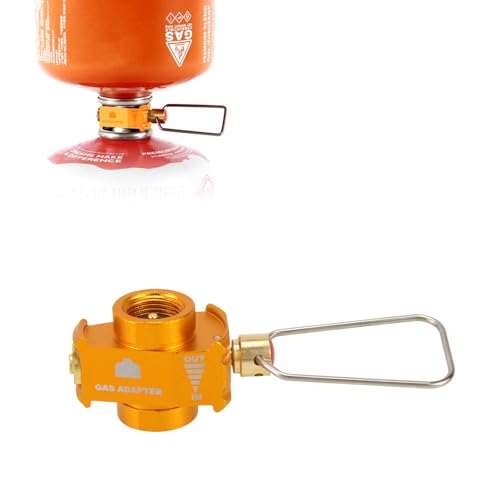
- ✓ Solid build quality
- ✓ Lightweight and foldable
- ✓ Safe refill design
- ✕ Requires careful handling
- ✕ Limited to compatible canisters
| Material | Aluminum alloy and copper construction, corrosion resistant |
| Connection Type | Isobutane EN417 Lindal Valve compatible |
| Refill Capability | Canister-to-canister gas refill using isobutane/propane adapters (V110, V220 compatibility implied) |
| Ventilation Feature | Bottom-side vent valve to reduce internal pressure during refilling |
| Weight / Portability | Lightweight and foldable design for backpacking use |
| Safety Note | Main valve must be locked before connection; use in well-ventilated outdoor area away from flames |
I’m standing in the campsite, heat haze rising from the fire pit, and I realize I’ve just connected the RULLINE canister refill adapter with a smooth click. The metal feels solid in my hand, cool to the touch, and the foldable design packs away in a tucked-pocket without adding bulk.
I twist a standard isobutane canister onto the bolt, and the vent valve hisses as the pressure settles—instant reassurance that I’ve got a safe, controlled refill ahead.
During a midday cooking session, I swap from a small canister to a larger one to keep the stove going. The connection stays tight, no wobble, no rattling.
It’s almost too easy: you line up the valves, lock the main valve, and you’re ready to transfer fuel without hunting for a second disposable canister.
The build quality feels premium for the price. Aluminum alloy and copper construction give you confidence on windy ridges and damp campsites alike.
The kit weighs almost nothing in my pack, which is a win when you’re already lugging a stove, kettle, and a few extras.
A quick note on usability: the vent valve on the bottom side reduces pressure as you refill, which helps keep the receiving canister stable during transfer. It’s smart little detail that saves you from leaks or a sudden gurgle of gas.
In real-world use, this translates to fewer fiddly moments and more time enjoying the outdoors.
Overall, it’s a practical, budget-friendly companion for backpackers who want to swap cheaper gas options without wasting time or buying multiple disposables. It’s not flashy, but it is dependable when you need to refuel safely in the middle of a long trip.
What Defines the Best Backpacking Location?
The best backpacking locations are defined by several key factors that ensure an enjoyable and safe outdoor experience.
- Scenic Beauty: The visual appeal of the landscape plays a significant role in determining a great backpacking location. Stunning views, diverse terrains, and unique natural features enhance the overall experience, making each hike memorable.
- Trail Accessibility: A good backpacking location should have trails that are easily accessible for hikers of various skill levels. This includes well-marked paths, reasonable distances, and reliable entry points, allowing both novice and experienced backpackers to enjoy the area.
- Wildlife and Flora: Rich biodiversity can greatly enhance the backpacking experience. Locations that feature unique wildlife and diverse plant life provide opportunities for observation and education, making the journey more enriching.
- Water Sources: Proximity to reliable water sources is crucial for hydration and cooking. Backpacking locations with streams, lakes, or nearby rivers ensure that hikers can replenish their supplies easily and safely.
- Weather Conditions: The climate and weather patterns of the area are vital considerations. Ideal backpacking locations typically offer favorable weather conditions that are conducive to hiking, with minimal extremes in temperature or precipitation.
- Campground Facilities: The availability of campgrounds and facilities can enhance the comfort of backpackers. Locations with established sites, restrooms, and fire pits can make for a more pleasant camping experience, especially for those new to backpacking.
- Safety and Regulations: Understanding the safety measures and regulations of a location is essential. Areas with minimal hazards, clear guidelines on wildlife interactions, and established rules help ensure a safe experience for all hikers.
- Isolation and Solitude: For many backpackers, the appeal lies in escaping the hustle and bustle of everyday life. Locations that offer a sense of seclusion allow hikers to connect with nature, providing an opportunity for introspection and peace.
Which Natural Features Enhance Backpacking Experiences?
Water sources such as rivers and lakes are crucial for survival on longer hikes, but they also add to the experience by allowing for activities like fishing, swimming, or simply enjoying the sound of flowing water. The presence of water often attracts wildlife, making it an ideal spot for observation.
Diverse flora and fauna enrich the backpacking experience by providing opportunities for nature appreciation and education. Hikers can encounter various ecosystems, each with its own unique plants and animals, making every journey distinct.
Mountain ranges present both challenges and rewards, with trails that often meander through rugged terrain and provide exhilarating climbs. The panoramic views from mountain tops are often unparalleled, creating a sense of achievement upon reaching the summit.
Unique geological formations, such as dramatic cliffs or intriguing rock structures, serve as natural landmarks that can fascinate and engage backpackers. These features often tell a story of the Earth’s history and can provide excellent photo opportunities.
Secluded campgrounds are valuable for those seeking solitude and a deeper connection with the wilderness. Finding a quiet spot to set up camp can enhance relaxation and allow for reflection amidst the beauty of nature.
Changing weather patterns can add an element of unpredictability to the hiking experience, with shifting conditions creating new challenges and enhancing the visual beauty of the landscape. Observing how weather transforms the environment can lead to memorable moments during a backpacking trip.
How Does Accessibility Impact the Suitability of a Location?
- Proximity to Transportation: Locations that are easily reachable by public transport or major roadways allow backpackers to minimize travel time and costs.
- Trail Access: The availability of well-marked trails and entrances can make a location more appealing, as it enhances the convenience of embarking on hikes without extensive navigation.
- Local Amenities: Accessibility to local resources such as food, water, and medical services can greatly affect a backpacker’s safety and comfort during their journey.
- Safety and Security: Locations that are easily accessible often have better security measures in place, reducing the risks associated with remote areas.
- Environmental Conditions: Easily accessible locations may have more predictable weather patterns, which is essential for planning safe and enjoyable backpacking trips.
Safety and security are also enhanced in accessible locations, as these areas typically have a presence of law enforcement or park rangers. This can provide peace of mind for backpackers, allowing them to focus on their adventure without undue concern about their safety.
Lastly, environmental conditions can vary significantly between easily accessible and remote locations. Accessible areas often have more predictable weather and fewer extreme conditions, making it easier for backpackers to plan their trips and prepare accordingly.
What Are the Best Regions for Backpacking Across the Globe?
The best regions for backpacking across the globe offer diverse landscapes, rich cultures, and varied experiences.
- Southeast Asia: Known for its stunning landscapes, affordability, and vibrant cultures, Southeast Asia attracts backpackers with destinations like Thailand, Vietnam, and Indonesia.
- South America: Offering breathtaking scenery, rich history, and diverse ecosystems, countries like Peru and Chile are popular for their trails and adventure activities.
- Western Europe: With its well-connected transport systems and historical sites, Western Europe provides an excellent mix of urban and rural backpacking experiences, particularly in countries like Italy, France, and Spain.
- New Zealand: Famous for its dramatic landscapes and adventure sports, New Zealand is a paradise for backpackers looking to explore its mountains, beaches, and unique wildlife.
- Eastern Africa: Known for its stunning wildlife and incredible hiking opportunities, regions like Tanzania and Kenya offer unforgettable experiences, including safaris and trekking up Mount Kilimanjaro.
- Japan: Combining ancient culture with modern conveniences, Japan offers unique backpacking experiences with its extensive rail systems and picturesque rural areas.
Southeast Asia is a backpacker’s dream, with inexpensive accommodation, street food, and a plethora of cultural experiences. The tropical climate and beautiful beaches provide an added allure, making it easy for backpackers to explore multiple countries in one trip.
South America is renowned for its natural beauty and rich history, with the Andes Mountains and the Amazon rainforest offering unparalleled adventures. Popular trails like the Inca Trail in Peru attract many backpackers seeking to experience ancient ruins and vibrant local cultures.
Western Europe stands out for its historical significance and cultural diversity, with cities like Paris and Barcelona offering a mix of art, architecture, and gastronomy. The ease of travel between countries allows backpackers to experience various cultures and landscapes within a short timeframe.
New Zealand’s stunning landscapes, featuring everything from fjords to beaches, provide a playground for outdoor enthusiasts. The country is well-equipped for backpackers, with numerous trails and activities designed for adventurers of all skill levels.
Eastern Africa is a hub for wildlife enthusiasts and adventure seekers, offering experiences like safaris and trekking. The chance to see the “Big Five” in their natural habitats while hiking through scenic landscapes makes this region particularly appealing to backpackers.
Japan offers a unique blend of traditional and modern experiences, with its efficient transportation system making it easy to explore both urban and rural areas. Backpackers can enjoy everything from ancient temples to bustling cities while navigating a fascinating cultural landscape.
Which Destinations Are Ideal for Novice Backpackers?
For novice backpackers, the following destinations are ideal for a rewarding and manageable experience:
- Thailand: Known for its stunning beaches, vibrant culture, and affordable accommodations, Thailand offers a plethora of backpacking routes, especially in areas like Chiang Mai and the islands of Koh Phi Phi.
- New Zealand: With its breathtaking landscapes and well-marked trails, New Zealand is perfect for beginners, particularly the North Island’s Tongariro Alpine Crossing and the numerous Great Walks.
- Portugal: Portugal’s mild climate and friendly locals make it an excellent choice for novice backpackers, especially along the scenic Rota Vicentina coastal trail and in cities like Lisbon and Porto.
- Costa Rica: Famous for its biodiversity and eco-tourism, Costa Rica is accessible for first-time backpackers with its established hostels and stunning national parks, such as Manuel Antonio and Arenal Volcano.
- Canada: Regions like the Canadian Rockies provide breathtaking views and a variety of hiking trails suitable for all skill levels, while towns like Banff and Jasper offer beginner-friendly facilities and resources.
- Japan: Japan combines rich culture with excellent public transportation, allowing novice backpackers to explore cities like Kyoto and Tokyo as well as scenic areas like the Kumano Kodo pilgrimage route with ease.
What Are the Must-Visit Hidden Gems for Seasoned Adventurers?
For seasoned adventurers seeking the best backpacking locations, hidden gems offer unique experiences away from the mainstream trails.
- Dragon’s Back, Hong Kong: A stunning ridge hike that offers panoramic views of the city and the South China Sea, Dragon’s Back is a lesser-known trail that combines nature with cultural experiences.
- Lost Coast Trail, California: This remote and rugged stretch of coastline in California is an unspoiled paradise for backpackers, featuring dramatic cliffs, wild beaches, and diverse wildlife.
- Torres del Paine, Chile: While not entirely hidden, the less-traveled routes in this national park lead to breathtaking views of granite peaks and glacial lakes, making it a true treasure for adventurous trekkers.
- Rondane National Park, Norway: This park is home to Norway’s first national park, offering serene landscapes, unique wildlife, and a network of trails that are perfect for those looking to immerse themselves in nature.
- Zion’s East Rim Trail, Utah: Often overshadowed by the more popular West Rim, the East Rim Trail provides stunning views of Zion Canyon and is less crowded, allowing for a more peaceful hiking experience.
Dragon’s Back is known for its accessibility and stunning views, making it perfect for those looking to experience the contrast of urban life and natural beauty. The trail is well-marked and offers various entry points, allowing adventurers to customize their hike according to skill level and time.
The Lost Coast Trail is a challenging endeavor due to its rugged terrain and isolation, but it rewards hikers with breathtaking scenery and a chance to connect with nature without distractions. The trail requires careful planning, as it is remote and lacks many facilities, making it ideal for seasoned backpackers seeking solitude.
In Torres del Paine, seasoned trekkers can explore less-frequented paths that unveil the park’s dramatic landscapes, including glaciers, lakes, and mountain ranges. The diversity of the terrain and the opportunity to witness unique flora and fauna make this a priceless experience for those willing to venture off the beaten path.
Rondane National Park offers a tranquil escape with its vast plateaus and majestic peaks, perfect for adventurers who appreciate solitude and scenic beauty. The park features trails that wind through valleys inhabited by wild reindeer, providing an authentic wilderness experience.
Zion’s East Rim Trail, with its stunning overlooks and unique geological features, allows hikers to avoid the crowds typically found on the more popular trails. This route offers a fantastic opportunity to explore the park’s beauty while enjoying a quieter and more reflective hiking experience.
What Key Factors Should You Consider When Selecting a Backpacking Spot?
When selecting the best backpacking location, consider the following key factors:
- Accessibility: Evaluate how easy it is to reach the location by car or public transport. A spot that is too remote may require extensive travel or hiking before you can start your backpacking adventure, which can be a logistical challenge.
- Weather Conditions: Look into the typical weather patterns for the time of year you plan to backpack. Understanding seasonal temperatures, precipitation, and potential natural hazards will help ensure you pack appropriately and stay safe during your trip.
- Terrain and Trail Difficulty: Assess the type of terrain and the difficulty level of the trails available. Some locations offer easy, well-marked paths suitable for beginners, while others may present challenging landscapes that require advanced skills and physical fitness.
- Wildlife and Safety: Research the wildlife in the area and any potential safety concerns, such as bears or poisonous plants. Knowledge of local fauna and flora will help you prepare adequately and avoid dangerous encounters during your backpacking experience.
- Permits and Regulations: Check if permits are required for camping or hiking in the area. Following local regulations helps preserve the environment and ensures a legal and enjoyable experience.
- Scenic Views and Natural Features: Consider the scenic beauty and unique natural features of the location, such as lakes, mountains, or waterfalls. A visually stunning environment can enhance your overall experience and provide great opportunities for photography and relaxation.
- Campsite Availability: Investigate the availability of campsites or designated camping areas. Some locations may have established sites with amenities, while others may require you to find a suitable spot, which can affect your comfort during the trip.
- Duration of Stay: Think about how long you plan to backpack and whether the location can accommodate your itinerary. Some areas may offer a variety of loop trails for short trips, while others are better suited for longer excursions.
How Does Weather Influence Your Backpacking Location Choice?
- Temperature: The temperature of a location can dictate the type of gear you need and your overall comfort level while hiking. In colder climates, you will require insulated clothing and sleeping gear, whereas warm weather may necessitate lightweight clothing and hydration strategies.
- Precipitation: The likelihood of rain or snow can influence trail conditions and safety. Wet trails can become slippery and muddy, increasing the risk of falls, while heavy snowfall may obscure trails, making navigation difficult and potentially dangerous.
- Wind Conditions: High winds can affect both the comfort level and safety of your backpacking trip. Strong winds can make temperatures feel much colder than they are, increase the risk of hypothermia, and create hazardous conditions for setting up camp or cooking.
- Seasonality: Different seasons bring unique weather patterns that can enhance or hinder the backpacking experience. Spring and fall often provide mild temperatures and beautiful scenery, while summer can bring excessive heat and winter can lead to snow-covered trails, each requiring different preparation and considerations.
- Weather Patterns: Understanding local weather patterns helps in predicting changes and planning accordingly. For example, knowing that a location typically experiences afternoon thunderstorms in the summer allows hikers to start their day early and avoid dangerous conditions.
What Cultural Elements Should You Embrace When Backpacking?
When backpacking, embracing local cultural elements can greatly enhance your experience and connection to the place. The key elements to consider are:
- Local Cuisine: Exploring traditional dishes can provide insights into the culture and history of a region. Sampling street food or dining at local restaurants allows you to taste authentic flavors and ingredients unique to the area.
- Festivals and Traditions: Participating in local festivals can offer a vibrant glimpse into the community’s heritage and customs. Engaging in traditional ceremonies or events often leads to memorable interactions with locals and a deeper understanding of their values.
- Language: Learning a few basic phrases in the local language can enhance your interactions with residents. It shows respect for their culture and can lead to more meaningful conversations and connections.
- Art and Music: Engaging with local art and music can provide a window into the region’s soul. Visiting galleries, street performances, or local music venues allows you to appreciate the creativity and expression of the culture.
- Customs and Etiquette: Familiarizing yourself with local customs and social norms is crucial to showing respect and avoiding misunderstandings. Understanding gestures, greetings, and dining etiquette can help you navigate social situations gracefully.
- Community Involvement: Getting involved in community projects or volunteering can foster a deeper connection to the area. This engagement often leads to unique experiences and friendships with local residents.
What Essential Preparations Should Be Made for a Backpacking Trip?
Essential preparations for a backpacking trip include careful planning and organization to ensure a safe and enjoyable experience.
- Research the Location: Before embarking on your trip, it’s crucial to gather information about the best backpacking location. Look into trail maps, elevation changes, and local weather conditions to avoid any surprises.
- Obtain Necessary Permits: Many popular backpacking destinations require permits for overnight stays. Ensure you check the regulations for your chosen location and secure any permits in advance to avoid fines or being turned away.
- Plan Your Itinerary: Develop a detailed itinerary that outlines your daily hiking goals, camping spots, and potential rest days. This helps in maintaining a steady pace and allows you to make necessary adjustments based on your physical condition and weather changes.
- Pack the Right Gear: Carefully select the right equipment, including a sturdy backpack, sleeping bag, tent, and cooking supplies. Ensure all gear is lightweight, durable, and suited for the conditions you’ll encounter, as this will significantly impact your comfort and safety.
- Prepare Food and Water Supplies: Plan your meals in advance and pack lightweight, non-perishable food items. Additionally, familiarize yourself with water sources along your route and consider bringing water purification methods to ensure you have access to safe drinking water.
- Check Weather Conditions: Monitor the weather forecast leading up to your trip and adjust your packing accordingly. Being prepared for unexpected weather changes, such as rain or snow, could make a significant difference in your experience and safety.
- Inform Someone of Your Plans: Always let a friend or family member know your itinerary and expected return date. This is crucial for safety, as it allows someone to notify authorities if you do not return as planned.
- Practice Leave No Trace Principles: Familiarize yourself with Leave No Trace principles to minimize your environmental impact. This includes packing out all trash, respecting wildlife, and camping at least 200 feet away from water sources to protect ecosystems.
Which Gear Is Crucial for a Successful Backpacking Adventure?
The essential gear for a successful backpacking adventure includes:
- Backpack: The backbone of any backpacking trip, a good backpack should fit comfortably and distribute weight evenly.
- Sleeping Bag: A quality sleeping bag is crucial for staying warm and comfortable during the night, and it should be rated for the temperatures expected on the trip.
- Tent: A reliable tent provides shelter from the elements and insects, and the choice between ultralight or more robust options depends on your priorities.
- Cooking System: A portable cooking system, including a stove and cookware, allows for meal preparation which is essential for maintaining energy levels during long hikes.
- Water Treatment System: Access to clean water is vital; therefore, a water filter or purification tablets are indispensable to ensure safe drinking water along the trail.
- Clothing Layers: Proper clothing layers are necessary to adapt to changing weather conditions, including moisture-wicking base layers, insulating mid-layers, and waterproof outer layers.
- Navigation Tools: A map, compass, or GPS device helps in navigating through unfamiliar terrain and is critical for keeping track of your route and location.
- First Aid Kit: A well-stocked first aid kit can address minor injuries and ailments, ensuring that you can handle unexpected situations while in the wilderness.
A good backpack should fit comfortably and distribute weight evenly, allowing for long-distance travel without excessive strain. Look for adjustable straps, a padded hip belt, and a capacity suitable for the length of your trip.
A quality sleeping bag is crucial for staying warm and comfortable during the night, and it should be rated for the temperatures expected on the trip. Consider the insulation type and weight, as these factors affect both warmth and packability.
A reliable tent provides shelter from the elements and insects, and the choice between ultralight or more robust options depends on your priorities. Ensure that the tent is easy to set up, waterproof, and adequate for the number of people in your group.
A portable cooking system, including a stove and cookware, allows for meal preparation, which is essential for maintaining energy levels during long hikes. Choose a lightweight stove that can boil water quickly and is compatible with your cookware.
Access to clean water is vital; therefore, a water filter or purification tablets are indispensable to ensure safe drinking water along the trail. This gear not only reduces the pack weight but also ensures that you can safely replenish your water supply from natural sources.
Proper clothing layers are necessary to adapt to changing weather conditions, including moisture-wicking base layers, insulating mid-layers, and waterproof outer layers. Layering allows for flexibility and comfort, helping to regulate body temperature during physical exertion.
A map, compass, or GPS device helps in navigating through unfamiliar terrain and is critical for keeping track of your route and location. Familiarizing yourself with these tools before the trip can enhance your confidence in your navigational skills.
A well-stocked first aid kit can address minor injuries and ailments, ensuring that you can handle unexpected situations while in the wilderness. Include essentials like band-aids, antiseptic wipes, and pain relievers, along with any personal medications required.
How Can You Effectively Plan an Itinerary for Your Trip?
Set a Budget: Assess how much you can spend on your trip, including transportation, lodging, food, and activity costs. Having a clear budget will help you choose destinations that fit within your financial means and avoid overspending while allowing for some flexibility in your plans.
Create a Daily Schedule: Draft a schedule that allocates time for hiking, sightseeing, and rest. While it’s important to have a plan, keeping it flexible allows for spontaneous discoveries and adjustments based on weather or personal preference.
Pack Wisely: Ensure that you bring all necessary equipment, such as a durable backpack, sleeping gear, and appropriate clothing for the climate. Packing light while including all essentials is crucial for comfort and mobility during your backpacking journey.
Stay Safe: Research safety measures specific to your chosen locations, including wildlife awareness and weather conditions. It’s also wise to have a list of emergency contacts and a map of the area to ensure you can navigate safely and seek help if needed.
Related Post: