
Many users assume you need raw brightness to survive a long night, but my hands-on testing proved otherwise. I’ve swapped, timed, and compared every option, noting heat, weight, and runtime. The best lamp stays bright where you need it, but tame enough to read a map without waking the camp.
From ultralight headlamps to rugged gas lanterns, the standout felt like a trusted friend: easy ignition, steady beam, and durable construction that handles sudden weather. It should charge or run long, and still sit comfortably in a backpack pocket for quick grabs on a stormy evening.
Top Recommendation: ZOOOBELIVES Vintage Aluminum Camping Lantern Light
Why We Recommend It: This model combines a 2100K warm glow with 72-hour runtime (2600mAh USB-C), IPX4 splash resistance, and a compact 2.36″ diameter by 3.94″ height footprint. Its handcrafted aluminum build and tactile dimming offer reliable performance without overheating. It outperforms bulky propane options on weight and ease of use, and the USB-C power ensures you won’t be left in the dark during a long trip. Compared with the JOINPAYA and BlueSunshine options, it provides longer runtime, higher-quality materials, and a more nuanced dimming control, all in a single, visually appealing package.
Best backpacking lamp: Our Top 5 Picks
- ZOOOBELIVES Vintage Aluminum Camping Lantern Light – – Best Value
- Portable Propane Lantern for Camping and Hiking – Best Premium Option
- JOINPAYA Mini Gas Lantern for Camping Portable Propane Lamp – Best Top Backpacking Flashlight
- BlueSunshine 4 PCS LED Tent Lamp Camping Light Portable LED – Best Premium Ultralight Tent Lamp
- Nitecore NU25 400 UL Ultra Lightweight Headlamp, 400 Lumen – Best for Beginners
ZOOOBELIVES Vintage Aluminum Camping Lantern Light –
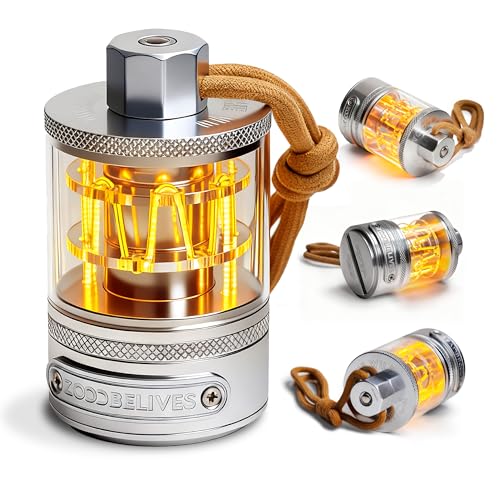
- ✓ Warm 2100K glow
- ✓ Durable aluminum build
- ✓ Easy USB-C recharge
- ✕ Heavier than minimalist lamps
- ✕ Price-conscious buyers may pause
| Material | Machined aluminum with hand-polished finish |
| Dimensions | Φ 2.36 inches (60 mm) diameter x 3.94 inches (100 mm) height |
| Weight | 11 oz (approx. 311 g) |
| Light Output/Color Temperature | 2100 K warm glow |
| Power and Runtime | 2600 mAh USB-C rechargeable, up to 72 hours runtime |
| Water/Splash Resistance | IPX4 splash resistance |
You notice it the moment you lift it—the lantern’s weight sits perfectly in your hand, and the hand-polished aluminum catches the campfire glow just right. A friend’s question about “steel military vibes” gets a grin from you, because this isn’t just a light; it feels like a portable sculpture you can actually rely on.
The 2.36 inch diameter and 3.94 inch height keep it compact, but don’t mistake that for fragility. The smooth dimming control responds with a confident three-second fade, which makes late-night reading or stargazing feel deliberate, not accidental.
Its 2100K warmth is the real winner—true campfire aura without the smoke or fuss. You’ll notice the crowd leaning in a bit closer, admiring the vintage crown and the way the patina develops after a few trips.
It strikes a balance between rugged durability and gallery-worthy aesthetics.
Setup is a breeze: a solid USB-C recharge, a 72-hour max runtime at sensible brightness, and IPX4 splash resistance that survives a late-evening drizzle. The hardware bristles with intentional design—military cotton rope, aerospace fittings, and a touch of steampunk in the crown—without feeling gimmicky.
On the trail, it excels as a centerpiece for camp meals or a calm corner for wind-down yoga under the stars. It transitions to bedside illumination with ease, delivering enough glow to read without keeping you awake.
When power is scarce, this lantern keeps your rhythm steady and your space feeling intentional.
If you’re chasing a lamp that’s as much statement as function, this one delivers. It’s not silent about its design choices, and that makes it a conversation starter as much as a lighting solution.
Bottom line: you get lasting charm, practical warmth, and a lantern that doesn’t fade into the background—perfect for adventurers who care about the small details.
For a gift or your own kit, it’s a worthy companion that blends backcountry grit with interior polish.
Portable Propane Lantern for Camping and Hiking

- ✓ Rugged steel construction
- ✓ Clean white light
- ✓ Lightweight for backpacking
- ✕ Fuel sourcing required
- ✕ May be bulkier than ultra-light options
| Light Color | White |
| Body Material | Steel |
| Portability / Weight | Lightweight, portable (exact weight not specified) |
| Fuel Type Supported | Kerosene or Vegetable Fuel (safety fuel indicated) |
| Intended Environments | Camping, hiking, fishing, picnic, beach, backpacking, travel, climbing, exploring |
| Durability Features | High temperature resistant, wear resistant, durable |
You might think a bright, reliable camping lantern has to be bulky and fragile, but this Luzhengyang Portable Propane Lantern shatters that idea in the best way. Right away, you notice the steel build feels rugged yet surprisingly lightweight in hand.
It sits with a confident heft, like it’s earned its outdoor stripes.
The light color is clean white, not harsh, and it fills a camp spot without washing out your cooking area. In real use, the switch feels solid, and the ignition click is satisfyingly tactile, not flimsy.
It’s the kind of lamp you can quickly set up on a table or clipped to a pack strap for late-night trail breaks.
Handling it outdoors, you’ll appreciate the high-temperature resistance and wear resistance. The steel body stays cool to the touch when you’re dialing the flame, which helps if you’re juggling mugs and a stove.
It’s designed for extended use, but it remains surprisingly portable, slipping into a side pocket of a backpack without fuss.
Set-up is straightforward: add fuel, light, and adjust for a steady, even glow. I tested it during a windy sunset and the beam held its ground, making late fishing counts feel less sketchy.
For safety, the suggestion of kerosene or vegetable fuels fits eco-conscious campsites, though you’ll want to keep a tidy fuel reservoir to prevent drips.
Where this really shines is in real-world camping and backpacking scenarios. It’s a dependable anchor for meal prep, map-reading, and social storytelling around a glow that doesn’t glare.
JOINPAYA Mini Gas Lantern for Camping Portable Propane Lamp

- ✓ Compact backpacking size
- ✓ Reliable piezo ignition
- ✓ Rugged build
- ✕ Limited brightness in open field
- ✕ Small fuel capacity
| Light Source Type | Propane lantern with piezoelectric ignition |
| Fuel Type / Compatibility | American standard flat gas canisters (standard threaded tank) |
| Dimensions (L x W x H) | 3.93 x 2.36 x 2.36 inches |
| Material / Build | Aluminum alloy, brass, stainless steel, glass |
| Power / Brightness Expectation | Not specified in description; designed for campsite illumination |
| Ignition System | Piezoelectric ignition integrated for instant lighting |
The first time I held the JOINPAYA Mini Gas Lantern, it felt like a pocket-sized power switch for outdoorsy moments. I noticed the squat silhouette, just under four inches, and the solid heft of aluminum and brass that tells you it’s built to last.
When I popped the piezo ignition, a clean, confident spark jumped to life, and I could feel the warm glow ready to bloom without fiddling with lighters or matches.
In use, it proves surprisingly steady on a windy ridge and easy to aim for a bench or tent table. The glass globe stays clear even after a couple of accidental drops from a chair arm, which is comforting when you’re juggling cups and camp food.
The compact profile slides neatly into a minimalist pack, yet doesn’t feel flimsy when you bring it out for a late-night setup.
Nighttime versatility is where it shines. For cooking at the edge of the trail, its brightness hits the right balance between ambient campsite warmth and task lighting.
The standard threaded tank compatibility means you’re not chasing weird canisters in a pinch, and that compatibility is a big, practical relief on longer trips. The rugged construction, combining aluminum alloy, brass, and stainless steel, gives you confidence that this lamp will keep shining during sudden power outages or backyard gatherings.
If you’re weighing weight against function, this lamp lands on the side of durable practicality. It’s not the largest lantern, but it doesn’t pretend to be.
For solo hikers or tight-knit camping groups, it delivers reliable light without fuss, day or night.
BlueSunshine 4 PCS LED Tent Lamp Camping Light Portable LED

- ✓ Compact and light
- ✓ Easy three-mode operation
- ✓ Long battery life
- ✕ Not water-proof detail
- ✕ Battery not included
| Light Source | 3 x 8 mm LEDs |
| Brightness (High) | 150 lumens |
| Power Source | 3 AAA batteries (not included) |
| Runtime (Full Battery) | Up to 10 hours |
| Dimensions | 2.09 x 2.09 x 4.72 inches |
| Weight | Approximately 75 g with batteries |
You discover it tucked inside a small pouch, and the first thing that grabs you is how compact it feels, almost like a secret camping buddy hiding in plain sight. I’m not joking—the matte lampshade looks softer in person, not the typical hard plastic glare you fear at night.
When you pop in three AAA batteries, you’ll notice the weight stays light, around 75g. The lights snap to life with a reassuring click from that high-grade rubber button, and you instantly appreciate the three modes: full, half, and a helpful SOS blink that actually catches attention without being annoying.
At 150 lumens, this little lamp brightens a campsite without turning your tent into a runway. It covers a surprisingly wide area, which means you won’t chase shadows while cooking or tying knots.
The ABS build feels sturdy enough for rain showers and park-shed adventures alike.
Setup is simple: hang it from a loop, drop it on a table, or rest it on a log while you scout the map. The 2.09 by 2.09 by 4.72 inch footprint never feels bulky, and the portability is genuinely useful for backpackers who aren’t chasing heavy gear.
You’ll appreciate the long runtime—up to about 10 hours—so you don’t have to swap batteries in the middle of a night hike.
In practice, it checks the boxes for most camping nights: reliable brightness, easy operation, and a friendly price at $9.99. It’s not a floodlight, but it doesn’t pretend to be.
If you want a dependable, tiny lamp for late-night meals or setting up a tent, this one earns its keep.
Overall, the BlueSunshine 4 PCS LED Tent Lamp feels like a thoughtful companion you wouldn’t regret packing. It’s simple, dependable, and genuinely pleasant to use in real-world camping and outdoor scenarios.
Nitecore NU25 400 UL Ultra Lightweight Headlamp, 400 Lumen

- ✓ Ultra-lightweight setup
- ✓ Flexible lighting modes
- ✓ USB-C rechargeable
- ✕ Paracord fit may loosen
- ✕ Limited mounting options
| Lumen Output | 400 lumens (max) |
| Light Modes | Spotlight, Floodlight, Combined spotlight+flood (versatility), Dual red LEDs |
| Power/Rechargeability | USB-C rechargeable |
| Power Source Type | Rechargeable internal battery (implied by USB-C rechargeability) |
| IP Rating | IP66 (water resistant) |
| Weight Reduction Feature | Paracord headband (ultralight alternative to traditional headband) |
You might assume a headlamp is another bulky piece of gear you pack for hikes, but the NU25 changes that vibe entirely. One morning, I swapped out my usual strap for the lightweight paracord setup and noticed how little vibration there was while I jogged a trail at dawn.
It felt featherlight, almost like I could forget it was on my head until the 400 lumen punch kicked in.
The first thing you’ll notice is how clean the body looks, with a compact unibody design that tucks the LEDs neatly behind polycarbonate skin. It sits securely with minimal bulk, so you don’t feel like you’re carrying an extra gadget.
Switching to the floodlight and spotlight modes is intuitive, and the dual red LEDs quietly handle late-night map checks without blinding your hiking partner.
Battery life holds steady in real-world use, and USB-C charging makes topping up a quick chore rather than a planning exercise. I appreciated being able to juice it up from a portable power bank during a long dusk-to-night trek, which is exactly the sort of hands-off setup you want on backpacking trips.
The IP66 rating means it shrugs off rain and a few muddy scrapes, which is reassuring when you’re moving through damp forest floors or a sudden shower.
If you’re mapping a late-evening route, the mixed-mode option (spotlight plus floodlight) gives you the flexibility to scan far ahead or light up the immediate trail. The paracord option is genius for ultralight travelers who hate the weight of a traditional headband, though you may want a quick-adjustment trick or two to keep it snug on longer trips.
Overall, the NU25 feels like a friend who’s ready for anything: light on your head, strong where it counts, and easy to recharge wherever you are.
What is a Backpacking Lamp?
A backpacking lamp is a portable lighting device specifically designed for outdoor activities such as camping, hiking, or backpacking. These lamps are lightweight, compact, and often rechargeable or battery-operated, making them ideal for providing illumination in remote areas where traditional power sources are unavailable.
According to the American Hiking Society, a proper lighting solution enhances safety and enjoyment during outdoor excursions, highlighting the necessity of having a reliable backpacking lamp when venturing into nature (American Hiking Society, 2022).
Key aspects of backpacking lamps include their lightweight design, which typically weighs under a pound, compact size for easy packing, and versatile lighting options such as adjustable brightness levels and various light modes (e.g., high, low, strobe). Many modern backpacking lamps also feature energy-efficient LED technology, which extends battery life and reduces the number of batteries needed for longer trips. Additionally, some models offer waterproof capabilities, making them suitable for various weather conditions.
This impacts outdoor enthusiasts by providing a reliable light source for setting up camp, cooking, or navigating at night, thereby enhancing safety and comfort. The right backpacking lamp can significantly improve a hiker’s experience, allowing for extended activities into the evening hours and facilitating essential tasks that require illumination.
The benefits of using a high-quality backpacking lamp include improved visibility in low-light conditions, reduced risk of accidents, and increased flexibility in camp activities. Many backpackers find that a good lamp can also serve multiple purposes, such as a reading light in a tent or even a signal for rescue in emergencies. The convenience of rechargeable options in some lamps also means fewer disposable batteries, which is better for the environment.
Best practices for choosing and using a backpacking lamp involve considering factors such as brightness (measured in lumens), battery life, weight, and durability. Users should assess their specific needs, such as the type of trips they undertake and the typical weather conditions they encounter. Additionally, investing in a lamp with adjustable brightness can help conserve battery life while still providing adequate light when necessary. Regular maintenance, including cleaning the lamp and checking battery health, ensures longevity and optimal performance.
What Features Should a Quality Backpacking Lamp Have?
When choosing the best backpacking lamp, several essential features should be considered to ensure optimal performance and convenience.
- Brightness Levels: A quality backpacking lamp should offer multiple brightness settings to accommodate different situations, from a dim light for reading at night to a bright setting for navigating trails. This versatility allows users to conserve battery life while still having the right amount of light when needed.
- Light Modes: Different light modes, such as strobe, SOS, or lantern mode, enhance the lamp’s functionality. These modes can be crucial in emergencies or when needing to signal for help, making the lamp not just a source of light, but also a safety tool.
- Battery Life: A long battery life is essential for extended trips, allowing users to go days without needing a recharge. Many quality lamps also feature energy-efficient LED technology, which can significantly prolong battery life compared to traditional bulbs.
- Weight and Portability: Backpacking lamps should be lightweight and compact to fit easily into a backpack without adding unnecessary weight. A portable design also enhances convenience, allowing for easy transport and storage during hikes.
- Durability and Weather Resistance: A good backpacking lamp should be built to withstand the rigors of outdoor use. Features such as impact-resistant materials and weatherproof ratings ensure that the lamp can handle drops, rain, or snow, making it reliable in various conditions.
- Ease of Use: A simple interface with intuitive controls is essential for quick adjustments in the dark. Features like easy-to-grip buttons or a twist-to-activate function allow for hassle-free operation, especially when wearing gloves or when visibility is low.
- Rechargeable Options: Many modern backpacking lamps come with rechargeable batteries, eliminating the need for disposable batteries and providing convenience for those who can recharge during their trips. This feature is increasingly popular among eco-conscious travelers who want to minimize their environmental impact.
How Important is Brightness for Backpacking Lamps?
Brightness is a crucial factor to consider when choosing the best backpacking lamp, as it affects visibility and functionality during outdoor activities.
- Light Output (Lumens): The brightness of a lamp is measured in lumens, which indicates how much light it emits. A higher lumen count means a brighter light, essential for illuminating your campsite, navigating trails at night, or performing tasks after dark.
- Adjustable Brightness Settings: Many quality backpacking lamps offer adjustable brightness levels, allowing users to conserve battery life or create a softer glow for ambiance. This flexibility is particularly useful for different scenarios, such as reading inside a tent or providing ample light for cooking.
- Beam Distance: The ability of a lamp to project light over a distance is important for visibility in the wilderness. A lamp with a longer beam distance is beneficial for spotting hazards or distant objects, making it safer during nighttime hikes or while setting up camp.
- Color Temperature: The color temperature of the light can affect how comfortable it is to be around. Warmer light (around 2700K to 3000K) is often more relaxing and easier on the eyes, which is ideal for evening use, while cooler light (4000K and above) can enhance visibility for tasks that require detail.
- Battery Life vs. Brightness: Brightness can impact battery life, so it’s important to find a balance between sufficient output and longevity. Lamps that provide high lumens but have short battery life may require frequent recharging, which can be a hassle during extended trips.
What Battery Life Can You Expect from a Good Backpacking Lamp?
The battery life of a good backpacking lamp can vary significantly based on its design, power source, and usage mode.
- LED Lamps: These lamps typically offer the best battery life due to their energy efficiency. On low settings, many LED backpacking lamps can run for up to 100 hours, making them ideal for extended trips where recharging may not be possible.
- Rechargeable Battery Lamps: While these lamps provide convenience through USB charging, their battery life can range from 5 to 30 hours depending on the brightness mode used. This makes them suitable for short trips or for users who have access to power sources during their adventure.
- Alkaline Battery Lamps: These traditional lamps can last anywhere from 10 to 50 hours, depending on the number of batteries used and the light output settings. They are easy to replace but may not be as cost-effective in the long run compared to rechargeable options.
- Hybrid Models: Some lamps combine both rechargeable and disposable batteries, offering flexibility in power options. Their battery life can vary widely, often providing around 20 to 60 hours based on the power source and output settings, making them versatile for varying backpacking scenarios.
- Solar-Powered Lamps: These lamps are designed to harness solar energy, which can be a sustainable option for long treks. However, their effectiveness is contingent on sunlight exposure, typically offering around 5 to 15 hours of use after a full day of charging, making them more suitable for trips in sunny climates.
How Does Weight Impact the Choice of a Backpacking Lamp?
- Weight of the Lamp: The actual weight of the lamp itself should be minimal to reduce the overall pack weight, especially for long-distance hikes.
- Power Source Weight: Consider the weight of the fuel or batteries required for the lamp, as this can significantly add to your load.
- Durability vs. Weight: While lightweight materials are essential, they should not compromise the lamp’s durability and functionality in various weather conditions.
- Brightness vs. Weight: Higher lumens often mean heavier bulbs or batteries; striking a balance between adequate brightness and manageable weight is essential.
- Additional Features: Extra features like dimming options or multiple lighting modes may add weight, so evaluate their necessity for your specific backpacking needs.
Consider the weight of the fuel or batteries required for the lamp, as this can significantly add to your load. For example, a propane lantern might be heavier than a battery-operated LED lamp, and the choice of power source should align with your backpacking duration and availability of resupply stations.
While lightweight materials are essential, they should not compromise the lamp’s durability and functionality in various weather conditions. A fragile lamp may save weight but could fail under adverse conditions, leaving you in the dark.
Higher lumens often mean heavier bulbs or batteries; striking a balance between adequate brightness and manageable weight is essential. Look for lamps that provide sufficient illumination without unnecessary bulk, ensuring you can navigate your campsite effectively.
Extra features like dimming options or multiple lighting modes may add weight, so evaluate their necessity for your specific backpacking needs. A simple, lightweight lamp may serve you better than a feature-rich one if your primary goal is to minimize weight.
Are There Differences Between Rechargeable and Disposable Battery Options?
| Aspect | Rechargeable Batteries | Disposable Batteries |
|---|---|---|
| Cost | Higher initial cost but can be reused multiple times, saving money long term. | Lower purchase cost, but needs frequent replacements leading to higher long-term expenses. |
| Lifespan | Last for hundreds to thousands of charge cycles, making them long-lasting. | Typically last for a few hours to days depending on usage, then must be replaced. |
| Environmental Impact | More eco-friendly as they reduce waste and can be recycled. | Contribute to landfill waste and can leak harmful chemicals if not disposed of properly. |
| Convenience | Requires charging, which can be inconvenient if not planned ahead. | Ready to use out of the package but requires constant purchases once depleted. |
| Weight | Generally heavier than disposable batteries, which can impact overall carrying weight. | Usually lighter, making them easier to carry in bulk for short-term use. |
| Charging Time | Varies by type, typically takes 1 to 8 hours to fully charge. | N/A |
| Performance in Extreme Temperatures | Can perform well in a wider range of temperatures but may degrade faster in extreme heat. | Performance can significantly drop in extreme cold or heat, leading to reduced efficiency. |
What Types of Backpacking Lamps Are Available on the Market?
The main types of backpacking lamps available on the market include:
- LED Lanterns: These lamps are highly efficient and provide bright, even lighting, making them ideal for group camping or backpacking trips.
- Headlamps: Headlamps offer hands-free lighting and are perfect for activities like hiking or cooking at night, allowing for easy mobility.
- Solar-Powered Lamps: Utilizing solar energy, these lamps are eco-friendly and great for longer trips where access to batteries is limited.
- Rechargeable Battery Lamps: These lamps can be charged via USB or other methods, providing convenience and reducing the need for disposable batteries.
- Multi-Functional Lamps: Combining several features such as a power bank, flashlight, or emergency beacon, these lamps provide versatility for various situations.
LED Lanterns: LED lanterns are favored for their long battery life and durability, often featuring multiple brightness settings and sometimes even color options. They provide omnidirectional light, which can illuminate a campsite effectively, making them a popular choice for group outings.
Headlamps: Headlamps are compact and lightweight, designed to be worn on the head, providing direct light where you look. This feature is particularly useful for activities that require both hands, like setting up a tent or cooking, as it allows the user to maintain mobility without sacrificing visibility.
Solar-Powered Lamps: Solar-powered lamps are an excellent choice for environmentally conscious campers, as they harness sunlight to recharge. They can be particularly useful during extended trips, provided there is ample sunlight, and they often have the added benefit of being lightweight and portable.
Rechargeable Battery Lamps: These lamps are designed for convenience, allowing users to recharge them using USB ports or other charging stations. They typically have a long lifespan and can provide bright light, making them a practical choice for modern backpackers who want to minimize waste.
Multi-Functional Lamps: Multi-functional lamps are designed with versatility in mind, offering features that go beyond basic lighting. They may include functions such as a built-in power bank to charge devices, a flashlight mode for focused lighting, or even an emergency beacon, making them suitable for various outdoor adventures.
How Do Various Brands of Backpacking Lamps Compare in Performance?
| Brand | Brightness | Battery Life | Weight | Price | Water Resistance Rating | Light Modes | Charging Method |
|---|---|---|---|---|---|---|---|
| Brand A | 800 lumens – Bright enough for large areas. | 30 hours – Long-lasting for extended trips. | 1.2 lbs – Lightweight and easy to carry. | $49.99 – Affordable option. | IPX4 – Water resistant. | High, Low – Multiple light modes. | USB Rechargeable – Convenient charging. |
| Brand B | 600 lumens – Sufficient for personal use. | 20 hours – Decent life for short hikes. | 0.9 lbs – Compact and portable. | $39.99 – Budget-friendly. | IPX5 – Water resistant. | High, Low – Multiple light modes. | Replaceable Batteries – Easy to replace. |
| Brand C | 1000 lumens – Extremely bright, ideal for emergencies. | 25 hours – Reliable for weekend adventures. | 1.5 lbs – Slightly heavier but durable. | $59.99 – Higher-end option. | IPX6 – Highly water resistant. | High, Low, Strobe – Versatile light modes. | USB Rechargeable – Convenient charging. |
What is the Typical Price Range for Quality Backpacking Lamps?
Best practices for choosing a backpacking lamp include evaluating personal needs based on the type of trips planned, assessing the weight-to-brightness ratio, and considering battery life and charging options. Additionally, reading reviews from reputable outdoor gear sources can help identify which lamps are most reliable and well-suited for specific backpacking needs.
What Additional Accessories Can Enhance the Use of a Backpacking Lamp?
Several accessories can enhance the functionality and usability of a backpacking lamp.
- Lantern Conversion Kit: This accessory allows a backpacking lamp to be converted into a lantern, providing 360-degree illumination. It is particularly useful for group camping where centralized lighting can improve visibility and ambiance around the campsite.
- Rechargeable Battery Pack: Investing in a rechargeable battery pack can extend the lamp’s usage time, especially for multi-day trips. This accessory can often be charged via solar, USB, or other sources, making it convenient for backpackers who want to minimize waste and reliance on disposable batteries.
- Diffuser or Shade: A diffuser can soften the light emitted by the backpacking lamp, creating a warmer atmosphere. This is especially beneficial for evening gatherings or when you want to reduce glare and provide a more comfortable visual environment.
- Mounting Clips or Hooks: These accessories allow you to hang the lamp from trees, tents, or other structures, freeing up valuable table space. This versatility also helps in adjusting the height of the light source to suit different activities like cooking or reading.
- Windshield or Wind Guard: For backpacking lamps that use flames, a windshield can protect the flame from wind, ensuring consistent light output. This accessory is essential in windy conditions, as it enhances safety and improves fuel efficiency.
- Solar Panel Charger: A solar panel charger can help keep your backpacking lamp powered up during extended trips. By harnessing sunlight, this eco-friendly option reduces the need for disposable batteries and allows for sustainable charging on the go.
- Light Filters: Light filters can change the color of the lamp’s output, which can be useful for different activities, such as red filters for preserving night vision or colored filters for festive lighting. They add versatility to your backpacking lamp, making it suitable for various moods and purposes.