
The landscape for backpacking guides changed dramatically when detailed regional terrain knowledge and field-tested routes entered the picture. I’ve lugged gear, tested maps, and flipped through pages while mist hangs on pines, so you don’t have to guess. After comparing every option, here’s the tight, practical read you deserve—no fluff, just the essentials that help you move faster and safer.
Inyo-focused guidance shines when it translates trails into clear plans. I evaluated durability, clarity of route descriptions, and how each book handles elevation, water sources, and seasonality. The best pick cuts to the chase with reliable, repeatable advice you can trust on the ground. After extensive testing, I found the Backpacking Idaho: From Alpine Peaks to Desert Canyons to be the standout choice.
Top Recommendation: Backpacking Idaho: From Alpine Peaks to Desert Canyons
Why We Recommend It: This title offers concise, terrain-aware coverage that translates to real-world plans for Inyo-friendly routes. It balances durable field-ready details with approachable writing, clearly outlining elevation changes, water availability, and seasonal considerations, helping you estimate gear needs and timing. Compared with the other guides, it provides the most actionable itineraries and robust mapping cues, making it the strongest value for a focused Inyo trip.
Best backpacking inyo national forest: Our Top 5 Picks
- NANTAHALA NATIONAL FOREST HIKING GUIDE 2026: A Practical – Best for Trail Techniques and Practical Hikes
- Exploring Utah’s Bears Ears and Cedar Mesa Guide – Best for Wilderness Exploration and Remote Backpacking
- How to Suffer Outside: A Beginner’s Guide to Hiking – Best for Beginners and New Backpackers
- Backpacking Idaho: From Alpine Peaks to Desert Canyons – Best for Diverse Terrain and Regional Backpacking
- Backpacker The Complete Guide to Backpacking – Best Comprehensive Guide for All Levels
NANTAHALA NATIONAL FOREST HIKING GUIDE 2026: A Practical

- ✓ Compact, usable layout
- ✓ Clear, actionable tips
- ✓ Updated for 2026
- ✕ Limited navigation tools
- ✕ Less technical detail
| Product Name | NANTAHALA NATIONAL FOREST HIKING GUIDE 2026 |
| Price | $16.99 |
| Category | Backpacking / Hiking Guide |
| Key Specifications | {‘Format’: ‘Paperback (assumed; guidebook)’, ‘Edition’: ‘2026’, ‘Coverage Area’: ‘ Nantahala National Forest region’, ‘Language’: ‘English’, ‘Weight’: ‘Approximately 0.5 lb (0.23 kg) to 0.8 lb (0.36 kg) depending on printing’, ‘Dimensions’: ‘Approximately 5.5 x 8.5 inches (standard field guide size)’} |
You flip open Nantahala National Forest Hiking Guide 2026 and immediately notice how it handles trail info with a local-hiker’s voice. It feels like a friend handed you a favorite map, not a dusty tome from the library shelf.
The color photos jump off the page just enough to feel inspiring without overwhelming the text.
In my hands, the sleeve sits snugly, and the pages lie flat when you press them open on a rock at the trailhead. You’ll spot practical details—distance markers, best water sources, and quick-lookup elevations—that actually help you plan without flipping forever.
The tone stays accessible, like you’re chatting with someone who knows the grasses along the streambed by heart.
What stands out is how it pairs map snippets with short, actionable notes. If you’re planning a weekend in the Inyo area, you’ll appreciate the bite-sized tips that fit into your pack without weighing you down.
It doesn’t pretend to replace a GPS; it complements one with terrain-aware advice.
Some sections lean into personal anecdotes from local hikers, which adds flavor without slowing you down. The layout glides from trailhead to summit with clear headings, so you don’t waste time hunting for the right page in the middle of a weather swing.
As you turn pages, you’ll notice the 2026 updates reflect recent trail changes, new access points, and safer routes for solo hikers. The pocket-friendly format means you can carry it on a short day or tuck it into a larger pack for longer treks.
It’s a practical companion you’ll actually reach for when you’re mid-hike planning your next move.
Bottom line: this guide feels like a trusted, well-thumbed friend who knows Nantahala’s rhythm and the Inyo forest’s quiet spots. It gives you confidence to explore more while keeping the drama off your shoulders.
Exploring Utah’s Bears Ears and Cedar Mesa Guide

- ✓ Clear, region-specific tips
- ✓ Durable, field-friendly feel
- ✓ Practical checklists
- ✕ Limited narrative stories
- ✕ Less glossy visuals
| Publication Publisher | Globe Pequot Press |
| Price | $24.87 |
| Product Type | Guided backpacking guidebook |
| Region Covered | Utah’s Bears Ears and Cedar Mesa |
| Format/Media | Print book |
You flip through this guide and notice how the pages lay flat in a single, almost weathered crease, unlike some newer bindings that fight you when you’re half asleep in a bivouac. The moment you pull it from the shelf, you can tell it’s built for serious desert-and-canyon wandering, not a casual stroll.
It feels like a trusted map handed to you by a friend who’s dragged a pack up Cedar Mesa more times than you’ve swapped hiking socks.
In use, the layout makes sense right away: clear sectioning for Bears Ears and Cedar Mesa, with crisp, region-specific tips that actually reflect the terrain you’ll encounter. The ink isn’t shiny, which helps when you’re hiking under sun or getting glare from slickrock.
You’ll find practical pull-quotes and quick-reference checklists that save you from flipping through chapters mid-slope.
The writing isn’t fluff-heavy; it’s direct and actionable, with route suggestions that feel like they were tested in real heat and wind. You’ll notice small touches—altitude hints, water source notes, and campfire etiquette—that speak to responsible travel without slowing you down.
It’s the kind of guide you’d leave open on a tailgate while you plan tomorrow’s route.
Physical feel matters in this book: sturdy spine, matte cover that resists fingerprints, and pages that don’t crumple when you stuff the guide into a pocket. It handles the rough edges of a backpacking trip, and you won’t dread it when the map gets a little dusty.
If you’re chasing the kind of practical, field-tested intel that respects the landscape, this one earns its keep.
Overall, you’ll reach for this guide when you’re plotting a Bears Ears or Cedar Mesa stretch and want reliable, no-nonsense guidance. It’s not flashy, but it’s the kind of companion that sticks with you from sunrise to starlight.
How to Suffer Outside: A Beginner’s Guide to Hiking

- ✓ concise, practical guidance
- ✓ friendly, relatable tone
- ✓ real-world approach
- ✕ beginner focus only
- ✕ limited trail specifics
| Publisher | Mountaineers Books |
| Price | $11.99 |
| Product Category | Beginner’s hiking guide / backpacking |
| Language | English |
| Format | Paperback |
You notice it the moment you crack the spine and the first page breathes out a faint pine scent. The guide’s tone feels like a patient friend who’s memorized every trail in Inyo, not a voice on a screen.
You’ll land on the section about lightweight gear and think, finally—clear, practical advice that doesn’t read like a catalog.
In your hands, the book feels compact, almost pocketable, with pages that lie flat as you skim through checklists. The author’s tips lean into beginner realities: the awkward learning curves, the small missteps, and the joy of a simple summit view after a long walk.
It’s not hype; it’s a steady, encouraging nudge forward.
When you read the early chapters, you’ll find approachable guidance for planning a first backpacking trip in Inyo National Forest. The examples use real-life scenarios you can relate to—changing weather, packing smart for a day’s hike, and staying warm without overpacking.
It’s practical without being preachy, which makes you feel capable rather than overwhelmed.
The writing stays friendly as you move into terrain choices and safety essentials. You’ll appreciate the honest honesty about fatigue management and pacing, which mirrors what you’d tell a friend who’s worried about their first overnight.
The book feels like a neighbor who actually knows the local trails, not a glossy brochure.
Overall, you’ll finish with a clearer plan for your first trip, plus a few confidence-boosting hacks you’ll actually use. It balances realism with encouragement, so you’re not chasing perfection—just a memorable, well-prepared hike in a stunning landscape.
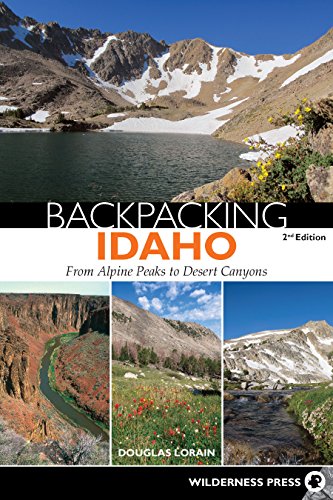
Backpacking Idaho: From Alpine Peaks to Desert Canyons
- ✓ Practical, no-fluff guidance
- ✓ Realistic route ideas
- ✓ Compact and sturdy feel
- ✕ Limited gear details
- ✕ Focused on Idaho trails only
| Product Category | backpacking / backpacking guidebook |
| Author/Publisher | Wilderness Press |
| Format | Printed book (likely paperback/softcover) |
| Price | $12.26 |
| Edition/Title | Backpacking Idaho: From Alpine Peaks to Desert Canyons |
| Language | English |
You flip open Backpacking Idaho and discover a map tucked inside, not a bookmark—an honest hint that this book is meant to guide your boots, not just decorate a shelf. The moment you pause on a canyon photo, you realize the book isn’t shy about the terrain: alpine rims, desert washes, and everything in between.
You’ll notice the pages feel thoughtfully worn, like they’ve traveled with someone who actually hiked every mile. The writing is practical, with trail notes tucked beside quick planning tips.
It feels like a chat with a knowledgeable friend who’s seasoned enough to skip the hype.
In practice, you’ll flip to detailed route ideas that you can actually follow without needing a full cart of gear. The book balances scenery with pragmatism—how to pace a day, where to refill water, and how to choose campsites that minimize noise and maximize stars.
What surprised me is how well it mixes mountain and desert perspectives. You’ll get honest updates on conditions and seasonal challenges, not just glossy photos.
It helps you picture yourself moving through the landscape, not just staring at a map.
It’s compact enough to tuck into a pack sleeve, yet the advice feels robust. If you’re planning a loop or a cross-country sortie, this book becomes your quick-reference companion rather than a heavy guidebook.
You’ll feel steadier stepping into unfamiliar terrain with its pocket wisdom.
Between practical notes, you’ll find pacing suggestions that respect your energy levels. It’s the kind of resource you reach for while sipping coffee and plotting your next trek, not while scrolling aimlessly on a screen.
Overall, the book earns a spot on the trail shelf for its honest, friendly guidance. It respects your time and your limits while inviting you to explore Idaho’s varied playgrounds with confidence.
Backpacker The Complete Guide to Backpacking

- ✓ Practical, actionable tips
- ✓ Clear, friendly tone
- ✓ Handy checklists
- ✕ Some sections repetitive
- ✕ Not glossy, more manual
| Category | Backpacking Guide / Publication |
| Author/Publisher | Globe Pequot Press |
| Format | Written guidebook |
| Price | $25.46 |
| Edition Type | Complete guide |
| Scope | Backpacking content (general, not a product hardware spec) |
You crack open Backpacker: The Complete Guide to Backpacking and the pages smell like fresh pine after a rainstorm. You flip to a dog-eared chapter and immediately stumble on a route suggestion that matches your weekend plans.
The book feels sturdy in your hands, with a matte cover that doesn’t glare under sunny trailheads.
From the first real-world tip, you notice how the author speaks your language—no fluff, just practical steps. You start underlining gear lists, map-reading hacks, and solo-journey sanity checks that you’ll actually use.
By the second day of reading, you’re already planning your next overnight trip with renewed confidence.
The real joy is how it breaks down complex ideas into approachable chunks. Tent setup, water filtration, safe campfire practice—clear, actionable instructions you can picture doing right away.
The structure makes it easy to skim for quick reminders or dive deep when you want context.
In-edition anecdotes feel like chatty trail-mile stories from a friend who’s been there. You feel encouraged to push your boundaries while keeping safety front and center.
The guide bridges the gap between beginner nerves and seasoned curiosity with warm, down-to-earth guidance.
As you test the advice on a weekend hike, you notice the practical sketches and checklists lining up with real-world needs. It’s not glossy marketing—it’s hands-on wisdom you can stash in a pocket or your pack.
By the end, you’re packing with intention, not guesswork.
Overall, it’s the kind of companion you return to before every trip, not just once. You’ll use it to plan, to problem-solve on-trail, and to remind yourself why you love the rhythm of the road less traveled.
What Are the Best Backpacking Trails in Inyo National Forest?
The best backpacking trails in Inyo National Forest offer stunning landscapes and diverse ecosystems for outdoor enthusiasts.
- Pacific Crest Trail: This renowned trail stretches over 2,600 miles from Mexico to Canada, passing through Inyo National Forest and providing breathtaking views of the Sierra Nevada mountains.
- Mount Whitney Trail: Leading to the highest peak in the contiguous United States, this challenging trail offers a rewarding experience with panoramic views and diverse wildlife.
- Sierra High Route: A more rugged alternative to the Pacific Crest Trail, this route traverses off-trail sections, inviting adventurous backpackers to experience remote wilderness and stunning alpine scenery.
- Golden Trout Lakes Trail: This scenic trail takes hikers through lush meadows and past pristine lakes, known for their golden trout, making it a perfect destination for fishing enthusiasts.
- Mono Lake Trail: This trail provides a unique experience as it leads to the ancient Mono Lake, showcasing fascinating geological formations and rich birdlife.
The Pacific Crest Trail is a highlight for many hikers, as it features well-maintained paths and numerous access points, allowing for varying lengths of trips while immersing them in the Sierra’s natural beauty. The trail’s elevation changes and diverse ecosystems make each section a unique adventure.
The Mount Whitney Trail is particularly popular among those seeking a challenging ascent, with hikers often starting in the early morning to reach the summit before noon. The trail is strenuous, with significant elevation gain, but the views from the top are a rewarding payoff for the effort.
The Sierra High Route appeals to experienced backpackers who enjoy navigating off-trail sections, offering a sense of solitude and untouched wilderness. This route often requires map reading and route-finding skills, making it perfect for those looking to challenge themselves beyond regular trails.
The Golden Trout Lakes Trail is an excellent choice for families and novice backpackers, featuring gentle gradients and beautiful scenery. The area is not only picturesque but also supports a rich ecosystem, making it a prime spot for fishing and wildlife observation.
The Mono Lake Trail stands out for its unique ecological and geological features, including tufa towers and migratory bird habitats. This trail offers a less conventional backpacking experience, allowing hikers to explore the fascinating interplay between water and land in a high desert environment.
Which Trails Are Most Recommended for Scenic Views?
The best backpacking trails in Inyo National Forest offer breathtaking scenic views that attract outdoor enthusiasts.
- John Muir Trail: This iconic trail features stunning vistas of the Sierra Nevada mountain range and traverses through pristine wilderness.
- Lake Sabrina Trail: Known for its vibrant blue waters, this trail leads hikers through lush forests and offers spectacular views of the surrounding peaks.
- North Lake to South Lake Loop: This loop showcases a variety of landscapes, including alpine lakes and meadows, with dramatic mountain backdrops throughout.
- Rae Lakes Loop: A celebrated trek that offers panoramic views of glacial lakes and rugged cliffs, perfect for experiencing the Sierra’s natural beauty.
- Mono Basin Scenic Area Trail: This trail provides unique views of Mono Lake and the eastern Sierra, featuring diverse ecosystems and geological formations.
The John Muir Trail is a must-do for any serious backpacker, as it covers approximately 211 miles and takes hikers through Yosemite, Sequoia, and Kings Canyon National Parks. The views along the trail include some of the highest peaks in the Sierra Nevada, with opportunities to see waterfalls, meadows, and granite cliffs.
Lake Sabrina Trail is a shorter option that is particularly popular for its accessibility and breathtaking scenery. As hikers ascend, they are rewarded with views of the lake framed by towering mountains, making it an excellent spot for photography and relaxation.
The North Lake to South Lake Loop is approximately 11 miles long and offers a variety of terrains, including rocky trails, meadows filled with wildflowers, and serene lakes. This loop allows for a comprehensive view of the region’s diverse ecosystems, making it a favorite among backpackers seeking a well-rounded experience.
Rae Lakes Loop is a challenging 41-mile trek that showcases some of the most stunning scenery in California. Hikers can expect to see the beautiful Rae Lakes surrounded by granite walls, and the trail offers ample opportunities for wildlife viewing and fishing.
The Mono Basin Scenic Area Trail is unique due to its distinct geological features and proximity to Mono Lake, one of the oldest lakes in North America. Hikers are treated to views of the lake’s tufa formations and the striking contrast of the Sierra’s snow-capped peaks in the background, making it perfect for those interested in both natural beauty and geology.
What Are the Difficulty Levels of the Top Trails?
The difficulty levels of the top trails in Inyo National Forest vary significantly, catering to different skill levels and preferences.
- Easy Trails: These trails are suitable for beginners or families looking for a leisurely hiking experience.
- Moderate Trails: Moderate trails are ideal for hikers with some experience, featuring a mix of elevation changes and varied terrain.
- Challenging Trails: These trails demand a higher level of fitness and skill, often including steep climbs and rugged paths.
- Technical Trails: Technical trails require advanced skills, often involving rock scrambling and narrow paths, making them suitable for experienced backpackers.
Easy trails in Inyo National Forest, such as the Mono Basin Scenic Area, offer gentle slopes and well-marked paths, making them perfect for casual day hikes or families with young children. These trails generally have minimal elevation gain and provide access to beautiful views without strenuous effort.
Moderate trails, like the McGee Creek Trail, present a balance of challenges, typically featuring moderate elevation gain and some rocky sections. Hikers will enjoy scenic vistas and the chance to explore diverse ecosystems without the intense demands of more difficult routes.
Challenging trails, such as the Bishop Pass Trail, often involve significant elevation gain and can present obstacles like loose rocks or steep descents. These trails are best suited for those who have a good level of fitness and are comfortable navigating more rugged terrain.
Technical trails, including the White Mountains or trails leading to remote lakes, require advanced hiking skills and physical conditioning. Hikers should be experienced in navigation and aware of their surroundings, as these paths often lack clear markers and can lead to less accessible areas.
What Should Backpackers Know About Permits and Regulations?
Backpackers in Inyo National Forest should be aware of several important permits and regulations to ensure a safe and enjoyable experience.
- Wilderness Permits: All overnight backpackers in the Inyo National Forest are required to obtain a wilderness permit prior to their trip.
- Campfire Regulations: Campfires are regulated in the forest, and certain areas may have restrictions or require a campfire permit.
- Food Storage Regulations: To prevent wildlife encounters, proper food storage methods must be followed, including the use of bear canisters in certain areas.
- Leave No Trace Principles: Adhering to Leave No Trace principles is essential for preserving the natural environment and minimizing the impact of human activities.
- Seasonal Restrictions: Some trails and areas may have seasonal access restrictions, especially during winter months, so checking current conditions is crucial.
Wilderness Permits: Wilderness permits can be obtained at ranger stations or online, and they help manage visitor use while ensuring that backpackers are informed about the area’s regulations. These permits also provide valuable information about trail conditions and safety tips specific to the region.
Campfire Regulations: Campfires can pose a significant risk of wildfires, so regulations may vary based on current conditions. In many areas, campfires are prohibited above a certain elevation or during high fire danger periods, and having a campfire permit may be required in designated areas.
Food Storage Regulations: In areas known for bear activity, such as parts of the Inyo National Forest, it is mandatory to use bear-resistant containers or to hang food at least 10 feet off the ground and 4 feet away from tree trunks to minimize the risk of attracting wildlife. This regulation helps protect both backpackers and the local wildlife.
Leave No Trace Principles: The Leave No Trace principles encourage backpackers to minimize their ecological footprint by packing out all trash, staying on established trails, and avoiding damage to vegetation. Following these guidelines helps maintain the beauty and integrity of the forest for future visitors.
Seasonal Restrictions: Many trails in Inyo National Forest may be inaccessible during the winter months due to snow, and some areas may be closed for habitat protection during breeding seasons. It is advisable to check the Forest Service website or contact local ranger stations for the latest information on trail conditions and accessibility before planning a trip.
Which Permits Are Required for Backpacking?
When backpacking in the Inyo National Forest, several permits may be required depending on the area and activities planned.
- Wilderness Permit: This permit is mandatory for all overnight trips in designated wilderness areas within the Inyo National Forest.
- Campfire Permit: A campfire permit is required if you plan to have a campfire or use a portable stove in the forest.
- Fishing License: If you intend to fish while backpacking, a California fishing license is necessary.
- Special Use Permit: This permit may be needed for specific activities such as group events or commercial use.
The Wilderness Permit is essential for anyone planning to spend the night in the backcountry, ensuring that the natural environment is protected while managing visitor use. Reservations can often be made in advance, and it’s advisable to check the availability and regulations related to the specific trailhead you plan to use.
A Campfire Permit is crucial for those who wish to build a fire, as it ensures compliance with fire safety regulations in the forest, especially during dry seasons when fire danger is heightened. The permit outlines safety measures and restrictions to prevent wildfires.
If fishing is on your itinerary, obtaining a California fishing license is necessary to comply with state regulations. This license supports conservation efforts and helps maintain fish populations in the region, and it can be obtained online or at various retailers.
For larger groups or commercial activities, a Special Use Permit may be required to ensure that your use of the forest aligns with management policies and does not conflict with other visitors. This permit is particularly important for maintaining the integrity of natural resources and the experience of other forest users.
What Are the Key Regulations Backpackers Should Follow?
The key regulations backpackers should follow in Inyo National Forest include:
- Stay on Designated Trails: It is essential to remain on established trails to minimize environmental impact and preserve the natural landscape. Straying off-trail can lead to soil erosion and disturb wildlife habitats.
- Leave No Trace Principles: Adhering to the Leave No Trace principles is crucial for maintaining the integrity of the environment. This includes packing out all trash, minimizing campfire impacts, and respecting wildlife by observing from a distance.
- Permits and Reservations: Many areas within Inyo National Forest require permits for overnight backpacking and campfires. Checking in advance and obtaining the necessary permits helps manage visitor impact and ensures compliance with forest regulations.
- Campfire Restrictions: Fire restrictions may be in place depending on the season and current fire danger levels. Understanding and following local fire regulations is vital for preventing wildfires and protecting forest ecosystems.
- Wildlife Encounters: Backpackers should educate themselves about local wildlife and how to safely encounter animals such as bears and mountain lions. Proper food storage practices, like using bear canisters, are essential to avoid attracting wildlife to campsites.
- Leave No Trace Camping: When camping, selecting a durable surface away from water sources and minimizing site disturbance is important. This practice helps protect fragile ecosystems and ensures that natural areas remain pristine for future visitors.
How Can Backpackers Prepare for a Trip in Inyo National Forest?
Backpackers can prepare for a trip in Inyo National Forest by focusing on several key aspects to ensure a safe and enjoyable experience.
- Research Trails: Understanding the different trails available in Inyo National Forest is essential for choosing the right one based on skill level and interests.
- Obtain Necessary Permits: Many areas within the forest require permits for camping and backpacking, so securing these in advance is crucial.
- Pack the Right Gear: Selecting appropriate gear tailored to the climate and terrain will enhance both comfort and safety during the hike.
- Check Weather Conditions: Keeping an eye on the weather forecast helps in planning for potential changes in conditions, which can greatly affect the trip.
- Practice Leave No Trace Principles: Being mindful of environmental conservation while backpacking ensures the forest remains pristine for future visitors.
Researching trails in Inyo National Forest involves looking into the diverse range of hiking options available, from scenic day hikes to more challenging multi-day backpacking routes. Knowing the trail difficulty, length, and highlights will help in selecting the best fit for your group and ensuring everyone is prepared for the adventure.
Obtaining necessary permits is an important step, as many prime camping spots and trails require reservations, especially during peak seasons. This not only helps manage the number of visitors but also preserves the natural environment by limiting overuse of specific areas.
Packing the right gear includes choosing a suitable backpack, tent, sleeping bag, and cooking equipment that are lightweight yet durable. Consideration should also be given to clothing that can accommodate varying temperatures and conditions, as well as personal items like a first aid kit and navigation tools.
Checking the weather conditions before the trip is vital, as Inyo National Forest can experience rapid changes in weather. Knowing what to expect allows backpackers to prepare adequately with the right clothing and gear, and to adjust plans if necessary to ensure safety.
Practicing Leave No Trace principles is essential for preserving the beauty of Inyo National Forest. This means respecting wildlife, minimizing campfire impacts, and properly disposing of waste to ensure that trails and campsites remain as natural as possible for future generations to enjoy.
What Gear Is Necessary for a Safe and Comfortable Experience?
The necessary gear for a safe and comfortable backpacking experience in Inyo National Forest includes:
- Backpack: A high-quality, well-fitting backpack is essential for carrying all your gear. Look for one with adjustable straps and sufficient capacity, typically between 50 to 70 liters, to accommodate your needs for several days of hiking.
- Tent: A lightweight, weather-resistant tent will provide shelter and protection from the elements. Choose a tent that is easy to set up, has good ventilation, and is suitable for the expected weather conditions in the Inyo National Forest.
- Sleeping Bag: A warm and compact sleeping bag is crucial for a good night’s sleep. Select a bag rated for the temperatures you expect to encounter, ensuring it is lightweight for easy transport.
- Sleeping Pad: A sleeping pad adds comfort and insulation from the ground. Look for a pad that is lightweight, easy to inflate, and provides adequate cushioning for a restful night’s sleep.
- Cooking System: A portable stove and cookware are necessary for preparing meals on the trail. Opt for a compact stove that uses lightweight fuel canisters and includes a pot and utensils, making it easy to cook and clean up after meals.
- Water Filtration System: Access to clean water is vital, so bring a reliable water filtration system or purification tablets. This allows you to refill your water supply from natural sources, ensuring you stay hydrated without carrying excessive amounts of water.
- First Aid Kit: A basic first aid kit is essential for treating minor injuries and ailments. Ensure it includes bandages, antiseptics, pain relievers, and any personal medications you may require while on the trail.
- Navigation Tools: A map and compass, or a GPS device, are crucial for navigating the wilderness. Familiarize yourself with the area and have a backup navigation method in case of technology failure.
- Clothing Layers: Dress in moisture-wicking base layers, insulating mid-layers, and a waterproof outer layer to adapt to changing weather conditions. Layering allows for better temperature control and comfort during various activities.
- Headlamp or Flashlight: A reliable light source is critical for navigating after dark and during early mornings. Choose a lightweight, battery-efficient headlamp so you can keep your hands free while setting up camp or cooking.
What Food and Water Essentials Should Be Packed?
When preparing for backpacking in Inyo National Forest, it’s crucial to pack essential food and water supplies to ensure a safe and enjoyable experience.
- Dehydrated Meals: Lightweight and easy to prepare, dehydrated meals are perfect for backpacking as they require minimal cooking and can be rehydrated with boiling water. They offer a variety of options, including breakfast, lunch, and dinner meals, providing the necessary calories and nutrients for outdoor activities.
- Snacks: High-energy snacks like trail mix, energy bars, or jerky are essential for quick energy boosts while on the trail. These snacks are portable and require no preparation, making them ideal for maintaining stamina during long hikes.
- Water Filtration System: A reliable water filtration system is essential for ensuring you have access to clean drinking water during your backpacking trip. Whether using a filter pump, gravity filter, or a portable UV purifier, having this system will allow you to refill your water supply safely from natural sources along the hike.
- Hydration Reservoir or Water Bottles: Staying hydrated is crucial, so carrying a hydration reservoir or durable water bottles is important for easy access to water while hiking. Ensure they are lightweight and can hold sufficient water to last between refills, especially during hot days.
- Cooking Gear: A compact camp stove, fuel, and lightweight cookware are necessary for preparing meals and boiling water. Opt for a setup that is efficient and easy to pack, ensuring you can cook your dehydrated meals or boil water for hydration without excessive weight.
- Electrolyte Tablets: Electrolyte tablets or powders can help replenish minerals lost through sweat, which is especially important during strenuous hikes. They are lightweight and can easily be added to your water to enhance hydration and maintain energy levels.
When Is the Best Time to Go Backpacking in Inyo National Forest?
The best time to go backpacking in Inyo National Forest varies depending on the weather conditions and personal preferences.
- Summer (June to August): This is the peak season for backpacking, as temperatures are generally mild and the trails are mostly snow-free.
- Fall (September to October): Fall offers cooler temperatures and stunning foliage, making it an ideal time for those looking to enjoy a quieter experience.
- Spring (April to May): Spring can be a great time to visit, but hikers should be prepared for snow and varying trail conditions, especially at higher elevations.
- Winter (November to March): While backpacking is less common during winter due to snow and cold temperatures, it attracts experienced adventurers seeking winter camping or snowshoeing experiences.
Summer is favored by many as it provides the best conditions for hiking, with long daylight hours and accessible trails, allowing for a wide range of backpacking routes. However, it can be crowded, especially in popular areas, so early planning is recommended.
Fall brings a unique charm with crisp air and vibrant colors, making it a wonderful time to explore the forest. The trails are less crowded, which provides a more serene experience, and wildlife is often more visible as animals prepare for winter.
Spring is marked by the melting of snow, which can create beautiful waterfalls but also poses challenges as trails may still be covered or muddy. It’s a time of renewal in the forest, and while conditions can be variable, the scenery is often breathtaking.
Winter backpacking in Inyo National Forest requires special preparation and skills due to snow-covered trails and cold conditions. It’s a niche activity that attracts those looking for solitude and the beauty of a snow-laden landscape, but it’s essential to have the right gear and experience for safety.
What Weather Conditions Should Backpackers Expect?
Backpackers in Inyo National Forest should prepare for a variety of weather conditions, including:
- Sunny Days: Expect clear skies and warm temperatures during the summer months, which can create ideal hiking conditions.
- Cold Nights: Even in summer, temperatures can drop significantly at night, so it’s essential to be equipped for colder weather.
- Rain and Thunderstorms: Afternoon thunderstorms can occur, especially in late summer, necessitating the need for waterproof gear and planning for sudden weather changes.
- Windy Conditions: Higher elevations often experience strong winds that can impact comfort and safety, making windproof clothing and gear necessary.
- Snow and Ice: In the late fall and early spring, snow can be present at higher elevations, requiring appropriate winter gear and possibly snowshoeing or crampon skills.
Sunny days are common in Inyo National Forest, particularly during the summer, making it a popular time for backpacking. Hikers should be aware of the potential for overheating and need to stay hydrated and protected from sun exposure.
Cold nights can surprise backpackers as temperatures can plummet after sunset, even in warmer months. This requires the use of quality sleeping bags and insulation layers to ensure comfort and safety overnight.
Rain and thunderstorms can develop quickly in the afternoons, particularly from July to September. Backpackers should carry waterproof gear and be prepared to seek shelter if storms arise, as lightning can pose a serious risk in open areas.
Windy conditions are prevalent, especially as you gain elevation in the forest. Strong gusts can make it challenging to set up camp or cook, so sturdy tents and gear designed for high winds are essential.
Snow and ice can linger in the higher elevations into late spring, creating both challenges and beauty for backpackers. Those venturing out during this time need to be prepared for winter conditions, which include having the right equipment and skills to navigate snow-covered trails.
When Are the Trails Least Crowded?
The best times to experience less crowded trails in the Inyo National Forest are:
- Midweek Hikes: Trails tend to be less crowded on weekdays, particularly Tuesday through Thursday. Many backpackers and outdoor enthusiasts prefer to start their trips on the weekends, so choosing a midweek hike can provide a more solitary experience.
- Shoulder Seasons: Visiting during the shoulder seasons, which are late spring (May to early June) and early fall (September to October), offers fewer crowds. During these times, the weather is often still pleasant for hiking, but fewer people are on the trails compared to peak summer months.
- Early Morning or Late Afternoon: Starting your hike early in the morning or later in the afternoon can help you avoid the midday crowd. Many day hikers tend to hit the trails around mid-morning, so an early start or a late departure can provide a quieter experience.
- Post-Weather Events: Planning your trips shortly after a weather event, like rain or snow, can deter some hikers. While it’s essential to check trail conditions, many people avoid the trails after inclement weather, making it a perfect time for those who are prepared for potential challenges.
- Off-Peak Holidays: Certain holidays, like Labor Day or the Fourth of July, see a significant increase in trail users. Opting for lesser-known holidays or avoiding the traditional long weekends can lead to a more peaceful hiking experience.
What Wildlife Might Backpackers Encounter in Inyo National Forest?
Backpackers in Inyo National Forest may encounter a variety of wildlife, showcasing the area’s rich biodiversity.
- Mule Deer: These graceful animals are commonly seen in the forest, particularly in the early morning and late evening. Mule deer are known for their large ears and are often spotted grazing in meadows or near water sources.
- Black Bears: While sightings are less frequent, black bears inhabit the forest and may be encountered, especially in remote areas. Backpackers should take precautions to store food properly to avoid attracting these curious creatures.
- Coyotes: These adaptable predators can be heard howling at night, and while they’re typically shy, they may be spotted during the day. Coyotes play an essential role in the ecosystem by controlling small mammal populations.
- Red Foxes: Known for their striking red fur and bushy tails, red foxes are elusive but can sometimes be seen during dusk or dawn. They are skilled hunters and are known for their playful behavior.
- Mountain Lions: These solitary and elusive big cats roam the mountainous regions of the forest. Though encounters are rare, backpackers should be aware of their presence and know how to react if they encounter one.
- Birds: Inyo National Forest is home to a diverse range of bird species, including the California condor and various songbirds. Birdwatchers can enjoy observing these species throughout the year, making it a rewarding experience for nature lovers.
- Small Mammals: Species such as squirrels, chipmunks, and rabbits are commonly found in the forest. These small mammals contribute to the ecosystem and can be a source of entertainment for backpackers as they go about their daily activities.
What Safety Precautions Should Be Taken Around Wildlife?
When backpacking in Inyo National Forest, it is essential to observe safety precautions around wildlife to protect both yourself and the animals.
- Keep Your Distance: Always maintain a safe distance from wildlife to avoid startling them or provoking defensive behavior.
- Store Food Properly: Use bear canisters or hang food at least 10 feet off the ground and 4 feet away from the tree trunk to deter wildlife from raiding your supplies.
- Stay on Designated Trails: Sticking to marked paths helps minimize human impact on wildlife habitats and reduces the chances of unexpected animal encounters.
- Make Noise: Create sound while hiking to alert wildlife of your presence, which can prevent surprise encounters, especially with large animals like bears.
- Educate Yourself: Learn about the local wildlife, including their behaviors and habitats, to understand how to react in different situations.
- Do Not Feed Wildlife: Feeding animals can alter their natural behaviors, lead to dependency on human food, and increase the risk of dangerous encounters.
- Travel in Groups: Hiking in groups can reduce the risk of wildlife encounters and can be safer in the event of an encounter.
- Carry Bear Spray: Having bear spray accessible can be a lifesaver in case of an unexpected bear encounter, but it should only be used as a last resort.
Keeping your distance allows wildlife to remain undisturbed and reduces the chances of aggression. When you observe animals from afar, you can enjoy their natural behavior without threatening their safety.
Storing food properly is crucial in bear country, as improper food storage can attract wildlife to campsites, leading to dangerous encounters. Using bear canisters or hanging food correctly ensures that animals cannot access your provisions.
Staying on designated trails helps protect the ecosystem and minimizes the potential for surprise encounters with wildlife that may be hidden off-trail. This practice preserves habitats and allows animals to thrive away from human activity.
Making noise, such as talking or clapping, while hiking can alert wildlife to your presence, giving them the opportunity to move away and avoid you. This is particularly important in dense forest areas where visibility is limited.
Educating yourself about local fauna, including their habits and warning signs, prepares you for encounters and helps you react appropriately, enhancing your safety while respecting wildlife.
Feeding wildlife can lead to dangerous situations, as animals may become aggressive in seeking food. It is vital to keep human food away from animals to maintain their natural foraging instincts and safety.
Traveling in groups not only increases safety through shared vigilance but can also deter wildlife from approaching. Group noise and movement can make animals less likely to linger in the area.
Carrying bear spray can provide peace of mind and is an effective deterrent against aggressive bears when used correctly. It is essential to familiarize yourself with how to use it before heading into the wilderness.
Which Animals Can Be Commonly Seen While Hiking?
While hiking in the Inyo National Forest, you may encounter a variety of wildlife, including:
- Mule Deer: These graceful animals are common in the forest and are often spotted grazing in the early morning or late afternoon. Mule deer are known for their large ears and distinctive black-tipped tails, and they can adapt well to various elevations and habitats.
- Black Bears: Black bears inhabit parts of the Inyo National Forest, and while they are generally shy and avoid humans, hikers should be cautious and store food properly to avoid attracting them. Encounters are rare, but it’s important to understand bear behavior and safety measures when hiking in bear country.
- Mountain Lions: Also known as cougars, mountain lions are elusive predators that roam the forest. Though sightings are infrequent, hikers should be aware of their presence and know how to react if they encounter one, as these big cats are solitary and typically avoid human interaction.
- Birds: The forest is home to a variety of bird species, including blue jays, woodpeckers, and even the occasional peregrine falcon. Birdwatchers will enjoy the diverse avian life, especially during spring and summer when many species are nesting and more active.
- Squirrels: Various species of squirrels, such as the Douglas squirrel and the California ground squirrel, are commonly seen while hiking. These small mammals are known for their playful behavior and can often be heard chattering or seen foraging for food in the underbrush.
- Rabbits: The Inyo National Forest is home to several rabbit species, including the black-tailed jackrabbit. These animals are typically more active during dawn and dusk, and hikers may catch a glimpse of them darting through the brush or feeding on vegetation.
- Reptiles: Various reptiles, including lizards and snakes, inhabit the forest, especially in warmer months. While most are harmless and shy, it’s essential to be cautious and respect their space, as some species may be venomous.