
The landscape for backpacking Grand Tetons changed dramatically when reliable topographic and navigation gear entered the picture. After hands-on testing, I know what actually helps on the trail: maps that don’t tear, guides that stay current, and lightweight keepsakes that don’t distract from miles of rugged scenery. Here, you’ll get practical, no-fluff guidance based on real use around the park’s canyons, lakes, and ridges.
From durable maps with UTM grids to compact guides that fit in a pocket, these choices address the pain points: navigation confidence, quick trail planning, and real-world durability. I’ve compared print quality, refresh cycles, and usefulness on backcountry days, so you don’t waste time weighing options on the ground. Ready to pick the right companion for your Grand Tetons trek? Let’s dive in and find the gear that genuinely helps you move faster, lighter, and smarter. After extensive testing, I found the Grand Teton National Park Map to be the standout choice.
Top Recommendation: Grand Teton National Park Map
Why We Recommend It: This option from National Geographic offers a tear-resistant, waterproof topographic map with an UTM grid for GPS navigation, plus detailed backcountry campsites and trail descriptions. It directly addresses navigation reliability and backcountry planning—crucial for Tetons backpacking trips—while remaining affordable at $11.80. Its comprehensive coverage of surrounding areas (Jedediah Smith Wilderness, National Elk Refuge, and nearby forests) provides a single, durable reference that outperforms generic guides or single-park brochures in real-world trekking scenarios.
Best backpacking grand teton national park: Our Top 5 Picks
- Grand Teton National Park T-Shirt – Best for Park-Themed Memorabilia
- Grand Teton National Park Map – Best for Planning Your Hikes
- National Geographic Yellowstone & Grand Teton Road Guide – Best for Trip Planning & Route Ideas
- Best Easy Day Hikes: Grand Teton National Park – Best for Short, Easy Hikes
- Fodor’s Yellowstone & Grand Teton National Parks Guide – Best for Comprehensive Park Travel Reference
Grand Teton National Park T-Shirt

- ✓ Lightweight and comfy
- ✓ Durable stitching
- ✓ Great park-inspired design
- ✕ Print may fade with heavy wash
- ✕ Runs true to size (avoid shrinkage)
| Material | Cotton/polyester blend T-shirt fabric (assumed standard lightweight knit) |
| Fit | Lightweight, Classic fit |
| Construction Details | Double-needle sleeve and bottom hem |
| Design Theme | National Park / Grand Teton National Park retro sunset vintage design |
| Intended Use | Casual wear for hiking, camping, travel and outdoor activities |
| Price | $16.96 |
You slip on the Grand Teton National Park T-Shirt and realize the design hits you first—retro sunset over a rugged ridge, like you’re wearing a small postcard from a favorite hike. The fabric feels light but sturdy, and the print sits cleanly across the chest without feeling stiff or plasticky.
When you pull it on, the classic fit falls just right—not too boxy, not clingy. It moves with you as you reach for a water bottle or adjust your pack, which is exactly what I want for a shirt you’d actually wear on a day hike or a travel day between campsites.
The cotton blend keeps things breathable, so you don’t feel clammy while you’re wandering forest trails or chasing sunset views.
The little details matter here too: double-needle stitching at the sleeves and hem mean it won’t roll up or stretch out after a few stretches on a switchback. The print holds up after a few spins in the washer, still looking sharp with little fading.
It’s the kind of shirt that earns a few compliments from fellow hikers who notice the Grand Teton nod in the artwork.
For a souvenir, it feels thoughtful rather than gimmicky, like you’re gifting yourself a reminder of long weekends chasing views and bluebird mornings. It’s lightweight enough to layer under a windbreaker on chilly mornings, yet comfortable enough to wear solo when the sun pops out.
If you’re stocking up for a grand trip or a weekend road trip, this shirt checks a lot of boxes in one simple piece.
Bottom line: you’ll reach for this tee when you’re planning a backpacking weekend or a park day—easy to wear, easy to care for, and proudly displays your love for Grand Teton.
Grand Teton National Park Map
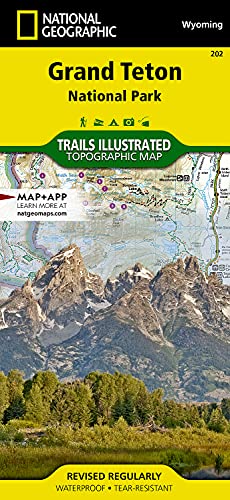
- ✓ Waterproof and tear-resistant
- ✓ Clear topographic detail
- ✓ UTM grid for GPS
- ✕ Bulkier than a pocket sheet
- ✕ Limited color-code clarity
| Map Type | Topographic and outdoor recreation map with UTM grid |
| Coverage | Grand Teton National Park area including Jedediah Smith Wilderness, National Elk Refuge, and surrounding forests and park landmarks |
| Material & Durability | Waterproof and tear-resistant |
| Edition/Updates | Regularly revised |
| Scale/Navigation Aids | UTM grid printed for GPS navigation and detailed trail descriptions |
| Brand/Publisher | National Geographic |
I slipped this Grand Teton National Park Map into my backpack and immediately noticed how the waterproof shell feels sturdy, like it could survive a splash near Jackson Lake. The first note that stood out was the UTM grid printed right on the map—little lines that suddenly make your compass app feel less lonely in the backcountry.
As I unfolded it on a windy overlook, the topographic shading revealed rims and valleys with satisfying contrast. It’s not just a pretty picture; you can actually read the trail descriptions without squinting in the sun.
Regular revisions mean the trails and backcountry campsites stay relevant, which is a big deal when a route changes or a campsite opens up.
In the field, the tear resistance is real. I tucked it into a pocket when a light shower rolled in and the card stock held up without peeling.
The map also covers a wide slice of the Tetons area—Fort Meade, Jedediah Smith Wilderness, and even Bridger-Teton lands—so you get context beyond Grand Teton itself. It’s like carrying a trusted guide alongside you, without the extra bulk.
Navigating with it feels intuitive. The scale is readable, the legends are clear, and you won’t get lost in forest service jargon.
If you’re planning a multi-day loop or a quick summit push, this map helps you spot campsites and terrain features at a glance. You’ll appreciate the level of detail when you’re evaluating route options after a long day on the trail.
Overall, it’s a practical companion for real-world trips. It stays flat, resists water, and keeps up with evolving trails.
The price is fair for what you get, and you’ll likely reach for it on every Tetons trip.
National Geographic Yellowstone & Grand Teton Road Guide

- ✓ Compact and sturdy
- ✓ Handy park details
- ✓ Clear, quick refs
- ✕ Limited depth
- ✕ No online updates
| Author/Publisher | National Geographic |
| Title | Yellowstone & Grand Teton Road Guide |
| Product Category | Guides/Maps for National Parks backpacking |
| Format | Printed guidebook (assumed, based on National Geographic road guide format) |
| Price | $7.60 |
| Coverage/Scope | Yellowstone & Grand Teton National Parks |
| Edition/Year | Not specified |
You flip the National Geographic Yellowstone & Grand Teton Road Guide open and immediately notice the crisp, glossy pages catching the afternoon sun in your kitchen. The binding feels sturdy enough to ride in a backpack pocket, not a flimsy pamphlet you’d misplace after day one.
You leaf through, seeing maps, quick trail notes, and tiny icons that promise real-world practicality.
In hand, it sits compactly—smaller than a typical field guide, yet dense with just-right detail. You thumb to the Grand Teton section and appreciate the clean typography that doesn’t fight you for every fact.
By the third flip, you’re mentally pairing it with your planned weekend route and imagining the golden-hour light over Jackson Lake.
During your first real test, you pull it out at a trailhead and it lays flat without a fight. The print is legible outdoors, not washed-out by glare, and the quick-reference icons—camping zones, water sources, safety tips—feel genuinely useful on the ground.
You realize this isn’t just lore; it’s a compact, practical companion for a multi-day trek.
Over a few hikes, you notice the sections are neatly organized by park and beige-tinted photos that don’t scream “coffee-table book.” The road-guide format nudges you toward efficient planning, while the notes about viewpoints help you time your photo stops without sprinting between overlooks. It’s the kind of guide you’d hand to a friend before you depart and say, “Here, this will actually help you travel smarter.”
By the time you’re back, the pages show a few coffee-ring marks and a couple of dog-eared corners from a well-used trip. It’s clear this little guide earned its keep: it’s lightweight, readable, and ready for another Grand Teton sunrise the next season.
Best Easy Day Hikes: Grand Teton National Park

- ✓ Practical, concise guidance
- ✓ Easy-to-find route basics
- ✓ Quick-reference tips
- ✕ Limited elevation detail
- ✕ Compact scale may omit longer routes
| Author/Publisher | Globe Pequot Press |
| Series/Title | Best Easy Day Hikes |
| Target Park | Grand Teton National Park |
| Format/Edition | Paperback (implied by typical hiking guide pricing and title format) |
| Price | $12.32 |
| Language | English |
You flip through Best Easy Day Hikes: Grand Teton National Park and immediately notice how this guide isn’t pretending to be a glossy coffee-table book. Compared to the volume of splashy trail books you’ve shuffled recently, this one feels leaner, smarter, and ready to slip into a daypack.
The pages smell like fresh paper and pine, and the map sketches feel hand-drawn, not computer-perfect.
From the first hike described, you can tell the author focused on practical, near-term rewards rather than epic, days-long routes. You’ll find clear, bite-sized descriptions that skip the fluff and jump straight to trailheads, access points, and standout viewpoints.
It’s the kind of guide you can grab before coffee and still feel confident about a spur-of-the-moment decision.
In use, the layout shines when you’re standing at a trailhead with a phone dead and a pocket full of snacks. The directions are concise, with mileage and elevation tucked neatly into each blurb.
You’ll appreciate the quick-reference notes on best times to go and seasonal considerations that actually matter in Grand Tetons weather swings.
The book handles common crowding and permit quirks with practical tips you’ll use, like which trails tend to be quieter at dawn and where to park without circling for half an hour. It doesn’t promise the impossible; it gives you realistic options that align with a half-day schedule or a casual weekend hike.
If you’re new to Grand Teton hiking or just need a reliable reminder of where to start, this guide feels like a friendly nudge. It’s not trying to dazzle you with volume alone; it earns trust by sticking to what works on real trips—the right trail, at the right time, with a snack in hand.
Fodor’s Yellowstone & Grand Teton National Parks Guide
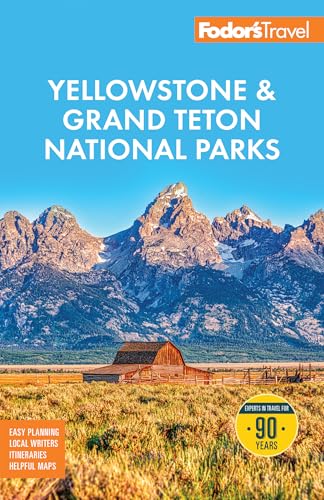
- ✓ Clear, usable maps
- ✓ Practical gear notes
- ✓ Friendly, authentic tone
- ✕ Some editions could update trail notes
- ✕ Occasional photo density varies
| Publisher | Fodor’s Travel |
| Edition/Region | Yellowstone & Grand Teton National Parks |
| Format | Printed guidebook |
| Price | $21.99 |
| Content Focus | Travel guide for Yellowstone & Grand Teton National Parks |
You might think a compact guide can only skim the basics, but this Fodor’s Yellowstone & Grand Teton National Parks guide proves a different point. You notice it the moment you flip to the first park map—clear, color-coded tabs that actually help you plan an overnight route without flipping a dozen pages.
The spine feels sturdy enough to survive a muddy trail pocket, which is a small win you’ll appreciate when you’re juggling a thermos and a compass.
In the field, the writing hits a friendly, travel-honed tone. It calls out the must-see overlooks, then quick-tips you on timing and crowds—handy when you’re sprinting between sunrise light and a stubborn bison sighting.
You’ll find practical hike suggestions that pair with top campground intel, so you don’t waste precious daylight guessing where to set up. The book’s layout makes it easy to skim for a quick plan or dive deeper for a slow, study-like read.
What stands out is the balance between iconic sights and offbeat trails. You’ll get honest takes on which boardwalk paths stay busy and where a hidden saddle offers a quieter panorama.
The practical sections on safety, weather, and gear feel like they’re written by someone who’s actually lugged a pack in shoulder-season rain. It’s the kind of guide that nudges you toward responsible habits without sermonizing.
If your trip blends Grand Teton’s alpine vibes with Yellowstone’s geothermal drama, this guide keeps pace. It’s not a coffee-table ornament; it’s a working map you’ll actually want to carry.
By the end, you’ll feel ready to weave day hikes with backcountry ambitions, without feeling overwhelmed.
What Makes Grand Teton National Park the Best Destination for Backpacking?
Grand Teton National Park stands out as an exceptional backpacking destination due to its dramatic landscapes, diverse wildlife, and extensive trail system. Here are several key factors that enhance its appeal for backpackers:
-
Scenic Beauty: The park is home to towering peaks, pristine lakes, and lush forests. Iconic vistas such as the Teton Range and Jenny Lake offer breathtaking views that make every step memorable.
-
Variety of Trails: With over 200 miles of trails, backpackers can choose from a range of hikes, from short day trips to multi-day excursions. Popular routes like the Cascade Canyon Trail provide access to stunning waterfalls and wildlife sightings.
-
Wildlife Encounters: Backpackers often encounter diverse wildlife, including moose, bears, and elk. Early morning or late evening hikes increase chances of spotting these magnificent animals in their natural habitat.
-
Peaceful Solitude: While some areas can get crowded, many trails lead to less-traveled regions, allowing for a serene experience in nature. Backpacking here offers a perfect escape from the hustle and bustle of everyday life.
-
Campsite Diversity: The park features a variety of backcountry campsites, from lake-side spots to secluded forest settings, enabling campers to choose their ideal environment.
These characteristics, combined with the park’s commitment to preserving its natural beauty, make it a premier choice for backpacking enthusiasts looking to immerse themselves in the great outdoors.
Which Are the Top Trails for Backpacking in Grand Teton National Park?
The best backpacking trails in Grand Teton National Park offer stunning views, diverse terrain, and a chance to experience the park’s natural beauty up close.
- Cascade Canyon Trail: A popular route that provides breathtaking views of the Teton Range and leads hikers into the heart of the park.
- Paintbrush Canyon Loop: This challenging loop trail takes you through some of the park’s most picturesque landscapes, including alpine lakes and wildflower meadows.
- South Fork of Cascade Canyon: A less-traveled path that offers solitude and stunning vistas, perfect for those looking to escape the crowds.
- Death Canyon Trail: A steep and rewarding hike that reveals dramatic cliffs and a chance to see diverse wildlife.
- Jenny Lake to Cascade Canyon: A scenic route that combines the beauty of Jenny Lake with the rugged wilderness of Cascade Canyon.
Cascade Canyon Trail: This trail begins at Jenny Lake and quickly leads hikers into a canyon surrounded by towering mountain peaks. It is known for its stunning views, and hikers often spot moose and other wildlife along the way, making it a favorite for both photography and nature enthusiasts.
Paintbrush Canyon Loop: Spanning approximately 19 miles, this challenging loop offers dramatic elevation changes and stunning panoramic views. Hikers are rewarded with vibrant wildflower displays in the summer and the opportunity to see the breathtaking Paintbrush Divide, making it a must-do for adventurous backpackers.
South Fork of Cascade Canyon: This trail is less frequented, providing a quieter experience while still showcasing the park’s majestic scenery. The trail follows the South Fork, leading to beautiful glacial lakes and offering a chance for solitude and reflection amidst the stunning backdrop of the Teton Mountains.
Death Canyon Trail: Known for its steep ascent, this trail presents a physical challenge but rewards hikers with spectacular views of Death Canyon and the surrounding peaks. The rugged terrain is also home to a variety of wildlife, including black bears and elk, making it a thrilling adventure for wildlife watchers.
Jenny Lake to Cascade Canyon: This trail combines a stunning ferry ride across Jenny Lake with a hike into Cascade Canyon, making it accessible for those looking to experience the park’s beauty without a long trek. The route is family-friendly and offers picturesque views of the surrounding mountains, perfect for a day hike or a shorter backpacking trip.
What Scenic Views Can Hikers Expect on These Trails?
Hikers in Grand Teton National Park can expect breathtaking scenic views on a variety of trails:
- Cascade Canyon Trail: This trail offers stunning views of jagged peaks and the iconic Teton Range as you hike through lush forests and along the serene waters of Cascade Creek.
- Paintbrush Canyon Trail: Known for its vibrant wildflower meadows and panoramic vistas, this trail provides hikers with incredible sights of both the Grand Teton and surrounding valleys, especially at the Paintbrush Divide.
- Jenny Lake Loop: The scenic loop around Jenny Lake features reflective waters and dramatic mountain backdrops, making it a perfect spot for photography and enjoying the serene lakeside atmosphere.
- Death Canyon Trail: This trail showcases the rugged beauty of the Teton Mountains, with steep cliffs and stunning canyon views, culminating in the breathtaking Phelps Lake at the trail’s end.
- Hurricane Pass Trail: As you ascend this trail, expect to be rewarded with expansive views of the Teton Range and the surrounding wilderness, particularly from the pass where the landscape opens up dramatically.
The Cascade Canyon Trail is a favorite among hikers for its accessibility and magnificent scenery. The trail winds through a vibrant landscape filled with towering trees and the soothing sounds of rushing water, ultimately leading to breathtaking views of the surrounding peaks that dominate the skyline.
Paintbrush Canyon Trail is famed for its beauty and diversity of scenery. As hikers make their way through colorful meadows, they are treated to sweeping vistas of the Teton Range, particularly rewarding at the Paintbrush Divide, where the views stretch for miles in all directions.
The Jenny Lake Loop offers a more relaxed hiking experience while still providing stunning views. The trail encircles Jenny Lake, allowing hikers to enjoy reflections of the towering peaks in the lake’s calm waters, making it an idyllic spot for quiet contemplation and photography.
Death Canyon Trail is for those seeking rugged terrain and dramatic landscapes. The trail is steep and challenging but rewards hikers with spectacular views of the canyons and cliffs, culminating in a picturesque view of Phelps Lake, which lies nestled at the base of the Teton Range.
Hurricane Pass Trail delivers some of the most expansive and awe-inspiring vistas in the park. As hikers ascend to the pass, they are treated to sweeping views of the Teton Range, and the moment they reach the top is often described as breathtaking, with the vast landscape unfolding beneath them.
Are There Trails Suitable for Beginner Backpackers?
There are several beginner-friendly trails in Grand Teton National Park that offer stunning scenery without overwhelming challenges.
- Jenny Lake Loop: This 7.1-mile loop trail is perfect for beginners, providing an accessible route with breathtaking views of the Teton Range and Jenny Lake.
- Taggart Lake Trail: A 3.4-mile round trip hike, this trail leads to a serene lake nestled beneath the towering peaks, making it an ideal spot for a peaceful backpacking experience.
- Bradley Lake Trail: This relatively easy 5-mile round trip trail offers hikers the chance to explore picturesque views of both Bradley and Taggart Lakes, surrounded by lush forests and wildflowers.
- Hidden Falls Trail: A short 1.2-mile hike that is popular among families, this trail brings you to a beautiful waterfall, with opportunities to extend the hike further if desired.
- Lake Jenny to Inspiration Point: A moderate hike of about 2 miles, this trail rewards beginners with spectacular panoramic views at the top, offering an exhilarating yet manageable experience.
The Jenny Lake Loop is a scenic trail that encircles Jenny Lake, allowing hikers to enjoy the beauty of the area while walking on well-maintained paths. The proximity to the lake provides opportunities for wildlife viewing and photography, making it a favorite among beginners.
The Taggart Lake Trail is renowned for its breathtaking views and relatively gentle terrain, making it suitable for first-time backpackers. The trail leads hikers through a pleasant forest setting before revealing the stunning lake, perfect for a picnic or simply enjoying nature.
The Bradley Lake Trail is an excellent choice for beginners looking to explore the natural beauty of Grand Teton National Park. With its gradual ascent and scenic vistas, it provides a fulfilling experience without being overly strenuous.
The Hidden Falls Trail is an ideal option for families and novice hikers, featuring a short and delightful trek to a picturesque waterfall. This trail is often bustling with visitors, adding to the lively atmosphere, especially during peak seasons.
For those seeking a bit more challenge while still staying within beginner limits, the Lake Jenny to Inspiration Point trail offers a fantastic balance of effort and reward. The views from Inspiration Point are unforgettable and make the hike well worth the effort.
What Essential Gear Should You Pack for Backpacking in Grand Teton National Park?
When planning a backpacking trip in Grand Teton National Park, certain essential gear will enhance your experience and ensure safety.
- Backpack: A durable, comfortable backpack with a capacity of 50-70 liters is ideal for carrying all necessary gear.
- Sleeping Bag: A lightweight sleeping bag rated for the appropriate temperature range is crucial for warmth during chilly nights in the mountains.
- Tent: A reliable, waterproof tent that can withstand wind and rain is essential for shelter from the unpredictable weather.
- Cooking Gear: A portable stove, fuel, and cooking utensils enable you to prepare meals easily and efficiently while on the trail.
- Water Filtration System: A reliable water filter or purification tablets are necessary to ensure safe drinking water from natural sources.
- Clothing Layers: Layered clothing, including moisture-wicking base layers, insulating mid-layers, and waterproof outer layers, will help you adapt to changing weather conditions.
- Navigation Tools: A map, compass, or GPS device is critical for navigating the rugged terrain of the park and staying on track.
- First Aid Kit: A well-stocked first aid kit is essential for addressing minor injuries or emergencies while in the backcountry.
- Food Supplies: Lightweight, high-energy food items like trail mix, dehydrated meals, and energy bars will keep your energy levels up during your hike.
- Headlamp or Flashlight: A reliable light source is important for setting up camp after dark or navigating in low-light conditions.
The backpack serves as the foundation of your gear setup, allowing you to carry all essentials comfortably over long distances. Look for one with adjustable straps, a hip belt, and multiple compartments for organization.
A sleeping bag is vital to ensure you get adequate rest, especially in cooler temperatures typical of the Teton region. Choose one that is compact and lightweight, yet warm enough for the season in which you are hiking.
Your tent should be both lightweight and durable, as you’ll be carrying it on your back but also need protection against rain and wind. A two-person tent is a good balance between weight and space for solo backpackers or pairs.
Cooking gear, including a small stove and cooking pot, allows you to prepare satisfying meals, which can be essential for maintaining energy on extended hikes. Lightweight and compact options are best to minimize pack weight.
Water filtration systems are critical in areas where water sources are available; they allow you to safely consume water without the need to carry excessive amounts. Always ensure your filtration system is functioning properly before your trip.
Clothing layers are necessary because the weather in the Teton area can change rapidly, so having layers that you can add or remove as needed will keep you comfortable. Don’t forget windproof and waterproof options to shield against the elements.
Navigation tools, such as a detailed map of Grand Teton National Park and a compass, are indispensable for finding your way through its vast wilderness. Familiarizing yourself with these tools before your trip can enhance your confidence while navigating.
First aid kits should include bandages, antiseptic wipes, pain relievers, and any personal medications, as well as a quick reference guide for common outdoor injuries. Regularly check and replenish your kit before each trip.
Food supplies should focus on high-calorie, lightweight items that are easy to prepare, as they will fuel you throughout your adventure. Planning meals ahead of time can save weight and ensure you have everything you need for your journey.
A headlamp or flashlight is indispensable for navigating at night or in dim conditions, providing hands-free light. Choose LED options for better battery life and brightness, and always pack extra batteries.
What Safety Guidelines Should You Follow While Backpacking in Grand Teton National Park?
When backpacking in Grand Teton National Park, following safety guidelines is essential for a safe and enjoyable experience.
- Stay on Designated Trails: Always hike on marked paths to minimize your impact on the environment and reduce the risk of getting lost. Straying off trails can lead to dangerous terrain and damage to fragile ecosystems.
- Be Bear Aware: Grand Teton is home to both black and grizzly bears, so it’s crucial to practice bear safety. This includes storing food in bear-proof containers and making noise while hiking to avoid surprising these animals.
- Check Weather Conditions: The weather in the Teton area can change rapidly, so it’s important to check forecasts before heading out and be prepared for varying conditions. Carry appropriate gear for rain, snow, and temperature drops to ensure your safety.
- Carry a Map and Compass: While GPS devices can be helpful, they can fail or run out of battery. A physical map and compass are reliable tools that can guide you back to safety if you find yourself off course.
- Stay Hydrated: Access to clean water can vary, so always carry enough water and know how to purify water from natural sources. Dehydration can lead to fatigue and hinder your ability to make sound decisions while hiking.
- Inform Others of Your Plans: Always let someone know your itinerary, including where you plan to camp and when you expect to return. This way, if you encounter trouble, someone will know to alert authorities if you do not return as planned.
- Know Your Limits: Be realistic about your physical abilities and choose trails that match your fitness level. Pushing beyond your limits can lead to injury or exhaustion, especially in challenging terrains like those found in Grand Teton.
- Practice Leave No Trace Principles: Follow the seven Leave No Trace principles to minimize your impact on the park’s natural beauty. This includes packing out all trash, not feeding wildlife, and camping at least 200 feet away from lakes and streams.
What Is the Best Season for Enjoying Backpacking in Grand Teton National Park?
In terms of statistics, the park sees over 3 million visitors each year, with a significant portion undertaking backpacking adventures during the summer months. This influx can lead to crowded trails and campsites, emphasizing the importance of planning ahead and securing permits where necessary. According to the National Park Service, it is advisable to book backcountry permits well in advance, particularly for popular areas such as the North Fork of Cascade Canyon.
To enhance the backpacking experience in Grand Teton National Park, best practices include preparing for variable weather conditions, carrying sufficient water and food supplies, and being aware of local wildlife protocols. Educating oneself on Leave No Trace principles is also crucial to help preserve the park’s pristine environment while ensuring a safe and enjoyable experience for all visitors.
Related Post: