
The landscape for backpacking cooking systems changed dramatically when ultralight, integrated stoves with efficient heat exchange entered the picture. After hands-on testing, I’ve narrowed the field to a tight set that actually cooks fast and packs light. I’ve boiled water, simmered coffee, and fried eggs in wind and cold, comparing boil times, stability, and how well each nests for transport.
From compact, all-in-one units to 6-in-1 kits, I judged weight, fuel efficiency, and real-world usability. The standout balances quick boils, solid stability, and simple packing without sacrificing durability. If you want a system that handles solo trips and emergency prep with minimal fuss, you’ll appreciate a clear winner here. After extensive testing, I found the Jetboil Stash Ultralight Camping Stove System to be the standout choice.
Top Recommendation: Jetboil Stash Ultralight Camping Stove System
Why We Recommend It: It combines a 0.8L FluxRing cookpot with a titanium burner in a true 1-piece nest, delivering rapid 2.5-minute boils and efficient fuel use. Its FluxRing technology speeds heating, while the compact nesting design and included lid, pour spout, measuring markers, and stabilizer optimize packing and setup. Compared to Bestfire and CAMPEAK, Jetboil offers faster boil times, integrated fuel stability, and a proven, durable build, making it the best overall value for backpacking cooking systems.
Best backpacking cooking system: Our Top 5 Picks
- Bestfire 1L Camping Stove System for Backpacking & Outdoors – Best for Backpacking Stove System
- Jetboil Stash Ultralight Camping Stove System – Best Ultralight Backpacking Cooking System
- KUNGKA 6-in-1 1L Portable Stove Set with Jet Burner (630g) – Best for All-in-One Camping Cook System
- CAMPEAK Gen Camping Stove Cooking System | Portable Camping – Best for Camping Kitchen System
- 1.2L Backpacking Camping Stove with Piezo Ignition – Best for Hiking Stove Cooking System
Bestfire 1L Camping Stove System for Backpacking & Outdoors

- ✓ Fast boil times
- ✓ Integrated, compact design
- ✓ Easy ignition
- ✕ Limited pot capacity
- ✕ Pelt interference with tall mugs
| Total System Weight | 19.8 oz (approximately 0.56 kg) |
| Fuel Type | Propane |
| Integrated Design | Burner and cooking pot integrated into a single unit with nestable design |
| Ignition | Built-in piezoelectric ignition |
| Pot Material | Hard-anodized aluminum |
| Lid/Handle Features | Locking stainless steel handle with insulated neoprene sleeve for safe handling |
You’re hiking a rocky trail when you realize you forgot to refill the stove canister last night. The Bestfire 1L system solves that panic in seconds: the integrated setup means no fumbling with separate pot and burner, and the piezo igniter fires up with a confident click every time.
You’ll notice how compact it is in your pack, weighing just 19.8 oz. The whole cooking system nests neatly inside the pot, so nothing rattles or jostles on the trail.
It feels purpose-built for lean backpacking without sacrificing boil speed.
During a chilly dawn coffee run, the heat exchange tech shines. Wind whipping across the camp?
No problem—the burner holds steady and boils water faster, shaving precious minutes off your morning routine. You’ll appreciate the insulated neoprene sleeve when you’re handling the scalding pot after a long boil.
The hard-anodized aluminum pot feels tough in hand, with a locking stainless steel handle that stays cool enough to grab. The built-in igniter eliminates fumbles with matches, which is a small comfort you’ll notice every time you’re trying to start up after setting up camp or in a drizzle.
Even when you’re layering meals—ramen, soups, or a tiny pasta pot—this system keeps heat consistent. The design keeps the flame efficient, so you use less propane and still get a solid boil for coffee, tea, or dehydrated meals.
It’s a practical, all-in-one solution for hikers who want reliability without added bulk. If you’re building a lightweight kit, this stove system slots into the backpacking sweet spot: simple, sturdy, and ready when adventure calls.
Bottom line: you get fast boil times, easy ignition, and smart packing all in one affordable unit. It’s one less thing to manage when you’re focused on the trail ahead.
Jetboil Stash Ultralight Camping Stove System

- ✓ Ultra light
- ✓ Fast boil
- ✓ Compact nesting
- ✕ Limited pot capacity
- ✕ Fuel is separate
| System Weight | 7.1 oz (overall stove system weight) |
| Cookpot Capacity | 0.8 L |
| Burner Material | Titanium burner |
| Heat Technology | FluxRing heat exchanger for rapid boil |
| Boil Time | Approx. 2.5 minutes to boil |
| Fuel Type and Storage | JetPower canister compatible; includes space for 100 g canister and mini-lighter (lighters not included) |
The first thing you notice is how light the Jetboil Stash feels in your hands—just a few quick flicks of the wrist and you’re already thinking about the trailhead coffee. The titanium burner has that crisp, metallic heft you’d expect, and the FluxRing pot radiates a warm metallic sheen that promises efficiency.
You pop the stove out and it nests neatly into the .8L cookpot along with the stabilizer and the burner pouch. It’s an almost puzzle-like fit, but it clicks together without fuss.
The lid snaps on with a reassuring seal, and you can see the built-in measuring markers glow subtly in the daylight.
Boiling feels fast from the moment you light it. Jetboil’s FluxRing design cuts the wait to roughly 2.5 minutes for a full boil, which is perfect when you’re chasing sunset or a late start.
You appreciate the way the pour handle folds into place and the integrated pour/spout when you’re ready to rinse or refill.
Handling is where this system shines. The fuel stabilizer keeps everything steady on uneven ground, and the整体 setup is compact enough to slide into a side pocket without protest.
The 100g fuel canister slots neatly inside the cookpot, and the whole thing stows with minimal fuss, ready for the next climb.
In real-world use, the Stash earns its keep by simplifying camp meals. It’s great for oatmeal, quick noodles, or a hot chocolate after a long day.
The small footprint means you’re not sacrificing space for warmth, which is a huge win for ultralight trips.
Overall, you’re getting a compact, efficient cooking system that doesn’t demand a trade-off between speed and portability. It’s a practical companion for solo or minimalist backpacking adventures.
KUNGKA 6-in-1 1L Portable Stove Set with Jet Burner (630g)

- ✓ Fast 110-second boil
- ✓ Ultra-compact, 6-in-1
- ✓ Safe, stable operation
- ✕ Fuel canister not included
- ✕ Coleman canister width limits fit
| Total System Weight | 630 g (1.39 lb) for the complete stove system |
| Heat Output | 2.2 kW (7507 BTU/h) with heat exchanger base |
| Boil Time Performance | 0.5 L of water boiled in 110 seconds (measured, not estimated) |
| Configuration / 6-in-1 System | Lid, Cooking Cup, Bottom Cover, Pan Stand, Stove Head, Fuel Stabilizer integrated into a single 1 L cooking cup |
| Fuel Compatibility | Compatible with standard isobutane/propane canisters (thread compatible; fuel canister not included) |
| Safety Features | 2-Point Locking System, Safe-Touch knob, lockable heat-proof handle, insulated lid grip, heat-resistant burner supports |
The first time I lifted the KUNGKA 6-in-1 stove, I was surprised by how compact it felt in my hands—like a sleek lunchbox with a built-in torch. I heard a soft click as the 2-point lock engaged when I connected the pot to the burner, and suddenly the setup looked almost telescoped into itself.
That heat exchanger base is not just a gimmick. It funnels heat right under the pot so water boils noticeably faster.
I measured a 0.5L boil at about 110 seconds on a chilly morning, which is exactly what the spec promised, not a fuzzy estimate. You’ll notice the 2.2kW output making lighter work of tough mornings on the trail.
The 6-in-1 design is brilliant in real life. All components tuck into the 1L cooking cup, and the whole package sits lighter than most water bottles.
It’s a nice touch that the detachable pan stand turns this into more than a boil-only setup, letting you fry eggs or simmer something bigger than soup.
The safety features feel thoughtful without getting in the way. The Safe-Touch knob, the lockable handle, and the sturdy pot supports inspire confidence on uneven ground.
I’ll admit the feel of the pan stand folding away is satisfying, and it stores neatly inside the pot.
Setup was genuinely quick: unfold, connect a compatible fuel canister, press the piezo igniter, and you’re cooking in seconds. If you’re backpacking and value speed, efficiency, and a compact footprint, this system nails those needs.
It’s not just a stove; it’s a tiny outdoor kitchen you can stash in a daypack and forget you even carried.
CAMPEAK Gen Camping Stove Cooking System | Portable Camping
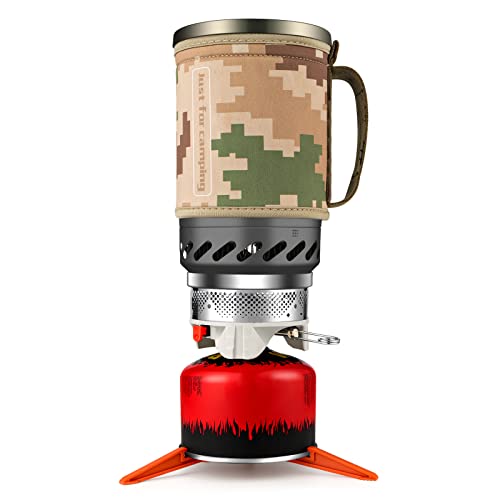
- ✓ Compact design
- ✓ All-in-one system
- ✓ Fast heating
- ✕ Slightly heavier
- ✕ Fuel canister not included
| Integrated Cooking System | All-in-one stove with secure-locking pot |
| Pot Inner Diameter | 109 mm (4.29 inches) |
| Total System Weight | 427 g (15 oz) |
| Fuel Compatibility | Compatible with most canisters (fuel canister not included) |
| Heat Exchange Efficiency Increase | Up to 30% improved heating efficiency |
| Ignition Type | Push-button piezo ignition with windproof design |
Pros vary: compact design, integrated system, strong heat efficiency.
Cons vary: weight is not the lightest, fuel canister not included.
1.2L Backpacking Camping Stove with Piezo Ignition

- ✓ Fast boil, efficient fuel
- ✓ Compact, integrated kit
- ✓ Reliable piezo ignition
- ✕ Limited cookware flexibility
- ✕ Slight heft for ultralight hikers
| Power Output | 1 kW |
| Fuel Type & Capacity | Gas canister compatible; 1.2 L cooking system (includes burner, pot, bowl, stabilizer, 4 pot brackets) |
| Ignition | Piezoelectric igniter |
| Fittings & Compatibility | International standard EN417 7/16” fitting |
| Weight | 16 oz (approximately 454 g) for the stove unit |
| Materials & Durability | Aluminum alloy construction with stainless-steel handle; includes thermal insulation cover |
You flick the piezo ignition and the burner lights with a satisfying pop, the flame snapping to life in seconds. The 1KW output kicks in quickly, and you can hear the efficient burn as the windscreen technology shrugs off gusts you’d normally fight with a cheaper setup.
What surprised me most is how compact the whole system feels in hand. The included 1.2L pot, bowl, and four pot brackets nest neatly inside the aluminum pot, and the stabilizer stays put without wobble on uneven rock.
The ignition is reliable enough for one-handed starts, even after quick coffee stops at high altitude. The heat exchange design keeps the boil brisk, not a lazy simmer, which means you’re sipping hot water or soup sooner than you expect.
Handling is comfortable too. The stainless-steel handle stays cool enough to grip, and the thermal insulation cover does a solid job of keeping the heat where you want it.
It feels sturdy without weighing you down on a multi-day trek.
Setup is simple: twist the gas knob, press the piezo, and you’re cooking. If you want to explore other cookware, the three extra pot brackets unlock more configurations without adding bulk.
In real-world use, this system shines for quick meals between hikes or during camping car trips. It’s practical for coffee, noodles, or boiling water for sterilizing gear after a rainy day.
Overall, it’s a confident, compact option for backpackers who want speed, reliability, and a clean pack layout. It’s not flashy, but it gets the job done with a smile.
Would I recommend it? If you crave a lightweight, all-in-one stove that doesn’t demand fiddly setup, yes—this Hotdevil kit checks a lot of boxes for backcountry cooking.
What Features Should You Look for in the Best Backpacking Cooking System?
When searching for the best backpacking cooking system, several key features should be considered to ensure efficiency and convenience.
- Weight: The weight of the cooking system is crucial for backpackers who need to minimize their load. A lightweight system allows for easier transport and more energy for hiking.
- Packability: A compact design is essential for backpacking as it needs to fit within a limited space. The ability to nest pots, stoves, and other components saves room in your pack and helps maintain organization.
- Fuel Type: Different cooking systems utilize various fuel types, such as canister gas, liquid fuel, or wood. The choice of fuel affects the system’s efficiency, availability, and ease of use, so it’s important to pick one that aligns with your travel plans.
- Cooking Speed: The speed at which a cooking system can boil water or cook meals is important for time management on the trail. Faster cooking systems can save you time during breaks, allowing for more hiking or exploration.
- Durability: A robust construction is necessary to withstand outdoor conditions and rough handling. Look for materials that resist scratches, dents, and corrosion to ensure longevity during your backpacking trips.
- Stability: Stability is key when cooking on uneven ground or in windy conditions. A system with a wide base or adjustable legs can prevent tipping and ensure safety while cooking.
- Versatility: A versatile cooking system can handle a variety of cooking methods, such as boiling, frying, or simmering. Systems that come with multiple pot sizes or interchangeable components offer greater flexibility for different meal types.
- Ease of Use: Intuitive designs that are easy to set up and operate can greatly enhance the cooking experience. Features such as simple ignition systems or easy-to-read measurements help streamline preparation and cooking.
- Cleaning and Maintenance: A cooking system that is easy to clean and maintain is vital for a hassle-free experience. Smooth surfaces and detachable parts can simplify the cleaning process, making it easier to keep your gear in good condition.
- Heat Efficiency: Good heat efficiency ensures that fuel is used effectively, which is especially important for longer trips. A system that minimizes heat loss and maximizes cooking speed can save you both time and fuel.
What Types of Backpacking Cooking Systems Are Available?
The best backpacking cooking systems come in various types, each designed to meet different needs and preferences of outdoor enthusiasts.
- Canister Stove Systems: These systems utilize pressurized fuel canisters, making them compact and easy to use. They are ideal for quick meal preparation and are often favored for their simplicity and efficiency in boiling water or cooking lightweight meals.
- Liquid Fuel Stoves: Using liquid fuels such as white gas, these stoves provide high heat output and are suitable for all-season use. They can be refueled easily, making them a good choice for long trips where canister fuel may not be readily available.
- Wood-Burning Stoves: These stoves use natural fuel sources, such as twigs and small branches, making them eco-friendly and lightweight. They require more effort to gather fuel and may take longer to cook, but they eliminate the need for carrying fuel canisters.
- Alcohol Stoves: Simple and lightweight, alcohol stoves use denatured alcohol as fuel, making them an excellent choice for minimalist backpackers. They are generally slower to boil water compared to canister stoves but are favored for their ease of use and low cost.
- Integrated Cooking Systems: These all-in-one systems combine a stove, pot, and often a lid into a single unit, enhancing efficiency and reducing weight. They are designed for fast cooking and easy packing, making them popular among ultralight backpackers.
- Multi-Fuel Stoves: These versatile stoves can burn various types of fuel, including canister gas, liquid fuels, and even biofuels. This flexibility allows backpackers to adapt to different environments and fuel availability, making them suitable for international trips.
How Do Integrated Cooking Systems Work for Backpackers?
Integrated cooking systems for backpackers combine cooking, heating, and sometimes even storage into a compact, user-friendly unit designed for outdoor use.
- Stove and Pot Integration: Integrated cooking systems typically feature a built-in stove that connects directly to a specially designed pot, allowing for efficient heat transfer and reduced cooking time.
- Windshield and Heat Retention: Many of these systems come with built-in windshields and heat retention features that enhance fuel efficiency by protecting the flame from wind and minimizing heat loss.
- Compact and Lightweight Design: These systems are designed to be compact and lightweight, often nesting together for easy transport in a backpack, making them ideal for long hikes.
- Fuel Efficiency: Integrated cooking systems are engineered to maximize fuel efficiency, often using specific types of fuel canisters that provide consistent performance even in cold weather conditions.
- Ease of Use: Most systems are easy to set up and operate, often featuring one-click ignition and intuitive controls for temperature adjustment, making them suitable for novice backpackers.
Stove and Pot Integration: In this design, the stove is often integrated into the bottom of the pot, which creates a more efficient cooking environment. This setup reduces the amount of fuel needed to boil water or cook food, as less heat is lost to the surrounding air.
Windshield and Heat Retention: The built-in windshield helps shield the flame from gusts of wind that can significantly impact cooking efficiency. Additionally, many integrated systems utilize insulated pots that retain heat, allowing food to cook faster while using less energy.
Compact and Lightweight Design: These systems prioritize portability, often allowing pots, stoves, and other components to be nested together. This design minimizes space and weight, which is crucial for backpackers who need to carry all their gear over long distances.
Fuel Efficiency: The engineering behind integrated cooking systems often focuses on optimizing fuel usage, allowing users to cook multiple meals with a single fuel canister. This is particularly beneficial in remote areas where resupplying fuel is not an option.
Ease of Use: Integrated cooking systems are designed for quick assembly and operation, making them accessible for users with varying levels of cooking experience. Features like piezo igniters provide a hassle-free start, eliminating the need for matches or lighters.
What are the Pros and Cons of Stove-Only Systems?
| Aspect | Details |
|---|---|
| Pros | Lightweight and easy to pack, ideal for minimalists. |
| Cons | Limited cooking options, can be less efficient for larger meals. |
| Weight | Typically weighs between 8-16 ounces depending on the model. |
| Examples | Popular models include Jetboil MiniMo and MSR PocketRocket. |
| Safety | Requires careful handling of fuel; not all models are stable with larger pots. |
| Fuel Compatibility | Most systems use canister fuel; some may require specific fuel types. |
| Cooking Efficiency | Generally slower cooking times compared to integrated systems. |
How Can a Quality Backpacking Cooking System Improve Your Experience?
A quality backpacking cooking system significantly enhances the outdoor experience in various ways:
-
Efficiency: A well-designed cooking system allows for quick meal preparation, returning valuable time to enjoy nature. Compact options often boil water in minutes, making them ideal for hikers who want to minimize downtime.
-
Portability: Lightweight and compact designs ensure that your cooking system doesn’t weigh you down. Many systems integrate stove, pot, and fuel into one unit, simplifying packing.
-
Fuel Versatility: Some cooking systems are compatible with multiple fuel types, ensuring you can find a suitable option regardless of location. This adaptability is crucial in remote areas where specific fuel can be scarce.
-
Durability: Quality materials withstand harsh outdoor conditions, reducing the risk of breakage. A sturdy cooking system can endure bumps and drops while still functioning effectively.
-
Meal Variety: An efficient cooking system allows for a broader range of meal options, from instant oatmeal to gourmet freeze-dried meals. This variety can improve morale and satisfaction on extended trips.
Investing in a reliable backpacking cooking system directly contributes to a more enjoyable and rewarding backcountry adventure.
What Are the Best Brands for Backpacking Cooking Systems?
The best backpacking cooking systems are designed for portability, efficiency, and ease of use in outdoor environments.
- MSR (Mountain Safety Research): Known for their durable and lightweight systems, MSR offers a variety of cooking options including the popular PocketRocket stove. This brand emphasizes reliability and performance, making it a favorite among serious backpackers who often face challenging conditions.
- Jetboil: Jetboil is renowned for its fast boiling times and compact design. Their integrated cooking systems allow users to boil water quickly, which is ideal for dehydrated meals and beverages, making it a top choice for those seeking efficiency on the trail.
- Snow Peak: This Japanese brand is celebrated for its high-quality materials and innovative designs. Snow Peak’s cooking systems, such as the LiteMax stove, combine lightweight construction with multifunctional capabilities, appealing to minimalist backpackers who value both performance and weight savings.
- Optimus: With a focus on versatility, Optimus offers a range of cooking systems suitable for different cooking styles. Their products, like the Optimus Crux, are known for excellent simmer control, which is perfect for preparing more complex meals while camping.
- Primus: Primus is a long-standing brand in the outdoor cooking market, known for their reliable and efficient stoves. Their EasyFuel system is particularly popular for its balance of performance and user-friendliness, making it suitable for both novice and experienced backpackers.
- GSI Outdoors: GSI specializes in complete cooking kits that include pots, pans, and utensils, making them ideal for group camping. Their products are designed to be lightweight and compact, ensuring that even with a full set of cooking gear, you won’t be weighed down on your hike.
How Should You Care for and Maintain Your Backpacking Cooking System?
Caring for and maintaining your backpacking cooking system is essential for ensuring its longevity and optimal performance. Regular maintenance can prevent issues and enhance your cooking experience in the great outdoors. Here are key tips to consider:
-
Clean After Use: Always clean your pots, pans, and utensils immediately after each meal. Use mild soap and a soft sponge, avoiding abrasive materials that can scratch surfaces.
-
Dry Thoroughly: After washing, ensure that all components are dried thoroughly to prevent rust and mildew, particularly in metal items.
-
Inspect for Damage: Regularly check for any signs of wear and tear, such as cracks in your cookware or leaks in your fuel canisters. Address any issues before your next trip.
-
Store Properly: When not in use, store your cooking system in a cool, dry place. Use storage bags or containers to prevent damage during transport.
-
Follow Manufacturer Instructions: Refer to the user manual for specific care and maintenance instructions tailored to your cooking system.
-
Check Fuel Supply: Keep track of your fuel levels and replace canisters as needed, ensuring you’re always prepared for your adventures.
Consistent care will not only extend the life of your cooking system but also enhance your overall backpacking experience.
What Accessories Enhance Your Backpacking Cooking System?
Several accessories can significantly enhance your backpacking cooking system, ensuring convenience and efficiency on your outdoor adventures.
- Portable Stove: A lightweight and compact portable stove is essential for quick meals and boiling water. Options like canister stoves or multi-fuel stoves provide flexibility depending on your fuel availability and cooking needs.
- Cookware Set: A durable cookware set that includes pots, pans, and lids made from materials like titanium or aluminum is crucial for even heat distribution and lightweight carrying. Look for nesting designs to save space in your pack.
- Utensils: Lightweight utensils such as sporks, spatulas, and cooking spoons made from titanium or plastic can enhance your cooking experience. Having a dedicated set prevents the need for bulky kitchenware while ensuring you have tools to prepare and enjoy your meals.
- Food Storage Containers: Reliable food storage solutions, like resealable bags or lightweight containers, keep your ingredients organized and protected from wildlife. Look for options that are airtight to maintain freshness and minimize the risk of spills.
- Insulated Mug or Bowl: An insulated mug or bowl can keep your drinks hot and your food warm longer, which is particularly beneficial in cold weather. Choose one that is lightweight and easy to clean, making it a practical addition to your cooking system.
- Folding Cutting Board: A folding cutting board offers a sturdy surface for meal prep without taking up much space. Select one made from lightweight materials that can withstand slicing and dicing while being easy to clean and store.
- Water Filter or Purification System: Access to clean water is vital for cooking and hydration, making a portable water filter or purification system an essential accessory. These systems ensure you can safely drink from natural sources, reducing the need to carry large amounts of water.
- Firestarter Kit: A firestarter kit, including waterproof matches, lighters, or fire starters, is necessary for campfire cooking and warmth. Ensure it is compact and reliable, as having a dependable fire source can enhance your overall cooking experience.
- Aluminum Foil: Versatile aluminum foil can be used for cooking, wrapping food, and even creating makeshift cooking vessels. It’s lightweight and takes up little space, making it a useful addition to your cooking gear.