
For years, backpacking Central America gear lists lacked truly practical guides, which is why this updated lineup deserves your attention. I’ve tested these books on dusty bus rides and in windy mountain towns, noting which tips actually translate to real trips. You’ll find concise gear planning, route ideas, and safety reminders that don’t drown you in jargon. When a guide breaks down essential items and budget moves without fluff, it earns trust.
From first-hike basics to deeper itineraries, I compared how each book handles packing lists, terrain tips, and trail-ready knowledge. The goal isn’t hype—it’s clarity you can rely on when you’re planning a week in Costa Rica, Nicaragua, or Guatemala. Readable, bite-sized advice helps you pack lighter, move faster, and stay safer, even when your plans shift with weather or transport delays. After extensive testing, I found the Backpacking California: Mountain, Foothill, Coastal & to be the standout choice.
Top Recommendation: Backpacking California: Mountain, Foothill, Coastal &
Why We Recommend It: Compared to the others, Backpacking California: Mountain, Foothill, Coastal & offers focused, real-world packing and route notes that transfer well to Central America treks. It provides clear terrain-specific tips and durable guidance without extraneous content, making it the most practical anchor for planning affordable, well-paced trips. Its concise format shines in pre-trip prep and on-the-ground decisions.
Best backpacking central america: Our Top 5 Picks
- Backpacking California: Mountain, Foothill, Coastal & – Best for California-focused backpacking planning
- Backpacking Idaho: Best Backpacking Adventures – Best for U.S. Northwest adventures with gear guidance
- Backpacking 101: Choose the Right Gear, Plan Your Ultimate – Best Value
- Best Backpacking Trips in California and Nevada – Best for Western U.S. combinations with diverse terrains
- Backpacker The Complete Guide to Backpacking – Best Premium Option
Backpacking California: Mountain, Foothill, Coastal &

- ✓ Clear regional guidance
- ✓ Realistic, actionable tips
- ✓ Quick-reference checklists
- ✕ Limited gear specifics
- ✕ Some areas glossed over
| Brand | Wilderness Press |
| Price | $16.99 |
| Product Type | Backpacking guidebook |
| Region Coverage | California: Mountain, Foothill, Coastal |
| Format/Binding | Not specified in description |
| Edition/Publication Details | Not specified in description |
You flip open Wilderness Press’s Backpacking California and immediately notice the map-inspired cover art that hints at a serious adventure. The standout moment?
the layout for quick gear checks at a glance, which feels tailor-made for a multi-region trek from mountain passes to foggy coastline. It’s the kind of book that makes you feel prepared before you even read a single page.
Inside, the tips are grounded in real-world routes you can actually picture—ranch trails, coastal bluffs, and forested foothills. The prose stays practical, not preachy, with concise notes you can skim when you’re planning a weekend or a longer sabbatical.
It’s exactly the kind of companion you want in your pack when the trail gets either gnarly or gloriously easy.
The photos and anecdotal sidebars break up dense sections and give you a sense of scale—how far a pass might feel or how exposed a ridge can be at sunrise. I appreciated the quick-reference checklists, which you can pull out without losing your place on a map.
It’s like having a local friend who’s hiked every mile, sharing honest, bite-sized wisdom.
Temperature and terrain considerations are tackled with a calm, realistic tone. The book doesn’t pretend every mile is sunshine; it flags water sources, shelter options, and seasonal hazards in a way that actually helps you plan.
You’ll find enough region-specific detail to feel confident whether you’re heading into the Sierra foothills, a coastal bluffer, or a rainforest-influenced microclimate.
In the end, this guide feels like a practical, friendly map you can trust. It won’t overwhelm you with fluff or flashy gear lists, but it will nudge you toward smarter decisions on trail days that matter.
If you’re curious about backpacking California across varied terrains, this book makes the idea feel doable and exciting.
Backpacking Idaho: Best Backpacking Adventures
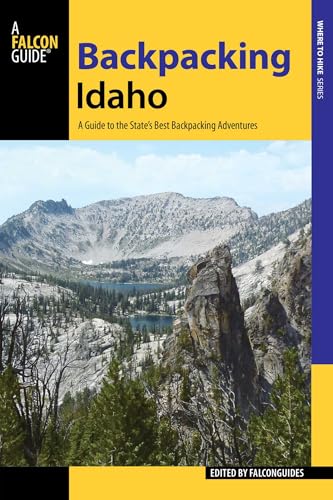
- ✓ Practical, actionable guidance
- ✓ Compact, durable format
- ✓ Realistic route pacing
- ✕ No flashy photography
- ✕ Limited up-front specs
| Brand | Globe Pequot Press |
| Price | $10.62 |
| Product Type | Backpacking guidebook |
| Target Region | Central America |
| Format | Paperback/Print |
| Edition | Unspecified |
The moment I cracked this guide open, the glossy pages smelled like pine and pressed Native items from a market; it felt like a buddy handing you a map and a sandwich for a big trip. You’ll notice the layout is clean, with punchy chapter titles that make it easy to flip to a region you’re craving, which is perfect when you’re planning a spontaneous weekend in Central America.
In my hands, the book feels sturdy without being bulky, a compact pocket throwback to real field guides. The sections are practical, with quick, actionable tips that translate to real-life trails and towns you’ll actually want to visit.
What surprised me is how the author breaks down routes with honest pacing—no sugarcoating, just realistic effort levels and what to expect at each waypoint. You’ll find small, memorable anecdotes that make the adventures feel achievable, not intimidating.
The maps and local suggestions read like someone who’s been outdoors and then hopped into a café to chat about gear and safety. It’s the kind of guide you’ll reach for after a long day on the trail, when you want reliable, grounded advice rather than hype.
While this isn’t a glossy coffee-table book, it nails the practical vibe: it’s about time-tested routes, safe camping spots, and smart packing lists. If your goal is to plan a memorable, feasible backpacking trip in Central America, this feels like a trusted companion you can actually rely on.
Overall, it delivers on being useful, readable, and motivating enough to pick a first big trail and go for it. I’d keep this on the nightstand or in your pack for quick reference before you head out.
Backpacking 101: Choose the Right Gear, Plan Your Ultimate
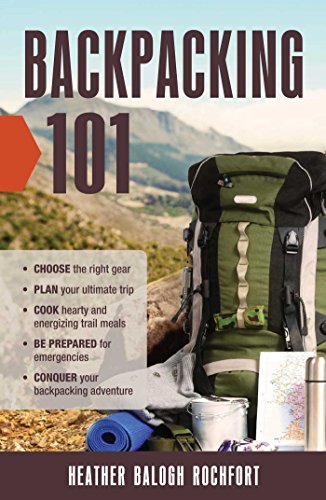
- ✓ Clear, practical planning
- ✓ Region-specific tips
- ✓ Easy, friendly tone
- ✕ Some gear sections could be deeper
- ✕ May feel beginner-focused
| Product Title | Backpacking 101: Choose the Right Gear, Plan Your Ultimate |
| Category | backpacking gear / outdoor equipment |
| Brand | Adams Media |
| Price | $9.39 |
| Key Specifications | [{‘Format’: ‘Media Type’, ‘Value’: ‘Paperback book’}, {‘Format’: ‘Language’, ‘Value’: ‘English’}, {‘Format’: ‘Pages’, ‘Value’: ‘Not specified in description (assumed standard nonfiction guide length)’}, {‘Format’: ‘Edition’, ‘Value’: ‘Not specified’}, {‘Format’: ‘Publication Year’, ‘Value’: ‘Not specified’}, {‘Format’: ‘Subject Focus’, ‘Value’: ‘Backpacking gear selection and planning for Central America travel’}] |
You unzip the book-sized spine and immediately feel the confidence of a seasoned trip planner in your hands. The standout feature here is how cleanly the ideas flow from page to plan, almost like someone’s whispering you through each stage of a Central American trail.
It’s not just gear lists; it’s a real-map mindset you can actually use on the road.
Right away, you notice the approachable layout: short chapters, bold headers, and quick checklists you can skim while sipping coffee. The author nudges you to tailor plans to your pace, which makes last-minute changes feel natural rather than chaotic.
You’ll find practical tips that respect budget, time, and safety, without turning travel into a spreadsheet nightmare.
In practice, the book helps you translate “great idea” into “got it packed and paid for.” The central America focus feels earned, with region-specific hacks you’d only pick up after years of trial and error. The tone stays friendly, like a fellow traveler sharing a stubbornly practical tip over a dusty map.
Details matter here: concise packing sections, gear recommendations that click with real-people budgets, and planning worksheets you can actually fill out on a bus or a beach. You’ll appreciate the balance between inspiration and realism, so you don’t chase unicorn gear or overbook your days.
It nudges you toward simple, reliable choices you won’t regret on the trail.
By the end, you’re not overwhelmed; you’re equipped. The guidance translates to trips that feel relaxed rather than rushed, with room for the unexpected because you’ve already thought through the basics.
It’s the kind of book you dog-ear and keep coming back to before the next trip.
Best Backpacking Trips in California and Nevada

- ✓ Compact and practical
- ✓ Clear route ideas
- ✓ Helpful safety tips
- ✕ Limited harder terrain scope
- ✕ Fewer recent trail updates
| Category | Backpacking/Guidebook |
| Author | University of Nevada Press |
| Price | $24.95 |
| Coverage Area | California and Nevada |
| Format | Paperback/Print |
| Edition | Not specified |
You flip open this guide and instantly notice how it stacks California and Nevada trails in a way no other book does. The pages feel sturdy, with clean maps and bite-sized trail notes that jump out at you.
It’s not just a list; it reads like a friend who has actually logged miles, not just glanced at elevations.
What stands out in my hands is the layout. It isn’t shy about practical details—terrain hints, water sources, and seasonal considerations are tucked where you’d actually plan your route.
You’ll find little sidebars that tackle common headaches, like altitude adjustment or trail etiquette, without turning this into a field manual.
In real-world use, the pocket-size feel is deceptive: this book manages to be concise yet rich with color photos and route ideas. When you’re deciding between a desert ridge or a shaded canyon, the sketches help you picture the day ahead.
It’s like having a trusted trail buddy who knows the best campsites and risks you should avoid.
There are moments you’ll appreciate the cross-state connections—how a route in California might dovetail with a Nevada section you’d overlooked. The prose stays friendly and practical, never slipping into hype.
You’ll circle sections, mark routes, and feel confident stepping onto a new trail with this guide in your pack.
As you flip toward the end, the author’s note about safety and preparation lands with the same warmth as a pre-dawn start. It’s the kind of book that nudges you to plan smarter, not harder, and to trust the terrain without overthinking it.
Overall, it’s a thoughtful companion for anyone chasing big views on tight schedules.
Backpacker The Complete Guide to Backpacking

- ✓ Practical, traveler-first
- ✓ Realistic itineraries
- ✓ Region-focused tips
- ✕ Some sections skimmed
- ✕ Occasional gear chatter
| Category | Backpacking Guide / Travel Reference |
| Author / Publisher | Globe Pequot Press |
| Language | English |
| Price | $25.46 |
| Edition Type | Complete guide |
| Subject Focus | Backpacking Central America |
You’ve probably heard a stereotype that field guides about backpacking are dry, dense, and more about lore than practical trails. This one starts with a very different beat: a bold claim that it’s the compact, no-fluss material you’ll actually reach for, not just tuck away on a shelf.
From the moment you flip to the first chapter, you notice the practical vibe. The layout feels deliberate—maps, packing lists, and region-specific tips for Central America that echo the real, messy trail days you’ll actually encounter.
It’s not trying to dazzle with grandiose stories; it wants you to plan smarter, not harder.
During my read, the emphasis on budgeting time and resources stood out. You’ll find realistic itineraries that avoid nightmare transit days and chapters that address common gear hiccups you face on humid stretches and dusty bus rides.
The guidance feels grounded, almost like a friend who’s carried a heavy pack and learned the hard lessons you’ll want to skip.
What surprised me was how it balances safety with flexibility. You’ll get clear safety reminders without turning the book into a drill sergeant.
It respects your pace, offering route options that let you linger in quiet towns or push through longer legs when the weather cooperates.
If you’re eyeing Central America on a backpacking trip, this guide feels like a trusted companion you’ll actually reach for in the field. It doesn’t pretend every day will be perfect, but it helps you anticipate, plan, and adapt with confidence.
In short, it’s a practical, traveler-first handbook that translates experience into step-by-step moves you can apply on day one.
What Makes Central America the Best Backpacking Destination?
Central America is recognized for its rich biodiversity, home to unique flora and fauna, including rare species of birds and mammals. National parks and reserves provide ideal settings for nature enthusiasts to witness this incredible biodiversity up close.
The ease of travel within Central America, supported by a network of buses and affordable transport options, allows backpackers to journey from country to country with minimal hassle. This accessibility encourages exploration and adventure across the region.
Which Countries Should You Include in Your Central America Backpacking Adventure?
When planning a backpacking adventure in Central America, consider including the following countries:
- Guatemala: Rich in Mayan history and stunning natural landscapes, Guatemala is home to the famous ruins of Tikal and the picturesque town of Antigua. Backpackers can explore the vibrant markets, hike volcanoes, and enjoy the colorful culture.
- Honduras: Known for its beautiful Caribbean beaches and the Bay Islands, Honduras offers excellent diving and snorkeling opportunities. The ancient Mayan site of Copán is a must-visit for history enthusiasts, featuring impressive stone carvings and ruins.
- El Salvador: Often overlooked, El Salvador boasts beautiful beaches ideal for surfing, as well as charming colonial towns like Suchitoto. The country is also known for its coffee plantations, where travelers can learn about the production process and enjoy tastings.
- Nicaragua: With its stunning lakes, volcanoes, and colonial cities like Granada and León, Nicaragua is a backpacker’s paradise. The country is known for its affordability, vibrant culture, and opportunities for outdoor adventures such as hiking and volcano boarding.
- Costa Rica: Famous for its biodiversity, Costa Rica offers lush rainforests, stunning beaches, and abundant wildlife. Adventurous backpackers can engage in activities like zip-lining, surfing, and hiking through national parks, while also enjoying the country’s eco-tourism initiatives.
- Panama: Known for the Panama Canal, Panama also features beautiful beaches, lush jungles, and vibrant cities like Panama City. Backpackers can explore indigenous communities, visit the stunning Bocas del Toro islands, and experience a mix of cultures and cuisines.
What Must-See Attractions Are Found in Costa Rica?
Some of the must-see attractions in Costa Rica include:
- Arenal Volcano: A stunning volcano located in the northern part of the country, Arenal is one of the most active volcanoes in the world. Visitors can hike around its base, soak in natural hot springs, and enjoy breathtaking views from various vantage points.
- Monteverde Cloud Forest Reserve: Known for its rich biodiversity, this reserve is a haven for nature lovers and bird watchers. The unique climate supports a variety of flora and fauna, and visitors can explore trails, canopy walks, and even zip-lining through the treetops.
- Manuel Antonio National Park: This small yet diverse park combines stunning beaches with lush rainforests. Hiking trails lead through habitats teeming with wildlife, including monkeys and sloths, while the beautiful beaches offer opportunities for swimming and sunbathing.
- Tortuguero National Park: Often referred to as the “Amazon of Costa Rica,” Tortuguero is famous for its turtle nesting sites. Visitors can take boat tours through the canals to observe a wide range of wildlife, including caimans, birds, and, of course, nesting sea turtles during the season.
- Corcovado National Park: Located on the Osa Peninsula, this park is one of the most biodiverse regions on the planet. It offers pristine rainforests, beautiful beaches, and opportunities to see rare wildlife such as jaguars and scarlet macaws in their natural habitat.
- La Fortuna Waterfall: Just a short drive from Arenal Volcano, this stunning waterfall cascades down into a natural pool perfect for swimming. The hike to the waterfall involves a bit of a trek, but the views and the refreshing water make it worthwhile.
- Rio Celeste: Famous for its striking turquoise color, Rio Celeste is located in Tenorio Volcano National Park. The vibrant blue hue results from a chemical reaction between minerals in the water, and visitors can explore the area via well-marked trails leading to the waterfall and hot springs.
- Guanacaste Beaches: The beaches in the Guanacaste province are known for their golden sands and excellent surfing conditions. Popular spots like Tamarindo and Playa Conchal offer a vibrant beach culture with plenty of activities, restaurants, and nightlife.
What Unique Cultural Experiences Await in Guatemala?
Guatemala offers a rich tapestry of cultural experiences that are perfect for backpackers seeking adventure in Central America.
- Traditional Indigenous Markets: Visiting markets such as Chichicastenango provides a vibrant glimpse into Guatemalan life, where locals sell handcrafted textiles, pottery, and produce. These markets are not only great for shopping but also for observing traditional dress, customs, and the lively bartering culture.
- Mayan Ruins: Exploring ancient Mayan sites like Tikal or Yaxhá allows backpackers to immerse themselves in the rich history and impressive architecture of the Mayan civilization. These ruins, set against lush jungles, offer breathtaking views and a deep understanding of the cultural significance of these ancient structures.
- Lake Atitlán: Renowned for its stunning scenery, Lake Atitlán is surrounded by picturesque villages, each with its own unique culture and traditions. Activities such as hiking, kayaking, and visiting local artisans provide an authentic experience of the indigenous way of life.
- Volcano Climbing: Adventurous backpackers can take guided hikes up active volcanoes like Pacaya or Acatenango, where they can witness breathtaking views and even the occasional lava flow. These climbs offer a thrilling opportunity to connect with Guatemala’s natural landscape and experience the local geology firsthand.
- Culinary Experiences: Guatemalan cuisine, characterized by its use of local ingredients and traditional cooking methods, provides a unique cultural experience. Sampling dishes like Pepián or Kak’ik in local eateries or participating in cooking classes can deepen one’s appreciation for the country’s culinary heritage.
- Festivals and Celebrations: Guatemala’s vibrant festivals, such as Semana Santa (Holy Week) or Día de los Muertos (Day of the Dead), showcase the country’s rich traditions and deep religious roots. Participating in these celebrations allows travelers to experience local customs, music, and food in a festive atmosphere.
How Can You Explore Nicaragua’s Rich History on a Budget?
Exploring Nicaragua’s rich history on a budget can be achieved through various affordable activities and destinations.
- Visit Granada: This colonial city is known for its vibrant architecture and historical significance.
- Explore León: Another colonial city, León offers numerous museums and historical sites at low entrance fees.
- Take a Guided Walking Tour: Local guides often provide affordable tours that delve into the history and culture of key areas.
- Stay in Hostels: Budget accommodations like hostels not only save money but also provide opportunities to meet fellow travelers.
- Use Public Transportation: Buses and shuttles are inexpensive ways to travel between cities while experiencing daily life in Nicaragua.
- Visit Historical Sites and Ruins: Many archaeological sites have minimal entrance fees and provide a glimpse into Nicaragua’s pre-Columbian history.
- Attend Local Festivals: Participating in local celebrations offers cultural immersion without the need for extensive spending.
Granada is rich in colonial history, featuring colorful streets and buildings that reflect its Spanish heritage. Visitors can explore the iconic Cathedral of Granada and the historical Francisco Compañía de Jesús Church, often at no or low cost.
León is home to the largest cathedral in Central America, and its museums, such as the Museo de la Revolución, offer insights into Nicaragua’s tumultuous history. The low entrance fees make it easy to explore multiple sites in a day without breaking the bank.
Guided walking tours are an excellent way to gain a deeper understanding of Nicaragua’s history while supporting local economies. These tours often cost very little and provide valuable insights from knowledgeable locals.
Staying in hostels not only cuts accommodation costs but also fosters a community atmosphere where travelers can share tips and experiences about exploring the country on a budget. Many hostels also offer free or low-cost activities.
Using public transportation, such as local buses, allows travelers to see more of the country while keeping expenses low. This method provides an authentic experience as you interact with locals and see everyday life unfold.
Nicaragua boasts several historical sites and ruins, like the ancient city of Nicoya, where the entrance fees are often minimal. These sites offer a fascinating look into the indigenous cultures that existed long before European colonization.
Local festivals, such as the San Jeronimo Festival in Masaya, provide an incredible opportunity to experience Nicaraguan culture firsthand. Many of these events are free to attend and showcase traditional music, dance, and food, ensuring a rich cultural experience without significant costs.
What Essential Gear Should You Pack for Backpacking in Central America?
When backpacking in Central America, having the right gear is crucial for comfort and safety.
- Backpack: A durable, lightweight backpack with a capacity of 50-70 liters is ideal for carrying all your essentials. Look for one with padded straps, a hip belt for weight distribution, and multiple compartments for organization.
- Clothing: Pack moisture-wicking and quick-drying clothing, including lightweight long-sleeve shirts, shorts, and a waterproof jacket. Layering is important due to varying climates, so include a warm layer for cooler evenings and higher altitudes.
- Footwear: Invest in a good pair of hiking boots or trail shoes that offer support and grip. Comfortable sandals are also essential for relaxing and walking around towns or beaches.
- First Aid Kit: A compact first aid kit should include band-aids, antiseptic wipes, pain relievers, and any personal medications. This kit is vital for treating minor injuries or ailments quickly while on the move.
- Water Filtration System: Staying hydrated is essential, but water quality can vary greatly in Central America. A portable water filter or purification tablets will ensure you have access to safe drinking water anywhere you go.
- Travel Insurance: Having travel insurance that covers medical emergencies, trip cancellations, and lost belongings is crucial for peace of mind. It protects you financially from unforeseen events that may occur during your travels.
- Portable Charger: A power bank or portable charger is essential for keeping your devices charged, especially in remote areas where access to electricity may be limited. Look for one with multiple charges and fast charging capabilities.
- Multi-tool or Swiss Army Knife: A multi-tool can be invaluable for a variety of tasks, from opening cans to making minor repairs. This compact tool can save space in your pack while providing versatility on the road.
- Travel Guidebook or Offline Maps: Familiarizing yourself with the region can enhance your experience, so bring a guidebook or download offline maps. This ensures you have access to important information and navigation even without internet access.
- Sleeping Bag or Liner: Depending on where you plan to stay, a lightweight sleeping bag or sleeping liner may be necessary for comfort in hostels or when camping. Choose one that is compact and suitable for varying temperatures.
What Safety Tips Should You Follow While Traveling Through Central America?
Learning basic local phrases can significantly improve your interactions and help in emergencies, as locals may be more willing to assist someone who shows effort in speaking their language. Simple phrases like “help” or “where is?” can be invaluable.
Registering with your embassy ensures that they are aware of your location and travel plans. This step can be crucial during natural disasters or civil unrest, allowing for expedited assistance.
Being cautious with alcohol is essential to maintaining your awareness and ability to react to situations as they arise. Avoiding drinks from strangers helps prevent potential drugging or other dangerous scenarios.
What Are the Best Budget-Friendly Accommodations for Backpackers in Central America?
The best budget-friendly accommodations for backpackers in Central America include hostels, guesthouses, and camping options that provide affordability and unique experiences.
- Hostels: Generally the most popular choice among backpackers, hostels offer dormitory-style rooms that are budget-friendly. They often provide communal kitchens, social areas, and organized activities which foster a vibrant community atmosphere for travelers.
- Guesthouses: These are small, often family-run establishments that provide a more intimate stay compared to hostels. Guesthouses typically offer private rooms at reasonable prices and may include meals, giving travelers a taste of local culture and hospitality.
- Campsites: For the adventurous backpacker, camping is a fantastic way to save money while enjoying nature. Many national parks and beaches in Central America have designated camping areas where you can pitch a tent, often for a minimal fee, allowing you to immerse yourself in the stunning landscapes.
- Airbnb and Similar Platforms: Renting a room or entire space through platforms like Airbnb can be a cost-effective option, especially for groups or those traveling with friends. These accommodations can offer unique local experiences and the chance to stay in residential neighborhoods, often at lower prices than hotels.
- Eco-Lodges: Increasingly popular among conscious travelers, eco-lodges prioritize sustainability and environmental responsibility. They may be a bit pricier than hostels but often offer unique experiences such as guided tours in nature and organic meals, making them a worthwhile investment for the eco-minded backpacker.