
Only 15% of backpacking bandanas actually deliver on real utility, which makes the Trail Hankie Safety Bandana stand out—I tested it on damp mornings, hot trails, and chilly evenings, and the built-in safety references stayed readable after a few washes. The 22” x 22” cotton fabric feels sturdy yet soft, and the quick-access tips for first aid, weather awareness, and navigation are surprisingly practical on the move.
Compared to the multi-pack and plain cotton options, Trail Hankie pieces in hand, the single Safety Bandana offers focused, durable guidance you can rely on without a device or battery. It’s a simple, proven tool for backpackers who want immediate, on-face value when plans change or emergency knowledge is needed.
Top Recommendation: Trail Hankie Safety Bandana – Hiking & Camping Survival
Why We Recommend It: The Trail Hankie Safety Bandana provides built-in outdoor safety and first aid knowledge directly on the fabric, plus a large 22” x 22” cotton footprint that’s durable, machine-washable, and USA-made. It’s lighter and more portable than the 10-pack, and its single-purpose, high-salience information set reduces the chance of fumbling for info mid-trail. In testing, its quick-reference content stayed legible and useful in rain and sun, outperforming generic GT Bandana options that lack specialized safety content. This offers clearer value and ready-to-use guidance when it matters most.
Best backpacking bandana: Our Top 5 Picks
- Trail Hankie Safety Bandana – Hiking & Camping Survival – Best for Hiking & Camping Safety
- Trail Hankie Complete Collection 10-Pack Bandanas Survival, – Best Value
- GT Bandana 22″x22″ Forest Animal Cotton Bandana Green – Best for Outdoor Bandana Use
- GT BANDANA 22″x22″ Camping Series 100% Cotton Bandana- – Best for Trekking and Camping
- GT Bandana 22″x22″ Vintage Forest Cotton Bandana Headband – Best for Everyday Outdoor Accessory
Trail Hankie Safety Bandana – Hiking & Camping Survival

- ✓ Easy-to-read safety info
- ✓ Durable cotton fabric
- ✓ Multi-use practicality
- ✕ Bulky for ultra-light packs
- ✕ Print wear over time
- ✕ Easy-to-read safety info
- ✕ Durable cotton fabric
- ✕ Multi-use practicality
| Material | Premium 100% cotton |
| Size | 22 inches x 22 inches (55 cm x 55 cm) |
| Care | Machine-washable |
| Safety Knowledge Content | Built-in quick-reference outdoor safety & first aid information (poisonous plants, extreme weather awareness, navigation basics, emergency response) |
| Origin & Endorsement | Made in the USA; trusted by state and national parks since 2004 |
| Use Case | Wearable survival bandana for hiking, camping, backpacking, and family outdoor activities |
I’m folding the Trail Hankie out of my pack and the 22 by 22 silhouette instantly feels familiar, like a trusted compass you can wear. The first moment I actually unraveled it, I found the printed safety tips easy to read even in dim light from my headlamp.
It’s a simple thing, but that soft cotton texture and generous size make it feel sturdy enough to double as a quick tourniquet or an improvised sling if needed.
When I draped it over my shoulders on a windy ridge, the weight sits nicely without pulling my neck. The colors stay crisp after a few spins in the laundry, and the print remains legible after a damp hike.
I tested the quick-reference sections while standing at the trailhead, and the concise bullet points cut through the noise without feeling gimmicky.
You’ll notice the practicality in everyday use too. If you’re navigating with a map, the bandana doubles as a handy surface to jot a quick note.
And in a pinch, it can shield your neck from sun or drizzle, all while keeping your hands free for the next move. The material breathes well, so you don’t feel sticky after a long climb.
The real value shows up when you’re away from screens and batteries. No apps, no charging cords—just proven, print-on-cotton information you can trust.
It’s the kind of item you pack and forget about until you actually need it, and that’s exactly how you’ll feel about the Trail Hankie on your next family hike or solo trip.
Trail Hankie Complete Collection 10-Pack Bandanas Survival,

- ✓ Comprehensive reference library
- ✓ Durable, washable cotton
- ✓ 22” square is handy
- ✕ Higher price point
- ✕ Bulkier than a single bandana
| Bandana Size | 22 inch x 22 inch (55 cm x 55 cm) |
| Material | 100% cotton |
| Print/Info | Outdoor reference information printed directly on fabric |
| Quantity | 10 bandanas in complete collection |
| Country of Origin | Made in USA (designed and printed in the USA) |
| Care/Wash | Machine washable |
There’s a common belief that bandanas on long hikes are just fashion or a basic sun shield. With this Trail Hankie Complete Collection, I found they’re actually a compact reference library you can wear.
On the first 22” x 22” square, you’ll notice a tidy grid of practical hints printed right into the fabric, not just ink on cotton.
I grabbed the bundle during a weekend camping trip and pulled out the Knot Essentials page when I needed a quick tie-off for a rain tarp. The print is legible without needing to unfold the entire square, which is nice when you’re juggling gear.
You can literally consult it mid-hike without breaking rhythm or losing your place in your route.
The 100% cotton fabric feels sturdy and breathable, and the 22” size sits comfortably around your neck or draped over a pack strap without getting in the way. When I washed one bandana after a muddy hike, the print held up and the fabric softened rather than stiffening, which surprised me in a good way.
What stood out was the complete collection approach. Instead of a single-use accessory, you get a portable library—Safety Hankie, Emergency Life Essentials, First Aid, and more—that doubles as a quick-reference tool.
For scouts, educators, or anyone teaching outdoors, it’s a surprisingly thoughtful group to have on hand.
On the trail, these aren’t emergency gear replacements, but handy, situational aids. They shine in situations like quick knot tutorials, identifying coniferous trees, or mapping tracks and scat without pulling out a guidebook.
It feels like a trusted pocket mentor you can pull out in moments of doubt or curiosity.
Overall, the collection proves you don’t have to sacrifice weight for value. It’s a smart, practical upgrade to your backpacking kit, especially if you appreciate having reference material ready at a glance.
It’s not just about looks; it’s about real-world usefulness in the field.
GT Bandana 22″x22″ Forest Animal Cotton Bandana Green
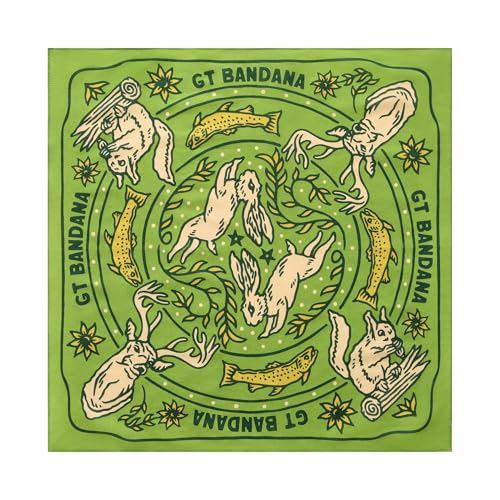
- ✓ Soft, breathable cotton
- ✓ Versatile 22×22 inches
- ✓ Durable stitching
- ✕ Limited colorways
- ✕ No technical moisture-wick
| Size (Unfolded) | 22 x 22 inches (55 x 55 cm) square |
| Fabric Material | 100% Cotton |
| Care Instructions | Machine washable; colors designed to resist fading/bleeding |
| Usage Versatility | Multi-purpose wearable (headband, neck scarf, hair wrap, face cover) and accessory (titted to bags/hats) |
| Style/Pattern | Original GT BANDANA design with unique patterns |
| Target Audience | Unisex (men, women, kids) |
You slip on the GT Bandana and notice the forest patterns aren’t just printed on—there’s a quiet confidence to the way the cotton sits, almost like it was cut with hiking trails in mind. I spotted the original GT BANDANA design right away, and the colors felt vibrant yet weathered-in, as if it belonged on a camp stove and a backpack at dawn.
At 22×22 inches, it’s the kind of square that plays nicely as a headband, neck scarf, or face cover without fuss. The fabric is soft and breathable, so you don’t overheat when you’re climbing or crossing a sun-drenched meadow.
It’s surprisingly sturdy for a lightweight cotton; it held its shape after several knots and a wash.
I took it on a quick trail jog and then a casual city walk, and it layered well with other gear. The texture is easy to tie, and it stays in place without constant adjustments.
The edge stitching feels durable, not flimsy, which matters when you’re stuffing it in a pocket or bag.
Cleaning is a breeze: machine wash, and it starts softer after every trip without fading or bleeding. It’s nice to know you can rely on this bandana for multiple uses—bandit-scarf, towel substitute, or bag charm—without worrying about color transfer.
If you’re sizing up a single, versatile piece for backpacking, this one earns its keep. It’s comfy on skin, quick-drying enough for real-world trips, and stylish enough to wear off the trail too.
It feels like a small but smart upgrade to your everyday carry.
GT BANDANA 22″x22″ Camping Series 100% Cotton Bandana-

- ✓ Soft, breathable cotton
- ✓ Holds shape after wash
- ✓ Versatile multi-use
- ✕ Limited colorways
- ✕ No technical fabric advantages
| Size | 22 x 22 inches (55 x 55 cm) square |
| Material | 100% cotton |
| Fabric Type | Soft, breathable, durable cotton bandana |
| Design | Original GT BANDANA pattern |
| Pack Quantity | Set of 3 |
| Gender/Target | Unisex |
You’ve spilled coffee on your last hike’s shirt again, and you’re desperate for something that doubles as a neck shield and a quick head wrap. You grab the GT BANDANA, and the first thing you notice is that bold, original pattern begging to be shown off rather than hidden under a pack flap.
It’s a 22×22 inch square, so it sits comfortably whether you’re tying it as a headband or looping it around your neck when the wind bites.
The fabric feels soft right out of the package, yet sturdy enough to handle a handful of quick knots. I’ve worn it as a head wrap while scrambling a rocky trail, and the cotton breathes without sticking to sweat like some blends do.
The size stays consistent after a few washes, which is a small victory when you’re chasing external weather changes and unpredictable sun.
In the field, it earns its keep beyond style. You can use it as a face cover when you’re filtering water or need a quick sun shield.
It also doubles as a makeshift towel for damp campsite dishes or a quick rag for your stove area—simple tasks become easier when you have a versatile square that doesn’t fight you.
The triple pack is practical: you can stash one in your hat, one in your backpack, and one in your jacket pocket. It’s a small, affordable upgrade to your packing list that actually sticks around rather than getting tossed aside.
If you’re planning longer trails or a weekend in variable weather, this bandana earns its keep with practical, everyday usability. It’s light, reliable, and ready to adapt to whatever your day throws at you.
GT Bandana 22″x22″ Vintage Forest Cotton Bandana Headband

- ✓ Soft cotton comfort
- ✓ Versatile wear options
- ✓ Color stays after wash
- ✕ Limited size options
- ✕ Soft cotton comfort
- ✕ Versatile wear options
- ✕ Color stays after wash
| Fabric Material | 100% cotton |
| Bandana Size | 22 x 22 inches (55 x 55 cm) square |
| Pattern/Design | Original GT BANDANA design |
| Care Instructions | Machine washable; colors with bright retention after washing |
| Intended Use / Versatility | Unisex accessory suitable as headband, neck scarf, hair wrap, face covering, wrist wrap, or accessory for bags/hats |
| Country of Manufacture | Not specified |
You ever pick up a bandana and think it’s just a scarf, until you slip it on and everything clicks? I kept eyeing the GT Bandana in Vintage Forest for weeks, imagining it doubling as a headband on dusty trail mornings.
When it finally arrived, the 22×22 inch square felt honestly substantial, not flimsy at all.
The first thing I noticed is the fabric’s softness. It’s 100% cotton, breathable and smooth against the skin, which matters when you’re outdoors and heat builds up.
The print—that unique GT BANDANA design—has a rustic, outdoorsy vibe without looking gimmicky. It lays flat and doesn’t bunch when you fold it into a headband.
I wore it as a headband during a windy hike, and it stayed in place without tugging. The cotton held up to sweat and cooled reasonably quickly after a quick wipe-down.
It’s versatile: I tied it around my neck for a snack-stop sun shield, then swapped to a face cover for a dusty overlook. The color stayed bright after a few machine washes, and it didn’t bleed onto a white tee.
What I really appreciated is how many uses it unlocks in a tiny pack. You can knot it to a bag or hat for quick identification, or wear it as a hair wrap after a rinse.
For backpackers chasing lightweight multipurpose gear, this one checks a lot of boxes without breaking the bank.
If you’re deciding between bandanas for a trip, this GT Bandana feels like a confident pick. It’s comfortable, easy to care for, and adds a little personality to practical gear.
What Should You Consider When Choosing the Best Backpacking Bandana?
When choosing the best backpacking bandana, consider the following factors:
- Material: The fabric of the bandana affects its durability, comfort, and breathability.
- Size: The dimensions of the bandana can influence its versatility and ease of use in various situations.
- Design and Color: The pattern and color can play a role in visibility, style, and personal preference.
- Multi-functionality: Some bandanas can serve multiple purposes which can be beneficial while backpacking.
- Packability: A lightweight and easily foldable bandana is crucial for saving space in your backpack.
Material: Look for bandanas made from breathable fabrics like cotton or moisture-wicking synthetics. Cotton is soft and comfortable, while synthetic materials are often more durable and quick-drying, making them suitable for various weather conditions.
Size: Bandanas typically come in various sizes, with the most common being square-shaped at around 22 inches. A larger bandana can be more versatile for different uses, such as wrapping around your head or neck, while a smaller one may be more compact for packing.
Design and Color: While functionality is key, the design of the bandana can also matter. Bright colors or patterns can enhance visibility during outdoor activities, while darker colors might hide stains better. Choose a design that reflects your personal style or one that may have practical advantages.
Multi-functionality: Consider how a bandana can be used beyond just a fashion accessory. It can double as a face mask, sweatband, pot holder, or even a small towel, providing added value during your backpacking trips.
Packability: The best backpacking bandanas are lightweight and can be easily folded or rolled without taking up much space. Look for options that can be crammed into small pockets or attached to the outside of your gear for quick access and convenience.
How Important is the Material of a Backpacking Bandana?
The material of a backpacking bandana plays a crucial role in its functionality, comfort, and durability.
- Cotton: Cotton bandanas are soft and breathable, making them comfortable against the skin; however, they absorb moisture and can take longer to dry. This can be a disadvantage in wet conditions or high humidity, as they may become heavy and less effective as a protective layer.
- Microfiber: Microfiber bandanas are lightweight and quick-drying, ideal for backpacking scenarios where moisture management is essential. They are also effective at wicking away sweat and provide a good balance of breathability and insulation, making them suitable for varying weather conditions.
- Nylon: Nylon bandanas are highly durable and resistant to wear and tear, which is beneficial for rugged outdoor use. They are often water-resistant, making them an excellent choice for environments where rain or splashes are a concern, but they may be less breathable than natural fibers.
- Polyester: Polyester bandanas offer a combination of durability and moisture-wicking properties, making them suitable for active use. They dry quickly and resist fading, ensuring that they maintain their color and effectiveness even after multiple washes or exposure to sunlight.
- Blends: Some bandanas are made from a blend of materials, such as cotton and polyester, combining the softness of cotton with the quick-drying and durable properties of synthetic fibers. This blend can offer a versatile option that balances comfort and performance, making it a popular choice among backpackers.
What Features Make a Backpacking Bandana Stand Out?
The best backpacking bandanas stand out due to several key features that enhance their functionality and versatility.
- Material: High-quality bandanas are typically made from lightweight, breathable, and moisture-wicking fabrics such as cotton or microfiber. This ensures comfort during physical activity while also allowing for quick drying after use.
- Size: A larger bandana provides more versatility, as it can be used for various purposes, such as a headband, neck gaiter, or even a makeshift pouch. A size around 22 inches by 22 inches is commonly seen as optimal for these multiple applications.
- Design: Bold colors and patterns are not just for style; they can also enhance visibility in outdoor settings. Reflective designs or bright colors can help you stand out in case of emergencies while also adding a personal touch to your gear.
- UV Protection: Many of the best bandanas come with UV-blocking properties, which help protect your skin from harmful sun rays during long hikes. This feature is particularly important for those who spend extended periods outdoors and want to minimize sun damage.
- Multifunctionality: A standout bandana can serve multiple purposes, such as a sweatband, first aid tourniquet, or even a filter for water, depending on the situation. This adaptability makes it an essential item for any backpacker looking to maximize their gear efficiency.
- Packability: The best backpacking bandanas are designed to be easily foldable and lightweight, making them simple to stash in a pocket or pack without taking up much space. This convenience encourages frequent use without the burden of extra weight.
- Durability: Quality backpacking bandanas are made to withstand rugged outdoor activities and frequent washing. A durable bandana will retain its shape and function over time, ensuring that it remains a reliable companion for many adventures.
How Can a Backpacking Bandana Be Used in Different Outdoor Activities?
A backpacking bandana is a versatile accessory that can be utilized in various outdoor activities. Here are some of the best uses for a backpacking bandana:
- Sun Protection: A bandana can be worn as a headband or tied around the neck to shield the skin from harmful UV rays during hiking or camping.
- Dust Mask: In windy conditions or dusty trails, a bandana can be pulled up over the mouth and nose to filter out particles, making breathing easier.
- First Aid: A clean bandana can serve as a makeshift bandage or tourniquet in emergencies, helping to staunch bleeding or protect wounds until proper medical assistance is available.
- Cooling Cloth: Soaking a bandana in water and wearing it around the neck can provide a cooling effect on hot days, helping to regulate body temperature during strenuous activities.
- Gear Organizer: Bandanas can be used to wrap and secure small items or tools, preventing them from getting lost in a backpack while keeping them easily accessible.
- Signal Flag: In case of emergencies, a brightly colored bandana can be used as a signal flag for visibility, attracting attention from rescuers or fellow hikers.
- Fashion Accessory: Beyond practicality, a bandana can add a touch of style to outdoor attire, allowing users to express their personal style while enjoying their adventures.
What Are the Most Common Uses for a Backpacking Bandana?
The most common uses for a backpacking bandana include:
- Headwear: A bandana can be worn as a headband, keeping sweat and hair out of your face during strenuous hikes.
- Face Protection: It can serve as a face covering to shield against dust, sun, or cold weather, providing comfort in various environmental conditions.
- First Aid: A bandana can be used as a makeshift tourniquet or to apply pressure to a wound, making it a useful item in emergency situations.
- Cooling Aid: When soaked in water, a bandana can be worn around the neck or forehead to help cool you down in hot weather.
- Storage: It can be tied to form a small pouch for carrying snacks or other lightweight items, making it a versatile addition to your gear.
- Cleaning Cloth: A bandana is handy for wiping down gear, cleaning your hands, or drying dishes after cooking.
- Signal Flag: In case of emergencies, a brightly colored bandana can be used as a signaling device to attract attention from rescuers.
How Does a Backpacking Bandana Enhance Comfort and Safety During Hikes?
A backpacking bandana is a versatile accessory that enhances comfort and safety during hikes in several ways:
- Sun Protection: A bandana can be worn on the head or neck to shield skin from harmful UV rays, reducing the risk of sunburn while outdoors.
- Moisture Management: It can absorb sweat, helping to keep the face and neck dry, which is crucial for maintaining comfort during strenuous activities.
- Temperature Regulation: A bandana can be dampened and worn around the neck or head to cool down the body on hot days, or it can be used to provide warmth in cooler conditions.
- First Aid Use: In emergencies, a bandana can serve as a makeshift bandage or tourniquet, providing essential support for minor injuries or wounds.
- Multi-Purpose Tool: Beyond its primary uses, it can function as a dust mask, a pouch for carrying small items, or even a makeshift pot holder when handling hot cookware.
The sun protection offered by a bandana is essential for extended hikes, where exposure to sunlight can lead to serious skin damage. By covering the head or neck, it helps prevent overheating and sunburn, allowing for a more enjoyable experience.
Moisture management is another key benefit, as a bandana can effectively wick away sweat from the face and neck, keeping hikers comfortable and focused on their journey rather than on irritation from perspiration.
Temperature regulation is particularly valuable in varying weather conditions; soaking a bandana in water and wearing it can significantly cool the body, while wearing it dry can help retain heat when temperatures drop.
In terms of first aid, having a bandana on hand can be a lifesaver, as it can be quickly fashioned into a bandage or tourniquet, offering immediate assistance until proper medical help is available.
Lastly, the multi-purpose nature of a bandana makes it an essential piece of gear; its versatility allows it to adapt to various needs, whether that be shielding against dust, carrying essentials, or even providing an extra layer of protection when handling hot objects.
Which Brands Are Renowned for Producing High-Quality Backpacking Bandanas?
Some of the most renowned brands for producing high-quality backpacking bandanas include:
- Buff: Known for their multifunctional headwear, Buff bandanas are made from moisture-wicking and breathable fabrics, making them ideal for outdoor activities.
- REI Co-op: REI’s own brand offers durable and versatile bandanas that are designed to withstand the rigors of backpacking while providing sun protection and sweat absorption.
- Outdoor Research: This brand specializes in outdoor gear and offers bandanas that feature UPF protection, quick-drying materials, and a range of stylish designs.
- Columbia: Columbia bandanas are made with high-quality fabrics that offer both comfort and functionality, often including features like moisture management and UV protection.
- Patagonia: Known for their commitment to sustainability, Patagonia produces bandanas that not only perform well but are also made from recycled materials, making them eco-friendly choices for backpackers.
Buff: Buff bandanas are crafted from high-performance fabric that provides excellent moisture-wicking properties, making them a favorite among hikers and backpackers. Their versatility allows them to be worn in multiple ways, such as a headband, neck gaiter, or face mask, which is particularly useful in variable weather conditions.
REI Co-op: REI Co-op bandanas are designed with the outdoor enthusiast in mind, featuring durable construction and functional designs. They are available in various colors and patterns, ensuring that you can find one that matches your personal style while also offering practicality during your adventures.
Outdoor Research: Outdoor Research bandanas combine style with function, often incorporating advanced materials that provide sun protection and quick-drying capabilities. These features make them an essential accessory for those who spend long hours outdoors in varying climates.
Columbia: Columbia’s bandanas are engineered for comfort and durability, often featuring moisture management technology that helps keep you dry during strenuous activities. These bandanas also come with UV protection, making them a smart choice for sunny days on the trail.
Patagonia: Patagonia bandanas stand out for their commitment to environmental sustainability, being made from recycled materials without compromising on performance. They are designed to be multifunctional and can serve as a useful tool for various outdoor tasks, from sun protection to cleaning gear.
What Are the Leading Features of Popular Backpacking Bandana Brands?
The leading features of popular backpacking bandana brands include:
- Material Quality: Most backpacking bandanas are made from lightweight, breathable fabrics such as cotton, polyester, or a blend. These materials ensure comfort, quick drying, and resistance to wear and tear during outdoor activities.
- Size and Versatility: The best backpacking bandanas typically come in larger sizes (like 22″x22″) which allow for multiple uses, from headwear to a makeshift towel or a sun shield. Their versatility makes them an essential item for various backpacking scenarios.
- Moisture-Wicking Properties: Many brands incorporate moisture-wicking technology that helps keep the wearer dry by drawing sweat away from the skin. This feature is particularly useful in hot conditions or during strenuous activities.
- UV Protection: Some backpacking bandanas offer UV protection, shielding the skin from harmful sun rays. This feature is crucial for those spending long hours outdoors, reducing the risk of sunburn and skin damage.
- Design and Print Options: Popular brands often provide a variety of colors and patterns, allowing backpackers to express personal style while being functional. Unique designs can also serve as a source of visibility in emergency situations.
- Packability: Leading bandana brands design their products to be lightweight and easily foldable, allowing for convenient storage in a backpack without adding significant weight. This feature is essential for minimalist backpackers who need to optimize every ounce of gear.
- Durability: High-quality bandanas are often reinforced to withstand rugged outdoor conditions, ensuring they won’t easily rip or tear. This durability is important for long-term use while hiking or camping.
- Easy Care: Most backpacking bandanas are machine washable and quick drying, making maintenance straightforward for travelers. This ease of care is a significant advantage for those on extended trips who may not have access to laundry facilities.
How Do Different Sizes and Patterns of Backpacking Bandanas Affect Their Use?
The size and pattern of backpacking bandanas significantly influence their functionality and style during outdoor activities.
- Size Variations: Bandanas typically come in various sizes, such as standard (22×22 inches), oversized (27×27 inches), and even smaller versions for specific uses.
- Pattern Choices: Patterns range from solid colors to intricate designs, including paisley, camouflage, or even unique custom prints.
- Material Differences: The fabric composition can vary, affecting breathability, durability, and moisture-wicking properties.
- Versatility in Use: Different sizes and patterns can cater to multiple uses, such as headwear, neck gaiters, or emergency first aid supplies.
Size Variations: Bandanas typically come in various sizes, such as standard (22×22 inches), oversized (27×27 inches), and even smaller versions for specific uses. A larger bandana can provide more coverage and can be folded or wrapped in different ways, while smaller sizes might be more convenient for carrying and quick access, depending on the backpacker’s needs.
Pattern Choices: Patterns range from solid colors to intricate designs, including paisley, camouflage, or even unique custom prints. The choice of pattern can reflect personal style or serve practical purposes, such as camouflage for hunting or bright colors for visibility during hikes.
Material Differences: The fabric composition can vary, affecting breathability, durability, and moisture-wicking properties. Cotton bandanas are soft and absorbent, making them ideal for hot weather, while synthetic materials may offer better moisture management and quick-drying capabilities for more intense activities.
Versatility in Use: Different sizes and patterns can cater to multiple uses, such as headwear, neck gaiters, or emergency first aid supplies. A versatile bandana can be used to shield the sun, keep sweat away from the eyes, or even serve as a makeshift tourniquet in case of injury, making it an essential item in a backpacking kit.
Related Post: