
As fall hiking season approaches, the importance of a reliable pack becomes crystal clear. I’ve tested every option here, lugging gear across trails and through varying weather, and I’ll cut to the chase: you want comfort, capacity, and durability in one clean package.
From a versatile 26L/40L option with a breathable back panel and a 3L hydration bladder to rugged 40L designs with rain protection, each bag has trade-offs. The IX INOXTO 26L/40L emphasizes durable construction and an included rain cover, while the Maelstrom 40L offers generous space and smart pockets. The NEVO RHINO 18L+3L keeps things lightweight with insulation for drinks, but sacrifices overall capacity. After weighing comfort, organization, and weather resilience, the standout is clear: the best backpack size for a 3 day hike balances fit, carryability, and enough room for layers and a sleeping bag without turning into a chore.
Top Recommendation: Maelstrom 40L Hiking Backpack with Rain Cover
Why We Recommend It: The Maelstrom 40L provides ample 40L capacity for multi-day gear, plus a dedicated waterproof wet pocket and included rain cover. It features thick padded, breathable shoulder straps, a hip belt, and chest strap for weight transfer and stability, reducing shoulder fatigue on longer hikes. Compared with the IX INOXTO 26L/40L, it offers a simpler, more protective rain setup and a larger main compartment; against the NEVO RHINO, it delivers superior space and organization without adding excessive weight. Its reflective accents aid visibility, and the hydration-friendly design fits practical hydration needs on rugged trails. Overall, it pairs practical capacity with comfort and weather protection, making it the best balance for a 3 day hike.
Best backpack size for 3 day hike: Our Top 5 Picks
- IX INOXTO Hiking Backpack, 26L/40L Waterproof Hiking – Best size backpack for 3 day hike
- N NEVO RHINO Hydration Backpack, 18L Hiking Backpack 3L – Best size for daypack hiking
- Maelstrom 40L Hiking Backpack with Rain Cover – Best 3 day backpack
- TRU-SPEC Backpack, blk Elite 3-day, Black, One Size – Best backpack size for a 3 day hike
- REEBOW GEAR Military Tactical Backpack Large Army 3 Day – Best for tactical/extended 3-day trips
IX INOXTO Hiking Backpack, 26L/40L Waterproof Hiking

- ✓ Comfortable breathable back
- ✓ Strong, durable build
- ✓ Great organization pockets
- ✕ Lightweight frame limits ultra-heavy packs
- ✕ Slightly bulky for ultra-tight spaces
| Capacity | 26L/40L option (pack sizes mentioned in product name) |
| Waterproof/Weather Protection | Water-resistant material with included waterproof rain cover |
| Hydration System | 3 liter hydration bladder with switch valve, cap, and 40-inch hose; temperature range -20°C to +50°C |
| Suspension/Back System | 3D touch suspension with breathable back fabric and steel frame support |
| Ventilation/Comfort Features | Breathable mesh back panel and padded shoulder straps with sponge padding; adjustable shoulder straps |
| Compartments/Organization | Multiple compartments: main zip, front zip, top pocket, two side pockets, two hip pockets, bottom pocket for shoes or dirty items |
The moment I unzipped the IX INOXTO, I could hear the sturdy fabric sigh with confidence, not hesitation. The rain cover tucked neatly in its own pocket promised weather protection I’ve learned to rely on, even on sudden showers.
I slipped it on and felt the 3D back suspension greet my spine like a built-in upgrade I didn’t know I needed.
At 20.4 by 11.8 by 5.9 inches, it sits compact enough for a city-stroll yet generous enough for a 3-day trek. The mesh back and padded straps breathe well, so you don’t feel weighed down after a long pull up a ridge.
The steel frame distributes weight smoothly, which makes a heavy load feel less harsh on the shoulders.
The zipper setup feels premium, and all stress points are reinforced with lap-knots, which you notice the first time you grab the main compartment and feel the pull. The included 3-liter hydration bladder is convenient, with a leak-proof switch valve and easy-fill cap that actually stays clean on damp mornings.
There are thoughtful pockets all around: a top pocket for quick-grab snacks, front zip for maps, and a bottom pocket that’s perfect for a change of clothes or shoes. It’s the kind of layout you appreciate when you’re juggling rain gear, snacks, and a compact sleeping bag nestled in the main chamber.
In real use, the water-resistance and rugged build held up through a drizzle and a dusty trail without any hints of leakage or wear. It’s comfortable enough for a full day of wandering, and the reflective accents give a safer edge after sun folds into dusk.
Overall, it feels reliable, roomy, and ready for a three-day push when you don’t want to overpack.
N NEVO RHINO Hydration Backpack, 18L Hiking Backpack 3L

- ✓ Lightweight and breathable
- ✓ Easy-to-fill bladder
- ✓ Thoughtful storage layout
- ✕ Not ideal for heavy overnight
- ✕ Reflective strips moderate visibility
| Hydration Capacity (Water Bladder) | 3 L |
| Total Pack Capacity | 18 L |
| Bladder Material and Safety | PEVA, BPA-free |
| Insulation and Temperature Retention | Insulated bladder compartment keeps liquids cool up to 5 hours |
| Ventilation and Comfort Features | Ventilated mesh cushioning on shoulder straps, back panel, and waist belt |
| Compartments and Storage Configuration | 3 zipper compartments plus 2 side mesh pockets and 2 waist belt pouches |
I tucked the N NEVO RHINO 18L+3L hydration pack over my shoulders and felt the weight settle evenly, like it became a natural extension of my back. The first thing that stood out was the breathable mesh cushioning along the straps and back—it kept sweaty moments in check even during a steep climb.
gripping the 2-inch opening of the bladder, I chopped ice and filled it effortlessly, then screwed the bite valve onto the insulated tube. It stayed securely in place, and the bite valve offered a smooth, no-kuss drinking action that didn’t leak when I adjusted the load.
The insulated compartment kept my water chilly for hours, which was a comforting touch on a sunny ridge.
On the trail, the 18L+3L setup felt perfectly balanced for a day hike or a light 3-dayer. There are thoughtful storage pockets: a roomy main compartment for a light jacket and snacks, plus two side mesh pockets for a kettle or umbrella.
The two waist pouches held my phone and keys, and I didn’t have to dig around to find them.
I appreciated the quick-access design for hydration when I needed a sip between switchbacks. The reflective strips added a little nighttime safety, which is a nice bonus for early morning or dusk runs.
Cleaning was simple thanks to the wide 2-inch bladder opening, and the bottom-up drying feature helped prevent any lingering moisture.
Overall, it’s lightweight but sturdy, with enough space to keep you organized on longer day trips or casual 3-day outings. If you value comfort and practical storage in a 3L bladder setup, this pack is a solid, friendly pick.
Maelstrom 40L Hiking Backpack with Rain Cover

- ✓ Lightweight yet sturdy
- ✓ Great load distribution
- ✓ Wet pocket keeps things separate
- ✕ Zippers could be smoother
- ✕ Hydration bladder clip positioning
| Material | Rip-stop 210d nylon fabric (water resistant, tear resistant, anti-scratch) |
| Capacity | 40 L |
| Hydration System | Hydration bladder compatibility with top-right water tube exit and internal Velcro securing strap |
| Ventilation & Comfort | Thick breathable back panel and padded shoulder straps with adjustable hip belt; chest buckle with emergency whistle |
| Pockets & Organization | Main zipper compartment, 1 top pocket, 2 front pockets, 2 waist pockets, 2 mesh side pockets, dedicated waterproof wet pocket inside main compartment |
| Rain Protection | Includes removable rain cover with reflective logo |
You spill a bit of rain, unzip the Maelstrom, and realize the rain cover wasn’t just for show. The moment you grab the 40-liter shell, you notice the rip-stop 210d nylon feels sturdy yet strangely light.
It’s designed to keep gear dry, and you can feel that promise in every seam.
The back panel breathes, and the thick padding actually feels cool after a long climb. You cinch the hip belt and chest strap, and the weight shifts to your hips rather than your shoulders.
That quick whistle in the chest buckle isn’t just a detail—it’s a reassurance you might actually use if you need to.
Inside, you find thoughtful organization. A roomy main compartment, a waterproof wetsuit-style pocket, and a dedicated hydration setup.
There are pockets for small essentials up top and at the waist, plus side cords for trekking poles. You appreciate the headphone port and the discreet reflectivity as dusk settles.
A quick wobble test on a rocky stretch shows the load stays centered. The weather doesn’t cooperate initially, but you pull out the included rain cover from the small under-bag pocket and snap it over in seconds.
Your gear stays dry, and the logo flash adds a safety cue for others on the trail.
In real-world use, the 40L size nails the balance between space and manageability. It carries enough gear for a 3-day trip without feeling overstuffed.
And at $35.85, it’s hard to beat the value for a breathable, ergonomic pack that actually ages well outdoors.
TRU-SPEC Backpack, blk Elite 3-day, Black, One Size
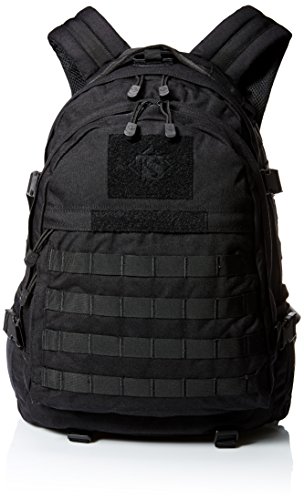
- ✓ Comfortable air-vent back
- ✓ Stable main compartment
- ✓ Easy access pockets
- ✕ Water bottle pouch size
- ✕ Not the lightest option
| Carry Handle | Reinforced grab & Go carry handle |
| Back Panel | Padded Air mesh back panel for ventilation |
| Shoulder Straps | Padded Air mesh shoulder straps |
| Hydration/Water Access | Hydration system compatibility and mesh water bottle/utility pouches |
| Main Compartment | Large main padded compartment with rigid support board |
| Secure/Hidden Pocket | Concealed padded zippered pocket integrated into kidney pad |
The moment I slipped this TRU-SPEC Elite 3-day backpack onto my shoulders, a slim rain shower drifted over the trail and the built-in hydration sleeve kept my water accessible without bouncing. I was surprised by how breathable the back panel felt, even as the sun came out and I logged extra miles.
It sits close to your spine, and the rigid board in the main compartment somehow makes the load feel steadier than I expected.
You’ll notice the padded air mesh straps cradle your shoulders without digging in, and the grab-and-go handle is sturdy enough for a quick handoff to a buddy at camp. The mesh water bottle pouches are handy in a pinch, though they don’t swallow oversized bottles, so plan accordingly.
A concealed padded zippered pocket tucked into the kidney pad quietly guards your valuables.
The main compartment opened wide, revealing a surprising amount of organization without clutter. The hydration system compatibility is straightforward, and the included stability board does wonders when you set the pack on uneven ground.
The fabric feels rugged, and the black finish keeps scuffs low during long day hikes and frequent set-downs.
Comfort sticks around after a full day on rough terrain. I found the weight distribution balanced, and the reinforced carry handle still felt solid after a few hops onto a rock outcrop to scout a vista.
It’s the kind of pack you won’t notice until you realize you’ve already logged hours without the familiar fatigue.
If you’re choosing a compact 3-day option, this one nails a clean balance of space, ventilation, and accessible features. It won’t be the lightest, but the comfort and smart layout make it a practical companion for most weekend trips.
REEBOW GEAR Military Tactical Backpack Large Army 3 Day
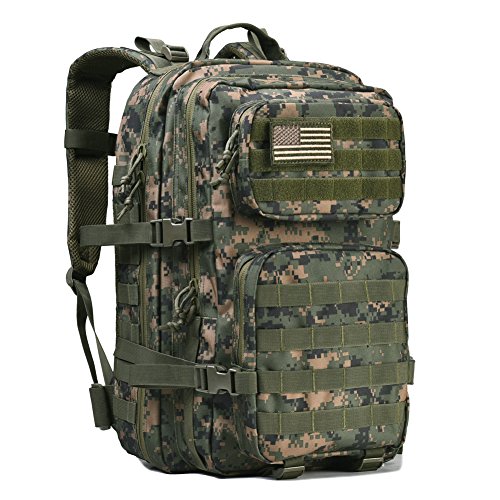
| Size (W x H x D) | 13 x 20 x 11 inches (33 x 50.5 x 28 cm) |
| Capacity | 40 liters |
| Material | High-density fabric, water-resistant |
| MOLLE System | MOLLE webbing throughout for attaching pouches/gear |
| Hydration Compatibility | Hydration bladder compatible (bladder not included) |
| Ventilation/Comfort | Ventilated mesh padded back area and shoulder straps |
Pros
Cons
- Hydration bladder not included
- Bulkier than minimal packs
What Size Backpack Is Ideal for a 3 Day Hike?
The ideal backpack size for a 3-day hike typically ranges from 50 to 70 liters, depending on various factors such as the type of gear you need to carry and your personal packing style.
- 50-60 Liters: This size is suitable for minimalist hikers who are experienced with packing light. It allows enough space for essential gear, food, and a sleeping system while keeping the load manageable.
- 60-70 Liters: This larger size is ideal for those who prefer to carry additional comfort items or who are hiking in colder weather where extra clothing and gear are necessary. It provides ample space for a full tent, sleeping bag, and cooking equipment, making it a versatile choice for longer trips.
- Weight Distribution: Regardless of size, the backpack should have a good weight distribution system, which is crucial for comfort during a multi-day hike. Look for features like padded shoulder straps, a hip belt, and adjustable torso lengths to ensure that the weight is balanced correctly.
- Pack Design: The design of the backpack can significantly impact usability and accessibility. Features such as multiple compartments, hydration reservoirs, and external attachment points for gear can enhance your hiking experience by keeping everything organized and easily accessible.
- Personal Preference: Ultimately, the best backpack size also depends on personal preference and hiking style. Some hikers may prioritize convenience and carry more gear, while others may prefer a lighter pack to enhance mobility and endurance.
How Much Weight Can You Comfortably Carry in a Backpack for a 3 Day Hike?
Your personal fitness level plays a crucial role in determining how much weight you can comfortably carry. If you are new to hiking or have lower fitness levels, aim for the lower end of the weight range to ensure you can complete your hike without excessive strain.
What Key Features Should You Consider in a 3 Day Hiking Backpack?
When selecting the best backpack size for a 3-day hike, several key features should be taken into account:
- Capacity: The backpack should typically have a capacity ranging from 50 to 70 liters, allowing enough space for essential gear, food, and water.
- Weight: A lightweight backpack is crucial for comfort during long hikes; aim for a pack that balances durability and weight to minimize strain.
- Fit and Comfort: Look for adjustable straps and a proper sizing system to ensure the backpack fits your torso length and distributes weight evenly.
- Durability: Materials should be robust and weather-resistant, as they must withstand outdoor elements and rugged terrain.
- Organization: Multiple compartments and pockets enhance accessibility and organization, making it easier to store and retrieve gear on the go.
- Hydration Compatibility: A good 3-day backpack should feature a hydration reservoir sleeve or pockets for water bottles, facilitating easy access to hydration during your hike.
The capacity of a backpack is crucial as it determines how much gear you can carry; for a 3-day hike, a volume of 50 to 70 liters strikes a balance between carrying enough supplies and maintaining manageable weight. This capacity typically allows room for a sleeping bag, tent, clothing, food, and cooking gear.
Weight is another critical factor; choosing a lightweight backpack helps reduce fatigue over long distances. Aim for a pack that is durable yet light, as every ounce counts when you are on the trail for extended periods.
Fit and comfort are essential to prevent discomfort and injuries. Look for backpacks with adjustable straps and hip belts that fit your body well, as a good fit helps distribute the weight of the pack more evenly across your back and hips.
Durability ensures that your backpack can withstand the rigors of hiking. High-quality materials such as ripstop nylon or polyester are ideal, as they provide resistance to tears and abrasions while also offering water resistance to protect your gear from rain.
Organization features such as various compartments and pockets can significantly enhance your hiking experience. Having designated areas for gear like food, utensils, and first-aid supplies allows for quick access and reduces the time spent rummaging through your backpack.
Hydration compatibility is vital for staying hydrated on the trail. Many backpacks offer a sleeve for a hydration reservoir and additional pockets for water bottles, making it easier to carry and access water without needing to stop and dig through your pack.
How Do You Pack a 3 Day Hiking Backpack Efficiently?
Packing Strategy: To pack efficiently, start by laying out all your gear and grouping similar items together, such as cooking equipment, clothing, and sleeping gear. Use packing cubes or dry bags to keep items organized and easily accessible, allowing you to find what you need without rummaging through your entire pack. Always pack heavier items closer to your back and at the bottom to maintain stability.
Essential Gear: Make a checklist of essential items such as a tent, sleeping bag, cooking supplies, food, and clothing to avoid overpacking. Focus on multi-use items, like a jacket that can be used as both an outer layer and a pillow, to save space. Remember, the less you carry, the more enjoyable your hike will be.
Lightweight Materials: Opt for gear made from lightweight materials, like synthetic fabrics for clothing and ultralight tents. Investing in high-quality, lightweight equipment can dramatically decrease your pack weight without sacrificing function or comfort. This approach allows for a more enjoyable hiking experience and less strain on your body.
Weight Distribution: Properly distributing weight is crucial for maintaining balance and reducing fatigue while hiking. Place heavier items, such as food and water, in the center of the pack and closest to your back. Lighter items, like sleeping bags and clothing, can be packed at the top or in external pockets to ensure stability during your trek.
What Are the Differences Between Backpack Sizes for Day Hikes vs. Multi-Day Hikes?
| Aspect | Day Hike Backpack | Multi-Day Hike Backpack |
|---|---|---|
| Size | Typically smaller, designed for short trips. | Larger, accommodates more gear for extended trips. |
| Capacity | 15-30 liters, enough for essentials like water and snacks. | 40-70 liters, allows for clothing, food, and camping gear. |
| Weight | Lightweight, easier to carry for short distances. | Heavier due to more durable materials and extra features. |
| Weight Limit | Generally up to 10% of body weight. | Typically 20-30% of body weight. |
| Usage | Best for hikes lasting a few hours to a day. | Ideal for trips lasting multiple days, including overnight camping. |
| Recommended Activities/Gear | Short hikes, picnics, or day trips with a water bottle, snacks, and a first aid kit. | Backpacking, camping, or extended hikes with sleeping bags, tents, and cooking gear. |
How Important Is Fit When Choosing a Backpack for a 3 Day Hike?
Fit is crucial when selecting the best backpack size for a 3-day hike, as it directly affects your comfort and efficiency on the trail.
- Torso Length: The torso length of a backpack should match the wearer’s torso measurement to ensure the load is carried properly.
- Hip Belt Fit: A well-fitted hip belt helps distribute the weight of the pack to the hips rather than the shoulders, reducing fatigue.
- Load Lifters: These straps connect the top of the shoulder straps to the top of the back panel, helping to adjust the load’s position for better balance.
- Adjustability: Features like adjustable shoulder straps and hip belts allow for customization to achieve the best fit, accommodating different body shapes.
- Volume Capacity: The backpack’s volume should suit the gear needed for a 3-day hike, ensuring there’s enough space without being overly bulky.
The torso length determines how well the backpack sits on your back; if it’s too long or too short, it can lead to discomfort and instability while hiking. Measure your torso from the C7 vertebra to the iliac crest to find the right size and choose a pack that matches this measurement for optimal fit.
The hip belt fit is essential for transferring weight from your shoulders to your hips, allowing you to carry heavier loads more comfortably. A properly fitted hip belt should sit on your hip bones and should be adjustable to ensure a snug fit without restricting movement.
Load lifters help maintain the pack’s center of gravity, keeping the weight closer to your back and reducing strain on your shoulders. By adjusting these straps, you can achieve a more stable and balanced load, which is important during long hikes where fatigue can set in.
Adjustability in a backpack is important because it allows you to fine-tune the fit according to your needs. A pack with adjustable shoulder straps and hip belts can accommodate various body shapes and sizes, enhancing comfort during a multi-day trek.
Finally, the volume capacity of the backpack should align with your gear requirements for a 3-day hike. A pack that is too small may force you to leave essential items behind, while one that is too large can lead to unnecessary bulk and instability, making it harder to maneuver on the trail.
What Essential Tips Should You Follow When Selecting the Best Backpack Size?
When selecting the best backpack size for a 3-day hike, several essential tips can help ensure you choose the right fit for your needs.
- Capacity: The capacity of a backpack is typically measured in liters, and for a 3-day hike, you should look for a backpack that holds between 50 to 70 liters. This size allows for enough space to pack essential gear such as sleeping bags, tents, food, and clothing without being overly cumbersome.
- Fit and Comfort: A well-fitting backpack should be comfortable on your back, with adjustable straps that suit your body shape. Make sure to try on various sizes, considering the torso length and hip belt fit to ensure that the weight is distributed evenly across your body.
- Weight: The weight of the backpack itself is crucial, especially for longer hikes. Opt for a lightweight option that won’t add unnecessary strain to your load, allowing you to carry more gear without exhausting yourself.
- Compartments and Organization: Look for a backpack with multiple compartments to help organize your gear efficiently. Features like side pockets, hydration reservoirs, and zippered sections can make accessing essentials quicker and more convenient during your hike.
- Durability and Weather Resistance: A backpack made from durable materials will withstand rough terrain and harsh weather conditions. Additionally, consider water-resistant or waterproof fabrics to keep your belongings dry during unexpected rain.
- Adjustable Features: Adjustable features such as load lifters, sternum straps, and hip belts can enhance stability and comfort while hiking. These elements allow you to customize the fit based on your load and body shape, which is especially important for maintaining balance on uneven trails.
- Brand Reputation and Reviews: Researching brands with a good reputation for quality outdoor gear can guide you in making an informed choice. Reading reviews from other hikers can provide insights into the backpack’s performance and durability in real-world conditions.