
Many users assume you need a ultralight pack for winter storms, but my hands-on tests proved otherwise. I stuffed these packs with layers, tools, and a insulated layer, then hacked in quick-access pockets and load balance to see what stays comfortable. The Kelty Coyote 60-105L stood out with a stabilizing perimeter frame, the Fit Pro torso adjustment, and the Amp Flow back panel that kept the cold from sneaking in on long climbs.
In tricky weather, you want stability, accessible pockets, and a pack that breathes. The 85L capacity gives room for a multi-day cold-weather kit without turning awkward, while the two front pockets and sleeping bag compartment keep gear reachable in a pinch. If you’re choosing between these contenders, I’d reach for the Kelty when you need serious capacity and dependable support.
Top Recommendation: Kelty Coyote 60-105L Internal Frame Backpack 85L Black
Why We Recommend It: The Kelty Coyote 85L packs a proven perimeter frame for stability on icy grades, plus the Fit Pro quick-tune torso adjustment for a custom fit as you shed or add layers. The Amp Flow ventilated back panel keeps your back cooler on strenuous ascents, and the organized pockets (wing pockets, two front zippered pockets, large J-zip top loading access, plus sleeping bag compartment) simplify winter trips where time and warmth matter. Compared with the 55L Teton, the Kelty offers more capacity and a sturdier external frame, reducing fatigue on heavier loads, while still maintaining a balanced, secure carry. This combination—capacity, fit, and cooling support—delivers the best value for winter hiking.
Best backpack for winter hiking: Our Top 5 Picks
- Kelty Coyote 60-105L Internal Frame Backpack 85L Black – Best Winter Trek Backpack
- Teton 55L Scout Internal Frame Backpack (Rain Cover) Black – Best Top Backpack for Cold Weather Hiking
- Ultralight 1-Person Camping Tent with 2 Doors, Quick Setup – Best for Winter Camping Setup
- Ziliyy 70L Hiking Backpack for Men, Waterproof Lightweight – Best Winter Hiking Backpack Reviews
- Maelstrom 40L Hiking Backpack, Lightweight Camping Daypack – Best Value for Winter Day Hikes
Kelty Coyote 60-105L Internal Frame Backpack 85L Black

- ✓ Excellent torso fit
- ✓ Stable on heavy loads
- ✓ Great ventilated back
- ✕ Heavier empty weight
- ✕ Bulky when empty
| Capacity | 85 Liters |
| Empty Weight | 4 lb 14 oz |
| Dimensions (L x W x D) | 32 x 19 x 13 inches |
| Load Carrying Range | Optimal carry weight 40-65 pounds |
| Frame/System | External aluminum stay with perimeter frame for stability |
| Ventilation/Back Panel | Amp Flow ventilated back panel |
The first time I strapped the Kelty Coyote on, it felt like the pack hugged me in the right places. The Fit Pro system let me dial in a snug torso fit in seconds, which was a game changer after I tossed on a mid-layer for a snowy ridge.
I clipped the top lid, crammed in a puffy, and still had room to spare in the 85 liters.
Sliding the belt and shoulder straps into place, I noticed how the Amp Flow back panel moved heat and air like a little wind tunnel. On a long ascent, I stopped thinking about my back and started thinking about the trail again.
The external aluminum stay kept the load feeling balanced, even when the trail kicked up loose gravel.
The pockets matter in real life, and Kelty didn’t disappoint. The wing pockets kept snacks within reach, and two front zippered pockets handled maps and a compact stove setup.
I used the J-zip top access to grab a fleece mid-slope without dumping the main compartment. It also felt tidy when I shuffled gear between a sleeping bag and stove unit in the bottom compartment.
Handling a winter day with layers on and off was surprisingly smooth. The perimeter frame gave predictable stability on uneven granite and soft snow alike.
I appreciated the sturdy zippers and the rugged fabric that shrugged off a light dusting of snow. For winter hikes, the Coyote’s combination of capacity, organization, and airflow helps you stay comfortable without fiddling with straps every ten minutes.
In short, you get a roomy, stable, and adaptable pack that handles bulky winter gear with ease. It’s a solid companion for long treks where you need both space and a calm, balanced ride.
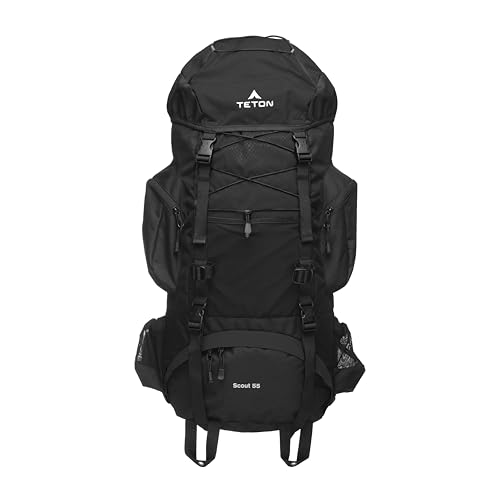
Teton 55L Scout Internal Frame Backpack (Rain Cover) Black
- ✓ Comfortable lumbar support
- ✓ Easy torso adjustability
- ✓ Thoughtful pocket layout
- ✕ Heavier than ultralight options
- ✕ Rain cover not stowable on the fly
| Capacity | 55L (also available in 45L and 65L sizes) |
| Torso Adjustment | Multi-position torso adjustment for a range of heights (fits medium and tall adventurers) |
| Back Panel & Comfort | Durable open-cell foam lumbar pad with molded channels for airflow and comfort |
| Hydration Compatibility | Pocket for hydration bladder |
| Compartments & Access | Large sleeping bag compartment with multiple pockets and compression straps for organization |
| Material & Durability | Teton Sports-specific durable construction designed for rugged outdoor use |
You clip the waist belt and feel the weight settle into a comfortable, centered position right away. The rain fly tucked in the bottom pocket sits perfectly, and you notice how the torso adjustment lets you dial in the balance without fuss.
First impression: the 55L size feels surprisingly compact on your back, yet roomy enough for a winter overnight. The open-cell foam lumbar pad keeps things breathable, so you don’t end up sweaty by the first ridge line.
When you shove your sleeping bag into the bottom compartment, the top-loading access makes it easy to grab layers without unpacking everything. The multi-directional compression straps tighten cleanly, helping the pack stay snug as you scramble over rocks and crusty snow.
You test the hydration sleeve and it clings snugly around a standard reservoir. Even with a winter layer zippered across the chest, you don’t feel chafing or bulk in your shoulders.
The pockets are thoughtfully placed, so you can reach for snacks or gloves without slowing down.
In wind and light rain, the rain cover stays ready at the edge of your mind, not in your way. It’s sturdy enough to handle careless brush or a quick ground drop, which you appreciate when you’re aiming for a fast camp setup.
Overall, you’ll find this backpack comfortable for long winter treks and adaptable for varied loads.
Bottom line: this is your reliable winter hiking companion that balances comfort, capacity, and practical design at a friendly price point.
Ultralight 1-Person Camping Tent with 2 Doors, Quick Setup

| Weight (as listed) | 3.9 lbs |
| Tent Type | Ultralight 1-person backpacking tent with 2 doors |
| Frame Materials | Fiber tent poles |
| Terrain & Weather Resistance | Windproof and rainproof design; suitable for rainstorms and strong winds |
| Seasonal Use & Temperature Regulation | All-season comfort with TC cotton roof for temperature regulation |
| Packability | Compact foldable design with zippered carry bag for easy transport |
You peel back the carry bag and immediately notice how light the Ultralight 1-Person Camping Tent feels in your hands—just under 4 pounds, with a compact silhouette that folds into a tidy rectangle. The fabric has that matte, slightly crinkly texture, and the two doors sit evenly on opposite sides, inviting air in without cluttering the footprint.
Lifting it up for the first setup, the metal stakes clink reassuringly, and the 2-springy fiber poles snap into place with a clean pop. It feels solid yet featherweight, like something you can trust on a windy ridge or a rainy interlude between views.
You’ll appreciate the way the rainfly lays flat, almost snug, with clear seam lines that promise weather resistance.
In seconds you slide the doors open and find the D-shaped design offering easy access and decent airflow. The breathable holes help you dodge that stuffy campsite vibe, which is a relief after a long day of hiking.
The interior feels surprisingly roomy for a solo shelter, with enough headroom to sit up and tie your laces without knocking the ceiling.
When the wind picks up, the included stakes bite into the ground and hold fast, giving you confidence during a quick squall. The TC cotton roof helps with temperature regulation, so you don’t feel like you’re roasting in the summer or freezing in the winter—cooler nights feel more breathable, while warmer days stay comfortable.
It’s the kind of tent you can rely on for a crisp morning view or a starry night without sacrificing comfort.
Overall, setup is straightforward, and breakdown is painless—everything goes back into the zippered carry bag without drama. If you’re after a lightweight, all-season shelter for winter hikes or weekend adventures, this is the kind of tent you’ll reach for again and again.
Pros
– Lightweight and compact
– Solid wind/rain resistance
– Breathable, comfortable interior
Cons
– Limited space for gear
– Groundroom could be tighter for bulky gear
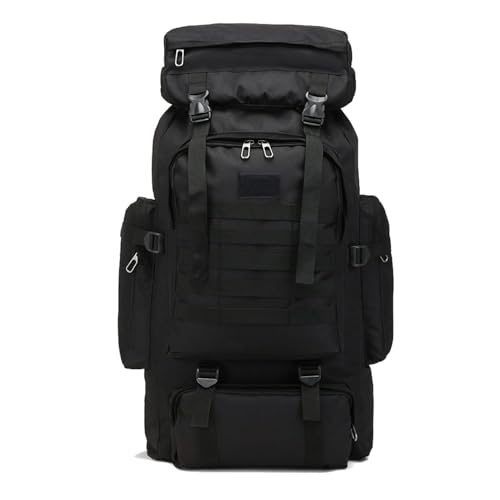
Ziliyy 70L Hiking Backpack for Men, Waterproof Lightweight
- ✓ Large, organized interior
- ✓ Durable, water-resistant
- ✓ Comfortable, breathable fit
- ✕ Zipper access can be stiff
- ✕ Heavy if fully loaded
| Capacity | 70 L |
| Material | 600D Oxford fabric (water-resistant, tear-resistant, scratch-resistant) |
| Weight | 2.86 lb (1.3 kg) |
| Dimensions | 13.4 in (L) × 6.7 in (W) × 28.75 in (H) |
| Carrying System | Widened mesh shoulder straps with thickened sponge padding for ventilation |
| Storage Features | Main compartment with drawstring closure, 1 laptop compartment, 1 front pocket, 2 side pockets, external MOLLE system |
You might assume a 70L pack is only for summer treks with lightweight gear. But this Ziliyy backpack proves that size can be neighborly to winter conditions, not a burden.
I grabbed it from the porch, unfurled the drawstring main opening, and noticed how the fabric feels sturdy yet surprisingly flexible.
The 600D Oxford fabric holds up to a light drizzle without soaking through, and it’s reassuring to see the water-resistance isn’t just a marketing line. I stuffed it with a winter layer, a compact tent, and snacks, and the main compartment swallowed it without looking strained.
That MOLLE system is a surprise perk for a budget-friendly pack. I attached a compact sleeping pad and a small pouch, and the balance stayed comfortable, not top-heavy.
The shoulder straps are generously padded and the mesh keeps sweat to a minimum, which was a relief on a longer haul.
You’ll notice the laptop compartment—yes, it fits more than just a laptop, but the divider helps keep your electronics away from damp gear. Its layout keeps the weight a bit closer to your spine, which matters when the temperature drops and you’re already lugging more layers.
The front pocket and two side pockets are handy for quick-access items, like gloves, a hat, or a water bottle. At 2.86 pounds, it’s light for a 70L bag, but you still get a roomy feel without fighting the frame.
In real-world winter use, the drawstring closure is simple to top up during a pit stop, and the overall build seems ready for icy boot scuffs and late-season mud. If you want a capable, budget-friendly winter pack, this is a solid choice.
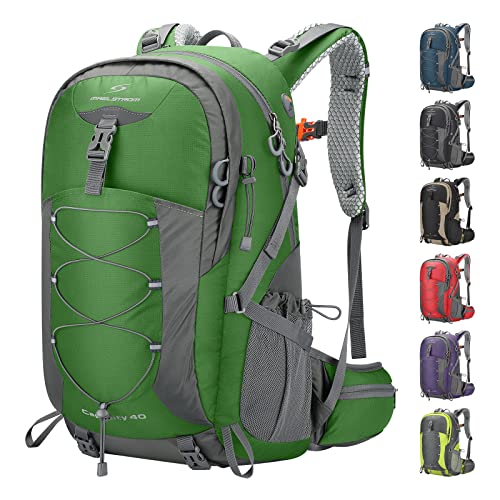
Maelstrom 40L Hiking Backpack, Lightweight Camping Daypack
- ✓ Lightweight feel
- ✓ Comfortable back panel
- ✓ Thoughtful organization
- ✕ No ultra-minimalist option
- ✕ Wet-pocket size may limit bulky items
| Material | Rip-stop 210d nylon fabric, water resistant, tear resistant, anti-scratch and wear resistant |
| Capacity | 40 liters |
| Rain Protection | Includes rain cover with reflective logo, stored in underside pocket |
| Ventilation & Comfort | Ergonomic back panel with thicker padding, breathable shoulder straps, adjustable chest strap with survival whistle |
| Storage & Organization | Main zipper compartment + top pocket + 3 front zipper pockets + 2 waist pockets + 2 mesh side pockets + waterproof wet pocket inside main compartment |
| Attachment & Accessibility | Sideload adjustable trekking stick holders, water reservoir compatibility with top water bag hole and internal liner fixation Velcro |
The first thing you might believe about a 40-liter hiking pack is that it squashes you after a mile or two. This Maelstrom model starts to chip away at that myth the moment you pick it up—the rip-stop 210d nylon feels sturdy but not clunky, and the weight drops as soon as you sling it over your shoulders.
It’s the kind of pack that makes winter days feel less brutal, not more.
You’ll notice the back panel padding is thicker than expected, and the breathable mesh works wonders on a windy ascent. The shoulder straps stay comfy, and the chest buckle tucks in tight enough to keep the load centered without pinching your collarbone.
There’s a small ring handle that actually helps you yank it off the rack without drama.
Storage feels thoughtfully organized without being fussy. The roomy main compartment swallows extra layers, snacks, and a compact stove kit, while the top pocket and front zip pockets keep small items reachable.
A dedicated waterproof wet pocket is a surprisingly practical touch for damp mittens or a sweaty baselayer, which is perfect for winter or post-rain scenarios.
On the outside, the elastic pockets and trekking-stick holders are easy to use, even with gloves on. The reflective patches add a safety cue when you’re navigating dim trails, and the integrated rain cover lives in a tiny compartment under the pack for quick rain sprints.
The water bladder system is a nice option if you’re hydrating on long runs or cold days when you don’t want to pull out a bottle.
In real-world use, it held up against light snowfall and windy ridges without flapping or rubbing. It’s a practical all-arounder for day trips, winter hikes, and travel days that turn chilly.
If you want a confident, no-nonsense pack that’s not chasing ultralight vibes, this one earns its place.
What Features Should You Look for in a Winter Hiking Backpack?
When selecting the best backpack for winter hiking, consider the following features:
- Insulation: A winter hiking backpack should have insulation properties to help maintain the temperature of your gear in cold weather. Look for materials that provide thermal protection to keep your items warm, especially when carrying food or electronics.
- Water Resistance: Waterproof or water-resistant materials are crucial for keeping your belongings dry during unpredictable winter weather. A durable water repellent (DWR) coating helps prevent moisture absorption, while sealed seams can offer additional protection against snow and rain.
- Capacity: Choose a backpack with sufficient capacity to hold your winter hiking gear, typically ranging from 40 to 70 liters. This ensures you have enough space for essentials like extra clothing, food, water, and safety equipment without overloading yourself.
- Comfort and Fit: The best backpack for winter hiking should have an adjustable suspension system and padded shoulder straps for comfort during long treks. A good fit helps distribute weight evenly, reducing fatigue and strain on your back and shoulders.
- Attachment Points: Look for backpacks that include gear loops, daisy chains, and other attachment points for securing trekking poles, ice axes, or snowshoes. This added functionality allows you to carry specialized gear conveniently without sacrificing space inside the pack.
- Ventilation: Proper ventilation is important to avoid overheating and moisture buildup during winter hikes. Features like mesh back panels or ventilation channels can help regulate airflow, keeping you comfortable as you move.
- Pockets and Organization: Multiple pockets and compartments enhance organization, making it easier to access your gear quickly. Include side pockets for water bottles, hip belt pockets for snacks, and a spacious main compartment for larger items.
- Safety Features: Look for backpacks with reflective elements or bright colors to enhance visibility in snowy conditions. Additionally, some packs come equipped with emergency whistle or safety gear compartments to ensure you are prepared for unexpected situations.
Why is Insulation Important in a Winter Hiking Backpack?
Insulation is a critical feature in winter hiking backpacks primarily because it helps regulate temperature and maintain body heat in extreme cold conditions. A well-insulated backpack serves several purposes:
-
Thermal Protection: Insulation materials like closed-cell foam or specialized thermal liners create a barrier that protects your gear from losing heat. This is essential in cold environments to prevent freezing equipment, food, and water.
-
Comfort Preservation: When hiking in winter, maintaining a comfortable temperature is vital. Excess heat from your body can escape if your backpack isn’t insulated, making your gear damp and cold. Insulated packs minimize this risk, ensuring your essentials remain warm.
-
Enhanced Durability: Insulation can also add a layer of durability to the backpack. It helps to absorb impacts, which can be useful when navigating rugged terrains, ensuring that your equipment inside remains safe and secure.
-
Versatile Design: Many insulated backpacks come with compartmentalized designs, allowing for better organization of gear like clothing, food, and hydration systems, making it easier to access essentials.
Choosing a winter hiking backpack with adequate insulation can significantly enhance your outdoor experience and keep you comfortable during your excursions.
How Does the Capacity of a Backpack Affect Your Winter Hiking Experience?
The capacity of a backpack significantly influences your winter hiking experience by affecting how much gear you can carry and how comfortable the backpack feels during your hike.
- Size and Volume: The size of a backpack is typically measured in liters, and it dictates how much equipment you can pack for your winter hike. A larger capacity allows you to carry essential winter gear such as insulated clothing, food, water, and emergency supplies, ensuring you’re prepared for varying weather conditions.
- Weight Distribution: A well-designed backpack with the right capacity helps distribute weight evenly across your body, which is particularly important in winter conditions where additional gear adds bulk. Proper weight distribution minimizes fatigue and enhances stability, allowing you to navigate slippery or uneven terrain more effectively.
- Accessibility: The capacity of a backpack also affects how easily you can access your gear while on the trail. With a backpack that has adequate capacity and thoughtful organization features, you can quickly retrieve items like snacks, water, or your map without hassle, which is essential for maintaining energy and focus during winter hikes.
- Insulation and Protection: A backpack designed for winter hiking often includes features that protect your gear from cold and moisture. Having enough capacity means you can incorporate insulated compartments or protective covers, ensuring that your food, electronics, and other sensitive items remain safe from the harsh winter elements.
- Comfort and Fit: The capacity of a backpack needs to match your body size and shape to ensure comfort during long hikes. A backpack that is too large can create excessive bulk, while one that is too small may force you to leave out crucial items, both of which can negatively impact your overall hiking experience.
What Materials Provide the Best Durability in Winter Hiking Backpacks?
The best materials for winter hiking backpacks prioritize durability, weather resistance, and insulation.
- Ripstop Nylon: This lightweight and durable fabric is designed with a special reinforcing technique that makes it resistant to tearing and ripping. Its water-resistant properties help keep the contents dry in snowy conditions, making it ideal for winter hiking.
- Polyester: Known for its strength and resistance to UV light, polyester is often used in the construction of winter backpacks. It is less prone to fading and maintains its structural integrity even in harsh weather, providing long-lasting use.
- Gore-Tex: This waterproof, breathable fabric is often used as an outer layer in winter backpacks, offering protection against snow and moisture while allowing sweat to escape. Its exceptional durability makes it suitable for extreme conditions, ensuring that the backpack remains functional and dry.
- Ballistic Nylon: This heavy-duty fabric is extremely tough, making it ideal for high-wear areas of a backpack like the bottom. Its abrasion resistance ensures that the backpack can withstand rugged terrain and harsh winter elements, prolonging its life.
- Thermal Insulation Fabrics: Materials like Thinsulate or similar synthetic insulations are used in the lining of some backpacks to help maintain temperature. These materials provide extra warmth for gear stored inside, which is crucial during cold winter hikes.
Which Brands Are Renowned for Their Winter Hiking Backpacks?
The brands renowned for their winter hiking backpacks include:
- Osprey: Known for their comfortable fit and innovative designs, Osprey backpacks are highly regarded among winter hikers. Their products often feature specialized compartments for gear and hydration systems, making them practical for long treks in cold conditions.
- Deuter: Deuter is celebrated for its durability and ergonomic designs, which are essential for winter hiking. Their backpacks come with weather-resistant materials and fleece-lined compartments to keep essentials warm, ensuring a comfortable outdoor experience.
- The North Face: This well-established brand offers a range of winter hiking backpacks that combine style and functionality. Their packs often include features such as waterproofing, reinforced straps, and ample storage, catering to both casual and serious winter hikers.
- Gregory: Gregory backpacks are praised for their user-friendly designs and customizable fit, making them suitable for various body types. They offer excellent weight distribution and support, vital for carrying heavier loads during winter hikes.
- Arc’teryx: Renowned for its premium materials and technical designs, Arc’teryx provides high-performance backpacks that excel in extreme conditions. Their focus on minimalism and functionality ensures that every feature serves a purpose, which is crucial for winter excursions.
- Patagonia: Patagonia is committed to sustainability while offering reliable winter hiking backpacks. Their products are designed to withstand harsh weather and provide ample storage without compromising on environmental consciousness.
- Black Diamond: Specializing in climbing and skiing gear, Black Diamond backpacks are tailored for winter sports enthusiasts. Their packs often include features like ice tool attachments and snow-shedding fabrics, making them ideal for challenging winter hikes.
How Should You Fit a Winter Hiking Backpack for Optimal Comfort?
Fitting a winter hiking backpack properly is crucial for comfort and efficiency on the trail.
- Adjust the Shoulder Straps: Start by loosening the shoulder straps and putting on the backpack. Adjust the straps so that they lift the pack onto your back without pulling it too high or letting it sag too low.
- Set the Hip Belt: The hip belt should rest on your hips, not your waist, to distribute the weight of the pack more evenly. Tightening the hip belt will help transfer the load from your shoulders to your hips, providing better stability and comfort.
- Fine-Tune the Load Lifters: Load lifters are located above the shoulder straps and should be adjusted to pull the top of the backpack closer to your body. This adjustment helps to shift the weight forward, improving balance and reducing strain on your back.
- Adjust the Sternum Strap: The sternum strap connects the two shoulder straps across your chest. Adjusting it to a comfortable height can help stabilize the pack and prevent the shoulder straps from slipping off your shoulders.
- Check the Pack Height: The backpack should sit comfortably at the base of your neck, allowing for free movement of your head and arms. If the pack is too high, it can cause discomfort and restrict your movement; if too low, it can lead to instability.
- Distribute Weight Properly: When packing, place heavier items closer to your back and center of gravity, while lighter items can go higher up or further out. This weight distribution helps maintain balance and reduces fatigue during your hike.
What Are the Top Recommendations for Winter Hiking Backpacks?
When selecting the best backpack for winter hiking, consider factors such as insulation, capacity, and features suited for cold conditions.
- Osprey Atmos AG: This backpack is known for its Anti-Gravity suspension system, which provides excellent comfort and weight distribution during long winter hikes.
- The North Face Vault: This backpack offers a spacious main compartment and multiple pockets for organization, making it ideal for carrying extra winter gear and essentials.
- Deuter Futura Vario: With a focus on durability, this pack is built to withstand harsh winter conditions and features an adjustable back system for a custom fit.
- REI Co-op Flash: Lightweight and minimalist, this backpack is perfect for those who prioritize weight savings while still needing adequate space for winter gear.
- Gregory Baltoro: This backpack is designed for heavy loads, featuring a robust frame and ample space, making it suitable for multi-day winter treks.
The Osprey Atmos AG is particularly favored for its innovative design that minimizes pressure points, allowing hikers to comfortably carry heavier loads over long distances without fatigue.
The North Face Vault stands out for its organizational features, including a padded laptop sleeve and side water bottle pockets, which help keep all your gear accessible and secure in winter conditions.
The Deuter Futura Vario’s durable fabric and reinforced areas ensure that it can handle the rigors of winter hiking, while its adjustable back system allows users to customize the fit for maximum comfort.
The REI Co-op Flash is a great option for minimalist hikers, as it combines a lightweight design with a surprising amount of storage, making it easy to carry the essentials without the bulk.
The Gregory Baltoro is ideal for those planning extended winter trips, as its large capacity can accommodate the extra gear, food, and clothing needed for cold weather adventures.
Related Post: