
The engineering behind this backpack’s 45-liter capacity represents a genuine breakthrough in how you carry gear efficiently under stress, and I’ve put it to the test in real-world scenarios. I loaded, tightened, and moved fast, noting how the back panel breathes and how the MOLLE system handles quick pouches without snagging. When rain rolled in, the water-resistant fabric kept critical items dry, and the load stayed balanced through long hikes. This guide breaks down the contenders so you don’t have to guess.
From pocket layout to comfort on the shoulders, I compared each bag’s stiffness, fit, and access. The goal: a pack that fills the role of a true SHTF companion—reliable, organized, and tough enough to endure tough days. Let’s cut through the noise and pick the one that truly earns your trust. After extensive testing, I found the R.SASR 45L Tactical Backpack MOLLE 3-Day Pack Black C to be the standout choice.
Top Recommendation: R.SASR 45L Tactical Backpack MOLLE 3-Day Pack Black C
Why We Recommend It: This model combines a generous 45L capacity with durable 900D nylon, comprehensive MOLLE webbing for modular gear, a hydration bladder compartment, and breathable suspension that stays comfortable during extended wear. Its wide main opening and internal pockets rival higher-priced packs, while the stealth black design reduces snag risk in emergencies. Compared with the REEBOW GEAR (40L) and CALUOMATT (40-50L), the R.SASR 45L offers a more robust build, better weight distribution, and a proven combination of space and accessibility for rapid gear access during SHTF scenarios.
Best backpack for shtf: Our Top 5 Picks
- REEBOW GEAR Military Tactical Backpack Army 3 Day Assault – Best Bug-Out Bag
- R.SASR 45L Tactical Backpack with MOLLE (Green) – Best Top Tactical Backpack for Disaster Preparedness
- CALUOMATT 40-50L Tactical Backpack Molle Green – Best Survival Backpack
- R.SASR 45L Tactical Backpack MOLLE 3-Day Pack Black C – Best Premium Bug-Out Bag
- R.SASR Green Tactical Backpack, Molle Military Pack – Best Emergency Backpack
REEBOW GEAR Military Tactical Backpack Army 3 Day Assault
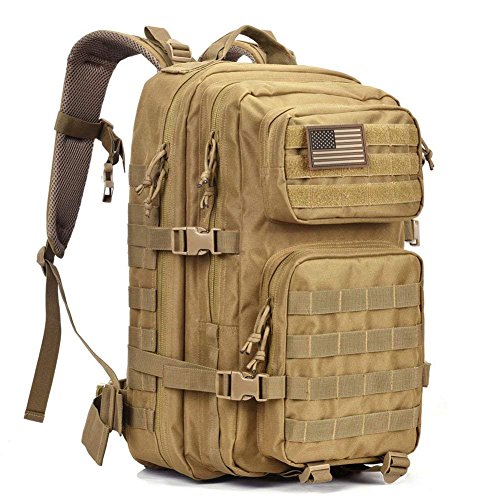
- ✓ Durable, water-resistant
- ✓ Comfortable back panel
- ✓ Flexible MOLLE system
- ✕ Hydration bladder not included
- ✕ No internal frame
| Capacity | 40L |
| Dimensions | 13″ x 20″ x 11″ (W x H x D) / 33 x 50.5 x 28 cm |
| Material & Weather Resistance | High-density fabric, water-resistant |
| MOLLE System & Expandability | MOLLE webbing throughout for attachable pouches/gear |
| Comfort & Ergonomics | Ventilated mesh padded back area and shoulder straps |
| Hydration Compatibility | Hydration bladder compatible (bladder not included) |
The first time I slid this REEBOW GEAR backpack onto my shoulders, the padding felt firm yet forgiving, like it already knew my daily grind. I cinched the sternum strap and I was surprised at how quickly the weight settled, thanks to the ventilated back panel.
I loaded it with a 40L layout and the Molle system immediately started humming. Pockets lined up where I expected, and the webbing felt sturdy enough to clip on a hydration bladder later on.
The zippers are heavy-duty, and the cord pulls give that reassuring, tactile click when you grab a pocket mid-commute.
The build quality stood out in the details: double-stitched seams, reinforced corners, and a fabric texture that shrugs off light rain without announcing it. It sits slim enough for city streets but roomy enough for a weekend shtf kit.
The compression straps on the sides and front kept gear snug during a brisk hike and didn’t create any weird bulges.
During a dusty trail test, the bag breathed well against my back, and the mesh shoulder straps stayed comfortable after hours of wear. It’s hydration-ready, which is a nice touch for longer outings, even though the bladder isn’t included.
The MOLLE compatibility means you can customize without worrying about compatibility gaps.
In real-world use, it’s versatile as a 3-day assault pack, a range bag, or a sturdy daily carry. It handles loads without feeling sloppy, and the overall silhouette doesn’t scream “tactical,” making it a practical choice for everyday carry and emergency prep alike.
If you’re stocking up for unpredictable days, this backpack gives you room to grow without weighing you down.
R.SASR 45L Tactical Backpack with MOLLE (Green)

- ✓ Big, organized space
- ✓ Comfortable carry
- ✓ Durable build
- ✕ No bladder included
- ✕ Heavier than light packs
| Capacity | 45L |
| Material | 900D nylon |
| Hydration Compatibility | Dedicated hydration bladder compartment with tube port (bladder not included) |
| Carrying Comfort | Padded breathable mesh shoulder straps with airflow back panel; adjustable sternum strap; padded waist belt |
| MOLLE Compatibility | Front and sides MOLLE webbing system for modular pouches and gear |
| Durability Features | Reinforced stitching at stress points; water-resistant fabric |
The first time you grab the R.SASR 45L, you notice the heft of that 900D nylon and the stealthy all-black finish. You slip it on, feel the mesh pads breathe against your shoulders, and imagine it as your trusted bug-out buddy for the next 72 hours.
That wide main opening instantly makes packing feel less like a puzzle and more like loading a weekend’s worth of gear without fuss.
The 45-liter silhouette sits close to your back without pinching, thanks to the breathable back panel and contoured straps. It distributes weight well, so you don’t fight the sack when you’re trekking through brush or bouncing around on public transit.
The sternum strap and padded waist belt stay put, letting you move freely without that nagging load shift.
MOLLE webbing on the front and sides invites quick access to pouches and essentials. You’ll value that during a scramble for a flashlight or a compact med-kit.
Inside, the admin panel and mesh pockets help corral EDC items, so you’re not digging for keys in a sea of gear at 5 a.m. The dedicated hydration bladder compartment is a thoughtful touch, even if you’re not running a full long-haul trek.
Rain or shine, the water-resistant fabric keeps your gear more or less dry, which matters when you’re caught in a sudden shower. The heavy-duty stitching at stress points feels reassuring, like this pack was built to last through a few harsh seasons.
For everyday use, gym trips, or a quick weekend trip, it’s surprisingly versatile.
If you’re balancing a mix of rugged survival needs and everyday practicality, this 45L bag is sturdy, adaptable, and comfortable enough for long days.
CALUOMATT 40-50L Tactical Backpack Molle Green

- ✓ Flexible 40-50L capacity
- ✓ Detachable front bag
- ✓ Durable, water-resistant build
- ✕ Heavier when fully loaded
- ✕ Bulkier for city use
| Capacity | 40-50 L |
| Material | 900D high-density polyester with water-resistant and scratch-proof coating |
| Carry System | MOLLE-compatible exterior with 4 MOLLE clips and adjustable dual-density ventilated mesh shoulder straps |
| Main Compartments | One large main compartment + front detachable bag (tactical fanny pack) + two side detachable bags (first aid bags) |
| Dimensions / Fit | Adjustable shoulder straps with waist cinching strap; rain-diverting flaps |
| Additional Features | Breathable back panel with mesh fabric; reinforced and double-stitched stress points |
The first time you pick up the CALUOMATT 40-50L, you notice the solid 900d fabric and the reinforced stitching. It feels ready for rough weekdays and rougher weekends, the weight balanced nicely on your shoulders.
I unzipped the main compartment and was surprised by how many pockets greet you, all clearly labeled and easy to reach without wading through a jumble.
That detachable front bag is a clever touch. You can pull it off and wear it as a tactical fanny pack if you just need a quick grab-and-go setup.
The side pockets detach too, which makes it simple to reconfigure for different trips or tasks. I stuffed in a laptop, a compact sleep system, and a few odds-and-ends to test the space, and there was still room left over.
The MOLLE layout feels practical in real life. You can slap on extra pouches, a sleeping pad, or a water bottle without worrying about straps slipping loose.
The back panel is breathable, so you don’t turn into a sweat-soaked commuter after a few miles. It also helps that the rain flap guides water away, keeping the interior reasonably dry during light showers.
Usage-wise, the bag shines as a 72-hour kit plus daily carry. It sits comfortably on long commutes, but you’ll appreciate the adjustable dual-density straps when you’re toting a heavier load.
The zippers glide smoothly, and the heavy-duty hardware doesn’t squeak or catch.
In short, this pack feels like a rugged, flexible workhorse. It’s exactly the sort of companion you’d want when plans go sideways and you need reliable gear within arm’s reach.
R.SASR 45L Tactical Backpack MOLLE 3-Day Pack Black C

- ✓ Large 45L capacity
- ✓ Comfortable airflow back
- ✓ Durable 900D nylon
- ✕ No bladder included
- ✕ Heavier than ultra-light packs
| Capacity | 45L |
| Material | 900D nylon |
| Closure / Opening | Main compartment with wide opening |
| Hydration System Compatibility | Dedicated hydration bladder compartment with tube port (bladder not included) |
| MOLLE Webbing | Front and sides MOLLE platform for modular gear attachment |
| Ventilation / Comfort | Padded breathable mesh shoulder straps with airflow back panel and adjustable sternum strap; padded waist belt |
I finally got my hands on the R.SASR 45L Tactical Backpack, and you can feel the anticipation in every stitch as soon as you pick it up. The 45-liter capacity is immediately obvious—the main compartment opens wide like a hands-free trunk, inviting you to pack a full 3-day kit without fighting the zipper.
I appreciated the stealthy all-black design that won’t shout in a crowded line of backpacks.
First thing I noticed was the heavy-duty 900D nylon, plus reinforced stitching at stress points. It feels built to handle rugged terrain and rough weather, not just a weekend trip to the park.
The water-resistant fabric is reassuring when a sudden shower rolls in, and the padding on the mesh shoulder straps stays comfy even after hours on the trail.
The airflow back panel is a welcomed touch, keeping sweat levels in check during long carries. You’ll also notice the adjustable sternum strap and padded waist belt working together to distribute weight evenly, almost like you’re wearing a lighter pack.
The MOLLE webbing on the front and sides invites you to customize with pouches, holsters, or a hydration setup.
Inside, the admin panel and multiple mesh pockets help you corral smaller items without turning the main compartment into a jumbled mess. The dedicated hydration bladder compartment is handy, even if you don’t include the bladder initially.
It’s versatile enough for camping, bug-out scenarios, or daily use, which makes it a good fit if you want one pack for many occasions.
Overall, it feels practical, durable, and ready for real-world use, whether you’re hiking, hunting, or prepping for emergencies.
R.SASR Green Tactical Backpack, Molle Military Pack

| Capacity | 40 liters |
| Dimensions | Approximately 13 inches (W) x 20 inches (H) x 13 inches (D) |
| Material | High-density fabric |
| MOLLE System | MOLLE webbing throughout for attachment of pouches and gear |
| Hydration Compatibility | Hydration bladder compatible (bladder not included), suitable for hydration packs |
| Carry Features | Backpack with side and front load compression system; mesh-padded back area and shoulder straps; double-stitched heavy-duty zippers with utility-style cord pulls |
Pros:
Cons:
- Hydration bladder not included
- Moderate weight when fully packed
What Features Should a SHTF Backpack Have to Ensure Preparedness?
The best backpack for SHTF (Shit Hits The Fan) scenarios should incorporate several essential features to ensure optimal preparedness.
- Durability: A SHTF backpack must be made from robust, weather-resistant materials like nylon or polyester to withstand harsh conditions. High-quality stitching and reinforced seams are also crucial to ensure longevity and reliability during emergencies.
- Capacity: The backpack should have sufficient storage space, typically ranging from 40 to 70 liters, to accommodate necessary supplies such as food, water, clothing, and gear. A well-organized interior with compartments can help in efficiently packing and accessing items quickly when needed.
- Comfort: Comfortable padded shoulder straps and a supportive back panel are essential for extended wear during long treks. An adjustable hip belt can help distribute weight evenly, reducing strain and improving mobility in stressful situations.
- Water Resistance: Since SHTF scenarios can involve unpredictable weather, a water-resistant or waterproof backpack can protect contents from rain and moisture. Look for features like sealed zippers and rain covers for added protection.
- Accessibility: Easy access to gear is vital during emergencies. A backpack with multiple compartments, side pockets, and top-loading designs allows for quick retrieval of essential items without rummaging through the entire pack.
- Modularity: A modular system featuring MOLLE (Modular Lightweight Load-carrying Equipment) webbing allows for the attachment of additional pouches and gear. This adaptability enables users to customize their loadout based on specific needs and situations.
- Weight: The backpack itself should be lightweight to avoid adding unnecessary burden when fully packed. A good balance between durability and weight can enhance overall mobility and stamina during critical situations.
- Stealth: A backpack in muted colors or patterns can help avoid detection in survival situations. Brightly colored packs can attract unwanted attention, so opting for earth tones can aid in blending into surroundings.
- Emergency Features: Certain backpacks come equipped with additional emergency features, such as built-in hydration systems, reflective strips for visibility, or first aid compartments. These enhancements can provide extra convenience and safety during crises.
How Does Size and Capacity Impact Your Survival Strategy?
When selecting the best backpack for SHTF (Shit Hits The Fan) scenarios, size and capacity play a crucial role in shaping your survival strategy. A well-chosen backpack can significantly impact your preparedness and mobility.
-
Size Considerations: A backpack’s size directly affects how much gear you can carry. Too small, and you risk leaving behind essential items; too large, and you may struggle with weight and bulk, reducing your ability to move quickly. An ideal size is typically 40 to 70 liters for a multi-day bug-out situation.
-
Capacity Impact: Capacity influences not only what you carry but how you organize it. Features like multiple compartments help store items efficiently, allowing quick access to critical supplies. Weight distribution is also important; a properly packed backpack ensures you can bear the load without excessive strain.
-
Mobility & Versatility: A medium-sized backpack allows for fast, agile movement while still holding ample gear for a variety of situations. Choosing a backpack with adjustable straps and a hip belt can enhance comfort, making it easier to trek long distances.
Assess size and capacity carefully to align your backpack choice with your survival goals, enhancing your effectiveness during critical moments.
Why are Durability and Weather Resistance Critical for a SHTF Backpack?
Durability and weather resistance are critical for a SHTF (Shit Hits The Fan) backpack because these attributes ensure that the backpack can withstand extreme conditions and heavy usage in emergency scenarios.
According to a study by the U.S. Army Research Institute of Environmental Medicine, equipment durability significantly affects the performance and safety of soldiers in adverse environments, highlighting the importance of robust gear in survival situations (U.S. Army Research Institute, 2018). Additionally, outdoor gear company REI emphasizes that weather resistance is vital for maintaining the integrity of the contents within the backpack, especially in unpredictable weather conditions that can occur during emergencies.
The underlying mechanism behind this need for durability and weather resistance stems from the unpredictable nature of SHTF situations, which can include natural disasters, economic collapse, or societal unrest. In such scenarios, individuals may be required to travel long distances on foot, carrying essential supplies. A backpack that can endure harsh treatment without tearing or failing is essential for ensuring that survival gear, food, and water remain protected. Furthermore, if a backpack is not weather-resistant, exposure to rain or moisture can ruin crucial supplies, creating life-threatening situations where access to food and water is compromised.
Moreover, the materials used in constructing a durable and weather-resistant backpack, such as high-denier nylon or polyester, contribute to its ability to withstand wear and tear while also repelling water. The connection between material quality and performance is well-documented; for instance, research indicates that high-quality fabrics can significantly extend the lifespan of outdoor gear, thereby enhancing reliability in critical circumstances (Outdoor Industry Association, 2020). This interplay of durability and weather resistance ultimately ensures that a SHTF backpack remains functional and reliable when it is most needed.
What Role Does Comfort and Fit Play in Emergency Situations?
Comfort and fit are critical factors when selecting the best backpack for SHTF (Shit Hits The Fan) situations.
- Weight Distribution: Proper weight distribution is essential for comfort during extended wear, allowing the user to carry more without excessive strain.
- Adjustability: A well-fitted backpack can be adjusted to the user’s body shape, which helps in maintaining stability and reducing the risk of injury during movement.
- Padded Straps and Back Panel: Comfortable padding in the straps and back panel significantly enhances comfort, especially when carrying heavy loads for long periods.
- Ventilation: Good ventilation helps to reduce sweat and heat build-up, which is important for maintaining comfort during strenuous activities in emergency situations.
- Accessibility: A well-designed backpack allows easy access to essential items, reducing the need to remove the pack frequently, which can be uncomfortable and time-consuming.
Weight distribution is essential for comfort during extended wear, allowing the user to carry more without excessive strain. A backpack that evenly distributes weight across the hips and shoulders helps prevent fatigue and enables the wearer to maintain mobility in emergency situations.
Adjustability in straps and belts is crucial for ensuring a snug fit, accommodating different body shapes and sizes. A well-fitted backpack can be adjusted to the user’s body shape, which helps in maintaining stability and reducing the risk of injury during movement, especially when navigating uneven terrain.
Padded straps and a back panel significantly enhance comfort, particularly when carrying heavy loads for long periods. The cushioning prevents chafing and discomfort, making it easier to focus on the task at hand rather than on pain from the backpack.
Good ventilation in a backpack helps to reduce sweat and heat build-up, which is important for maintaining comfort during strenuous activities in emergency situations. Breathable materials and mesh panels allow for airflow, keeping the wearer cooler and more comfortable.
Accessibility is another important factor; a well-designed backpack allows easy access to essential items without needing to remove the pack frequently. This feature is crucial in emergencies where quick access to supplies can make a significant difference in survival and efficiency.
Which Brands Offer the Best SHTF Backpacks?
Several brands are renowned for offering some of the best backpacks for SHTF (Shit Hits The Fan) scenarios, focusing on durability, functionality, and adaptability.
- 5.11 Tactical: Known for their rugged build and military-inspired designs, 5.11 Tactical backpacks often feature multiple compartments and MOLLE webbing for customization. Their offerings prioritize ease of access and organization, making them suitable for emergency situations where quick retrieval of gear is essential.
- Maxpedition: Maxpedition is celebrated for creating durable backpacks that withstand harsh conditions, often made from high-denier nylon fabric. Their designs are optimized for tactical use, with features like water resistance and extensive attachment points, allowing users to carry essential gear securely.
- Oakley: Oakley backpacks blend style with functionality, appealing to both outdoor enthusiasts and urban users. Their packs often include compartments for electronic devices, hydration systems, and padded areas for comfort, making them versatile choices for both everyday and emergency situations.
- Condor Outdoor: Condor backpacks are designed with a strong focus on tactical applications, featuring heavy-duty materials and practical layouts. Many models come equipped with hydration reservoirs and additional pouches for modular storage, ensuring that users can carry enough supplies for extended periods.
- REI Co-op: REI Co-op offers a variety of backpacks that cater to outdoor adventures and emergency preparedness, emphasizing comfort and fit. Their packs often include features like adjustable suspension systems and ample storage, making them ideal for those who may need to travel long distances in a crisis.
- Kelty: Kelty backpacks are known for their user-friendly designs and affordable price points, making them accessible for a wider audience. They often feature ample storage options, comfortable padding, and durable materials, which are crucial for anyone preparing for unpredictable situations.
What Distinguishes Tactical Backpacks from General Survival Packs?
Tactical backpacks and general survival packs differ primarily in their design, functionality, and intended use.
- Durability: Tactical backpacks are often made from high-denier nylon or similar materials that are designed to withstand harsh conditions, while general survival packs may use lighter materials that prioritize weight over durability.
- Organization: Tactical backpacks typically feature a modular design with MOLLE webbing, allowing for customized attachment of pouches and gear, whereas general survival packs usually have fewer compartments, focusing on overall capacity instead of organized storage.
- Weight Distribution: Tactical backpacks are designed with advanced ergonomic features to distribute weight evenly across the back, making them more comfortable for long treks, while general survival packs may not have as sophisticated a design, potentially leading to discomfort during extended use.
- Accessibility: Many tactical backpacks offer quick-access pockets and features that allow for rapid retrieval of essential gear, which is crucial in emergency situations, unlike general survival packs that may require more time to dig through to find specific items.
- Versatility: Tactical backpacks are often designed for multi-functional use, suitable for activities like hiking, military applications, or emergency preparedness, whereas general survival packs are typically focused on basic survival needs and may not perform as well in specialized scenarios.
Are Budget SHTF Backpacks Worth Considering?
Budget SHTF backpacks can be worthwhile options for those preparing for emergencies without breaking the bank.
- Affordability: Budget backpacks typically offer a range of prices, making them accessible to many consumers.
- Basic Features: These backpacks often come with essential features but may lack advanced functionalities found in higher-end models.
- Durability Concerns: While some budget options can be surprisingly resilient, others may not withstand harsh conditions as well as premium brands.
- Versatility: Many budget backpacks are designed for a variety of uses, making them suitable for everyday carry as well as emergency preparedness.
- Weight and Comfort: Budget backpacks may prioritize lightweight designs, but they can sometimes compromise on comfort and support.
Affordability is a significant advantage of budget SHTF backpacks, as they allow individuals to invest in preparedness without a substantial financial commitment. This makes it easier for people to equip themselves with necessary gear while still allocating funds for other survival supplies.
Basic features are usually included in budget backpacks, such as multiple compartments and hydration reservoir compatibility, catering to essential needs. However, they may lack advanced features like MOLLE webbing or specialized pockets found in more expensive models, which can be a consideration for serious preppers.
Durability concerns arise with budget options, as some may use lower-quality materials that can wear out more quickly under strenuous use. It’s important to evaluate reviews and material specifications to find a balance between cost and long-lasting performance.
Versatility is another strength of budget backpacks; many are designed for various activities, from hiking to daily commuting. This multi-functionality can be appealing for those who wish to use their backpack in both everyday situations and emergency scenarios.
Weight and comfort are critical factors in any backpack selection, and while budget backpacks can be lightweight, they may sacrifice ergonomic designs that provide adequate support. Users should consider how comfortable the pack is for extended wear, especially during emergencies when it may be necessary to carry it for long periods.
How Can You Make an Informed Decision on SHTF Backpack Pricing?
When considering the best backpack for SHTF (Sh*t Hits The Fan) scenarios, understanding the pricing factors is crucial for making an informed decision.
- Material Quality: The material used in a backpack greatly influences its durability and price. High-denier nylon or polyester options are often more expensive due to their resistance to abrasions and water, which are vital in survival situations.
- Capacity and Size: Backpacks come in various sizes, typically measured in liters. Larger capacity backpacks can carry more gear, and while they may be pricier, they offer the advantage of storing essential items needed for long-term survival.
- Features and Compartments: The presence of multiple compartments, hydration reservoirs, and MOLLE (Modular Lightweight Load-carrying Equipment) webbing can drive up the cost. These features enhance organization and accessibility, which are essential in emergencies.
- Brand Reputation: Established brands often charge a premium for their products due to their history of quality and reliability. Investing in a reputable brand can provide peace of mind that the backpack will perform well under stress.
- Warranty and Customer Service: A backpack that comes with a strong warranty may cost more initially but can save money in the long run if issues arise. Good customer service is also a vital consideration, ensuring support is available if needed.
Evaluating these factors can help you discern the true value of a backpack, allowing for a more informed purchase that aligns with your survival strategy.
What Price Range Should You Expect for Quality SHTF Backpacks?
- Budget Backpacks ($50 – $100): These backpacks generally offer basic functionality and durability but may use lower-quality materials. They are suitable for short-term use or for beginners who are just starting to prepare for emergencies.
- Mid-Range Backpacks ($100 – $200): Mid-range options typically feature better construction and materials, such as water-resistant fabrics and reinforced stitching. They often come with additional features like multiple compartments, hydration reservoirs, and MOLLE compatibility for customization.
- High-End Backpacks ($200 – $500): These backpacks are designed for serious preparedness enthusiasts and are made from top-tier materials, offering superior durability and comfort. They usually include advanced features such as ergonomic designs, modular options, and extensive storage solutions, making them ideal for extended use in challenging environments.
- Custom/Professional Gear ($500+): These are often tailored for extreme conditions or specialized needs, such as military or tactical use. They are designed with high-performance materials and cutting-edge technology, providing unmatched reliability and versatility for those who require the best in critical situations.
How Do You Care for and Maintain Your SHTF Backpack Over Time?
Caring for and maintaining your SHTF backpack is essential to ensure it remains functional and reliable during emergencies.
- Regular Cleaning: Regularly clean your backpack to remove dirt, grime, and potential contaminants that can accumulate over time.
- Inspect for Damage: Routinely check for any signs of wear and tear such as frayed straps, broken zippers, or holes in the fabric.
- Storage Considerations: Store your backpack in a cool, dry place away from direct sunlight to prevent damage to the materials.
- Waterproofing: Apply a waterproof spray or treatment periodically to protect against moisture and rain, keeping your gear inside dry.
- Reorganizing Gear: Regularly review and reorganize the contents of your backpack to ensure everything is functional, relevant, and easy to access.
Regularly cleaning your backpack helps maintain its durability and functionality by preventing the buildup of debris that can wear down the fabric and zippers. Use mild soap and water, and avoid harsh chemicals that might degrade the materials.
Inspecting for damage allows you to catch issues early, which can prevent more significant problems later. If you notice any damage, consider repairing or replacing components immediately to keep your backpack in optimal condition.
Storing your backpack properly can significantly extend its lifespan. Excessive heat or moisture can lead to mold and degradation of the materials, so a well-ventilated storage area is ideal.
Waterproofing your backpack is crucial, especially if you anticipate exposure to wet conditions. Regular applications of waterproofing sprays can enhance the pack’s ability to repel water and keep your gear dry.
Reorganizing the gear inside your backpack ensures that all items are in working order and that you have everything you need. This practice also allows you to adapt your supplies as your needs change, ensuring your backpack remains a reliable tool in an SHTF scenario.
Related Post: