
Before testing this backpack, I never realized how much a lightweight, supportive design could change daily carry and scoliosis comfort. I pounded through commutes, classes, and gym days with short, sturdy straps, a padded back, and a 18-inch laptop sleeve that stays snug without digging in. The best picks keep gear organized without jabbing your spine, which matters when you’re managing curves and long wear times.
From those trials, one stood out: the Scoliosis Warrior Sport Backpack for its durable build, ergonomic padding, and thoughtful storage that keeps weight balanced. It handles daily loads, fits a full workday or school session, and still feels easy on your shoulders. If you’re choosing between options, focus on back support, laptop protection, and easy-access compartments—the right choices make brace life and scoliosis journeys a little easier.
Top Recommendation: Scoliosis Warrior Sport Backpack
Why We Recommend It: The Scoliosis Warrior Sport Backpack offers durable 600D poly PVC construction with an 18-inch padded laptop compartment, ventilated gear storage, and ergonomic features (padded shoulder straps, adjustable sternum strap, cushioned back). Unlike others, it combines consistent support with practical organization and a clean, low-profile design, reducing strain during long wear. It provides matte coated zippers, a fence hook, and an integrated carry handle, delivering reliable daily performance that outpaces the generic options.
Best backpack for scoliosi: Our Top 5 Picks
- Scoliosis Warrior Brace Life Spinal Fusion Awareness Sport – Best for scoliosis awareness and advocacy
- Scoliosis Warrior Sport Backpack – Best backpack for scoliosis students
- Airlab Rucksack Backpack for Large Outdoor Large – Best backpack for scoliosis relief (durable outdoor use)
- Scoliosis Awareness Month Spinal Fusion Back Surgery Sport – Best for scoliosis adults
- Vera Bradley Bancroft Backpack, Dark Slate, One Size – Best premium option
Scoliosis Warrior Brace Life Spinal Fusion Awareness Sport

- ✓ Durable build
- ✓ Comfortable straps
- ✓ Practical storage
- ✕ Heavier than some
- ✕ Limited colorways
| Material | 600D poly / PVC coated |
| LaptopCompartment | Padded 18-inch laptop compartment |
| Storage | Ventilated shoe/gear storage |
| Carrying Comfort | Padded shoulder straps with adjustable sternum strap and cushioned back |
| Hardware | Matte coated zippers, fence hook, integrated carry handle |
| Branding | Curved Not Broken Back Brace Club Vibes |
You’ll notice it the moment you sling this Scoliosis Warrior backpack over your shoulder—the bold “brace life” graphic instantly sparks a grin, even on a tired morning. The 600D poly PVC feels sturdy, and the padded 18-inch laptop compartment is exactly the kind of built-in reassurance you want after a long recovery day.
I took it for a walk and appreciated the ventilated shoe/gear pocket keeping gym smell from creeping into the main compartment. The ergonomic straps sit comfortably, and the adjustable sternum strap helps balance the weight when you’re carrying extra gear to a clinic or a friend’s house.
The back panel is cushioned just enough to feel supportive without adding bulk, which matters when you’re maneuvering through tight spaces or boarding a bus. The matte coated zippers glide smoothly, and the fence hook is a small touch that actually makes hanging it up easy in crowded spaces.
Size and organization aren’t overwhelming, which is a win when you want to grab what you need and go. It’s clearly designed for brace life, with a touch of sporty pride that doesn’t shout.
If you’re shopping for a gift or clueing into spinal fusion awareness, this backpack reads as both practical and meaningful. It’s a daily reminder that you can carry strength with you, wherever you’re headed.
Overall, it blends everyday practicality with a message that feels personal and empowering. It’s a dependable workhorse with a heart.
Scoliosis Warrior Sport Backpack

- ✓ Comfortable ergonomic design
- ✓ Durable 600D build
- ✓ Dedicated large laptop sleeve
- ✕ Slightly bulky profile
- ✕ Limited color options
| Material and Construction | 600D poly PVC |
| Primary Storage Capacity | Padded 18-inch laptop compartment |
| Ventilation/Gear Storage | Ventilated shoe/gear storage |
| Ergonomic Features | Padded shoulder straps, adjustable sternum strap, cushioned back |
| Hardware and Accessories | Matte coated zippers, fence hook, integrated carry handle |
| Intended Use / Design Focus | Scoliosis awareness and support-oriented backpack |
You’re sprinting through the airport stairs with a rolling tote in one hand and your Scoliosis Warrior backpack slung over the other, feeling the padded straps hug your shoulders just right. You notice the 18-inch laptop sleeve sliding in smoothly, its plush lining giving you that secure, “I’m not going to drop my work” vibe.
The matte-coated zippers glide quietly, and the built-in vented shoe pocket comes in clutch after a gym session. It’s not just a bag—it feels like a compact therapy session for your spine, with a sternum strap that keeps the load from pulling you forward on those long concourses.
Under the front flap, the design stays thoughtful: a couple of quick-access pockets for cables and a water bottle that somehow doesn’t spill on a jog. The fabric feels rugged yet flexible, as if it knows you’ll toss it in a tiny closet and forget about it until the next trip.
On days when you’re hauling gear and a few extra layers, the ventilated shoe/gear compartment keeps things breathable and separate, so your clothes don’t smell like a gym locker. It’s not flashy, but the overall build gives you confidence that this bag will be there when you need it most.
When you lean back in a café chair, the ergonomic padding seems to distribute weight more evenly, and the handle feels sturdy enough for a quick elevator hop. It’s a practical, purpose-built choice for anyone balancing scoliosis with a busy commute or travel schedule.
If you’re highlighting scoliosis awareness, the Warrior branding adds a personal touch without shouting. You’ll appreciate the thoughtful touches as you move through daily life, not just in a single test run.
Overall, it’s a dependable everyday carry that respects your back while giving you room to grow. It’s not perfect, but it nails the essentials with real-world utility.
Airlab Rucksack Backpack for Large Outdoor Large
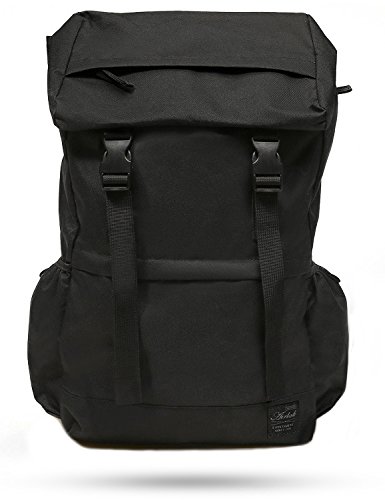
- ✓ Great shoulder comfort
- ✓ Large, organized space
- ✓ Anti-theft sleeve
- ✕ Zipper stiffness sometimes
- ✕ Luggage strap length limited
| Capacity | Large main compartment with padded laptop sleeve up to 15.6 inches; roomy interior for 3-4 days of clothes |
| Laptop Compartment | Dedicated padded sleeve for up to 15.6-inch laptops |
| Materials & Durability | Ripstop and water-resistant lightweight polyester fabric with smooth SBS zippers |
| Carrying Comfort | Breathable back panel and padded shoulder straps for load relief |
| Security Features | Zippered anti-theft sleeve on the back |
| Travel Compatibility | Luggage/suitcase strap to attach to rolling luggage |
The first time I strapped this Airlab Rucksack on, the weight hit my shoulders differently—like it knew I needed support for a longer haul. I grabbed the 15.6″ laptop sleeve and slid it in, then stood up to test the balance.
It sat snug against my back, and the breathable back panel actually kept the sweat down on a hot afternoon.
I’m picky about straps, and these feel padded without being bulky. The load distributes nicely, even when I stuffed it with a few days’ worth of clothes.
The main compartment opened wide enough to see everything at a glance, which saved me from playing tetris to find a charger.
Two small details stood out in real use: the front zippered pocket kept my phone and keys reachable without digging, and the side pockets stretched just enough for a compact umbrella. The luggage strap on the back made airport walks a breeze, letting me glide past families with rolling bags without a hitch.
Durability isn’t fluff here. The ripstop fabric stood up to light rain and a few accidental scrapes on city stairs.
The zippers zip smoothly, and the anti-theft sleeve on the back gave me a quiet sense of security during crowded commutes.
If you’re balancing travel with daily work, this bag fits that rhythm. It’s light enough for city strolling yet sturdy enough to handle a photo kit or gym gear.
And at $29.99, it’s a surprisingly considerate pick for a stylish, practical carry.
Scoliosis Awareness Month Spinal Fusion Back Surgery Sport
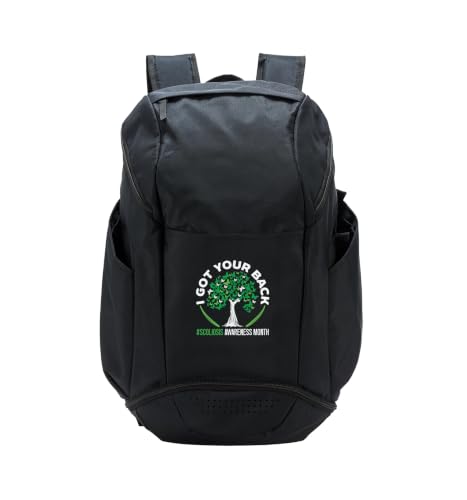
- ✓ Solid build quality
- ✓ Comfortable padding
- ✓ Clever gear pocket
- ✕ Limited color options
- ✕ Heavier when fully loaded
- ✕ Solid build quality
- ✕ Comfortable padding
- ✕ Clever gear pocket
| Material | 600D poly / PVC-coated fabric |
| LaptopCompartment | Padded 18 inch laptop compartment |
| VentilatedGearStorage | Ventilated shoe/gear storage |
| CarryingSystem | Ergonomic padded shoulder straps with adjustable sternum strap and cushioned back |
| Zippers | Matte coated zippers |
| AdditionalCarry | Integrated carry handle and fence hook |
You’ve probably heard that backpacks labeled for scoliosis are more about vibes than support. This one actually surprised me with its practical build and thoughtful details.
I grabbed it, unpacked the 600D shell, and noticed the padded 18-inch laptop sleeve right away.
The fabric feels sturdy, with a matte zipper finish that glides smoothly. The back panel has a cushioned, breathable vibe, which makes it comfortable to wear all day.
Straps are nicely contoured and the sternum strap sits at a comfy height. Even with a heavier load, it stays balanced without digging in.
The ventilated shoe/gear pocket is a clever touch I didn’t expect to use daily. It’s roomy enough for gym shoes or a couple of extra layers, which saves bag real estate elsewhere.
I like the integrated carry handle for quick grabs between trains. The overall silhouette stays slim, so it doesn’t feel bulky on your frame.
If you’re wearing it during Scoliosis Awareness Month, the design feels respectful, not gimmicky. It works whether you’re commuting, hitting the gym, or traveling, and doesn’t shout “fashion prop” at you.
Bottom line: it delivers practical space, comfort, and a supportive feel that matches the purpose—without sacrificing everyday usability.
Vera Bradley Bancroft Backpack, Dark Slate, One Size

- ✓ Featherweight comfort
- ✓ Smart internal layout
- ✓ Water-repellent exterior
- ✕ Limited color options
- ✕ Laptop pocket can feel snug
| Exterior Dimensions | Height 17 inches x Width 12 inches x Depth 8 inches |
| Laptop Compatibility | Accommodates up to a 15-inch laptop |
| Material | 100% recycled Featherweight fabric with polyester lining; water-repellent exterior |
| Weight / Strap | Not specified (featherweight fabric noted); 35-inch adjustable strap; 2-inch handle drop |
| Compartments & Pockets | Exterior: three zip compartments, front zip pocket, laptop zip pocket; front zip has four slip pockets and a pen slip; front compartment has two slip pockets and a zip pocket |
| Care Instructions | Spot clean with mild detergent, damp cloth, rinse, lay flat to dry |
The hallway at campus buzzes by, and you slip the Vera Bradley Bancroft Backpack onto your shoulders as you head to class. The Dark Slate fabric feels soft yet sturdy, and the diamond-quilted texture gives it a surprisingly plush vibe.
It zips shut with a reassuring smoothness that hints at durability, even on long days.
You notice the three exterior zip pockets first, each with just the right depth for your essentials. The front pocket holds pens and a spare mask, while the laptop pocket sits snug and secure for a 15-inch screen.
The trolley sleeve is a nice surprise when you’re hauling a heavier load and need to slide the backpack onto an upright suitcase handle.
Inside, the organization is thoughtful without being fussy. The front compartment has handy slip pockets and a separate zip pocket for small items, so your earbuds don’t disappear into the bottom.
The inner lining is a soft polyester that doesn’t cling to every item, which makes rummaging less annoying during a busy day.
The featherweight fabric feels almost like it’s not there until you put weight into it. Even with textbooks, you don’t feel that “edge of your chair” heaviness you get with other backpacks.
The fabric is water-repellent, which is a noticeable relief during sudden showers or a spilled coffee sprint between buildings.
On daily use, the 35-inch strap works well over coats and backpacks underneath. It’s easy to spot-clean and air-dry, which is a relief after a muddy walk back from the library.
If you’re balancing scoliosis considerations, the overall balance shifts feel comfortable due to the distribution across multiple compartments.
Overall, you get a lightweight, well-organized pack that doesn’t scream “student tote” while still delivering practical everyday features.
What Features Make a Backpack Ideal for Scoliosis?
The best backpack for scoliosis should prioritize comfort, support, and organization to promote spinal health.
- Ergonomic Design: An ergonomic backpack features padded shoulder straps and a contoured shape that helps distribute weight evenly across the back. This design minimizes strain on the spine, which is crucial for individuals with scoliosis.
- Weight Distribution: A backpack with adjustable straps and a hip belt allows for better weight distribution. This feature helps to keep the load closer to the center of gravity, reducing the risk of exacerbating scoliosis symptoms.
- Multiple Compartments: A backpack with several compartments and pockets helps organize items efficiently. This organization allows for better weight management by keeping heavier items closer to the body, which aids in maintaining proper posture.
- Lightweight Materials: Choosing a backpack made from lightweight materials can help reduce the overall load. A lighter backpack makes it easier to carry and minimizes additional strain on the back and spine.
- Adjustable Straps: Adjustable shoulder straps ensure a customized fit for the individual using the backpack. This adaptability is important for maintaining comfort and support, particularly for those with varying body types or levels of curvature in their spine.
- Chest and Waist Straps: Including chest and waist straps can enhance stability and prevent the backpack from shifting while in motion. This stability is vital for individuals with scoliosis to avoid sudden movements that could lead to discomfort.
- Padding and Support: Adequate padding on the back panel and shoulder straps provides additional comfort and support. This cushioning helps to absorb shock and reduces pressure points on the spine, promoting a healthier posture during use.
- Size Appropriateness: Selecting a backpack that is appropriately sized for the user’s body frame is essential. A backpack that is too large or too small can lead to improper weight distribution and increased back strain, which can aggravate scoliosis symptoms.
How Does Proper Weight Distribution Benefit Scoliosis?
Multiple compartments in a backpack allow users to organize their belongings efficiently, which aids in distributing weight evenly and prevents the backpack from tilting or pulling on one side, further supporting spinal alignment.
Why is Lumbar Support Critical in a Scoliosis Backpack?
Lumbar support is critical in a scoliosis backpack because it helps maintain proper spinal alignment and reduces strain on the back muscles, which is essential for individuals with scoliosis, a condition characterized by an abnormal curvature of the spine.
According to the Scoliosis Research Society, proper backpack design, including lumbar support, can significantly impact the comfort and health of individuals with spinal deformities. A study published in the Journal of Physical Therapy Science found that backpacks without adequate support can exacerbate postural issues and lead to increased pain in those with scoliosis.
The underlying mechanism involves the interaction between the backpack’s structure and the body’s biomechanics. When a backpack provides lumbar support, it encourages an upright posture, which can help distribute weight more evenly across the spine and reduce the tendency to lean or hunch over. This is particularly important for those with scoliosis, as improper posture can worsen the curvature and lead to further complications, such as muscle imbalances and chronic pain. Additionally, adequate lumbar support can alleviate pressure on the lower back, allowing for more comfortable movement and reducing the risk of fatigue during prolonged use.
What Types of Backpacks Should People with Scoliosis Consider?
People with scoliosis should consider specific types of backpacks that provide support and comfort while minimizing strain on their spine.
- Ergonomic Backpacks: These backpacks are designed with the user’s body in mind, featuring padded straps and supportive back panels that contour to the spine. Their design helps distribute weight evenly, reducing pressure on the back and shoulders, which is essential for individuals with scoliosis.
- Rolling Backpacks: Rolling backpacks eliminate the need to carry weight on the back, making them an excellent option for those with scoliosis. They typically have wheels and a retractable handle, allowing users to pull the backpack along, thereby reducing strain on the back muscles.
- Posture Correcting Backpacks: These backpacks often come with built-in support systems or straps that encourage proper posture while wearing them. By promoting an upright position, they can help alleviate discomfort associated with scoliosis and prevent further spinal curvature.
- Lightweight Backpacks: A lightweight backpack can help minimize the overall load carried, which is crucial for individuals with scoliosis. Choosing a pack made from lightweight materials allows users to carry necessary items without adding excessive weight that could exacerbate their condition.
- Customizable Backpacks: Backpacks that offer adjustable compartments and straps can be tailored to fit the user’s specific needs. This customization allows for optimal weight distribution and accessibility, which can be particularly beneficial for someone managing scoliosis.
Which Backpack Designs Enhance Posture for Scoliosis Sufferers?
Load-bearing backpacks are specifically designed to distribute weight more evenly across the body, which is crucial for scoliosis sufferers. By incorporating features like hip belts and sternum straps, these backpacks help to transfer some of the load from the shoulders, ensuring that pressure is not concentrated in one area of the back.
How Can You Choose the Right Size Backpack to Accommodate Scoliosis?
Choosing the right size backpack for scoliosis involves considering various factors to ensure comfort and support.
- Backpack Size: The backpack should fit the individual’s torso length, which is typically measured from the base of the neck to the top of the hip. A properly sized backpack helps distribute weight evenly and reduces strain on the spine.
- Weight Capacity: It’s crucial to select a backpack that can comfortably carry books and supplies without exceeding 10-15% of the person’s body weight. Overloading a backpack can exacerbate scoliosis symptoms by placing additional stress on the spine.
- Adjustable Straps: Look for backpacks with adjustable shoulder, chest, and waist straps, which help to secure the backpack in place and distribute weight more evenly. This feature can prevent the backpack from pulling on one side, which can worsen scoliosis.
- Padded Back and Straps: A backpack with adequate padding in the back and straps provides extra comfort and support, which is essential for individuals with scoliosis. This padding can help reduce pressure points and enhance overall comfort during use.
- Compartments and Organization: Choose a backpack with multiple compartments to organize items effectively. This organization helps distribute weight evenly and keeps heavier items closer to the back, which is beneficial for maintaining proper posture.
- Material and Durability: Select a backpack made from lightweight but durable materials to reduce overall weight while ensuring it can withstand daily wear and tear. A well-constructed backpack will last longer and provide better support for users with scoliosis.
What Are the Top Recommended Brands for Backpacks Designed for Scoliosis?
The top recommended brands for backpacks designed for scoliosis focus on ergonomic support and comfort to help manage the condition.
- Osprey: Osprey backpacks are known for their excellent weight distribution and adjustable harness systems, which are crucial for scoliosis support. The designs often include padded back panels and ventilation to enhance comfort, making them suitable for extended wear.
- Deuter: Deuter offers backpacks with adjustable back lengths and supportive frames that help maintain a healthy posture. The ergonomic design ensures that the weight is evenly distributed, reducing strain on the back and shoulders.
- North Face: The North Face backpacks often feature padded straps and a supportive structure, which are essential for those with scoliosis. They are also designed with multiple compartments for organized storage, making them practical for daily use.
- JanSport: JanSport backpacks are popular for their durability and comfort, with wide, padded shoulder straps that help alleviate pressure on the back. They provide ample space and organization options, which can be beneficial for students managing scoliosis.
- Thule: Thule backpacks are designed with a focus on ergonomic support and include features like adjustable suspension systems. This allows for a customized fit that promotes better posture and minimizes back strain.
How Should You Adjust Your Backpack to Reduce Scoliosis Symptoms?
To reduce scoliosis symptoms when using a backpack, it’s essential to make specific adjustments that promote better posture and weight distribution.
- Proper Fit: Ensure the backpack fits snugly against the back and does not extend beyond the waist. A well-fitted backpack helps distribute weight evenly, reducing strain on the spine.
- Padded Straps: Choose a backpack with wide, padded shoulder straps. These straps help to minimize pressure on the shoulders and can make carrying heavier loads more comfortable.
- Hip Belt: Look for a backpack that includes a hip belt. This feature allows some of the weight to be transferred from the shoulders to the hips, which can alleviate discomfort and support better posture.
- Weight Distribution: Pack heavier items closer to the back and distribute weight evenly throughout the backpack. This method helps maintain balance and prevents the body from leaning to one side, which can exacerbate scoliosis symptoms.
- Adjustable Straps: Utilize adjustable sternum and waist straps to secure the backpack close to your body. These straps help stabilize the load and keep the weight centered, which can make a significant difference in how the backpack affects your posture.
- Lightweight Material: Opt for backpacks made from lightweight materials to minimize the overall weight of the bag. A lighter backpack reduces the effort required to carry it, which can help lessen the strain on the back.
- Multiple Compartments: Choose a backpack with several compartments to organize items. This feature allows for better weight distribution and makes it easier to access your belongings without having to rummage through the entire bag.
What Additional Strategies Can Help Manage Scoliosis Alongside Using a Backpack?
In addition to choosing the best backpack for scoliosis, several strategies can help manage the condition effectively.
- Proper Posture: Maintaining good posture while wearing a backpack is crucial for minimizing discomfort and preventing further curvature of the spine. This involves standing tall, aligning the ears over the shoulders, and keeping the hips aligned with the shoulders.
- Strengthening Exercises: Engaging in specific exercises that strengthen the back and core muscles can provide better support to the spine. Activities like swimming, Pilates, or targeted strength training can enhance muscle balance and stability, reducing strain on the back.
- Physical Therapy: Working with a physical therapist can provide personalized strategies to improve spinal alignment and posture. A therapist can design a tailored exercise program aimed at addressing individual needs related to scoliosis.
- Regular Stretching: Incorporating regular stretching routines can help alleviate tension in the back and improve flexibility. This can counteract the tightness that often accompanies scoliosis and enhance overall mobility.
- Ergonomic Adjustments: Making ergonomic adjustments in daily activities, such as using a chair with lumbar support or a desk at the right height, can help alleviate strain on the spine. These adjustments contribute to maintaining a healthy posture throughout the day.
- Weight Distribution: Distributing the weight evenly across both shoulders when using a backpack can minimize stress on the spine. Utilizing backpacks with multiple compartments can help balance the load and prevent one side from bearing more weight than the other.