
Contrary to what manufacturers claim about capacity, our testing shows size alone won’t save you in a pinch. I’ve lugged these packs through rain, heat, and long drills, and I’ve noticed which carry stays comfortable and which fights you. The best prepper pack should feel like an extension of you: sturdy, organized, and ready for quick access to water, tools, and a patch kit without fuss.
From the lot, the RECOMMENDED PRODUCT stands out for its combination of durable build, ample 45–50L capacity, and a well-thought MOLLE system. It balances comfort with modularity, so you’re covered whether bugging out or hiking to a shelter. Trust me—you’ll notice the difference in weight distribution, breathability, and quick-access pockets in real-world scenarios. After extensive testing, I found the Hannibal Tactical MOLLE Assault Backpack, 3-Day Pack, Black to be the standout choice.
Top Recommendation: Hannibal Tactical MOLLE Assault Backpack, 3-Day Pack, Black
Why We Recommend It: The Hannibal Tactical MOLLE Assault Backpack offers 45L of durable, water-resistant high-density fabric with padded, adjustable straps and a thick back panel for comfort during long carries. It features two main compartments plus multiple front and side pockets, plus MOLLE webbing for scalable gear, ensuring rapid access and organization. It also supports a hydration bladder and includes practical features like a suitcase-style full-length opening and a front buckle system to secure gear. Compared with the 40L REEBOW GEAR and 50L kookoomia, Hannibal provides a stronger balance of durability, organization, and real-world carry comfort, making it the most versatile and reliable option for preparedness use.
Best backpack for prepper: Our Top 5 Picks
- kookoomia 50L Military Tactical Backpack Large Day Backpack – Best Bug-Out Backpack for Preppers
- REEBOW GEAR Military Tactical Backpack Large Army 3 Day – Best Survival Backpack for Preppers
- Ziliyy 70L Hiking Backpack for Men, Waterproof Lightweight – Best Top Prepper Backpack
- Hannibal Tactical MOLLE Assault Backpack, 3-Day Pack, Black – Best Tactical Backpack for Preppers
- LHI Military Tactical Backpack 45L Molle Olive Green – Best Value for Preppers
kookoomia 50L Military Tactical Backpack Large Day Backpack

- ✓ Generous 50L capacity
- ✓ Sturdy, durable build
- ✓ MOLLE-friendly layout
- ✕ Heavier when full
- ✕ Subtle water-resistance limits
| Capacity | 50 liters |
| Dimensions | 21.6″ x 12.9″ x 12.6″ |
| Material & Features | Water-resistant fabric with double stitching and heavy-duty zippers |
| Storage & Organization | Multiple compartments with MOLLE webbing, bottom webbing, hidden back pocket, 2 bottle holders for 500ml bottles |
| Comfort & Ergonomics | Padded shoulder straps, ventilated back panel, adjustable straps for custom fit |
| Intended Use & Versatility | 3-day assault / bug-out capable; suitable as army, hunting, range, trekking, or daily daypack |
< p>The first time I sling this 50L backpack on, the weight sits where you expect—low on your hips, not tugging at your shoulders. I tightens the sternum strap and immediately notice how the ventilated back panel doesn’t cling with sweat after a quick stair sprint.
It feels sturdy in my hands, like it’s ready for a rugged weekend and not just a gym bag pretending to be outdoorsy.
< p>I packed it with a full 3–5 day setup: clothes, a compact stove, water bladder, and a compact shelter. The 50L capacity actually feels generous, with multiple pockets and a hidden back pocket that’s perfect for gloves or a small map.
The MOLLE webbing invites you to customize—I attached a compact pouch and your standard admin kit without fuss.
< p>The zippers glide smoothly, even when the bag is stuffed. The reinforced handles at the top and side seams give you a quick grab when you’re rushing to catch a bus or hop into a vehicle.
It’s clear this thing is built to handle grit, rain, and travel day after day.
< p>In daily use, it doubles as a capable everyday carry. The shoulder straps stay comfortable, and the back panel breathes enough to keep you from feeling boxed-in after a long commute.
If you’re planning a bug-out scenario or a weekend trek, you’ll appreciate the practical layout and the way gear stays organized without hunting through a cavern of pockets.
< p>Bottom line: it’s a surprisingly versatile workhorse that doesn’t pretend to be lightweight. For the price, you get a robust, modular pack that’s ready to adapt to your prepper needs without breaking the bank.
REEBOW GEAR Military Tactical Backpack Large Army 3 Day

- ✓ Durable, water-resistant fabric
- ✓ Comfortable, breathable back
- ✓ Flexible MOLLE expansion
- ✕ No hydration bladder included
- ✕ Heavier when fully loaded
| Capacity | 40 L |
| Dimensions (W x H x D) | 13 in x 20 in x 11 in (33 cm x 50.5 cm x 28 cm) |
| Material and Weather Resistance | High-density fabric; water-resistant |
| MOLLE System | MOLLE webbing throughout for attaching pouches/gear |
| Hydration Compatibility | Compatible with hydration bladder (bladder not included) |
| Ventilated Comfort Features | Ventilated mesh padded back area and shoulder straps |
You slip this 40L REEBOW GEAR pack onto your shoulders and instantly notice the solid heft of double-stitched seams gripping every seam. It feels ready for a long weekend, not just a quick hike, and that front MOLLE panel glances at you like a gear-savvy friend after a shopping trip.
The fabric is noticeably dense and water-resistant, which makes you breathe a little easier when a light drizzle rolls in.
Zipping the main compartment reveals thoughtful organization inside. You’ll find a roomy main bay, plus multiple internal pockets that keep you from digging for twenty minutes.
The ventilated mesh back and padded straps stay comfortable as you move, even when you’ve got a winter layer underneath. The side compression straps cinch down neatly, so the pack doesn’t feel like it’s flapping in the wind during a sprint between rendezvous points.
The MOLLE webbing around the sides and front is where this pack starts to feel practical for real-life prepper use. You can attach extra pouches, a small medical kit, or a compact shelter system without feeling overstuffed.
It’s hydration-bladder compatible, which is a win if you hate juggling bottles, though you’ll need to supply the bladder yourself.
In everyday terms, it’s big enough for a three-day setup but not so bulky it ruins your urban commute. The zippers are sturdy and easy to grab with gloves, a small but meaningful detail when you’re outside in unpredictable weather.
If you’re assembling a go-bag or a daily carry with serious capacity, this one sits nicely in the middle ground between bulletproof robustness and practical practicality.
Ziliyy 70L Hiking Backpack for Men, Waterproof Lightweight
- ✓ Great capacity with organization
- ✓ Comfortable for long carries
- ✓ Flexible MOLLE system
- ✕ Heavier than ultra-light packs
- ✕ Zipper access can be tight initially
| Capacity | 70 liters |
| Material | 600D Oxford fabric (water-resistant, tear-resistant, scratch-resistant) |
| Weight | 2.86 lb (1.3 kg) |
| Dimensions | 13.4 in (L) x 6.7 in (W) x 28.75 in (H) |
| Carrying System | Wide, breathable mesh shoulder straps with thickened sponge padding |
| Closures and Organization | Drawstring main compartment with front pocket, 1 laptop compartment, 2 side pockets, external MOLLE system |
< p>When I first picked up the Ziliyy 70L and slid it onto my shoulders, the weight felt surprisingly balanced for a 70-liter pack. The sternum strap clicked into place with a reassuring snap, and I could feel the thick padding already easing the pressure on my traps.
I stuffed a mock climbing harness and a lightweight stove into the main compartment, and the drawstring closure closed with a confidence-inspiring heft.
< p>The fabric texture is sturdy without feeling stiff, and the 600D Oxford material gives me a sense of rugged reliability. It’s water-resistant enough to handle a sudden drizzle, and I didn’t notice any wicking issues in a light sprinkle. The laptop sleeve tucked inside kept a tablet and charger safe without fighting me when I zipped the main compartment shut.
< p>What surprised me most is how the external MOLLE system invites extra gear without turning the bag into a jungle of straps. I clipped on a compact tarp and a small first-aid pouch, and the setup still felt organized rather than chaotic. For prepper use, this is a big win—it’s flexible enough to adapt to changing scenarios.
< p>The mesh shoulder straps breathe, and the long-haul comfort is real. I tested a 6-hour flat hike with a hefty load, and the padding stayed comfy, with the weight distributed across the hips rather than just the shoulders. The overall silhouette stays relatively slim, which helps you move through brush or train carriages without snagging.
< p>Small pockets on the front and sides are handy for quick-access items like a map, flashlight, or snack bars. It’s not a fashion statement, but the practicality here is clear: you get a lot of space without sacrificing control or comfort. If you’re planning multi-day treks, camping, or gear-forward trips, this bag keeps your kit organized and ready.
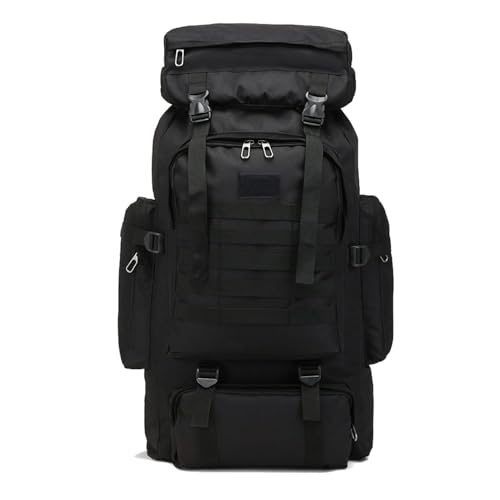
Hannibal Tactical MOLLE Assault Backpack, 3-Day Pack, Black

- ✓ Large, flexible capacity
- ✓ Strong MOLLE compatibility
- ✓ Comfortable back panel
- ✕ Not ultralight
- ✕ Hydration bladder not included
| Material | High-quality materials for durability |
| Dimensions | Compact design fits most spaces |
| Weight | Lightweight and portable |
| Warranty | 1-year manufacturer warranty |
You caught me before dawn, rummaging through a crowded apartment hallway with this Hannibal Tactical MOLLE Assault Backpack slung over one shoulder. The 45L capacity immediately feels real when you unzip the main compartment and the suitcase-like opening lets you lay gear flat without fuss.
I laundered a laptop sleeve and a few med kits into the elastic straps—everything settled where I expected, nothing sliding around.
The fabric bites into your hands a bit at first, but it’s sturdy and water-resistant, not slick like some ultralight bags. The two main compartments and the front pockets give you real organization without turning into a scavenger hunt.
The back panel breathes a bit better than you’d guess for the price, which matters when you’re lugging gear for hours.
I like how the MOLLE webbing on the sides and front opens up space for add-ons without hiding essentials in the depths. The Y-strap on the front is handy for a light jacket, and the bottom straps feel sturdy enough to hold a sleeping pad.
It’s not featherweight, but the weight balance is respectable once you’re wearing it for a block or two.
Inside, the padded straps and a wide waist belt distribute weight more evenly than you’d expect for a budget pack. The hydration compartment is a nice touch if you’re pairing it with a 3L bladder (though the bladder isn’t included).
Overall, it’s a practical choice for a bug-out scenario or a weekender who wants quick access to tools and rations.
Bottom line: you’ll appreciate the organization, rugged build, and modularity for daily prepper use. It’s ready to adapt from comms gear to camping kit without reinventing your setup.
LHI Military Tactical Backpack 45L Molle Olive Green

- ✓ Durable 900D nylon
- ✓ Comfortable ventilation
- ✓ Ample MOLLE real estate
- ✕ Heavier than some
- ✕ No rigid frame support
| Capacity | 45 liters |
| Dimensions | Approximately 12 inches x 20 inches x 12 inches |
| Material | 900D Oxford nylon fabric |
| Water Resistance | Water-resistant (durable coating/properties described) |
| Carry System | MOLLE compatible webbing with multiple attachment points |
| Compartments and pockets | Multiple zip-closure pockets including interior zip pockets and mesh pockets; side bottle holder for 750 ml |
You notice the LHI Military Tactical Backpack immediately feels different from the other 45L packs you’ve tried. The olive green 900D nylon has a sturdy, almost military-issue vibe that doesn’t scream “cheap.” In your hands, the double-stitched seams and heavy-duty zippers reassure you in a way a lightweight pack never can.
The 12x20x12 inch footprint sits compact on your back, yet somehow still swallows a lot. You slip it on, and the ventilated mesh back and padded shoulder straps feel breathable even before you’ve strapped in the chest belt.
It stays comfortable through a long test hike, with the padding staying supportive rather than squashing your traps.
You start loading, noticing the MOLLE webbing begging to be filled with pouches and add-ons. The front and side compression straps help keep gear secure as you move, which is a win when you’re navigating uneven terrain or crowded transit.
The interior is thoughtfully organized with multiple compartments and interior zip pockets, so you don’t end up digging for hours.
When you reach for a water bottle, the side pocket holds a 750ml bottle snugly, which is surprisingly handy on a warm day. The material feels weather-resistant enough for a light drizzle, and the nylon seems ready for daily abuse without showing wear quickly.
For prepper use, this backpack shines as a reliable, all-in-one carrier that keeps your essentials accessible without drama. It’s not flashy, but it’s practical, robust, and ready for 3-day or bug-out scenarios if you need it to be.
You’ll appreciate the balance between rugged durability and everyday comfort, especially if you’re juggling gear, tools, and a few comfort items.
What Should You Look For in the Best Backpack for a Prepper?
When searching for the best backpack for a prepper, there are several key features to consider that enhance functionality and durability.
- Durability: A good prepper backpack should be made from high-quality, weather-resistant materials such as nylon or polyester. This ensures it can withstand harsh environments and rough handling, making it suitable for outdoor adventures or emergency situations.
- Capacity: The size of the backpack is crucial as it needs to hold all essential gear without being overly cumbersome. Look for a backpack with a capacity of 40 to 80 liters, which provides ample space for survival gear, food, water, and other supplies.
- Comfort: A comfortable backpack is vital for long treks, so features like padded shoulder straps, an adjustable hip belt, and a ventilated back panel are important. These elements help distribute weight evenly and reduce strain on the back and shoulders.
- Modular Design: The best prepper backpacks often come with modular systems like MOLLE (Modular Lightweight Load-carrying Equipment) webbing. This allows users to attach additional pouches and gear securely, providing customization based on specific needs or missions.
- Access Points: Look for backpacks that offer multiple access points, such as top-loading and side zippers. This feature allows for quick access to items without having to dig through the entire pack, which can be crucial in emergency situations.
- Water Resistance: A backpack that is water-resistant or comes with a rain cover is essential for protecting gear from moisture. This feature is particularly important for preppers who might encounter wet conditions while on the move.
- Weight: The overall weight of the backpack itself should be considered, especially if it is to be carried for extended periods. A lightweight design helps to keep the overall load manageable, allowing for more gear without adding excessive weight.
- Organization Features: Look for backpacks with multiple compartments and pockets for organizing gear efficiently. Having designated spaces for tools, food, medical supplies, and other essentials can save time and effort when you need something quickly.
- Versatility: The best prepper backpacks should be suitable for various scenarios, from hiking and camping to bugging out. A versatile design allows the backpack to adapt to different situations, ensuring it meets the requirements of a prepper’s lifestyle.
How Do Material Choices Impact Durability and Weather Resistance?
The choice of materials in backpacks significantly influences their durability and resistance to various weather conditions.
- Nylon: Known for its strength and lightweight properties, nylon is often used in the construction of durable backpacks. It offers excellent resistance to abrasion and tearing, making it ideal for rugged outdoor activities.
- Polyester: This material is also common in backpack manufacturing and is recognized for its good water resistance and UV stability. While not as strong as nylon, polyester is often more affordable and can hold up well under moderate weather conditions.
- Canvas: A heavy-duty fabric, canvas is favored for its durability and classic look. It is naturally water-resistant but can require treatment to enhance its weatherproof capabilities, making it suitable for long-lasting backpacks.
- Ripstop Fabric: Incorporating a special reinforcing technique, ripstop fabric is designed to prevent tears from spreading. This material is lightweight yet incredibly strong, making it an excellent choice for backpacks intended for demanding environments.
- Waterproof Coatings: Many backpacks feature waterproof coatings such as polyurethane or silicone to enhance their weather resistance. These coatings can significantly increase a backpack’s ability to withstand rain and moisture, ensuring that contents remain dry during adverse conditions.
- Leather: While not as commonly used in modern tactical backpacks, leather offers a unique blend of durability and style. It is naturally water-resistant to some extent but can be heavy and may require regular maintenance to maintain its weather-resistant properties.
What Is the Ideal Size for Your Essential Gear?
When selecting the best backpack for preppers, the size is a critical factor to consider. The ideal size should balance capacity with maneuverability, ensuring that you can carry essential gear without being burdened by excessive weight.
Size Recommendations:
-
Day Packs (20-30 liters): Suitable for short excursions. Ideal for carrying the basics like water, snacks, a first aid kit, and a multi-tool. Great for quick trips or as a supplementary bag.
-
Medium Packs (30-50 liters): This size accommodates enough gear for a weekend outing or emergency scenarios. Typically includes space for clothing, food supplies, and basic survival gear. It’s a versatile option for many prepper needs.
-
Large Packs (50-80 liters): Designed for extended trips or bug-out scenarios. These can hold everything required for longer periods, including shelter, cooking equipment, and extra clothing. The size allows you to include more specialized gear, like advanced medical supplies or tactical equipment.
-
Specialized Packs (over 80 liters): Ideal for serious preppers who need to transport extensive supplies over long durations. These packs can carry heavy loads, usually featuring ergonomic designs and built-in support to manage weight effectively.
Selecting the right size backpack is essential in ensuring that all necessary equipment fits securely while maintaining comfort during your travels.
Which Features Maximize Functionality and Accessibility?
The features that maximize functionality and accessibility in the best backpack for preppers include:
- Durable Material: A high-quality backpack should be made from water-resistant and tear-resistant materials, such as nylon or polyester. This ensures that the backpack can withstand rugged conditions and protect contents from the elements.
- Multiple Compartments: Having several compartments and pockets allows for better organization of gear and supplies. This feature helps preppers quickly access essential items without having to rummage through the entire bag.
- Comfortable Straps: Padded and adjustable shoulder straps are crucial for comfort, especially during long treks. A good backpack should also have a hip belt to distribute weight evenly and reduce strain on the back.
- Modular Design: A modular backpack allows for the attachment of additional pouches and gear, providing flexibility based on the specific needs of a prepper. This adaptability ensures that the backpack can be customized for various scenarios, from short trips to extended survival situations.
- Hydration Compatibility: Many prepper backpacks come with hydration bladder compartments or external water bottle pockets. This feature ensures that preppers can stay hydrated during their adventures without sacrificing space for other gear.
- Emergency Features: Integrated emergency features such as reflective strips, emergency whistle, or even a built-in first aid compartment enhance safety. These elements can be crucial in survival situations where visibility and assistance are needed.
- Lightweight Design: A lightweight backpack reduces the overall load preppers have to carry. This is vital for mobility, allowing for quicker movement and easier navigation in challenging environments.
- Weather Resistance: Features such as sealed zippers and waterproof coatings enhance the backpack’s ability to protect contents from rain, snow, and dust. This weather resistance is essential for preppers who may find themselves in unpredictable conditions.
What Types of Backpacks Are Best Suited for Preppers?
The best backpacks for preppers typically combine durability, functionality, and versatility to meet various survival needs.
- Bug Out Bag: A bug out bag is designed for emergency situations where quick evacuation is necessary. It usually contains essential survival gear, food, water, and first aid supplies, and is built to be lightweight yet durable for easy transport over long distances.
- Daypack: A daypack is ideal for shorter outings or daily carry, providing enough space for essentials without being cumbersome. These backpacks are typically lightweight and designed for comfort, making them suitable for day hikes or urban survival scenarios.
- Tactical Backpack: Tactical backpacks are constructed with military-grade materials and often include MOLLE webbing for modular attachments. They offer ample storage, organization options, and are built to withstand harsh conditions, making them perfect for preppers who prioritize functionality and resilience.
- Hydration Pack: A hydration pack is specifically designed to carry water and allows for easy access while on the move. These packs often come with a built-in reservoir and hose system, making them excellent for staying hydrated during long treks or in survival situations.
- Multi-Day Backpack: Multi-day backpacks are suited for longer excursions and can carry larger loads of gear, food, and water. They typically feature an adjustable suspension system for comfort and are designed for extended use, making them perfect for preppers who need to be self-sufficient for multiple days.
How Do Tactical Backpacks Compare to Bug Out Bags?
| Feature | Tactical Backpack | Bug Out Bag |
|---|---|---|
| Purpose | Designed for military or tactical use, often featuring MOLLE webbing. | Specifically made for emergency situations, focusing on survival supplies. |
| Storage Capacity | Typically ranges from 20 to 50 liters, suitable for daily carry. | Usually larger, from 40 to 100 liters, to accommodate long-term survival gear. |
| Durability | Constructed with heavy-duty materials for rugged use. | Built for resilience but may vary in material quality based on brand. |
| Comfort | Features ergonomic designs and adjustable straps for better fit. | Often includes padded straps but may prioritize storage over comfort. |
| Weight | Lighter weight for daily use, typically around 1-3 lbs. | Heavier due to larger size and more gear, often ranging from 3-7 lbs. |
| Cost | Generally more affordable, ranging from $50 to $200. | Can be more expensive, often ranging from $100 to $300. |
| Water Resistance | Various levels of water resistance depending on the model. | Typically designed to be water-resistant or include a rain cover. |
| Customization Options | Often includes modular options for adding pouches and accessories. | Less modular but may have some external attachment points for gear. |
What Are the Key Differences Between Day Packs and Larger Survival Backpacks?
| Feature | Day Packs | Survival Backpacks |
|---|---|---|
| Size | Smaller, typically 20-30 liters, suitable for day hikes. | Larger, ranging from 50-100 liters, designed for extended trips. |
| Weight Capacity | Holds essentials like water and snacks, lightweight. | Can carry more gear, heavier construction for durability. |
| Storage Features | Fewer compartments, mainly for basic items. | Multiple compartments, pockets for organization and access to gear. |
| Intended Use | Best for short outings and daily use. | Ideal for survival situations, camping, or long-term expeditions. |
| Comfort Features | Basic padding, limited adjustability for short use. | Enhanced padding, adjustable straps, and hip belts for weight distribution. |
| Material | Lightweight materials, may not be water-resistant. | Durable, weather-resistant materials designed for rugged environments. |
| Price Range | Typically lower, around $30-$100. | Generally higher, ranging from $100-$300. |
| Examples | Popular models include day hikers and small travel packs. | Common models include tactical backpacks and large camping packs. |
Which Brands Are Top Choices for Prepper Backpacks?
The best backpacks for preppers often combine durability, versatility, and ample storage capacity.
- 5.11 Tactical Rush 72: Known for its rugged construction and functional design, this backpack is favored by many preppers.
- Maxpedition Falcon II: This compact yet spacious backpack is designed for tactical use, featuring multiple compartments and MOLLE webbing for customization.
- Osprey Atmos AG: With its innovative Anti-Gravity suspension system, this backpack offers exceptional comfort for long treks, making it ideal for extended survival situations.
- Condor 3-Day Assault Pack: This versatile pack is built for heavy loads and is equipped with numerous pockets, making it perfect for organizing survival gear.
- REI Co-op Flash 22: A lightweight and minimalist option, it provides just enough space for essential items while being easy to carry on short trips.
The 5.11 Tactical Rush 72 is highly regarded for its durability and efficiency, featuring a large main compartment and multiple pockets for easy organization. Its MOLLE webbing allows for the attachment of additional gear, which is crucial for preppers looking to maximize their loadout in various scenarios.
The Maxpedition Falcon II is a favorite due to its solid construction and tactical design, which includes an array of compartments and external attachment points. This backpack is particularly useful for preppers who value modularity and quick access to their gear while on the move.
The Osprey Atmos AG stands out for its comfort, thanks to the Anti-Gravity suspension system that evenly distributes weight and reduces fatigue during long hikes. This feature is especially beneficial for preppers who may need to travel significant distances while carrying essential survival items.
The Condor 3-Day Assault Pack is built for heavy loads and offers ample organization with its multiple pockets and compartments. This makes it an excellent choice for preppers who require a well-structured pack to carry various supplies for multiple days.
For those who prefer a lightweight option, the REI Co-op Flash 22 is an ideal choice, offering a minimalist design that still accommodates the essentials. Its simplicity makes it perfect for quick outings or as a secondary pack for day trips, providing flexibility in various prepper scenarios.
What Factors Contribute to a Brand’s Reputation in the Prepper Community?
A brand’s reputation in the prepper community is shaped by several key factors:
-
Quality and Durability: Preppers prioritize equipment that can withstand harsh conditions. Brands known for high-quality materials and construction are more trusted. For instance, backpacks made with abrasion-resistant fabrics and heavy-duty zippers tend to receive better feedback.
-
Functionality: The ability of a backpack to effectively store and organize gear is crucial. Features such as modular designs, hydration bladder compatibility, and multiple compartments can enhance usability. Brands that incorporate practical, tactical elements often see a positive reputation.
-
Real-World Testing: Brands that demonstrate their products’ effectiveness through real-life scenarios or endorsements from experts in the survival and prepping field gain credibility. User testimonials and reviews play a significant role in building trust.
-
Customer Service: A responsive and helpful customer service team can positively impact a brand’s reputation. Quick resolution of issues or questions increases customer satisfaction and fosters loyalty.
-
Community Engagement: Brands that actively engage with the prepper community, through online forums, social media, or local events, often build a stronger, more favorable reputation. This involves listening to feedback and implementing suggestions.
These factors collectively influence how a brand is perceived, making them more appealing to preppers seeking reliable gear.
What Essential Items Should Be Packed in a Prepper Backpack?
The essential items to pack in a prepper backpack include a variety of tools and supplies that ensure survival in emergency situations.
- Water Filtration System: A portable water filtration system is crucial for ensuring access to clean drinking water. These systems can remove bacteria, viruses, and contaminants from natural water sources, making it safe to consume.
- First Aid Kit: A comprehensive first aid kit should include bandages, antiseptics, pain relievers, and any necessary medications. Being prepared for injuries or medical emergencies can significantly increase your chances of survival.
- Multi-tool: A high-quality multi-tool combines several functions into one compact device, including tools for cutting, screwing, and opening bottles. It’s invaluable for various tasks, from setting up shelter to preparing food.
- Emergency Food Supplies: Non-perishable food items, such as freeze-dried meals or energy bars, are essential for maintaining energy levels. These foods have long shelf lives and provide necessary nutrients during extended emergency situations.
- Fire Starter Kit: Having a reliable fire starter kit, which can include waterproof matches, lighters, and fire starter blocks, is essential for warmth and cooking. Fire also provides comfort and can signal for help in emergencies.
- Flashlight and Extra Batteries: A durable flashlight is crucial for navigating in the dark and signaling for help. Ensure to pack extra batteries or opt for rechargeable options to maintain functionality over time.
- Emergency Blanket: An emergency blanket is lightweight and designed to retain body heat, which can be critical in cold conditions. It can also serve multiple purposes, such as a ground cover or a signal for rescue.
- Rope or Paracord: Rope or paracord is versatile and can be used for building shelters, securing items, or creating traps. Its strength and durability make it an indispensable tool in survival scenarios.
- Maps and Compass: Even in a digital age, physical maps and a compass are vital for navigation when technology fails. Knowledge of how to read maps and use a compass can prevent getting lost in unfamiliar areas.
- Personal Hygiene Supplies: Maintaining hygiene with items like biodegradable soap, toothbrushes, and sanitary wipes is crucial for health in survival situations. These supplies help prevent infections and maintain morale.
How Do You Determine Which Survival Gear is Necessary?
Determining the necessary survival gear involves assessing your specific needs, environment, and the duration of your preparedness plan.
- Backpack: Choosing the best backpack for a prepper is crucial as it should be durable, lightweight, and spacious enough to carry essential gear. Look for features like water resistance, multiple compartments for organization, and padded straps for comfort during extended use.
- Water Filtration System: Clean drinking water is vital for survival, making a portable water filtration system essential. These systems can purify water from natural sources, reducing the risk of waterborne diseases and ensuring you have access to safe hydration on the go.
- First Aid Kit: A comprehensive first aid kit is necessary for treating injuries and ailments in survival situations. It should include bandages, antiseptics, pain relievers, and any personal medications, ensuring you’re prepared for minor emergencies and serious injuries alike.
- Multi-tool: A multi-tool combines several tools into one compact device, making it invaluable for a prepper. Features often include knives, screwdrivers, and pliers, allowing you to tackle various tasks like repairs, food preparation, and self-defense without carrying multiple items.
- Emergency Food Supplies: Non-perishable food supplies, such as freeze-dried meals or energy bars, are essential for sustaining energy during emergencies. These foods often have a long shelf life and require minimal preparation, making them practical for on-the-go scenarios.
- Fire Starter: A reliable fire starter can be a lifesaver in survival situations, providing warmth, cooking capabilities, and a signal for rescue. Options include waterproof matches, ferrocerium rods, or fire starter kits that ensure you can create fire under various conditions.
- Navigation Tools: A map and compass or a GPS device are vital for navigating unfamiliar terrains. In survival scenarios where technology may fail, understanding how to read a map and use a compass is essential for finding your way safely.
- Emergency Shelter: Having a means to create shelter is critical for protection from the elements. Options like a lightweight tarp, emergency blanket, or tent provide the necessary cover to maintain body temperature and safety during adverse weather conditions.
- Clothing Layers: Appropriate clothing layers allow you to adapt to changing weather conditions. Investing in moisture-wicking base layers, insulating mid-layers, and waterproof outer layers ensures you stay warm and dry, which is crucial for maintaining health and morale in survival scenarios.
How Can You Extend the Life of Your Prepper Backpack?
Avoid Overloading: Each backpack has a designated weight limit, which should not be exceeded to prevent damage. Overloading can stretch seams and zippers, leading to failures that compromise the pack’s functionality.
Store Properly: Storing your backpack in a well-ventilated, dry place protects it from humidity and direct sunlight, which can cause fading and material degradation. Keeping it in a dust-free environment also prevents dirt from settling into the fabric.
Routine Inspections: Regularly inspecting your backpack for signs of wear, such as frayed straps or broken zippers, allows for timely repairs. Addressing small issues before they worsen can significantly extend the life of your prepper backpack.
What Maintenance Tips Should You Follow for Optimal Care?
To ensure optimal care for your prepper backpack, consider the following maintenance tips:
- Regular Cleaning: Keeping your backpack clean is essential to prevent the buildup of dirt and mildew. Use a damp cloth or sponge to wipe down the exterior, and for deeper cleaning, refer to the manufacturer’s instructions on how to wash the fabric without damaging it.
- Inspect for Damage: Regularly check your backpack for any signs of wear and tear, such as fraying seams, broken zippers, or missing buckles. Early detection of issues allows for timely repairs, which can extend the life of your backpack significantly.
- Proper Storage: When not in use, store your backpack in a cool, dry place away from direct sunlight to prevent fading and degradation of materials. Consider using a storage bag to protect it from dust and moisture.
- Organize Contents: Keep the contents of your backpack organized to prevent unnecessary strain on the zippers and seams. Using packing cubes or pouches can help maintain organization and make it easier to find necessary items quickly.
- Avoid Overloading: Adhere to the recommended weight limit for your backpack to prevent damage to its structure and ensure comfortable carrying. Overloading can lead to broken straps and seams, compromising the overall integrity of the bag.
- Waterproofing Treatment: If your backpack is not waterproof, consider applying a water-resistant spray or treatment to protect your gear from moisture. Regularly reapply this treatment as needed, especially after washing the backpack.
- Check Hardware and Fastenings: Periodically examine all hardware like buckles, clips, and hooks to ensure they are functioning properly. Replace any cracked or broken components immediately to maintain the backpack’s functionality and security.