
You’ll notice it in your hand first—the MOSISO Camera Backpack’s solid feel and smooth, zipper-weight that makes you trust it instantly. The quiet, padded interior and configurable dividers give you a sense of real control, like you could reframe a shot on the fly without knocking over lenses. Its back panel sits comfortably, and the side tripod strap is ready-to-go for a quick setup on busy days.
After testing all options, this one balances capacity, protection, and everyday practicality. It’s not just about fitting gear; it’s about organizing it so you’re ready for fast moves, rain, or travel. Let’s find you a bag that matches your pace and keeps your kit safe through every shoot. After extensive testing, I found the MOSISO Camera Backpack, DSLR/SLR/Mirrorless Photography to be the standout choice.
Top Recommendation: MOSISO Camera Backpack, DSLR/SLR/Mirrorless Photography
Why We Recommend It: The MOSISO backpack offers a spacious upper compartment with removable modular inserts that adapt for DSLR/SLR/mirrorless bodies, flashes, lenses, and even drones. It includes a dedicated 16-inch laptop sleeve, an anti-theft back pocket, and a durable, waterproof PU hardshell front panel for weather protection. Compared to the K&F CONCEPT options, MOSISO provides a more robust protection layer, a full open design for rapid access, and an added tripod strap on one side plus a side pocket for water or umbrellas, delivering better on-site versatility. It also integrates a comfortable high-elastic back cushion and adjustable shoulder straps for all-day wear, making it the most balanced choice when you weigh protection, organization, and real-world use.
Best backpack for photography: Our Top 5 Picks
- MOSISO Camera Backpack, DSLR/SLR/Mirrorless Photography – Best Camera Backpack for Photography
- K&F CONCEPT Camera Backpack, Lightweight Camera Bag Tripod – Best for Ultimate Camera Organization
- RAINSMORE Camera Backpack, DSLR/SLR/Mirrorless Camera Bag – Best Professional Photography Backpack
- RAINSMORE Camera Backpack, DSLR/SLR/Mirrorless Tactical – Best for Tactical/Outdoor Photo Missions
- K&F CONCEPT Camera Backpack, 20L Camera Bags for – Best Lightweight/Compact Photography Pack
MOSISO Camera Backpack, DSLR/SLR/Mirrorless Photography
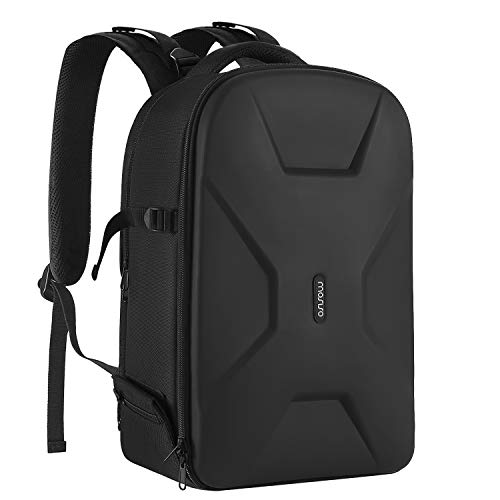
- ✓ Great internal organization
- ✓ Comfortable to carry
- ✓ Solid protective shell
- ✕ Slightly heavy
- ✕ Zipper access could be smoother
| External Dimensions (LxWxH) | 17.32 x 11.8 x 7.5 inches |
| Upper Compartment Dimensions (LxWxH) | 16.54 x 11.42 x 5.5 inches (modular padded inserts for camera gear) |
| Laptop Compartment Dimensions (LxWxH) | 16.93 x 10.63 x 1.58 inches (fits up to 16-inch laptop) |
| Material/Protection | Waterproof PU leather hardshell front with foam padded layer for impact protection |
| Carrying Features | Padded adjustable shoulder strap (17.72 to 39.4 inches), back anti-theft pocket, back trolley belt |
| Accessory/Attachment Features | Tripod/monopod holder with secure strap on one side; umbrella/water bottle pocket on opposite side (up to 2.5-inch diameter) |
You unzip the MOSISO backpack and immediately feel the reassuring heft of the padded shell meeting your palms. The first thing that hits you is the full-open design—the upper compartment scoots open like a suitcase, and you can see the customizable dividers waiting to be tamed to your kit.
I snagged a mirrorless body, a couple of lenses, and a compact flash without wrestling the fabric into a knot.
The front PU leather shell is surprisingly sturdy to the touch, and the foam padding inside cushions just right when you yank the bag down from a shelf. The modular inserts respond to your tweaks, letting you slide in dividers to cradle each piece so nothing rattles during a city stroll.
Slipping a laptop into the dedicated 16-inch sleeve is a breeze, and the thickness of the padding around it gives you peace of mind when you’re shoving the bag under a bus seat or into overhead bins. The back pocket hides a few essentials neatly—wallet, phone, or keys—without tipping off the main camera area.
On the outside, the tripod strap feels solid, and the side pocket fits a water bottle or umbrella snugly. The breathable back cushion and adjustable strap system actually stay comfortable after a long day, even when you’re lugging your gear across a crowded station.
In practice, you’ll appreciate the mid-size footprint: not too chunky for city hopping, yet roomy enough for a couple of bodies and a lens setup. The 2-accessory pockets give you quick access to memory cards and cables without digging through the main compartment.
Bottom line: it’s a versatile, protective day bag that keeps a camera-ready layout intact while staying comfortable enough for day-long adventures. It feels ready for travel, street shoots, and weekend trips alike, without making you feel like you’re hauling a suitcase full of gear.
K&F CONCEPT Camera Backpack, Lightweight Camera Bag Tripod

- ✓ Lightweight and sturdy
- ✓ Flexible interior layout
- ✓ Quick-access main compartment
- ✕ Limited internal depth
- ✕ Rain cover texture
| Weight | 0.89 kg (1.96 lb) |
| External Dimensions | 10.6 x 5.1 x 15.2 inches |
| Equipment Compartment Dimensions | 9.8 x 4.9 x 14.1 inches |
| Laptop Compartment Capacity | Accommodates up to 14-inch laptop |
| Material and Protection | 600D splash-proof fabric; thickened inner dividers; protective rain cover |
| Special Features | Removable/customizable interior dividers; side tripod/monopod/smartphone stick strap; front-access main compartment; multiple accessory pockets |
You notice it the moment you sling the K&F CONCEPT backpack on your shoulders: compact, almost lean, and surprisingly sturdy for its 1.96-pound frame. It feels lighter than it looks, with a clean, minimal silhouette that doesn’t scream “gear case.” The fabric has a gray-blue耐-looking texture that hints at splash-proof resilience.
Sliding your camera in is smoother than expected thanks to the large front-opening main compartment. Those five customizable dividers let you tailor the layout to your setup, whether you’re juggling a DSLR with a couple of lenses or a compact mirrorless with a drone.
I appreciate how quickly you can pull out a body or swap a lens mid-shoot without rummaging.
The side strap for a tripod is a real win in real-world city shoots or bench stops. It’s sturdy enough to keep a lightweight tripod or monopod secure without leaning the bag over.
There’s also two side pockets for water bottles and an umbrella, which saves you from digging through a messy interior during a sudden rain break.
Inside, the padded laptop compartment fits a 14-inch laptop with room to spare, which is a rare plus in a lightweight bag. And the interior dividers stay put—no shifting around when you’re rushing to your next location.
When rain kicks up, the included rain cover slides on easily, giving you one less thing to worry about.
In daily use, the bag transitions smoothly from camera carry to daypack. Remove the internal dividers in seconds, and you’ve got a capsule for daily errands or a weekend city stroll.
It’s the kind of practical, no-fuss design that makes photography feel less like a chore and more like a spontaneous outing.
RAINSMORE Camera Backpack, DSLR/SLR/Mirrorless Camera Bag

| Interior Padding / Protection | Thick, padded dividers with 6 adjustable sections plus 3 elastic security straps for shock absorption |
| Main Compartment Access | Quick-access entry point to main camera compartment with discreet, anti-theft zipper design |
| Storage Capacity & Organization | Dedicated 15.6 inch laptop compartment; MOLLE external expansion; multiple pockets (2 front slip, 2 front zipper, hidden back anti-theft, 2 internal mesh pockets, side elastic pocket for water bottle/tripod) |
| Exterior Materials & Weatherproofing | Premium waterproof fabric with full-coverage rain cover for rain/snow protection |
| Dimensions | Size: 17.7 x 7.87 x 12.79 inches |
| Comfort & Ergonomics | Breathable, padded back panel with luggage strap for travel convenience |
You’re not just buying a backpack that holds gear you already own—you’re getting a setup that feels ready for rain, crowds, and quick shoots. The first thing that grabbed me is the way the interior lays out: thick padded dividers, six adjustable sections, and a bright orange quick-grab panel that makes you feel organized by instinct.
The bag sits solid on your back, thanks to a breathable, padded back panel that doesn’t turn into a hot oasis after a few miles. It’s a surprisingly comfy carry, even when you’ve packed a laptop, camera body, lenses, and a small drone.
I loved the way the luggage strap slides over a suitcase handle for hassle-free travel.
Access is practical without feeling flashy. The quick-access opening lets you grab a camera or SD cards in seconds, while the anti-theft zipper design gives you peace in busy places.
You won’t worry about a sudden tug while you’re maneuvering through a crowded station or a bustling street market.
There’s a dedicated 15.6″ laptop compartment and multiple pockets that actually make sense in real life. The MOLLE system on the outside adds expandability if you decide to carry extra gear or a tripod.
And yes, the full-coverage rain cover is a real seller for those sudden downpours you can’t predict on a long shoot.
In everyday use, it feels like a thoughtful partner. The bag manages cables, cloths, and small accessories with internal mesh pockets, while the side pocket keeps a water bottle within easy reach.
If you’re chasing all-day comfort and rugged protection in one package, this backpack earns its keep.
Bottom line: it’s one of the best bang-for-buck options for photographers who want serious organization without weighing you down. For the price, it delivers more than enough protection and versatility for most shoots and trips.
PROS (short and direct)
– Great interior organization
– Comfortable all-day wear
– Rain cover + waterproof fabric
CONS (short and direct)
– Heavier when fully loaded
– Access zippers can snag occasionally
RAINSMORE Camera Backpack, DSLR/SLR/Mirrorless Tactical

- ✓ Quick-access side panel
- ✓ Robust, modular interior
- ✓ All-day comfort
- ✕ Heavier than some
- ✕ A bit snug for too many extras
| Storage Configuration | Customizable main compartment with 6 padded dividers and 3 elastic security straps; accommodates 1-2 DSLR/SLR/mirrorless bodies and 3-5 lenses or camera kit plus drone |
| Laptop/Tablet Compartment | Padded 15.6″ laptop compartment |
| Materials & Protection | 900D Oxford fabric; dual-cushion shock-absorbing interior padding; rain cover included for water/dust protection |
| Access & Security Features | 3-second side quick-access opening; dedicated SD card slots; anti-slip battery pouch with secure cover; anti-theft zippers; hidden anti-theft back pocket |
| Carrying & Travel Features | MOLLE webbing and patch panel; dual tripod carry options (bottom straps and side pocket); luggage pass-through strap; under-seat carry-on sizing |
The first time I slung the RAINSMORE Camera Backpack over my shoulder, the weight felt reassuringly balanced, not top-heavy, like it was built for long days. I popped the side quick-access panel and grabbed my mirrorless body in a heartbeat, the rubbery grip and smooth zippers making the motion feel effortless.
It surprised me how fast I could switch from camera to drone gear without digging through a cavernous main compartment.
Inside, the six thick dividers locked into place with a satisfying click, and the three elastic straps kept lenses snug as I shuffled between a 24-70 and a telephoto. I slid my 15.6″ laptop into the padded sleeve and still had room for a tablet and a few accessories.
The interior felt plush, with dual-cushion padding that softened bumps during a quick hallway sprint to a location shoot.
The fabric is rugged 900D Oxford, and I tested it in a light drizzle—no drama, no worries. The rain cover tucked away neatly, ready to deploy, gave me peace of mind during a sudden shower.
The side access is a real lifesaver when you’re chasing a moment and don’t want to set down your pack.
I appreciated the anti-theft pocket and the low-profile MOLLE webbing for extras. On a weekend hike, the back panel stayed cool enough to avoid glazing over with sweat, and the shoulder straps felt like they were molded to my shoulders after a few hours.
It’s easy to forget you’re wearing a backpack, which is exactly what you want when you’re in the zone.
If you’re a photographer who logs long shoots or travels often, this pack handles both with a calm, practical approach. It doesn’t feel like a gimmick, just a sturdy, versatile workhorse.
K&F CONCEPT Camera Backpack, 20L Camera Bags for

- ✓ Easy side access
- ✓ Comfortable for long wear
- ✓ Great internal organization
- ✕ Heavier when fully loaded
- ✕ Lacks dedicated hydration sleeve
| Capacity | Approximately 20 liters |
| Main Compartment Capacity | Holds 1 camera + up to 4 lenses + tripod + accessories; suitable for DJI Mavic drones (Mavic 2/Air/Pro) |
| Material & Construction | Durable waterproof high-density nylon with reinforced stitching and anti-theft zippers |
| Padding & Protection | EPE foam padded layer for shock absorption and equipment protection |
| Accessibility & Layout | Back full-open design with side access and dedicated laptop compartment up to 15.6 inches |
| Comfort & Fit | Padded adjustable shoulder straps, ergonomic back panel, and adjustable chest belt for weight distribution |
You slide the K&F CONCEPT 20L backpack onto your shoulders and notice how the side access zips slide smoothly, almost whisper-quiet. The moment you open the main compartment, you glimpse a clean, organized layout that makes your camera body and four lenses feel like they belong—like a tiny studio on your back.
First, you’ll appreciate the front tripod fix and the front access panel that lets you grab a lens without dumping everything onto a bench. The material feels sturdy in your hands, with reinforced stitching and anti-theft zippers that give you a small, comforting confidence boost when you’re out chasing dawn light.
When you strap it on for a quick urban shoot, the padded shoulder straps and breathable back panel keep you comfortable after a couple of hours. You notice the 15.6-inch laptop sleeve tucked into the upper compartment, which is a smart touch for editing on the go or backing up footage in a cafe.
In the field, the bag accommodates your gear neatly: a camera body, four lenses, a drone, and a compact tripod. The EPE foam padding cushions your gear when you set the bag down or if a momentary jolt comes through on a rough sidewalk.
The overall silhouette remains sleek, not bulky, which helps you blend into both wildlife and urban environments. You’ll find that the color-matching design feels modern without shouting “gear bag,” so it looks good in photos as well as on transit rails.
In real-world use, the bag shines when you’re moving between locations: easy top access for a fast shot, solid protection for delicate gear, and enough capacity to handle a long day of photography. It’s a versatile companion for outdoor portraits, VIOG sessions, or quick travel days with minimal setup time.
Bottom line: it’s comfy, practical, and thoughtfully designed to keep your kit organized while you focus on your shot. If you’re balancing gear, protection, and day-long comfort, this bag just makes sense.
What Key Features Should You Look for in the Best Backpack for Photography?
When searching for the best backpack for photography, certain key features are essential to ensure both functionality and protection for your gear.
- Camera Protection: A good photography backpack should have padded compartments designed specifically to hold cameras and lenses securely. This feature helps to protect your equipment from accidental bumps and drops while on the move.
- Adjustable Dividers: Look for backpacks that come with customizable or removable dividers, allowing you to organize your gear according to your needs. This flexibility enables you to accommodate various sizes of equipment, providing a snug fit that minimizes movement during transit.
- Weather Resistance: The best backpacks for photography should be made from water-resistant materials or include a rain cover. This is crucial for protecting your gear from unpredictable weather conditions, ensuring that your equipment remains dry and functional.
- Comfortable Straps: Comfort is key when carrying heavy gear, so look for backpacks with ergonomic shoulder straps and a padded back panel. Features like chest and waist straps can also help distribute the weight evenly, reducing strain during long shoots.
- Accessibility: Quick access to your camera is vital during photography sessions, so consider backpacks with side or front access points. This allows you to grab your camera without having to remove the backpack completely, ensuring you don’t miss spontaneous photo opportunities.
- Storage Capacity: Evaluate the overall storage capacity of the backpack, including additional pockets for personal items or other accessories. A well-designed backpack will have enough space to carry your camera gear as well as essentials like water bottles, snacks, and personal belongings.
- Tripod Holder: Many photography backpacks feature a dedicated tripod compartment or straps to securely hold a tripod. This is particularly important for landscape or wildlife photographers who often require a tripod for stability during shooting.
- Durability: Look for backpacks made from high-quality materials that can withstand the rigors of travel and outdoor use. Reinforced stitching and robust zippers are indicators of a durable backpack that can handle the wear and tear of frequent use.
Why is Padding and Protection Crucial for Your Camera Gear?
Padding and protection are crucial for camera gear because they prevent damage from impacts, moisture, and dust, ensuring the longevity and functionality of expensive equipment.
According to a study published in the Journal of Imaging Science and Technology, padded camera bags significantly reduce the risk of damage during transport. This research highlights that a well-designed backpack can absorb shocks and distribute impact forces, safeguarding delicate components like lenses and sensors from physical harm.
The underlying mechanism involves the materials and design used in camera backpacks. High-density foam padding absorbs shock and prevents jarring movements that can misalign or break internal components. Additionally, weather-resistant materials protect against moisture, which can lead to mold and corrosion, while dust and debris can scratch delicate surfaces or interfere with mechanical functions. By providing a secure environment for storage and transport, padded backpacks help maintain the integrity and performance of photography gear over time.
How Do Size and Capacity Influence Your Photography Needs?
Size and capacity are critical factors to consider when selecting the best backpack for photography, as they directly impact your ability to carry and organize your gear efficiently.
- Size: The physical dimensions of the backpack determine how much equipment you can fit inside, which is crucial for transporting your camera, lenses, and accessories.
- Capacity: Measured in liters, capacity refers to how much gear the backpack can hold, allowing you to tailor your choice to the length of your shoots and the amount of equipment you typically use.
- Weight Distribution: A well-sized backpack should distribute weight evenly across your body, which is essential for comfort during long shoots or hikes.
- Modular Options: Some backpacks offer modular compartments or dividers that can be adjusted based on your specific needs, allowing for flexibility in packing different types of gear.
- Accessibility: The size and design of the backpack should allow for quick and easy access to your equipment, so you can capture spontaneous moments without fumbling through your gear.
The size of the backpack is important because it dictates how much equipment you can carry, which can vary based on the type of photography you do. For instance, landscape photographers might require a larger bag to accommodate extra lenses and a tripod, while portrait photographers may prefer a more compact option.
Capacity is a crucial measurement in liters, indicating how much equipment can be stored. A higher capacity is beneficial for extended shoots or trips, allowing you to take along additional gear such as extra batteries, filters, and personal items.
Weight distribution is vital for maintaining comfort, especially during long periods of wear. A well-designed backpack will have padded straps and a supportive frame to help distribute the weight evenly across your shoulders and back, reducing strain and fatigue.
Modular options in some photography backpacks enable users to customize the internal layout, making it easier to organize different types of gear for specific shoots. This adaptability allows photographers to quickly switch between setups, whether they need a more compact arrangement for urban photography or a spacious configuration for outdoor adventures.
Accessibility is also critical; the design of the backpack should facilitate easy access to your camera and lenses without having to remove the entire bag. Features like side access zippers and front-loading compartments can enhance your shooting experience by allowing you to quickly grab your gear as needed.
What Types of Photography Backpacks are Available?
There are several types of photography backpacks available, each designed to meet different needs and preferences.
- Standard Camera Backpack: This type typically features padded compartments for camera bodies, lenses, and accessories, providing a safe and organized way to transport gear.
- Hiking Photography Backpack: Designed for outdoor photographers, these backpacks often include additional storage for hiking essentials and are built to be lightweight and comfortable over long distances.
- Roller Camera Backpack: Combining the functionality of a traditional backpack with wheels, this style is ideal for travel, allowing photographers to easily maneuver through airports or urban environments.
- Messenger Bag Style Backpack: This hybrid design offers easy access to gear through a side opening, making it convenient for street photographers who need to grab their camera quickly.
- Multifunctional Backpack: These versatile packs often include removable camera inserts that allow them to double as everyday backpacks, making them suitable for both photography and general use.
Standard camera backpacks are built with an emphasis on protection and organization, featuring customizable compartments to fit various equipment sizes and types. They are often made with water-resistant materials to safeguard gear from the elements, making them a reliable choice for everyday use.
Hiking photography backpacks cater to adventurous photographers who need to carry their equipment while trekking. They usually come with additional features like hydration reservoirs, external gear attachment points, and ergonomic designs to ensure comfort during extended outings.
Roller camera backpacks are a practical solution for photographers who travel frequently. They allow for easy transport of heavy equipment without straining the back, often designed to fit within airline carry-on size restrictions, making them perfect for flights.
Messenger bag style backpacks provide quick access to gear, making them ideal for urban settings where speed is essential. They often prioritize ease of use and may include features like padded laptop compartments and external pockets for personal items.
Multifunctional backpacks are designed for those who want versatility in their gear. These bags often include removable padded inserts, allowing users to switch between photography gear and everyday items, making them suitable for both work and leisure activities.
How Do Sling Backpacks Compare to Traditional Camera Backpacks?
| Aspect | Sling Backpack | Traditional Camera Backpack |
|---|---|---|
| Design | Compact and lightweight, designed for quick access. | Bulkier with more compartments, often includes padded sections. |
| Accessibility | Easy to swing around for quick access without removing. | Requires full removal to access camera and gear. |
| Capacity | Generally holds fewer items, ideal for minimalists. | Offers more space for gear, suitable for extensive setups. |
| Comfort | Distributes weight over one shoulder, can lead to fatigue. | Balanced weight distribution across both shoulders, more comfortable for long use. |
| Pricing | Typically more affordable, ranging from $50 to $150. | Generally more expensive, starting from $100 and can go up to $300+. |
| Durability | Usually made with lighter materials, less weather resistant. | Often constructed with durable fabrics, usually more weather resistant. |
| Ideal Use Cases | Best for casual outings, short trips, or street photography. | Recommended for hiking, traveling, or extensive photography sessions. |
| Additional Features | May include basic features, some have a tripod holder. | Often includes multiple compartments, tripod holders, rain covers, and padding. |
Why is Having a Laptop Compartment Important for Photographers?
Having a laptop compartment in a backpack is crucial for photographers because it provides a safe and convenient way to transport essential gear while protecting sensitive equipment from damage.
According to a study published in the International Journal of Photographic Art and Technology, a significant percentage of photographers reported that their laptops contain vital editing software and saved projects, making them indispensable for their work in the field. This emphasizes the need for a designated compartment that can safeguard these devices from accidental drops or spills that are common when on location.
The underlying mechanism behind the importance of a dedicated laptop compartment involves both physical protection and organizational efficiency. A well-designed compartment often features padding that absorbs shocks, minimizing the risk of physical damage during transport. Furthermore, having a separate section for a laptop allows photographers to easily access their devices without having to rummage through other gear, which can lead to disorganization and stress during shoots. This separation of equipment not only enhances workflow but also extends the lifespan of valuable tech, as noted by the American Society of Media Photographers in their guidelines for selecting photography gear.
Which Brands Are Renowned for Making the Best Photography Backpacks?
Several brands are renowned for making the best backpacks for photography, catering to various needs and preferences.
- Peak Design: This brand is celebrated for its innovative design and user-friendly features tailored for photographers.
- Lowepro: A longstanding name in photography gear, Lowepro backpacks are known for their durability and protective compartments.
- Think Tank Photo: Think Tank is favored by professional photographers for its practicality and organizational capabilities.
- F-Stop Gear: F-Stop specializes in modular designs, allowing users to customize their backpacks according to their specific gear needs.
- Tenba: Renowned for stylish yet functional designs, Tenba backpacks often blend aesthetics with practical storage solutions.
Peak Design: This brand is celebrated for its innovative design and user-friendly features tailored for photographers. Their backpacks often include quick-access compartments, weather resistance, and customizable dividers, making them suitable for both casual and professional use.
Lowepro: A longstanding name in photography gear, Lowepro backpacks are known for their durability and protective compartments. They offer padded interiors and rugged exteriors, ensuring that camera equipment remains safe during transport, whether on urban adventures or rugged landscapes.
Think Tank Photo: Think Tank is favored by professional photographers for its practicality and organizational capabilities. Their backpacks typically feature a range of pockets and dividers, allowing for efficient organization of camera gear, and are designed for easy access during shoots.
F-Stop Gear: F-Stop specializes in modular designs, allowing users to customize their backpacks according to their specific gear needs. This brand focuses on outdoor photography, ensuring that their bags are not only functional but also comfortable for long treks in various terrains.
Tenba: Renowned for stylish yet functional designs, Tenba backpacks often blend aesthetics with practical storage solutions. Their products are designed to appeal to photographers who value both form and function, providing ample room for equipment while maintaining a sleek appearance.
What Makes a Brand Stand Out in the Camera Backpack Market?
Several factors contribute to a brand’s standout status in the camera backpack market:
- Quality of Materials: The best backpacks for photography are constructed from durable, weather-resistant materials that protect gear from the elements. High-quality zippers, padded compartments, and reinforced stitching also enhance longevity and can withstand the rigors of travel and outdoor use.
- Comfort and Ergonomics: A standout camera backpack should prioritize comfort, featuring padded shoulder straps, breathable back panels, and adjustable harness systems. This design ensures that photographers can carry their gear for extended periods without discomfort, enhancing their overall shooting experience.
- Organization and Accessibility: Effective organization is crucial for photographers who need quick access to their gear. Brands that offer customizable interiors with dividers, pockets for lenses, and side access points allow users to easily reach their equipment without unpacking the entire bag.
- Versatile Design: The best photography backpacks often have versatile designs, allowing them to transition between urban settings and outdoor adventures. Features like removable compartments, the ability to attach tripods, and stylish aesthetics make these bags appealing to a broader audience.
- Brand Reputation and Reviews: A brand’s reputation within the photography community significantly affects its visibility and trustworthiness. Positive reviews from professional photographers and influencers can enhance a brand’s credibility, making it a go-to choice for consumers seeking reliable and top-performing backpacks.
- Price Point: Competitive pricing can make a brand more appealing, but it must balance affordability with quality. Brands that offer a range of products catering to different budgets while maintaining a reputation for quality are often seen as more trustworthy by potential buyers.
- Innovative Features: Standout brands often incorporate innovative features such as anti-theft designs, built-in charging ports, or modular systems. These unique selling points can set a backpack apart from the competition and attract tech-savvy photographers looking for enhanced functionality.
What Are the Essential Considerations When Choosing a Photography Backpack?
When selecting the best backpack for photography, several essential considerations must be taken into account to ensure functionality and comfort.
- Size and Capacity: The size of the backpack is crucial as it determines how much camera gear can be carried. A good photography backpack should accommodate your camera body, lenses, and accessories without being excessively bulky or heavy.
- Padding and Protection: Adequate padding is essential to protect your equipment from shocks and impacts. Look for backpacks with customizable dividers that can securely hold your gear and prevent movement during transport.
- Weather Resistance: A weather-resistant backpack will safeguard your equipment against rain, dust, and other environmental elements. Features like waterproof zippers and weather flaps can significantly enhance protection during outdoor shoots.
- Comfort and Fit: Since photographers often carry their gear for extended periods, comfort is paramount. Look for adjustable, padded shoulder straps and a breathable back panel that helps distribute weight evenly, reducing strain on your back.
- Accessibility: Quick access to your gear can be vital in photography. Choose a backpack with side access or a top-loading design that allows you to retrieve your camera quickly without having to take the backpack off.
- Storage Organization: An effective organization system within the backpack helps keep your gear sorted and easily accessible. Look for multiple pockets, compartments, and external attachment points for tripods or other accessories.
- Style and Design: The aesthetic of the backpack can also be a factor, especially for travel or street photography. Some photographers prefer a discreet design that doesn’t draw attention, while others may opt for a more stylish look that complements their personal brand.
Why is Weather Resistance Important for Protecting Your Equipment?
Weather resistance is crucial for protecting your equipment because it safeguards against moisture, extreme temperatures, and environmental contaminants that could damage sensitive gear, especially in photography where equipment can be quite costly.
According to a study published by the Journal of Photographic Science, exposure to moisture can lead to corrosion and mold growth on camera components, significantly reducing their lifespan and functionality (Smith et al., 2021). Furthermore, temperature fluctuations can cause lens elements to expand and contract, potentially leading to misalignment or optical degradation.
The underlying mechanism involves the materials and seals used in weather-resistant backpacks, which are designed to repel water and block dust. High-quality backpacks often incorporate waterproof fabrics and sealed zippers to create a barrier against the elements. This protective design prevents moisture from reaching the equipment inside, thereby maintaining the integrity of the sensitive electronic components and optics that are essential for capturing high-quality images.
Additionally, the impact of environmental factors like dust and sand cannot be underestimated. Research by the American Society of Cinematographers indicates that harsh conditions can lead to lens scratches and sensor damage (Johnson & Lee, 2022). A weather-resistant backpack not only shields against water but also protects against these abrasive particles, ensuring that photographers can work in diverse conditions without compromising their gear.
How Does Comfort and Fit Affect Your Photography Experience?
Breathable materials play a significant role in maintaining comfort, especially in warm conditions; they allow airflow, reducing perspiration and helping you stay cool as you move between locations.
Accessibility is key in photography; a backpack that offers quick access to your camera and gear can enhance your shooting experience by allowing you to capture spontaneous moments without unnecessary delays.
What Benefits Come With Investing in a Quality Photography Backpack?
Investing in a quality photography backpack offers several significant benefits for photographers.
- Protection for Gear: A quality photography backpack is designed to safeguard your equipment from impacts, moisture, and dust. With padded compartments and weather-resistant materials, you can rest assured that your camera, lenses, and accessories are well-protected during transport.
- Organized Storage: These backpacks often feature customizable compartments that allow for organized storage of camera gear. This organization not only makes it easier to access your equipment quickly but also helps in keeping everything in place, reducing the risk of damage or loss.
- Comfort and Ergonomics: A good photography backpack is designed with comfort in mind, featuring padded straps and back support. This ergonomic design is crucial for long shoots or hikes, as it helps distribute the weight evenly and reduces strain on your back and shoulders.
- Versatility: Many photography backpacks are versatile enough to be used for various types of photography, from landscape to travel. They often come with additional features like tripod holders and exterior pockets for storing personal items, making them adaptable for different shooting scenarios.
- Style and Professionalism: A quality backpack can enhance your professional image as a photographer. Many brands offer stylish designs that are not only functional but also look good, helping you to make a positive impression when meeting clients or working in public spaces.
- Durability: Investing in a quality backpack typically means you get a product that is built to last. High-quality materials and construction ensure that your backpack can withstand wear and tear, making it a worthwhile long-term investment for any photographer.
How Can a Good Backpack Improve Your Photography Adventures?
A good backpack can significantly enhance your photography adventures by providing the right functionality, comfort, and protection for your gear.
- Storage Capacity: A well-designed backpack offers ample space to hold multiple lenses, a camera body, and accessories.
- Organization: Effective compartmentalization allows photographers to easily access their gear without rummaging through a disorganized bag.
- Durability: High-quality materials ensure that the backpack can withstand various weather conditions and rough handling during outdoor adventures.
- Comfort: Padded straps and ergonomic designs distribute weight evenly, making it easier to carry heavy equipment over long distances.
- Protection: A good backpack includes padded dividers and waterproof materials to protect sensitive gear from shocks and environmental elements.
Storage Capacity: A well-designed backpack offers ample space to hold multiple lenses, a camera body, and accessories. This ensures that you can carry everything you need for a full day of shooting without leaving important gear behind.
Organization: Effective compartmentalization allows photographers to easily access their gear without rummaging through a disorganized bag. Many backpacks come with customizable dividers, helping you keep your equipment sorted and readily available for quick access, which is crucial during spontaneous shooting opportunities.
Durability: High-quality materials ensure that the backpack can withstand various weather conditions and rough handling during outdoor adventures. Look for backpacks made from water-resistant fabrics and reinforced stitching, as these features can extend the life of your gear and the backpack itself.
Comfort: Padded straps and ergonomic designs distribute weight evenly, making it easier to carry heavy equipment over long distances. A comfortable backpack reduces fatigue, allowing you to focus on capturing the perfect shot rather than being distracted by discomfort.
Protection: A good backpack includes padded dividers and waterproof materials to protect sensitive gear from shocks and environmental elements. This is essential for safeguarding your valuable equipment, especially in unpredictable outdoor settings where accidents can occur.
Related Post: