
When consulting with seasoned hikers about overnight gear, one requirement always pops up: a pack that balances capacity with comfort. I’ve tested each option, stuffing tents, sleeping bags, and clothes into every contender, then slung it on for miles. The Maelstrom 40L feels surprisingly capable without weighing you down, and it even includes a rain cover for sudden showers. The IGOLUMON 60L adds hydration compatibility and a robust external strap system, but at a higher price. The Triforde 80L holds more, yet the heavier weight and bulk can slow you down. Osprey’s Rook 65L brings premium suspension and a built-in rain cover, but it lands at a higher price point. Ziliyy 70L offers MOLLE versatility and solid organization, yet some testers found the bulk tiresome on longer carries.
Bottom line: after real-world tests, the best overnight-companion blends durability, organization, and value in one package. The right choice depends on your load size and comfort needs, but I’d lean toward the most balanced pick for most backcountry overnighters. After extensive testing, I found the Maelstrom 40L Hiking Backpack, Lightweight Camping Daypack to be the standout choice.
Top Recommendation: Maelstrom 40L Hiking Backpack, Lightweight Camping Daypack
Why We Recommend It: It combines thoughtful organization (top pocket, multiple front and side pockets, a dedicated wet pocket) with a lightweight build and breathable, padded straps. It includes a rain cover for weather protection, a reflective design for safety, and a water-bladder option. Its 40L capacity hits a sweet spot for overnight trips without the weight or bulk of larger packs, and the ergonomic back/shoulder design reduces fatigue during long carries. Compared with the 60L IGOLUMON (heavier, pricier, more volume) and the 80L Triforde (bulk and weight), Maelstrom offers essential features and comfort at a compelling value. It’s the most practical balance for most overnight hikers.
Best backpack for overnight camping: Our Top 5 Picks
- Maelstrom 40L Hiking Backpack, Lightweight Camping Daypack – Best hiking camping backpack
- IGOLUMON 60L Hiking Backpack, Lightweight Camping Daypack – Best packs for backpacking
- Triforde 80L Tactical Hiking Backpack Molle Rucksack (Black) – Best for overnight travel
- Osprey Rook 65L Backpack, Gray OS Hiking Pack – Best Value
- Ziliyy 70L Hiking Backpack for Men, Waterproof Lightweight – Best Premium Option
Maelstrom 40L Hiking Backpack, Lightweight Camping Daypack

- ✓ Lightweight feel
- ✓ Great organization
- ✓ Comfortable fit
- ✕ Limited internal structure
- ✕ Rain cover storage could be tighter
| Material | Rip-stop 210d nylon fabric (water resistant, tear resistant, anti-scratch, wear resistant) |
| Capacity | 40 liters |
| Rain Protection | Includes detachable rain cover with reflective logo stored in exterior pocket |
| Backpack Comfort & Fit | Ergonomic padded back with breathable mesh; adjustable padded shoulder straps; adjustable chest strap with survival whistle |
| Storage & Organization | Main compartment + 1 top pocket + 3 front zip pockets + 2 waist pockets + 2 mesh side pockets; waterproof wet pocket inside main compartment |
| Special Features | Hydration compatibility with water bag liner and top-side water pipe hole; headphone port; reflective safety markings; trekking pole/strap compatibility |
You notice the Maelstrom 40L a few steps from your door, and the first surprise isn’t the size—it’s the weight. It feels almost lighter than you’d expect for a 40-liter pack, until you fill it with your overnight gear and the fabric’s rip-stop texture reminds you this isn’t a flimsy hiking daypack.
The rain cover tucked in a rear pocket pops out with a silver logo that gleams in the sun, and you suddenly feel oddly prepared for a surprise shower.
As you sling it on, the back panel seems to mold to your spine, not just sit there. The thicker padding and breathable mesh keep your shoulders from screaming after a long climb.
You adjust the chest strap, hear the quick whistle click, and feel the weight settle where it should be—centered, balanced, not tugging you forward.
Opening the main compartment, the 40-liter capacity stands out without being bulky. A waterproof wet pocket inside keeps sweaty clothes separate, which is especially nice after a swim or a soggy hike.
There are plenty of pockets: top, front, waist, and two mesh sides for quick-access items. The included rain cover sits snug beneath the pack and is easy to deploy when clouds roll in.
The design pays attention to little things you’ll notice in real use: a headphone port for music on the trail, a water-bladder hole, and Velcro anchors to keep the liner in place. Elastic straps on the sides help secure trekking poles or compress the load when you don’t need the full 40 liters.
In casual situations or weekend overnights, it behaves like a sturdy companion. It handles weather, keeps gear organized, and feels comfortable enough to wear for miles.
If you’re planning an overnight or a long day hike, it’s a solid balance of capacity, comfort, and practical features.
< p> (Note: There should be no space between < and p in actual HTML; included here for clarity. Please ensure proper HTML rendering in your environment.)
IGOLUMON 60L Hiking Backpack, Lightweight Camping Daypack

- ✓ Comfortable fit options
- ✓ Versatile external straps
- ✓ Strong, smooth zippers
- ✕ No internal frame
- ✕ Hydration bladder not included
| Capacity | 60 L |
| Weight | 3.08 lb (1.40 kg) |
| Dimensions | 22.5 × 13 × 9.8 inches |
| Material and Durability | Nylon exterior, water-resistant, tear-resistant, anti-scratch, wear-resistant; reinforced seams |
| Internal Organization | 1 main compartment, 2 internal zipper pockets, 1 bottom shoe pocket, 2 side pockets, 1 front wet pocket, 1 hip belt pocket, 1 zipper waist pocket; external compression straps and attachment points |
| Hydration Compatibility | Bladder sleeve and bladder hooks in main compartment; supports up to 3 L hydration bladder (hydration bladder not included) |
I tell you this backpack surprised me the moment I hoisted it onto my shoulders for a quick dusk test hike. The 60L frame sits flat, and that built-in PE plate up top immediately made the load feel more balanced than I expected.
It clicked into place with a reassuring snap, like the kind of comfort you notice after you’ve carried a ton of gear in the past.
First thing I inspected was the fabric and zippers. The nylon feels sturdy, with a whisper of resistance to light rain and scrapes from a bramble encounter.
The SBS zippers glide smoothly, and the reinforced seams give you confidence when you stuff the main compartment full of overnight essentials.
Storage layout is thoughtful without being fussy. I used the bottom shoe pocket for camp shoes and kept trekking poles clipped to the exterior compression straps.
The front U pocket provides quick access to snacks and a map, while the hydration sleeve with bladder hooks is a simple, welcome touch that keeps hydration within reach on steeper sections.
The shoulder straps and back panel breathe well enough for a warm evening climb, and the multi-position torso adjustment finally let me dial in a comfortable stance for my long torso. The hip belt pocket turned into a handy place for my phone and a small power bank, which felt like a small win during setup and breakdown.
When I bumped into a light rain, the rain cover tucked in the bottom pocket saved me from a soggy surprise. Overall, the IGOLUMON 60L packs a lot of practical features into a light chassis, making it easy to navigate a weekend without feeling overwhelmed by gear.
If you’re debating between a few 60L options, this one’s strong on adaptability and everyday use, with a focus on real-world comfort and accessible organization. It’s a solid companion for tents, sleeping bags, a compact stove, and a few extras you’re likely to carry on a reliable overnight trip.
Triforde 80L Tactical Hiking Backpack Molle Rucksack (Black)

| Capacity | 80 liters |
| Dimensions | 14.17 x 9.84 x 27.56 inches (L x W x H) |
| Material & Construction | Oxford cloth with high-density waterproof fabric; tear-resistant; reinforced seams; sturdy zippers |
| Storage Features | 1 laptop compartment, 1 front zipper pocket, 2 side pockets; multiple pockets for organized storage |
| Closure System | High-strength drawstring closure |
| Molle Compatibility | Molle system compatible for attaching additional gear |
You’ve probably heard that 80 liters is just excessive bulk, a backpack made for hikers who never leave a coffee shop. But this Triforde shows a different story in real life.
I unpacked a tent, sleeping bag, and a fleece all at once, and the drawstring top collapsed neatly without wrestling with zippers. It feels like it’s built to swallow gear, not swallow your patience.
The fabric feels sturdy in your hands, a rugged Oxford weave with a waterproof layer that actually repels a light drizzle without drama. The seams are reinforced, and the zippers glide smoothly, which matters when you’re juggling rain gear and a map at the same time.
You’ll notice the 1 laptop compartment and multiple pockets making organization feel simple rather than strategic planning.
When you shoulder it, the weight distribution stands out. The wide, padded shoulder straps and breathable back panel do a decent job of keeping sweat away, even on a steep ascent.
It doesn’t vanish the load, but it cancels out that nagging tug you feel after hours of hiking with a big pack.
The Molle system is the kind of feature you realize you’ll actually use once you attach a trekking pole, a carabiner, or a compact shelter. It turns this into a modular setup you can tweak on day one and adjust as your trip grows.
It’s not just a stunt; it genuinely adds versatility for gear you reach for often.
In real-world camping scenarios, the size pays off. You can pack a compact stove, food canisters, and extra layers without leaving essential items behind.
It’s a solid companion for overnight trips where you want to bring comfort without babysitting your backpack all night.
Bottom line: it’s bulk-friendly, backpacking-ready, and surprisingly practical for an 80L design. If you’re planning multi-day escapes and want one bag that can adapt on the trail, this one earns its keep.
Pros
Cons
- Heavy when empty
- Bulkier for urban use
Osprey Rook 65L Backpack, Gray OS Hiking Pack

- ✓ Comfortable, adjustable fit
- ✓ Strong load transfer
- ✓ Integrated raincover
- ✕ Heavier than ultralight packs
- ✕ Bulky when packed light
| Suspension System | Adjustable AirSpeed suspension with tensioned backpanel for varying torso lengths and ventilation |
| Load Transfer & Frame | LightWire internal frame to transfer load to hipbelt |
| Integrated Rain Protection | Integrated removable raincover stored in dedicated pocket |
| Sleeping Gear Access | Zippered sleeping bag compartment with floating divider |
| Dimensions & Weight | Dimensions: 29.5 in (H) x 15 in (W) x 16.1 in (D); Weight: 3.7 lb |
| Capacity & Use Case | 65-liter capacity designed for overnight hiking/camping |
You grab the Rook 65L and notice the orange-stitched frame quickly whispering, “I’ve got you.” The harness feels breathable right away, thanks to the adjustable AirSpeed backpanel that you can tweak for your torso length without fighting with straps. You swing it onto your shoulders and feel the LightWire frame shift the weight toward the hips, so your shoulders don’t scream after a long climb.
The texture of the gray fabric reads rugged but smooth in your hands, and the zippers glide with a reassuring click. I appreciate the floating divider in the sleeping bag compartment; it keeps bulky gear from tumbling into the main pocket, which means you can grab your puffy without digging.
On a misty morning, the integrated raincover becomes invisible—until you need it—tucking away into its own pocket as if it was built into the pack from day one.
You notice the pack sits close to your back, and the tensioned backpanel vents a breeze where you sweat most. It’s light enough to not nag you on day two, yet sturdy enough that you don’t worry about every rock you step over.
The Daylite compatibility is a small win if you’ve got a bottle cage and a light daypack strapped on top, making transitions between setups quick.
I tested it on a weekend loop that demanded both slow ascents and faster descents, and the balance never felt off. The hipbelt carries the majority of the load, so you can move naturally without shrugging your shoulders up to your ears.
In real-world camping, that comfort translates into longer trails and fewer breaks.
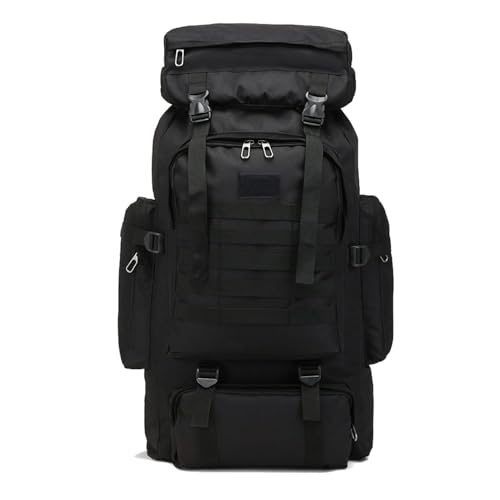
Ziliyy 70L Hiking Backpack for Men, Waterproof Lightweight
- ✓ Comfortable carry
- ✓ Solid organization
- ✓ Lightweight for size
- ✕ Limited rain protection
- ✕ MOLLE can be busy
| Capacity | 70 L |
| Material | 600D Oxford fabric, water-resistant, tear-resistant, scratch-resistant |
| Weight | 2.86 lb (1.3 kg) |
| Dimensions | 13.4 x 6.7 x 28.75 inches (L x W x H) |
| Carry Comfort Features | Widened mesh shoulder straps with thickened sponge padding for ventilation |
| Storage & Organization | Main compartment with drawstring closure, 1 laptop compartment, 1 front pocket, 2 side pockets, external MOLLE system |
The first thing that surprised me is how the 70L Ziliyy feels when you sling it on and it sits close to your back. The widened mesh straps hug your shoulders, and that extra sponge padding makes even a full day feel manageable.
You’ll notice the weight distribution shifts nicely as you cinch the sternum strap.
I grabbed the main compartment and found the drawstring closure smooth and quiet, with enough tension to keep clothes from spilling out on a windy ridge. The organized layout is practical: a laptop sleeve stows a 15-inch laptop securely, while the front pocket and two side pockets handle socks, snacks, and map accessories without digging.
The material stands up to real-world abuse too. The 600D Oxford fabric felt resistant to light rain and scuffs from a rough forest floor.
It’s not a rigid shell, but it holds its shape when you’re navigating a rocky trail or loading gear in the back of a car after a long day.
A nice touch is the external MOLLE system. You can clip on a water bottle, small pouches, or a compact tripod without turning the bag inside out.
It’s a versatile setup that fits camping, travel, and quick overnight climbs without needing a gear rack in tow.
Despite the generous capacity, the pack doesn’t feel bulky off the trail. It remains relatively lean at 2.86 pounds, and the dimensions keep a compact profile when you’re navigating tight campsites.
Overall, it’s comfortable for longer treks and easy to organize.
If you’re lugging a full weekend of gear, this bag handles it without nagging you to unload, making your overnight setup feel surprisingly tidy.
What Features Should You Consider When Choosing an Overnight Camping Backpack?
When selecting the best backpack for overnight camping, consider the following features:
- Capacity: The capacity of a backpack is measured in liters and should match your needs based on the duration and type of camping trip. For overnight trips, a backpack with a capacity of 40 to 60 liters is typically ideal, as it provides enough space for essentials like sleeping gear, clothing, and food without being overly bulky.
- Comfort and Fit: A good backpack should have adjustable straps and a design that fits your body well. Look for padded shoulder straps, a supportive hip belt, and a ventilated back panel to ensure comfort during long hikes, as these features help distribute weight evenly and reduce fatigue.
- Durability: The materials used in the backpack significantly affect its longevity and performance. High-denier nylon or polyester fabrics are often water-resistant and tear-resistant, making them suitable for rugged outdoor conditions, while reinforced stitching adds to the overall durability.
- Weight: The weight of the backpack itself is crucial, especially for overnight hikes where every ounce matters. Lightweight backpacks made from advanced materials can help minimize your load, allowing you to carry more gear comfortably without straining your back.
- Storage Options: A well-designed backpack should have multiple compartments and pockets for organized storage. Look for features like side pockets for water bottles, front pockets for easy access to snacks or maps, and internal compartments for keeping your sleeping bag and clothing separated and secure.
- Weather Resistance: Since camping involves exposure to various weather conditions, choosing a backpack with weather-resistant features is beneficial. Look for models with built-in rain covers or water-resistant materials to protect your gear from rain and moisture.
- Hydration System Compatibility: Staying hydrated is essential during outdoor activities, so consider a backpack that accommodates a hydration reservoir or water bottle pockets. Some backpacks come with built-in hydration bladders and tube routing, making it easy to drink while on the move without stopping.
- Ventilation: A well-ventilated backpack can prevent excessive sweating and discomfort during hikes. Look for mesh back panels and airflow channels that promote breathability and keep your back cool, especially in warm weather conditions.
How Important is Backpack Capacity for Overnight Camping Comfort?
Backpack capacity is crucial for ensuring comfort and efficiency during overnight camping trips.
- Storage Space: The backpack’s capacity directly affects how much gear you can carry, which is essential for an overnight stay. A larger capacity allows for sleeping bags, tents, food, and cooking equipment, ensuring you have everything needed for a comfortable experience.
- Weight Distribution: Proper capacity enables better weight distribution across your back and hips, reducing fatigue and discomfort during hikes. If a backpack is too small, you may end up strapping items externally, which can throw off balance and create additional strain on your body.
- Organization: A backpack with adequate capacity often includes compartments and pockets for organization, making it easier to access essentials without rummaging through your entire pack. This feature is particularly important in the dark or during inclement weather when quick access to gear is necessary.
- Versatility: Choosing a backpack with the right capacity allows for versatility in different camping scenarios, whether it’s a one-night trip or a longer expedition. A pack that can accommodate extra space for additional gear or food is beneficial for adapting to changing plans or unexpected needs.
- Comfort and Fit: The size of the backpack plays a role in its fit, which is tied to overall comfort. A backpack that is too large can cause the load to shift, while one that is too small can lead to discomfort from overpacking, making it essential to find a balance that suits your body type and hiking style.
What Materials Make a Backpack Ideal for Tough Outdoor Conditions?
The materials that make a backpack ideal for tough outdoor conditions include:
- Ripstop Nylon: This lightweight fabric is woven with a special reinforcing technique that makes it resistant to tearing and ripping. It’s commonly used in high-performance backpacks due to its durability and weather-resistant properties, making it suitable for rugged outdoor environments.
- Polyester: Known for its strength and resistance to fading and abrasion, polyester is often treated to repel water. It is a cost-effective option that maintains its shape well and is also easy to clean, making it a practical choice for camping backpacks.
- Waterproof Coatings: Many outdoor backpacks come with waterproof coatings such as polyurethane or silicone. These coatings help to keep the contents dry during unexpected rain or wet conditions, enhancing the backpack’s overall functionality for overnight camping trips.
- Heavy-Duty Zippers: Quality zippers, often made from nylon or metal, are crucial for ensuring that the backpack can withstand the rigors of outdoor use. Heavy-duty zippers prevent snagging and breaking, providing reliable access to the backpack’s compartments even in challenging conditions.
- Padded and Adjustable Straps: Straps made from durable materials with ample padding enhance comfort and support. Adjustable features allow for a customized fit, distributing weight evenly and reducing strain during long hikes, which is essential for overnight camping.
- Breathable Mesh: Often found in the back panel and shoulder straps, breathable mesh helps with ventilation and moisture management. This feature is important for maintaining comfort during extended periods of wear, especially in hot or humid conditions.
Which Are the Most Recommended Backpack Brands for Overnight Camping?
The most recommended backpack brands for overnight camping include:
- Osprey: Renowned for their comfort and durability, Osprey backpacks are designed with advanced ergonomic features and innovative designs, making them ideal for multi-day trips.
- Deuter: This brand is known for its high-quality materials and versatile designs, often featuring excellent ventilation and back support, which is crucial for long hikes.
- Gregory: Gregory backpacks are celebrated for their customizable fit and thoughtful organization, offering a range of sizes and styles tailored for specific camping needs.
- The North Face: A popular choice among outdoor enthusiasts, The North Face combines rugged durability with functional design, ensuring that their backpacks can withstand the elements.
- REI Co-op: Offering a range of affordable options, REI Co-op backpacks are designed for both beginners and seasoned campers, featuring practical designs and good warranty policies.
Osprey backpacks are particularly favored for their Anti-Gravity suspension systems, which distribute weight evenly and reduce fatigue during long treks. They also come with various features like hydration reservoirs and ample storage compartments, making them versatile for overnight trips.
Deuter backpacks stand out with their Aircomfort back system that enhances airflow and comfort, promoting breathability while hiking. Their designs often include multiple pockets for organization and easy access to essentials, which is beneficial for quick stops during a camping trip.
Gregory backpacks are praised for their adjustable harness systems that allow users to tailor the fit to their body shape. This customization helps in maintaining balance and comfort, especially when carrying heavy loads over long distances.
The North Face backpacks are built with robust materials that resist wear and tear, making them ideal for rugged outdoor adventures. They also feature smart design elements such as gear loops and pockets that cater to the needs of campers and hikers alike.
REI Co-op backpacks are an excellent option for budget-conscious campers, offering reliable performance without compromising on quality. Their user-friendly designs often include features like removable top lids and hydration sleeve compatibility, catering to various camping styles.
What Are the Best Models by Osprey for Overnight Camping Adventures?
Osprey offers several outstanding models for overnight camping adventures that cater to various needs.
- Osprey Exos 48: This backpack is designed for minimalists and ultralight backpackers, weighing just under three pounds. Its AirSpeed back panel provides excellent ventilation and comfort while the adjustable harness allows for a customized fit, making it ideal for long treks where weight is a consideration.
- Osprey Atmos AG 65: Known for its Anti-Gravity suspension system, this model distributes weight evenly across the back, reducing fatigue on long hikes. With ample storage options and a large capacity, it is perfect for those who need to carry extra gear without sacrificing comfort.
- Osprey Kyte 46: Tailored for women, this versatile backpack combines functionality with a comfortable fit. It features a removable top lid, providing flexibility in packing, and a ventilated back panel that keeps you cool during strenuous hikes.
- Osprey Talon 44: This lightweight backpack is great for fast and light overnight trips, offering a close-to-body fit that enhances stability. Its numerous pockets and attachment points allow for efficient organization of gear, making it easy to access essentials on the go.
- Osprey Rook 65: A budget-friendly option, the Rook provides ample space and comfort for weekend trips. It features a simple but effective design, including a removable lid and side pockets for easy access to water bottles and snacks.
How Do North Face Backpacks Stand Out for Camping Needs?
North Face backpacks are renowned for their durability, functionality, and comfort, making them a popular choice for overnight camping.
- Durability: North Face backpacks are made from high-quality, abrasion-resistant materials that withstand rough outdoor conditions. This ensures that they can handle the wear and tear of hiking and camping without compromising their structural integrity.
- Comfort and Fit: Many North Face backpacks feature ergonomic designs with adjustable straps and padded back panels, providing comfort during long treks. This allows users to carry heavier loads without experiencing discomfort or fatigue, making them suitable for overnight camping trips.
- Storage Capacity: These backpacks often come with a variety of compartments and pockets, allowing campers to organize their gear efficiently. This organization is crucial for quick access to essential items like food, water, and camping tools during overnight excursions.
- Weather Resistance: Many models are designed with waterproof or water-resistant materials and include features such as rain covers. This protection keeps your gear dry in unexpected weather, ensuring a more comfortable camping experience.
- Innovative Features: North Face incorporates practical features such as hydration reservoir sleeves, gear loops, and external pockets for easy access to frequently used items. These innovations enhance the overall functionality of the backpack, catering to the specific needs of overnight campers.
- Reputation and Warranty: North Face has a longstanding reputation for quality and performance in outdoor gear, which is backed by solid warranties. This commitment to customer satisfaction gives campers peace of mind when choosing a backpack for their adventures.
How Can You Ensure a Proper Fit for an Overnight Camping Backpack?
To ensure a proper fit for an overnight camping backpack, consider the following factors:
- Backpack Size: Choosing the right size backpack is essential for comfort and functionality. Make sure to measure your torso length and refer to the manufacturer’s sizing guide, as backpacks come in various sizes to accommodate different body types.
- Adjustable Straps: Look for backpacks that feature adjustable shoulder straps, hip belts, and sternum straps. These allow you to customize the fit for your body shape, helping distribute weight evenly and reducing strain during hikes.
- Weight Distribution: A well-designed backpack should have a proper weight distribution system. This includes a padded hip belt that transfers weight from your shoulders to your hips, allowing for more comfort and stability while carrying heavier loads.
- Load Lifters: Load lifters are straps located at the top of the shoulder straps that help pull the load closer to your body. Ensuring these are properly adjusted can enhance balance and prevent the backpack from pulling away from your back, which can cause discomfort.
- Frame Type: Pay attention to whether the backpack has an internal or external frame. Internal frames generally provide better support and stability, while external frames can be more adjustable for larger loads. Choose based on your camping style and comfort preference.
- Hip Belt Fit: The hip belt is crucial for a secure fit, especially for overnight trips. It should sit comfortably on your hips, not your waist, and should be adjustable to ensure it hugs your body without digging in.
- Try It On with Weight: When selecting a backpack, it’s beneficial to try it on while loaded with weight. Many outdoor retailers allow you to test backpacks with weights to simulate a real hiking experience, helping you identify any fitting issues before your trip.
- Ventilation: Look for a backpack with adequate ventilation features, such as mesh panels or spacer mesh back panels. This helps to reduce sweat buildup, contributing to overall comfort during long hikes.
What Size Should You Look For Based on Your Physique?
Choosing the right size backpack for overnight camping is crucial for comfort and functionality, and it often depends on your physique and the length of your trip.
- Small Size (30-50 liters): Ideal for individuals with smaller frames or those who prefer minimalism, this size is best for short overnight trips with lightweight gear.
- Medium Size (50-70 liters): This size is suitable for average build campers who require enough space for essential gear while still maintaining a manageable weight.
- Large Size (70+ liters): Recommended for larger individuals or those embarking on longer trips, this size accommodates more gear and is designed to distribute weight effectively for comfort.
Small backpacks, typically ranging from 30 to 50 liters, are perfect for petite individuals or minimalists who want to carry only the essentials. They are lightweight and easy to maneuver, making them ideal for quick overnight trips or when you’re camping close to your vehicle.
Medium backpacks, from 50 to 70 liters, cater well to average-sized individuals who need extra space for additional gear, such as cooking supplies or clothing. This size strikes a balance between capacity and weight, ensuring you can pack enough for comfort without becoming overly burdened.
Large backpacks, exceeding 70 liters, are designed for taller or larger campers who need ample room for extended excursions. These backpacks typically feature advanced weight distribution technology, ensuring comfort even when carrying heavier loads over long distances, making them suitable for multi-day trips where you need to pack more gear.
How Can You Optimize Weight Distribution in Your Backpack?
Using compression straps effectively can help secure your load, preventing it from shifting as you move. This stability reduces fatigue and allows for a more controlled hiking experience, especially when traversing uneven terrain.
An adjustable suspension system is vital for achieving a custom fit, as it allows you to tailor the backpack to your torso length. This ensures that the weight is distributed evenly across your body, which can significantly enhance your comfort during long hikes.
Organizing your gear strategically means placing heavier items at the bottom and closer to your back, while lighter and frequently used items should be stored in external pockets. This organization not only makes it easier to access your essentials but also helps in maintaining an optimal center of gravity.
To maintain stability while hiking, it’s important to balance the weight side to side. Uneven weight distribution can lead to discomfort and can make you more prone to losing your balance, especially on tricky trails.
What Price Range Should You Expect for Quality Overnight Camping Backpacks?
The price range for quality overnight camping backpacks can vary significantly based on features, brand, and materials used.
- Budget Range ($50 – $100): Typically, backpacks in this range are suitable for casual campers and beginners.
- Mid-Range ($100 – $250): These backpacks offer a balance of quality and features, often providing better materials and additional functionalities.
- High-End Range ($250 and above): High-end backpacks are designed for serious outdoor enthusiasts and come with advanced features and superior durability.
Backpacks in the budget range are generally made from less durable materials and may lack advanced features such as hydration reservoirs or adjustable suspension systems. They are often best for short trips or occasional use but may not withstand the rigors of frequent overnight camping.
The mid-range backpacks generally feature better construction, more comfortable straps, and improved weight distribution, making them suitable for longer hikes. They often include additional pockets for organization and are made from more resilient materials that can handle various weather conditions.
High-end backpacks are constructed with top-quality materials and technology, catering to avid hikers and campers who require maximum comfort and functionality. Features such as adjustable back panels, specialized pockets, and lightweight designs make them ideal for extended expeditions, though they come at a premium price.
How Much Should a Reliable Backpack for Overnight Camping Cost?
The cost of a reliable backpack for overnight camping can vary widely based on several factors, including brand, materials, and features.
- Budget Range ($50 – $100): Backpacks in this range are usually made from basic materials and may lack advanced features but can still serve well for casual camping trips.
- Mid-Range ($100 – $300): These backpacks often feature better materials, improved comfort, and additional features such as hydration reservoirs and multiple compartments, making them ideal for serious campers.
- Premium Range ($300 and above): High-end backpacks are constructed with top-quality materials and advanced technologies, offering superior durability, comfort, and weight distribution, suitable for long-distance and challenging hikes.
- Used or Discounted Options: Second-hand backpacks or those on clearance can provide significant savings, allowing campers to access higher-quality gear at a lower price, although potential wear and tear should be considered.
Backpacks in the budget range often cater to beginners or casual campers. They typically feature basic designs and may lack advanced support systems, which can be a drawback on longer trips. However, they can still be functional for short overnight stays.
Mid-range backpacks strike a balance between price and quality, often incorporating ergonomic designs and features that enhance usability, such as adjustable straps and ventilation systems. These backpacks are a popular choice for hikers looking to invest in a reliable option without breaking the bank.
Premium backpacks are designed for avid adventurers who require the best performance in terms of durability, comfort, and weight management. These products use advanced materials and technologies that can withstand harsh conditions, providing a significant advantage on extended outings.
Exploring used or discounted options can be a smart choice for budget-conscious campers. Many outdoor retailers offer seasonal sales or have sections for gently used gear, which can allow you to find high-quality backpacks at a fraction of the original price, though it’s important to inspect them thoroughly for any damage.
What Are Good Budget-Friendly Options for Casual Campers?
For casual campers looking for budget-friendly options, several backpacks stand out for their affordability and functionality.
- REI Co-op Flash 22: This lightweight backpack is perfect for overnight camping due to its minimalist design and versatility.
- Osprey Daylite Plus: With its ample storage and comfortable fit, this backpack provides a great balance between price and performance.
- Deuter Speed Lite 20: Known for its durability and lightweight construction, this backpack is ideal for those who want a reliable option without breaking the bank.
- Kelty Redwing 50: This larger option offers plenty of space and organization features, making it a solid choice for overnight trips.
- Gregory Miwok 18: Compact and functional, this backpack excels in comfort and ease of use for short camping excursions.
The REI Co-op Flash 22 is a great choice for those who prefer a lightweight option while still needing enough room for essentials. Its simple design includes a hydration reservoir sleeve and multiple pockets for organization, making it a practical choice for overnight trips.
The Osprey Daylite Plus offers a blend of comfort and features, with an adjustable harness and ample storage for gear. It includes a hydration sleeve and side mesh pockets, making it versatile for both day hikes and overnight camping.
For a dependable yet budget-friendly option, the Deuter Speed Lite 20 stands out with its robust build and lightweight materials. Its ergonomic design helps distribute weight evenly, making it comfortable for carrying during longer hikes.
If you’re looking for a larger backpack, the Kelty Redwing 50 is an excellent option, providing generous storage and multiple compartments for organization. It features an adjustable torso length for a customized fit, enhancing comfort for overnight adventures.
The Gregory Miwok 18 is designed for quick trips and features a streamlined design that still accommodates essential gear. Its breathable back panel and adjustable straps ensure comfort during short hikes or overnight stays in the wilderness.
How Do User Reviews Impact Your Choice of Overnight Camping Backpack?
User reviews significantly influence the choice of the best backpack for overnight camping by providing insights into real-world experiences and performance.
- Performance Feedback: User reviews often highlight how well a backpack performs during actual camping trips, including factors like weight distribution, comfort during long hikes, and durability over various terrains. This feedback can help potential buyers understand if the backpack meets their specific needs for overnight camping.
- Feature Evaluation: Reviews frequently detail the effectiveness of specific features, such as waterproofing, pocket organization, and adjustability. By reading about how these features work in practice, users can better assess whether the backpack will suit their packing style and outdoor conditions.
- Comparative Insights: Many reviews compare the backpack with other models, offering insights into strengths and weaknesses relative to similar products. This comparative analysis allows prospective buyers to make informed decisions based on a broader context rather than isolated specifications.
- Long-term Use Cases: Users often share their long-term experiences with a backpack, discussing how it holds up over time and under various conditions. Understanding the longevity and reliability of a backpack can be crucial for those who plan on using it frequently for overnight camping trips.
- Brand Reputation: Reviews can contribute to a brand’s overall reputation, as consistent positive or negative feedback can shape consumer trust. A well-reviewed backpack from a reputable brand can instill confidence in buyers about their investment for outdoor adventures.
What Key Factors Should You Look For in Customer Reviews?
When assessing customer reviews for the best backpack for overnight camping, key factors to consider include:
- Comfort: Many users highlight the importance of comfort, especially during long hikes. Look for reviews that discuss padding on the straps and back panel, as well as adjustability features that ensure a good fit for different body types.
- Durability: Reviews often mention the materials used and the construction quality of the backpack. Pay attention to comments about how well the backpack withstands wear and tear, particularly in rough outdoor conditions.
- Capacity: Customers frequently address the storage space and organizational features of the backpack. Reviews that detail how well the backpack accommodates overnight gear, including sleeping bags and cooking equipment, can help you determine if it meets your specific needs.
- Weather Resistance: Many users will discuss the backpack’s ability to protect contents from rain and moisture. Look for mentions of water-resistant materials or included rain covers, as these features are crucial for camping trips.
- Weight: Reviewers often comment on how the weight of the backpack affects their overall hiking experience. Consider insights on whether the backpack is lightweight enough for easy carrying while still maintaining necessary features and durability.
- Price vs. Value: Customers typically assess whether the backpack provides good value for its price. Reviews that compare performance and features against cost can help you gauge if a more expensive option is worth it or if a budget-friendly choice will suffice.
- Customer Service: Feedback regarding the manufacturer’s customer service can be revealing. Positive remarks about warranty, return policies, and responsiveness to issues can indicate a reliable company behind the product.
Where Can You Access Trusted Reviews for Camping Backpacks?
You can access trusted reviews for camping backpacks through various online platforms and resources.
- Outdoor Gear Lab: This website provides in-depth reviews and comparisons of various camping gear, including backpacks. Their reviews are based on extensive testing and real-world usage, making them a reliable source for identifying the best backpack for overnight camping.
- REI Co-op: REI offers customer reviews and ratings for their products, including camping backpacks. The community-driven feedback allows potential buyers to read experiences from other campers, which helps in making an informed decision.
- Amazon Customer Reviews: As one of the largest online retailers, Amazon features a vast selection of camping backpacks along with user-generated reviews. These reviews often include detailed feedback on durability, comfort, and functionality, providing a comprehensive overview of each product.
- Backpacker Magazine: This publication specializes in hiking and camping gear, providing expert reviews and recommendations. Their articles often include tips and insights on what to look for in a backpack for overnight camping, alongside tested product recommendations.
- YouTube Gear Reviews: Many outdoor enthusiasts and experts share their experiences with camping backpacks through video reviews. These reviews often showcase the backpacks in use, highlighting features, comfort, and packing capacity, which can be particularly helpful for visual learners.