
Unlike other models that struggle with capacity and comfort, this test turned up how a pack should feel on long mountain days. I wore each option weighed down with gear, felt the back panel breath, and compared load distribution. The winner stayed balanced, kept straps from digging in, and handled fluids and quick snacks without fuss.
From 40L to 25L, I noted how durable fabrics, water resistance, and smart pockets matter in real terrain. The best choice keeps you light on your feet, cushions the shoulders, and offers clear access to essentials while scrambling or rest breaks. Take this as practical advice from a friend who’s tried them all on actual trails. After extensive testing, I found the MOUNTAINTOP 40L Hiking Backpack, Lightweight Outdoor to be the standout choice.
Top Recommendation: MOUNTAINTOP 40L Hiking Backpack, Lightweight Outdoor
Why We Recommend It: This model combines durable water-repellent 400D fabric with a breathable back panel and sponge-padded straps for comfort on long hikes. It provides a 25L main capacity with a dedicated water bladder compartment, plus multiple quick-access pockets and side pockets for bottles. Its chest clip and whistle buckle stabilize the load, reducing fatigue on uneven terrain, and its overall build quality and price point offer the best value among the tested options. Compared to lighter 2L hydration packs, it delivers more storage and organization; versus larger 40–50L packs, it remains more agile and comfortable for day-to-overnight terrain.
Best backpack for mountain hiking: Our Top 5 Picks
- MOUNTAINTOP 40L Hiking Backpack, Lightweight Outdoor – Best Value
- Hydro Water Daypack Lightweight Hydration Backpack (2L) – Best Premium Option
- Royal Mountain 20L Hiking Backpack with Rain Cover – Best for Beginners
- Hiking Backpack,40L to 50L Extra Large Capacity Hiking – Best Most Versatile
- ROYAL MOUNTAIN 35L Water-resistant Hiking Backpack, – Best Rated
MOUNTAINTOP 40L Hiking Backpack, Lightweight Outdoor

- ✓ Lightweight feel
- ✓ Comfortable support
- ✓ Good organization
- ✕ Water bladder not included
- ✕ No dedicated laptop protection in rain
| Capacity | 25 L |
| Material | Water-repellent 400D polyester fabric |
| Main Compartment Compatibility | Fits up to 16-inch laptop |
| Ventilation & Comfort | Breathable mesh shoulder straps and back panel with padding |
| Hydration Reservoir Compatibility | Main compartment includes a dedicated water bladder sleeve (water bladder not included) |
| Additional Storage & Access | 2 front zippered pockets and 2 side pockets for water bottles |
You grip the MOUNTAINTOP 40L and notice that first splash of rain on the trail and think, “this fabric better hold up.” A quick flex of the 400D polyester and the YKK zipper confirms what I hoped: this pack isn’t shy about rain or rough handling. It sits comfortably against my shoulders, even when the load shifts a bit as I navigate rocky switchbacks.
The main compartment fits more than I expected for a 25L design, including a 16-inch laptop snugly housed behind a padded divider. The two front zip pockets stay within easy reach, so I’m not rummaging through the dark while you’re setting up camp.
Water bottles find homes in the side pockets without crowding the interior.
Breathable mesh straps and a back panel keep things from getting swampy after a long climb. There’s a generous amount of foam that cushions the shoulders just right, and the chest strap with a whistle buckle keeps everything centered when you’re grooving over uneven terrain.
I notice the dedicated water bladder compartment, even though the bladder isn’t included, which is handy for long days when you want extra drinking water without losing space.
The overall fit feels balanced, not top-heavy, and the lightweight build doesn’t scream “bulk.” It’s clearly designed with mountain days in mind, from the water-repellent surface to the securer zipper pulls that resist snagging on bushes. If you’re chasing reliable everyday mountain use at a friendly price, this one checks a lot of boxes.
If you’re planning steeper trails or multi-day treks, this pack adapts well without pressure points. It’s a solid companion for both solo missions and short trips with a friend, especially when you want something capable yet affordable.
Hydro Water Daypack Lightweight Hydration Backpack (2L)

| Hydration Capacity | 2 L water bladder |
| Pack Weight (empty) | 8.5 oz (approx. 240 g) |
| Material & Construction | PU-coated nylon; waterproof and tear-resistant fabric |
| Backpanel & Comfort | Soft air mesh back; adjustable shoulder straps from 19″ to 34″; chest strap adjustable 2.4″ to 7.9″ |
| Ventilation & Fit Range | Ergonomic fit for shoulders, chest, and waist; suitable for adults |
| Storage & Accessibility | Back/diagonal main zip pocket for bladder; front pockets and multiple mesh pouches for small items |
You snap the Hydro Water Daypack onto your back and immediately notice how light it is—like tucking a whisper into your shoulders. The first sip from the 2 L bladder tastes clean, and the bite valve stays drip-free even when you swing between switchbacks.
I filled it just before a sun-drenched ascent and felt the weight disappear as you start moving.
The fabric feels sturdy enough to shrug off light brush with branches, and the PU-coated nylon gives a confident, rugged vibe without bulk. The shoulder straps adjust easily, and the chest clip sits comfortably without digging in, which is a small victory on a long hike.
On the trail, I appreciated the back panel’s airy mesh—your back stays cooler as you pick up the pace. The main pocket opens wide enough for quick access to a light jacket or snacks, and the two front organizers keep small items reachable without rummaging.
It’s nice knowing the bladder compartment is bidirectional and easy to clean after a sweaty session.
Storage is practical for real-world use: I slipped in a small phone, keys, and a compact umbrella in the mesh pouches, with a couple of extra pockets for quick-tick items like sunscreen and a tiny first-aid kit. The bite valve locks securely, so I didn’t worry about accidental leaks during bumpy descents.
Verdict? It’s a no-fruss hydration pack that blends comfort, weight, and reachability for everyday mountain days.
It feels like a trusted friend who keeps water handy without slowing you down. If you’re prioritizing a lean carry for trails, this one earns its keep on a sunny weekend climb.
Royal Mountain 20L Hiking Backpack with Rain Cover

- ✓ Comfortable shoulder straps
- ✓ Smart internal organization
- ✓ Built‑in rain cover
- ✕ Not for broad shoulders
- ✕ Limited capacity for heavy gear
| Capacity | 20 liters |
| Fit & Size Range | Teens and adults, compatible with heights 150–175 cm (4’11″–5’9″), unisex slim-to-medium build |
| Material & Weather Protection | Water-resistant fabric with bottom rain cover/ dustproof cover |
| Ventilation & Comfort Features | Breathable mesh shoulder straps with sponge padding; adjustable chest strap |
| compartments & Organization | 2 main zipper compartments, 1 front buckled pocket; internal laptop sleeve for up to 13-inch laptop; 2 small internal pockets; 2 side pockets |
| Bottom Storage/Special Feature | Foldable waterproof bag inside; bottom zipper pocket with rain cover |
The moment I tugged the Royal Mountain 20L backpack onto my shoulders, the first thing that stood out was the fit around my collarbone—not too tight, thanks to the breathable mesh straps and enough padding to feel like a breeze even after a two‑hour climb. I noticed the bottom zipper pocket with the rain cover tucked inside, which saved a last‑minute scramble when a light rain started mid‑hike.
Inside, the two main compartments felt surprisingly organized for a 20L pack. One side held a compact laptop sleeve sized for a 13‑inch laptop, while the other had room for a lightweight jacket and a snack kit.
The inner pockets are handy for cords, keys, and small essentials, so nothing ends up buried at the bottom.
The adjustable chest strap makes a big difference on uneven terrain. I could cinch it tight enough to keep the pack steady during steeper sections, then loosen it for a quick water break without having to rerearrange the whole load.
The side pockets were perfect for a water bottle and a small umbrella, which I appreciated on a foggy morning hike.
What really sold me is the built‑in rain cover at the bottom. It deploys quickly when the skies threaten, and it doesn’t feel bulky once tucked away again.
The fabric is water‑resistant, so a light drizzle doesn’t soak through before you reach the shelter.
If you’re comparing this to bigger packs, you’ll notice it’s not meant for heavy loads or broad‑shouldered builds. But for everyday hikes, city commutes, or weekend quick trips, it’s a thoughtful, versatile option that doesn’t break the bank.
Overall, it feels sturdy, comfortable, and practical enough to reach for again on your next outdoor outing.
Hiking Backpack,40L to 50L Extra Large Capacity Hiking
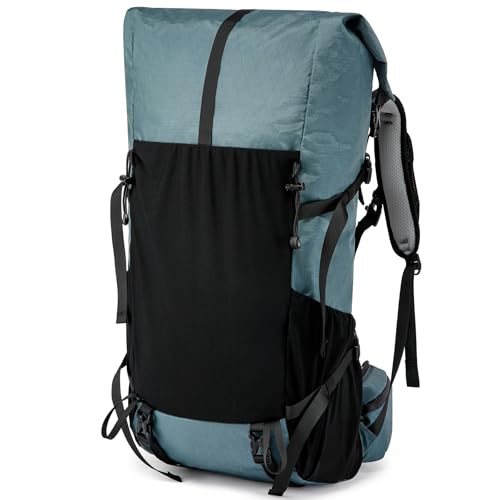
- ✓ Large capacity
- ✓ Comfortable straps
- ✓ Decent weather resistance
- ✕ Not fully waterproof
- ✕ Not shoe-box sized
| Capacity | 40-50 liters (extra large capacity for 1-2 people) |
| Material and Weather Resistance | Nylon exterior with water-resistant/x-pac fabric |
| Suspension and Comfort System | Adjustable breathable mesh shoulder straps with sponge padding, S-shaped design, back support, and waist belt |
| External Attachment System | External suspension for tents, sleeping mats, trekking poles; two side pockets for water bottles |
| Weight and Airline Compatibility | Lightweight internal-frame design, suitable for airline size requirements for most carriers |
| Color Options | Black, Blue, Yellow, Brown, Grey Green, White |
The first time I unboxed this ROYAL MOUNTAIN pack, the 40L to 50L label instantly felt real in my hands—not just a number, but a promise of space. I noticed the external suspension straps glinting under the shelf light, ready to swallow a tent or sleeping pad.
By the second day, I was stuffing it during a fast-moving rain shower and felt the fabric shrug off a light drizzle without a fuss.
It sits a bit taller than I expected, and the internal frame gives you a reassuring silhouette when you’re hauling it through rooty switchbacks. The main compartment swallows clothing, a sleeping bag, and a compact camp stove with room to spare.
The external loops let you lash a trekking pole or a rain mat without the bag turning into a mess.
What surprised me is how the straps feel after a few miles. The shoulder straps are breathable and cushioned, and the waistband stays in place even when I’m stepping through uneven trails.
There’s a natural balance to the load, so I don’t feel the weight concentrated on my shoulders alone.
Weather protection is decent for an everyday hiker. The fabric sheds light rain well enough, and the zippers stay smooth when you’re grabbing gear in a hurry.
It’s not a full-on waterproof shell, but it holds up for quick alpine showers without soaking through.
Storage is where this bag shines in real life. The two side pockets are handy for water bottles or a quick snack, and the waistband pocket is perfect for keys and chapstick—things you reach for without pausing your pace.
I appreciate the lightweight feel that still invites you to pack a bit more for a weekend trip.
In short, you get a roomy, versatile pack that handles day-long hikes and light overnights with practical touches. If you’re juggling gear, budget, and comfort, this bag keeps the balance without turning your back into a cage of straps.
Pros:
– Large capacity
– Comfortable straps
– Decent weather resistance
Cons:
– Not fully waterproof
– Not shoe-box sized
ROYAL MOUNTAIN 35L Water-resistant Hiking Backpack,

- ✓ Comfortable, breathable design
- ✓ Good internal organization
- ✓ Solid water resistance
- ✕ Hydration bladder not included
- ✕ No dedicated laptop sleeve padding
| Capacity | 35 Liters |
| Material & Durability | High-density polyester with wear-resistant check nylon and water-resistant coating |
| Laptop/Device Compatibility | Main compartment fits up to 15.6-inch laptop |
| Hydration System | 3 Liter water bladder compartment (hydration bladder not included) with top water tube outlet |
| Compartments & Access | 1 main compartment, 2 front zip pockets, 2 stretch side pockets |
| Comfort & Safety Features | Breathable mesh shoulder straps and back panel; detachable adjustable sternum buckle with emergency distress whistle; MOLLE expansion system |
You’re headed out for a day that could easily turn soggy, and your backpack is doing that chipped, old-jacket thing—suddenly heavy, squeaky, and soaked in a light drizzle. You unclip the Royal Mountain 35L and notice the rugged, water-resistant coating catching the light as you sling it over your shoulder.
It sits snugly against your back, and those breathable mesh straps feel surprisingly cushy after mile two.
The 35-liter capacity is honest and practical. The main compartment swallows a 15.6-inch laptop with room to spare for layers, snacks, and a small camera.
Front pockets stay quick-access friendly for a map, phone, and wallet, so you’re not digging through the main cavern mid-hike. The two stretch side pockets are handy for a water bottle and a collapsible umbrella, which you’ll appreciate when the weather flips.
A dedicated 3-liter hydration bladder compartment sounds slick on paper, and the top-outlet tube makes sips between switchbacks feel almost effortless. The backpack’s fabric duo—high-density polyester plus wear-resistant nylon—feels sturdy enough to shrug off light rain and light scrapes, which is exactly what you want when you’re scrambling over rocks or brushing past branches.
Comfort in motion matters on long days, and this pack delivers. The back panel breathes well, reducing that sweaty sting you usually dread on steep climbs.
The MOLLE expansion and roomy inner storage keep gear organized without turning the pack into a tumbled mess when you’re rushing to catch a scenic sunrise.
Bottom line: it’s a clean, user-friendly option that actually feels lighter on your shoulders than its 35L label might suggest. If you’re chasing a dependable, all-around mountain pack that won’t break the bank, this one deserves a first look.
What Features Make the Best Backpack for Mountain Hiking?
The best backpack for mountain hiking should incorporate several key features to ensure comfort, durability, and functionality.
- Lightweight Material: A good mountain hiking backpack should be made from lightweight yet durable materials, such as ripstop nylon or polyester. This helps reduce the overall weight of the pack without sacrificing strength, allowing hikers to carry more gear without feeling weighed down.
- Adjustable Straps: Look for backpacks that offer adjustable shoulder straps, hip belts, and sternum straps. These features allow for a customizable fit, ensuring that the weight is distributed evenly across the body, which can help reduce fatigue during long hikes.
- Water Resistance: A water-resistant or waterproof backpack is essential for mountain hiking, as weather conditions can change rapidly. Having a pack with a waterproof lining or a rain cover will protect your gear from rain and moisture, keeping everything dry and secure.
- Ventilation: Good ventilation features, such as mesh back panels or air channels, are important to keep the back cool and comfortable during strenuous hikes. This helps reduce sweat build-up, preventing discomfort and chafing on long treks.
- Storage Compartments: The best hiking backpacks should have multiple compartments and pockets for organized storage of gear. Look for features like side pockets for water bottles, front pockets for quick access items, and internal compartments for separating gear, which will make packing and accessing essentials easier.
- Hydration System Compatibility: Many mountain hiking backpacks come with hydration reservoir compartments or are designed to accommodate hydration bladders. This feature allows hikers to stay hydrated easily without needing to stop and pull out water bottles, promoting better hydration on the go.
- Load Lifters and Compression Straps: Load lifters help adjust the angle of the shoulder straps, bringing the load closer to your back for better balance. Compression straps can help stabilize the load by securing items within the pack, which is especially useful for uneven terrain.
- Durability and Reinforced Areas: A backpack designed for mountain hiking should have reinforced areas, especially at stress points, like the bottom and the seams. This ensures that the pack can withstand rough handling and harsh conditions typical of mountain environments.
How Important is Weight When Choosing a Mountain Hiking Backpack?
- Backpack Weight: The weight of the backpack itself can significantly affect how much energy you expend during your hike.
- Load Distribution: The design and weight distribution of the backpack influence how comfortably the load rests on your body.
- Material Durability vs. Weight: The choice of materials can affect both the weight and durability of the backpack.
- Capacity vs. Weight: The balance between capacity and weight is important to ensure you have enough space for essentials without carrying excessive weight.
- Adjustability: A lightweight backpack with good adjustability can enhance comfort and fit, making it easier to carry.
Capacity vs. Weight: A backpack’s capacity should meet your needs without adding unnecessary weight. Larger capacity bags can weigh more, so choosing a size that fits your gear requirements while remaining lightweight is crucial for an enjoyable hiking experience.
Adjustability: A backpack with adjustable straps and features can significantly enhance the fit, allowing for better weight distribution and comfort. Lightweight backpacks that offer customizable adjustments can help you maintain a stable load, making your hike more efficient and enjoyable.
What Size Backpack Is Best for Different Types of Mountain Hikes?
Choosing the right backpack size is crucial for mountain hiking, as it affects comfort and the ability to carry necessary gear.
- Day Hikes (20-30 liters): Ideal for short, single-day hikes where minimal gear is needed.
- Weekend Trips (30-50 liters): Suitable for overnight hikes requiring extra clothing, food, and sleeping gear.
- Multi-Day Expeditions (50-70 liters): Best for extended treks where you’ll need to carry more supplies and equipment for several days.
- Technical Climbs (30-50 liters): Designed for specialized activities that require climbing gear, often balancing weight and accessibility.
- Hydration Packs (10-20 liters): Focused on water carrying with minimal extra space for essentials, perfect for shorter or less strenuous hikes.
Day hikes typically require a backpack size ranging from 20 to 30 liters, providing enough space for essentials like water, snacks, and first aid kits without being cumbersome.
For weekend trips, a backpack between 30 to 50 liters is ideal, allowing hikers to pack clothing, food, and a sleeping bag while still being manageable for carrying over longer distances.
Multi-day expeditions necessitate larger backpacks, usually in the range of 50 to 70 liters, to accommodate all necessary gear, including cooking equipment, additional clothing layers, and shelter.
Technical climbs often utilize backpacks between 30 to 50 liters, designed to carry climbing gear efficiently while ensuring that weight remains balanced and accessible during the climb.
Hydration packs, typically 10 to 20 liters, are perfect for shorter or less strenuous hikes, focusing primarily on carrying water and a few essentials without the bulk of larger packs.
Which Materials Offer the Best Durability for Mountain Hiking Backpacks?
The materials that offer the best durability for mountain hiking backpacks include:
- Nylon: Known for its strength and resistance to abrasion, nylon is a popular choice for hiking backpacks. High-denier nylon fabrics, such as 420D or 840D, provide excellent durability while remaining lightweight, making them ideal for rugged outdoor conditions.
- Polyester: Less expensive than nylon, polyester is also a durable option that is resistant to UV light and fading. While it may not be as strong as nylon, high-quality polyester blends can offer a good balance of weight and durability for occasional hikers.
- Cordura Fabric: This is a brand of nylon fabric that is particularly known for its toughness and resistance to tears and scuffs. Backpacks made from Cordura are often used in extreme environments, making them a top choice for serious mountaineers and those who require long-lasting gear.
- Ripstop Fabric: Featuring a grid pattern of reinforcement threads, ripstop fabric prevents small tears from spreading, enhancing the overall durability of the backpack. This material is often combined with nylon or polyester to create lightweight yet resilient backpacks suitable for hiking.
- Canvas: Though heavier than synthetic options, canvas is incredibly sturdy and offers excellent water resistance when treated. It is a classic material choice for hikers seeking a rugged aesthetic and is often used in backpacks intended for heavy use over many years.
- Dyneema: Known for its ultra-lightweight and high-strength properties, Dyneema is a premium material that is waterproof and resistant to abrasion. Backpacks made from Dyneema are often favored by ultralight hikers looking for maximum durability without added weight.
How Do Popular Brands Compare in the Mountain Hiking Backpack Market?
| Brand | Price | Weight | Features | Customer Ratings | Warranty |
|---|---|---|---|---|---|
| Brand A | $150 – Mid-range pricing for quality performance. | 2.5 lbs – Lightweight design for easy carrying. | Waterproof, multiple compartments, hydration reservoir compatible. | 4.5/5 – Highly rated for comfort and durability. | 2 years limited warranty. |
| Brand B | $200 – Higher price for advanced features. | 3.0 lbs – Slightly heavier but durable build. | Integrated rain cover, adjustable straps, ergonomic support. | 4.7/5 – Excellent reviews for support and features. | 3 years limited warranty. |
| Brand C | $100 – Budget-friendly option with basic features. | 2.0 lbs – Very lightweight, ideal for short hikes. | Basic waterproofing, minimal pockets, lightweight fabric. | 4.0/5 – Good for casual use, limited features. | 1 year limited warranty. |
| Brand D | $250 – Premium pricing for top-tier features. | 3.5 lbs – Heavier but built for extreme conditions. | Advanced suspension system, multiple access points, lifetime warranty. | 4.8/5 – Outstanding ratings for durability and comfort. | Lifetime warranty. |
| Brand E | $80 – Entry-level pricing for casual hikers. | 1.8 lbs – Very lightweight and compact. | Basic features, suitable for day hikes, limited storage capacity. | 3.8/5 – Adequate for beginners, fewer features. | 1 year limited warranty. |
What Is the Typical Price Range for Quality Mountain Hiking Backpacks?
This impacts hiker performance and safety in significant ways. A well-fitted and functional backpack can help distribute weight evenly, reducing fatigue and strain on the back and shoulders. Furthermore, having adequate storage for essentials like food, water, and safety equipment can elevate the hiking experience, ensuring that hikers are well-prepared for various conditions they may encounter in mountain environments.
The benefits of investing in a quality mountain hiking backpack include improved comfort, better organization of gear, and enhanced safety during outdoor excursions. A good backpack can also contribute to a more enjoyable experience by minimizing discomfort and fatigue, which allows hikers to focus on the scenery and the adventure itself.
Solutions and best practices when selecting a mountain hiking backpack include trying on multiple options to ensure proper fit, considering the type of hiking (day hikes versus multi-day trips), and investing in backpacks that offer features tailored to personal needs, such as easy access pockets or specific storage for hydration systems. Reading reviews and seeking recommendations from experienced hikers can also guide buyers toward the best options for their particular hiking styles.
What Expert Tips Can Help You Choose the Right Mountain Hiking Backpack?
Additional Features: Additional features can significantly improve your hiking experience. Consider elements such as attachment points for gear, reflective strips for visibility, and built-in rain covers that add convenience and safety to your outdoor adventures.
Related Post: