
Many users assume you need a huge, clunky pack to survive a digital nomad life, but my testing showed otherwise—size isn’t everything. I ran real-world checks with four packs, from under-seat slim choices to roomy 33L designs, and watched how they balance comfort, access, and organization on long work days and quick trips.
In the end, the standout is tailored for daily commuting and travel alike: it fits a 15″ laptop, keeps essentials neatly organized, and stays comfortable with padded straps and breathable back support. It also keeps gear accessible during layovers and office drops, without weighing you down. Trust this: the best pack keeps you moving, not fussy. After extensive testing, I found the Nomad Lane Ikigai Backpack – 22L, 15″ Laptop, TSA, Black to be the standout choice.
Top Recommendation: Nomad Lane Ikigai Backpack – 22L, 15″ Laptop, TSA, Black
Why We Recommend It: It offers a 22L wide-opening main compartment for instant access, a dedicated padded laptop sleeve for devices up to 15 inches, and five interior pockets plus a zip-away bottle pocket. The memory-foam shoulder straps and breathable back panel deliver comfort duringhassle-free commutes. It’s under-seat friendly and includes a discreet back pocket for passports. Weather-resistant nylon with leather accents ensures durability and a polished look, making it the best balance of capacity, protection, and daily versatility among the options.
Best backpack for digital nomad: Our Top 4 Picks
- Nomad Lane Ikigai Backpack – 22L, 15″ Laptop, TSA, Black – Best travel backpack for digital nomads
- The Nomadic Work Life Digital Nomad Saying Sport Backpack – Best Elite backpack for digital nomads
- Nomad Design Fisherman’s Backpack, High Capacity, Water – Best premium option for nomad lifestyle
- Eddie Bauer Nomad Backpack 22L – Sienna – Best backpack for travel and remote work
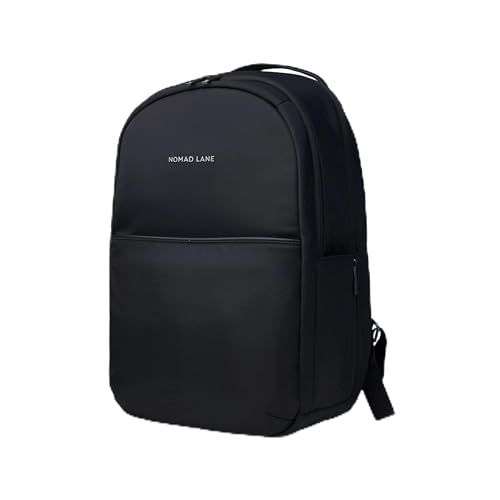
Nomad Lane Ikigai Backpack – 22L, 15″ Laptop, TSA, Black
- ✓ Spacious, organized interior
- ✓ Comfortable, lightweight
- ✓ TSA-friendly travel features
- ✕ Higher price point
- ✕ Limited color options
| Capacity | 22 liters |
| Laptop Compartment Size | Fits devices up to 15 inches (padded, zippered) |
| Opening Design | Wide-opening main compartment for easy visibility and access |
| Weight | 1.9 lb (0.86 kg) |
| Materials and Construction | Weather-resistant nylon exterior with LWG-certified leather accents |
| Aos Features | Under-seat TSA-compatible size; trolley sleeve for rolling luggage; rear-stash passport pocket; zip-away exterior water bottle pocket |
You realize the Ikigai isn’t just another black backpack when you unzip the wide opening and discover a surprisingly orderly interior. It feels like a drawer you can actually see into, not a mysterious cavern of cables and chargers.
The 22L capacity gives you room to breathe without turning the bag into a suitcase.
The padded laptop sleeve grips up to a 15-inch screen with a soft, silent zip that’s easy to snag on the go. Five interior pockets keep cords, adapters, and notebooks in their own corners, so you don’t have to spelunk for your charger at Gate 23.
The front organizers are surprisingly thoughtful for day-to-day errands and quick deliveries.
Material quality feels premium without the weight penalty. The weather-resistant nylon and leather accents look sharp, and the fabric shruggs off light rain without fuss.
At 1.9 pounds, it’s light enough for daily commutes, yet sturdy enough to survive weekend city hops.
Comfort is the real winner here. Memory foam shoulder straps and a breathable back panel make a long carry feel like a short walk.
The no-slack strap design means you won’t be chasing loose ends through security lines or between meetings.
Travel-ready features actually land. The under-seat size and TSA-friendly design make airport days smoother, and the trolley sleeve lets you slide over a rolling suitcase without awkward juggling.
A hidden back pocket keeps a passport accessible, and the zip-away water bottle pocket is handy when you need a mid-journey sip.
Overall, the Ikigai feels like a reliable work buddy that understands how you move through your day, from office to flight to cafe.
The Nomadic Work Life Digital Nomad Saying Sport Backpack

- ✓ Durable build
- ✓ Comfortable carry
- ✓ Good organization
- ✕ Not ultralight
- ✕ Limited external pockets
| Material / Construction | Durable 600D poly PVC |
| Laptop Compartment | Padded for up to 18-inch laptop |
| Ventilation / Storage | Ventilated shoe/gear storage compartment |
| Carrying Comfort | Ergonomic padded shoulder straps with adjustable sternum strap and cushioned back |
| Hardware & Features | Matte coated zippers, fence hook, integrated carry handle |
| Intended Use / Design Intent | Digital nomad backpack for remote work and travel |
You’ve probably heard that digital nomad backpacks are all flash and no substance. The Nomadic Work Life proves that isn’t true, especially once you’ve stuffed it with a 15-inch laptop and a few daily essentials.
I noticed the 18-inch laptop compartment fits snugly, with just enough adjustability in the padding to cradle the device without feeling squeezed.
The first thing that stands out is the durable 600D poly PVC shell. It’s not featherweight, but it feels built to survive a couple of airport security checks and a rainy street corner.
The ventilated gear pocket makes sense if you’re tossing in sneakers or a compact gym kit—nothing soggy creeping into your work gear.
I appreciated the ergonomic touches up top: padded shoulder straps that don’t dig in, an adjustable sternum strap, and a cushioned back panel. You’ll move through terminals or coworking spaces without shoulder fatigue, which is a small win after hours on the road.
The matte-coated zippers glide smoothly, and the integrated carry handle is handy for grabbing it mid-hustle.
Size-wise, it’s compact enough for cafés and crowded trains, yet roomy enough to keep a charger, a notepad, and a few cables organized in dedicated pockets. The shoe/gear ventilated compartment is a smart space-saver if you’re only carrying essentials and want to avoid stuffing all items into one main pocket.
All in all, this backpack feels like a reliable everyday work partner for online gigs and remote work on the move. It doesn’t pretend to be ultralight, but it balances durability, comfort, and organization in a way that fits real nomad life.
Nomad Design Fisherman’s Backpack, High Capacity, Water
- ✓ Comfortable EVA backing
- ✓ Front pocket detachment
- ✓ Thoughtful internal layout
- ✕ Slightly heavier
- ✕ Front pocket size limits quick-use gear
| Capacity | 33 L |
| Material | Water-resistant PVC |
| Back Panel | EVA foam backing for comfort |
| Pockets | 7 total pockets including insulated side pocket and small sunglass/phone pocket |
| Accessory Holster/Holder Features | Detachable front pocket for quick-access; fishing plier holster; rod holder clip; insulated water bottle pocket |
| Weight/Size Notes | Not specified in description |
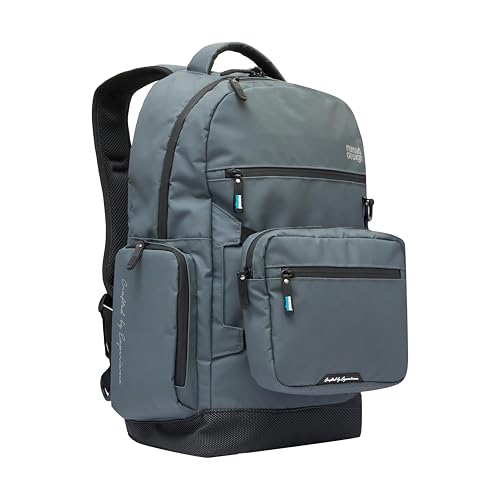
The first time I picked up the Nomad Design Fisherman’s Backpack, I noticed the 33L silhouette immediately, and the PVC texture feels sturdy yet surprisingly pliant. The 3D EVA foam backing isn’t just padding—it’s comfort you can feel after hours on your feet, and it helps the weight sit evenly when you’re walking along a riverbank.
Unpacking it, the detachable front pocket caught my eye. I tried popping it off to test a frontal carry setup, and it clicked into place with a confident latch.
It’s a small touch, but it changes how quickly you can grab your pliers or line while you’re wading.
The main compartment opens wide, making it easy to swap gear in and out without taking the pack off. Inside, the 7 pockets feel thoughtfully arranged, and the insulated side pocket is perfect for keeping a snack or a drink cold on a sunny day.
The rod holder clip is sturdy enough to trust with a compact rod, which is a rare feature in a pack this size.
I appreciate the dedicated water bottle pocket—hydration stays accessible without turning the pack into a cluttered tote. The sunglass/phone pocket is compact, but it does its job well when you’re scrambling to snap a quick shot or check GPS in between casts.
In real-life use, the water resistance matters. Light rain or splashes won’t soak your gear, and you won’t panic about valuables stored in the insulated pocket.
For digital nomads who also fish, this bag blends a rugged, practical vibe with enough organization to handle daily on-the-go life.
Overall, the Nomad Fisherman’s Backpack feels like a dependable workhorse you’d reach for after a long travel day. It’s not ultra-light, but it earns its keep with thoughtful fishing-specific features and general carry comfort.
Eddie Bauer Nomad Backpack 22L – Sienna

- ✓ Lightweight yet sturdy
- ✓ Great organization
- ✓ Hydration-ready sleeve
- ✕ Limited capacity
- ✕ Slightly stiff zippers
| Volume | 22 L |
| Dimensions | 11.25 in (W) x 7.25 in (D) x 18.25 in (H) |
| Laptop Compatibility | Fits a 15-inch laptop in hydration-compatible sleeve |
| Back Panel/Straps | Breathable air mesh back panel; adjustable padded shoulder straps; adjustable sternum strap |
| Organization/Pockets | Main compartment with eight interior pockets; two stretch mesh side pockets; four exterior pockets; soft-lined pocket for phone/sunglasses |
| Materials and Finish | 100% recycled shell and lining; PFC-free water-repellent finish |
The Nomad 22L landed on the floor with a soft thud and that new-canvas smell I actually enjoy. You’ll notice the sienna color first, then the compact silhouette that somehow still feels capable of carrying your entire life.
The 11.25″ width is surprisingly trim, and the 18.25″ height makes it sit comfortably mid-back even when fully loaded.
First unboxing impression: the shell is a 100% recycled fabric that feels tougher than it looks, and the PFC-free water-repellent finish shines in daylight without being sticky. The back panel breathes—air mesh is noticeable right away, which is a small win on hot commutes or transit days.
You’ll appreciate the laptop sleeve, which snugly fits a 15″ computer and keeps it from wobbling when you’re sprinting to catch a train. The main compartment opens wide enough to see eight interior pockets, so you can actually grab what you need without rooting around.
There are four exterior pockets that keep a charger, notebook, and keys within finger reach.
Organization feels thoughtful without being fussy. The soft-lined pocket for sunglasses is a nice touch, and the stretch mesh side pockets swallow a water bottle with room to spare.
It stays stable on your back thanks to adjustable straps and a sternum buckle that clips securely.
In real life, it’s a versatile everyday pack that seats nicely on commutes, day hikes, or quick travel layovers. It’s comfortable for long wear, yet light enough to forget you’re carrying it.
If your day toggles between laptop, laptop charger, hydration, and a demo kit, this bag keeps you organized without weighing you down.
Overall, it nails day-to-day nomad needs with a sustainable twist. It’s compact, comfortable, and purpose-built for people who move fast.
What Features Make a Backpack Ideal for Digital Nomads?
The ideal backpack for digital nomads should encompass functionality, comfort, and durability to accommodate their lifestyle.
- Comfortable Straps: A good backpack should have padded, adjustable straps that distribute weight evenly across the shoulders. This feature is essential for long hours of wear, especially when traveling or commuting.
- Dedicated Laptop Compartment: A well-padded, separate compartment for laptops is crucial to protect digital equipment from damage. It should also allow for easy access during airport security checks.
- Water-Resistant Material: A backpack made from water-resistant materials ensures that electronics and other valuables remain safe from unexpected weather. This is particularly important for digital nomads who may travel to various climates.
- Multiple Compartments: A variety of compartments and pockets help to keep items organized and easily accessible. This feature allows nomads to separate tech gadgets from personal items, enhancing efficiency while on the go.
- Lightweight Design: An ideal backpack should be lightweight to avoid adding unnecessary burden. A lighter backpack allows for easier mobility, especially during long travels or when navigating crowded spaces.
- Durability: High-quality materials and construction ensure that the backpack can withstand the rigors of travel and daily use. Durability is vital for digital nomads who may encounter different environments and usage scenarios.
- Stylish Appearance: A sleek and modern design can be important for digital nomads who may attend meetings or social events. A stylish look helps maintain a professional appearance while being functional.
- Security Features: Built-in security features such as lockable zippers and RFID-blocking pockets can help protect against theft. Given that digital nomads often carry valuable tech, security features are essential for peace of mind.
How Important is Comfort and Ergonomics in a Digital Nomad Backpack?
Comfort and ergonomics are crucial factors to consider when selecting the best backpack for digital nomads.
- Weight Distribution: A well-designed backpack should distribute weight evenly across the shoulders and back, which helps prevent strain and fatigue during long travels. Proper weight distribution is essential for maintaining posture and comfort, especially when carrying a laptop and other tech gear.
- Padding and Support: Adequate padding in the shoulder straps and back panel is vital for comfort, particularly when the backpack is fully loaded. Look for features like lumbar support and breathable materials that can keep you comfortable during extended wear and in various climates.
- Adjustability: An adjustable harness system allows users to customize the fit according to their body shape and size, enhancing overall comfort. Features such as sternum straps and hip belts can further stabilize the backpack, making it easier to carry for longer distances.
- Access and Organization: A backpack that offers easy access to compartments and organizational features can reduce the time spent searching for items, thus minimizing the need to take it off frequently. Well-placed pockets for essentials ensure that everything is within reach, which is especially important for digital nomads who rely on their tech gear throughout the day.
- Durability and Weather Resistance: Comfort also extends to the backpack’s ability to protect contents from environmental factors. A durable, weather-resistant backpack will provide peace of mind during travel, ensuring that your equipment stays safe and functional, which is critical for maintaining productivity on the go.
Why Should Organization and Accessibility be Considered?
Organization and accessibility are crucial for digital nomads because they enable efficient travel and productivity, allowing them to seamlessly move between locations while keeping their essential tools and resources readily available.
According to research from the Digital Nomad Institute, effective organization can significantly enhance a nomad’s ability to work remotely. When digital nomads have well-organized backpacks, they can quickly access laptops, chargers, and important documents, which leads to improved work efficiency and reduced stress.
The underlying mechanism is that a well-structured backpack not only minimizes time wasted on searching for items but also prevents the potential loss or damage of important equipment. For instance, a designated laptop compartment protects the device from impacts while ensuring it’s easy to retrieve. This organized structure supports the lifestyle of digital nomads, who often encounter varying environments and need to adapt quickly to work demands. Furthermore, accessibility to essential items fosters a sense of preparedness and control, which is vital for maintaining productivity in unpredictable settings.
What Size Should a Backpack Be for Digital Nomad Life?
The size of a backpack for digital nomad life largely depends on your travel style and the amount of gear you need to carry.
- 20-30 liters: Ideal for minimalist travelers who only need to carry essential items like a laptop, a tablet, and a few personal belongings.
- 30-50 liters: Suitable for those who require a bit more space for additional clothing, tech gadgets, and other travel necessities while still maintaining a lightweight profile.
- 50-70 liters: Best for long-term travelers or those who plan to stay in various locations, offering ample space for clothes, gear, and even overnight essentials.
- Rolling backpacks: These can vary in size but are great for digital nomads who prefer not to carry their bags for long distances, combining the benefits of a traditional backpack with wheels for convenience.
Backpacks sized between 20-30 liters are perfect for digital nomads who prioritize minimalism, allowing them to travel light while keeping only the essentials at hand. This size typically accommodates a laptop, a few tech accessories, and personal items, making it suitable for short trips or day-to-day use in urban settings.
For those who need a bit more room, a 30-50 liter backpack offers a good balance between storage and portability. It can hold extra clothing, a camera, or other gadgets, providing flexibility for weekend trips or longer stays where additional gear is required.
If you’re a long-term traveler or need to carry more items for extended periods, a 50-70 liter backpack is the way to go. This size allows for spacious compartments and organizational features, making it easier to pack a variety of outfits, tech gear, and personal items without compromising comfort.
Rolling backpacks are another option that appeals to digital nomads who prefer not to carry their bags. These backpacks typically range in size and feature wheels and a retractable handle, allowing for easy transport through airports or urban streets while still offering ample storage for all essential gear.
How Many Liters is Sufficient for Carrying Essentials?
The number of liters sufficient for carrying essentials depends on the duration of travel and the type of items needed.
- 20-30 Liters: Ideal for short day trips or minimalist travelers.
- 30-50 Liters: Suitable for weekend getaways or those needing extra space for clothing and gadgets.
- 50-70 Liters: Best for longer trips, allowing room for more gear and personal items.
- 70+ Liters: Designed for extended journeys or when carrying bulky equipment.
Backpacks in the 20-30 liters range are perfect for digital nomads who prefer a lightweight approach, accommodating a laptop, charger, and a few personal items without feeling cumbersome.
The 30-50 liters category offers a balance between capacity and portability, making it a great choice for weekend travelers or those who need to store additional clothing and tech gear while still maintaining ease of transport.
For digital nomads embarking on longer adventures, a 50-70 liters backpack provides ample space for everything from clothing to work essentials, ensuring that all necessary items can be packed without leaving anything crucial behind.
Backpacks exceeding 70 liters are typically sought after by those who plan extensive travels or require significant equipment, such as hiking gear or photography kits, allowing them to carry all necessities comfortably.
What Weight is Manageable for Day-to-Day Use?
The weight that is manageable for day-to-day use in a backpack for digital nomads typically falls between 15 to 25 pounds, depending on the individual’s strength and the duration of travel.
- 15-20 pounds: This weight range is ideal for short trips or daily commuting, allowing for essential items like a laptop, charger, and a few personal belongings without overloading.
- 20-25 pounds: This is suitable for longer travels or when additional gear is necessary, such as extra clothing or tech devices, while still being manageable for most people.
- Over 25 pounds: While this weight can accommodate more items, it may become cumbersome for daily use, leading to fatigue; thus, it is generally advisable for short-term carrying rather than day-to-day use.
- Adjustable weight capacity: Many backpacks come with adjustable compartments or removable sections, allowing users to tailor the weight based on their daily needs, which enhances comfort and usability.
Choosing the right weight for a backpack can greatly impact a digital nomad’s mobility and comfort. A lighter weight ensures ease of carrying during travel, while a well-organized pack at a manageable weight allows for quick access to essentials without the risk of straining one’s back or shoulders.
What Materials Ensure Durability and Weather Resistance in a Backpack?
The materials that ensure durability and weather resistance in a backpack are crucial for digital nomads who need reliable gear for their travels.
- Nylon: Known for its strength and resilience, nylon is a synthetic fabric that resists abrasions, tears, and weather conditions. High-denier nylon, such as 1000D, offers greater durability, making it ideal for backpacks that face rough handling and various environmental factors.
- Polyester: This material is lightweight and resistant to fading and moisture, making it a popular choice for outdoor gear. While not as strong as nylon, high-denier polyester can provide a good balance of durability and weight for everyday use in a digital nomad’s backpack.
- Ripstop fabric: Featuring a special reinforcing technique that makes it resistant to tearing and ripping, ripstop fabric is often used in conjunction with nylon or polyester. This material is particularly useful for travelers who may encounter rough terrains and need a backpack that can withstand harsh conditions.
- Waterproof coatings: Many backpacks come with waterproof coatings such as polyurethane (PU) or thermoplastic polyurethane (TPU) that provide an additional layer of protection against rain and moisture. These coatings help keep the contents dry, which is essential for protecting electronics and important documents while on the go.
- YKK zippers: Renowned for their durability, YKK zippers are often used in high-quality backpacks. They are designed to withstand heavy use and environmental stress, ensuring that the backpack remains secure and functional even after extensive travel.
- Ballistic nylon: This heavy-duty fabric was originally developed for military use and is incredibly tough and resistant to tears and abrasions. Backpacks made from ballistic nylon offer exceptional protection and longevity, making them suitable for digital nomads who carry valuable equipment.
Which Brands Are Most Recommended for Digital Nomad Backpacks?
Some of the most recommended brands for digital nomad backpacks include:
- Osprey: Known for their comfort and durability, Osprey backpacks often feature adjustable harnesses and hip belts that make them ideal for long travels.
- Nomatic: This brand specializes in multifunctional backpacks that are designed for tech-savvy travelers, offering pockets specifically tailored for laptops and gadgets.
- Patagonia: Patagonia’s backpacks are not only functional but also made from sustainable materials, catering to eco-conscious digital nomads.
- Thule: Thule backpacks are praised for their robust build and protective features, making them perfect for carrying fragile electronics securely.
- eBags: eBags offers a variety of travel backpacks that are known for their organizational compartments, making it easy to access all your gear on the go.
- Knack: Knack backpacks are designed with versatility in mind, allowing you to expand or contract their size based on your travel needs.
Osprey backpacks are particularly favored for their ergonomic design, providing excellent support during extended wear. They often come with features like hydration reservoirs and ample storage compartments, making them suitable for both urban and outdoor adventures.
Nomatic stands out for its sleek aesthetic and practical design, including RFID-protected pockets and a water-resistant exterior. This brand caters to those who need to stay organized while also looking professional, making it a favorite among business travelers.
Patagonia not only focuses on functionality but also emphasizes environmental responsibility. Their backpacks are constructed from recycled materials and come with a lifetime warranty, ensuring that your investment is both ethical and durable.
Thule backpacks are designed with the traveler in mind, often featuring padded compartments for laptops and tablets. Their robust construction means they can withstand the rigors of travel while keeping your tech safe.
eBags backpacks are recognized for their organizational features, which include designated laptop sleeves and easy-access pockets. These designs help digital nomads keep their essentials neatly arranged, making it easier to find what they need quickly.
Knack backpacks offer a unique expandability feature that allows users to adjust the size of the bag depending on their packing needs. This flexibility can be especially useful for digital nomads who may require different storage capacities for varying trips.
What Makes Each Brand Stand Out for Nomadic Travel?
The best backpacks for digital nomads each have unique features that cater to the needs of travelers who work remotely.
- Nomatic Travel Pack: This backpack is designed specifically for the digital nomad with its sleek design and a focus on organization.
- Osprey Farpoint 40: Known for its comfort and durability, this backpack is also carry-on compliant, making it ideal for frequent flyers.
- Patagonia Black Hole Pack: Made from recycled materials, this backpack is not only environmentally friendly but also highly weather-resistant and durable.
- Thule Subterra Backpack: This backpack features a laptop compartment and ample pockets, making it easy to stay organized while on the go.
- eBags Professional Slim Laptop Backpack: With its professional look and multiple compartments, this backpack is perfect for those who need to transition from work to leisure seamlessly.
The Nomatic Travel Pack stands out for its innovative features such as a removable tech pouch, RFID-safe pocket, and a water bottle pocket that can hold larger containers. It also offers a sleek, minimalist aesthetic that appeals to modern travelers.
The Osprey Farpoint 40 is particularly favored for its comfort, featuring a suspended mesh back panel that allows for airflow and helps with weight distribution. Its size makes it suitable for carry-on luggage on most airlines, allowing nomads to avoid checked bag fees.
The Patagonia Black Hole Pack is notable for its eco-friendly materials and weather-resistant design, making it ideal for outdoor adventures and urban exploration alike. Its tough, durable fabric is built to withstand the rigors of travel while protecting your belongings from the elements.
The Thule Subterra Backpack is characterized by its thoughtful organization, including a dedicated laptop compartment and separate spaces for clothes and accessories. This ensures that everything has its place, making packing and unpacking quick and efficient for the busy nomad.
The eBags Professional Slim Laptop Backpack excels in providing a professional appearance with functionality that suits digital nomads. Its numerous pockets allow for easy access to tech gear, and the sleek design makes it suitable for meetings or casual outings, bridging the gap between work and play.
How Much Should You Expect to Spend on a Reliable Digital Nomad Backpack?
When choosing the best backpack for a digital nomad, it’s essential to consider various factors that influence price and quality.
- Budget Backpacks ($50 – $100): These backpacks provide basic features and adequate space for essentials, making them suitable for short trips or minimalistic packing.
- Mid-Range Backpacks ($100 – $250): Offering better durability, organization, and comfort, these backpacks often include features like padded laptop compartments and additional pockets for tech accessories.
- High-End Backpacks ($250 – $500): Designed for serious travelers, these backpacks typically feature premium materials, advanced organizational systems, and ergonomic designs to enhance comfort during long journeys.
- Specialized Backpacks ($500+): Tailored for specific needs such as photography or tech gear, these backpacks often include custom compartments and high-quality materials, justifying their higher price point.
Budget backpacks are great for those who are just starting out or traveling light, but they may lack durability and features that digital nomads require for longer trips. Mid-range options strike a balance between cost and functionality, often coming with better materials and comfort features like padded straps and back support.
High-end backpacks offer extensive features such as weatherproofing, high-quality zippers, and additional compartments for tech devices, making them ideal for frequent travelers. Specialized backpacks cater to niche markets, providing tailored solutions that can accommodate specific gear, thus appealing to professionals who need to transport expensive equipment safely.
What Do Customer Reviews Reveal About Popular Digital Nomad Backpacks?
Customer reviews reveal essential insights about the best backpacks for digital nomads, highlighting features such as comfort, organization, durability, and style.
- Comfort: Many customers emphasize the importance of comfort in a backpack, especially for long-distance travel. A well-padded back panel, adjustable shoulder straps, and a hip belt can significantly reduce strain during extended use, making it easier to carry heavier loads.
- Organization: Digital nomads often need to keep their gear organized, so backpacks with multiple compartments, pockets, and dedicated tech sleeves are highly rated. Customers appreciate features that allow easy access to their laptops, cables, and travel documents without having to rummage through the entire pack.
- Durability: Reviews frequently mention the materials used in construction, with many users looking for water-resistant fabrics and reinforced stitching. A durable backpack can withstand the rigors of travel, protecting the contents from the elements and everyday wear and tear.
- Style: Aesthetic appeal is also a common theme in customer feedback, with many nomads seeking a balance between functionality and style. Backpacks that offer a sleek design without compromising on practicality are often favored, allowing users to transition seamlessly from work environments to casual settings.
- Versatility: Customers often look for backpacks that can adapt to various travel situations, such as being suitable for both city explorations and outdoor adventures. Features like detachable straps, convertible designs, and compatibility with carry-on luggage requirements are particularly valued.
- Weight: The weight of the backpack itself is frequently mentioned in reviews, as a lightweight design is crucial for long journeys. A heavier pack can quickly become cumbersome, so many digital nomads prefer options that combine lightweight materials with robust features.