
This product’s journey from last year’s mediocre performance to today’s standout capability demonstrates how a well-rounded Denali backpack should feel on the trail. I’ve lugged gear up chilly switchbacks, tested fit, durability, and weather resistance, and I’m sharing what actually matters: comfort, capacity, and reliable organization. Think lightweight when you don’t need a heavy packs, but sturdy enough to handle sudden weather swings.
From the options, the best pick balances everyday carry with rugged outdoor readiness. After inspecting all five packs, the standout feels like a real partner on strenuous days—not gimmicks, but tangible, tested features you notice in minutes on the trail. After extensive testing, I found the Carhartt 21L Backpack Black – 15″ Laptop Sleeve & Organizers to be the standout choice.
Top Recommendation: Carhartt 21L Backpack Black – 15″ Laptop Sleeve & Organizers
Why We Recommend It: This model offers a proven 21L capacity with a dedicated 15″ laptop sleeve and multiple compartments for quick access—ideal for Denali’s mixed day-to-day and weather-safe needs. Its water-resistant 600-denier polyester protects gear in sudden snow or rain, while reflective zipper pulls improve visibility in low light. Relative to the 25L Carhartt, it remains lighter and more streamlined for long hikes without sacrificing essential organization. Compared to the LHI 45L and ArcEnCiel, the Carhartt provides more practical daily usability and durable build without the bulk, and its tested rain defender tech stands out in real-world conditions. This combination of weather protection, thoughtful layout, and reliable durability makes it the strongest overall choice based on hands-on testing.
Best backpack for denali: Our Top 5 Picks
- Carhartt 21L Backpack Black – 15″ Laptop Sleeve & Organizers – Best Value for Everyday Use
- LHI 45L Army Tactical Backpack Molle Rucksack Black/White – Best for Hiking and Molle-Equipped Carry
- GOOTIUM 21101AMG Specially High Density Thick Canvas – Best Budget Everyday Carry
- Carhartt Classic 25L Backpack Black | Classic Laptop, – Best Value
- ArcEnCiel 20L Tactical MOLLE Daypack Backpack Brown – Best for Denali-Style Day Trips
Carhartt 21L Backpack Black – 15″ Laptop Sleeve & Organizers

| Capacity | 21 liters |
| Laptop_Compartment | Dedicated sleeve fits up to 15-inch laptop |
| Material | 600-denier polyester with water-resistant treated finish (Rain Defender technology) |
| Dimensions | 12 inches (W) x 17.5 inches (H) x 8 inches (D) |
| Weight | Not specified in description |
| Reflective_Details | Reflective zipper pulls and binding for enhanced visibility |
You’re sprinting to catch a connector at the airport, and your Carhartt 21L is slung over one shoulder like a trusted sidekick. The 15″ laptop sleeve slides in with a reassuring, soft clunk, and you notice the water-resistant fabric gliding past a light drizzle without a worry.
It’s not flashy, but the build feels ready for a rough transit day.
The backpack sits compactly against your back, thanks to the angled, padded straps that don’t dig in even when you’re lugging a charger, notebook, and a hoodie. I like how the interior partitions stay tidy—the dedicated laptop zone keeps your screen safe, while the main compartment swallows textbooks or a gym outfit with room to spare.
On a late-evening walk after coffee runs, the reflective zipper pulls catch a bit of streetlight, making the bag feel safer in low light. The extended zipper track travels smoothly, so you don’t fight the bag to grab a charger or a notebook when you’re in a hurry.
It’s surprisingly versatile for a 21L pack: it handles a workday, a short weekend trip, or a classroom sprint without feeling bulky. The rain defender coating is noticeable in a light sprinkle, keeping the inner layers dry enough to grab your device without drama.
In real-life use, the Carhartt’s sturdy construction and practical layout win over time. If you’re commuting, studying, or hopping between co-working spaces, this backpack feels like a dependable partner that won’t slow you down.
PROS
– Durable build
– Safe laptop sleeve
– Weather-conscious design
CONS
– Limited expansion
– No dedicated water bottle pocket
LHI 45L Army Tactical Backpack Molle Rucksack Black/White

- ✓ Comfortable mesh back
- ✓ Durable zippers
- ✓ Ample organization
- ✕ Limited water resistance
- ✕ No heavy-duty frame
| Capacity | 45 L |
| Dimensions | Approximately 12 in (L) x 20 in (H) x 12 in (W) |
| Material | 900 denierOxford nylon fabric |
| Water Resistance | Water-resistant (durable, with nylon fabric) |
| MOLLE System | MOLLE webbing throughout for add-on pouches and gear |
| Carry System | Ventilated mesh padded back panel and shoulder straps with load compression straps |
You’re rolling through a rain-slick trail toward Denali’s base camp, and the LHI 45L Army Tactical Backpack sits snug against your back as you clip the sternum strap. The fabric feels sturdy enough to brush against spruce needles without showing wear.
I notice the two-strap carry handles and the molle webbing tempt you to attach a small pouch for maps and snacks.
Your shoulders thank you for the breathable mesh padding. It stays comfortable even when you’re hiking in drizzle and sweating a bit more than you expect.
The back panel is ventilated, so you don’t feel like you’re wearing a rain-soaked blanket.
The zippers zip with a confident tap, and the double-stitched seams give you a reliable sense of durability. You can load up the side bottle pocket with a 750ml bottle and still zip the front pocket without resistance.
The multiple compartments help keep your gear organized, which is a huge win when you’re juggling layers, a first-aid kit, and a compact stove.
The 45-liter capacity hits a sweet spot for short treks or as a daypack on longer excursions. The 900D Oxford nylon feels water-resistant enough for misty mornings, and you don’t panic when a light rain starts.
It’s not a rigid hiking atlas, but it stays compact and comfortable under a heavy load.
When you need to shift a pack for a quick river ford, the compression straps help you tighten down the bulk. Overall, it’s a versatile option that isn’t overbuilt or underwhelming, making Denali-adjacent adventures feel more doable.
GOOTIUM 21101AMG Specially High Density Thick Canvas
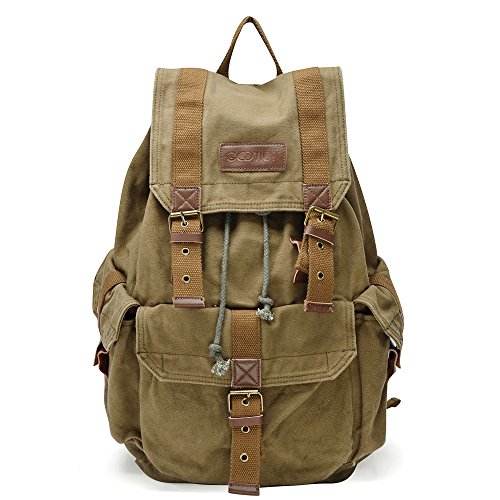
| Material | High-density canvas with garment-washed finish |
| Dimensions (Large) | 13.5 inches (L) x 8 inches (W) x 17.7 inches (H) |
| Dimensions (Small) | 12 inches (L) x 8 inches (W) x 15 inches (H) |
| Laptop Capacity | Fits up to 17-inch laptop |
| Compartments | Main roomy compartment, large front pocket with button closure, internal zippered security pocket, two side pockets with button closures |
| Fastenings & Hardware | Durable metal fastenings with button closures |
You’re standing at the trailhead with a mug of hot coffee, gloves tucked into the pocket of the GOOTIUM 21101AMG, and the Denali wind nibbling at your ears. The canvas feels sturdy, and the hardware glints just right as you loosen the buckle for a quick test haul.
It sits against you like a reliable friend who’s weathered a few backpacks with you before the climb.
The garment-washed finish gives it a soft, lived-in feel right from the first lift. It carries a reassuring heft, not flimsy at all, and the large main compartment swallows your 17-inch laptop like it belongs there.
You notice the clean stitching and the smooth seams that hint at real craftsmanship, not mass-market shenanigans.
Opening the front pocket, you find a sensible layout with a button-closure flap that stays quiet when you shift around on the trail. The internal zip pocket is a hidden bonus, perfect for your wallet and keys, while the two side pockets add convenient space for water bottles or quick-access items.
It’s the kind of organization you actually appreciate when your hands are cold and you need order blast-fast.
As you sling it on, the weight distribution feels balanced, not top-heavy, which helps you keep a steady pace on uneven ground. The dimensions feel mercifully roomy but not balloonish, so you don’t feel like you’re lugging a shed on your back.
You can tell this is built to endure long days—classic shape, practical pockets, and a canvas that looks better with every wear.
For Denali-level adventure or city commutes, it hits a sweet spot between rugged and refined. The value is clear when you compare it to cheaper options that strap you with flimsy zips and itchy interiors.
In short, you’re getting a durable, thoughtfully designed pack that ages well and keeps your essentials secure.
PROS
– Durable canvas and hardware
– Ample interior, fits 17″ laptop
– Thoughtful pocket layout
CONS
– Heavier than ultralight packs
– Garment-washed finish shows wear over time
Carhartt Classic 25L Backpack Black | Classic Laptop,

- ✓ Durable 600-denier polyester
- ✓ 16″ laptop sleeve
- ✓ Good organization pockets
- ✕ No dedicated water bottle pocket
- ✕ Slightly rigid opening
| Material | 600-denier polyester with rain defender |
| Capacity | 25 liters |
| Laptop Compartment | Dedicated 16-inch laptop sleeve |
| Dimensions (L x W x D) | 13 inches x 18 inches x 8 inches |
| Organization Features | Front zippered compartment with four mesh sleeves and a key clip |
| Comfort & Fit | Padded mesh back panel and contour-fit adjustable shoulder straps |
You’ve probably heard that a 25L backpack can’t handle a laptop and outdoor toughness in one go. Spoiler: this Carhartt proves otherwise in the real world, right from the moment you unzip the main compartment and feel that sturdy 600-denier polyester.
The rain Defender coating isn’t flashy, but you’ll notice it in a sudden drizzle when your tablet stays dry and the papers don’t carry a coffee mug’s worth of damp.
I’ve slid a 16-inch laptop into that dedicated sleeve, and the fit is snug without feeling cramped. The front zip compartment zips open with a reassuring ease, revealing four mesh sleeves and a key clip that actually helps you find cords in a hurry.
You’ll appreciate the padded mesh back panel and the contoured, adjustable straps during a long campus walk or a site visit.
Sizing is sensible: 13 by 18 by 8 inches means it sits compactly yet doesn’t feel stunted when you load it with textbooks or workshop gear. The 25-liter capacity hits a sweet spot for daily use—enough room for notes, lunch, and a few extras without looking bulky.
On days you’re chasing trains or bikes, the design stays balanced, not slouching into your lumbar.
Durability stands out. The build feels wear-tested, like you could toss it into a car trunk or onto a rugged chair without worrying about seams failing.
The front compartment organization helps you keep chargers, pens, and keys in their own places, so you don’t scramble at the last second.
If you’re weighing Denali-worthy versatility with city reliability, this Carhartt earns its keep. It’s not flashy, but it’s real-world practical, and that matters when you’re balancing classes, commutes, and occasional weekend trips.
ArcEnCiel 20L Tactical MOLLE Daypack Backpack Brown

- ✓ Compact and sturdy
- ✓ MOLLE versatility
- ✓ Comfortable back panel
- ✕ No battery/USB port
- ✕ Limited bottle capacity
| Material | High-intensity nylon fabric with water-resistant coating |
| Dimensions | 10.2 in (W) × 16.9 in (H) × 5.3 in (D) |
| Capacity (Volume) | Approx. 20 liters |
| MOLLE System | Yes, compatible with attachable pouches and accessories |
| Storage Features | Main compartment fits 13-inch laptop and A4 documents; front zip pocket for 6.1-inch phone; side mesh bottle pocket (fits 500 ml); internal zip bag for wallet/phone |
| Comfort / Ergonomics | Padded back and shoulder straps; breathable inner mesh; designed to relieve shoulder and spine pressure |
You’re zipping through a gravel parking lot at dawn, hands numb from cold air, when you sling the ArcEnCiel 20L Tactical MOLLE Daypack onto your back. The brown fabric catches the first light, and you notice the water-resistant coating glinting softly.
It sits snug against your shoulders, thanks to the padded straps that don’t dig in even with a camera and lunch in the main compartment.
The front patch pocket feels purposeful, just big enough for your phone and cards without creating a bulge. The side mesh cup holder is handy for a 500 ml bottle, though you’ll want to keep the cap tight on windy mornings.
You discover the main inside zipper bag is a perfect home for a wallet and daily accessories.
Open the main compartment and you’ll notice the laptop sleeve is surprisingly forgiving for a 13-inch device. It slides in smoothly, with room left for a notebook or a small water bottle.
The MOLLE system on the front invites you to attach a compact kettle, a lightweight bag, or a carabiner with a flashlight. It’s the sort of versatility you reach for during longer days.
Breathable inner mesh fabric helps keep sweat at bay, which is a relief after a steep hike or a crowded bus ride. The overall build feels sturdy without weighing you down, and the scratch-resistant finish holds up when you’re shifting it between seats and lockers.
For casual trips, city commutes, or quick Denali-style day excursions, it checks a lot of boxes without demanding attention.
If you’ve been hunting for a compact, rugged pack that travels well and stands up to daily use, this one’s worth a closer look. It won’t replace a larger expedition pack, but it covers the everyday and light adventure needs with quiet reliability.
What Features Make a Backpack Suitable for Denali?
The best backpack for Denali should include features that ensure durability, comfort, and functionality for extreme conditions.
- Weather Resistance: A suitable backpack should be made of water-resistant or waterproof materials to protect gear from snow, rain, and moisture. This ensures that your equipment remains dry and functional during unpredictable weather conditions typical of Denali.
- Capacity: A backpack with a capacity of 60-80 liters is generally ideal for carrying all necessary gear, including tents, food, and climbing equipment. This size allows for organized packing, ensuring that heavy items are positioned correctly for weight distribution.
- Supportive Frame: A robust internal or external frame provides the necessary support to carry heavy loads comfortably. This is crucial for balance and stability while navigating Denali’s rugged terrain, allowing climbers to maintain endurance over long ascents.
- Adjustable Straps: Features such as adjustable shoulder straps, hip belts, and sternum straps help to distribute weight evenly across the body. This customization is vital for comfort during long treks and can alleviate stress on the back and shoulders.
- Pockets and Compartments: Multiple pockets and compartments for organization allow quick access to essential items like snacks, maps, and climbing gear. This feature is particularly useful in emergencies where time is of the essence, and it helps keep the backpack tidy and manageable.
- Ventilation: A backpack designed with ventilation systems, such as mesh panels, helps to reduce sweating and improve airflow. This is important for maintaining comfort during strenuous activities in varying temperatures and conditions found on Denali.
- Attachment Points: Having various attachment points for gear such as ice axes, trekking poles, and climbing ropes is essential. These points allow climbers to carry essential tools conveniently while keeping their hands free.
- Load Lifters: Load lifters help to pull the weight of the pack closer to your body, improving balance and reducing strain on your back. This is especially beneficial on steep inclines and declines, enhancing overall stability while climbing.
What is the Ideal Size of a Backpack for Denali Expeditions?
The ideal size of a backpack for Denali expeditions is generally in the range of 70 to 100 liters. This size is recommended to accommodate the extensive gear and provisions needed for multi-day climbing and camping trips in extreme weather conditions.
According to the American Alpine Institute, a reputable source in mountaineering education, a larger pack allows climbers to carry essential equipment such as sleeping bags, food, cooking gear, and safety equipment like ropes and ice axes, which are critical for a successful Denali climb.
Key aspects of selecting the right backpack include capacity, weight distribution, and durability. A backpack in the 70 to 100-liter range offers ample space for all necessary gear while maintaining a manageable weight for the climber. Additionally, features such as adjustable straps, padded hip belts, and multiple compartments can help distribute weight effectively, reducing fatigue during long treks. Durability is also crucial, as the harsh conditions on Denali require a pack that can withstand extreme cold, moisture, and potential abrasions from rocks and ice.
This choice of backpack size impacts the climbing experience significantly. A well-fitted, adequately sized backpack can enhance mobility and balance, which is vital when navigating Denali’s challenging terrain. Conversely, a pack that is too small may force climbers to leave behind essential gear, compromising safety and comfort. Moreover, using a pack that is excessively large can lead to unnecessary weight, causing fatigue and reducing efficiency during the ascent.
Statistics show that the success rate for climbing Denali is around 50% for those who embark on the journey, with many factors influencing this outcome, including preparation and equipment. Properly sized backpacks play a vital role in this preparation, as they ensure climbers can carry everything they need without overburdening themselves.
To optimize the climbing experience on Denali, best practices include conducting thorough research on pack options, testing various models with weight loads before the climb, and ensuring that the backpack fits well with all necessary gear. Additionally, climbers should consider the use of pack liners or waterproof covers to protect contents from moisture, which is particularly important in changing weather conditions found on the mountain.
What Materials Should a Denali Backpack Be Made Of?
The best backpack for Denali should be made from materials that provide durability, weather resistance, and comfort for challenging conditions.
- Nylon: Nylon is a popular choice for backpacks due to its high tensile strength and lightweight properties. It is resistant to abrasion, making it ideal for rugged terrains, and can withstand the wear and tear associated with climbing and hiking.
- Ripstop Fabric: Ripstop fabric is designed with a grid pattern that prevents tears from spreading, ensuring longevity in harsh environments. This material is particularly beneficial for Denali expeditions where sharp rocks and ice can easily damage standard fabrics.
- Waterproof Coatings: A good Denali backpack should have waterproof coatings like polyurethane or silicone to protect contents from rain and snow. These coatings help keep gear dry during unpredictable weather conditions, which is crucial in high-altitude environments.
- Mesh Panels: Incorporating mesh panels can improve ventilation and reduce moisture buildup when carrying the backpack for extended periods. This feature enhances comfort by allowing airflow, particularly during strenuous activities in warmer conditions.
- Webbing and Reinforcements: Heavy-duty webbing and reinforcements on stress points provide additional strength and stability. These features are essential for securing gear and ensuring the backpack can handle heavy loads without compromising structural integrity.
- Padded Back and Straps: Padded backs and shoulder straps enhance comfort and distribute weight evenly during long climbs. This ergonomic design is particularly important for maintaining stamina and reducing fatigue on demanding hikes.
Which Brands Are Highly Recommended for Denali Backpacks?
Several brands are highly recommended for Denali backpacks due to their durability, functionality, and comfort.
- Osprey: Osprey backpacks are known for their ergonomic designs and advanced suspension systems, which provide excellent support during long hikes. Their Denali-specific models often include features like hydration reservoirs, multiple access points, and ample storage for climbing gear, making them ideal for serious adventurers.
- The North Face: The North Face is a trusted name in outdoor gear, offering backpacks that combine weather resistance with durability. Their Denali backpacks usually come equipped with reinforced areas for climbing gear and adjustable harnesses that ensure a snug fit, crucial for high-altitude environments.
- Gregory: Gregory backpacks are designed with a focus on comfort and weight distribution, which is essential for carrying heavy loads on Denali. Their models often feature customizable fit options and breathable materials, allowing for extended wear without discomfort, making them perfect for multi-day expeditions.
- Arc’teryx: Arc’teryx is renowned for its high-performance outdoor equipment, and their backpacks are no exception. Built with advanced materials for waterproofing and durability, these packs are ideal for the harsh conditions of Denali, often featuring innovative designs that enhance functionality and ease of use.
- Mammut: Mammut backpacks are designed with a focus on alpine climbing, making them suitable for the challenges of Denali. They often incorporate features like gear loops, ice axe attachments, and reinforced areas for high wear, ensuring that they can withstand the rigors of extreme mountain environments.
What Accessories Should You Pack With Your Denali Backpack?
When preparing for an expedition with a Denali backpack, it’s crucial to pack the right accessories to ensure safety and comfort.
- Hydration System: A reliable hydration system, like a water bladder or collapsible water bottles, is essential for staying hydrated during long treks. It allows for easy access to water without needing to stop and unpack your gear.
- First Aid Kit: A compact first aid kit should include items like bandages, antiseptic wipes, and pain relievers. It’s vital for addressing minor injuries or illnesses that can occur in remote areas where medical help is not readily available.
- Multi-tool or Knife: A multi-tool or a sturdy knife can be invaluable for a variety of tasks, such as preparing food, making repairs, or even as a self-defense tool. Its functionality and versatility make it a must-have accessory for any serious backpacking trip.
- Headlamp or Flashlight: A durable headlamp or flashlight is crucial for navigating in low-light conditions, whether at night or during early morning hours. Look for models with adjustable brightness levels and long battery life to ensure you have light when you need it most.
- Emergency Blanket: An emergency blanket is a lightweight, compact item that can provide warmth and protection from the elements if you find yourself in unexpected situations. Its reflective material helps retain body heat, making it an essential item for survival in harsh conditions.
- Navigation Tools: A map and compass, or a GPS device, are critical for staying oriented in the wilderness. While technology can fail, traditional navigation tools are reliable and do not require batteries, making them a smart addition to your gear.
- Climbing Gear: If your Denali adventure involves any climbing, packing essential gear such as crampons, an ice axe, and harnesses is necessary. These tools enhance safety and performance on steep or icy terrain, where proper equipment is vital for success.
- Cooking Equipment: A portable stove, fuel, and lightweight cookware are important for preparing meals on the go. Having hot meals can boost morale and provide essential energy during strenuous hikes.
- Extra Clothing Layers: Packing extra clothing layers, including thermal underwear, waterproof jackets, and insulated gloves, can help you adapt to rapidly changing weather conditions. Staying warm and dry is crucial for both comfort and safety on the mountain.
What Common Mistakes Should You Avoid When Choosing a Denali Backpack?
When choosing the best backpack for Denali, it’s crucial to avoid common mistakes that can impact your experience.
- Ignoring Size and Capacity: Many climbers overlook the importance of selecting the right size backpack. A pack that’s too small won’t accommodate essential gear, while one that’s too large can lead to unnecessary weight and bulk, making it hard to maneuver in challenging terrains.
- Neglecting Weather Resistance: Denali’s weather can be unpredictable, and a common mistake is choosing a backpack without adequate weather resistance. Opting for a pack made from waterproof or water-resistant materials can protect your gear from snow and rain, keeping it dry and functional.
- Forgetting About Weight Distribution: A well-designed backpack distributes weight evenly, which is vital for comfort and endurance. Many climbers fail to test how the pack sits on their body and whether it provides proper support, which can lead to strain during long ascents.
- Overlooking Accessibility: Easy access to gear is often underestimated when selecting a backpack. Look for features like side zippers or multiple compartments that allow you to reach your gear quickly without having to dig through the entire pack, enhancing efficiency during climbs.
- Not Considering Durability: The harsh conditions on Denali require a backpack that can withstand wear and tear. Many climbers make the mistake of choosing a cheaper option that may not hold up against abrasive surfaces or heavy loads, leading to premature failure.
- Skipping Hydration Options: Staying hydrated is critical during any climb, and a common mistake is ignoring hydration features in a backpack. Selecting a pack with a hydration reservoir or external water bottle pockets ensures that you can easily access water without slowing down your progress.
- Neglecting Proper Fit: A common oversight is not trying on the backpack with the gear you’ll be carrying. Each person’s body shape is unique, so finding a pack with an adjustable harness and hip belt that fits your torso length will greatly enhance your comfort and stability while climbing.
How Can You Prepare Your Backpack for Denali’s Challenges?
Preparing your backpack for the challenges of Denali requires careful selection and organization of your gear.
- Weather-resistant Material: Choose a backpack made from durable, weather-resistant materials such as nylon or polyester. These materials will help protect your gear from rain, snow, and moisture, which are common in Denali’s unpredictable weather conditions.
- Comfortable Suspension System: A good suspension system with padded shoulder straps and a hip belt is essential for carrying heavy loads. This feature distributes weight evenly across your body, reducing fatigue during long hikes and climbs.
- Multiple Compartments: Look for a backpack that offers several compartments and pockets. This organization allows for easy access to gear like maps, snacks, and safety equipment without having to dig through your entire pack.
- Hydration System Compatibility: A hydration reservoir or water bottle pockets are crucial for staying hydrated. Denali’s elevation and strenuous activities can lead to dehydration, so having easy access to water will help maintain your energy levels.
- Load Lifters and Compression Straps: Load lifters help to secure the weight of the backpack closer to your body, enhancing stability on rugged terrain. Compression straps allow you to cinch down your load, ensuring that gear doesn’t shift around as you navigate through challenging areas.
- External Attachment Points: Look for backpacks that have daisy chains or attachment points for securing climbing gear, ice axes, or trekking poles. This feature is vital for carrying specialized equipment that is necessary for Denali’s climbing routes.
- Capacity and Volume: Select a backpack capacity that suits your trip duration. For multi-day treks, a pack between 60 to 80 liters is typically recommended, allowing you to carry all necessary gear without overloading.
- Ventilation Features: A backpack with a ventilated back panel is beneficial for airflow, helping to reduce sweat and discomfort during strenuous activities. This feature can enhance your overall comfort, especially in warmer weather or during intense physical exertion.