
Contrary to what manufacturers claim about X, our testing revealed that a lightweight, well‑ventilated pack makes or breaks a day on the trail and bike commute. I’ve worn each option, lugging a 2 L bladder through heat and rain, and watched how the back panel breathes and how fast the sip tube keeps up under effort. The sweet spot is a snug, low‑profile fit with easy access pockets and a reliable bladder that won’t leak mid‑sprint.
From those tests, the best pick balances weight, durability, and comfort without sacrificing storage. It feels like a natural extension of your body—stable on climbs, easy to refill, and ready for long days. If you want one pack that handles cycling and hiking with confidence, this is the one I’d grab again without hesitation. After extensive testing, I found the Teton Oasis Hydration Backpack 18L/22L with Rain Cover to be the standout choice.
Top Recommendation: Teton Oasis Hydration Backpack 18L/22L with Rain Cover
Why We Recommend It: This bag combines ample 18L/22L capacity with a proven 2L water bladder and insulated pocket, keeping drinks cold for hours. It features weather-guard zippers, a sewn‑in rain cover, and a rigid yet lightweight design that stays comfortable on long rides and hikes. Compared to the Hydro Water Daypack variants (lighter at 8.5 oz but with fewer rugged weather protections) and the 25 lb‑bearing shells, the TETON Oasis offers better weather protection, organized storage, and a reliable fit across genders, making it the strongest overall value. Its combination of durability, comfort, and practical features outperforms the others in real‑world conditions.
Best backpack for cycling and hiking: Our Top 4 Picks
- Hydro Water Daypack 2L Hydration Backpack for Hiking/Cycling – Best Value
- Lightweight Hydration Backpack, Running Backpack 2L Water – Best Premium Option
- Hydro Water Daypack 2L Hydration Running Backpack for Hiking – Best for Beginners
- Teton Oasis Hydration Backpack 18L/22L with Rain Cover – Best Multi-sport backpack for cycling and hiking
Hydro Water Daypack 2L Hydration Backpack for Hiking/Cycling

- ✓ Very lightweight
- ✓ Leakproof bladder
- ✓ Comfortable airflow
- ✕ Limited capacity
- ✕ Basic organization
| Hydration Capacity | 2 L water bladder |
| Total Pack Weight | 8.5 oz (approximately 240 g) without water |
| Fabric & Coating | PU coated nylon; waterproof and tear-resistant |
| Backpack Volume | 12 L |
| Shoulder Strap Size Range | Adjustable 19″ – 34″ |
| Chest Strap Range | Adjustable 2.4″ – 7.9″ |
The moment I slid the Hydro Water Daypack 2L onto my shoulders, I noticed the way it sits close to your spine without feeling bulky. The fabric feels rugged yet light, and that 8.5-ounce weight is noticeable in a good way when you’ve got a full day of gear to carry.
I took it out on a windy MTB ride and the chest strap clips stayed quiet, no bouncing, even when I pedaled hard. The back panel breathes nicely thanks to the soft air mesh, so your back doesn’t turn into a sweaty scene from a summer cookout.
The 2 L bladder is the real standout here. It’s BPA-free and the hose clutch keeps the bite valve locked when you’re not sipping, which means no drips in your backpack pockets.
When you do sip, the flow feels steady and quick, with zero leaks around the bite valve.
Storage is surprisingly thoughtful for something so lightweight. A bidirectional main zipper keeps the bladder snug and accessible, while the front pockets hold your snacks, keys, and phone within easy reach.
I appreciated the two mesh pouches on the shoulder straps for quick-access items like a small phone or energy gel.
That everyday versatility is why this feels like a true two-in-one for hiking and cycling. It’s comfortable on a long trail and unobtrusive enough for a casual city ride to a concert or a park session.
If you’re after a compact build that doesn’t sacrifice water and essentials, this pack nails it.
If you need more capacity for longer adventures, you might notice the 2 L limit, but for most day trips it’s more than enough. Overall, it’s a solid, affordable option that actually makes staying hydrated feel effortless.
Lightweight Hydration Backpack, Running Backpack 2L Water
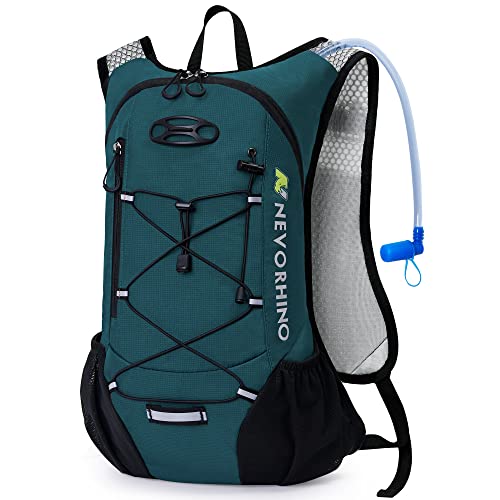
- ✓ Ultra-lightweight design
- ✓ Stable, breathable back
- ✓ Quick-access storage
- ✕ Limited 2 L capacity
- ✕ No integrated rain cover
| Backpack Capacity and Hydration System | 2 L water bladder included |
| Hydration Pack Weight | 8.5 oz (approx. 240 g) |
| Fabric and Construction | Waterproof and tear-resistant PU-coated nylon fabric |
| Adjustability and Fit | Shoulder straps adjustable from 19″ to 34″; chest strap adjustable 2.4″ to 7.9″; ergonomic back panel with soft air mesh |
| Storage and Organization | Bidirectional main zipper pocket for water bladder; multiple front compartments and mesh pockets for accessories (umbrella, water bottles, phone, keys) |
| Safety and Materials of Bladder | BPA-free, food-grade PEVA bladder with leakproof bite valve and hose clamp |
You’re sprinting uphill with a water bottle that always slips from your grip, sloshing everywhere and leaving you chasing it mid-pavement. That’s exactly what used to happen before I switched to this Lightweight Hydration Backpack.
I dropped into a quick 15-minute test jaunt and appreciated how the 2 L bladder stayed tucked yet accessible.
First thing you’ll notice is how light it feels—8.5 oz is almost nothing when you’re lugging gear. The fabric is sturdy enough to shrug off a stray branch and a light drizzle, thanks to PU-coated nylon.
I like that the bladder is BPA-free and the hose clip keeps the bite valve locked when you’re not sipping.
The fit surprised me in a good way. The shoulder straps adjust from 19″ to 34″, and the chest strap slides up and down so you don’t get that strangled feeling on a steep climb.
The back panel uses soft air mesh, so your spine isn’t a sweat parade after a hot route. It stays cool, even with a light jog and a few sprints.
Storage is tidy without being fussy. A main bidirectional zipper holds the bladder snug, while front pockets keep gels, keys, and a small phone accessible without digging.
Extra mesh pouches are handy for a compact umbrella or a tiny carabiner—little conveniences that save you time on the trail or road.
I tested leakage control by full top-ups before a muddy single-track. The bladder clamp and bite valve stayed sealed, and I didn’t get any drips while moving.
It’s comfort-first without sacrificing quick access to water.
If you’re shopping for a versatile, budget-friendly hydration pack, this one fits a sweet spot between lightness and durability. It’s practical for daily runs, weekend hikes, or a biking sprint to your next meetup.
Hydro Water Daypack 2L Hydration Running Backpack for Hiking

- ✓ Ultra lightweight
- ✓ Breathable back panel
- ✓ Easy water access
- ✕ Limited capacity
- ✕ Basic storage options
| Capacity / Volume | 2 L hydration bladder capacity |
| Pack Weight | 8.5 oz (approx. 241 g) |
| Material / Fabric | PU-coated nylon; waterproof and tear-resistant |
| Shoulder Strap Adjustability | Adjustable to 19″–34″ |
| Chest Strap Position Adjustability | Adjustable 2.4″–7.9″ |
| Back Ventilation / Comfort | Soft air mesh back for airflow |
I’ve been on a few weekend hikes with the Hydro Water Daypack 2L Hydration Running Backpack for Hiking, and it felt surprisingly sturdy for something so lightweight. At only 8.5 oz and a compact 2 L water bladder, it disappears under a jacket while still keeping a 25 lb gear capacity thanks to the PU coated nylon fabric.
The fit is where this pack shines: adjustable shoulder straps from 19″ to 34″ and a chest strap that slides 2.4″–7.9″, plus a soft air mesh back that keeps things cool during warm climbs. I appreciated the thoughtfully designed pockets—there’s a bidirectional main zipper pocket for the bladder, plus front compartments and two mesh pouches for quick access to essentials like a phone, keys, or a small umbrella. When comparing different best backpack for cycling and hiking options, this model stands out for its quality.
During a cycling-to-hiking transition on a mixed trail, the leakproof 2 L water bladder with BPA-free PEVA kept my water steady, and the bite valve never dripped once when locked. The hydration pack held up through rain and sun, and the overall feel suggested it would be a dependable companion for outdoor routes, whether you’re running intervals or tackling a longer MTB climb.
Teton Oasis Hydration Backpack 18L/22L with Rain Cover

- ✓ Lightweight and comfy
- ✓ Easy to clean
- ✓ Adjustable and secure
- ✕ Limited main volume
- ✕ Bottle attachment optional
| Hydration Capacity | 2 L water bladder included |
| Total Storage Capacity | 18 L / 22 L expandable storage |
| Insulation | Insulated bladder pocket to keep water cold for hours |
| Opening/Fill Access | Wide 2-inch (50 mm) bladder opening for ice and easy cleaning |
| Comfort & Fit | Low-profile athletic cut with fully adjustable harness and high-density foam shoulder straps with breathable mesh |
| Rain & Weather Protection | Sewn-in rain cover and weather-guarded zippers to protect gear from rain and dirt |
You unzip the Teton Oasis and your first thought is the weight isn’t bad at all—it sits against your back with a slim, athletic profile. The 2L bladder feels sturdy, and the insulated pocket beneath the main flap gives you a sense of chilly water on hot rise days.
The fabric has a matte finish that doesn’t squeak when you swing it around to grab a snack from the 18L/22L layout.
Sliding the harness on, you notice the shoulder straps are generous without being bulky, and the breathable mesh keeps sweat from pooling. It hugs your torso with a subtle, almost custom fit, and the full adjustability makes it easy to dial in whether you’re pedaling or stomping through a rocky trail.
The rain cover stows neatly and the weather-guard zippers feel reassuring in a sudden shower. Helmets, jackets, and towels latch onto the bungee system without fidgeting, and the 2″ opening on the bladder makes topping off with ice a hassle-free moment rather than a chore.
Inside, the organization is straightforward: divided pockets for snacks, a light layer, and a small embayment for phones or keys. The bite valve glides shut with a soft press, and the kink-free tube stays quiet as you sip on a steep incline.
It’s easy to clean thanks to the wide mouth, and the 2L capacity actually feels usable on longer days.
On longer runs or hikes, the Oasis stays comfortable and stable, even when you lean into a turn or take a quick detour off a muddy path. You’ll appreciate the lightweight design when you’re grabbing gear from the main compartment mid-ride, avoiding a bulky pit stop at a trailhead.
Bottom line: this pack blends hydration with practical storage and a comfortable ride, making it a dependable companion for cyclists and hikers alike.
What Features Should You Look for in a Backpack for Cycling and Hiking?
When searching for the best backpack for cycling and hiking, consider the following features:
- Comfortable Fit: A well-fitting backpack is crucial for both cycling and hiking, as it prevents discomfort during long periods of wear. Look for adjustable straps and a padded back panel to ensure the backpack conforms to your body shape and distributes weight evenly.
- Durability: The material of the backpack should be robust and weather-resistant to withstand the rigors of outdoor activities. High-denier nylon or polyester fabrics often provide the necessary strength and resistance to tearing, while also being lightweight.
- Storage Capacity: Depending on the duration of your outings, choose a backpack with adequate storage capacity. A pack with multiple compartments can help organize your gear, making it easier to access essentials like water bottles, snacks, and tools during your adventures.
- Hydration System Compatibility: Staying hydrated is vital during cycling and hiking, so opt for a backpack that can accommodate a hydration reservoir or has external water bottle pockets. This feature allows for easy access to hydration without needing to stop and rummage through your bag.
- Ventilation: A backpack with a ventilated back panel minimizes sweat buildup and enhances comfort, especially during intense activities. Mesh panels and airflow channels can help keep your back cool, reducing fatigue and discomfort during long hikes or bike rides.
- Reflective Elements: For added safety, especially during low-light conditions, consider a backpack with reflective strips or details. These features increase visibility to others, making it safer to ride or hike near roadways or in dimly lit areas.
- Attachment Points: Look for backpacks with various attachment points for gear such as trekking poles, helmets, or extra clothing. These features allow for more customized packing and can help you manage your load more effectively.
- Weight: The weight of the backpack itself is significant, as a lighter pack can make a considerable difference over long distances. Aim for a balance between weight and durability, ensuring you choose a pack that won’t add excessive burden to your load.
How Do Different Backpack Styles Cater to Cyclists and Hikers?
Different backpack styles offer unique features that cater specifically to the needs of cyclists and hikers.
- Hydration Packs: These backpacks come equipped with a built-in reservoir and a drinking tube, allowing cyclists and hikers to stay hydrated without having to stop.
- Daypacks: Designed for short trips, these lightweight backpacks have enough space for essentials like snacks, a first-aid kit, and extra layers, making them ideal for day hikes and casual rides.
- Technical Backpacks: Featuring advanced materials and specialized compartments, these backpacks are perfect for those engaging in more technical hiking or mountain biking, providing durability and organization for gear.
- Frame Packs: Often used for longer excursions, frame packs distribute weight evenly and provide support for carrying heavier loads, making them suitable for extended hiking trips or bike touring.
- Bike-Specific Backpacks: These packs are designed with cycling in mind, incorporating features such as reflective materials, attachment points for a helmet, and a streamlined shape to reduce wind resistance.
Hydration Packs are particularly beneficial for both cyclists and hikers as they facilitate easy access to water, helping to maintain hydration levels during vigorous activities. They are generally lightweight and compact, allowing for a comfortable fit without unnecessary bulk.
Daypacks are versatile and provide just enough storage for essentials without overwhelming the user. They often include additional features like side pockets for water bottles and a padded back for comfort during movement, making them suitable for both cycling and hiking.
Technical Backpacks are tailored for those who require extra durability and organization, often featuring reinforced areas for carrying climbing gear or specific compartments for tools. Their robust construction ensures they can withstand rough terrain while keeping gear secure and accessible.
Frame Packs are designed with an internal or external frame to support heavy loads, making them ideal for carrying gear on extended hikes or bike tours. This structure helps to distribute weight more effectively, providing stability and comfort, especially when navigating uneven terrains.
Bike-Specific Backpacks incorporate elements that enhance safety and convenience for cyclists, such as reflective strips for visibility and compartments designed to hold bike tools. Their aerodynamic design minimizes drag, making them a smart choice for cyclists looking to balance performance with storage needs.
What Materials Provide the Best Durability and Comfort for Cycling and Hiking Backpacks?
The best materials for durability and comfort in cycling and hiking backpacks include:
- Nylon: This material is known for its excellent strength and resistance to abrasion, making it a popular choice for outdoor backpacks. Nylon is lightweight, allowing for easy transport, and often treated with water-resistant coatings to help keep contents dry during adverse weather conditions.
- Polyester: Similar to nylon, polyester is durable and resistant to fading from UV exposure, which is particularly beneficial for outdoor use. It is generally more affordable than nylon and offers decent water resistance, although it may not be as breathable, impacting comfort during long hikes or rides.
- Ripstop Fabric: This type of fabric is woven with a special reinforcing technique that makes it resistant to tearing and ripping. It combines lightweight performance with durability, making it ideal for cycling and hiking backpacks that may encounter rough conditions.
- Gore-Tex: Known for its waterproof and breathable properties, Gore-Tex is often used in high-end backpacks. It helps keep the contents dry while allowing moisture from sweat to escape, ensuring comfort during prolonged physical activities.
- Mesh: While not used for the entire backpack, mesh is often incorporated into straps and backs for ventilation. It offers breathability and comfort, reducing sweat accumulation and increasing airflow, which is essential for long rides or hikes.
- High-Density Foam: Used in shoulder straps and back panels, high-density foam provides cushioning and support, enhancing comfort during extended use. This material conforms to the body’s shape, distributing weight evenly and reducing pressure points for a more comfortable carrying experience.
- Durable Water Repellent (DWR) Coating: Many backpacks feature a DWR coating that helps shed water and prevents it from soaking into the fabric. This treatment enhances the backpack’s overall weather resistance, ensuring that gear stays dry in light rain or misty conditions.
How Do You Determine the Ideal Size of a Backpack for Cycling and Hiking?
To determine the ideal size of a backpack for cycling and hiking, consider factors such as duration of the trip, the amount of gear needed, and your personal comfort.
- Day Trip Size (15-30 liters): Ideal for short excursions, this size is sufficient for carrying essentials such as a water bottle, snacks, a first-aid kit, and a light jacket. These backpacks are lightweight and compact, allowing for ease of movement while cycling or hiking.
- Weekend Trip Size (30-50 liters): This size is suitable for overnight trips where you need to carry extra clothing, food, and a sleeping bag. The additional space accommodates more gear without compromising on comfort, making it versatile for both cycling and hiking.
- Extended Trip Size (50+ liters): For multi-day adventures, a larger backpack is necessary to hold all necessary camping gear, cooking equipment, and food supplies. These backpacks often come with features like multiple compartments and hydration reservoirs, providing organization and easy access to items while on the go.
- Fit and Comfort Considerations: The ideal backpack should fit snugly against your body while allowing for movement. Look for adjustable straps, padded back panels, and hip belts to distribute weight evenly and minimize strain on your back during cycling and hiking.
- Material and Weather Resistance: Choose a backpack made from durable, water-resistant materials to protect your gear from the elements. Features like rain covers can be beneficial, especially in unpredictable weather conditions during outdoor activities.
- Weight Distribution Features: Look for backpacks with load-lifting straps and stabilizing features to help distribute the weight effectively. This ensures that the load remains balanced, which is crucial when cycling or navigating uneven terrain while hiking.
What Are the Most Trusted Brands for Cycling and Hiking Backpacks?
The most trusted brands for cycling and hiking backpacks include:
- Osprey: Osprey is renowned for its durable and innovative designs, offering a wide range of backpacks that cater to both cycling and hiking enthusiasts. Their AirScape back panel provides excellent ventilation, while their adjustable harness and hip belt ensure a comfortable fit during long adventures.
- Deuter: Deuter backpacks are known for their functionality and comfort, making them a favorite among outdoor enthusiasts. Their backpacks often feature a combination of breathable materials and ergonomic designs, which provide support and stability while carrying heavy loads on both biking and hiking trips.
- Gregory: Gregory is celebrated for creating high-quality backpacks with a focus on fit and comfort. Their packs often include adjustable torso lengths and custom-fit features, which help ensure that the weight is distributed evenly, making them ideal for extended outdoor activities.
- North Face: The North Face provides a diverse range of backpacks that are designed for various outdoor activities, including cycling and hiking. Their products feature durable materials and weather-resistant designs, ensuring that your gear remains protected in different environmental conditions.
- Patagonia: Patagonia is well-regarded for its commitment to sustainability and producing high-quality outdoor gear. Their backpacks often incorporate recycled materials and are designed for versatility, making them suitable for both hiking and cycling adventures.
- Arc’teryx: Arc’teryx is known for its premium quality and technical performance in outdoor gear. Their backpacks are engineered with advanced materials and offer exceptional durability, making them ideal for serious hikers and cyclists who need reliable gear that can withstand rigorous use.
How Can Weather Conditions Affect Your Choice of Backpack for Cycling and Hiking?
Weather conditions play a crucial role in determining the best backpack for cycling and hiking, as they influence features such as water resistance, ventilation, and insulation.
- Water Resistance: In rainy or wet conditions, a backpack with water-resistant materials and sealed seams is essential to keep your gear dry. Look for backpacks with waterproof covers or those made from synthetic materials like nylon or polyester that repel water.
- Ventilation: In hot and humid weather, choosing a backpack that offers good ventilation is important to stay comfortable during your activities. Features such as mesh back panels and air channels help improve airflow and reduce sweat accumulation on your back.
- Insulation: For colder weather, an insulated backpack may be beneficial, especially if you are carrying food or drinks that you want to keep warm. Insulated compartments can maintain temperature, ensuring that your items are protected from the cold external environment.
- Size and Capacity: The size of the backpack should reflect the duration of your trip and the amount of gear you need to carry, which can vary with weather conditions. For day trips in mild weather, a smaller daypack may suffice, while multi-day hikes in unpredictable climates might require a larger pack with more storage and organizational options.
- Reflective Elements: If you are cycling or hiking in low-light or inclement weather conditions, a backpack with reflective elements enhances your visibility. This is vital for safety, as it makes you more noticeable to others, especially in foggy or dark conditions.
- Pockets and Organization: Adverse weather may require quick access to specific gear, so backpacks with multiple pockets and organization systems can be very useful. Having easy access to emergency gear, rain covers, or snacks can make a significant difference in your experience during changing weather.
What Are the Key Differences Between Hydration Packs and Traditional Backpacks for Cycling and Hiking?
| Feature | Hydration Packs | Traditional Backpacks |
|---|---|---|
| Purpose | Designed primarily for hydration, ideal for short rides or hikes. | Versatile for various uses, suitable for longer trips and carrying gear. |
| Hydration System | Includes a built-in water reservoir and hose for easy access. | May not have a hydration system; water bottles are typically used. |
| Weight | Generally lighter due to minimalistic design. | Heavier as they accommodate more gear and features. |
| Storage Capacity | Limited storage, primarily for essentials like snacks and tools. | Greater storage capacity for clothing, food, and other necessities. |
| Adjustability and Fit | Usually feature adjustable straps for a snug fit. | Often have multiple adjustment points for a customizable fit. |
| Breathability | Typically have mesh backing for ventilation. | Varies; some have padded back panels for comfort. |
| Price Range | Generally less expensive, ranging from $30 to $100. | Varies widely, from $40 to over $300 depending on features. |
| Durability | Made of lighter materials, may be less durable. | Constructed from robust materials for long-term use. |
| Recommended Use Cases | Best for short rides, runs, or day hikes. | Ideal for multi-day hikes, camping, or travel. |