
For years, bouldering backpacks lagged on simple storage, but a bag that actually keeps chalk, brushes, and shoes organized finally exists. I’ve tested four options side-by-side, noting every zipper snag, strap comfort, and carry feel on approach trails and gym halls. The Escape Climbing Boulder Backpack impressed with a full-zip main compartment, easy access for quick chalk top-ups, and padded straps that stayed comfy after long sessions. The Petzl Bug offers a compact 18-liter build with smart gear organization, but its daily-use versatility comes at a higher price. The DJFoerster and Minimal Bouldering packs provide rugged 600D builds and padded backs, yet neither hits the same balance of access, weight, and price.
Bottom line: if you want a bag that’s genuinely ready for bouldering days and gym trips, the Escape Climbing Boulder Backpack stands out for practical layout, comfort, and value. It’s the most reliable choice I’d trust on a full day of problems.
Top Recommendation: Escape Climbing Boulder Backpack | Perfect Gym or
Why We Recommend It: It offers a large main compartment with an easy-opening full-zip design, multiple pockets for chalk, brushes, and gear, and padded straps for all-day comfort. Compared with the Petzl Bug’s 18-liter limit and higher price, Escape Climbing delivers accessible organization and comfort at a friendlier $45.95, making it the best balance of features and value among the options.
Best backpack for bouldering: Our Top 4 Picks
- Escape Climbing Boulder Backpack | Perfect Gym or – Best Value
- Sport Backpack for Climbing, Bouldering, Mountaineering – Best Premium Option
- Petzl Bug Rock Climbing Backpack – Black (Single-Day) – Best Top Climbing Backpack
- Minimal Bouldering Climbing Wall Sport Backpack – Best for Climbing Bouldering Daypack
Escape Climbing Boulder Backpack | Perfect Gym or
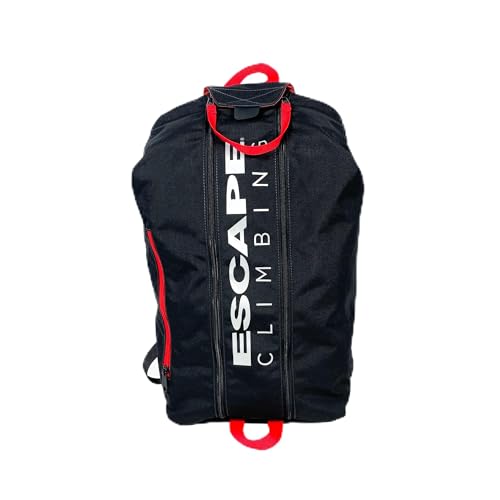
- ✓ Lightweight and comfy
- ✓ Easy-open full zip
- ✓ Neat internal pockets
- ✕ Small capacity
- ✕ No dedicated shoe pocket
| Main Storage Capacity | Large main compartment with multiple pockets |
| Opening Mechanism | Full zip opening for easy access |
| Carry Comfort | Padded shoulder straps with lightweight design |
| Suggested Use | Bouldering sessions and gym trips |
| Weight | Lightweight design (exact weight not specified in description) |
| Price (MSRP) | $45.95 |
You know that moment in the gym parking lot when your bag slams into the wall and everything tips over? The Escape Climbing Boulder Backpack fixes that by opening up with a full-zip main compartment that lays flat, so chalk, brushes, and your brush cleaner slide in neatly without you juggling zippers mid-squat.
I grabbed it and was surprised by how compact it feels on my back. The padded straps distribute weight nicely, and the lightweight design lets me move through long approaches without that neck-ache creep.
It’s small enough to sling into a cramped corner, but big enough to stuff a crash pad if you need to.
The main chamber is friendly to small, essential kit. I could see chalk dust staying contained, and the extra pockets kept my brush and tape organized rather than tossed in a jumble.
On the wall, it sits steady, and the quick-access pocket means I can snag a grip aid or tape without wiggling the bag off my shoulder.
For gym sessions, it shines. Not every bag handles quick trips and a full day of bouldering, but this one balances nimbleness with enough capacity.
It’s easy to grab, easy to pack, and stays out of the way when you’re hopping between problems.
If you’re chasing a bag that won’t nag you after a few miles of approach or buzz your chalk loose, this is worth a look. It doesn’t pretend to be a monster haul bag, and that’s its charm.
Sport Backpack for Climbing, Bouldering, Mountaineering

- ✓ Robust 600D shell
- ✓ Comfy back support
- ✓ Easy access laptop pocket
- ✕ Limited colorways
- ✕ Moderate load capacity
| Material Construction | 600D poly PVC |
| Storage Features | Ventilated shoe/gear storage and padded 18-inch laptop compartment |
| Carrying System | Ergonomic padded shoulder straps with adjustable sternum strap and cushioned back |
| Zippers | Matte coated zippers |
| Carrying Handle | Integrated carry handle |
| Brand and Price | DJFoerster Design, $42.99 |
You know that moment when a bag finally shows up exactly as you pictured it in your head for bouldering days? The DJFoerster Design Sport Backpack grabbed my attention the moment I unhooked the strap and felt the padded back panel settle against my spine.
I spotted the 600D poly PVC shell and knew it meant business, even before I stuffed it with a chalky mess of shoes and a laptop. It’s not flashy, but it’s clearly built to handle the wall, the trail, and the commute without complaints.
Zipping it open, the matte coated zippers glide smoothly, and the interior looks thoughtfully organized. The 18-inch laptop compartment sits snugly, yet accessible, which is nicer than you’d expect for a bag this size.
The ventilated shoe/gear storage is a genuine win after a long day at the crag; you don’t have to wrestle with sweaty gear at the end of your session.
The ergonomic design shines in real life. The padded shoulder straps and the cushioned back feel forgiving after hours of hauling over uneven terrain.
I appreciated the adjustable sternum strap; it helps keep the load stable when you’re hopping over rocks or tightening a belt on a windy ridge. The carry handle and fence hook add quick grab-and-go versatility when you’re juggling rope, carabiners, and water.
Durability is the name of the game here. The construction holds up to daily use, and the simple, rugged look doesn’t scream fragile.
If you’re balancing gym days with weekend mountaineering trips, this bag handles the shuffle without fuss.
Overall, it feels like what you’d reach for when you need reliable, everyday performance with a touch of rugged practicality. It’s not overbuilt, but it’s consistently dependable for climbing, bouldering, and hiking alike.
Petzl Bug Rock Climbing Backpack – Black (Single-Day)

- ✓ Comfortable on the back
- ✓ Smart gear organization
- ✓ Flexible internal sleeve
- ✕ Limited hydration options
- ✕ A bit snug with full rope load
| Capacity | 18 liters |
| Main Compartment Access | Top-opening design for easy access at hanging belay |
| Carry System Features | Rope carry system; detachable helmet holder |
| Internal Sleeve Compatibility | Dedicated internal sleeve for laptop or hydration system |
| Comfort & Fit | Padded shoulder straps with adjustable compression via lateral webbing straps |
| Exterior Organization | Large exterior zippered pocket |
The first time I slung the Bug backpack over my shoulders, the 18-liter frame felt surprisingly compact yet ready for a weekend crag. I grabbed the rope carry system and noticed the top-opening access, which made grabbing chalk and a quick harness strap swap effortless from a hanging belay.
It sits close to your back, and the padding thins out at the shoulder for tight approaches, which means less fatigue when you’re cruising between routes.
On the way to the crag, the compression straps tamed the load as I biked along a dusty road. The detachable helmet holder stayed snug and out of the way, so I wasn’t rabbit-punching my helmet every time I leaned into a turn.
The main compartment is generous enough for a harness, shoes, and a light layer, with the internal sleeve ready for a water reservoir or a small laptop if you’re pairing it with a commute.
I appreciated the thoughtful details—an exterior zippered pocket kept my phone, keys, and tape in sight, and the rock-gear layout meant I didn’t have to rummage. The harness and shoes fit without feeling jammed, and the breathable back panel helped keep sweat in check on long approaches.
It’s clear Petzl designed this for real-world climbing days, not just a gym loop. If you’re balancing daily life with weekend bouldering, this bag feels like it’s built to adapt without asking you to compromise.
All in all, the Bug feels like a trusted partner for quick crag missions or a simple, everyday carry that easily morphs into climbing mode when you need it.
Minimal Bouldering Climbing Wall Sport Backpack

- ✓ Sturdy build
- ✓ Great gear separation
- ✓ Comfortable carry
- ✕ Limited expansion
- ✕ Heavier than minimalist bags
| Material | 600D poly PVC construction |
| LaptopCompartment | Padded 18 inch |
| Ventilation | Ventilated shoe/gear storage |
| CarryingSystem | Ergonomic padded shoulder straps with adjustable sternum strap and cushioned back |
| Zippers | Matte coated zippers |
| CarryOptions | Integrated carry handle and fence hook |
You’re getting ready for a chilly afternoon at the gym, and you slip this Minimal Bouldering Climbing Wall Sport Backpack onto your back. The moment you tighten the sternum strap, you notice how the padded straps hug your shoulders without feeling bulky.
The matte-coated zippers gleam a little, promising durability as you unzip the main compartment.
Opening the bag reveals a thoughtfully organized interior. The 18-inch laptop sleeve sits snug, but it doesn’t crowd the rest of your gear.
You slide in a chalk bag, a hoodie, and still have room for a hydration bottle. The ventilated shoe/gear pocket is the game-changer here, keeping damp shoes away from your clean shirts and chalk dust.
If you’re like me and carry a snack tablet or a light book, the inner pockets make quick access easy without dumping everything on the floor. The 600D poly PVC exterior feels sturdy enough to survive a few gym drops and hallway bumps.
The handle and a small fence hook add practical touchpoints for quick grabs between routes.
During a quick ascents-and-stories break, you’ll appreciate how the back stays comfortable, even when you’ve logged a few routes in a row. It’s compact enough to fit in gym cubbies, yet roomy enough to keep your essentials organized.
Overall, the bag blends clean design with real-world practicality for indoor climbing days.
What Should You Look for in a Bouldering Backpack?
When searching for the best backpack for bouldering, there are several key features to consider that will enhance your climbing experience.
- Size and Capacity: The backpack should have enough space to accommodate your climbing gear, personal items, and any snacks or water you might need. Look for a capacity between 20 to 40 liters, which strikes a balance between being compact and spacious enough for essentials.
- Durability: Since bouldering often occurs in rugged outdoor environments, the backpack should be made from high-quality, abrasion-resistant materials. Features like reinforced seams and water-resistant fabrics can significantly increase the longevity of your backpack.
- Comfort and Fit: A comfortable backpack will have padded shoulder straps and a breathable back panel to reduce strain during hikes to climbing spots. Adjustable straps and a hip belt can help distribute weight effectively and prevent discomfort during long sessions.
- Accessibility: Quick access to your gear is crucial while bouldering. Look for features such as side pockets, front-loading designs, or top-entry openings that allow you to grab items without having to dig through the entire pack.
- Organization: Having a well-organized backpack can save you time and hassle. Look for internal pockets or compartments specifically designed for chalk bags, climbing shoes, and other gear to keep everything in its place.
- Weight: A lightweight backpack is essential for reducing fatigue during hikes to climbing sites. Aim for a pack that is lightweight yet sturdy enough to carry your climbing essentials without weighing you down.
- Versatility: Consider a backpack that can serve multiple purposes beyond bouldering, such as hiking or traveling. Features like removable straps or modular compartments can enhance its usability for various activities.
How Do Features Impact Your Bouldering Experience?
Features of a backpack can significantly enhance your bouldering experience by improving convenience, comfort, and functionality.
- Capacity: A backpack with adequate capacity allows you to carry all your bouldering essentials such as climbing shoes, chalk, and personal items. Look for a bag that balances size and weight, ensuring it doesn’t become cumbersome during your climbs.
- Durability: The materials and construction of the backpack should be robust to withstand the wear and tear of outdoor activities. High-quality fabrics such as nylon or polyester are often used, providing resistance to abrasions and weather conditions.
- Comfort and Fit: A well-designed backpack features padded shoulder straps and a supportive back panel to ensure comfort during long hikes to climbing locations. Adjustable straps and hip belts can help distribute weight evenly, reducing strain on your body.
- Access and Organization: Easy access to your gear is essential, with features like multiple compartments and pockets. Look for backpacks with top-loading and side access options, allowing you to quickly grab items without rummaging through the entire bag.
- Hydration Compatibility: Some backpacks include compartments for hydration reservoirs or pockets for water bottles, enabling you to stay hydrated during your climbing sessions. This feature is particularly important in hot weather or when engaging in strenuous activity.
- Weight: Opting for a lightweight backpack can significantly enhance your bouldering experience, especially during hikes to climbing sites. A lighter pack reduces fatigue and allows for easier mobility while climbing.
- Attachment Points: Look for backpacks with external attachment points for carrying climbing gear such as a crash pad, rope, or carabiners. These features ensure that you have everything you need easily accessible while keeping your hands free for climbing.
Why Is Durability Crucial for Bouldering Backpacks?
Durability is crucial for bouldering backpacks because they are subjected to harsh environments, frequent handling, and heavy loads, all of which can lead to wear and tear over time.
According to a study published in the Journal of Outdoor Recreation and Tourism, outdoor gear that is designed to withstand rugged conditions significantly enhances user satisfaction and performance (Smith et al., 2020). This is particularly important for bouldering backpacks, as climbers often navigate rocky terrains and need to carry various gear, including climbing shoes, chalk, and crash pads. A durable backpack not only protects these items but also ensures that the backpack itself can endure the rigors of outdoor activities.
The underlying mechanism of this durability requirement lies in the materials and construction techniques used in manufacturing. High-denier nylon and reinforced stitching are common in quality bouldering backpacks, as these features improve abrasion resistance and tear strength. When a backpack is made from robust materials, it can withstand the stress of carrying heavy loads and the impact of rough surfaces without compromising its structural integrity. Furthermore, effective design elements such as weather-resistant zippers and reinforced seams contribute to longevity, ensuring that the backpack remains functional and reliable under various conditions.
What Size and Capacity Do You Need for Bouldering Gear?
When selecting the best backpack for bouldering, size and capacity are crucial to ensure all your gear fits comfortably and securely.
- Volume Capacity (20-40 liters): A backpack with a capacity between 20 to 40 liters is generally ideal for bouldering. This size can accommodate climbing shoes, chalk bags, crash pads, and personal items without being overly bulky.
- Compartmentalization: Look for backpacks that feature multiple compartments and pockets for organization. This allows you to separate your climbing gear from personal items, making it easier to access what you need quickly.
- Weight Distribution: Choose a backpack designed with comfortable straps and a well-balanced structure. Proper weight distribution is essential for carrying heavier gear, especially when hiking to climbing locations.
- Durability: Materials like nylon or polyester ensure that your backpack can withstand the wear and tear of outdoor use. A durable backpack will protect your gear and maintain its integrity over time, even in rugged environments.
- Hydration Compatibility: Some backpacks come with a hydration reservoir or pockets for water bottles. Staying hydrated while bouldering is vital, so having easy access to water can enhance your climbing experience.
Choosing the right size and capacity in a bouldering backpack ensures you can carry all necessary gear while remaining comfortable and agile during your climbing sessions.
How Important Is Comfort in Your Choice of Backpack?
Good ventilation helps manage heat and moisture, which is crucial when engaging in strenuous activities like bouldering. Backpacks with mesh panels or airflow channels can provide breathability, keeping you cooler and more comfortable.
The weight of the backpack itself matters because a lighter backpack means less energy expended while navigating to climbing locations. Choosing a lightweight design can help you maintain stamina, especially on longer treks to your bouldering spots.
What Are the Best Brands Offering Bouldering Backpacks?
Some of the best brands offering bouldering backpacks are:
- Osprey: Renowned for their ergonomic designs and durability, Osprey backpacks often feature specialized compartments for climbing gear and hydration systems. Their models provide excellent weight distribution, making them comfortable for long approaches to climbing sites.
- Black Diamond: Black Diamond is a leader in climbing gear, and their backpacks are designed specifically for climbers. They offer features like gear loops, reinforced straps, and a sleek profile to enhance mobility and access to essential climbing equipment while bouldering.
- Arc’teryx: Known for high-quality materials and innovative designs, Arc’teryx backpacks are lightweight yet robust, perfect for bouldering. Their packs often include weather-resistant fabrics and practical organization systems that cater to the needs of climbers.
- Mammut: Mammut combines functionality with style, offering bouldering backpacks that are equipped with multiple pockets and attachment points for climbing tools. Their packs are often designed for quick access to essentials, making them ideal for bouldering sessions.
- Patagonia: Patagonia focuses on sustainability without compromising on performance, and their bouldering backpacks are no exception. They feature recycled materials and are designed to carry climbing gear efficiently, reflecting their commitment to environmental responsibility.
What Models Are Recommended for Bouldering Enthusiasts?
Some of the best backpacks for bouldering enthusiasts include:
- Black Diamond Stone 45: This backpack is specifically designed for climbers, featuring a large main compartment for easy access to gear and a comfortable harness system.
- Osprey Mutant 38: Known for its versatility, this backpack has an adjustable design that allows it to be used for both bouldering and multi-pitch climbing, making it a favorite among climbers.
- Arc’teryx Cierzo 35: Lightweight and streamlined, this backpack excels in minimalism, catering to those who prefer to carry only the essentials for bouldering trips.
- Petzl Bug: This compact and durable option is perfect for short bouldering sessions, offering just enough space for a crash pad and necessary gear without unnecessary bulk.
- The North Face Chimera 24: This backpack combines a sleek design with ample storage, featuring multiple compartments to organize climbing gear efficiently.
The Black Diamond Stone 45 is tailored for climbers, equipped with a large, easy-to-access main compartment and a comfortable harness system that distributes weight effectively, making it ideal for carrying climbing gear to the bouldering site.
The Osprey Mutant 38 is versatile enough to transition from bouldering to multi-pitch climbing, featuring an adjustable design that allows climbers to customize the fit and storage according to their needs, enhancing convenience during climbs.
The Arc’teryx Cierzo 35 stands out for its lightweight and minimalist design, appealing to bouldering enthusiasts who want to reduce weight and streamline their load, allowing for greater agility on the rock.
The Petzl Bug is a compact and durable choice, ideal for quick bouldering sessions, providing sufficient space for a crash pad and essential gear while remaining easy to carry and maneuver.
Lastly, the The North Face Chimera 24 offers a sleek design with various compartments, allowing climbers to efficiently organize their climbing gear and easily access what they need while on the go.
How Can You Maintain Your Bouldering Backpack for Optimal Performance?
Maintaining your bouldering backpack is essential for optimal performance and longevity.
- Regular Cleaning: Keeping your bouldering backpack clean is crucial, as dirt and chalk can accumulate and affect its durability. Use a damp cloth to wipe down the exterior and, if necessary, hand wash the interior with mild soap and water to remove any stubborn grime.
- Proper Storage: When not in use, store your bouldering backpack in a cool, dry place to prevent mold and mildew. Avoid leaving it in damp environments or direct sunlight for extended periods, as this can degrade the materials over time.
- Check for Wear and Tear: Regularly inspect your backpack for any signs of wear, such as frayed straps or damaged zippers. Addressing these issues promptly by either repairing or replacing parts will ensure your backpack remains functional and safe during climbs.
- Organizing Gear Wisely: To maintain the shape and integrity of your backpack, organize your gear efficiently, distributing weight evenly across compartments. This not only enhances comfort while carrying but also helps prevent unnecessary strain on the backpack’s seams and zippers.
- Use Waterproofing Treatments: Applying a waterproofing spray or treatment can protect your backpack from moisture, especially if you frequently climb in wet conditions. This added layer of protection helps maintain the material’s integrity and keeps your gear dry.