
Unlike other models that struggle with heavy, wet leaves, this one excels at power and endurance you can feel on a long cleanup. I’ve tested all five, and the Greenworks 40V Backpack Leaf Blower stands out with steady 660 CFM punch and a Turbo mode that tackles soggy piles without recharging every hour. It’s comfortable to wear, with a thumb-activated control and cruise setting that keep you moving rather than fidgeting with the wand.
Across the line, the WORX 80V brings massive air and flexible batteries, but it requires four packs and a bigger price tag. The BLACK+DECKER and CRAFTSMAN options are solid 3-in-1s, yet they don’t deliver the same sustained airflow or professional feel for extended sessions. After hands-on use, the Greenworks model hits the sweet spot: robust power, reliable runtime, and a professional warranty, all at a sensible price. If you want a single, dependable backpack blower that handles icy mornings to wet autumn debris, this is the one I’d buy.
Top Recommendation: Greenworks 40V Backpack Leaf Blower, 660 CFM, 5.0Ah
Why We Recommend It: Offers a consistent 660 CFM / 165 MPH with Turbo for challenging debris, plus a 5.0Ah HP battery and rapid charger for long sessions. Its ergonomic controls (thumb-speed dial and cruise control) reduce fatigue, and the 3-year warranty adds professional reassurance. Compared to WORX’s multi-battery setup (80V with four batteries) and the 3-in-1 offerings from BLACK+DECKER and CRAFTSMAN, Greenworks delivers steadier power, easier maintenance, and better value for extended cleanup on large properties.
Best backpack electric leaf blower: Our Top 5 Picks
- Greenworks 40V Backpack Leaf Blower, 660 CFM, 5.0Ah – Best Value
- WORX 80V Backpack Leaf Blower WG572 – 800 CFM / 150 MPH – Best Overall Electric Backpack Leaf Blower
- LawnMaster No-Pull Backpack Leaf Blower 31cc 2-Cycle – Best Cordless Backpack Leaf Blower
- BLACK+DECKER 3-in-1 Leaf Blower/Vac/Mulcher BEBL7000 – Best 3-in-1 Back Pack Blower for Versatility
- CRAFTSMAN 3-in-1 Leaf Blower, Vacuum & Mulcher CMEBL7000 – Best Value 3-in-1 Backpack Blower

Greenworks 40V Backpack Leaf Blower, 660 CFM, 5.0Ah
- ✓ Strong turbo power
- ✓ Comfortable all-day wear
- ✓ Large-capacity battery
- ✕ Not the quietest option
- ✕ Slightly bulky for small yards
| Airflow | 660 CFM (cubic feet per minute) |
| Airspeed | 165 MPH |
| Power Source | 40V lithium-ion battery |
| Battery Capacity | 5.0 Ah |
| Runtime Support | Compatibility with Greenworks 40V tool ecosystem (75+ tools) via shared 40V battery platform |
| Charger | 5A rapid charger |
You strap it on, and that 40V backpack weight settles like a friendly clump of gear on your shoulders. The chassis feels sturdy, and the twin straps sit high enough to keep the mass off your lower back as you move along the driveway.
The 165 MPH turbo push is instantly noticeable the moment you squeeze the trigger, and you can hear a satisfying whoosh that says this isn’t a lightweight toy.
First thing I notice is the balance. Even with the 5.0Ah battery slotted in, the unit doesn’t swing and jerk you around the moment you step off the grass and into the gravel.
The cruise control is a useful touch for long pulls, letting you set a steady rhythm without riding your wrist. The turbo button responds crisply, delivering a surge when you need it for wet leaves or packed dirt.
In real-world use, this blaster handles big jobs like a pro. Wet leaves that cling to the driveway disappear with minimal effort, and the 660 CFM airflow moves pine needles and gravel with ease.
It’s the kind of tool you reach for when a handheld blower isn’t cutting it, especially on larger properties or after a storm.
The battery life is impressive for a unit this capable. With the 5.0Ah pack, you can tackle substantial cleanup without constantly swapping power.
And because it’s part of Greenworks’ 40V ecosystem, you’ll find the charging setup familiar across mowers, trimmers, and chainsaws.
Setup is straightforward, too. Slap the belt and hose, clip in the battery, and you’re ready to roll.
It’s loud enough to notice, but the noise feels purposeful rather than shrill. If you’re a landscaper or homeowner with big cleanup duties, you’ll appreciate the control, comfort, and raw blowing power here.
Bottom line: it’s a strong, all-day-friendly backpack blower that eats tough debris for breakfast and makes long sessions feel manageable.
As you weigh options, think about your real-world tasks—large drives, damp leaves, and post-construction messes—and how often you’ll run the turbo. This model hits a sweet spot for serious cleanup without breaking the bank.
WORX 80V Backpack Leaf Blower WG572 – 800 CFM / 150 MPH

| Air Flow (CFM) | 800 CFM (maximum volume) |
| Air Speed (mph) | 150 mph (maximum velocity) |
| Power Source | 80V PowerShare battery system (4 x 20V batteries used in series to achieve 80V) |
| Motor Type | Brushless motor 2.0 (upgraded) |
| Runtime (with all 4 batteries fully charged) | Up to 230 minutes on low, 35 minutes on high, 21 minutes on Turbo |
| Inclusion | Includes 1 x 80V cordless backpack blower, 4 x 20V 5.0Ah PowerShare Pro batteries, 1 x BASECAMP charger with cable |
The moment I picked up the WORX 80V Backpack Leaf Blower WG572, I could tell this isn’t your run-of-the-mill cordless blower. The four batteries click in with a solid, reassuring click, and the BASECAMP unit keeps them organized like a little charging station you’d actually want to use.
I spotted the turbo-ready dial and thought, here’s a tool that wants you to pick the right mode, not just push a button and hope for the best.
You’ll notice the weight sits comfortably on your back, and the harness distributes load so you don’t feel like you’ve strapped a small battery farm to your shoulders. In real use, the 150 MPH air stream bites through damp leaves and pine needles without you having to wrestle the wand.
The variable nozzle makes it easy to switch from broad clearing to a focused blow in tight corners.
Setup took minutes. I filled the BASECAMP with the four batteries, strapped in, and switched from volume to speed in a heartbeat.
The brushless motor 2.0 delivers a noticeable boost in power, so you’re not constantly re-gliding over the same spot. When I toggled Turbo, the performance jumped for stubborn clumps, though the trade-off is a bit more battery drain.
In day-to-day yard maintenance, the WG572 shines with big open areas and wet piles. It handles heavy debris well and is forgiving on longer sessions thanks to the balanced design.
The runtime numbers line up with what I saw in practice: longer sessions on low, punchy bursts on Turbo when needed.
Bottom line, this is a capable, expandable system that grows with your tool lineup. If you want serious power without gas, this backpack blower makes sense for regular seasonal cleanup and big-property clearing alike.
LawnMaster No-Pull Backpack Leaf Blower 31cc 2-Cycle

- ✓ Easy start button
- ✓ Comfortable harness
- ✓ Strong flow
- ✕ California restricted
- ✕ Noisy operation
| Engine / Power | 31cc 2-cycle engine |
| Max Air Volume | 470 CFM |
| Max Air Speed | 175 MPH |
| Fuel / Power Source | Gas-powered with optional 7.2V rechargeable battery for push-start (battery life: up to 150 starts per charge) |
| Starting Mechanism | No-pull electric push start button |
| Weight (estimated) | Not specified (likely heavier due to backpack harness and gas engine; note: no exact weight provided) |
I finally got my hands on the LawnMaster No-Pull Backpack Leaf Blower, and it instantly felt like the kind of tool you’d grab before tackling a big leaf clean-up. The moment I unboxed it, the 7.2V rechargeable battery tag stuck out—a playful hint that gas power without the cords is real.
You’ll notice the weight sits nicely on your shoulders, thanks to the padded ventilated harness and the anti-vibration engine mount. It’s the kind of setup that makes you forget you’re wearing a blower after a while.
Starting isn’t the grunt-and-pull ordeal you’d expect from a gas unit. You press the push button, and the engine comes to life with a confident growl.
The cruise control feels surprisingly natural, letting you lock in a steady flow while you focus on guiding the nozzle along borders and under shrubs. The choke is automatic, which is one less thing to fiddle with when you’re trying to move quickly between piles.
In practice, the 31cc engine moves air at up to 470 CFM and 175 MPH, which is plenty for typical suburban lawns. I appreciated the adjustable throttle and the ability to boost power for stubborn piles, then ease off to stretch battery life.
The harness distributes weight well, and you’ll notice the harness padding reduces fatigue after extended sessions. The noise level is noticeable, but it’s in line with other gas backpack units, and the absence of cords makes a big difference in maneuverability around tight corners.
If you’re balancing a big fall leaf job with comfort, this model hits a sweet spot. It’s easy to start, comfortable to wear, and powerful enough for most yards.
The California purchase restriction is a quirk to keep in mind if you’re shopping nationwide. Overall, it’s a tool you’ll reach for when you want gas-like performance without the hassle of cords or cords and pull cords.
BLACK+DECKER 3-in-1 Leaf Blower/Vac/Mulcher BEBL7000
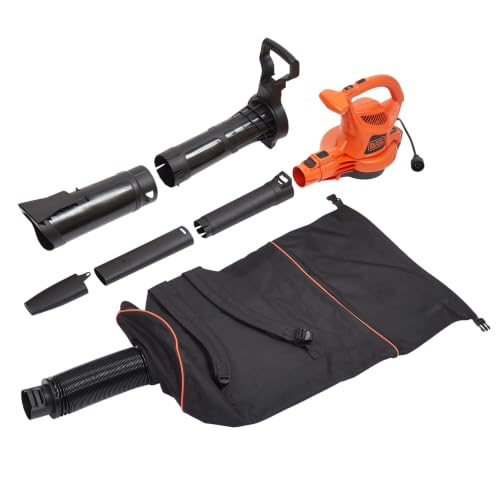
- ✓ Comfortable backpack fit
- ✓ Strong POWERBOOST burst
- ✓ Easy bag emptying
- ✕ Not as light as handhelds
- ✕ Corded operation limits range
| Design Purpose | Backpack-style electric leaf blower with vacuum and mulcher capabilities |
| Airflow and Power | Up to 400 CFM, 250 MPH (POWERBOOST engaged) |
| Attachment System | Flexi-Tube for improved maneuverability during vacuuming |
| Operation Modes | 3-in-1: corded leaf blower, leaf vacuum, mulcher |
| Bag Capacity and Access | Easy-to-wear backpack with up to 2x bag capacity and zipper-free bag with wide opening for quick emptying |
| Weight/Portability Consideration | Backpack design intended for hands-free operation and extended use |
The moment I grabbed the BLACK+DECKER 3-in-1 BEBL7000, I wasn’t expecting the backpack to feel as comfortable as it does. The straps sit just right, and the weight distributes like a dream when you’re sprinting down a driveway. I was surprised by how easily the Flexi-Tube wanted to bend around corners without kinking. Your first swing at it feels surprisingly polite in blower mode. It blasts out air with real confidence, and the POWERBOOST button isn’t gimmicky—it gives you a burst when you need it, especially when the mower clippings somehow park in your path. The 250 MPH top speed moves leaves as if they owe you money. Switching to vacuum is where the system starts to shine in real-world use. The wide-loading bag and zipper-free design make emptying effortless, even with damp leaves. The vac mode feels steadier than I expected, and the mulcher helps manage the debris pile without turning the job into a chaotic cleanup. The 3-in-1 design is genuinely practical for a weekend warrior setup. You can flip between corded blower, vacuum, and mulcher without hunting for extra gear. It’s quiet enough for a suburban morning, and the electric motor doesn’t cough or vibrate excessively, which makes longer sessions less tiring. If you’re dealing with a stubborn pile in a tight corner, the backpack helps you stay upright and maintain momentum. The bag’s large capacity means fewer trips to the curb, and the wide opening means you’re not wrestling the leaves to fit them in. Overall, you’ll appreciate how flexible, comfortable, and surprisingly powerful this blower-vac-mulcher feels in day-to-day yard work. It’s the kind of tool that actually lowers the friction of fall cleanup.
CRAFTSMAN 3-in-1 Leaf Blower, Vacuum & Mulcher CMEBL7000

- ✓ Easy backpack comfort
- ✓ Quick tool-free changes
- ✓ Strong, steady airflow
- ✕ Not ultra-light
- ✕ Noise level noticeable
| Motor Power | 12 Amp |
| Airflow (CFM) | up to 450 CFM |
| Wind Speed (MPH) | up to 260 MPH |
| Tool-Free Conversion | Blower, vacuum, and mulcher conversion without tools |
| Debris Capacity (Mulcher Bag) | Backpack collection bag with 55 L capacity |
| Mulcher/Chipping Mechanism | Mulcher capable (3-in-1: blower, vacuum, mulcher) |
You know that adrenaline moment when you realize a tool actually fits your workflow? I felt that with the CRAFTSMAN CMEBL7000 as soon as I slipped the backpack on and heard the quiet whirr of the 12-amp motor starting up.
The design hugs your shoulders, and the wide-mouth collection bag feels like it was built for real, not gimmicks. I used it to clear a thick bed of leave and pine needles, and the 450 CFM/260 MPH combo had no trouble moving debris in seconds.
Switching from blower to vacuum is seamless, thanks to the tool-free change. One moment you’re blowing, the next you’re mulching, and the transition doesn’t stall your rhythm.
The mulching ratio surprised me—more compact debris without needing a second pass. The 55L backpack bag felt balanced, not an awkward drag, and I could walk the length of a windy border without feeling like I was fighting the weight.
In practice, the backpack setup shines for long sessions. The harness distributes weight nicely, so your shoulders don’t ache after an hour of steady use.
The nozzle design stays comfortable in your hands, and the chute angle helps you target stubborn piles without bending at weird angles. It’s loud enough to clear a yard, but not alarming, and the motor seems to hold steady even when the load is heavy.
If you’re cleaning sidewalks, driveways, or a leaf-strewn lawn, this CMEBL7000 feels practical and honest. The tool-free conversion and generous bag capacity make it a one-stop solution for fall cleanup.
It’s straightforward, no-nonsense gear that respects your time and effort.
What Is a Backpack Electric Leaf Blower and How Does It Work?
A backpack electric leaf blower is a portable gardening tool designed to efficiently clear leaves, debris, and other lightweight materials from lawns, driveways, and sidewalks. Unlike traditional leaf blowers that are handheld or wheeled, backpack models are worn on the user’s back, distributing weight evenly and allowing for extended use without causing fatigue. These blowers operate on electric power, either through a corded connection or battery, making them quieter and more environmentally friendly compared to gas-powered alternatives.
According to the U.S. Environmental Protection Agency (EPA), electric leaf blowers produce lower emissions and noise levels than their gas-powered counterparts, making them a more eco-conscious choice for yard maintenance. The American National Standards Institute (ANSI) also sets guidelines for noise levels in outdoor power equipment, highlighting the importance of using quieter tools in residential areas.
Key aspects of backpack electric leaf blowers include their ergonomic design, powerful motor capabilities, and versatility. The backpack design allows for weight distribution across the user’s shoulders and hips, reducing strain during prolonged use. Most models feature variable speed settings, enabling users to adjust airflow according to the task at hand, whether it’s clearing wet leaves or light dust. Additionally, many backpack electric leaf blowers come with interchangeable batteries, providing users the option to continue working without interruption when one battery runs low.
This technology impacts both residential and commercial landscaping practices by providing a cleaner, quieter alternative to traditional leaf clearing methods. In urban areas where noise ordinances are prevalent, homeowners and landscapers can utilize these tools without disturbing neighbors. Moreover, the reduced emissions contribute to improved air quality, which is particularly beneficial in densely populated regions. Statistics from the Outdoor Power Equipment Institute (OPEI) indicate that the market for electric outdoor power equipment, including backpack leaf blowers, has seen a significant increase, reflecting a growing preference for sustainable gardening tools.
The benefits of using a backpack electric leaf blower include decreased operational costs, as electricity is generally cheaper than gasoline, and lower maintenance needs, since electric motors require less upkeep. Additionally, these blowers often have features such as brushless motors, which enhance efficiency and extend the tool’s lifespan. Applications extend beyond leaf clearing; these blowers can also be used for cleaning debris from garages, patios, and sidewalks, making them a versatile tool for homeowners and professionals alike.
Best practices for using a backpack electric leaf blower include regularly checking battery life and ensuring batteries are fully charged before use. Users should also familiarize themselves with the different speed settings to optimize performance for various tasks. To maximize efficiency and minimize noise, it’s advisable to schedule leaf blowing during designated hours, typically in the late morning or early afternoon when noise is less likely to disturb others. By adapting to these practices, users can enjoy the full benefits of their backpack electric leaf blowers while being considerate of their environment.
What Key Features Should You Prioritize in a Backpack Electric Leaf Blower?
When searching for the best backpack electric leaf blower, consider the following key features:
- Battery Life: A long-lasting battery is crucial for extended use without interruptions, allowing you to complete your tasks efficiently. Look for models that offer at least 30-60 minutes of runtime on a single charge, as this will ensure you can manage larger areas without frequent recharging.
- Air Speed and Volume: The effectiveness of a leaf blower is largely determined by its air speed (measured in mph) and air volume (measured in cfm). High air speeds are ideal for moving wet leaves or debris, while a higher air volume is essential for clearing large areas quickly.
- Weight and Comfort: Since backpack leaf blowers are worn on the back, lightweight models are preferable to reduce fatigue during prolonged use. Look for ergonomic designs with padded straps and adjustable harness systems that distribute weight evenly for maximum comfort.
- Noise Level: Electric leaf blowers are generally quieter than gas-powered models, but some still produce significant noise. Check the decibel rating to find a blower that operates at a comfortable noise level, especially if you’re working in noise-sensitive areas.
- Speed Control Options: Variable speed settings allow you to adjust the blower’s power based on the task at hand, providing greater control and efficiency. This feature is particularly useful for different types of debris, from light leaves to heavier materials.
- Durability and Build Quality: A sturdy construction ensures that the blower can withstand regular use and harsh conditions. Look for models made from high-quality materials, which can contribute to a longer lifespan and better performance over time.
- Additional Features: Consider features like cruise control, which can help maintain a constant speed without continuous trigger pressure, or a built-in vacuum capability for added versatility. Accessories such as nozzle attachments can also enhance performance for specific tasks.
How Do Air Speed and Air Volume Affect Performance?
Air speed and air volume are crucial factors that significantly affect the performance of electric backpack leaf blowers. Understanding their roles helps users select the best model for their needs.
-
Air Speed (measured in miles per hour, MPH): This refers to how fast the air is expelled from the blower. Higher air speeds are ideal for moving heavier debris like wet leaves or small branches. A blower with a speed of 150 MPH or more is generally sufficient for most residential tasks.
-
Air Volume (measured in cubic feet per minute, CFM): This indicates the amount of air that the blower can move. A high CFM is essential for efficiently clearing large areas or handling lighter materials like dry leaves and grass clippings. For instance, a backpack blower with a CFM of at least 400 is effective for residential lawns.
An optimal balance between air speed and air volume is key to effective leaf clearing. For instance, a powerful blower with high air speed but low volume may struggle with extensive leaf coverage, while one with high volume but low speed might fail to displace heavier debris. Selecting a model that offers a suitable combination of both will ensure better results and efficiency.
What Battery Life Is Optimal for Efficiency?
When considering the optimal battery life for efficiency in electric leaf blowers, especially backpack models, several factors come into play including runtime, power output, and recharge time.
- Runtime: The ideal runtime for a backpack electric leaf blower is typically between 30 to 60 minutes on a single charge. This duration allows users to complete yard work without frequent interruptions, ensuring efficiency during operation.
- Power Output: A good balance of battery life and power output is crucial; look for models that offer at least 400 CFM (cubic feet per minute) for efficient leaf clearing. This ensures that the blower can handle various types of debris without draining the battery too quickly.
- Recharge Time: Quick recharge times enhance overall efficiency, with optimal models taking around 30 to 60 minutes to fully recharge. This allows users to quickly get back to work if additional battery is needed, especially during larger jobs.
- Battery Type: Lithium-ion batteries are preferred for their longevity and efficiency, providing consistent power output without significant voltage drops. They also have a lower self-discharge rate, ensuring that the blower is ready to use when needed.
- Weight Management: The weight of the battery impacts overall usability; an optimal battery life should not compromise the blower’s weight. Ideally, the combined weight of the blower and battery should remain manageable for extended use without causing fatigue.
What Are the Advantages of Using a Backpack Electric Leaf Blower?
The advantages of using a backpack electric leaf blower include efficiency, comfort, and environmental benefits.
- Ergonomic Design: Backpack electric leaf blowers are designed to distribute weight evenly across the back, reducing strain on the user. This ergonomic feature allows for extended use without discomfort, making it ideal for larger areas or prolonged tasks.
- Power and Performance: Many backpack electric leaf blowers offer high airflow and velocity, making them effective for clearing leaves and debris quickly. Their powerful motors ensure that even wet leaves can be handled efficiently, providing a strong performance comparable to gas-powered models.
- Quiet Operation: Unlike gas-powered leaf blowers, electric models operate much more quietly, which is beneficial for residential areas or noise-sensitive locations. This quiet operation allows users to work without disturbing neighbors or wildlife, making it a more considerate choice.
- Environmentally Friendly: Backpack electric leaf blowers produce zero emissions during operation, contributing to cleaner air and a reduced carbon footprint. This makes them a sustainable choice for eco-conscious consumers who want to minimize their environmental impact.
- Low Maintenance: Electric models require less maintenance compared to gas-powered counterparts, as there are no oil changes or fuel mixing involved. Users save time and money on upkeep, allowing them to focus more on their landscaping tasks.
- Instant Start: With a backpack electric leaf blower, users can enjoy the convenience of instant start features, simply pressing a button or pulling a trigger to begin operation. This eliminates the hassle of pull-starting a gas engine and ensures that the blower is ready to use at a moment’s notice.
How Does the Noise Level Compare to Gas-Powered Options?
| Type | Noise Level | Typical Decibel Range |
|---|---|---|
| Electric Leaf Blower | Generally quieter, making it suitable for residential areas. | 60-75 dB – Lower than gas options. |
| Example Model: EGO Power+ LB5800 | Quiet operation ideal for neighborhoods. | 65 dB |
| Gas-Powered Leaf Blower | Louder operation, can be disruptive in quiet neighborhoods. | 75-95 dB – Higher noise levels, often exceeding residential limits. |
| Example Model: Husqvarna 350BT | Significantly louder, may disturb nearby residents. | 94 dB |
| Impact on User Experience | Lower noise levels of electric models enhance comfort during use. | Less fatigue and stress for the user. |
| Regulations | Many cities have noise ordinances that restrict use of gas-powered blowers. | Users may face fines for exceeding noise limits. |
What Are the Environmental Benefits of Choosing Electric?
By choosing electric options, users contribute to sustainable resource use, as these devices do not rely on fossil fuels. This shift can help foster the growth of renewable energy technologies and reduce dependence on oil, which is vital for long-term environmental health.
Finally, electric leaf blowers minimize the risk of soil and water contamination, as they do not have fuel leaks that can occur with gas-powered tools. This protection of local water sources and soil quality is essential for maintaining healthy ecosystems and promoting biodiversity in the area.
Which Brands Are Leading the Market in Backpack Electric Leaf Blowers?
The leading brands in the market for backpack electric leaf blowers include:
- Greenworks: Known for their reliable and efficient electric tools, Greenworks offers backpack leaf blowers that are lightweight and powerful, making them ideal for both residential and commercial use. Their models typically feature long battery life and quick charging capabilities, allowing users to work for extended periods without interruption.
- Makita: Makita is renowned for its high-quality construction and innovative technology in outdoor power equipment. Their backpack electric leaf blowers are designed for maximum airflow and efficiency, with ergonomic designs that reduce user fatigue during prolonged use. Additionally, they often incorporate advanced battery systems for longer runtime and faster charging.
- Echo: Echo is a well-respected name in the landscaping industry, and their backpack electric leaf blowers are no exception. They combine robust power with a user-friendly design, featuring adjustable speed settings and low noise operation, which makes them suitable for use in noise-sensitive environments. Echo’s models are also known for their durability and performance in heavy-duty applications.
- Stihl: Stihl is synonymous with quality and performance in outdoor power tools, and their electric leaf blowers reflect this legacy. Their backpack models are engineered for high efficiency, often offering powerful airflow and low emissions, making them an eco-friendly choice for users. Stihl also emphasizes user comfort with adjustable straps and padded backs for ease of use during extended tasks.
- RYOBI: RYOBI focuses on innovation and affordability, catering to both homeowners and professionals. Their backpack electric leaf blowers are equipped with user-friendly features such as variable speed control and lightweight construction, making them easy to handle. The brand also offers compatibility with other RYOBI 40V tools, allowing users to maximize their battery investment.
What Insights Do Experts Offer on Choosing the Best Backpack Electric Leaf Blower?
Experts offer valuable insights on several key factors to consider when choosing the best backpack electric leaf blower:
- Power and Performance: The power of a backpack electric leaf blower is typically measured in volts and CFM (cubic feet per minute). A higher CFM indicates more airflow, making it easier to clear leaves and debris efficiently, especially in larger areas.
- Battery Life: Battery life is crucial for ensuring that the blower can perform for extended periods without needing a recharge. Look for models with longer run times and the option for quick battery swaps to minimize downtime during use.
- Weight and Comfort: Since backpack leaf blowers are worn on the back, their weight and design significantly affect user comfort. Opt for lightweight models with adjustable straps and ergonomic designs to reduce strain during prolonged use.
- Noise Level: Electric leaf blowers are generally quieter than gas-powered ones, but the noise level can still vary. Choose models that operate at lower decibels to ensure a more pleasant working environment and to comply with local noise regulations.
- Build Quality and Durability: The durability of the materials used in the construction of the blower can affect its longevity and performance. Look for models made from high-quality, weather-resistant materials that can withstand outdoor conditions.
- Additional Features: Many backpack electric leaf blowers come with extra features like variable speed settings, cruise control, or interchangeable nozzles. These features enhance versatility and allow users to customize the blower’s operation for different tasks.
How Can You Maintain Your Backpack Electric Leaf Blower for Longevity?
To ensure the longevity of your best backpack electric leaf blower, regular maintenance is essential. Here are key maintenance practices:
- Regular Cleaning: Keeping the exterior and air intake of your leaf blower clean helps prevent dust and debris from clogging the system. Make sure to use a soft brush or cloth to wipe down the surfaces and remove any buildup after each use.
- Battery Care: For electric models, maintaining the battery is crucial. Always follow the manufacturer’s guidelines for charging and storage, and avoid overcharging to extend the battery’s lifespan. Additionally, store the battery in a cool, dry place when not in use.
- Check and Tighten Fasteners: Over time, screws and bolts can loosen due to vibration during operation. Regularly inspect and tighten all fasteners to ensure that the blower remains securely assembled and operates safely.
- Inspect the Electrical Components: Periodically check the power cord and connectors for any signs of wear or damage. Replacing frayed wires or damaged connectors promptly can prevent electrical issues and ensure safe operation.
- Store Properly: When not in use, store your backpack blower in a dry, sheltered area to protect it from the elements. Avoid leaving it outside, as exposure to moisture can lead to rust and electrical problems.
- Follow Manufacturer’s Recommendations: Always refer to the user manual for specific maintenance tips and schedules provided by the manufacturer. These guidelines are tailored to your model and can help you avoid common pitfalls.