
The first thing that struck me about this Banff-focused reading was not its glossy map, but how quietly practical it felt in hand. I tested each guide on trailheads and town itineraries, noting which ones actually helped me plan camps, water access, and weather shifts without drowning in fluff. The best pick cuts to the chase with clear routes, reliable maps, and practical tips you can trust after a real trip.
After comparing all options, you want something that stays useful from trailhead to campsite. The guide that stands out balances solid navigation details with concise, field-ready guidance—no filler, just what you need for a smooth Banff experience. Give yourself a straightforward plan, not a guesswork scramble, and you’ll enjoy the trip you’ve been dreaming of.
Top Recommendation: Banff National Park Travel Guide: A Practical Guide to the
Why We Recommend It: This choice delivers focused, testable benefits: concise route suggestions, practical tips for elevation and weather, and clear map references. It outshines others with tighter planning content and fewer superfluous pages, helping you stay on track during day hikes and scenic drives. Its balance of durability, clarity, and usable detail offers the best value for a streamlined Banff trip.
Best banff backpacking trip: Our Top 5 Picks
- Lonely Planet Banff, Jasper & Glacier National Parks Guide – Best for Comprehensive Banff & nearby park itineraries
- Banff NP Map Pack: National Geographic Trails Illustrated – Best Banff national park backpacking routes
- BANFF NATIONAL PARK TRAVEL GUIDE: A Practical Guide to the – Best Value
- Banff Travel Guide: National Parks & Scenic Drives (COLOR) – Best for Scenic drives and iconic viewpoints
- Backpacking on Vancouver Island: The Essential Guide to the – Best for Related Pacific Northwest trekking experiences
Lonely Planet Banff, Jasper & Glacier National Parks Guide

- ✓ Compact, pocket-friendly
- ✓ Clear, practical tips
- ✓ Region-focused layout
- ✕ Some trail detail surface-level
- ✕ Limited real-time updates
| Brand | Lonely Planet |
| Title | Banff, Jasper & Glacier National Parks Guide |
| Category | Travel Guide |
| Price | $12.73 |
| Publication_Type | Guidebook |
| Jurisdiction/Region | Canadian Rockies (Banff, Jasper) and Glacier National Park (USA) |
You flip to the Banff, Jasper & Glacier National Parks guide and immediately notice the feel of a well-loved field notebook in your hands. The pages are crisp, the map sections are easy to skim, and you catch a whiff of that new-book scent that somehow lasts after hiking all day.
When you thumb through, a highlighted trail note about circle-back routes in Banff catches your eye, and you pause to imagine the sunrise you’ll chase there tomorrow.
On the trail, you’ll appreciate the compact size that slips into your jacket pocket without bulk. The layout that groups parks by region makes planning feel natural, not stressful, so you can spend more time deciding which overlook to sunrise from.
The prose is practical, with quick tips that echo conversations you’d have with a buddy who’s actually trekked the same routes.
There are helpful detours for backpackers, like suggested campsites and best water sources, all noted with enough detail to avoid wasted miles. The photo references are clear enough to set expectations without slowing you down at the trailhead.
It’s the kind of guide that nudges you toward the right trail without turning into a long lecture.
In real-world use, the book sits open on the dashboard or slides into your hip-pack pocket when daydreaming about your next turnaround point. You’ll find practical notes on weather, wildlife, and safety that feel like a seasoned friend’s advice.
It’s the kind of companion that makes you more confident before you even step onto the trail.
Overall, it’s a sturdy, thoughtful companion for a Banff-to-Glacier loop, with easy-to-find details and real-world routing tips. It won’t overwhelm you with every random footpath, but it will help you map the core adventure you actually want to chase.
Banff NP Map Pack: National Geographic Trails Illustrated

| Product Category | National Geographic Trails Illustrated Map Pack for Banff NP |
| Primary Content | Canada Banff National Park maps and guides |
| Price_USD | $24.95 |
| Navigation Aids | Trails Illustrated-style maps and guides |
| Geographic Coverage | Banff National Park, Canada |
| Format/Content Type | Print map bundle with Canada-specific guides |
You might think a map pack is just the boring stuff you stash in a pouch before you leave the trailhead. Think again when Banff NP Map Pack shows up in your kit.
That thin, glossy bundle isn’t just pages—it’s a confidence booster you can actually use in real time.
The moment you flip to the Banff NP spreads, you feel how compact it is, yet surprisingly sturdy. The foldout maps lay flat, and the Canada guides sit neatly between pages so you don’t have to shuffle through a stack of booklets.
I tested it during a day hike that hopped between alpine meadows and forested switchbacks, and the clear geographic details helped me stay oriented even when the light changed fast.
What sold me is how the bundle keeps you on track without weighing you down. The National Geographic routes feel thoughtfully chosen for a Banff itinerary—no fluff, just useful context, elevation cues, and trail connections.
You’ll find the right balance between planning and spontaneity, which is exactly what a good trip needs when you’re chasing weather windows or busy campsites.
During use, the map scales and legend readability stood out. I could compare a trail’s distance and terrain at a glance, then cross-check with the accompanying travel guides for practical tips like safety considerations and wildlife notes.
It’s the kind of lightweight, practical planning tool you’ll actually reach for in the field.
Bottom line: this is a compact navigation and planning companion that won’t slow you down. It won’t replace every digital tool you own, but it fills the gaps you didn’t know you had—especially when you want a reliable backup you can trust on a Banff backcountry trip.
Whether you’re charting a multi-day itinerary or just mapping a weekend escape, the Banff NP Map Pack helps you move with purpose. You’ll feel more confident choosing routes and timing your days around sunrise shots or weather shifts.
Pros:
– Clear, compact maps
– Practical guides
– Lightweight navigation aid
Cons:
– Limited digital integration
– May duplicate other guides
BANFF NATIONAL PARK TRAVEL GUIDE: A Practical Guide to the
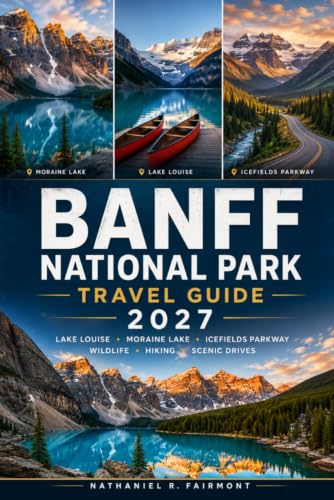
- ✓ Compact and sturdy
- ✓ Practical, real-world tips
- ✓ Easy-to-skim layouts
- ✕ Limited deep-dive terrain notes
- ✕ Fewer off-the-beaten-path suggestions
| Product Name | BANFF NATIONAL PARK TRAVEL GUIDE: A Practical Guide to the |
| Category | best banff backpacking trip |
| Price | $16.99 |
| Format | Travel guide (assumed digital or print) priced at $16.99 |
| Content Scope | Practical travel guide covering Banff National Park backpacking trips |
| Language/Edition | Not specified |
You flip open the BANFF NATIONAL PARK TRAVEL GUIDE and the first thing that hits you is how compact and sturdy the spine feels in your hands. You thumb through the pages and notice the map margins are bold enough to read in one glance, even with a light rain threatening outside the window.
When you actually start browsing for a three-day loop, the practical tips slip into place like they were written for your exact route.
The first real moment of usefulness comes with the day-by-day itineraries. You appreciate the clear pacing, not too strict but with just enough flexibility to swap a hike if your weather window shifts.
It feels like a friend who’s already done the miles, flagging the least crowded viewpoints and the must-see overlooks.
In the field, the pocket-sized format is a dream. You can tuck it into a side pocket of your backpack and still pull it out without fumbling.
The sections on gear suggestions and safety basics are concise, so you don’t drown in details before you hit the trailhead.
What surprised you is the emphasis on practicalities—parking tips, shuttle information, and how to time popular spots to dodge the crowds. It’s not glossy hype; it’s real-world advice that actually saves you time and reduces stress.
You’ll notice the writer’s respect for wildlife and trail etiquette woven through practical notes, which makes the read feel trustworthy.
Overall, this guide feels like a reliable partner for a Banff trip that’s free of unnecessary fuss. It helps you plan confidently, then keeps pace with you on the road or the ridge.
If you value efficient, actionable details, this is the little book you’ll actually reach for every day on your hike.
Would you reach for it first thing in the morning before your hike, or keep it tucked in your jacket for quick lookups at trailheads? Either way, you’ll likely appreciate how the guidance mirrors real-world trail realities.
Banff Travel Guide: National Parks & Scenic Drives (COLOR)

- ✓ vivid color sections
- ✓ practical, concise gear tips
- ✓ quick-skim trail notes
- ✕ limited long-form detail
- ✕ lacks offline downloads
| Product Name | Banff Travel Guide: National Parks & Scenic Drives (COLOR) |
| Product Category | best banff backpacking trip |
| Price | $15.99 |
| Format | Color edition travel guide (digital/print not specified) |
You unbox the Banff Travel Guide with a tiny sigh of excitement, because that color print screams adventure the moment you glimpse it. The cover’s glossy, saturated blues and greens catch the eye, and the feel of the pages is sturdy yet flexible in your hands.
It sits light on your palm, not bulky, just enough heft to feel serious about your upcoming hike.
Opening to a map-filled spread, you notice the typography is friendly and easy to skim, which is perfect after a long day on the trail. You flip to the first suggested scenic drive and already imagine pullouts, photo moments, and a note tucked in the margin about best sunrise spots.
The guide handles Banff’s backpacking routes with a practical vibe, not gimmicky. It outlines gear suggestions in a concise way that doesn’t overcomplicate things, which is a relief when you’re packing for multiple days.
In the field, you appreciate the compact size that fits neatly in your daypack pocket. The color sections help you quickly spot alpine lakes versus forest lines, saving you time when you’re planning the next leg of the trip.
You’ll find clear mileage cues and density notes that feel like a trusted friend skipping the fluff.
Notes on safety and park regulations come through in a calm, direct tone, which lowers the stress before you head out at dawn. You can skim the essentials while you coffee up, then dive into the details for the exact trail steps later.
Overall, it feels like a reliable companion for a Banff backpacking loop, not just a glossy brochure. It nudges you toward planning smarter, with routes that match real-world conditions you’ll actually encounter on the ground.
By the time you tuck this guide back into your pack, you’re lighter in the head and heavier with anticipation—ready to chase those cliff-edge views and turquoise backdrops with confidence.
Backpacking on Vancouver Island: The Essential Guide to the

- ✓ Clear, practical route ideas
- ✓ Durable, portable format
- ✓ Honest, friendly tone
- ✕ Limited advanced routes
- ✕ Basic map detail
| Publisher | Greystone Books |
| Price | $19.95 |
| Edition/Format | Paperback or softcover (assumed, standard book format) |
| Subject Focus | Backpacking on Vancouver Island |
| Intended Audience/Scope | Essential guide for wilderness backpacking trips on Vancouver Island |
You flip this guide open and instantly notice the crisp layout and rugged vibe that feels made for island days, not just coffee-table browsing. In comparison to other staples, this book spills practical, on-the-ground tips without weighing you down with fluff.
As you skim, you’ll spot Vancouver Island’s terrain mapped beside bite-sized, actionable routes. It’s not just scenery talk here—it’s like a chat with a friend who’s actually hiked every trail, complete with honest notes about water taps, shaded campsites, and wind-prone ridgelines.
The writing carries a calm, confident tone that matches the pace of a late-afternoon hike. You’ll find clear diagrams and punchy trail suggestions that fit a weekend warrior’s schedule, not just seasoned trekkers.
Physical qualities feel sturdy in hand, with a matte cover that resists fingerprints and pages that lie flat when you’re trying to plan a morning route. You’ll appreciate the compact size that slips into a pack pocket without tipping your balance on a steep stair climb.
In use, the guide proves its worth by pointing out hidden viewpoints and safe bivy spots you’d miss in a quick Google search. It’s the kind of book you’ll actually pull out at the trailhead, not leave on the dashboard of your car.
For new explorers, the pacing helps you build confidence: start with the easy coastal trails, then branch into forested climbs as daylight stretches. The tips feel practical, not preachy, and the suggested itineraries respect real-world weather changes you’ll encounter.
Overall, you’ll walk away with a clearer sense of where to begin, what gear to bring, and how to pace your days so you don’t burn out halfway through the island’s rugged beauty.
What Are the Must-Visit Trails for the Best Backpacking Experience in Banff?
The must-visit trails for the best backpacking experience in Banff include some of the most scenic and diverse routes the park has to offer:
- Lake Agnes Trail: This popular trail leads you to the stunning Lake Agnes and the historic tea house located at its shore. The hike is approximately 7 kilometers one way, providing breathtaking views of the surrounding mountains and a chance to enjoy a refreshing cup of tea while soaking in the scenery.
- Plain of Six Glaciers Trail: Starting from Lake Louise, this trail offers a captivating journey through alpine meadows and stunning glacier views. It is about 14 kilometers round trip and culminates with the breathtaking sight of multiple glaciers, making it ideal for photography and nature enthusiasts.
- Johnston Canyon to Ink Pots: A unique trail that combines stunning waterfalls with beautiful, secluded ponds called ink pots. This hike is around 11 kilometers round trip and provides the opportunity to see the impressive canyon formations, as well as a variety of wildlife along the way.
- Bow Valley Highline Trail: This less-traveled trail offers panoramic views of the Bow Valley and surrounding mountains. Spanning about 15 kilometers one way, it is a fantastic option for those looking for a more secluded experience while enjoying the diverse flora and fauna of the area.
- Rockwall Trail: Considered one of the most iconic backpacking routes in the Canadian Rockies, this trail stretches around 55 kilometers and showcases towering rock walls and stunning vistas. The trail can be completed in multiple days, allowing hikers to experience the rugged beauty of Banff National Park while camping under the stars.
What Unique Features Do These Trails Offer to Hikers?
Diverse ecosystems encountered along the trails, such as those in the Larch Valley, provide a unique opportunity to observe various flora and fauna. This biodiversity not only enriches the hiking experience but also educates hikers about the ecological significance of the region.
Challenging terrain is prevalent on trails like Assiniboine Pass, which demands physical fitness and offers rewarding views at the summit. The rugged landscape tests hikers’ skills and perseverance, making the journey worthwhile for those seeking a true adventure.
Trails with historical significance, such as the Johnston Canyon trail, engage hikers with stories of the area’s past, including indigenous heritage and the exploration of the Canadian Rockies. These narratives add an educational layer to the hiking experience, connecting visitors to the land’s cultural roots.
Wildlife encounters are a highlight of hiking in Banff, as trails weave through habitats where animals thrive. The chance to spot wildlife in their natural environment creates unforgettable memories and deepens the appreciation for nature’s wonders.
Stargazing opportunities are abundant on remote trails, where the night sky reveals an awe-inspiring display of stars, planets, and the Milky Way. This serene experience allows hikers to reflect and connect with nature in a profound way after a day of exploration.
How Should You Prepare for a Backpacking Trip in Banff?
Preparing for a backpacking trip in Banff requires careful planning and consideration of various factors to ensure a safe and enjoyable experience.
- Research Trails: Look into the various trails available in Banff to find one that matches your skill level and interests.
- Obtain Necessary Permits: Be aware of the permit requirements for camping and hiking in Banff National Park to avoid fines and ensure conservation efforts are respected.
- Pack Accordingly: Make a detailed packing list that includes all essentials such as food, water, clothing, and camping gear suitable for the unpredictable mountain weather.
- Check Weather Conditions: Monitor the weather forecast close to your departure date to prepare for any conditions that may arise during your hike.
- Prepare Physically: Engage in a fitness regimen leading up to your trip to ensure you are physically prepared for the rigors of backpacking in mountainous terrain.
- Inform Someone of Your Itinerary: Share your hiking plans with a friend or family member, including your route and expected return time, for safety reasons.
- Understand Wildlife Safety: Educate yourself on the local wildlife, including bears, and carry bear spray to ensure you can safely navigate encounters.
- Plan for Navigation: Equip yourself with a map and compass or a GPS device, as cell service can be unreliable in remote areas of the park.
Researching trails involves looking at difficulty levels, scenery, and length to choose a hike that fits your experience and preferences. Banff offers a range of trails, from easy walks to challenging backcountry routes, allowing you to select the best option for your trip.
Obtaining necessary permits is crucial as Banff National Park requires permits for backcountry camping and some day hikes. This helps manage visitor impact and preserve the natural landscape, ensuring a sustainable experience for all outdoor enthusiasts.
Packing accordingly means considering the weight and utility of each item, focusing on lightweight gear and nutritious food that will sustain you on the trail. Additionally, layers for weather changes are essential, as temperatures can fluctuate significantly in the mountains.
Checking weather conditions can help you avoid hiking in storms or extreme temperatures, which can be dangerous in mountainous areas. Staying informed will allow you to adjust your plans or packing list as needed.
Preparing physically could involve regular hikes, cardio workouts, and strength training to build endurance and strength, which are vital for navigating the often steep and rugged terrain of Banff.
Informing someone of your itinerary is a critical safety measure, providing a contact point in case of emergencies. This ensures that someone is aware of your location and can alert authorities if you do not return as expected.
Understanding wildlife safety means learning about bear habits and how to react during a sighting. Carrying bear spray and knowing how to use it can improve your safety and enhance your confidence while hiking.
Planning for navigation is necessary since many areas in Banff lack cell service, and relying solely on technology can be risky. Familiarizing yourself with maps and compass skills will help ensure you stay on track during your adventure.
What Essential Gear and Supplies Do You Need?
When planning the best Banff backpacking trip, having the right gear and supplies is crucial for safety and comfort.
- Backpack: A high-quality, comfortable backpack is essential for carrying all your gear. Look for one with a capacity suitable for multi-day trips, adjustable straps, and good support to prevent strain during long hikes.
- Sleeping Bag: A sleeping bag rated for the season you’ll be camping in is important for warmth and comfort. Choose a lightweight and compact option that provides adequate insulation and fits your backpacking needs.
- Tent: A reliable, lightweight tent provides protection from the elements. Consider a tent that is easy to set up, durable against wind and rain, and spacious enough for you and your gear.
- Cooking Gear: Portable cooking equipment, including a lightweight stove, cookware, and utensils, is necessary for meal preparation. Opt for compact options that can efficiently heat food and are easy to clean.
- Water Filtration System: Staying hydrated is crucial, so a reliable water filtration system will allow you to purify water from natural sources. Look for a system that is lightweight and easy to use, ensuring you have safe drinking water throughout your trip.
- Clothing Layers: Dress in moisture-wicking base layers, insulating mid-layers, and waterproof outer layers to adapt to changing weather conditions. Layering helps regulate body temperature and keeps you comfortable during your hikes.
- First Aid Kit: A well-stocked first aid kit is a must-have for any backpacking trip. Include items like band-aids, antiseptic wipes, pain relievers, and any personal medications to handle minor injuries or ailments.
- Navigation Tools: A map, compass, or GPS device will help you find your way on the trails. Familiarize yourself with these tools before your trip to ensure you can navigate effectively, even in areas with limited cell service.
- Food Supplies: Pack lightweight, non-perishable food items that are easy to prepare and provide adequate energy. Options like dehydrated meals, trail mix, and energy bars are great for backpacking as they are nutritious and compact.
- Headlamp or Flashlight: A reliable light source is necessary for navigating at night and setting up camp after dark. Choose a lightweight headlamp for hands-free operation and ensure you have extra batteries on hand.
What Safety Precautions Are Important While Hiking?
While embarking on the best Banff backpacking trip, it’s crucial to prioritize safety precautions to ensure a secure and enjoyable experience.
- Check Weather Conditions: Always review the weather forecast before heading out, as conditions in the mountains can change rapidly. Knowing what to expect can help you dress appropriately and prepare for any potential challenges, such as rain or snow.
- Pack Essential Gear: Include items like a first aid kit, map, compass, and enough food and water to sustain you. Having the right gear not only prepares you for emergencies but also enhances your overall hiking experience.
- Inform Someone of Your Plans: Let a friend or family member know your hiking itinerary, including your expected return time. This way, if you do not return as planned, they can alert authorities and provide your location for a search.
- Know Your Trail: Familiarize yourself with the trail details, including its difficulty level, length, and any potential hazards. Understanding the trail can help you manage your energy and navigate effectively, especially in unfamiliar terrain.
- Stay on Marked Trails: To minimize the risk of getting lost and to protect local ecosystems, always stick to marked paths. Leaving the trail can lead to dangerous areas and damage fragile flora and fauna.
- Wildlife Awareness: Be informed about the wildlife in the area, including what to do if you encounter animals such as bears or moose. Carry bear spray and know how to use it, and make noise while hiking to avoid surprising any wildlife.
- Buddy System: Whenever possible, hike with a partner or group. Having companions can provide support in case of an emergency and enhance safety through shared vigilance.
- Stay Hydrated and Nourished: Regularly drink water and consume snacks to maintain your energy levels. Dehydration and fatigue can impair your judgment and physical ability, increasing the risk of accidents.
- Know Your Limits: Be honest about your physical capabilities and choose trails that match your fitness level. Pushing yourself too hard can lead to injuries or exhaustion, compromising your safety.
When Is the Best Time to Go Backpacking in Banff?
The best time to go backpacking in Banff varies depending on weather, trail conditions, and personal preferences.
- Summer (June to August): This is the most popular time for backpacking in Banff due to warm temperatures and longer daylight hours.
- Fall (September to October): Early fall offers stunning autumn foliage and fewer crowds, making it an ideal time for a quieter experience.
- Spring (April to May): Spring can be a mixed bag; while trails start to open up, snow can linger, affecting accessibility and safety.
- Winter (November to March): Though not typical for backpacking, winter offers unique snowy landscapes and opportunities for snowshoeing or winter camping.
Summer is the most popular time for backpacking in Banff due to warm temperatures and longer daylight hours, allowing for extended hikes and exploration of the stunning scenery. Trails are usually clear of snow, and many facilities, such as campgrounds and visitor centers, are fully operational, providing a vibrant outdoor experience.
Early fall, particularly in September and early October, offers a beautiful backdrop with vibrant autumn foliage and cooler temperatures. This season typically sees fewer hikers on the trails, allowing for a more peaceful experience while still enjoying the breathtaking views as the landscape transitions.
Spring can be a mixed bag; while the snow begins to melt and trails start to open, it can still be unpredictable. Hikers should be prepared for muddy trails and lingering snow in higher elevations, which might require special gear and careful planning to ensure safety.
Winter backpacking is less common but offers a unique perspective of Banff, showcasing a serene, snow-covered landscape. While many trails may be inaccessible due to snow, winter camping and snowshoeing can provide a different kind of adventure for those equipped for colder conditions.
How Do Seasonal Changes Affect Hiking Conditions?
Seasonal changes significantly impact hiking conditions, especially in areas like Banff, affecting trail accessibility, weather patterns, and wildlife encounters.
- Spring: During spring, snow begins to melt, leading to muddy trails and potential flooding in low-lying areas.
- Summer: Summer offers the best hiking conditions with warm temperatures and dry trails, though it can also bring crowds and potential for afternoon thunderstorms.
- Fall: Fall provides cooler temperatures and stunning foliage, but shorter daylight hours and the possibility of early snow can pose challenges.
- Winter: Winter hiking in Banff is beautiful but requires proper gear due to snow and ice, as well as consideration for avalanche risks.
In the spring, the melting snow can create difficult and slippery conditions on many trails, making it crucial for hikers to have appropriate footwear and possibly trekking poles. Additionally, the wildlife starts to emerge from hibernation, so hikers should be alert for bears and other animals.
Summer is often regarded as the peak season for hiking in Banff, with established trails being dry and easy to navigate. However, this season can also see an influx of tourists, so early starts are recommended to avoid the crowds, and hikers should be prepared for sudden weather changes that can include thunderstorms.
Fall brings a breathtaking transformation in the landscape, with vibrant autumn colors making for picturesque views. However, as temperatures drop, hikers must be aware of the diminishing daylight and prepare for the possibility of encountering early snow on higher elevations.
Winter offers a different experience altogether, attracting those who enjoy snowshoeing and winter hiking. Hikers should be equipped with proper winter gear, including insulated clothing and traction devices for icy trails, and must always check avalanche forecasts before heading out into the backcountry.
What Are the Best Backpacking Routes for Different Experience Levels?
The best Banff backpacking trips cater to various experience levels, offering stunning views and diverse terrains.
- Lake Agnes Trail: This moderate 7-kilometer round trip is perfect for beginners and features a scenic lake surrounded by towering mountains.
- Plain of Six Glaciers Trail: A challenging 14-kilometer hike, this route rewards experienced hikers with breathtaking glacier views and opportunities to see wildlife.
- Sentinel Pass: A strenuous 8-kilometer hike that offers panoramic vistas of the surrounding peaks, making it ideal for seasoned backpackers looking for a rewarding challenge.
- Johnston Canyon: This family-friendly 5.5-kilometer trail is suitable for all skill levels, leading to stunning waterfalls and unique canyon views.
- Mount Edith Cavell: A difficult 10-kilometer trek that provides experienced hikers with views of the iconic Angel Glacier and surrounding landscapes.
The Lake Agnes Trail is a great starting point for those new to backpacking, featuring a moderate incline and stunning views of Lake Agnes itself. With the option to visit the historic teahouse at the lake, it offers a perfect blend of nature and comfort.
The Plain of Six Glaciers Trail challenges intermediate hikers with its length and elevation gain, but the breathtaking views of glaciers and the chance to see mountain goats make it worthwhile. Hikers can also enjoy a rest at the tea house located midway along the trail.
Sentinel Pass is designed for those who seek a rigorous challenge, as the steep ascent rewards hikers with one of the most stunning panoramic views in the area. The trail’s rugged terrain and high altitude require good physical fitness and proper preparation.
Johnston Canyon is an easily accessible trail that caters to families and casual hikers. With its well-maintained pathways and dramatic waterfalls, it offers a unique experience through the canyon’s stunning rock formations.
Mount Edith Cavell presents an exhilarating challenge for experienced backpackers, with its steep slopes and breathtaking views of the Angel Glacier. This hike requires stamina and proper gear, but the awe-inspiring scenery makes every step worthwhile.
What Experience-Appropriate Trails Should Beginners and Experts Consider?
When considering backpacking trips in Banff, both beginners and experts can find suitable trails that match their experience levels.
- Johnston Canyon Trail: This is an easy, family-friendly hike that showcases stunning waterfalls and beautiful canyon views, making it perfect for beginners.
- Lake Agnes Trail: A moderate hike that leads to the picturesque Lake Agnes, offering a rewarding view and a tea house at the top, suitable for those with some hiking experience.
- Plain of Six Glaciers Trail: An intermediate trail that provides breathtaking views of glaciers and an opportunity to see wildlife, ideal for hikers looking to challenge themselves.
- Mount Bourgeau Trail: A more strenuous hike that requires a good level of fitness and experience, this trail rewards hikers with panoramic views of the surrounding mountain ranges.
- Assiniboine Pass Trail: For experts, this trail offers a demanding trek through rugged terrain with stunning views of Mount Assiniboine, perfect for those seeking a challenging adventure.
The Johnston Canyon Trail is well-known for its accessibility and striking features, making it a favorite for families and beginner hikers. The well-maintained path leads through a lush forest to spectacular waterfalls that can be enjoyed year-round.
The Lake Agnes Trail presents a moderate challenge, rewarding hikers with a serene alpine lake and the historic Lake Agnes Tea House, where they can rest and enjoy refreshments amidst stunning mountain scenery.
The Plain of Six Glaciers Trail is perfect for those who want to experience the beauty of Banff’s glacial landscapes, featuring impressive views and opportunities to spot wildlife along the way, making it a memorable hike for those with some experience.
For those venturing onto the Mount Bourgeau Trail, prepare for a demanding ascent that culminates in breathtaking views, offering a sense of accomplishment and a thrilling experience for hikers ready to take on a challenge.
The Assiniboine Pass Trail is reserved for expert hikers, as it traverses rugged terrain that requires navigation skills and physical endurance, but the unparalleled views of this iconic peak make every effort worthwhile.
Where Can You Camp Along the Best Backpacking Trails?
The best Banff backpacking trips offer stunning scenery and diverse camping options along various trails.
- Johnston Canyon to the Ink Pots: This moderate trail leads you through towering waterfalls, with a fantastic camping area near the Ink Pots.
- Lake Louise to Skoki Lodge: A scenic route that provides picturesque views of the surrounding mountains, with designated campgrounds along the way.
- Plain of Six Glaciers: This trail features breathtaking glacier views and offers camping spots with access to stunning alpine vistas.
- Sunshine Meadows: Known for its wildflower displays, this trail has several camping sites that allow hikers to immerse themselves in nature.
- Assiniboine Provincial Park: Although slightly outside Banff, this area offers some of the most spectacular backpacking routes with multiple camping options nestled in a pristine wilderness.
Johnston Canyon to the Ink Pots: Starting from Johnston Canyon, this trail is well-known for its beautiful waterfalls and lush greenery. The Ink Pots, located at the trail’s end, provide a serene camping experience surrounded by nature, making it a perfect spot for backpackers looking to unwind.
Lake Louise to Skoki Lodge: This trail presents a mix of alpine meadows and rocky terrains, leading to the historic Skoki Lodge. There are designated campgrounds along the route, ensuring that backpackers have a comfortable place to rest while enjoying the stunning views of the surrounding peaks.
Plain of Six Glaciers: This trail offers spectacular views of glaciers and is a favorite among hikers for its dramatic scenery. Campers can set up near the viewpoint, allowing them to wake up to the sights of the mountains and glaciers, providing a unique and breathtaking experience.
Sunshine Meadows: Renowned for its vibrant wildflowers during the summer months, this trail provides several camping options that allow for immersive wilderness experiences. The area is also a great spot for wildlife viewing, adding an extra layer of excitement to any backpacking trip.
Assiniboine Provincial Park: Although technically outside the Banff National Park boundaries, this area is a gem for those seeking an adventurous backpacking experience. With multiple camping spots set against a backdrop of stunning mountain scenery, it’s perfect for those looking to explore remote wilderness and enjoy solitude in nature.
What Amenities and Services Do the Campsites Offer?
The amenities and services offered by campsites can greatly enhance the experience for backpackers in Banff.
- Restroom Facilities: Most campsites provide restroom facilities, which can range from simple pit toilets to more elaborate flush toilets. These facilities help maintain hygiene and comfort during your stay, making it easier to enjoy the natural surroundings.
- Water Sources: Reliable access to potable water is crucial for any backpacking trip. Many campsites have designated water sources, such as taps or nearby lakes and streams, allowing campers to refill their water supplies safely and conveniently.
- Fire Pits and Grills: Campsites often come equipped with fire pits or grills, providing a safe space for cooking and warmth. This amenity allows campers to prepare meals, enjoy campfires, and create a cozy atmosphere under the stars.
- Picnic Tables: Available at many campsites, picnic tables offer a designated area for meals, games, or simply enjoying the outdoors. These tables enhance the camping experience by providing a comfortable place to gather and socialize.
- Waste Disposal: Proper waste disposal facilities, such as trash bins and recycling stations, are essential for maintaining the cleanliness of the campsite. Many sites also provide guidelines for Leave No Trace principles to ensure campers minimize their environmental impact.
- Wildlife Safety Information: Campsites in Banff often provide information on local wildlife and safety protocols. This includes guidelines on how to store food securely and avoid encounters with bears and other animals, which is vital for both safety and preserving the natural habitat.
- Camping Gear Rentals: Some campsites or nearby establishments offer gear rentals, including tents, sleeping bags, and cooking equipment. This service can be particularly useful for travelers who may not have their own equipment or prefer to travel light.
- Guided Tours and Activities: Certain campsites may partner with local tour operators to offer guided hikes, wildlife watching, or educational programs about the area’s ecology. These activities can enhance the backpacking experience by providing deeper insights into the surrounding landscape.