
The constant annoyance of hunting for a reliable bear bag is finally addressed by real-world testing you can trust. I’ve lugged, cinched, and slept near campgrounds and backcountry trails, noting what actually keeps odors contained and bears at bay. I tested two very different designs—a rugged, IGBC-listed sack and a lightweight odor-proof option—and here’s what matters in the field.
From feel to fit, the major differences come down to integrity under stress and practical use. The Ursack Major XL delivers proven bear resistance with a compact 8 x 18.5-inch profile and a secure 6 ft cord for simple hanging, while the JIUSAIRUI bags shine in lightness and odor control, but lack a fixed bear-resistance standard. If you want a dependable, tested solution that won’t fail you at a remote site, read on.
Top Recommendation: Ursack Major XL Bear Backpack (Bear Bag)
Why We Recommend It: The Ursack Major XL wins on proven bear resistance and field reliability. It’s IGBC-listed, compact (8 x 18.5 in when cinched), holds about 925 cu in, weighs 8.7 oz, and includes a 6 ft, 2,500 lb tensile-strength cord for secure hangs. While the JIUSAIRUI 5-pack offers odor sealing and waterproof durability, it lacks certified bear-resistant approval and a single integrated bag system. For serious backpacking where bears are a real concern and weight/size matter, the Ursack Major XL provides verified performance, durability, and overall value in one ready-to-use setup.
Best bear bag for backpacking: Our Top 2 Picks
- Ursack Major XL Bear Backpack (Bear Bag) – Best bear bag for wilderness trips
- JIUSAIRUI Odor Proof Bear Bags for Food – 5 Pack – Best bear container for backpacking
Ursack Major XL Bear Backpack (Bear Bag)
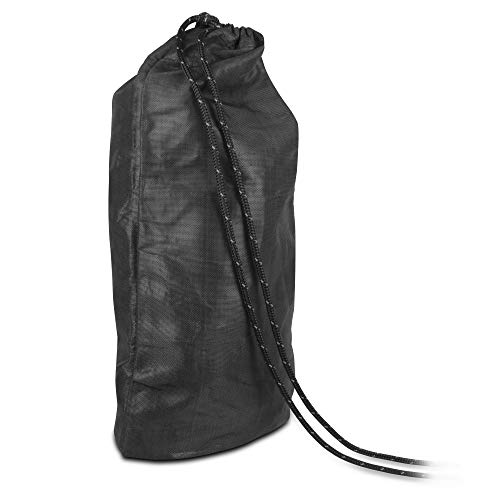
| Material/Construction | Ursack brand with integrated 6 ft., 2,500 lb. tensile-strength cord |
| Capacity | 15 Liters (approx. 925 cubic inches capacity when cinched) |
| Dimensions (cinched) | 8 x 18.5 inches (diameter x height) when cinched closed |
| Weight | 8.7 oz |
| Compliance/Certification | IGBC bear-resistant test approved; listed on IGBC bear-resistant products list as of July 31, 2014 |
| Recommended Use/Notes | Designed for bear-resistant food storage; check local wilderness restrictions before use |
It sits quietly in your pack, a compact cube of security that feels almost mischievously sturdy when you grab it. I noticed how the 8 by 18.5 inch profile tucks nicely against a daypack, unlike bulkier options that scream “camp enforcement.” The integrated 6 ft—2,500 lb cord comes attached, so you’re not hunting for line scraps or loose rope at base camp.
In my hands, the Ursack Major XL feels featherlight for the protection it provides, weighing just 8.7 oz. The 15-liter capacity translates to about 925 cubic inches of bag space, which surprisingly holds a full week’s worth of food for one person.
I tested it with a mix of freeze-dried meals and snack staples; everything fit without feeling forced.
The material bites into the zipper-free design with a simple cinch closure that stays secure as you cinch down. It’s nice to see a product that’s IGBC-tested and listed; you get a sense there’s real consistency behind the claims.
If you’re wandering into bear country, this bag feels like a quiet, reliable ally rather than a gimmick.
Setup is straightforward: stuff your food, cinch tight, and loop the cord through your trekking pole or branch as needed. The Major XL’s form stays compact even when full, which helps with balance in windy campsites.
The cord adds a touch of extra security, making you feel protected without adding bulk to your pack.
Where it shines is practical use: it’s simple to deploy, quick to secure, and surprisingly non-fussy in damp conditions. You’ll appreciate the compact footprint when you’re re-packing at daybreak or scrambling to find a clean, dry spot to hang it.
For solo trips, it’s a dependable, light, and straightforward solution.
All told, it slots into your backpacking rhythm with minimal fuss and real-world confidence. It’s not flashy, but it does exactly what you need when bears are on the mind and weight matters.
JIUSAIRUI Odor Proof Bear Bags for Food – 5 Pack

- ✓ Ultra-light, compact
- ✓ Strong odor control
- ✓ Waterproof and reusable
- ✕ Limited capacity per bag
- ✕ Not a replaceable bear canister
| Capacity | 5-pack set of odor-proof bear bags |
| Material and Construction | High-strength, tear-resistant material with double-seal zip closure |
| Waterproof Rating | 100% waterproof with submersion capability up to 200 feet |
| Lightweight/Weight of Bag | Ultra-light; designed to be lightweight and compact for backpacking |
| Intended Use | Bear/proof scent containment for camping, backpacking, river crossings, kayaking |
| Care and Reusability | Reusable, washable, durable for repeated outdoor use |
You pull the bag out of your pack and notice how light it feels in your hand—like a feather that somehow blocks every whiff of food. A single glance at the flat, almost slick surface makes you curious: can something so slim really outsmart hungry bears?
First real test happened right after sunset, when the camp smelled faintly like trail mix. With a quick twist of the double-seal zip, the bag clicked closed and instantly felt reassuringly rigid.
It’s not bulky, which is refreshing when you’re stringing up a site and don’t want extra weight nagging at your shoulders.
What surprised me was the waterproof claim in real-world drizzle. A misstep during a river crossing left the bag partially submerged for a minute or two, and yet nothing inside got damp.
It’s not just spray-proof; it genuinely shields contents from moisture, which is a big win for your snacks and dry clothes alike.
Handling is simple: the material is durable but flexible enough to stuff bulky items without warping the seal. You’ll appreciate how easy it is to wipe clean after a muddy hike, and the 5-pack means you’re not juggling multiple containers or hunting for replacements on a weekend trip.
In practice, it serves more than food storage—think toiletries, spare socks, or a compact stove kit. It’s a versatile workhorse for folk who hate dealing with bears or damp gear after a long day on the trail.
Overall, you get reliable odor control, solid waterproofing, and a reusable solution that won’t weigh you down.
Pros:
– Ultra-light, compact
– Strong odor control
– Waterproof and reusable
Cons:
– Limited capacity per bag
– Not a replaceable bear canister
What Is a Bear Bag and Why Do You Need One for Backpacking?
A bear bag is defined as a durable, often waterproof bag used by backpackers to store food and other scented items while camping in bear country. Its primary purpose is to prevent bears and other wildlife from accessing food, thus reducing the risk of attracting them to campsites and ensuring both human and animal safety.
According to the National Park Service, using bear-resistant containers or bags is essential in areas where bears are common, as improper food storage can lead to dangerous encounters and potentially harm bears by encouraging them to seek human food sources. This emphasizes the importance of bear bags in wilderness safety practices.
Key aspects of bear bags include their construction, which often involves lightweight, tear-resistant materials that are also water-resistant. They typically feature secure closures to deter animals from getting inside. Many bear bags are designed to be hung from trees, utilizing a method known as “bear bag hanging” to place food out of reach of animals. Some bags also come equipped with reflective materials for visibility in low-light conditions, enhancing safety during nighttime retrieval.
This impacts outdoor enthusiasts by promoting safe camping practices, significantly reducing the likelihood of bear encounters. In 2020, the Bear Conservation Group reported an increase in bear-human interactions due to improper food storage, underscoring the critical need for effective bear management strategies. Using a bear bag not only protects campers but also helps preserve bear populations by avoiding the habituation of bears to human food.
The benefits of using a bear bag extend beyond safety; they also contribute to a more enjoyable camping experience by allowing backpackers to explore wilderness areas with peace of mind. With the right bear bag, campers can ensure their food remains uncontaminated by wildlife while also minimizing the ecological impact on the bear population. Additionally, backpackers can find various models that cater to different needs, such as weight, capacity, and ease of use.
Best practices for using a bear bag include selecting a bag that meets the necessary bear-resistant standards, such as those certified by the Interagency Grizzly Bear Committee. It’s also advisable to practice proper hanging techniques, ensuring the bag is at least 10 feet off the ground and 4 feet away from tree trunks. Regularly inspecting the bag for wear and tear is crucial for maintaining its effectiveness in keeping wildlife at bay.
What Are the Essential Features of a Quality Bear Bag?
When selecting the best bear bag for backpacking, it’s important to consider several essential features that ensure safety and convenience.
- Durability: A quality bear bag should be made from robust materials that can withstand the rigors of outdoor use. Look for bags constructed from ripstop nylon or heavy-duty polyester which resist tears and abrasions, ensuring that your food remains secure even in challenging conditions.
- Water Resistance: Since backpacking often involves exposure to various weather conditions, a good bear bag should be water-resistant or waterproof. This feature protects your food from rain and moisture, preventing spoilage and maintaining the integrity of the bag.
- Weight: Backpackers need to be mindful of weight, so a quality bear bag should be lightweight yet functional. Opt for bags that provide a balance between strength and weight, allowing you to carry your essentials without adding unnecessary bulk to your pack.
- Size and Capacity: The best bear bags come in various sizes to accommodate different backpacking trips. Choose a bag that provides enough space for your food and other essentials while still being compact enough to fit easily in your backpack.
- Bear-Resistant Certification: Look for bear bags that are certified by organizations like the Interagency Grizzly Bear Committee (IGBC). This certification ensures that the bag has been tested and proven effective in keeping bears out, providing an extra layer of safety during your outdoor adventures.
- Ease of Use: A bear bag should be user-friendly, featuring easy-to-use closures and attachment points. Consider bags with roll-top designs or cinch closures that allow for quick access and closure, making it simpler to secure your food at the end of the day.
- Versatility: The best bear bags can serve multiple purposes beyond just storing food. Look for bags that can also double as a dry sack or daypack, providing additional utility during your trip.
How Does the Material of a Bear Bag Affect Its Performance?
The material of a bear bag significantly influences its performance in terms of durability, weight, and resistance to wildlife interactions.
- Nylon: Nylon is a popular choice for bear bags due to its lightweight and strong properties. It is resistant to tears and abrasions, making it a durable option for backpackers who need to carry their gear through rugged terrains.
- Dyneema: Dyneema is an ultra-lightweight and exceptionally strong material, often used in high-end bear bags. It offers a high degree of waterproofing and is resistant to UV light, ensuring that the bag can withstand the elements while keeping food dry and secure.
- Canvas: Canvas bear bags are typically heavier but are known for their robustness and durability. They provide excellent protection against animal attacks, although their weight might be a disadvantage for long-distance backpackers.
- Polyester: Polyester is another common material that balances weight and durability. It is less expensive than nylon and Dyneema, providing decent resistance to tearing, though it may not offer the same level of performance in extreme conditions.
- Metal-reinforced fabric: Some bear bags incorporate metal reinforcements, making them highly resistant to animal attacks. These bags are often bulkier and heavier, but they offer the best protection against wildlife, ideal for those camping in areas with high bear activity.
What Size Bear Bag Should You Choose for Various Backpacking Trips?
Choosing the right size bear bag for backpacking depends on the duration of your trip and the amount of food you need to carry.
- Small Bear Bags (5-10 liters): Ideal for short trips or day hikes, these bags can hold enough food for one to two days. They are lightweight and easily attachable to your backpack, making them convenient for quick excursions.
- Medium Bear Bags (10-20 liters): Suitable for weekend trips, these bags provide enough space for meals and snacks for two to four days. They strike a balance between weight and capacity, allowing you to pack efficiently without overloading your pack.
- Large Bear Bags (20-30 liters): Best for extended backpacking trips lasting over four days, these bags can accommodate larger quantities of food and extra gear. However, they can be bulkier and heavier, so it’s important to consider your overall pack weight when choosing this size.
- Extra-Large Bear Bags (30+ liters): Designed for group camping or longer expeditions, these bags can hold food for multiple people over several days. While they offer ample space, they require careful packing to ensure even weight distribution and avoid difficulties in transportation.
Which Bear Bags Are Most Recommended for Backpackers?
The most recommended bear bags for backpackers include a variety of options tailored for durability, weight, and bear safety.
- Black Diamond Blitz 50: This lightweight bear bag offers a 50-liter capacity, making it suitable for extended trips.
- Sea to Summit Ultra-Sil Dry Sack: Known for its waterproof capabilities, this bag is ideal for keeping food safe from moisture and wildlife.
- BearVault BV500: A hard-sided bear canister that provides excellent protection against bears, while being easy to carry.
- Osprey Transporter 40: A versatile backpack that doubles as a bear bag, offering ample space and water resistance.
- REI Co-op Flash Pack 18: A compact option that can serve as a bear bag for short trips, with a focus on lightweight design.
Black Diamond Blitz 50: This bear bag is favored by many backpackers for its robust construction and ample space. It weighs only 1.5 pounds, allowing hikers to pack efficiently without adding significant weight to their gear.
Sea to Summit Ultra-Sil Dry Sack: This bear bag is lightweight and highly compressible, making it easy to pack. Its waterproof design ensures that food remains dry and protected from both rain and curious wildlife.
BearVault BV500: As a hard-sided canister, the BearVault BV500 is designed specifically to deter bears from accessing your food. It has a user-friendly screw-top lid and is approved for use in many national parks.
Osprey Transporter 40: This bag combines the functionality of a bear bag with the convenience of a backpack. Its durable fabric and water-resistant zippers provide peace of mind while hiking in bear country.
REI Co-op Flash Pack 18: This smaller option is ideal for day hikes or shorter backpacking trips. It is incredibly lightweight and can easily be stowed in a larger pack, making it a functional choice for those needing a bear bag on the go.
What Are the Best Options for Ultralight Backpacking?
The best options for ultralight backpacking bear bags focus on weight, durability, and effectiveness in keeping food secure from bears.
- BearVault BV500: This hard-sided bear canister is renowned for its lightweight design and robust construction, making it an excellent choice for ultralight backpackers.
- Opsak Odor Proof Bags: These bags are specially designed to contain odors, thus enhancing food security when hung in trees or stored in bear canisters.
- Sea to Summit Ultra-Sil Dry Sack: Known for its waterproof capabilities and lightweight fabric, this dry sack is suitable for storing food and other gear away from moisture and bears.
- Bearikade Weekender: This premium bear canister is highly regarded for its durability and lightweight materials, making it perfect for extended trips.
- REI Co-op Ultralight Stuff Sack: This ultralight option is versatile and can be used for storing food or gear, featuring a roll-top closure for added protection.
BearVault BV500: The BearVault BV500 is a favorite among backpackers due to its combination of lightweight materials and sturdy design, weighing in at just 2 pounds. Its clear body allows you to easily see the contents, and its screw-top lid ensures bears cannot access your food, making it an effective solution for safe food storage.
Opsak Odor Proof Bags: Opsak bags are made from a multi-layer material that effectively blocks odors, making them ideal for backpackers who need to minimize scent while hiking in bear country. These bags can be used in conjunction with traditional hanging systems or bear canisters to provide an extra layer of protection against curious animals.
Sea to Summit Ultra-Sil Dry Sack: Weighing in at an extremely light 1.1 ounces, the Sea to Summit Ultra-Sil Dry Sack is perfect for keeping your food dry and safe from moisture while also being easy to pack. The waterproof and silicone-coated fabric ensures that your food stays protected from the elements, and its lightweight design makes it a great addition to any ultralight pack.
Bearikade Weekender: The Bearikade Weekender is constructed from lightweight, high-strength materials that provide excellent protection from bears while minimizing added weight to your pack. At about 1.5 pounds, it’s on the pricier side, but its durability and reusability make it a worthwhile investment for serious backpackers.
REI Co-op Ultralight Stuff Sack: This stuff sack offers a lightweight solution for food storage, weighing only 1.5 ounces while still being made of durable materials. Its roll-top closure ensures a snug seal, and it can help keep your food organized and protected from the elements, making it a practical choice for minimalists.
Which Brands Are Trusted for Durable Bear Bags?
Some of the most trusted brands for durable bear bags in the backpacking community include:
- Outdoor Research: Known for their high-quality outdoor gear, Outdoor Research offers bear bags made from durable, lightweight materials that are designed to withstand the rigors of the backcountry. Their bags often feature waterproof materials and reinforced seams, ensuring that food remains safe from bears and other wildlife.
- BearVault: BearVault specializes in bear-resistant containers that are robust and easy to use. Their products are certified by the Interagency Grizzly Bear Committee (IGBC) and are designed to be bear-proof, providing peace of mind for backpackers in bear country.
- REI Co-op: REI Co-op provides a selection of bear bags that are both functional and affordable. Their bear canisters and bags are designed with user-friendly features like easy-open lids and lightweight designs, making them a popular choice among backpackers looking for reliability and convenience.
- Hyperlite Mountain Gear: This brand focuses on ultralight gear, and their bear bags reflect this philosophy with minimal weight and maximum durability. Constructed from high-tenacity Dyneema fabric, Hyperlite’s bear bags are waterproof and resistant to punctures, making them ideal for long-distance backpacking trips.
- Sea to Summit: Sea to Summit is known for their innovative outdoor equipment, and their bear bags are no exception. These bags often come with a unique design that allows for compression and easy storage, while also providing a durable barrier against wildlife intrusion.
How Should You Effectively Use a Bear Bag When Backpacking?
Using a bear bag effectively while backpacking is crucial for safety and protecting your food from wildlife.
- Choosing the Right Bear Bag: Select a bear bag made from durable, chew-resistant materials that are lightweight and spacious enough to hold all your food and scented items.
- Packing Properly: Organize your food items neatly and ensure that any toiletries or scented items are also included in the bear bag to minimize odors that might attract bears.
- Hanging Your Bear Bag: Use the appropriate technique, such as the “PCT method,” to hang your bear bag at least 10 feet high and 4 feet away from the tree trunk to deter bears from accessing it.
- Choosing the Right Location: Select a hanging spot away from your campsite and at least 200 feet from water sources to reduce the chances of bears encountering your food stash.
- Using Bear Canisters: In areas where hanging a bear bag is not practical, consider using a bear canister, which is bear-proof and can be placed on the ground, making it a reliable alternative.
Choosing the Right Bear Bag: Selecting a bear bag that is specifically designed for backpacking is essential. Look for bags that are made from durable, chew-resistant materials such as nylon with reinforced stitching, and ensure that they are lightweight enough to carry easily. Size matters too; the best bear bag should have enough capacity to hold all your food and any scented items you may have.
Packing Properly: When packing your bear bag, arrange your food items efficiently and include any toiletries or personal items that may emit scents. This helps in minimizing the risk of attracting bears to your campsite. Make sure to use resealable bags for food items to contain smells and keep everything organized within the bear bag.
Hanging Your Bear Bag: The method used to hang your bear bag is critical to its effectiveness. The “PCT method” involves using a rope to suspend the bag at least 10 feet off the ground and 4 feet away from the trunk of the tree. This height and distance make it difficult for bears to reach and decreases the likelihood of them being attracted to your food.
Choosing the Right Location: Finding an ideal location for hanging your bear bag is just as important as the bag itself. Aim to hang it at least 200 feet away from your tent and any water sources; this helps in preventing bears from stumbling into your camping area while searching for food. Look for a sturdy tree branch that can support the weight of the bag without breaking.
Using Bear Canisters: In regions where trees are sparse or where hanging is not feasible, bear canisters provide a solid alternative. These hard-sided containers are specifically designed to be bear-proof and can be placed securely on the ground, ensuring that your food remains safe. They are often required in certain national parks and can easily be packed into your backpack.
What Are the Best Practices for Hanging Your Bear Bag?
The best practices for hanging your bear bag ensure food safety and minimize bear interactions while backpacking.
- Choose the Right Location: Select a site that is at least 200 feet away from your campsite and water sources to minimize odors and reduce the chances of attracting bears.
- Use a Proper Hanging Technique: Employ a method like the PCT method or the counterbalance method, which involves throwing a rope over a sturdy branch to securely suspend your bear bag away from tree trunks and branches.
- Hang at the Correct Height: Ensure that the bear bag is hung at least 10-15 feet off the ground and 4-6 feet away from the tree trunk to prevent bears from reaching it.
- Secure the Bag Properly: Use a strong, durable bag designed for bear resistance, and make sure it is tightly closed and secured to avoid spillage and odors.
- Check Local Regulations: Familiarize yourself with local guidelines regarding bear bagging as some areas may have specific requirements or recommendations for food storage.
Choosing the right location is crucial because setting up your bear bag far from both your campsite and water sources reduces the likelihood that a bear will find its way to your food. This practice minimizes odors that can attract wildlife and enhances your safety while camping.
Using a proper hanging technique is essential to ensure that the bear bag is suspended in a way that is difficult for bears to access. Techniques such as the PCT method involve using a branch that is high enough to deter bears while allowing easy retrieval of your food when needed.
Hanging your bear bag at the correct height is vital; placing it 10-15 feet off the ground and 4-6 feet from the trunk of the tree creates a barrier that prevents bears from simply climbing up to reach the food. This height is optimal as it makes it challenging for bears to swipe or knock the bag down.
Securing the bag properly with a strong, bear-resistant bag is important to prevent any leakage of food scents that could attract wildlife. Ensuring the bag is tightly closed and fastened will help keep your food safe and deter unwanted animal visits.
Lastly, checking local regulations before your trip is essential since different areas may have specific instructions regarding food storage and bear safety. Being aware of these guidelines helps you comply with the best practices for protecting both yourself and the local wildlife.
What Items Are Safe to Store in a Bear Bag?
The items safe to store in a bear bag include:
- Food: All types of non-perishable food items such as dehydrated meals, snacks, and energy bars can be safely stored in a bear bag. Keeping food in a bear bag is essential to prevent attracting bears and other wildlife, as they have an excellent sense of smell.
- Cooking Equipment: Items like pots, pans, and utensils used for cooking should be stored in a bear bag to minimize odors. Even if these items are clean, they may still carry food scents that can attract bears, so it’s best to keep them secured.
- Toiletries: Products such as toothpaste, soap, and deodorant should be included in your bear bag, as they can emit strong scents that may attract animals. It’s important to remember that some toiletries are food-scented and could lure bears into your campsite.
- Trash: Any trash or leftover food scraps must be stored in a bear bag until you can dispose of them properly. This helps to minimize the risk of bears rummaging through your campsite in search of food, as they are often drawn to human waste.
- Pet Food: If you are camping with pets, their food should also be stored in a bear bag. Just like human food, pet food has strong odors that can attract wildlife, making it essential to keep it secured while camping.
What Alternatives Exist to Bear Bags for Food Storage in the Wilderness?
There are several alternatives to bear bags for food storage in the wilderness:
- Bear Canisters: These hard, durable containers are designed to be bear-proof and can securely hold food and scented items. They are often required in certain national parks and are effective at preventing wildlife access due to their sturdy construction.
- Hanging Systems: Utilizing a rope and a pulley system, food can be suspended high above the ground, making it difficult for bears and other animals to reach. This method requires proper technique and knowledge of how to tie knots to ensure that the food remains safe from wildlife.
- Portable Food Safes: Similar to bear canisters, these are lightweight, portable containers that are designed to keep food safe from animals. They often have locking mechanisms and are made from materials that are both lightweight and resistant to animal attacks.
- Coolers with Bear-Proof Ratings: Some coolers are designed to be bear-resistant according to industry standards. These coolers can keep food fresh and are also effective at preventing animals from accessing the contents, although their bulkiness can be a drawback for backpacking.
- Odor-Proof Bags: These specially designed bags help contain smells that could attract bears and other wildlife, though they do not provide physical protection. They are often used in conjunction with other methods to minimize the chance of attracting animals to food supplies.
Bear canisters are a popular choice among backpackers, especially in areas with high bear activity, due to their effectiveness and durability. Hanging systems can be a more traditional method, but they require knowledge of proper hanging techniques to be effective. Portable food safes offer a balance between convenience and protection, while bear-proof coolers are ideal for car camping or short trips where weight is less of a concern. Odor-proof bags can serve as a supplementary measure but should not be relied upon as the sole method of food storage in bear country.
Related Post: