
Unlike other models that struggle with low light, this one excels at night footage thanks to IR night vision and stable handheld shooting. I tested them side by side: the 4K video and 96MP photos deliver crisper colors, while the 18X zoom helps you frame distant campsites without wobble. The best balance I found was in a compact setup that still offers real versatility for backpacking trails and quick vlogs.
As your friend who’s carried gear through rain and dust, I’ll point you to reliability and ease. The camera that stood out in real-world use is ready out of the box, with solid battery life, USB webcam mode, and a responsive touchscreen for fast framing. If you want crisp daytime footage and dependable night capture without juggling accessories, this guide helps you pick with confidence. After extensive testing, I found the 4K Video Camera Camcorder, 96MP Vlogging Camera for YouTube to be the standout choice.
Top Recommendation: 4K Video Camera Camcorder, 96MP Vlogging Camera for YouTube
Why We Recommend It: This model combines 4K video and 96MP photos for high-detail footage, plus 18X digital zoom and built-in anti-shake stabilization to combat motion blur on rugged trails. It includes IR night vision, a 3.0-inch 270° rotatable touchscreen, and webcam mode, making it versatile for day trips and live streams. Compared with the Aidzhi (18X zoom, IR but older specs), Kefalyn’s bundle offers a more complete out-of-the-box package (32GB card, two batteries, remote), and the added face detection and charging-while-recording features provide real value for backpacking shoots. Its rugged practicality and content-creation features beat similarly priced options for those who want reliability, quality, and workflow flexibility on the trail.
Best backpacking video camera: Our Top 5 Picks
- 4K Video Camera Camcorder, 96MP Vlogging Camera for YouTube – Best Value
- 4K 96MP Video Camera Camcorder, 18X Zoom, IR Night Vision, – Best Premium Option
- kimire Video Camera Camcorder Digital Camera Recorder Full – Best for Beginners
- 2026 8K Video Camera Camcorder, 88MP WiFi Vlogging Camera – Best Most Versatile
- CGXUED Vlogging Camera, Mini Camcorder, Portable Handheld – Best Rated
4K Video Camera Camcorder, 96MP Vlogging Camera for YouTube

- ✓ Sharp 96MP images
- ✓ Flexible 270° screen
- ✓ Built-in stabilizer
- ✕ Limited native battery life
- ✕ Microphone not pro-grade
| Image Sensor Resolution | 96 MP |
| Video Resolution | 4K UHD |
| Storage Expansion | Supports SD cards up to 256 GB (cards up to 256 GB supported, 32 GB included) |
| Included Accessories | Wireless remote, 32 GB SD card, 2 rechargeable batteries, lens cover, handheld stabilizer |
| Display / Viewfinder | 3.0-inch, 270° rotatable touchscreen |
| Connectivity / Modes | Webcam mode compatible for live streams and video calls |
You’re packing light for a weekend backpacking trip and you want crystal footage, not excuses. The 4K Video Camera Camcorder slips into a small shoulder pocket, and the moment you switch on, the 96MP image sensor stuns you with colors that actually resemble what your eyes saw.
You’ll notice it feels sturdy enough to clip to a strap without fear of a loose connection.
The 3.0-inch touch screen tilts a full 270 degrees, which means you’ll finally frame those tight forest shots or yourself mid-sentence without juggling a mirror and a map. Shooting handheld is smoother than you expect, thanks to the built-in stabilizer and the 18x digital zoom that still holds detail at distance.
It’s surprising how often you’ll reach for this instead of your phone.
Outdoor scenes glare less with the built-in lens hood, and the IR night vision is a game changer for campfire chats or late-evening trails. The detachable microphone adds depth to your audio, so your voice doesn’t vanish into wind or rustle.
Switching to webcam mode is a neat bonus for livestreams with friends back home after a long day on the trail.
Everything comes ready to go in the all-in-one bundle: remote, 32GB card, extra batteries, and a lens cover. It handles face detection and time-lapse, and you can charge while you record—handy when you’re chasing light or running between campsites.
If you’re after versatility without carrying a ton of gear, this kit hits a sweet spot.
All told, it feels purpose-built for backpacking creators who want solid 4K video, reliable audio, and flexible framing in one pocketable package.
4K 96MP Video Camera Camcorder, 18X Zoom, IR Night Vision,

- ✓ Compact and light
- ✓ 270° touchscreen
- ✓ IR night vision
- ✕ Limited internal storage
- ✕ 18X is digital zoom
| Video Resolution | 4K (3840 x 2160) recording |
| Photo Resolution | 96 MP still photos |
| Sensor Type | CMOS sensor |
| Zoom / Focal Range | 18x digital zoom |
| Night Vision | Infrared (IR) night vision |
| Display / Viewfinder | 3-inch touchscreen with 270° rotation |
You expected a compact camera that won’t slow you down on trails, and this Aidzhi camcorder actually fits the bill. I was hiking with it when a sudden sunset lit the valley in gold, and the 4K footage looked surprisingly punchy for the size.
It’s the kind of gadget you grab on the go, not fiddle with for ages.
The 3-inch touchscreen rotates 270°, so you can see your framing while you prop the camera on a rock or hold it at chest level for a vlog. I found the touch controls quick to learn, which is a win when you’re juggling a map, a snack, and a shot at the same time.
The infrared night vision surprised me in a dusk moment, turning a dim forest scene into something legible without extra gear.
Setup isn’t a headache either. The 32GB card feels modest, but you’ve got two batteries to swap when a longer shoot starts to drain.
You can run and shoot while the cam is charging, which saved my pace on a multi-stop day. The 18X digital zoom helps you frame distant ridge lines without stepping off the trail or spooking wildlife.
Streaming and webcam mode are handy if you want a quick call or live session from the field. The wireless remote is a thoughtful touch for group shots or solo performances where you want to start recording hands-free.
It’s not a full professional rig, but it nails the backpacking-friendly compromise: light, flexible, and capable enough for everyday adventures.
Bottom line: if you’re after a lightweight 4K option with practical features for travel storytelling, this camcorder travels as well as your backpack does. It’s easy to use in real-world moments, from daytime landscapes to low-light campfire scenes.
kimire Video Camera Camcorder Digital Camera Recorder Full
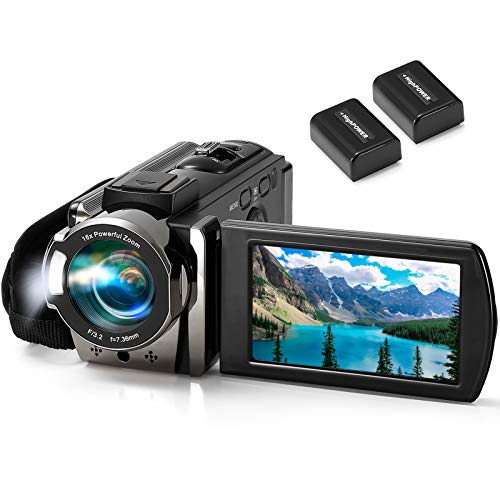
- ✓ Compact and light
- ✓ Pause function improves editing
- ✓ Webcam capability handy
- ✕ Limited low-light performance
- ✕ Requires setup for webcam mode
| Video Resolution | 1080p (15 fps) |
| Photo Resolution | 24 MP (6000×4500) |
| Storage Media | Supports SD/SDHC up to 128 GB (card not included) |
| Display | 3.0 inch LCD with 270° rotation |
| Battery & Power | Includes two NP-FV5 batteries; recording time 60–90 minutes per charge; charges while recording; first-time charge >8 hours |
| Connectivity & Ports | USB 2.0, AV output, PC webcam mode via AMCAP software |
You’ll notice the first moment is oddly satisfying: the camera’s compact weight sits perfectly in your palm, and the 3.0-inch LCD flips to a comfy 270° angle just when you need it. I grabbed it for a quick outdoor clip, and the pause button felt oddly liberating—pause when the sun peeked behind a cloud, then keep rolling without restarting the file.
In practice, its 1080P at 15fps isn’t cinema-grade, but it’s more than enough for casual backpacking footage. The 24MP image mode earns clean stills, and the JPEGs look sharp on a phone screen after a day on the trail.
The built-in fill light helped when a café window left a shadow on a late-afternoon interview, which was a welcome surprise.
The autofocus and anti-shake are modest, but usable. You’ll notice the optical quality shines most during daylight, with colors staying true enough for quick vlogs or family clips.
The webcam feature works by selecting PC CAM mode, and I did find the AMCAP software a small hurdle to install, yet once set up, video calls routed cleanly through the cam.
Battery life with two NP-FV5s is about 60-90 minutes of recording, depending on light and screen usage. Charging while recording is a real win when you’re chasing sunset scenes or a time-lapse stretch.
It’s honestly handy for trips where you don’t want to swap batteries mid-forest road.
Physically, the camcorder is tiny enough to slip into a small backpack pocket. The SD card support up to 128GB is generous, and the tripod mount is a standard size, which makes it easy to stabilize on rough terrain.
Setup is straightforward, but you’ll want to format the card first to avoid hiccups.
All in, this is a solid budget-friendly option for travelers who want video and stills without lugging a heavy rig. It’s not flawless, but the combination of features—pause, webcam mode, and decent daylight footage—gives you real-use appeal on short trips and camping nights.
2026 8K Video Camera Camcorder, 88MP WiFi Vlogging Camera
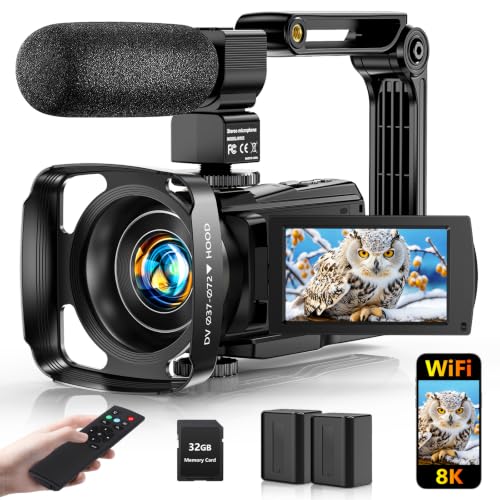
| Video Resolution and Frame Rate | 8K at 15FPS |
| Photo Resolution | 88MP (via interpolation) |
| Video Resolution Alternatives | 6K, 5K, 4K, 1080P |
| Zoom and Stabilization | 18x digital zoom; 6-axis image stabilization |
| Display and Monitoring | 270° flip 3.0-inch IPS touchscreen |
| Connectivity and Compatibility | WiFi for remote control and transfer; supports external microphone and HDMI output; webcam capability |
You remember opening the bag and seeing this camera nestled in the padding, and the first thing that surprised you was how quiet it felt in your hand—no heavy grip, just a compact weight with serious potential. The 3.0-inch touchscreen flips to 270 degrees, and you test a low-angle shot, only to realize you can read the exposure as you tilt the camera—like having a tiny studio monitor in your pocket.
The grip is comfortable, and the body size is genuinely backpack-friendly. You snap a quick 8K test clip and notice the 18X digital zoom doesn’t instantly crumble into mush the way some pocket cams do.
Six-axis stabilization keeps handheld footage from looking like a shaky sprint through a windy street, which matters when you’re rushing between scenic overlooks.
Setting it up for WiFi transfer feels straightforward, and you’re impressed by how quickly the camera pairs with your phone. When night falls, the built-in IR LED pops on and the scene still feels usable for a casual vlog or family moment—no need to scramble for extra lights in a dim cabin.
During a sun-drenched hike, you switch to 6K or 4K modes for smoother timelines, and the quality holds up without needing heavy post work. The webcam mode is a nice aside—plugging in for a quick live session feels surprisingly seamless for a camera this compact.
It’s clear this little cam is designed for travelers who want one device that can adapt from nature to living room.
Overall, you find it steady enough for everyday adventures, with enough flexibility to grow into longer shoots as you refine your setup. It’s not a professional rig, but it scratches a lot of the same itches for a fraction of the size and price.
Bottom line: if you want a single, travel-ready camera that capably handles 8K moments, 18X zoom, and on-the-go vlogging, this one earns its keep in your pack.
CGXUED Vlogging Camera, Mini Camcorder, Portable Handheld

- ✓ Pocket-friendly footprint
- ✓ One-button quick start
- ✓ Long battery life
- ✕ Low-light noise
- ✕ Manual lens rotation needed
| Size / Form Factor | Pocket-sized handheld camcorder: 5.35 × 1.56 inches |
| Battery Capacity / Endurance | 2000 mAh, up to 7 hours of continuous recording |
| Storage / Included Memory | Includes 32 GB microSD memory card |
| Lens / Viewing Angle | 180° rotating lens for POV and self-recording (manual rotation) |
| Recording Features | One-button recording, ready out of the box with simple setup |
| Usage Focus / Ideal For | Travel, everyday recording, vlog and handheld video capture |
You pop the CGXUED Vlogging Camera from its tiny box and immediately notice how pocket-friendly it feels in your palm. That 5.35 by 1.56-inch footprint is real—it’s light, smooth to the touch, and the matte surface doesn’t snag on fabrics.
You half expect it to be fiddly, but the little camera sits balanced and ready to go.
In the hand, the 2,000mAh battery case gives a reassuring heft, not chunky, just enough to feel solid. The 32GB card is already inside, and the one-button recording is as promised: press and you’re rolling.
No apps, no codes, just instant capture for spontaneous moments.
Out of the box, you notice the 180° rotating lens. It’s surprisingly handy for quick selfies and POV shots, though you’ll need manual rotation to frame your shot precisely.
The camera’s movement is smooth, with a satisfying click as you adjust the angle. It’s not a DSLR, but it’s effortless for everyday moments—perfect for travel days, street clips, and family gigs.
When you actually start shooting, the autofocus keeps up in bright daylight, and the colors feel natural without too much post-work. In dim settings, you’ll see some noise, but that’s forgivable given the size and price.
The form factor shines during long days; you won’t mind lugging it around when you’re hiking or exploring a new city.
Battery life lives up to the claim for casual vlogging. Seven hours of continuous recording is more than enough for a day trip, and you can top up between stops.
The design keeps cables at bay, and the screen is readable in sunlight, making quick checks painless.
Overall, this camera feels like a travel buddy: approachable, reliable, and ready to capture the small, everyday magic. It isn’t trying to replace your main rig, and that honesty is what makes it appealing for backpackers and casual creators alike.
Getting it set up is a breeze, and the included warranty and lifetime support offer peace of mind you’ll appreciate after a few adventures. If you want something unobtrusive that still records decent footage, this little cam is a solid pick.
What Essential Features Should You Look for in a Backpacking Video Camera?
When selecting the best backpacking video camera, several essential features should be considered to ensure quality and convenience during your outdoor adventures.
- Lightweight and Compact Design: A backpacking camera should be easy to carry, making a lightweight and compact design essential. This feature allows for hassle-free transportation, especially during long hikes where every ounce counts.
- Durability and Weather Resistance: Since you’ll be outdoors, the camera must be robust enough to withstand rough conditions. Look for models with weather-sealing and shock-resistant features to ensure they can handle moisture, dust, and minor drops.
- High-Quality Video Resolution: The ability to capture high-quality video is crucial for preserving your adventures. Aim for cameras that offer at least 1080p resolution, with some models providing 4K capabilities for stunning detail and clarity.
- Battery Life: Long battery life is vital for extended trips where charging options may be limited. Opt for cameras with a robust battery performance or the ability to carry additional batteries, allowing you to shoot for longer periods without interruption.
- Image Stabilization: Smooth video footage can greatly enhance the viewing experience, especially when recording while on the move. Cameras with built-in image stabilization help reduce shaky footage, providing a more professional-looking result.
- User-Friendly Interface: A camera that is easy to operate will allow you to focus more on your adventure rather than fumbling with settings. Look for intuitive controls, touchscreen capabilities, and quick access to key features for a seamless shooting experience.
- Connectivity Options: Modern cameras often come equipped with Wi-Fi or Bluetooth connectivity, allowing for easy sharing and remote control. This feature can be particularly useful for quickly transferring videos to your devices or live streaming your adventures.
- Versatile Shooting Modes: A camera with multiple shooting modes, such as time-lapse, slow motion, or panoramic, can enhance your storytelling capabilities. These features allow for creative flexibility and enable you to capture your journey from different perspectives.
Why Is Camera Weight Crucial for Backpacking?
According to a study published in the Journal of Sports Sciences, carrying excessive weight can lead to increased fatigue, decreased mobility, and a higher risk of injury, particularly to the joints and muscles (Watson et al., 2020). When selecting the best backpacking video camera, opting for a lighter model can alleviate some of these burdens, allowing backpackers to maintain their energy levels and enjoy the journey.
The causal relationship between camera weight and hiking performance stems from the principles of biomechanics and energy expenditure. Heavier gear necessitates greater physical exertion, leading to quicker fatigue and, eventually, a decrease in the ability to enjoy the experience or capture quality footage. Additionally, backpackers often prioritize multifunctional equipment that balances weight and capability; thus, a lighter camera that still provides quality video can enhance both the hiking experience and the resulting media documentation. This balance is critical as it enables hikers to focus on their environment and creativity rather than being hindered by cumbersome gear.
How Does Battery Life Affect Your Video Shooting on the Trail?
- Extended Shooting Sessions: A longer battery life allows for extended shooting sessions without the need for frequent recharging or changing batteries. This is especially important on multi-day trips where access to power sources is limited, ensuring you capture all the moments without interruptions.
- Weight Considerations: Cameras with better battery efficiency may allow you to carry fewer spare batteries, reducing your overall pack weight. Backpackers often prioritize lightweight gear, so choosing a camera that maximizes shooting time per charge can significantly enhance your hiking experience.
- Temperature Impact: Battery performance can decrease in colder temperatures, which is often a factor in outdoor shooting. Understanding how your camera’s battery behaves in various conditions can help you plan your shoots better and avoid unexpected shutdowns.
- Power Management Features: Many modern video cameras come with power management features that optimize battery use during shooting. Features such as energy-saving modes can extend battery life, allowing you to prioritize important shots while conserving power for later.
- Backup Options: Having the ability to bring additional batteries or power banks can be a game changer on longer trails. Knowing the battery life of your camera helps you plan how many backups you might need, ensuring you don’t miss key footage due to power loss.
What Weather Resistance Standards Should Your Camera Meet?
When choosing the best backpacking video camera, it’s essential to consider the weather resistance standards it meets:
- IP Rating: An Ingress Protection (IP) rating indicates the level of protection against dust and water. For backpacking, a camera with at least an IP67 rating is ideal, as it can withstand immersion in water up to 1 meter for 30 minutes and is totally dust-tight.
- Waterproofing: Some cameras are specifically designed to be waterproof without needing an additional housing. Look for cameras that can operate at certain depths (e.g., 10 meters or more) to ensure they can handle rain, splashes, or accidental drops into water.
- Temperature Resistance: Cameras should be able to function in a wide range of temperatures, especially if you’re hiking in cold or hot climates. A temperature resistance of -10°C to 40°C (14°F to 104°F) is often sufficient for most backpacking adventures.
- Shock Resistance: A camera’s durability against impact is crucial for outdoor activities. Look for models that are rated for shock resistance (usually specified in terms of drop height) to ensure they can withstand bumps and falls while on the trail.
- Dust Resistance: Dust can damage camera components, so look for cameras with seals and coatings that prevent dust ingress. A camera with a good dust resistance rating will help maintain performance and longevity in dusty environments, such as deserts or windy trails.
Which Types of Cameras Are Ideal for Backpacking Videography?
The best cameras for backpacking videography are lightweight, durable, and capable of capturing high-quality video in various conditions.
- Mirrorless Cameras: These cameras combine the quality of DSLRs with the compactness ideal for travel.
- Action Cameras: Designed for adventure, these cameras are compact, rugged, and often waterproof, making them perfect for outdoor activities.
- Smartphone Cameras: Modern smartphones come equipped with high-quality cameras that are convenient and versatile for quick shooting.
- Compact Digital Cameras: These cameras strike a balance between size and quality, offering decent video capabilities in a portable form.
- Camcorders: While less popular for backpacking, compact camcorders provide great video quality and extended recording times.
Mirrorless Cameras: These cameras are favored for their interchangeable lenses and excellent video quality, making them versatile for various shooting scenarios. They are typically lighter than traditional DSLRs, which is a significant advantage when managing weight on a backpacking trip.
Action Cameras: Known for their ruggedness and waterproof capabilities, action cameras like the GoPro are ideal for capturing dynamic footage during activities such as hiking, biking, or water sports. Their compact size allows for easy mounting on various gear, providing unique perspectives that can enhance videography.
Smartphone Cameras: With advancements in technology, many smartphones now possess impressive camera systems that can shoot 4K video. Their portability and multifunctionality make them excellent for quick captures and social sharing, though they may lag in low-light performance compared to dedicated cameras.
Compact Digital Cameras: These cameras are user-friendly and often come with features that enhance video quality, such as optical zoom and stabilization. They are small enough to fit in a pocket while still providing a significant upgrade over smartphone video quality.
Camcorders: While they may not be as popular among backpackers, compact camcorders can still be a good option for those focused on video recording. They typically offer longer battery life and extended recording capabilities, which can be beneficial during longer trips where charging opportunities are limited.
How Do Action Cameras Compare with Traditional Video Cameras for Outdoor Use?
| Aspect | Action Cameras | Traditional Video Cameras |
|---|---|---|
| Durability | Built to withstand harsh conditions and impacts, often waterproof. | Less rugged, typically not designed for extreme conditions; may need protective cases. |
| Video Quality | High-definition capabilities, suitable for action shots but may have limited low-light performance. | Generally superior image quality, especially in low-light, with advanced features. |
| Weight | Compact and lightweight, ideal for backpacking and portability. | Heavier and bulkier, which can be cumbersome for outdoor activities. |
| Battery Life | Shorter battery life due to compact size, may require extra batteries for extended use. | Longer battery life, often suitable for extended filming without needing a recharge. |
| Field of View | Wide-angle lenses for capturing immersive scenes. | More versatile lens options, but typically narrower field of view. |
| Cost | Generally more affordable, especially entry-level models. | Can be significantly more expensive, especially for high-end models. |
| Ease of Use | User-friendly interfaces, often with one-button operation. | May have complex settings and require more technical knowledge. |
What Advantages Do Mirrorless Cameras Offer for Backpackers?
Mirrorless cameras provide several advantages for backpackers looking for the best video camera options.
- Lightweight and Compact: Mirrorless cameras are generally smaller and lighter than their DSLR counterparts due to the absence of a mirror mechanism. This makes them an excellent choice for backpackers who need to keep their gear minimal and portable while traveling.
- Interchangeable Lenses: Many mirrorless cameras offer the ability to swap out lenses, allowing for versatility in capturing different types of shots, whether it’s wide landscapes or close-up detail. This flexibility can enhance the quality of video content, letting backpackers adapt to varying environments and lighting conditions.
- Fast Autofocus: Mirrorless systems typically feature advanced autofocus technologies that can quickly and accurately track moving subjects. This is particularly beneficial for capturing dynamic scenes while hiking or engaging in outdoor activities, ensuring that important moments are not missed.
- Electronic Viewfinder: The electronic viewfinder (EVF) in many mirrorless models provides a real-time preview of exposure, color, and depth of field, which can be invaluable in outdoor settings. Backpackers can make precise adjustments on the fly, enhancing the overall quality of their video footage.
- Silent Shooting: Many mirrorless cameras offer silent shooting modes, which are advantageous for recording in quiet environments without disturbing wildlife or other backpackers. This feature allows for discreet filming, making it easier to capture natural moments in serene locations.
- Excellent Video Quality: Many mirrorless cameras come equipped with high-resolution sensors and advanced video capabilities, often supporting 4K recording. This ensures that backpackers can produce high-quality content that captures the beauty of their adventures in stunning detail.
How Can You Determine the Right Backpacking Video Camera for Your Filming Style?
Durability is vital for a backpacking camera since it needs to endure various environmental conditions, such as rain, dust, or rough handling. Look for models with weather-sealing or shockproof features to ensure longevity in the field.
Battery life becomes a critical factor for backpackers who may spend several days in remote areas without access to electricity. Opt for cameras that offer extended battery life or the option to carry extra batteries to avoid running out of power during your adventures.
Video quality is essential for capturing breathtaking landscapes and moments. Aim for cameras that offer at least 4K resolution and high frame rates to ensure your footage is sharp and smooth, allowing you to create stunning videos of your travels.
Stabilization features are important to ensure your footage remains steady while you are on the move. Cameras with optical or electronic image stabilization can help you achieve professional-looking results even when hiking on uneven terrain.
Versatility allows you to make the most out of your camera by using it for both video and photography. A camera that excels in both areas can save you the hassle and weight of carrying separate devices, making it a practical choice for backpacking.
What Should You Consider Based on Your Filming Goals and Environments?
When selecting the best backpacking video camera, you should consider various factors based on your filming goals and the environments you’ll be in.
- Weight and Portability: The camera should be lightweight and compact to avoid adding too much bulk to your backpack. A camera that is easy to carry encourages you to film more often, especially during long hikes.
- Durability and Weather Resistance: Given the unpredictable nature of outdoor environments, a camera that can withstand rough conditions, such as rain, dust, and drops, is essential. Look for models specifically designed for rugged use, as they will ensure longevity and reliability during your adventures.
- Battery Life: Extended battery life is crucial for backpacking, as access to charging can be limited. A camera that offers long recording times or the option to use external battery packs will allow you to film more without worrying about running out of power.
- Video Quality: Consider the resolution and frame rates the camera can achieve, as higher quality video will enhance your storytelling. Features like image stabilization and low-light performance are also important, especially when filming in varied lighting conditions typical of outdoor settings.
- Versatility and Accessories: A camera that supports various lenses, mounts, and accessories can enhance your filming capabilities. Look for options that allow for additional attachments like microphones, tripods, or filters to improve audio quality and creative shots.
- Ease of Use: For quick capture moments, a user-friendly interface is essential. Cameras with intuitive controls and touchscreen capabilities can help you transition seamlessly from setting up shots to recording on the move.
How Do Budget Constraints Impact Your Choice of Camera?
- Price Range: The price of a camera can dictate the level of quality and performance you can expect.
- Feature Set: Budget constraints often limit the features available in a camera, impacting versatility and usability.
- Weight and Portability: Cameras within certain price ranges may vary in weight and ease of transport, affecting backpacking convenience.
- Durability: Lower-priced cameras might compromise on build quality, which is crucial for outdoor conditions.
- Lens Options: Budget can restrict access to interchangeable lenses or high-quality built-in lenses, influencing video quality.
The price of a camera can dictate the level of quality and performance you can expect. Higher-priced models generally offer better image sensors, enhanced low-light performance, and superior video stabilization, making them more suitable for capturing high-quality footage during backpacking trips.
Budget constraints often limit the features available in a camera, impacting versatility and usability. For instance, advanced features like 4K recording, slow-motion capabilities, or high frame rates may be reserved for more expensive options, which could be crucial for specific filming needs.
Cameras within certain price ranges may vary in weight and ease of transport, affecting backpacking convenience. A lightweight camera is generally preferred for hiking, but budget-friendly models may be bulkier or heavier, which can be a significant drawback when carrying gear over long distances.
Lower-priced cameras might compromise on build quality, which is crucial for outdoor conditions. A more durable camera is essential for backpacking, as it needs to withstand elements such as moisture, dust, and physical impacts, which are common in rugged terrains.
Budget can restrict access to interchangeable lenses or high-quality built-in lenses, influencing video quality. While higher-end cameras offer the flexibility of swapping lenses for different shooting scenarios, budget options often come with fixed lenses that may not meet all filming requirements, limiting creative possibilities.
What Are Top Tips for Capturing Stunning Video While Backpacking?
When capturing stunning video while backpacking, consider the following top tips:
- Choose the Right Camera: Selecting the best backpacking video camera is essential for quality footage. Look for a lightweight, durable camera with good stabilization features and high video resolution to ensure that even the roughest trails can be documented beautifully.
- Use a Tripod or Stabilizer: To avoid shaky footage, utilizing a tripod or a gimbal stabilizer can significantly enhance your video quality. These tools help to keep your shots steady, allowing you to focus on composition and creativity without the distraction of camera shake.
- Plan Your Shots: Before heading out, it’s beneficial to plan specific shots you want to capture. This includes identifying scenic viewpoints, interesting landscapes, or unique features along your route, ensuring you don’t miss out on capturing the essence of your adventure.
- Consider Lighting Conditions: Good lighting is crucial for stunning video quality. Early morning or late afternoon provides the best natural light, so try to schedule your shooting times during these golden hours for more vibrant colors and softer shadows.
- Keep it Simple: Sometimes, less is more; try to avoid overly complicated shots that can detract from the beauty of your surroundings. Focus on simple, clear compositions that highlight the landscape and your experience, making the story of your journey more engaging.
- Record Plenty of B-Roll: Capture additional footage, or B-roll, of your surroundings and activities. B-roll can add depth to your video, providing context and enhancing the narrative by showcasing the environment and the experiences as they unfold.
- Edit Thoughtfully: Post-production is just as important as the filming process. Use editing software to cut your footage together cohesively, add transitions, and incorporate music to create an engaging and polished final product that reflects your adventure.
How Can You Ensure Your Camera is Well-Maintained During Your Hike?
To ensure your camera is well-maintained during your hike, consider the following tips:
- Use a Protective Case: A sturdy protective case is essential for safeguarding your backpacking video camera from bumps, drops, and environmental elements.
- Keep It Clean: Regularly clean the lens and body of your camera to prevent dirt and moisture buildup, which can affect image quality.
- Manage Battery Life: Ensure you carry extra batteries or a portable charger, as video recording can quickly drain your camera’s power.
- Check Weather Seals: If your camera is weather-resistant, regularly check its seals to ensure they are intact and functioning properly.
- Avoid Extreme Temperatures: Be mindful of extreme heat or cold, as these conditions can damage your camera’s internal components.
- Secure Your Camera: Use a strap or harness to secure your camera to your body or backpack to prevent accidents while hiking.
- Practice Proper Handling: Always handle your camera with care, avoiding unnecessary movements that could lead to drops or mishandling.
Using a protective case is essential for safeguarding your backpacking video camera from potential damage caused by impacts or harsh weather conditions. A well-designed case can also provide additional storage for accessories and help keep your equipment organized during your hike.
Keeping your camera clean is vital to maintaining image quality; dirt, dust, and moisture can lead to blurry photos and videos. Use a microfiber cloth to gently wipe the lens and body, and consider carrying a lens cleaning solution for more stubborn spots.
Managing battery life is critical for a successful backpacking trip, as video recording can significantly drain battery power. Bringing extra batteries or a portable charger can ensure you never miss a moment due to power failure.
Regularly checking weather seals is important for cameras that are designed to withstand the elements. Ensuring that seals are intact helps prevent moisture and dust from entering the camera, which could lead to serious malfunctions.
Avoiding extreme temperatures is crucial because both heat and cold can adversely affect battery performance and camera functionality. Store your camera in a temperature-controlled environment whenever possible and allow it to acclimate to temperature changes before use.
Securing your camera with a strap or harness not only prevents drops but also allows for easy access while on the move. This is particularly important during hiking, where quick reactions might be necessary to capture spontaneous moments.
Practicing proper handling techniques helps minimize the risk of accidental drops or damage. Always use both hands when capturing photos or videos, and avoid placing your camera in precarious positions where it can easily fall.
What Techniques Can Enhance Your Backpacking Videography Skills?
Several techniques can significantly enhance your backpacking videography skills, especially when using the best backpacking video camera.
- Stabilization Techniques: Utilizing stabilization tools like gimbals or tripods can greatly improve the smoothness of your footage. When traversing uneven terrain, these tools help minimize shakes and jolts, resulting in more professional-looking videos.
- Framing and Composition: Understanding the rules of framing, such as the rule of thirds, can elevate the visual appeal of your shots. By strategically positioning key elements within the frame, you create more engaging scenes that draw viewers’ attention.
- Lighting Considerations: Natural lighting plays a crucial role in videography, especially in outdoor settings. Shooting during the golden hours—early morning or late afternoon—can provide softer, more flattering light, enhancing the overall quality of your footage.
- Storytelling Techniques: Crafting a narrative around your journey can make your videos more relatable and engaging. Consider including elements such as your motivations, challenges faced, and interactions with nature or fellow hikers to create a compelling story.
- Camera Settings Optimization: Familiarizing yourself with your camera’s manual settings can greatly improve the quality of your footage. Adjusting parameters like ISO, shutter speed, and aperture allows for better control over exposure and depth of field in various lighting conditions.
- Use of Aerial Shots: Incorporating drone footage can add a dynamic perspective to your backpacking videos. Aerial shots can showcase expansive landscapes and highlight the scale of your surroundings, making your video more visually captivating.
- Editing Skills: Post-production can transform your raw footage into a polished final product. Learning how to edit effectively, including color correction, sound design, and adding transitions, can enhance storytelling and overall viewer engagement.
- Experimentation with Angles: Trying out different shooting angles can provide a fresh perspective on your adventures. Low angles can emphasize the grandeur of landscapes, while high angles can capture the layout of your campsite or trail.