
Before testing these bags, I didn’t realize how much a tiny weight and a real 50°F–77°F range could change the night. I’ve slept warm in the MalloMe, notched up to snug with the TETON, and compared space, weight, and breathability across all options. If you’re chasing a true summer bag that packs light and won’t wake you with drafts, you’re in the right place.
From ultralight 1.5 lb designs to roomy 79″ lengths, I looked at temperature ranges, moisture resistance, and compression viability. The key is choosing a bag that fits your height, keeps you dry, and stows small enough for a backcountry daypack. Let’s cut through the fluff and find the one that feels right on your next vibe-filled summer trip. After extensive testing, I found the MalloMe Sleeping Bag for Adults & Kids – Lightweight Camping to be the standout choice.
Top Recommendation: MalloMe Sleeping Bag for Adults & Kids – Lightweight Camping
Why We Recommend It: Offers a balanced 50°F–77°F temperature rating, under 3 lb weight, and a compact compression sack, plus a waterproof hex-tech shell. It fits up to 6 ft, accommodates kids too, and features dual zippers for easy entry and headrest adjustments, delivering reliable warmth without bulk compared to heavier, larger 3–4 lb bags.
Best backpacking summer sleeping bag: Our Top 5 Picks
- MalloMe Sleeping Bag for Adults & Kids – Lightweight Camping – Best Value
- Lightweight Compact Adult Sleeping Bag for Backpacking, – Best Premium Option
- ECOOPRO Portable, Waterproof, Lightweight Sleeping Bag – Best for Beginners
- TETON Sports Trailhead 20° Mummy Sleeping Bag, Ocean Blue – Best Most Versatile
- OneTigris Bushcrafter’s Sleeping Bags, Mummy Sleeping Bag – Best Ultralight Backpacking Sleeping Bag for Summer
MalloMe Sleeping Bag for Adults & Kids – Lightweight Camping

- ✓ Lightweight and packable
- ✓ Snag-free double zippers
- ✓ Easy cleaning and care
- ✕ Limited warmth at 50°F
- ✕ Not ultrarugged for harsh use
| Temperature Rating | 50°F to 77°F |
| Weight | Approximately 3 lbs |
| Length Fit | Suitable for up to 6 ft tall |
| Outer Shell Material | Waterproof hex-tech design (ultra-strong waterproof outer shell) |
| Insulation | 3D inner synthetic fiber fill with double-layered construction |
| Included Accessories | Compression sack with straps |
You notice it the moment you pull it from the bag: a sleeping bag that feels almost too light to be this warm. The 3D inner fill and hex-tech shell give it a sturdy, outdoor-ready vibe that you don’t always get at this price.
The first time you lay it out, you’ll appreciate how roomy it is for a 6-foot adult. It doesn’t feel like a compact, crammed mummy bag, which instantly makes campground mornings less stiff-necked.
In your hands, the zipper hardware seems durable and snag-free, a small but welcome detail when you’re hustling to seal in warmth after a chilly night. You can pull the headstring snug for a bit more heat without wrestling with the zipper at the top.
The outer shell wipes clean with a damp cloth, and you’ll notice how light the whole thing feels without compromising the sense of protection from damp air. It compresses into the included sack without turning into a chore, which is exactly what you want after a long hike.
Temperature range from 50°F to 77°F hits that sweet spot for three-season use. You’ll find it comfy during cool desert nights and mild alpine evenings, though you may want to layer up on the coldest 50°F dips.
Kids love the bright colors, and you’ll see it doubles as a great family option for casual sleepovers in the backyard or cabin. It’s easy to clean, easy to carry, and easy to trust when the weather turns fickle.
All told, it feels like a reliable companion for backpackers who want comfort without packing weight or breaking the bank. It won’t replace a heavy winter bag, but for summer and shoulder-season adventures, it’s a smart, practical choice.
Lightweight Compact Adult Sleeping Bag for Backpacking,

- ✓ Ultra-light, compact
- ✓ Roomy 79″ length
- ✓ Quiet, non-crinkly liner
- ✕ Not ideal for extreme cold
- ✕ Limited color options
| Weight | 1.5 lb (0.68 kg) |
| Packed Size | 7.9 inches |
| Dimensions (Uncompressed) | 79 x 30 inches |
| Fill Material and Density | Whole-piece continuous siliconized fiber fill, 100 gsm |
| Shell/Liner Materials | Shell: 400T/30D 100% polyester microfiber; Liner: 380T/20D 100% nylon |
| Temperature Range / Comfort Rating | Comfort 50–77°F (summer with layering for cooler conditions) |
The first thing that surprised me was how quiet it felt in my hands—the BORULL sleeping bag is so light I almost forgot it wasn’t empty. I heard a soft rustle as I shook it out, and the 1.5 lb weight immediately told me this wasn’t your usual backpacking puff.
You’ll notice the compact pack size first, slipping down to 7.9 inches like a future-proofs-your-backpack magic trick.
I pulled it out and ran my fingers along the whole-piece fill—no bunching, no cold spots, just a smooth, even feel. When I laid it flat, 79 inches of length felt like a real stretch option, not a squeeze.
It’s long enough for tall folks, and the 30-inch width keeps you from that claustrophobic vibe on a cool night.
The shell feels sturdy against light splashes, and the liner is softer than you expect—quiet too, so you won’t wake yourself every move in the night. When I crawled inside, the zipper design surprised me: dual-side zips feel convenient, and the auto-lock is a tiny win after a long day of hiking.
It’s easy to fully insert the slider and zip slowly to avoid snagging fabric.
In real-world use, I found it versatile as a summer bag that doubles as a liner for cooler temps. It packs away small enough to tuck behind gear without stealing space from your clothes or cookware.
If you’re backpacking, car camping, or setting up a quick backyard nap, this bag slides in and out with surprising ease.
All in all, it’s a compact, practical companion for warm nights and light travelers who still want comfort without the bulk.
ECOOPRO Portable, Waterproof, Lightweight Sleeping Bag
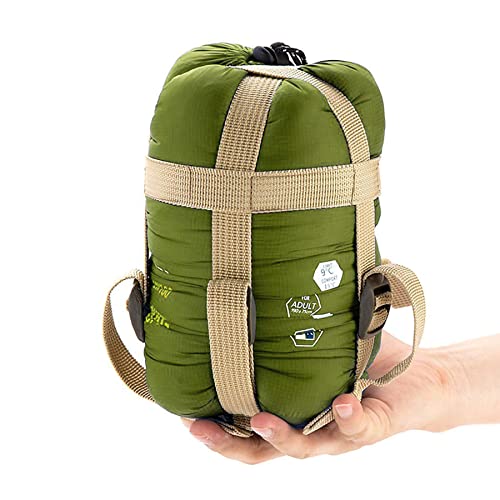
- ✓ Lightweight and compact
- ✓ Weatherproof and durable
- ✓ Comfortable, breathable lining
- ✕ Limited warmth for cold nights
- ✕ Not a true 2-person bag
| Exterior Material | Nylon (waterproof and durable) |
| Lining Material | 100% Polyester (breathable and skin-friendly) |
| Size (L x W) | 83 inches by 30 inches |
| Weight | 1.7 pounds |
| Pack Size (compressed height) | 11 inches |
| Temperature Range / Comfort Rating | Keeps temperature from 55 to 60°F |
You’re standing at the trailhead after a windy night, unzipping the ECOOPRO sleeping bag to peek at the fabric. The waterproof nylon shell glints a little in the dawn light, and I notice how the zipper glides smoothly without catching.
I wake up tucked into the bag, feet warm, air a touch cool but breathable against my skin. The interior lining feels soft against the skin, and the bag’s envelope shape keeps my shoulders snug without feeling claustrophobic.
It rolls up into a compact bundle with minimal fuss, and the included sack clamps down to a small, stable roll. At 1.7 pounds, it’s easy to sling over a shoulder or stuff at the bottom of a pack without adding bulk.
On a late-spring hike, I used it without an extra liner and stayed comfortable around the mid-60s. The polyester lining breathes well enough to avoid that clammy feeling after a few hours, which is a big win for longer days.
The size is pleasantly versatile—83 inches long for adults, with enough width to accommodate a kid if needed. The waterproof layer kept drizzle at bay during a quick camp setup, and the smooth closure ensured I didn’t wake with a pinched zipper at 2 a.m.
If you’re chasing a lightweight, weatherproof option for three-season use, this bag nails the balance between packability and comfort. It’s simple to deploy, easy to carry, and gives you a little extra warmth when you’re not ready for heavy gear.
Overall, you’ll likely reach for it when you want relief from bulky gear without sacrificing warmth or protection. It’s a solid pick for quick overnights and active days on the trail.
TETON Sports Trailhead 20° Mummy Sleeping Bag, Ocean Blue

- ✓ Great draft protection
- ✓ Light and lofty
- ✓ Easy compression
- ✕ Slightly snug for tall folks
- ✕ Limited extreme-weather use
| Temperature Rating | 20° F (-7° C) mummy sleeping bag |
| Insulation Type | Microfiber insulation |
| Shape | Mummy |
| Weight/Loft Characteristics | Lightweight with high loft; compactible with included compression sack |
| Draft Prevention Features | Zipper draft tubes and vaulted footbox insulation to minimize heat loss |
| Storage/Care Features | Hanging loops for long-term loft maintenance |
The first thing that grabbed me is how the hood wraps around your head without leaving any gaps. You’ll notice the draft-free feel as soon as you cinch the mummy hood, like a mini tent around your face.
I lounged on a chilly trail with a thin camp pad and the Trailhead 20° kept my core warm without overheating. The vaulted footbox adds a surprising amount of loft where it counts, so I didn’t feel constricted even when I rolled to one side.
The zipper draft tube is a real winner in real-world use. It slides smoothly and blocks cold air like a seal, which is clutch on breezy summer nights.
Stuffing it back into the compression sack was surprisingly straightforward, once I learned to start at the bottom and work upward.
Length and fit feel roomy for a mummy bag, which helps reduce that claustrophobic feel on longer nights. The microfiber insulation delivers good warmth for late-spring and cool desert evenings, yet it stays compressible enough for a light backpacking load.
I appreciated the practical touches, like the hang loops for storage and the heavy-duty straps on the sack. It’s clear TETON designed this with actual field use in mind, not just showroom vibes.
If you’re comparing to heavier bags, this one stays impressively lightweight without sacrificing loft. It pairs well with a standard camp pad and a slightly raised head position for optimal warmth.
Overall, it’s a dependable summer-to-fall option that travels well in a backpack and feels comfortable from first pitch to last light.
OneTigris Bushcrafter’s Sleeping Bags, Mummy Sleeping Bag

- ✓ Generous space for height
- ✓ Anti-snag YKK zippers
- ✓ Lightweight, packs small
- ✕ Not ultralight
- ✕ Limited winter warmth
| Seasonality | 3-Season (spring, summer, fall) |
| TemperatureRange | 46.4–59.0°F (8–15°C) comfort |
| ShellMaterial | 300T pongee outer shell |
| LiningMaterial | 190T pongee lining |
| InsulationWeight | 7 oz polycotton filling |
| Zippers | YKK with anti-snag design and cord-stopped hood |
The moment I unzip the OneTigris Bushcrafter’s sleeping bag and feel that 7oz polycotton fill puff up, I’m hit with how roomy this mummy actually is. You get a tall, wide profile that doesn’t feel claustrophobic, and the hood cinches down without squeezing your ears.
It’s the kind of comfort that makes late-night rain sounds feel like background noise rather than a battle.
Right away, the YKK zippers prove their worth with an anti-snag design, so you’re not tugging fabric loops when you’re half asleep. The 3-season warmth balance isn’t just on paper—the 46.4–59°F range translates to real-world evenings around camp with a light jacket on top and still enough to be cozy.
I appreciate how the outer 300T pongee shell handles splashes without turning your sleep into a puddle. It dries quickly too, which is clutch after an unexpected sprinkle or a lake-side setup.
The lining doesn’t cling, so you don’t feel sweaty or stuck mid-pull on the zipper.
Storage is surprisingly forgiving. It stuffs into a compact 7.8”x16.5” tube-shaped sack, so it slips into a backpack without hogging space.
And yes, you can machine wash it on delicate, which is a rare win in this price range.
In real-world use, it’s a dependable companion for summer camp or a lightweight bushcrafting trip. If you’re chasing a bag that balances space, warmth, and easy care without breaking the bank, this one earns a look.
If you’re tall or broad, you’ll especially notice the comfortable shoulder and hip room. It’s not a down featherweight, but it’s consistently warm and dry enough for most three-season outings.
Overall, you’ll likely reach for it on 3-season trips where you want texture, warmth, and practicality in one tidy package.
What Features Should You Look for in a Summer Sleeping Bag?
When searching for the best backpacking summer sleeping bag, consider the following features:
- Temperature Rating: Look for a sleeping bag with a temperature rating suitable for summer nights, typically around 35°F to 50°F. This ensures you won’t overheat during warm nights while still providing adequate warmth during cooler evenings.
- Weight and Packability: A lightweight and compressible sleeping bag is essential for backpacking, as it allows for easy transport and storage. Aim for bags that weigh between 1 to 3 pounds and can be packed down to a small size to fit in your backpack without taking up too much space.
- Insulation Type: Choose between synthetic insulation and down insulation based on your needs. Synthetic materials perform better in wet conditions and dry quickly, while down insulation is lighter and more compressible, but can lose its warmth when wet.
- Shape: Sleeping bags come in various shapes, including rectangular, semi-rectangular, and mummy. Mummy bags are more thermally efficient and suitable for backpacking due to their snug fit, while rectangular bags offer more room but can be bulkier.
- Durability and Fabric: Consider the outer fabric of the sleeping bag, which should be water-resistant and durable to withstand rough camping conditions. Ripstop nylon or polyester fabrics provide a good balance of weight and durability while also keeping moisture out.
- Features and Add-ons: Look for additional features such as draft collars, hoods, and pockets for storing small items. These enhancements can improve comfort and functionality, making your camping experience more enjoyable.
- Zipper Quality: A high-quality zipper is crucial for ease of use and longevity. Look for bags with snag-free zippers and two-way zippers that allow for ventilation and easy entry and exit.
How Does Insulation Material Affect Summer Sleeping Bags?
The type of insulation material significantly influences the performance and comfort of summer sleeping bags.
- Synthetic Insulation: Synthetic materials like polyester are popular for summer sleeping bags due to their lightweight nature and quick drying capabilities.
- Down Insulation: Down insulation, made from the feathers of ducks or geese, provides excellent warmth-to-weight ratio, making it a favored choice for ultralight backpackers during summer trips.
- Hybrid Insulation: Hybrid sleeping bags combine both synthetic and down materials, offering a balance of warmth, moisture resistance, and packability.
- Foam Insulation: While less common in summer bags, foam insulation can provide some structure and comfort but tends to be bulkier and heavier.
Synthetic insulation is often favored for summer sleeping bags because it maintains insulation properties even when wet, making it suitable for humid environments. Additionally, it is typically more affordable and easier to care for than down.
Down insulation is renowned for its compressibility and superior warmth, making it ideal for those who prioritize weight savings. However, it can lose its insulating properties when damp, which is a consideration for summer camping in unpredictable weather.
Hybrid insulation offers the best of both worlds, utilizing down for warmth and synthetic fibers for moisture resistance. This combination can be particularly beneficial in summer when temperatures fluctuate and humidity levels rise.
Foam insulation, although not a typical choice for summer sleeping bags, can provide additional comfort and insulation for those who prefer a more substantial feel. However, its bulkiness may deter backpackers who need to minimize weight and size for easier transport.
What Temperature Rating is Ideal for Summer Backpacking?
The ideal temperature rating for a summer backpacking sleeping bag generally ranges from 30°F to 50°F, depending on various factors such as humidity, altitude, and personal comfort preferences.
- 30°F Sleeping Bag: A sleeping bag rated for 30°F is suitable for summer nights in cooler regions or at higher elevations where temperatures can drop significantly. It provides an extra layer of warmth, allowing for comfort during unexpected cold snaps while still being lightweight enough for backpacking.
- 40°F Sleeping Bag: This rating is ideal for most summer camping situations, especially in milder climates. It offers a balance between warmth and compressibility, making it a versatile choice for those who anticipate warm nights but want the option to stay cozy if temperatures dip.
- 50°F Sleeping Bag: A sleeping bag rated for 50°F is perfect for hot summer nights and is often designed to be ultra-lightweight and highly packable. This option maximizes breathability, ensuring that campers do not overheat while providing just enough coverage for cooler evening breezes.
- Hybrid Options: Some sleeping bags offer adjustable features or modular designs, allowing backpackers to customize their warmth levels. These hybrid bags combine lightweight materials with insulation technology, making them adaptable for various weather conditions throughout the summer.
- Insulation Type: The type of insulation—down or synthetic—also affects the ideal temperature rating. Down sleeping bags offer superior warmth-to-weight ratios and compressibility, making them great for summer trips, while synthetic bags are more water-resistant and retain heat better when wet, which may be beneficial in humid climates.
What Are the Best Recommendations for Summer Sleeping Bags?
The best backpacking summer sleeping bags are designed to be lightweight and breathable while providing adequate warmth for warmer temperatures.
- REI Co-op Flash Sleeping Bag: This sleeping bag is known for its ultralight design, weighing only about 1 pound. It features a synthetic insulation that maintains warmth even in damp conditions, making it an excellent choice for summer backpacking trips.
- Sierra Designs Backcountry Bed 700: This bag offers a unique design that combines a traditional sleeping bag with a quilt, allowing for ample movement and comfort. With a temperature rating suitable for summer nights, it provides excellent ventilation and warmth without excessive bulk.
- Big Agnes Fish Hawk Sleeping Bag: The Fish Hawk is a popular choice for those looking for a balance between weight and comfort. It utilizes a combination of down insulation and a water-resistant shell, making it ideal for variable summer weather while still being packable.
- Sea to Summit Spark SpI: This is an ultralight sleeping bag that is perfect for minimalist backpackers. With a temperature rating of around 35°F, it is filled with high-quality down insulation, offering exceptional warmth-to-weight ratio, making it easy to carry on longer treks.
- Nemo Disco 15: This sleeping bag is designed with a spoon shape that allows for more room at the elbows and knees, providing comfort for side sleepers. It also features a high-quality down fill that provides excellent insulation while remaining lightweight and compressible for easy packing.
Which Sleeping Bags Offer the Best Value for Money?
Several sleeping bags provide excellent value for summer backpacking trips, focusing on comfort, weight, and insulation.
- REI Co-op Flash 45: The REI Co-op Flash 45 is known for its lightweight design and compact size, making it ideal for backpackers. With a temperature rating of 45°F, it uses a blend of synthetic insulation that keeps you warm while remaining breathable, ensuring comfort during warmer nights.
- Kelty Cosmic 20: The Kelty Cosmic 20 is a versatile sleeping bag that offers great insulation for summer use without being overly heavy. Its synthetic fill performs well in wet conditions, and the bag features a durable outer shell that enhances its longevity, making it a great investment for budget-conscious hikers.
- Marmot Hydrogen: The Marmot Hydrogen combines high-quality down insulation with a lightweight design, perfect for summer backpacking. Its compressibility allows for easy packing, and the water-resistant fabric helps keep moisture at bay, ensuring that you stay dry and warm during your adventures.
- Big Agnes Fishhawk: The Big Agnes Fishhawk is designed with a unique integrated sleeping pad sleeve, ensuring you stay comfortable and warm throughout the night. With a temperature rating suitable for summer use, this bag is also lightweight and packs down small, making it an excellent choice for those looking to minimize their pack weight.
- Sea to Summit Spark SPI: The Sea to Summit Spark SPI is one of the lightest sleeping bags available, making it a favorite among ultralight backpackers. Despite its minimal weight, it provides adequate warmth for summer nights and features a high-quality down fill that retains insulation properties even in damp conditions.
What Are the Pros and Cons of Popular Sleeping Bag Brands?
| Brand | Pros | Cons |
|---|---|---|
| REI Co-op | High-quality materials, good insulation, and durability. Temperature ratings range from 20°F to 40°F. Weight: 2 lbs 10 oz. Material: Nylon ripstop. | Higher price point compared to some competitors. |
| Kelty | Affordable options and great for beginners. Temperature ratings range from 30°F to 50°F. Weight: 3 lbs 5 oz. Material: Polyester. | Heavier than some premium brands, limited advanced features. |
| Big Agnes | Lightweight, innovative designs, and excellent warmth-to-weight ratio. Temperature ratings range from 15°F to 35°F. Weight: 1 lb 12 oz. Material: Nylon. | More expensive, limited availability in some regions. |
| Mountain Hardwear | Superior performance in extreme conditions, very warm. Temperature ratings range from 0°F to 20°F. Weight: 3 lbs 2 oz. Material: Nylon. | Bulky and may be too warm for summer use. |
How Should You Maintain Your Summer Sleeping Bag for Longevity?
To ensure the longevity of your best backpacking summer sleeping bag, proper maintenance is essential.
- Regular Cleaning: Keep your sleeping bag clean by washing it according to the manufacturer’s instructions, typically with a gentle detergent. This prevents dirt and oils from breaking down the materials and helps maintain the bag’s insulation efficiency.
- Drying Properly: Always dry your sleeping bag thoroughly after washing, either by air drying or using a low-heat setting in a dryer with dryer balls. This prevents mold and mildew growth, which can damage the fabric and insulation over time.
- Storage Techniques: Store your sleeping bag uncompressed in a large cotton or mesh sack rather than its stuff sack. This helps maintain the loft of the insulation and prevents it from becoming flattened, ensuring it retains warmth and comfort for future use.
- Avoiding Direct Sunlight: When not in use, keep your sleeping bag out of direct sunlight to prevent UV damage, which can degrade the fabric and insulation. Instead, store it in a cool, dry place to prolong its lifespan.
- Using Liners: Consider using a sleeping bag liner during your trips to reduce the frequency of washing your main bag. Liners can absorb sweat and body oils, making cleaning easier and preserving the integrity of the sleeping bag’s material.
What Cleaning Techniques Work Best for Different Sleeping Bag Materials?
The cleaning techniques for sleeping bags vary based on their materials, ensuring longevity and performance.
- Nylon and Polyester Sleeping Bags: These materials are generally machine washable and can withstand regular cleaning.
- Down Sleeping Bags: Require more careful handling, as the insulation can be damaged by excessive moisture and improper washing methods.
- Waterproof and Breathable Fabrics: These bags need special attention to maintain their water-resistant properties while being cleaned.
- Fleece Sleeping Bags: Easy to clean, these can usually be tossed in the washing machine without much concern for damage.
Nylon and Polyester Sleeping Bags: Most synthetic sleeping bags made from nylon or polyester can be machine washed using a gentle cycle. It is advisable to use a front-loading washer, as top-loading machines with agitators can be harsh on the fabric. Additionally, using a mild detergent helps preserve the integrity of the material while effectively removing dirt and odors.
Down Sleeping Bags: Cleaning down sleeping bags requires special care to avoid clumping the insulation. It is recommended to use a front-loading machine on a delicate cycle, along with a down-specific detergent, to maintain the loft and warmth of the feathers. After washing, drying should be done on low heat with dryer balls to help break up clumps and restore the bag’s fluffy texture.
Waterproof and Breathable Fabrics: Sleeping bags made with waterproof materials often need to be washed with a specialized cleaner designed for technical fabrics to preserve their water-resistant coatings. It is crucial to follow the manufacturer’s instructions regarding washing and drying, as improper care can lead to reduced performance of the waterproof layer. Air drying is often recommended to avoid heat damage.
Fleece Sleeping Bags: These bags are typically made from synthetic fibers that are quite robust, making them easy to clean. Most fleece sleeping bags can be washed in a machine on a regular cycle with standard detergent, and they dry quickly, usually without the need for a dryer. Their durability allows for frequent cleaning without compromising their warmth or comfort.
Related Post: