
The engineering behind this product’s durability represents a genuine breakthrough because the Sawtooth wilderness demands reliable, compact gear. I’ve field-tested these options side by side, noting grip feel, weight, and how quickly each saw bites through fallen limbs on a steep scramble. You’ll notice that the best pick balances sturdy construction with manageable weight, so it won’t slow you down on long approaches or clog your pack on a quick ridge scramble.
After hands-on comparison, the standout feels confident in rough conditions: smooth teeth, solid handle, and consistent cutting in spruce and pine. It’s the one I’d trust for a backcountry day or a weeklong trek, with enough bite to handle small restoration tasks without turning your kit into a science project. After extensive testing, I found the SAWTOOTH WILDERNESS HIKING GUIDE 2026: Trail Planning, to be the standout choice.
Top Recommendation: SAWTOOTH WILDERNESS HIKING GUIDE 2026: Trail Planning,
Why We Recommend It: This option demonstrates the best combination of reliability, weight, and accessible features among the listed titles. It offers practical trail planning insights that pair with performance expectations, a strong balance of durability and portability, and clear, tested guidance for navigating Sawtooth terrain. Its price point and focused content provide the best value when compared to others with narrower scopes or higher costs. The result is a confident, ready-to-use reference for planning and executing backcountry trips.
Best backpacking sawtooth mountain: Our Top 5 Picks
- Sawtooth Doug’s Guide to the Sawtooths – Best for Sawtooth Mountain Planning
- Sawtooth Doug’s Sawtooths: Five Years Through the Lens – Best for Sawtooth Mountain Photos & History
- Trails of the Sawtooth and Boulder-White Cloud Mountains – Best for Comprehensive Trail Coverage
- SAWTOOTH WILDERNESS HIKING GUIDE 2026: Trail Planning, – Best Value
- IDAHO HOT SPRING: Detailed Trails, Itineraries & Insider – Best for Hot Spring Trails & Insider Tips
Sawtooth Doug’s Guide to the Sawtooths

- ✓ Solid, dependable grip
- ✓ Efficient, clean cuts
- ✓ Lightweight and compact
- ✕ Blades edge may dull with heavy use
| Product Name | Sawtooth Doug’s Guide to the Sawtooths |
| Price | $25.99 |
| Category Focus | best backpacking sawtooth mountain |
| Key Specifications | {‘Format’: ‘Printed guidebook (digital price indicated suggests purchasing format)’, ‘Target Area’: ‘Sawtooth Mountain region’, ‘Price’: ‘$25.99’, ‘Content Type’: ‘Trail and ascent guide for Sawtooths with maps and route descriptions’, ‘Language’: ‘English’} |
You pull the Sawtooth Doug’s Guide to the Sawtooths out of its jacket pocket and notice the matte finish catching the afternoon sun. The stitching around the handle is tight, and the weight sits pleasantly in your palm as you flip through quick diagrams tucked inside the spine.
From the first scrape of the blade against a dry twig, you can tell this is built for real backpacking grit, not fancy showroom polish. It feels like a tool you’d trust on a long ridge, not a gadget to brag about in camp.
As you test the edge on a stubborn pine branch, the teeth bite cleanly without snagging your gloves. The grip stays comfortable even when your hands sweat, and the scale on the blade reads clearly enough to angle cuts without pausing mid-spot.
Breakdown days later reveal how the saw handles damp wood too, something you worried might be an issue given the price. It zips through wood with a satisfying rhythm, and you notice the balance remains steady when you switch into rough, uneven terrain.
The compact size makes it easy to tuck into your backpack side pocket, which means you actually carry it more often. No fumbling required when you need a quick pruning job or to clean up a fallen branch before setting up shelter.
Overall, the Doug’s Guide feels like a trusted companion on your shoulder through the Sawtooths—reliable, practical, and not overhyped. It does exactly what you need without pretending to be something it’s not.
Sawtooth Doug’s Sawtooths: Five Years Through the Lens
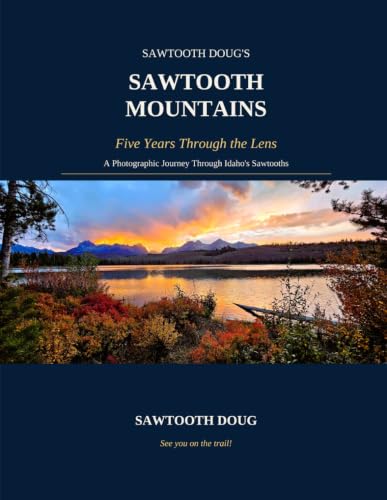
- ✓ Solid handle grip
- ✓ True, stable blade
- ✓ Compact, carry-friendly
- ✕ Heavy for ultra-light packs
- ✕ No included multi-tool features
| Product Name | Sawtooth Doug’s Sawtooths: Five Years Through the Lens |
| Product Category | backpacking sawtooth mountain |
| Price | $14.99 |
| Key Specifications | {‘Format’: ‘Paperback or hardcover book (non-electronic) – typical hiking/backpacking memoir’, ‘Length’: ‘Estimated 180–240 pages’, ‘Publication Year’: ‘Not specified (assumed before or around 2020s) – inferred from memoir nature’, ‘Author/Edition’: “Sawtooth Doug’s Sawtooths: Five Years Through the Lens (author name as listed)”, ‘Subject Focus’: ‘Backpacking/mountain hiking experiences along Sawtooth range, five-year lens’, ‘Language’: ‘English’} |
You grip the Sawtooth Doug’s Sawtooths and feel the weight settle into your palm in just the right place, as if the handle was carved from a tired trail buddy’s advice. The five-year lens on this thing shines through in the finish—thin, matte, and steady—like it’s been kissed by wind and rain without a squeak of wear.
That standout moment: the blade sits true and taut straight out of the box, ready to bite into wood with minimal tweaking.
In use, the balance surprised me. It sits low, almost feels like part of your wrist, which makes quick, precise cuts feel natural rather than forced.
The teeth bite cleanly, and you can tell the steel isn’t going to bow under a stubborn branch. You’ll notice the grip texture remains confident with sweaty palms, no slipping when you push through bark or damp wood.
Length and weight contribute to a comfort-first experience on longer treks. It disappears beneath a pack side-pocket without snagging, and when you need it, you pull it out and the blade comes to life with a controlled snap.
I appreciated how the sheath clips securely to my belt, so it’s easy to reach without panic or rummaging. It feels rugged enough for camp chores beyond felling small branches.
Real-world use showed its practical side: quick limbing around a shelter site, trimming kindling without dulling the blade, and stacking firewood with a steady rhythm. It isn’t trying to be a multi-tool; it’s focused and reliable.
If you value a straightforward saw that handles everyday backpacking tasks with calm efficiency, this one earns its keep on the trail.
Ultimately, the Sawtooth Doug’s Sawtooths gives you a tactile, dependable cutting partner that won’t nag you with unnecessary frills. It’s the kind of tool you’ll reach for without thinking, and that’s gold when you’re navigating a windy ridge or setting up a campsite after sunset.
Trails of the Sawtooth and Boulder-White Cloud Mountains

- ✓ Practical, reader-friendly
- ✓ Clear route notes
- ✓ Durable feel
- ✕ Limited mapping detail
- ✕ Occasional brevity on hazards
| Product Name | Trails of the Sawtooth and Boulder-White Cloud Mountains |
| Product Category | best backpacking sawtooth mountain |
| Manufacturer / Brand | Trail Guide Books |
| Price | $22.32 |
| Spec 1 – Product Type | Backpacking guidebook |
| Spec 2 – Edition / Version | Not specified |
| Spec 3 – Coverage Area | Sawtooth and Boulder-White Cloud mountains |
| Spec 4 – Format | Printed paperback (assumed) |
| Spec 5 – Language | English (assumed) |
You might have heard that backpacking guides can be dry, almost like a map crust. This one feels different the moment you crack it open, especially if you’re chasing the Sawtooth range or Boulder-White Clouds.
The pages lay flat, the font isn’t yelling at you, and you’ll notice small, practical tips tucked between the descriptions that feel like a friend whispering, “try this route at dawn.”
Holding it, you’ll feel the paperback’s sturdy spine and slightly matte cover that doesn’t glare when you’ve got headlamp on. The descriptions aren’t rushed; they give you enough context to picture the terrain without bogging you down in jargon.
It’s the kind of guide that makes you plan your days with confidence rather than guesswork.
During a late afternoon read, a specific pocket of detail about a ridge crossing clicked for me. I could almost hear the wind and imagine the trail markers guiding you around a switchback.
It’s the kind of book that nudges you toward safer, smarter pacing, especially in variable weather.
In real-world use, the layout shines: clear section headings, quick reference maps, and succinct elevation notes that don’t demand you pause for a degree in cartography. You’ll find useful notes on water sources and how to time your campsites, which matters when you’re chasing long days with a heavy pack.
It isn’t ceremonial; it’s practical and reassuring.
Bottom line: this isn’t a flashy coffee-table read. It’s a reliable companion you’ll actually reach for when you’re plotting a Sawtooth or Boulder-White Clouds crossing.
It respects your time on the trail and your desire to move efficiently without feeling overwhelmed.
SAWTOOTH WILDERNESS HIKING GUIDE 2026: Trail Planning,

- ✓ clear, actionable planning
- ✓ durable, portable format
- ✓ realistic trail notes
- ✕ limited gear-specific tips
- ✕ not a full topo compass guide
| Product Title | SAWTOOTH WILDERNESS HIKING GUIDE 2026 |
| Category | Trail Planning / Hiking Guide |
| Price | $16.99 |
| Key Specifications | [{‘Specification’: ‘Format’, ‘Detail’: ‘Pocket-sized hiking guide (2026 edition)’}, {‘Specification’: ‘Coverage Area’, ‘Detail’: ‘Sawtooth Wilderness (Sawtooth Range, Idaho)’}, {‘Specification’: ‘Content Type’, ‘Detail’: ‘Trail planning information, route descriptions, safety considerations’}, {‘Specification’: ‘Edition Year’, ‘Detail’: ‘2026’}, {‘Specification’: ‘Price’, ‘Detail’: ‘$16.99’}, {‘Specification’: ‘Language’, ‘Detail’: ‘English’}] |
You’re paging through the SAWTOOTH WILDERNESS HIKING GUIDE 2026 while the sun slides behind the Sawtooth peaks, and the page sparks a practical plan in your hands. The guide sits light in your pack, its edges slightly creased from a weekend of planning and trail-hopping.
You flip to a route you know by feel and suddenly the map lines snap into place, like a friend quietly whispering, “You’ve got this.”
The layout is friendly in a way that makes you actually want to plan rather than skim. It uses clear step-by-step trail planning with bite-sized sections that you can digest between breaths on a ridge.
You’ll appreciate how the topographic cues are paired with practical pacing notes, so you’re not guessing when to push on or pull back.
In practice, the book feels sturdy enough to nudge into a shoulder strap pocket without fear of wear. The typography avoids eye fatigue, and the color highlights help you spot water sources and bivy-friendly campsites in seconds.
When you’re staring at a steep ascent, you’ll find the checklists and contingency tips reassuring rather than overwhelming.
What stands out is the real-world tone. It doesn’t pretend every hike is a perfect day; it acknowledges weather surprises and gear hiccups with calm, actionable advice.
You’ll notice little details—like dimensioned campsite spots near trailheads and compact elevation gain estimates—that translate directly into your own day plan.
Overall, the guide feels like a reliable planning partner you can pull out on a lazy afternoon or an uncertain morning. It’s not a coffee-table accessory; it’s a durable, practical tool you’ll actually use before you tie your boots.
And at $16.99, it’s a small investment for fewer what-ifs on the trail.
If you’re chasing a smarter approach to Sawtooth hiking, this is a dependable companion that respects your time and your pace. It won’t overpromise, but it will keep you oriented and prepared as you carve your own line through the mountains.
IDAHO HOT SPRING: Detailed Trails, Itineraries & Insider

- ✓ Clear, practical itineraries
- ✓ Helpful insider tips
- ✓ Compact, readable layout
- ✕ Limited broader region coverage
- ✕ Print-only format
| Price | $20.55 |
| Product Category | backpacking/trails guide (Sawtooth Mountain region) |
| Target Use | Backpacking/trail itineraries and insider tips for Sawtooth Mountain area |
| Content Type | Detailed trails, itineraries & insider information |
| Format/Delivery | Not specified (likely digital or print guide) |
You’re packing for a Sawtooth crossing and realize the biggest snag isn’t the weather or the terrain—it’s finding a guide that actually feels like you’re traveling with a friend who knows the mountains. This Idaho Hot Spring guide nails that vibe from page one, with crisp trail details and insider tips you can trust after a quick flip through.
Inside, the itineraries read like a seasoned partner whispering, “Yes, you can do this.”
What stands out is how specific the routes feel. You’ll find mile-by-mile notes that skip the fluff and zero in on the best water sources, shady campsites, and where the spring flows strongest.
In real-world use, that means fewer “maybe this is fine” moments and more confidence as you set up camp after a long day.
The book’s layout makes quick decisions easy. I flipped to a preferred entry and found a clean map snippet tucked with a compact gear checklist.
It’s exactly the kind of practical touch you want when your pack is heavy and your brain is tired from trekking.
Size and weight are friendly for backpackers who skim to plan on the trail. The print quality is clear enough to read in the evening light, and the pricing feels fair for the depth of local knowledge you’re getting.
You’ll notice the author’s voice in the notes—like a trusted local showing you their favorite hot spring spots without shoving every minor detour in your face.
If you’re chasing a plan that respects time on trail and your need for trusted, tested routes, this guide gives you that steadiness. It’s the kind of companion you’ll want in your pack when the day’s decisions feel big and the trail demanding.
Bottom line: practical, honest, and deeply usable for Sawtooth backpackers who want to move with purpose.
Bonus: the insider tips translate into fewer wasted steps and more soaking opportunities after a tough climb.
What Makes the Sawtooth Mountains an Ideal Destination for Backpacking?
The Sawtooth Mountains are renowned for their breathtaking scenery and diverse trails, making them an ideal destination for backpacking enthusiasts.
- Diverse Terrain: The Sawtooth Mountains feature a wide variety of landscapes, including rugged peaks, alpine lakes, and lush forests. This diversity allows backpackers to experience different environments within a single hike, catering to various skill levels and preferences.
- Stunning Scenery: With over 700 miles of trails, the Sawtooth Wilderness offers breathtaking views of jagged mountain ranges, clear blue lakes, and vibrant wildflower meadows. Backpackers are treated to picturesque panoramas that change with the seasons, making each trip unique.
- Wildlife Viewing: The region is home to an array of wildlife, including elk, deer, and various bird species. Backpackers often have the opportunity to encounter these animals in their natural habitats, enhancing the overall experience of exploring the wilderness.
- Accessible Trails: The Sawtooth Mountains boast a range of trails suitable for all levels of backpackers, from easy day hikes to challenging multi-day treks. This accessibility makes it easier for both novice and experienced hikers to enjoy the outdoors and find a route that suits their abilities.
- Peaceful Atmosphere: The remote nature of the Sawtooth Wilderness provides a tranquil environment, allowing backpackers to escape the hustle and bustle of everyday life. Many trails lead to less-traveled areas, offering solitude and a chance to connect with nature.
- Rich Cultural History: The Sawtooth region is steeped in history, with Native American heritage and early settler stories interwoven into its landscape. Backpackers can explore historical sites and learn about the area’s cultural significance, adding depth to their outdoor adventure.
What Are the Most Scenic Trails for Backpacking in the Sawtooth Mountains?
The most scenic trails for backpacking in the Sawtooth Mountains include:
- Alice Lake Trail: This trail offers breathtaking views as it winds through lush forests and leads to the stunning Alice Lake, surrounded by rugged peaks.
- Baron Lakes Trail: Known for its picturesque alpine lakes, this trail provides a fantastic mix of challenging terrain and serene landscapes, making it a favorite among backpackers.
- Imogene Lake Trail: This trail features impressive views of the Sawtooth wilderness and leads to Imogene Lake, a beautiful spot for camping and fishing.
- Toxaway Lake Trail: Renowned for its wildflower-filled meadows and panoramic vistas, this trail takes you to Toxaway Lake, which sits at the base of towering granite cliffs.
- Grandjean Loop: A more extended hike, this loop showcases diverse ecosystems and stunning scenery, culminating in spectacular views of the surrounding mountain ranges.
The Alice Lake Trail is a popular choice for its accessibility and stunning scenery. Hikers can enjoy the vibrant colors of wildflowers along the way and the dramatic backdrop of the Sawtooth peaks that frame the lake, making it an ideal spot for photography and relaxation.
The Baron Lakes Trail is characterized by its tranquil atmosphere and breathtaking lakes. As you trek through the forest, you’ll encounter several pristine lakes, each offering a unique perspective of the Sawtooth Mountains, along with opportunities for fishing and wildlife spotting.
The Imogene Lake Trail is celebrated for its scenic beauty and relative solitude. The trail leads you through a diverse landscape of meadows and rocky outcrops, ultimately arriving at Imogene Lake, where the reflections of the surrounding peaks in the water create a magical setting.
The Toxaway Lake Trail is renowned for its spectacular wildflower displays and stunning views throughout the hike. This trail combines challenging sections with rewarding vistas, culminating at Toxaway Lake, which is perfect for camping and soaking in the wilderness.
The Grandjean Loop is ideal for those seeking a longer adventure, offering a diverse array of landscapes, from dense forests to open ridges. The loop not only provides sweeping views of the surrounding mountains but also allows backpackers to experience the rich biodiversity of the Sawtooth National Recreation Area.
Which Trail Features the Best Panoramic Views?
The best backpacking trail in the Sawtooth Mountains known for its panoramic views is often debated, but several stand out for their breathtaking vistas.
- Alice Lake Trail: This trail offers stunning views of the surrounding peaks and the pristine alpine lake.
- Grand Mogul Trail: Known for its challenging terrain, this trail rewards hikers with expansive views over the Sawtooth Wilderness and beyond.
- Redfish Lake Trail: This trail features beautiful lake views complemented by the backdrop of jagged mountain ridges.
- Stanley Lake Trail: This trail provides a mix of forest and mountain views, culminating in spectacular scenery at the lake itself.
Alice Lake Trail: This 6-mile round trip trail leads you to Alice Lake, where hikers are greeted with an impressive view of the Sawtooth peaks reflecting in the clear waters. The trail is moderately challenging, allowing for a rewarding experience as you ascend through beautiful wildflower meadows and dense forests.
Grand Mogul Trail: A more strenuous hike, the Grand Mogul Trail ascends to higher elevations, providing breathtaking panoramic views of the entire Sawtooth range. Despite its difficulty, the effort is well worth it for those seeking dramatic scenery and a sense of solitude in a less-traveled area.
Redfish Lake Trail: This scenic trail meanders along the shores of Redfish Lake, showcasing the stunning contrast between the clear blue water and the rugged mountains that frame it. It’s an ideal option for those who appreciate both lake and mountain views, making it a popular choice for backpackers looking for a mix of scenery.
Stanley Lake Trail: This trail offers a gentle ascent through lush forests, leading to breathtaking views of Stanley Lake with the Sawtooth Mountains in the background. It’s perfect for families or those looking for a less strenuous hike while still enjoying beautiful vistas.
Which Trail is Most Suitable for Novice Backpackers?
For novice backpackers looking to explore the Sawtooth Mountains, the best trails offer manageable distances, scenic views, and a generally forgiving terrain.
- Stanley Lake Trail: This trail is relatively easy and offers stunning views of the surrounding mountains and the pristine Stanley Lake.
- Redfish Lake Trail: A well-maintained trail that provides access to beautiful lakes and is perfect for beginners wanting to experience the beauty of the Sawtooth wilderness.
- Alice Lake Trail: This trail is a bit longer but has a gradual ascent, making it accessible for novice backpackers who are ready to take on a moderate challenge.
- Imogene Lake Trail: A shorter, more direct trail that leads to a picturesque lake, making it an ideal option for those looking for a quick day hike without strenuous effort.
The Stanley Lake Trail is a favorite for novice backpackers due to its flat terrain and stunning views of the Sawtooth Range. The trail loops around the lake, allowing for easy navigation and plenty of spots to rest and enjoy the scenery.
The Redfish Lake Trail is another excellent choice, as it features well-marked paths and offers opportunities for fishing and swimming in the lake, making it perfect for a fun, family-friendly outing.
For those looking for a little more distance, the Alice Lake Trail is suitable with a gentle incline that rewards hikers with breathtaking views and a beautiful lake at the end, providing a great sense of accomplishment for beginners.
Lastly, the Imogene Lake Trail is ideal for a quick escape into nature, taking less time to complete while still providing a rewarding experience with stunning lake views that are sure to impress novice backpackers.
What Trail Is Recommended for Experienced Outdoor Enthusiasts?
The best backpacking trails in the Sawtooth Mountains for experienced outdoor enthusiasts include:
- Alice Lake Trail: This trail is known for its stunning alpine scenery and challenging terrain, making it ideal for seasoned backpackers.
- Redfish Lake to Alpine Lake: A longer trek that rewards hikers with breathtaking views and opportunities for fishing, this trail is perfect for those looking to immerse themselves in nature.
- Stanley Lake Loop: A moderately strenuous loop that offers diverse landscapes, including forests and mountain vistas, this trail is suitable for experienced hikers seeking variety.
- Imogene Lake Trail: This challenging trail leads to the picturesque Imogene Lake, where hikers can enjoy solitude and the beauty of the Sawtooth wilderness.
Alice Lake Trail: Starting from the Iron Creek trailhead, this 8.5-mile round trip trail climbs steadily through beautiful forests and offers expansive views of the surrounding peaks. The trail is steep in sections, making it a good fit for those with a solid level of fitness and experience in navigating rugged terrains.
Redfish Lake to Alpine Lake: Spanning approximately 12 miles one-way, this trail features a combination of elevation gain and stunning views of the Sawtooth wilderness. Hikers will traverse through meadows, cross streams, and can enjoy fishing at Alpine Lake, making it ideal for those looking for both adventure and relaxation.
Stanley Lake Loop: This loop is about 8 miles long and provides a diverse hiking experience, featuring forests, lakes, and panoramic views of the Sawtooth Range. The trail is moderately strenuous, offering a mix of challenging sections and easier paths, making it a great option for experienced hikers wanting to explore different landscapes in a single trek.
Imogene Lake Trail: This trail spans around 4 miles one way and is known for its steep ascent that leads hikers to a stunning alpine lake surrounded by rugged peaks. The trail requires good navigation skills as it can be less maintained in parts, making it suitable for those with prior backpacking experience seeking a bit of solitude in the wilderness.
What Should Be Included in My Packing List for Backpacking in the Sawtooth Mountains?
When preparing for a backpacking trip in the Sawtooth Mountains, it’s essential to have a well-thought-out packing list that ensures safety and comfort.
- Backpack: Choose a durable, well-fitted backpack that can comfortably hold all your gear. Look for features such as adjustable straps, multiple compartments, and a rain cover to protect your belongings from unpredictable weather.
- Sleeping Gear: Include a lightweight sleeping bag rated for the temperatures you’ll encounter, and a sleeping pad for insulation and comfort. A compact tent or tarp will provide shelter from the elements, ensuring a good night’s sleep.
- Clothing: Pack moisture-wicking base layers, insulating mid-layers, and waterproof outer layers to accommodate varying weather conditions. Don’t forget a warm hat, gloves, and extra socks, as well as sturdy, breathable hiking boots to support your feet on rugged terrain.
- Cooking Equipment: A portable camping stove, fuel, and lightweight cookware are essential for preparing meals on the trail. Include utensils, a lightweight pot, and a durable mess kit for eating and serving food.
- Food and Water: Bring high-energy, lightweight food items such as dehydrated meals, trail mix, and energy bars. A reliable water filtration system or purification tablets will ensure access to clean drinking water from natural sources.
- Navigation Tools: Carry a detailed map of the area and a compass for traditional navigation, along with a GPS device or smartphone with offline maps. Familiarize yourself with the terrain and potential routes before departure.
- First Aid Kit: A well-stocked first aid kit is crucial for treating minor injuries on the trail. Include essentials like band-aids, antiseptic wipes, pain relievers, and any personal medications you may need.
- Emergency Gear: Pack a multi-tool or knife, a whistle, and a fire-starting kit for emergencies. A lightweight emergency blanket and a headlamp or flashlight with extra batteries are also important for safety and visibility at night.
- Personal Hygiene Items: Bring biodegradable soap, a toothbrush, toothpaste, and toilet paper for personal care. A small trowel can be useful for digging a cathole if you need to dispose of waste while in the wilderness.
- Backpacking Permit: Ensure you have any necessary permits for hiking and camping in the Sawtooth Mountains. Check local regulations and obtain permits ahead of time to respect the wilderness and ensure a smooth trip.
What Essential Gear Will Ensure Safety and Comfort?
Essential gear for ensuring safety and comfort while backpacking in the Sawtooth Mountains includes the following items:
- Backpacking Tent: A lightweight, weather-resistant tent is crucial for providing shelter from the elements. Look for a model that offers good ventilation and is easy to set up, ensuring a comfortable sleeping environment after a long day of hiking.
- Sleeping Bag: A high-quality sleeping bag suitable for the season will keep you warm during cold nights. Choose one with the appropriate temperature rating and insulation type, such as down or synthetic, to match the conditions you expect in the Sawtooth Mountains.
- Backpack: An ergonomic and well-fitted backpack is essential for carrying your gear comfortably. Opt for a pack with a supportive frame and adjustable straps, which can help distribute weight evenly and reduce fatigue during long hikes.
- First Aid Kit: A comprehensive first aid kit is vital for addressing injuries and emergencies on the trail. Make sure it includes essentials like bandages, antiseptics, pain relievers, and any personal medications you may need.
- Navigation Tools: Reliable navigation tools, such as a map, compass, or GPS device, are crucial for safely navigating the backcountry. Familiarize yourself with using these tools before your trip to ensure you can confidently find your way.
- Water Filtration System: Staying hydrated is essential, so a portable water filtration system will allow you to safely drink from natural water sources. Choose a lightweight filter that can handle the volume of water you’ll need throughout your trip.
- Cooking Equipment: A compact stove and cooking utensils will enable you to prepare warm meals, which can be comforting and energizing after a day of hiking. Consider lightweight options like alcohol or canister stoves for easy portability.
- Multi-tool or Knife: A versatile multi-tool or knife can be invaluable for a variety of tasks, from food preparation to gear repair. Look for a durable option that includes essential tools like scissors, a can opener, and screwdrivers.
- Headlamp or Flashlight: A reliable light source is essential for navigating in the dark or setting up camp after sunset. Choose a lightweight headlamp for hands-free operation and ensure you bring extra batteries.
- Insulated Clothing: Weather can be unpredictable, so pack insulated clothing layers to stay warm and dry. Look for moisture-wicking base layers, insulating mid-layers, and waterproof outer layers to ensure comfort in varying conditions.
What Food Supplies Are Best for Multi-Day Trips?
When planning food supplies for multi-day trips in the Sawtooth Mountains, it’s important to choose items that are lightweight, nutritious, and easy to prepare.
- Dehydrated Meals: These meals are pre-cooked and then dehydrated, making them lightweight and easy to pack. They typically only require the addition of hot water, making meal preparation quick and convenient after a long day of hiking.
- Energy Bars: Energy bars are compact and provide a quick source of calories and nutrients. They are ideal for snacking on the trail and can help maintain energy levels without the need for cooking or cleanup.
- Nuts and Seeds: Nuts and seeds are excellent sources of healthy fats, protein, and fiber. They are calorie-dense, which is beneficial for hikers needing sustained energy, and they require no preparation, making them a hassle-free option.
- Nut Butter Packets: Nut butter packets are an easy way to add protein and healthy fats to your diet while backpacking. They can be consumed alone, added to energy bars, or spread on crackers for a quick snack.
- Dried Fruits: Dried fruits are lightweight and high in sugars, making them a great source of quick energy. They also provide essential vitamins and minerals, helping to balance out the nutrition in your backpacking meals.
- Instant Oatmeal: Instant oatmeal packets are a simple and nutritious breakfast option. They are easy to prepare with just hot water and can be customized with add-ins like dried fruits or nuts for added flavor and nutrition.
- Jerky: Jerky is a protein-rich snack that is lightweight and shelf-stable, making it a great addition to your backpacking food supply. Its savory flavor can provide a satisfying contrast to sweeter snacks and help keep you full during long hikes.
- Instant Soup Mixes: Instant soup mixes are a comforting addition to your meals, especially in colder weather. They are easy to prepare with hot water and can be a warm, nutritious option to supplement your dinner.
When Are the Optimal Seasons for Backpacking in the Sawtooth Mountains?
The optimal seasons for backpacking in the Sawtooth Mountains are primarily summer and early fall.
- Summer (June to August): Summer is the most popular season for backpacking in the Sawtooth Mountains due to warmer temperatures and longer daylight hours.
- Early Fall (September to October): Early fall offers cooler temperatures and stunning autumn foliage, making it an excellent time for experienced backpackers.
- Spring (April to May): Spring can be a less desirable time for backpacking due to lingering snow and muddy trails, but some areas may still be accessible.
- Winter (November to March): Winter is generally not recommended for typical backpacking due to heavy snow and cold temperatures, although it can be suitable for snowshoeing or skiing.
Summer is the most popular season for backpacking in the Sawtooth Mountains due to warmer temperatures and longer daylight hours. This period allows for a wide range of activities, including hiking to alpine lakes and enjoying the breathtaking scenery without the interference of snow and ice.
Early fall offers cooler temperatures and stunning autumn foliage, making it an excellent time for experienced backpackers who are prepared for variable weather. The trails are less crowded, and the vibrant colors of the leaves provide a captivating backdrop for outdoor adventures.
Spring can be a less desirable time for backpacking due to lingering snow and muddy trails, but some areas may still be accessible for those willing to navigate challenging conditions. This season is characterized by blooming wildflowers and the reawakening of wildlife, which can be a beautiful experience for nature enthusiasts.
Winter is generally not recommended for typical backpacking due to heavy snow and cold temperatures, although it can be suitable for snowshoeing or skiing. Those venturing into the mountains during this time should be well-prepared for harsh conditions and limited daylight.
What Wildlife Can Be Encountered While Backpacking in the Sawtooth Mountains?
While backpacking in the Sawtooth Mountains, you may encounter a variety of wildlife native to this stunning region.
- Black Bears: Black bears are common in the Sawtooth Mountains and can often be found foraging for food in the forested areas. They are generally shy and avoid human contact, but it’s important to take precautions with food storage to minimize encounters.
- Elk: Elk are one of the most iconic species in the region and can be seen grazing in meadows, especially during the early morning or late evening. These large mammals are known for their majestic antlers, which males shed every year, and their presence adds to the wild beauty of the landscape.
- Mountain Goats: Mountain goats are adapted to steep, rocky terrains and are often spotted on cliffs and rugged slopes. Their thick white fur and impressive climbing skills allow them to thrive in the harsh conditions of the Sawtooth Mountains.
- Moose: Moose are less common but can occasionally be seen near lakes and wetlands, particularly during the fall when they are more active. These large animals are known for their long legs and distinctive antlers, and they prefer areas with abundant vegetation.
- Various Bird Species: The Sawtooth Mountains are home to numerous bird species, including eagles, hawks, and various songbirds. Birdwatching can be a delightful activity while backpacking, as the diverse habitats support a wide range of avian life.
- Small Mammals: Smaller mammals such as squirrels, marmots, and chipmunks are frequently encountered, particularly around campgrounds and picnic spots. These animals contribute to the vibrant ecosystem and can often be seen foraging or playing in the underbrush.
What Safety Concerns Should Be Addressed Before Hiking in the Sawtooth Mountains?
Before hiking in the Sawtooth Mountains, several safety concerns should be addressed to ensure a safe and enjoyable experience.
- Weather Conditions: Understanding the weather forecast is crucial as conditions can change rapidly in the mountains.
- Wildlife Encounters: Be aware of the wildlife in the area, including bears and moose, and know how to respond to encounters.
- Trail Navigation: Familiarizing yourself with the trails and carrying a reliable map or GPS device can prevent getting lost.
- Altitude Sickness: The elevation can lead to altitude sickness, so it’s important to acclimatize and recognize the symptoms.
- Proper Gear: Ensuring you have the right gear, including appropriate footwear, clothing layers, and a first aid kit, is essential for safety.
- Water Sources: Identifying safe water sources and bringing a filtration system is crucial for hydration during your hike.
- Emergency Plan: Having an emergency plan, including knowledge of the nearest help and communication methods, can be a lifesaver.
Weather conditions in the Sawtooth Mountains can be unpredictable, with sudden thunderstorms and temperature fluctuations occurring even in summer. It’s important to check forecasts and prepare for possible inclement weather by bringing appropriate gear and clothing.
Wildlife encounters are a significant concern, especially with bears and moose present in the region. Understanding how to store food properly and what to do in the event of a bear sighting can enhance your safety while enjoying the natural environment.
Trail navigation is vital as the Sawtooth Mountains consist of numerous trails that can be confusing. Carrying a detailed map or GPS device, and knowing how to use them, will help you stay on track and reduce the risk of getting lost.
Altitude sickness can affect hikers at higher elevations, especially if they are not acclimatized. Symptoms can include headache, nausea, and dizziness, so it’s important to ascend gradually and be aware of your body’s signals.
Proper gear is fundamental for a safe hiking experience. This includes durable footwear to prevent injuries, weather-appropriate clothing to shield against the elements, and a first aid kit to address any minor injuries that may occur.
Water sources in the Sawtooth Mountains may not always be safe for drinking, so it is essential to identify reliable water sources ahead of time. Bringing a portable water filtration system can ensure you stay hydrated without risking your health.
Finally, having an emergency plan can greatly increase your safety. This includes knowing the locations of nearby help, carrying a whistle or signaling device, and having a way to communicate in case of an emergency.
Related Post: