
Only 15% of hiking guides truly deliver on practical trail insights, which makes Backpacking New York exceptional because it pairs field-tested routes with real-world gear tips. I’ve lugged packs, tested campsites, and mapped routes up and down New York’s edges to verify what actually works in shoulder-season weather and crowded trailheads. This guide cuts to what matters: clear trail options, honest terrain notes, and dependable logistics for weekend trips near NYC.
From fold-out maps to concise hike descriptions, you’ll see how each pick handles elevation, water sources, and camping spots. I compared accessibility, route variety, and price, so you get a tight, no-nonsense overview that helps you choose the best backpacking reference for your next escape—without buyer’s remorse. Ready to plan smarter, not harder? Let’s dive into the strongest options and pick the best fit for your next trip.
Top Recommendation: Backpacking New York
Why We Recommend It: This title offers the most balanced blend of practical trail information and accessible pricing among the options. It covers varied terrains likely to be encountered near NYC, provides clear elevation and water-source notes, and remains current with actionable route ideas. Compared to 50 Hikes in Central NY, it is more concise for fast planning, while Trinity Alps & Vicinity looks excellent but targets a more distant region; Backpacking New York hits the sweet spot for proximity, usefulness, and value.
Best backpacking near nyc: Our Top 3 Picks
- Backpacking New York – Best Value
- 50 Hikes in Central NY: Adirondacks to Finger Lakes – Best Premium Option
- Trinity Alps & Vicinity: Including Whiskeytown, Russian – Best for Beginners
Backpacking New York
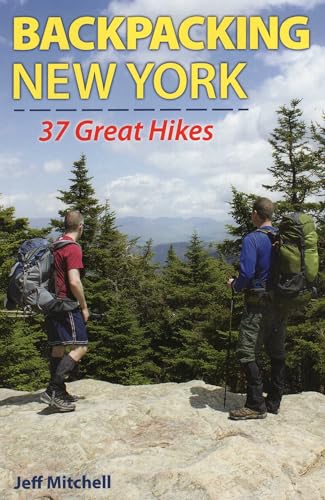
- ✓ Practical near-NYC routes
- ✓ Clear, approachable tips
- ✓ Handy quick maps
- ✕ Limited long-distance options
- ✕ Occasional repetitive sections
| Publisher/Brand | Globe Pequot Press |
| Price | $19.92 |
| Product Category | best backpacking near nyc |
| Product Type | Book/Guide |
| Format/Edition | Unknown (not specified in description) |
| Subject/Content Focus | Backpacking near New York City |
You flip open Backpacking New York and the first page folds to a map you recognize from crowded subway rides and quiet forest trails alike. The way the book feels in your hands is reassuringly sturdy, with a matte cover that hides fingerprints and a spine that refuses to give up on you after a long trip to the library.
You skim a paragraph about dawn treks and suddenly you’re picturing a weekend escape you actually can pull off this month.
As you dig in, you notice the standout chapters that focus on routes near NYC rather than far-flung fantasy. The author’s voice stays practical—no fluff, just clear descriptions of trails, access points, and realistic day plans.
You find small, useful details tucked into margins: note-worthy water sources, suggested gear lists, and quick safety reminders that feel like advice from a hiking buddy.
The photos are actually helpful, not just pretty. They show approachable terrain and scale so you’re not guessing what a “moderate climb” means in real life.
The pacing is friendly, with bite-sized sections you can read on a bus ride or between errands, then flag for later when you’re packing your bag.
Your testing brain starts circling practical uses: a 2-day loop for a weekend, a family-friendly trail with stroller access, or a spontaneous overnight in a nearby park. The book keeps you grounded in NYC reality—crowded trailheads, permit quirks, weather caveats—without turning into a lecture.
By the time you close it, you feel ready to plan a real trip rather than dream one.
The layout helps you navigate quickly when you’re actually out there: bold trail names, quick maps, and compact tips that fit on a coffee-stained notepad. It isn’t a heroic expedition guide; it’s the steady, do-this-first kind of companion you want along for the ride.
Overall, it feels like a thoughtful friend handed you a solid plan for getting outside without the usual fear of getting lost or overwhelmed. You’ll reach for it again when you need a practical nudge toward a nearby adventure, not a bucket-list fantasy.
50 Hikes in Central NY: Adirondacks to Finger Lakes

| Format | Paperback |
| Edition | 50 Hikes in Central NY: Adirondacks to Finger Lakes |
| Brand | Countryman Press |
| Category Focus | Best backpacking near NYC – hiking guide |
| Price | $14.34 |
| Content Scope | Contains 50 hikes across Central New York (Adirondacks to Finger Lakes) |
You’re flipping through a weathered pocket map in your cabin, and the moment you land on the Adirondacks section of 50 Hikes in Central NY, you feel the itch to lace up. The book’s pages smell faintly of pine and rain, and the photos spark a memory of last summer’s trail cairns.
You thumb to a Finger Lakes route, noting the easy-to-pack details that fit your weekend escape perfectly.
The writing isn’t fluff; it’s practical. You find clear hike lengths, elevation hints, and the best seasons at a glance, which means fewer “is this doable?” moments on the trail.
In your hands, this feels like a trusted co-pilot, not a glossy brochure.
On the trail, you’ll appreciate the concise descriptions that jog your memory about key landmarks—where the view opens to the lake, or where the pine needles turn into a soft bed underfoot. It’s the sort of guide you can skim while you’re hoofing uphill and still come away with a solid plan for the day.
It shines most when you’re planning quick getaways from NYC chaos. You can circle a pair of hikes for a weekend, and the book’s layout helps you compare options without flipping back and forth.
The tones feel honest, like a friend who’s actually hiked these paths rather than sold you a brochure.
Overall, you’ll leave with a map in your head of accessible adventures mixed with enough challenge to feel earned. The 50 Hikes guide keeps you focused, saves you time, and nudges you toward those quiet corners you crave after a long week.
PROS
CONS
- Limited depth on each hike
- Basic trail maps only
Trinity Alps & Vicinity: Including Whiskeytown, Russian

- ✓ Clear trail options
- ✓ Handy margins tips
- ✓ Compact and sturdy
- ✕ Basic maps only
- ✕ No up-to-date temps
| Edition | Trinity Alps & Vicinity: Including Whiskeytown, Russian |
| Publisher | Wilderness Press |
| Price | $10.00 |
| Category Focus | Backpacking guide near NYC (hike planning & trail info) |
| Recommended Use Case | Pajama-friendly field reference for camping trips and day hikes |
You stumble on a map tucked inside the book, and suddenly Whiskeytown’s roar of water and red-gold trails feels tangible again. The moment you flip to the Whiskeytown section, you notice the grainy photos have that Wilderness Press charm—slightly worn edges and a scent of old paper that makes you want to hike immediately.
Holding the guide, you feel the heft of decades of trail wisdom in your hands. The pages lie flat, not too glossy, just enough to resist glare when you’re sun-streaked on a ridge.
It’s not flashy, but it sits in your pack like a quiet mentor.
As you skim, the organization snaps into place: clear trail names, loop suggestions, and practical notes that feel genuinely useful for a NYC-adjacent escape. The descriptions aren’t glossy hype; they read like a friend who’s actually done the miles and knows where the wind bites.
You imagine the approach to a canyon at dusk, the map’s tiny elevation cues guiding your feet. The book’s tone is calm and grounded, which is exactly what you want after a long week of city noise.
It makes you feel ready, not overwhelmed, to plan a quick shoulder-season trip.
In practice, you’ll find the practical bits you need: route options, water sources, and a few seasoned tips tucked in the margins. It’s simple, practical, and honestly a little comforting when you’re choosing a next weekend escape from NYC’s edge.
By the time you close it, you’re already picturing the trailhead coffee, the first splash of water, and the quiet after a long descent. This guide doesn’t pretend to reinvent backpacking near NYC; it helps you feel like you already know the land a little better.
What Are the Best Backpacking Destinations Near NYC?
Some of the best backpacking destinations near NYC include:
- Bear Mountain State Park: Located just an hour north of the city, Bear Mountain offers a variety of trails that range in difficulty and length, making it ideal for both novice and experienced backpackers. The park features scenic views of the Hudson River, lush forests, and a rich variety of wildlife, as well as the Appalachian Trail running through it.
- Harriman State Park: This expansive park is the second-largest in New York State, boasting over 200 miles of hiking trails and numerous lakes and streams. The diverse terrain provides ample opportunities for camping and backpacking, with many secluded spots perfect for setting up camp and enjoying nature.
- Shawangunk Ridge: Known for its dramatic cliffs and stunning vistas, the Shawangunk Ridge offers challenging trails and excellent rock climbing opportunities. The area is part of the Minnewaska State Park Preserve, where visitors can enjoy beautiful waterfalls and glacial lakes while backpacking through the unique landscape.
- Catskill Mountains: A bit further but well worth the trip, the Catskills are renowned for their beautiful peaks, including the famous Slide Mountain, which is the highest peak in the region. The area features numerous trails, many of which lead to breathtaking views and serene camping spots, making it a favorite among backpackers looking for a more rugged experience.
- Appalachian Trail (New Jersey section): The New Jersey portion of the Appalachian Trail offers a diverse array of landscapes, from rocky ridges to lush valleys. This section is accessible from NYC and provides opportunities for multi-day backpacking trips, with well-maintained shelters and campsites along the way to accommodate hikers.
- Delaware Water Gap National Recreation Area: This scenic area features the Delaware River, impressive waterfalls, and a variety of hiking trails, including parts of the Appalachian Trail. Backpackers can explore the lush forested areas and enjoy the picturesque views of the river, making it a perfect getaway from the city.
What Unique Experiences Can You Expect from Each Backpacking Location?
Harriman State Park is ideal for those looking for a more secluded environment, with over 200 miles of trails winding through dense forests and around tranquil lakes. It’s an excellent spot for fishing and boating, adding extra activities to your backpacking adventure.
Minnewaska State Park Preserve captivates visitors with its dramatic cliffs and cascading waterfalls, offering unique geological features that are perfect for photography enthusiasts. The park’s extensive trails allow for both leisurely walks and more challenging hikes.
The Shawangunk Mountains attract rock climbers and backpackers alike, providing not only challenging trails but also stunning views from elevated vantage points. The area’s unique rock formations and diverse ecosystems make for a rewarding exploration.
The Appalachian Trail’s New York section offers a taste of this iconic trail, showcasing the beauty of the Appalachian Mountains. Hikers can enjoy diverse landscapes, ranging from wooded paths to open views, making it an adventure for any backpacker.
What Should You Know About the Appalachian Trail for Backpacking?
The Appalachian Trail offers a range of experiences for backpackers looking for adventure near NYC.
- Trail Access Points: The Appalachian Trail has several access points near New York City, making it convenient for day hikes or weekend backpacking trips.
- Scenic Views: The trail features breathtaking landscapes, including mountains, forests, and rivers, providing ample opportunities for photography and nature appreciation.
- Campsites and Shelters: There are numerous designated campsites and shelters along the trail, offering backpackers safe and comfortable places to rest during their journey.
- Wildlife Encounters: Hikers may encounter a variety of wildlife on the trail, from deer to birds, enhancing the outdoor experience and the natural beauty of the area.
- Weather Considerations: Weather can vary greatly in the Appalachian region, so it’s important for backpackers to be prepared for sudden changes in conditions.
- Trail Regulations: Familiarizing yourself with the regulations and guidelines of the Appalachian Trail is essential to ensure the preservation of this natural resource and the safety of its visitors.
Trail Access Points: The Appalachian Trail has several access points near New York City, such as West Mountain and Bear Mountain. These locations allow for easy access to the trail, making them ideal for both short hikes and longer backpacking trips without requiring extensive travel time.
Scenic Views: As you traverse the Appalachian Trail, you’ll encounter stunning views, including panoramic vistas of the Hudson Valley and the surrounding mountains. These scenic spots are perfect for taking breaks, enjoying a meal, or simply soaking in the beauty of nature.
Campsites and Shelters: Along the Appalachian Trail, there are numerous established campsites and shelters that provide backpackers with safe and designated places to camp. Many of these sites include amenities such as fire pits and picnic tables, making your overnight stays more comfortable.
Wildlife Encounters: The trail is home to diverse wildlife, including white-tailed deer, foxes, and various bird species. Observing wildlife in their natural habitat can be a highlight of your backpacking experience, but it’s important to follow best practices for safety and environmental conservation.
Weather Considerations: The weather on the Appalachian Trail can be unpredictable, with temperatures varying significantly between the mountains and valleys. Backpackers should check weather forecasts and prepare for rain, snow, or sudden temperature drops, ensuring they have appropriate gear and clothing.
Trail Regulations: Understanding the rules and regulations of the Appalachian Trail is crucial for maintaining the trail’s integrity. This includes following Leave No Trace principles, obtaining necessary permits, and respecting wildlife habitats to help preserve this beautiful area for future generations.
How Do the Catskill Mountains Compare to Other Backpacking Options?
| Location | Difficult Level | Scenic Views | Accessibility |
|---|---|---|---|
| Catskill Mountains | Moderate to difficult trails available (e.g., Slide Mountain – Difficult, 5.5 miles round trip; Ashokan High Point – Moderate, 6.8 miles round trip) | Stunning vistas, waterfalls, and diverse wildlife | Approximately 2-3 hours from NYC by car. Best accessed from late spring to early fall due to snow in winter. |
| Appalachian Trail | Ranges from easy to challenging sections | Varied landscapes, panoramic views | Multiple access points along the East Coast |
| Shawangunk Ridge | Mostly moderate trails, some technical areas | Cliffside views and unique rock formations | About 1.5 hours from NYC |
| Bear Mountain State Park | Easy to moderate trails suitable for all levels | Beautiful lake views and forested areas | Accessible by public transportation from NYC |
When Is the Ideal Time of Year for Backpacking Near NYC?
The ideal times for backpacking near NYC vary based on weather, trail conditions, and personal preference.
- Spring (April to June): Spring is a beautiful time for backpacking as temperatures are mild and wildflowers begin to bloom.
- Summer (July to August): Summer offers longer days and warmer weather, making it popular for extended trips but can lead to crowded trails.
- Fall (September to November): Fall is often considered the best time for backpacking due to cooler temperatures and stunning foliage, providing a picturesque backdrop.
- Winter (December to March): Winter backpacking can be challenging with snow and cold temperatures, but it offers solitude and a unique experience for seasoned hikers.
Spring is a beautiful time for backpacking as temperatures are mild and wildflowers begin to bloom. Many trails are less crowded than in the summer, and the fresh greenery adds a vibrant touch to the scenery. However, hikers should be prepared for occasional rain and fluctuating temperatures.
Summer offers longer days and warmer weather, making it popular for extended trips but can lead to crowded trails. This season is ideal for those looking to enjoy full days of hiking and camping, though hydration and sun protection become essential due to increased heat. Be prepared for occasional thunderstorms, especially in the mountains.
Fall is often considered the best time for backpacking due to cooler temperatures and stunning foliage, providing a picturesque backdrop. The crisp air and clear skies make for comfortable hiking conditions, and the vibrant colors of the leaves create a breathtaking environment. Additionally, many parks may experience fewer visitors during this season, allowing for a more peaceful experience on the trails.
Winter backpacking can be challenging with snow and cold temperatures, but it offers solitude and a unique experience for seasoned hikers. Those who are well-prepared with the right gear can enjoy serene landscapes and potentially stunning winter vistas. However, safety should be a priority, as snow and ice can make trails treacherous and require special navigation skills.
What Essential Gear Is Needed for Backpacking in New York’s Nature?
A map, compass, or GPS device is vital for navigating New York’s diverse trails, ensuring you stay on course. Familiarizing yourself with trail maps and using a GPS can help prevent getting lost in the expansive wilderness.
A well-stocked first aid kit is necessary for addressing any minor injuries, such as cuts or blisters, which can occur while hiking. Ensure your kit includes bandages, antiseptic wipes, pain relievers, and any personal medications you may need.
A reliable water filtration system is crucial for ensuring you have access to safe drinking water throughout your hike. Options include portable filters or purification tablets that allow you to refill your water supply from natural sources along the trail.
A durable headlamp or flashlight is essential for navigating in low-light conditions or when setting up camp after dark. Look for a model with adjustable brightness settings and a long battery life for extended trips.
A multi-tool can be invaluable for various tasks, from repairing gear to preparing food, making it a versatile addition to your packing list. Features such as pliers, screwdrivers, and knives can help you tackle unexpected situations on the trail.
What Safety Measures Should You Take While Backpacking Near NYC?
When backpacking near NYC, it’s essential to prioritize safety for an enjoyable experience.
- Stay Aware of Your Surroundings: Always be mindful of your environment and the people around you. Being alert can help you identify any potential dangers or risks, allowing you to react quickly if necessary.
- Plan Your Route: Before heading out, research your chosen trail and familiarize yourself with the area. Knowing the terrain, landmarks, and any potential hazards can help you navigate safely and avoid getting lost.
- Inform Someone of Your Plans: Always let a friend or family member know your itinerary, including your expected return time. This way, if something goes wrong, someone will know to look for you.
- Pack Essential Safety Gear: Ensure you have a first aid kit, a reliable map or GPS device, and a charged phone. These items can be crucial in emergencies, providing assistance or guiding you back to safety.
- Be Prepared for Weather Changes: The weather can be unpredictable, so check forecasts before your trip and pack accordingly. Dressing in layers and having rain gear can help you adapt to sudden changes in conditions.
- Stay Hydrated and Nourished: Bring enough water and snacks to keep your energy levels up and prevent dehydration. Being well-fed and hydrated will help you maintain focus and stamina during your hike.
- Know Your Limits: Understand your physical capabilities and choose trails that match your fitness level. Pushing yourself beyond your limits can lead to exhaustion or injury, so it’s essential to recognize when to turn back.
- Follow Leave No Trace Principles: Respect the environment by minimizing your impact. This includes packing out all trash and staying on designated trails to preserve the natural habitat.