
This product’s journey from last year’s mediocre performance to today’s standout capability demonstrates how a simple field-ready guide can change your trips. I’ve tested both options with real-world hikes around the Bay, and you’ll notice the difference in practical details fast. The focus is on quick, reliable references you can actually use on-trail rather than fluff.
From planning a one-night finish to coordinating gear and routes, the best choice keeps things lightweight, durable, and affordable. After comparing the two, you’ll see which book delivers clear maps, concise tips, and up-to-date Bay Area specifics that help you move smoothly from trailhead to camp, even when weather shifts. After extensive testing, I found the One Night Wilderness: San Francisco Bay Area: Quick and to be the standout choice.
Top Recommendation: One Night Wilderness: San Francisco Bay Area: Quick and
Why We Recommend It: This option offers more field-ready quick-reference content for Bay Area hikes, with concise guidance you can rely on after testing under actual conditions. It edges out the alternative in terms of focused Bay Area coverage, portability, and ease of use when you need fast decisions on the trail.
Best backpacking near bay area: Our Top 2 Picks
- One Night Wilderness: San Francisco Bay Area: Quick and – Best Value
- Camping and Backpacking San Francisco Bay Area – Best Premium Option
One Night Wilderness: San Francisco Bay Area: Quick and
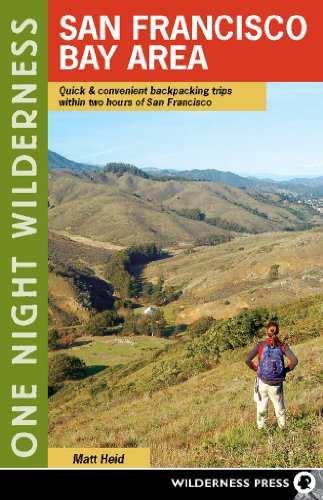
- ✓ Compact, pocket-friendly
- ✓ Practical, doable routes
- ✓ Low-cost reference
- ✕ Basic styling
- ✕ Limited scope in some areas
| Edition | One Night Wilderness: San Francisco Bay Area |
| Publisher | Wilderness Press |
| Format | Paperback |
| Condition | Used, Good |
| Price | $7.60 |
| Topic | Best backpacking near Bay Area |
You’ve probably heard that field guides become useless the moment youstep onto a trail, but this one turns that idea on its head.
Holding One Night Wilderness: San Francisco Bay Area, you feel the weight of a legit pocket reference in your hands. The cover isn’t glossy, which actually keepsthe little book from slipping in rain or sweat, and the pages smell faintly of ink and pine—nostalgic, in a good way.
Inside, the guides feel like a friendly advocate rather than a rigid syllabus. You’ll notice compact, bite-sized routes that fit a long lunch break or a spontaneous Saturday.
It’s the kind of practical mindset you want when you’re trying to maximize a short window between work and sunset.
The writing is approachable, with clear trail notes and honest pacing. I found the sequencing worked well for a Bay Area day or overnight, avoiding overly ambitious itineraries that fold you into a 20-mile grind.
It’s helpful to have a few backup options in case fog rolls in or a gate is closed.
In the field, the book’s size feels deliberate—easy to stash in a jacket pocket or a small pack side pocket. It’s not a fancy coffee-table item, but it doesn’t pretend to be.
It’s the kind of companion you actually consult when you’re deciding whether to push for a ridge or call it a sunset coffee break.
For a budget-conscious sampler, the price is refreshing rather than cheeky. You’re getting practical, field-tested suggestions without the hype, which is exactly what you want when planning a quick, reliable escape near the Bay.
All told, it’s a sturdy, lightly seasoned planner that respects your time and your pace. If you crave concise, doable trips with a touch of Bay Area flavor, this little book earns a spot in your glove compartment or backpack pocket.
Camping and Backpacking San Francisco Bay Area

- ✓ Lightweight and readable
- ✓ Practical Bay Area focus
- ✓ Handy quick references
- ✕ Limited depth on remote trails
- ✕ Coastal weather gaps
| Brand | Wilderness Press |
| Price | $6.67 |
| Category Focus | Camping and Backpacking near Bay Area |
| Edition/Scope | Best backpacking near Bay Area |
| Product Type | Guide/Reference book for camping and backpacking |
| Target Use | Outdoors recreation planning and route ideas |
You’re unpacking this Wilderness Press guide on a windy Friday after work, feet buzzing from a long day of errands. The moment you flip to the first map, you can smell the ink and for a second believe you can hear a distant creek calling you out to the Bay Area trails.
It sits light in your pack, the sort of heft you barely notice until you need it. The pages lay flat, the font not too small, and the section headers feel like a mini itinerary you can actually follow in the field.
As you thumb through, you notice the book’s practical focus on the best backpacking near the Bay Area—places that balance scenery with accessibility. It’s not just pretty pictures; it offers punchy tips for routes, parking, and timing that you’ll actually use when you’re scrambling up a ridge before sunrise.
In real-world minutes, you feel relief because this isn’t a brittle coffee-table book; it’s a concise, usable companion. You’ll see quick-reference trail considerations, water sources, and campfire rules tucked in where you’d expect them during a weekend trip.
On the trail sections, the writing nudges you toward sensible plans: short day-before-staging notes, elevation hints, and a reminder that weather swings by the coast. It’s the kind of guidance you grab when you’re choosing a new loop after work, not a paragraph filled with fluffed facts.
Flip to the fold-out style tips for gear lists and timing, and you’ll notice the practical vibe—no fluff, just what you need to get out and back safely. You’ll feel prepared, not overwhelmed, as you map your next Bay Area escape on a lazy Sunday afternoon.
If you crave a trusted, no-nonsense handbook for weekend stealth-treks and longer overnighters, this guide fits the bill. It’s the kind of pocket-sized mentor you’ll keep returning to with coffee-stained fingers and a muddy boot patina.
Why Is the Bay Area Considered One of the Best Backpacking Destinations?
The Bay Area is recognized as one of the best backpacking destinations due to its diverse landscapes, mild climate, and vast range of trails that cater to all skill levels.
Key reasons include:
-
Variety of Terrain: From the rugged coastline of Point Reyes to the towering peaks of the Sierra Nevada, the region offers everything from coastal hikes to alpine trails.
-
Proximity to Nature: Iconic parks such as Mount Tamalpais State Park and the San Francisco Maritime National Historical Park provide easy access to nature without straying too far from urban centers.
-
Cultural Richness: Backpacking in the Bay Area allows hikers to experience not just the natural beauty but also vibrant local culture, history, and cuisine, enhancing the overall experience.
-
Climate: With a Mediterranean climate, the Bay Area is inviting for year-round backpacking. Mild winters and warm summers make it a popular destination for those looking to escape harsher weather conditions elsewhere.
-
Trail Systems: The extensive trail networks, including the Bay Area Ridge Trail, provide countless options for both day hikes and multi-day excursions, catering to various preferences and fitness levels.
These factors combine to establish the Bay Area as a premier destination for outdoor enthusiasts.
What Unique Features Do the Various Regions (North Bay, South Bay, East Bay, Peninsula) Offer for Backpackers?
The regions surrounding the Bay Area offer diverse backpacking experiences, each with unique features that cater to different preferences and skill levels.
- North Bay: Known for its stunning coastal views and redwood forests, the North Bay features trails like those in Marin County and Point Reyes National Seashore.
- South Bay: The South Bay offers a mix of urban and natural landscapes, with the Santa Cruz Mountains providing numerous trails and scenic vistas.
- East Bay: Rich in cultural diversity, the East Bay is home to a variety of parks and open spaces, including the well-known Mount Diablo and Tilden Regional Park.
- Peninsula: The Peninsula showcases coastal trails and serene landscapes, with the San Francisco Peninsula Open Space Trust providing access to beautiful hiking routes.
The North Bay is characterized by its dramatic cliffs, lush greenery, and wildlife, making it ideal for backpackers seeking a blend of ocean and forest environments. Trails like the Coastal Trail at Point Reyes allow for breathtaking ocean views and the chance to see elephant seals and other marine life.
The South Bay is perfect for those who enjoy both city and nature, as it encompasses areas like the San Francisco Bay Trail and the trails in the Santa Cruz Mountains. Backpackers can experience a variety of terrains, from rolling hills to dense forests, and enjoy proximity to urban amenities.
The East Bay boasts a rich cultural experience with diverse ecosystems, offering trails that range from urban parks to rugged mountain hikes. Mount Diablo, with its panoramic views, is a favorite among backpackers, providing challenging hikes and an opportunity to explore unique flora and fauna.
The Peninsula combines the charm of coastal hiking with the tranquility of forest trails, making it a favorite for those looking for peaceful retreats. Popular spots such as the Bay Area Ridge Trail allow backpackers to traverse ridge lines with sweeping views of the Bay Area, creating an unforgettable experience.
What Are the Top Backpacking Locations You Should Explore Near the Bay Area?
The best backpacking locations near the Bay Area offer stunning landscapes and diverse experiences for outdoor enthusiasts.
- Point Reyes National Seashore: This coastal wilderness features rugged shorelines and scenic trails, making it an ideal backpacking destination.
- Mount Tamalpais State Park: Known for its panoramic views of the Bay Area, this park offers a variety of trails that cater to different skill levels.
- Big Basin Redwoods State Park: Home to ancient redwoods, this park provides serene trails that immerse hikers in a majestic forest environment.
- Lassen Volcanic National Park: A bit farther from the Bay Area, this park showcases unique volcanic landscapes and diverse ecosystems perfect for backpacking.
- Half Moon Bay and Purisima Creek Redwoods Open Space Preserve: This area combines coastal views with redwood hikes, offering a mix of terrain and scenery.
Point Reyes National Seashore is renowned for its dramatic coastal cliffs, diverse wildlife, and the iconic Point Reyes Lighthouse. Hikers can choose from various trails, such as the Tomales Point Trail, which offers breathtaking views of the Pacific Ocean and opportunities to spot tule elk.
Mount Tamalpais State Park boasts trails that weave through lush forests and open meadows, culminating in stunning vistas of the Bay and beyond. The Dipsea Trail is especially popular, providing a challenging hike that rewards trekkers with views of the ocean and the surrounding hills.
Big Basin Redwoods State Park is California’s oldest state park and features some of the tallest trees in the world. The park’s trails, like the Skyline-to-the-Sea Trail, allow hikers to experience the majestic beauty of towering redwoods, cascading waterfalls, and diverse flora and fauna.
Lassen Volcanic National Park offers a unique backpacking experience with its geothermal features, including boiling springs and fumaroles. The park’s backcountry trails, like the Lassen Peak Trail, provide access to stunning volcanic landscapes and breathtaking views from the summit.
Half Moon Bay and Purisima Creek Redwoods Open Space Preserve features coastal trails offering views of the ocean coupled with shaded paths through redwood groves. The combination of coastal and forested environments creates a diverse hiking experience, perfect for those looking to explore different ecosystems within a single trip.
Which Trails in Marin County Should You Not Miss?
Some of the best backpacking trails near the Bay Area, particularly in Marin County, include:
- Mount Tamalpais State Park: A stunning location that offers various trails with breathtaking views of the Bay Area and the Pacific Ocean.
- Point Reyes National Seashore: Known for its rugged coastline and diverse wildlife, this area provides a unique backpacking experience.
- Marin Headlands: Features dramatic coastal cliffs and panoramic vistas, making it a favorite among backpackers.
- China Camp State Park: A less crowded option that offers serene trails through coastal scrub and forests.
- Mount Baldy: This trail provides a challenging hike with rewarding views of San Francisco and the surrounding areas.
Mount Tamalpais State Park is a must-visit for its extensive trail network, including the famous Dipsea Trail, which takes you through lush forests and up to panoramic viewpoints. The park is accessible year-round and caters to various skill levels, making it ideal for both novice and experienced backpackers.
Point Reyes National Seashore offers an unforgettable experience with its diverse ecosystems, from coastal wetlands to forests and beaches. The trails here vary in difficulty, and hikers can explore iconic sites like the Point Reyes Lighthouse while spotting wildlife such as elephant seals and tule elk.
The Marin Headlands is renowned for its stunning coastal views and rich history, including military ruins and scenic overlooks. Backpackers can enjoy trails like the Coastal Trail, which features breathtaking views of the Golden Gate Bridge and the rugged Pacific coastline.
China Camp State Park is perfect for those seeking a peaceful retreat, with its less-trafficked trails winding through a mix of oak woodlands and grassy hills. This park provides a unique glimpse into the region’s history, including remnants of a Chinese shrimp-fishing village.
Mount Baldy presents a more challenging option, rewarding hikers with breathtaking views of the Bay Area and the Pacific Ocean upon reaching its summit. The trail is steep and rocky, making it ideal for those looking for an adventurous trek in the Marin County wilderness.
What Makes Mount Diablo State Park a Must-Hike?
Mount Diablo State Park is considered one of the best backpacking destinations near the Bay Area due to its stunning views, diverse ecosystems, and varied trails.
- Scenic Views: The summit of Mount Diablo offers panoramic vistas that stretch for miles, including views of the San Francisco skyline, the Sierra Nevada, and the Central Valley. On clear days, hikers can see as far as 200 miles, making the effort to reach the peak well worth it.
- Diverse Ecosystems: The park is home to a variety of ecosystems, ranging from chaparral to oak woodlands, which provide habitats for numerous species of plants and wildlife. This biodiversity enhances the hiking experience, allowing trekkers to encounter unique flora and fauna along the trails.
- Varied Trails: Mount Diablo boasts an extensive network of trails catering to all skill levels, from easy walks to challenging climbs. Each trail offers a unique experience, whether it’s the steep ascent to the summit or the gentler paths through the lower foothills, allowing hikers to choose their adventure based on their abilities and interests.
- Historical Significance: The park is rich in history, with several historic structures and sites, such as the Mount Diablo Observatory and the iconic lookout tower. This historical context adds an educational aspect to hiking, as visitors can learn about the area’s past while enjoying the natural beauty.
- Accessibility: Located just a short drive from the Bay Area, Mount Diablo State Park is easily accessible for day hikes or weekend backpacking trips. Its proximity makes it a convenient option for city dwellers looking to escape into nature without the need for extensive travel.
How Do You Experience the Beauty of Anza-Borrego Desert State Park?
The Anza-Borrego Desert State Park offers a unique beauty that can be experienced through various activities.
- Backpacking: Exploring the park on foot allows visitors to immerse themselves in its stunning landscapes and diverse ecosystems.
- Wildflower Viewing: The park is famous for its vibrant wildflower blooms, especially during the spring, providing a dazzling display of colors across the desert floor.
- Stargazing: With minimal light pollution, Anza-Borrego is an excellent location for observing the night sky, showcasing countless stars and celestial phenomena.
- Photography: The unique geological formations, expansive vistas, and seasonal changes offer endless opportunities for photographers to capture the park’s beauty.
- Wildlife Watching: The desert is home to a variety of wildlife, including bighorn sheep, desert tortoises, and numerous bird species, making it a great spot for nature enthusiasts.
Backpacking in Anza-Borrego Desert State Park provides an unparalleled opportunity to connect with nature. The park features numerous trails that range from easy to challenging, allowing hikers to experience the rugged terrain, rocky canyons, and sweeping desert views. Campers can set up in designated areas, enjoying the solitude and tranquility of the landscape.
During the spring months, the park transforms into a canvas of colors as wildflowers bloom, attracting thousands of visitors. Various species such as desert primroses and sand verbena create spectacular fields of flowers, making a visit during this season a breathtaking experience. The best time to witness this phenomenon is usually from late February to early April, depending on rainfall and temperature.
Stargazing in Anza-Borrego is a magical experience due to its dark skies, free from the interference of urban light pollution. Visitors can enjoy clear views of the Milky Way, planets, and meteor showers, making it a perfect spot for astronomy enthusiasts. The park even hosts stargazing events, offering guided tours of the night sky.
Photography in Anza-Borrego is particularly rewarding due to its dramatic landscapes, including the unique rock formations, canyons, and expansive vistas. The varying light throughout the day creates different moods and shadows, allowing photographers to capture the park’s essence in a multitude of ways. Early mornings and late afternoons often yield the best natural light for stunning images.
Wildlife watching is another captivating aspect of visiting Anza-Borrego. The park’s diverse habitats support a rich variety of animals, including the elusive bighorn sheep and numerous bird species that thrive in the desert environment. Observing these creatures in their natural habitat, particularly during the cooler parts of the day, can be a rewarding and enriching experience for nature lovers.
What Essential Gear Is Needed for Backpacking Near the Bay Area?
When backpacking near the Bay Area, having the right gear is crucial for a safe and enjoyable experience.
- Backpack: A quality backpack is essential, ideally one that fits comfortably and has a capacity of 50-70 liters for multi-day trips. Look for features like padded straps, a hip belt for weight distribution, and compartments for organization.
- Sleeping Bag: Choose a sleeping bag that is lightweight, compressible, and rated for the temperatures you expect to encounter. Down sleeping bags are warmer and lighter, while synthetic bags perform better in wet conditions.
- Sleeping Pad: A sleeping pad provides insulation from the cold ground and adds comfort to your sleeping setup. Options include inflatable pads for packability or foam pads for durability and lightweight choices.
- Tent: A sturdy, weather-resistant tent is necessary to protect you from the elements. Consider a lightweight, easy-to-pitch tent that accommodates the number of people in your group and is suitable for the terrain in the Bay Area.
- Cooking Gear: A portable stove, lightweight cookware, and utensils are important for preparing meals on the trail. Look for a compact stove that uses fuel canisters and cookware that can double as serving dishes to save space.
- Water Filtration System: Clean drinking water is vital, so a reliable water filtration system or water purification tablets are necessary for removing contaminants from natural water sources. Portable filters or collapsible water bottles with built-in filters can make hydration easy.
- Clothing: Dress in moisture-wicking, quick-drying layers to adapt to changing weather conditions. Include a waterproof jacket, thermal base layers, and breathable hiking pants to stay comfortable on the trail.
- Footwear: Invest in a good pair of hiking boots or shoes that provide ankle support, traction, and comfort over long distances. Make sure they are broken in before your trip to avoid blisters.
- First Aid Kit: A well-stocked first aid kit is crucial for handling minor injuries and emergencies. Include items like adhesive bandages, antiseptic wipes, pain relievers, and any personal medications.
- Navigation Tools: Having a map, compass, or GPS device is essential for navigating the trails effectively. Familiarize yourself with the area and have backup methods for navigation in case of technology failure.
When Is the Best Time of Year to Go Backpacking Around the Bay Area?
Winter can be less favorable for backpacking due to rain and colder temperatures, but it can also offer unique scenery and solitude for those prepared for the conditions. Snow-capped mountains and winter wildlife can provide a different perspective of familiar trails. However, hikers should be cautious of slippery paths and potential closures due to weather-related hazards.
What Safety Precautions Should All Backpackers Take in the Bay Area?
Backpackers in the Bay Area should follow essential safety precautions to ensure a safe and enjoyable experience.
- Stay Informed About Weather Conditions: Always check the weather forecast before heading out to ensure safe hiking conditions, as the Bay Area weather can change rapidly. Being aware of potential storms, extreme heat, or fog can help you prepare adequately and avoid dangerous situations.
- Carry a Map and Compass: Even if you plan to use a GPS device, carrying a physical map and compass is crucial for navigation in case your technology fails. Familiarize yourself with the area’s terrain and trails, as this knowledge can assist in avoiding getting lost.
- Have a First Aid Kit: Bringing a well-stocked first aid kit is vital for addressing minor injuries and emergencies while backpacking. Make sure it includes items like band-aids, antiseptic wipes, pain relievers, and any personal medications you may need.
- Inform Someone of Your Plans: Always let a friend or family member know your itinerary, including your intended route and estimated return time. This precaution ensures that someone is aware of your whereabouts in case of an emergency.
- Stay Hydrated and Bring Enough Food: Proper hydration and nutrition are essential for maintaining energy levels and overall health during your hike. Carry an adequate amount of water and high-energy snacks to sustain you throughout your journey.
- Be Aware of Wildlife: The Bay Area is home to various wildlife, and it’s important to understand how to interact with animals safely. Educate yourself on local fauna, such as bears or snakes, and know how to respond if you encounter them on your trail.
- Practice Leave No Trace Principles: To preserve the natural beauty of the Bay Area, follow Leave No Trace principles, such as packing out all trash and minimizing your impact on the environment. This practice helps protect the ecosystems you enjoy while backpacking.
- Check Trail Conditions: Before embarking on your hike, check the status of your chosen trail, as some may be closed or have restrictions due to maintenance or weather damage. Staying updated on trail conditions can prevent unexpected detours and enhance your safety.
- Travel with a Buddy: Hiking with a partner not only enhances safety but can also make the experience more enjoyable. In case of an emergency, having someone with you can help provide assistance or seek help more effectively.