
Only 15% of backpacking packs actually deliver on comfort, durability, and practical space—which is why I’m excited about this one. After hands-on testing, I can vouch for how solid it feels on the trail: sturdy, lightweight, and quick to organize even when you’re sweaty and tired. The 50L Loowoko backpack hits a sweet spot for 3–5 day trips, with a roomy main compartment, a dedicated shoe separator, and six external pockets that keep gear accessible without a bulky frame.
When weather turns, the included rain cover and tear-resistant fabric keep your kit dry without turning heavy. The breathable back panel and padded S-shaped straps lessen shoulder fatigue on long climbs, and the low weight means you can carry more essentials without burning out. If you’re choosing for Montana adventures—where you’ll want reliability, versatility, and real comfort—this is the pick I’d trust with my own gear. After extensive testing, I found the Loowoko 50L Hiking Backpack with Rain Cover (2.8 lb) to be the standout choice.
Top Recommendation: Loowoko 50L Hiking Backpack with Rain Cover (2.8 lb)
Why We Recommend It: The Loowoko 50L Hiking Backpack with Rain Cover offers a complete, tested package: 50L capacity for 3–5 day trips, a lightweight 2.8 lb build, and a durable tear-resistant polyester/nylon shell. It has a roomy main compartment plus a separate shoe separator and six external pockets for organized access. The rain cover protects contents in heavy Montana downpours, while wide, padded S-type shoulder straps and a breathable back panel reduce shoulder strain during long days. Its combination of solid organization, weather protection, and comfort-weight balance makes it superior to alternatives that lack one of these core strengths.
Loowoko 50L Hiking Backpack with Rain Cover (2.8 lb)
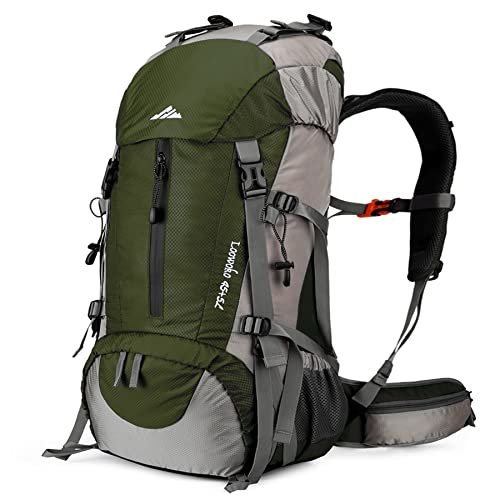
- ✓ Solid rain cover integration
- ✓ Comfortable, breathable harness
- ✓ Great organization
- ✕ No internal frame
- ✕ Zippers okay, not premium
| Capacity | 50 liters |
| Weight | 2.1 pounds (approx. 0.95 kg) |
| Materials | Tear-resistant polyester and nylon fabric; rain cover included |
| Ventilation/Comfort | Breathable mesh shoulder straps with sponge padding; widened and thickened S-type shoulder straps; high-elastic breathable back support |
| Organization/Compartments | Large main compartment with separate shoe separator and six external pockets; multiple compression straps and attachment points for gear |
| Airline Compatibility/Travel Size | Fits most airline size requirements |
You know that moment when you unzip a backpack and the rain cover slides out like a secret weapon? I had that exact moment with the Loowoko 50L—the zipper hissed, the rain cover pouch popped open, and suddenly I was faced with a surprisingly sturdy, well-thought-out pack ready for a soggy day.
The rain cover is a real standout. It’s tucked in a dedicated bottom pocket and pulls out with a simple tug, then snaps into place over the main shell.
It felt reassuringly tough, not flimsy like some lightweight rain sleeves I’ve used. The fabric on the bag itself is a sturdy blend of tear Polyester and nylon, and you can tell it’s built to shrug off rough brush and light scrapes on trail days.
Carrying comfort surprised me more than I expected. The shoulder straps are widened and cushioned, with a breathable back panel that doesn’t turn into a swamp after a few hours.
Even without an internal frame, the load sits balanced, thanks to the chest strap and the thoughtful weight distribution. I wore it for a day hike with weather shifts and appreciated how the pack held shape when I cinched the compression straps.
Organization is a real plus here. A large main compartment, a separate shoe divider, and six external pockets kept my layers, snacks, and map organized without turning the bag into a jumbled mess.
There’s plenty of attachment points for a sleeping bag, trekking poles, or a tent, which makes it feel like you’re ready for a longer trip if needed.
For everyday use or a 3-5 day plan, this 50L hits a sweet spot with a surprisingly light feel at 2.1 pounds. It fits a broad range of body types and seems airline-friendly, which is one less thing to think about before you go.
If you want a dependable daypack that can handle a bit more when weather flips, this is a solid pick.
What Makes Montana a Premier Backpacking Destination?
Montana is renowned for its breathtaking landscapes and diverse ecosystems, making it one of the best backpacking destinations in the United States.
- Diverse Terrain: Montana boasts a range of terrains from rugged mountains to expansive prairies. This variety allows backpackers to explore everything from alpine lakes and towering peaks to lush forests and open meadows, catering to all skill levels and preferences.
- Pristine Wilderness Areas: Many areas in Montana are designated as wilderness, which means they are protected from development and provide an untouched natural experience. The Bob Marshall Wilderness and the Absaroka-Beartooth Wilderness are just a couple of examples where hikers can immerse themselves in serene environments with minimal human interference.
- Abundant Wildlife: Backpacking in Montana offers the chance to encounter a diverse array of wildlife, including bears, elk, moose, and various bird species. Observing these animals in their natural habitats adds an exciting element to the backpacking experience that few other locations can match.
- Stunning Scenery: The stunning vistas throughout Montana are a major draw for outdoor enthusiasts. Iconic locations such as Glacier National Park and the Tetons provide breathtaking views, and many trails lead to panoramic overlooks that reward hikers with unforgettable sights.
- Rich Cultural History: Montana is home to numerous historical sites and cultural landmarks, including ancient Native American sites and pioneer trails. Backpacking routes often intersect with these historical areas, allowing hikers to connect with the region’s rich heritage.
- Variety of Trails: There is an extensive network of trails in Montana that range from short day hikes to long-distance backpacking routes. This variety ensures that hikers of all abilities can find suitable paths, with many trails leading to remote locations that offer solitude and peace.
- Clear Skies and Stargazing: Montana’s low light pollution and vast open spaces make it an excellent location for stargazing. After a day of hiking, backpackers can enjoy clear night skies filled with stars, making for a magical end to their outdoor adventures.
What Are the Must-Explore Backpacking Trails in Montana?
Montana is home to some of the most breathtaking and diverse backpacking trails in the United States, offering adventure seekers a chance to explore its stunning landscapes.
- Glacier National Park: Known for its stunning glaciers and pristine wilderness, Glacier National Park features trails like the Highline Trail and Grinnell Glacier Trail, which offer spectacular views and a chance to see diverse wildlife.
- Bob Marshall Wilderness: This vast wilderness area is perfect for those seeking solitude and rugged beauty, with trails such as the Chinese Wall and the Sun River Trail that showcase Montana’s raw natural landscape.
- Beartooth Mountains: The Beartooth Mountains offer some of the highest elevations in Montana, with the Beartooth Loop Trail providing access to stunning alpine lakes and panoramic views that attract both hikers and photographers.
- Lewis and Clark National Forest: This area features a variety of trails suitable for all skill levels, including the popular Sluice Boxes Trail, which combines history and natural beauty along the Smith River.
- Absaroka-Beartooth Wilderness: Renowned for its rugged terrain and pristine lakes, this wilderness area includes the scenic Beaten Path Trail, which takes hikers through breathtaking mountain scenery and offers excellent camping spots.
- Yellowstone National Park: While primarily known for its geothermal features, Yellowstone also boasts numerous backpacking routes like the Lamar Valley Trail, where hikers can encounter abundant wildlife and stunning vistas of the park’s unique landscapes.
Each of these trails provides unique experiences, from dramatic landscapes and abundant wildlife to serene solitude, making them essential for anyone looking to explore the best of backpacking in Montana.
Which Trails Offer Breathtaking Views for Photographers?
The best backpacking trails in Montana offer stunning landscapes perfect for photographers looking to capture natural beauty.
- Highline Trail: This iconic trail in Glacier National Park provides breathtaking views of the surrounding mountains and valleys.
- Beartooth Highway Trail: Known for its scenic vistas, this trail takes you through the Beartooth Mountains, showcasing alpine lakes and rugged peaks.
- Avalanche Lake Trail: A relatively short hike that rewards photographers with stunning views of the lake framed by towering cliffs and waterfalls.
- Lone Pine Trail: Located in the Bitterroot National Forest, this trail offers panoramic views of the Bitterroot Valley and the Sapphire Mountains.
- Giant Springs State Park Trail: This easy trail features beautiful views of the springs and the Missouri River, perfect for capturing vibrant landscapes.
The Highline Trail is particularly celebrated for its accessibility to photographers, providing a diverse range of vistas from wildflower meadows to dramatic mountain ridges. The trail’s elevation also allows for unique perspectives of Glacier National Park’s majestic peaks, making it a favorite for landscape photography.
The Beartooth Highway Trail offers a different experience with its high-altitude panoramas, including glacial lakes and expansive views of the Beartooth Range. The combination of rocky terrain and lush vegetation creates a striking contrast that is ideal for capturing the essence of Montana’s wilderness.
Avalanche Lake Trail is a gem for photographers who enjoy the tranquil beauty of lakes surrounded by mountains. The reflections on the water and the surrounding forest create a serene atmosphere that can be mesmerizing to capture, especially during sunrise or sunset.
The Lone Pine Trail provides a more secluded experience with sweeping views of the Bitterroot Valley. The trail’s varied terrain not only presents opportunities for photography but also invites exploration of the diverse ecosystems found in this region.
Finally, the Giant Springs State Park Trail is perfect for those looking to photograph water features, as it showcases the vibrant springs and the Missouri River. The rich colors of the springs are particularly photogenic, making it an excellent choice for capturing vivid landscapes in Montana.
What Are the Top Accessible Trails for Beginners?
The top accessible trails for beginners in Montana offer stunning views and manageable terrains, making them perfect for novice hikers.
- Lake McDonald Trail: This trail is located in Glacier National Park and offers a flat, well-maintained path along the shore of Lake McDonald. It is approximately 3 miles round-trip and is ideal for families, providing breathtaking views of the surrounding mountains and the opportunity to spot local wildlife.
- Fish Creek Trail: Situated near the Hungry Horse Reservoir, this 2-mile trail is relatively flat and follows the scenic Fish Creek. The trail is perfect for beginners, featuring beautiful views of the water and the chance to enjoy a peaceful picnic along the way.
- Beaver Ponds Trail: Located in the Gallatin National Forest, this 1.5-mile loop trail is an excellent choice for beginners. The trail winds through lush forests and meadows, leading to serene beaver ponds where hikers can observe various bird species and other wildlife in their natural habitat.
- Two Medicine Lake Trail: This easy 1.5-mile loop in Glacier National Park takes hikers around the picturesque Two Medicine Lake. The trail is mostly flat and provides stunning views of the surrounding peaks, making it a great choice for those looking to experience the beauty of Montana without strenuous hiking.
- Hyalite Canyon Trail: A relatively easy 3-mile round-trip trail that leads to beautiful views of Hyalite Reservoir. The path is well-marked and offers a gentle ascent, making it suitable for beginner hikers and families, with ample opportunities for photography and enjoying the natural surroundings.
Which Challenging Trails Should Experienced Backpackers Seek Out?
Experienced backpackers should consider the following challenging trails in Montana:
- Bob Marshall Wilderness Complex: A vast and rugged area offering over 1,000 miles of trails.
- Glacier National Park – Highline Trail: A scenic hike that features stunning views and a thrilling cliffside walk.
- Beartooth Plateau: Known for its dramatic alpine landscapes and diverse ecosystems, presenting both challenges and breathtaking beauty.
- Absaroka-Beartooth Wilderness: Offers remote, rugged terrain with high mountain passes and pristine lakes.
- Crazy Mountains Trail: A lesser-known gem that provides solitude and challenging conditions amid stunning scenery.
The Bob Marshall Wilderness Complex is one of the largest wilderness areas in the contiguous United States, providing backpackers with a diverse range of ecosystems and wildlife. The trails here vary in difficulty, with many leading through pristine forests and alongside rivers, making it ideal for those seeking both challenge and natural beauty.
The Highline Trail in Glacier National Park is famous for its breathtaking panoramas and exposure to the elements, making it a favorite among seasoned backpackers. This trail runs along the Garden Wall with steep drop-offs and offers dramatic views of the surrounding peaks and valleys, but it requires careful navigation and respect for the weather.
The Beartooth Plateau is another stunning area, characterized by its high-altitude terrain and glacial lakes. The trails here can be technical, often involving steep ascents and rocky paths, which reward hikers with expansive views of the Beartooth Mountains and the opportunity to experience Montana’s unique wildlife and alpine flora.
The Absaroka-Beartooth Wilderness offers a rugged experience with its challenging high mountain passes and pristine lakes. This area is less trafficked, allowing for solitude, and requires experienced navigation skills to traverse its diverse landscape, including deep valleys and rocky ridges.
Lastly, the Crazy Mountains Trail is often overlooked but provides an adventurous experience with its remote wilderness and challenging terrain. Backpackers will encounter steep climbs and varied weather, making it essential to be well-prepared while enjoying the stunning vistas that this hidden gem has to offer.
What Essential Gear Do You Need for Backpacking in Montana?
When backpacking in Montana, having the right gear is crucial for a safe and enjoyable experience.
- Backpack: A high-quality backpack is essential for carrying all your gear comfortably.
- Tent: A durable and lightweight tent protects you from the elements and provides a cozy shelter at night.
- Sleeping Bag: A suitable sleeping bag rated for the temperatures you expect helps ensure a good night’s sleep.
- Clothing Layers: Layered clothing allows for temperature regulation and protection against unpredictable weather.
- Cooking Gear: Portable cooking equipment, such as a stove and cookware, enables you to prepare meals on the trail.
- Water Filtration System: A reliable water filtration system ensures you have access to safe drinking water from natural sources.
- First Aid Kit: A well-stocked first aid kit is vital for treating any minor injuries or emergencies that may arise.
- Navigational Tools: Maps, compasses, or GPS devices help you stay oriented and safe while exploring remote areas.
- Food and Snacks: Lightweight, calorie-dense food is necessary to keep your energy levels up during long hikes.
- Headlamp or Flashlight: A reliable light source is crucial for navigating after dark and for safety in the wilderness.
Backpack: A high-quality backpack should be comfortable, adjustable, and have sufficient capacity to carry all your gear. Look for features like padded straps, a hip belt, and multiple compartments for organization. A good fit is essential to prevent discomfort and fatigue during long hikes.
Tent: Choose a lightweight and weather-resistant tent that can withstand the conditions in Montana, which can include rain, wind, and snow at higher elevations. Easy setup and packing features are also beneficial for quick stops along the trail. Ensure it has adequate ventilation to prevent condensation inside.
Sleeping Bag: Your sleeping bag should be rated for the lowest temperatures you expect to encounter, as Montana nights can get quite cold. Look for insulation types such as down or synthetic, depending on your weight and budget preferences. A compressible bag that fits easily in your backpack is ideal for saving space.
Clothing Layers: The weather in Montana can shift rapidly, so wearing layers allows you to adjust your clothing as needed. Start with moisture-wicking base layers, add insulating mid-layers, and finish with a waterproof and windproof outer layer. Don’t forget accessories like gloves, hats, and socks to keep extremities warm.
Cooking Gear: A portable cooking system that includes a stove, fuel, and lightweight cookware makes preparing meals easier and more enjoyable. Look for compact options that are easy to set up and cook efficiently. Consider also a multi-tool for various cooking tasks and food preparation.
Water Filtration System: Since finding clean water can be a challenge, a reliable filtration system, such as a pump filter or a gravity filter, is essential. It allows you to safely drink from lakes and streams without carrying excessive water weight. Always have a backup method, like purification tablets, just in case.
First Aid Kit: A comprehensive first aid kit should include bandages, antiseptics, pain relievers, and any personal medications you may need. Familiarize yourself with the items in your kit and how to use them for common hiking injuries. Regularly check and replenish supplies as necessary.
Navigational Tools: Carrying a physical map and compass, along with a GPS device or smartphone app, ensures you can find your way even in remote areas. Knowing how to read a map and use a compass is a valuable skill in case technology fails. Always have a backup plan for navigation.
Food and Snacks: Pack lightweight, non-perishable foods that provide plenty of energy, such as nuts, energy bars, and dehydrated meals. Planning meals ahead of time helps you avoid carrying excess weight and ensures you have enough nutrition for your hikes. Snacks are also important for quick energy boosts throughout the day.
Headlamp or Flashlight: A good headlamp or flashlight is crucial for navigating in low-light conditions, whether setting up camp after sunset or dealing with nighttime emergencies. Choose one with a long battery life and adjustable brightness. A headlamp is especially convenient since it keeps your hands free for other tasks.
What Wildlife Safety Precautions Should You Consider While Backpacking in Montana?
When backpacking in Montana, it’s crucial to take specific wildlife safety precautions to ensure your safety and minimize human-wildlife conflicts.
- Bear Safety: Always carry bear spray and know how to use it effectively. Keep food stored in bear-resistant containers or hang it from a tree at least 10 feet off the ground to avoid attracting bears to your campsite.
- Wildlife Encounters: Be aware of your surroundings and make noise while hiking to avoid surprising animals like moose or elk. If you encounter wildlife, give them plenty of space and do not approach them for photos.
- Proper Food Storage: Use bear canisters or hang food in a way that it’s inaccessible to wildlife. This helps prevent attracting animals to your campsite and reduces the likelihood of encounters.
- Travel in Groups: Hiking in groups can deter wildlife from approaching and increases safety in case of an encounter. Larger groups tend to make more noise, which can alert animals to your presence.
- Leave No Trace Principles: Adhering to these principles not only protects the environment but also minimizes human impact on wildlife habitats. This includes properly disposing of waste and not leaving behind food scraps.
- Educate Yourself: Research the wildlife in the area you plan to hike, including their behavior and habitats. Understanding local species can help you avoid dangerous situations and recognize signs of wildlife presence.
When is the Ideal Season for Backpacking in Montana?
The ideal season for backpacking in Montana varies depending on the region and the type of experience desired, but generally, summer and early fall are the most favorable times.
- Summer (June to August): This is considered the peak season for backpacking in Montana, as temperatures are warm and trails are usually snow-free.
- Early Fall (September to mid-October): This period offers cooler temperatures and beautiful fall foliage, making it a picturesque time for hiking.
- Late Spring (May): While some trails may still be covered in snow, late spring is ideal for those looking for fewer crowds and vibrant wildflowers.
- Winter (November to March): Although not typically recommended for traditional backpacking, winter provides opportunities for snowshoeing and winter camping for the adventurous.
Summer is the most popular time for backpacking in Montana as the weather is generally warm and conducive for extended hikes, with average temperatures ranging from the mid-70s to mid-80s°F. This season allows hikers to experience the lush landscapes and wildlife that thrive during warmer months, although it’s essential to be prepared for occasional thunderstorms.
Early fall brings a unique experience as the weather remains mild, but with fewer hikers on the trails, providing a more serene atmosphere. The stunning autumn colors create a beautiful backdrop for treks, and temperatures typically range from the mid-60s to low 70s°F, making it a comfortable time to explore.
Late spring can be a mixed bag; while some high-elevation trails may still have snow, lower elevation hikes often showcase vibrant wildflowers. This season is perfect for those who prefer solitude and are willing to navigate some snowy patches, with temperatures generally between the mid-50s and low 70s°F.
Winter backpacking is less common but offers a different kind of adventure for those equipped for the cold. Snowshoeing or winter camping can be a rewarding experience, allowing for a unique view of Montana’s landscapes, though it requires proper gear and preparation for colder temperatures, which can drop below freezing.
What Common Safety Tips Should Every Backpacker Follow in Montana?
Here are some common safety tips every backpacker should follow in Montana:
- Know the Terrain: Familiarize yourself with the trails and the specific terrain of the area you plan to explore.
- Check Weather Conditions: Always check the weather forecast before heading out and be prepared for sudden changes.
- Bear Awareness: Understand bear safety protocols, including how to store food and how to react during bear encounters.
- Stay Hydrated: Carry enough water or have a reliable method to purify water from natural sources.
- Pack Properly: Ensure you have the right gear, including a first-aid kit, navigation tools, and adequate clothing for varying conditions.
- Travel in Groups: Whenever possible, hike with a group or partner for added safety and support.
- Leave No Trace: Follow Leave No Trace principles to minimize your impact on the environment and wildlife.
Knowing the terrain is crucial, as it helps you prepare for the challenges you may face, such as elevation changes, rocky paths, or water crossings. Research maps and trail descriptions to understand the level of difficulty and the landmarks you may encounter.
Checking weather conditions is essential because Montana’s weather can be unpredictable, with rapid shifts in temperature and sudden storms. Being prepared for inclement weather can prevent hypothermia or other related health issues.
Bear awareness is vital in Montana, where encounters with bears are common. Understanding how to store food properly in bear-resistant containers and knowing how to react if you see a bear can significantly increase your safety.
Staying hydrated is important for maintaining energy levels and preventing fatigue. Always carry enough water or a filtration system, as dehydration can lead to serious health risks on the trail.
Packing properly ensures you have all necessary items for a safe trip, including a comprehensive first-aid kit, a map and compass or GPS device, and appropriate clothing for Montana’s variable climate. Being well-prepared can make a significant difference in emergency situations.
Traveling in groups not only enhances safety but also provides companionship and support along the journey. In case of an injury or emergency, having others around can make it easier to seek help or manage the situation effectively.
Following Leave No Trace principles is essential to protecting Montana’s natural beauty and wildlife. By minimizing your impact, you help preserve the environment for future backpackers and maintain the integrity of the trails.
Related Post: