
The landscape for backpacking kitchen gear changed dramatically when compact, all-in-one sets with durable, nonstick surfaces hit the market. I put a dozen setups through real-world tests—boiling water in minutes, searing veggies without sticking, and packing tight for multi-day trips. The most noticeable wins came from sets that nest tightly and keep weight down without sacrificing cooking flexibility.
Among the options, the MalloMe Camping Cookware 17P Mess Kit & 1.1L Kettle Pot Set stood out for its complete kit, heat-efficient hard-anodized aluminum, and tight nesting design that frees pack space. It handled everything from quick breakfasts to campfire dinners with reliable heat and easy cleanup. If you want a single, test-proven solution that travels light and performs, this is the pick I’d grab again.
Top Recommendation: MalloMe Camping Cookware 17P Mess Kit & 1.1L Kettle Pot Set
Why We Recommend It: This set combines a complete 17-piece kit with durable, even-heating hard-anodized aluminum and secure, heat-resistant handles. It nests compactly for backpacking, reducing bulk, while a 1.7L pot and 1.15L kettle cover most camp-cooking tasks. The non-stick surface simplifies cleanup, and included utensils with pouches add versatility for on-trail meals—outperforming others that offer fewer pieces, lower durability, or bulkier designs.
Best backpacking kitchen gear: Our Top 5 Picks
- MalloMe Camping Cookware 17P Mess Kit & 1.1L Kettle Pot Set – Best Ultimate ultralight camp kitchen gear
- UCO 6-Piece Camp Mess Kit with Bowl, Plate, Cup, Spork Set – Best Value
- 1 Liter Camping Cookware Mess Kit Backpacking Gear & Hiking – Best Premium Option
- 18Pcs Camping Cookware Cooking Set, Joyfair Camp Mess Kit – Best for Beginners
- Odoland Camping Cookware Mess Kit, Lightweight Pot Stove – Best Most Versatile
MalloMe Camping Cookware 17P Mess Kit & 1.1L Kettle Pot Set

- ✓ Compact nesting design
- ✓ Durable hard-anodized build
- ✓ Non-stick ease of use
- ✕ Heavier than ultra-light kits
- ✕ Handles may get warm during longer boils
| Material | Hard-anodized aluminum |
| Capacity | 1.7L pot, 1.15L kettle |
| IncludedItems | 7″ frying pan, 2 stainless steel cups, 2 stainless steel plates, 2 cutlery sets with pouches, bamboo spoon, cleaning cloth, cleaning sponge, drawstring carry bag |
| NonStickSurface | Non-stick coating on cookware |
| NestableDesign | Nested cookware pieces for compact storage |
| LidHandleSafety | Heat-resistant handles with secure lids |
You unzip the drawstring bag and find the Kettle Pot set perched like a mini kitchen in your backpack. A stray spark of curiosity hits you when you realize the 1.7L pot nests neatly inside the 1.15L kettle, and everything else tucks in around it without a single rattling part.
The first flip of the lid reveals a smooth, non-stick interior that gleams under the campground sun. You grip the heat-resistant handles and test the balance—no wobbles, even when you swing the pot to stir a simmering sauce.
Cooking feels surprisingly easy on a portable stove. The set heats evenly, so your noodles don’t cling to the bottom, and the frying pan handles a quick sauté without scorching.
The included cups and plates are sturdy enough for real meals, not just snack portions.
The nesting design earns you extra space back in your pack, which is gold on a long trail day. It’s clear someone thought about the small annoyances—like where to put a sponge or a cloth—because the kit comes with cleaning essentials tucked in a thoughtful layout.
Feeding two hikers or a solo gourmet is totally doable here. You can boil water for coffee, simmer a sauce, or toss veggies in the pan while the kettle keeps tea hot.
It’s the kind of setup that makes you feel prepared without hauling heavy gear.
Bottom line: for around thirty bucks, you don’t just get cookware—you get a compact, durable, real-deal camp kitchen you’ll actually use on trips. It’s simple, reliable, and designed to travel light with you.
UCO 6-Piece Camp Mess Kit with Bowl, Plate, Cup, Spork Set

- ✓ Stable bottoms
- ✓ Compact nesting
- ✓ Switch Spork versatility
- ✕ Slightly heavy for ultralight
- ✕ Not ultra-cheap
| Materials | Durable reinforced glass nylon for Switch Spork; phthalate-free |
| Included Utensils | Fork, Knife, Spoon (Switch Spork set) that can connect to form a single extended utensil |
| Dishware Configuration | Plate, Bowl, and Collapsible Cup with airtight seal when connected |
| Bottom/Grip Features | Rubberized bottoms on plate and bowl to prevent slippage |
| Dishwasher/Microwave Safety | Dishwasher-safe and microwave-safe |
| Dimensions | 8 × 8 × 3 inches |
You spill a mouthful of noodles, and your plate slides—but not anymore. The UCO 6-Piece Camp Mess Kit stays put with its rubberized bottoms, so you can actually finish chewing before chasing the spill across the table.
It’s the small detail I didn’t know I’d notice, until I did.
The plate and bowl click together with an airtight seal, and the collapsible cup slides neatly inside. It feels like a compact puzzle that finally fits in a real backpacking setup.
The tether keeps the spork set from wandering off into the gear pile, which is exactly the kind of thoughtful touch you appreciate after a long day outside.
Switch Sporks are the real standout here. The fork, knife, and spoon snap together into one long utensil when you need it, or separate when you’re delicate with soups.
The reinforced glass nylon is sturdy, not squeaky plastic, and it handles hot chili without stiffness or warping. I found the spork grip comfortable, even with gloves on.
Handling the kit feels deliberate, almost like a mini kitchen you can tote. Cleanup is straightforward: all pieces are dishwasher-safe, and the materials don’t feel bargain-bin cheap.
The 8x8x3 inch footprint is genuinely backpack-friendly, and the whole set nests as clean as a well-packed pocket.
If you’re constantly balancing space, weight, and usability, this kit nudges you in the right direction. It covers feeding, storage, and portability with practical design choices that actually improve the meal experience outdoors.
Overall, it’s a dependable, compact set that makes solo dinners and group scrambles easier, without sacrificing comfort or durability.
1 Liter Camping Cookware Mess Kit Backpacking Gear & Hiking
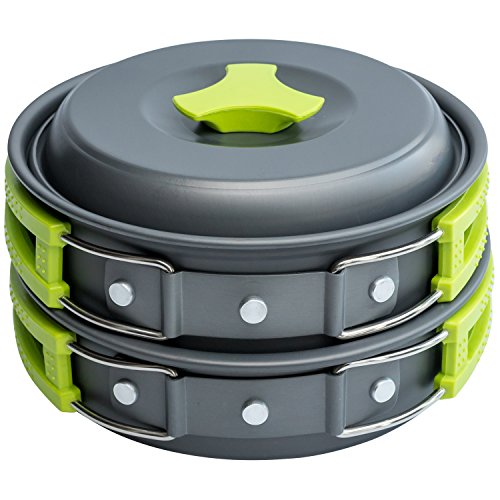
- ✓ Compact all-in-one
- ✓ Even heat distribution
- ✓ Easy cleanup
- ✕ Limited capacity
- ✕ Nonstick wear surface
| Material | Anodized aluminum |
| Nonstick Coating | Nonstick surface on pot and pan |
| Included Items | 10-piece mess kit: pot, pot cover, pan, 2 bowls, folding stainless steel spork, soup spoon, wooden spoon spatula, cleaning sponge, nylon drawstring bag |
| Total Capacity | 1 liter (approximate single-serving size suitable for 1 person) |
| Care and Storage | Collapses into compact bundle for easy transport and cleanup |
| Intended Use | Camping, backpacking, hiking; outdoor cooking and serving kit |
The first time I opened this 1-liter camping mess kit, the anodized aluminum gleamed in the campsite stove light, and I noticed how compact the 10 pieces nested together felt in the nylon pouch. There’s something satisfying about the way the pot and pan stack, like a tiny kitchen you can carry on a single finger.
I treated it as seriously as I would a daypack and was surprised by how quickly it settled into real-world use.
Setup felt almost instant. The pot cover snapped on with a reassuring click, and the nonstick coating showed minimal sticking even with a quick boil.
The folding stainless steel spork and the wooden spoon spatula slid into their designated spots without fuss. It all collapses neatly, which means no rummaging for mismatched lids at the end of a meal.
On the trail, the heat distribution impressed me. The anodized aluminum warmed evenly, so you don’t have to babysit your noodles.
The kit includes bowls, a spoon, and a sponge, which is handy for post-meal cleanup at a sheltered bench or a rocky dawn campsite. It’s light enough to not feel like a burden, yet sturdy enough to trust for multiple trips.
Cleaning was easier than I expected. A quick rinse and a light scrub with the included sponge did the job, and everything stacked back into the pouch without drama.
It’s genuinely practical for solo hikers or a youth scout unit who wants an all-in-one setup without juggling separate pieces.
Bottom line: if you want reliable, compact camp cookware that covers all the basics, this set delivers without breaking the bank. It’s not only functional but also surprisingly pleasant to cook with after a long day outside.
18Pcs Camping Cookware Cooking Set, Joyfair Camp Mess Kit

- ✓ Solid, robust build
- ✓ Large-capacity cookware
- ✓ Complete carry-and-go set
- ✕ Slightly heavy for ultralight packs
- ✕ Non-stick may wear over time
| Material | Food-grade hard anodized aluminum (up to 0.8 mm thickness) with non-stick coating on frying pan |
| Capacities | 1.0 L pan, 1.6 L kettle, 2.8 L pot (designed for 2 people) |
| Weight and Packed Size | Total weight 3.7 lb; packed dimensions 7.8 in diameter x 7 in height |
| Grill Grate Construction | Solid stainless steel, detachable legs with adjustable height for open-fire grilling |
| Included Accessories | Spatula, soup ladle, food tong, 2 folding cutlery sets, 2 plates, 2 cups, cleaning sponge |
| Durability and Use Case | Heavy-gauge cookware for frequent use; suitable for backpacking, open-fire cooking, and camping |
You grab the Joyfair 18-piece camp mess kit and the first thing you notice is the heft—the 0.8mm hard-anodized aluminum feels solid in your hands, not flimsy at all. The finish has a faint gloss that hints at heat tolerance, which matters when you’re eyeing that 1L pan over a stubborn campfire.
Unpacking reveals a thoughtfully designed set with a 1.6L kettle and 2.8L pot that look like they were built for real cooking, not just quick boil-and-go meals. The frying pan’s non-stick coating is obvious from the smooth interior, and the kettle’s wide handle makes hanging over a fire feel natural rather than awkward.
When you set it up, the grill grate catches your eye—the stainless steel feels sturdy, and those two holes with detachable legs give you quick height adjustments. It’s the kind of feature you’ll actually use when your flame isn’t behaving and you need a predictable surface for grilling or simmering.
The kit packs into a compact bundle, weighing around 3.7 pounds and folding into a 7.8-inch diameter by 7 inches tall footprint. It slides into a mesh bag with room to spare for a sponge and a washcloth, which is nice when you’re balancing cleanup after a long day outdoors.
In practical use, the large capacity is a real win for two people. You can boil water in the kettle while the pot handles a full meal, and the grill grate keeps things off direct embers for safer grilling.
Cleanup is easier than you expect thanks to the non-stick pan and a few quick rinses with the included sponge.
Where it shines is versatility: you’ve got enough pieces to handle soup, pasta, rice, or a simple fry-up, plus utensils and plates for shared meals. The set feels designed to reduce the gear list you carry, which is exactly what you want on a backpacking trip.
If you’re chasing a complete, ready-to-cook camp kitchen that fits in a pack, this Joyfair kit is worth a look. It handles the day-to-day camp cooking grind with a practical, low-fuss approach that actually makes camping meals enjoyable.
Overall impression? It’s a compact, capable solution that balances weight, durability, and convenience without shouting for attention in your pack.
Odoland Camping Cookware Mess Kit, Lightweight Pot Stove

- ✓ Compact, foldable design
- ✓ Quick-heating, non-stick pots
- ✓ All-in-one, organized kit
- ✕ Limited capacity
- ✕ Basic build quality
| Material | Non-toxic anodized aluminum |
| Potset_count | 2 pots |
| Stove_included | 1 foldable camping stove |
| Lid/Utensil | 1 spork |
| Care_Accessories | 1 cleaning cloth |
| Storage_and_Portability | Foldable handles and a mesh carry bag; all items fit together with gas canister |
You grip the Odoland Camping Cookware Mess Kit and the first thing that hits you is how compact the whole setup feels in your hands. The foldable stove and pot handles tuck away so neatly that you almost forget you’re carrying a full cooking kit.
I stuck the pot on the stove and appreciated the anodized aluminum’s quick heat response. Boiling water for coffee happened faster than you’d expect, and the non-stick surface kept cleanup painless.
The stove folds down to a slim footprint, which means it fits snugly in a small backpack pocket without snagging on other gear.
The mesh bag that comes with it is a small but welcome touch. Everything you need—two pots, a spork, plus a cleaning cloth—stores together with room to spare for a gas canister.
It feels like Odoland designed this for real-world camps: you don’t waste time digging through a mess to find what you need.
Handling the pots with folded handles feels secure, and the whole set balances nicely on uneven ground. I spilled a little water while stirring, and the lid stayed cool enough to handle without a glove.
It’s not premium cookware, but for the price, it’s surprisingly sturdy.
If you’re backpacking with minimal gear, this kit ticks a lot of boxes. It’s light, compact, and ready to go right out of the bag.
Think casual camping, a weekend hike, or a picnic with friends—this kit covers you without turning your pack into a tumbleweed of metal.
Overall, it’s a practical, budget-friendly option that actually performs when you need it.
What Are the Essential Items for a Backpacking Kitchen?
The essential items for a backpacking kitchen include tools that are lightweight, compact, and versatile to make meal preparation easy while on the trail.
- Portable Stove: A compact, lightweight stove is crucial for cooking meals and boiling water. Options include canister stoves, which are easy to use and ignite quickly, and multi-fuel stoves that can burn various types of fuel, making them versatile for different locations.
- Cookware Set: A basic set typically includes a pot and a pan, both made from lightweight materials like aluminum or titanium. Look for nesting cookware to save space, and consider options with non-stick coatings for easier cleaning.
- Utensils: A spork (spoon and fork combo) and a lightweight knife are essential for eating and food preparation. Some backpackers also carry a small cutting board and a collapsible bowl for added convenience while preparing meals.
- Biodegradable Soap: To keep your cooking gear clean while being environmentally friendly, biodegradable soap is an important item. It’s effective for cleaning dishes and utensils without harming natural water sources.
- Food Storage Bags or Containers: Lightweight, resealable bags or durable containers help keep food organized and protected from moisture or pests. Selecting options that are leak-proof ensures that any liquids won’t spill inside your pack.
- Lightweight Cutting Board: A cutting board is useful for chopping vegetables and preparing food. Look for options made from flexible materials that can easily fit into your pack and be cleaned easily.
- Portable Coffee Maker or French Press: For coffee lovers, a compact coffee maker or a French press offers a way to enjoy a hot beverage in the morning. Many models are designed for backpacking, using minimal space and weight.
- Collapsible Sink or Wash Basin: A collapsible sink can be used for washing dishes, food, or even laundry. It’s lightweight and can be easily tucked away when not in use, making it a practical addition to your kitchen gear.
- Firestarter or Lighter: A reliable firestarter or lighter is essential for igniting your stove or campfire. Opt for waterproof options or those with built-in safety features to ensure they work in various weather conditions.
- Insulated Mug or Water Bottle: An insulated mug keeps beverages hot or cold, while a durable water bottle ensures you stay hydrated. Many options come with built-in filtration systems, allowing you to drink safely from natural water sources.
Which Cooking Gear Is Indispensable for Backpacking?
The best backpacking kitchen gear is essential for preparing meals on the go and ensures convenience and efficiency in outdoor cooking.
- Portable Stove: A lightweight and compact stove is crucial for cooking meals quickly and efficiently while backpacking.
- Cooking Pot: A durable, lightweight cooking pot is necessary for boiling water, cooking meals, and making soups or stews.
- Utensils: A set of multi-functional utensils, such as a spork or a spatula, simplifies meal preparation and eating.
- Food Storage Containers: Airtight containers or resealable bags are vital for storing food securely to prevent spoilage and attractants for wildlife.
- Portable Coffee Maker: A compact coffee maker or a French press adds convenience for coffee lovers, allowing them to enjoy a fresh brew while in the wilderness.
- Cleaning Supplies: Lightweight soap, a sponge, and a small cloth are important for maintaining cleanliness and hygiene in your cooking area.
Portable Stove: A portable stove, such as a canister or alcohol stove, is essential for quickly boiling water or cooking meals. Its lightweight design makes it easy to carry, and many models are designed for efficiency to conserve fuel while maximizing heat output.
Cooking Pot: A cooking pot made from materials like titanium or aluminum is ideal as it offers a good balance between weight and durability. Many backpacking pots come with lids and handles that fold down, making them easy to pack and transport.
Utensils: Having the right utensils, such as a spork or a combination knife/fork, helps streamline the cooking and eating process. These tools are usually designed to be lightweight and multifunctional, ensuring that you have everything you need without carrying extra weight.
Food Storage Containers: Using airtight containers or resealable bags is essential for keeping food fresh and preventing spills in your backpack. They also help minimize odors that could attract wildlife, making them a crucial part of your backpacking kitchen gear.
Portable Coffee Maker: For those who enjoy coffee, a portable coffee maker, such as a collapsible or single-serve model, allows you to enjoy your favorite drink in the great outdoors. It is compact and lightweight, making it easy to include in your cooking gear without adding significant weight.
Cleaning Supplies: Keeping your cooking gear clean is vital for both hygiene and maintaining the longevity of your equipment. Lightweight soap, a sponge, and a microfiber cloth can easily fit into your pack and ensure that you can clean up efficiently after meals.
What Dining Solutions Make Camp Meals Easier?
The best backpacking kitchen gear can significantly simplify meal preparation in the great outdoors.
- Portable Stove: A lightweight and compact portable stove is essential for cooking meals quickly and efficiently. Many models use canisters of fuel, making them easy to pack and set up.
- Cookware Set: A durable cookware set typically includes pots, pans, and lids designed for outdoor use. These sets are often made from lightweight materials like aluminum or titanium, ensuring they won’t weigh you down on the trail.
- Utensils: A set of nesting utensils, including a spork, knife, and spatula, is crucial for meal preparation and consumption. These tools are often designed to be multi-functional and compact, making them easy to carry.
- Food Storage Bags: Resealable food storage bags help keep ingredients fresh and organized while preventing leaks. They are lightweight and can be used for marinating, cooking, or storing leftovers.
- Collapsible Sink: A collapsible sink or wash basin is incredibly handy for cleaning dishes and utensils after meals. They save space in your pack and can easily be filled with water for rinsing off cookware.
- Portable Coffee Maker: For those who can’t start their day without coffee, a portable coffee maker can brew a fresh cup right in the backcountry. Options range from simple pour-over devices to more sophisticated press systems.
- Food Dehydrator: A food dehydrator allows you to prepare lightweight and nutritious meals by removing moisture from ingredients before your trip. This gear makes it easy to create customized meals that only require water to rehydrate.
- Campfire Cooking Tools: Tools like grill grates, skewers, and pots designed for campfire cooking enhance your ability to prepare meals over an open flame. These tools add versatility to your cooking options while enjoying the outdoors.
What Are the Best Cookware Options for Backpacking?
The best cookware options for backpacking are lightweight, compact, and versatile to suit outdoor cooking needs.
- Aluminum Cookware: Aluminum pots and pans are favored for their lightweight properties and efficient heat conduction. They heat up quickly and are typically less expensive, making them a popular choice among backpackers who prioritize weight and cost.
- Stainless Steel Cookware: Stainless steel is durable and resistant to corrosion, making it ideal for rugged outdoor use. While it is heavier than aluminum, it is often better for cooking acidic foods, as it will not react with them.
- Titanium Cookware: Titanium cookware is the lightest option available and is incredibly strong, making it nearly indestructible. Though more costly, its resistance to scratching and corrosion is invaluable for long-term use on adventures.
- Non-Stick Cookware: Non-stick pans can make cooking and cleaning easier, preventing food from sticking during preparation. However, they require careful handling to avoid scratching and may not be suitable for high-heat cooking.
- Multi-Fuel Stoves: These stoves can burn various types of fuel, offering versatility and convenience in different environments. They are often compact and designed for easy packing, allowing for a reliable cooking option regardless of the fuel source available.
- Collapsible Cookware: Collapsible pots and pans are designed to save space, making them ideal for backpacking where every ounce counts. They are typically made from silicone or other flexible materials, allowing them to be packed flat or small.
- Cooking Utensils: Lightweight and durable utensils, such as spatulas, ladles, and spoons, are essential for meal preparation. Look for options made from materials like nylon or silicone, which can withstand heat and are easy to clean.
- Portable Grills: For those who enjoy grilling on the go, a portable grill can be a great addition to backpacking gear. These grills are designed to be lightweight and compact, allowing you to enjoy grilled meals without the bulk of traditional models.
Which Cookware Materials Are Most Suitable for Backpacking?
When selecting cookware materials for backpacking, it’s essential to consider weight, durability, and heat conductivity.
- Aluminum: Lightweight and often anodized for durability, aluminum cookware heats up quickly and evenly. It’s a budget-friendly option but can be prone to warping if overheated and may react with acidic foods unless coated.
- Titanium: Known for its exceptional strength-to-weight ratio, titanium is highly durable and corrosion-resistant. It is more expensive than aluminum but offers excellent performance and longevity, making it a popular choice among serious backpackers.
- Stainless Steel: This material is highly durable and resistant to rust and corrosion, making it suitable for various cooking conditions. While heavier than aluminum and titanium, stainless steel provides excellent heat retention and is compatible with all types of cooking surfaces.
- Cast Iron: Though not typically favored for backpacking due to its weight, cast iron offers superior heat retention and cooking performance. For those who prefer traditional cooking methods and don’t mind the extra weight, cast iron can be a great option, especially for group cooking.
- Non-stick Coated Cookware: This type of cookware offers easy food release and cleaning, making it convenient for quick meals. However, care must be taken to avoid scratching the coating, and it may not be as durable as other materials when exposed to high heat or rough handling.
What Are the Top Multi-Tools and Utensils for Camp Cooking?
The best backpacking kitchen gear includes versatile tools and utensils that enhance cooking efficiency while minimizing weight.
- Multi-Tool: A compact device that combines several functions, such as knife, screwdrivers, and pliers, making it indispensable for various tasks in the wilderness.
- Stove System: A lightweight cooking system that typically includes a burner, pot, and sometimes a windscreen, designed for quick meal preparation over a campfire or portable fuel canisters.
- Collapsible Cookware: Space-saving pots and pans that can be flattened or folded for easy transport while maintaining durability and heat conductivity for cooking.
- Spork: A hybrid utensil that combines the functionality of a spoon and fork, allowing for easy eating without the need to carry multiple utensils.
- Portable Coffee Maker: A compact brewing device that enables campers to enjoy fresh coffee, often using a simple press or pour-over method without bulky machinery.
- Cutting Board: A lightweight and durable surface for food preparation, which can also double as a plate or serving tray, ensuring hygiene and ease during meal prep.
- Water Filter System: An essential tool that enables campers to purify water from natural sources, ensuring safe drinking water and reducing the need to carry large quantities of water.
The multi-tool is not only handy for food prep but also useful for gear adjustments and emergency repairs, making it a must-have for any camping trip. A stove system enables quick and efficient cooking, allowing campers to enjoy warm meals without the hassle of traditional campfires.
Collapsible cookware provides excellent space-saving benefits, and its ability to endure high temperatures while being easy to clean adds to its practicality. The spork simplifies dining, reducing the weight of carrying separate utensils, while a portable coffee maker caters to coffee lovers who want their caffeine fix in the wild.
A cutting board is vital for maintaining hygiene during food preparation and offers a versatile surface for various cooking tasks. Lastly, a water filter system ensures access to clean drinking water, which is crucial for hydration and meal preparation when venturing into the great outdoors.
How Can You Efficiently Store Food on a Backpacking Trip?
Efficient food storage on a backpacking trip requires the right kitchen gear to ensure freshness and minimize weight.
- Dry Bags: These waterproof bags are essential for keeping food items safe from moisture and contamination. They come in various sizes, allowing you to organize different food types while ensuring they remain dry and secure.
- Food Containers: Lightweight, stackable containers help in organizing meals and snacks. Look for options that are BPA-free and have airtight seals to prevent spills and extend food freshness.
- Reusable Ziplock Bags: These versatile bags are perfect for portioning out snacks and pre-prepped meals. They are lightweight and can be used multiple times, making them an eco-friendly option compared to single-use alternatives.
- Insulated Cookware: This type of cookware helps maintain the temperature of your food, whether hot or cold. Insulated pots and containers are great for keeping meals warm during chilly nights or storing ice for perishables on hot days.
- Portable Cooler: Lightweight soft-sided coolers are ideal for keeping perishables fresh for a few days. They often come with insulation and can be packed with ice packs to prolong food safety during your trip.
- Multi-Functional Utensils: Tools that serve multiple purposes, such as a spork or a knife with additional functions, save space and reduce the weight of your gear. They are essential for cooking and eating while minimizing the number of items you need to carry.
- Spice Kit: A compact spice kit allows you to enhance your meals without taking up much space. Choose small containers for essential spices, and consider including a small oil or vinegar bottle for added flavor.
- Portable Stove: A lightweight and compact stove is crucial for cooking meals on the go. Many backpackers opt for canister stoves or alcohol stoves, which are easy to use and allow you to prepare hot meals efficiently.
What Portable Cooking Options Suit Different Backpacking Scenarios?
There are several portable cooking options ideal for different backpacking scenarios, catering to various needs and preferences.
- Canister Stove: Lightweight and compact, a canister stove uses pre-filled gas canisters, making it easy to set up and use.
- Alcohol Stove: This type of stove is ultra-light and uses denatured alcohol as fuel, offering simplicity and reliability for minimalist backpackers.
- Wood Burning Stove: Utilizing natural materials found in the environment, wood burning stoves eliminate the need to carry fuel, appealing to eco-conscious hikers.
- Hybrid Stove: Combining features from both canister and alcohol stoves, hybrid stoves provide versatility and efficiency for varied cooking styles.
- Cookware Set: A lightweight and compact cookware set is essential for boiling water and cooking meals, often including pots, pans, and lids optimized for backpacking.
- Portable Grill: For those who enjoy grilling, portable grills can be a great option, allowing for a different cooking method while camping.
- Camping Utensils: Lightweight utensils such as sporks, compact knives, and multi-tools are essential for meal preparation and enjoyment on the trail.
- Insulated Food Jar: Ideal for keeping meals hot or cold, insulated food jars allow backpackers to prepare food in advance and enjoy it later on the hike.
The canister stove is a favorite among backpackers for its ease of use and quick boil times, making it suitable for those who prioritize efficiency. It operates with a simple push-button ignition and is generally safe and reliable, although the need to carry fuel can be a drawback in some scenarios.
The alcohol stove, on the other hand, is favored by ultralight backpackers due to its minimal weight and simplicity, but it typically takes longer to boil water compared to canister stoves. It requires careful monitoring of fuel levels, as carrying enough alcohol can be a concern for longer trips.
Wood burning stoves offer a unique approach by using twigs and other natural materials as fuel, which can be advantageous for sustainable hiking. However, they may not be suitable in areas with fire restrictions or during dry conditions due to fire hazards.
Hybrid stoves bring the best of both worlds, often allowing users to switch between fuel types based on availability and preference, making them a versatile choice for diverse hiking conditions.
A good cookware set is indispensable for any backpacking trip, ideally made from lightweight materials like titanium or aluminum, which promote efficient heat distribution and reduce pack weight. Many sets come with nesting designs for compact storage, which is crucial in limited backpack space.
Portable grills can enhance the cooking experience, especially for those who enjoy barbecuing at campsites. These grills are generally larger and heavier, so they might be better suited for car camping rather than long-distance backpacking.
Camping utensils are often made from durable, lightweight materials and designed to serve multiple functions, which saves space and weight in a backpack. Many backpackers opt for multi-tools that incorporate knives, bottle openers, and other functionalities into a single, portable item.
Insulated food jars provide a clever solution for keeping meals prepared in advance warm and ready to eat, particularly useful for those who prefer not to cook on the trail. They minimize the need for cooking gear and allow for a more varied diet while hiking.
Which Stoves Provide the Best Performance for Backpacking?
When selecting a stove for backpacking, performance is key, as you need a reliable, lightweight option that cooks efficiently and quickly. Several stoves stand out for their exceptional performance:
-
Canister Stoves: These are popular due to their ease of use and lightweight design. Brands like Jetboil and MSR offer models with excellent heat output and boiling times, making them ideal for quick meals. For instance, the Jetboil MiniMo boils water in about 2 minutes and is compact for easy packing.
-
Liquid Fuel Stoves: For those needing versatility, liquid fuel stoves such as the Primus OmniLite Ti can operate on different fuel sources and perform well in various weather conditions. This stove provides strong performance at high altitudes, making it a great choice for mountainous hikes.
-
Wood Stoves: If you want to minimize fuel use, consider a wood-burning stove like the Solo Stove Lite. It utilizes twigs and leaves found in the environment, providing a sustainable cooking option without the need for bulky fuel canisters.
-
Wood-Gas Stoves: Models such as the Biolite CampStove 2 convert heat from a fire into electricity, allowing you to charge devices while cooking. This innovative design offers a unique dual-function for backpackers.
Selecting the right stove depends on personal preferences, cooking style, and trip duration, but these options consistently deliver high performance in field conditions.
What Are the Most Reliable Fuel Sources for Long Hikes?
The most reliable fuel sources for long hikes include:
- Isobutane/Propane Canisters: These canisters are lightweight, easily portable, and provide a clean-burning fuel source that is ideal for compact stoves. They perform well in various weather conditions and are available in various sizes to suit different trip lengths.
- Liquid Fuel (White Gas): Liquid fuel stoves are versatile and can burn a variety of fuels, but white gas is the most commonly used due to its high energy content. These stoves are ideal for extended trips as they can be refueled easily and are effective in cold weather.
- Alcohol Fuel: Alcohol stoves are simple, lightweight, and use denatured alcohol or other alcohol-based fuels, making them easy to find and refill. While they may not boil water as quickly as other fuels, they are favored for their simplicity and minimal environmental impact.
- Wood Burning Stoves: These stoves utilize natural materials found along the trail, making them an eco-friendly option. They are often heavier than other fuel sources, but they eliminate the need to carry fuel canisters or liquid fuel, appealing to minimalists and those seeking to reduce their environmental footprint.
- Multi-fuel Stoves: Multi-fuel stoves can burn a variety of fuels such as propane, kerosene, and diesel, making them incredibly versatile for different environments and fuel availability. They are ideal for international travel or long expeditions where fuel sources may vary.
What Safety Considerations Should You Keep in Mind When Using Kitchen Gear in the Wilderness?
When using kitchen gear in the wilderness, it is essential to prioritize safety to prevent accidents and enhance your outdoor cooking experience.
- Fire Safety: Always ensure that you are using your cooking gear in a safe area away from flammable materials. Keep a fire extinguisher or a bucket of water nearby to quickly manage any potential fire hazards that may arise from cooking or using a camp stove.
- Proper Cooking Equipment: Choose lightweight, durable cookware that can withstand the rigors of outdoor use. Avoid using damaged or poorly constructed gear, as this can lead to accidents such as burns or spills while cooking.
- Food Safety: Use insulated containers to keep perishable food at safe temperatures, and always wash your hands before handling food. Be mindful of how you store food to avoid attracting wildlife, which can pose dangers to both you and your supplies.
- Tool Handling: Always handle knives and sharp utensils with care, ensuring they are stored safely when not in use. A good practice is to use a cutting board and to cut away from your body to minimize the risk of cuts and injuries.
- Water Safety: Ensure that the water you are using for cooking is safe to drink. Consider bringing a water filter or purification tablets to treat water from natural sources, as untreated water can contain harmful pathogens.
- Stability of Cooking Setup: Set up your cooking gear on a flat, stable surface to prevent spills or tipping. Use a windscreen for stoves in windy conditions to enhance stability and maintain cooking efficiency.
- First Aid Preparedness: Always carry a basic first aid kit that includes supplies for treating burns, cuts, and allergic reactions. Being prepared can help you quickly address any minor injuries that occur while cooking in the wilderness.