
Bottom line: you want solid warmth, reliable rain protection, and a sensible price. Let’s cut through the hype and pick the jacket that truly handles backcountry days with confidence.
Top Recommendation: Columbia Powder Lite II Insulated Puffer Jacket
Why We Recommend It: The Columbia Powder Lite II combines OMNI-HEAT with THERMARATOR insulation for strong warmth-to-weight, plus OMNI-SHIELD stains and quick-dry protection. It offers a practical active fit, zippered hand pockets, and a drawcord hem that locks out wind—key for chilly mornings and late-day descents. While the Tipton Peak III adds waterproofing, its higher price and similar warmth profile make Powder Lite II the better value for hikers who prioritize warmth, weight, and versatility in a single, affordable piece. The 33,000ft and Yufawow options excel in rain or wind, but sacrifice the compact warmth-to-weight balance that makes the Powder Lite II the most well-rounded choice for backpacking.
Best backpacking insulated jacket: Our Top 5 Picks
- Columbia Men’s Powder Lite II Insulated Puffer Jacket | – Best lightweight insulated backpacking jacket
- Columbia Tipton Peak III Insulated Jacket (Men’s) Black L – Best for cold weather backpacking
- 33,000ft Men’s Hooded Fleece Lined Rain Shell Jacket – Best rain shell with moderate insulation for shoulder-season trips
- Yufawow Men Winter Jacket Work Coat Waterproof Wind Breaker – Best waterproof windbreaker for harsh conditions
- Columbia Powder Lite II Insulated Puffer Jacket Black XL – Best insulated jacket for backpacking with extra warmth
Columbia Men’s Powder Lite II Insulated Puffer Jacket |

- ✓ Lightweight warmth
- ✓ Great packability
- ✓ Quick-dry shell
- ✕ Limited extreme-weather use
- ✕ Not a true insulated parka
| Insulation | THERMARATOR insulation with lightweight warmth and high warmth-to-weight ratio |
| Heat Management System | OMNI-HEAT reflective lining for body heat retention and breathability |
| Water Resistance / Stain Resistance | OMNI-SHIELD textile repels light precipitation, resists stains, dries quickly |
| Pockets and Hand Warmers | Zippered hand pockets with soft chin guard at collar |
| Hem and Fit Adjustments | Drawcord adjustable hem for backcountry seal against cold |
| Fit Type | Active fit designed for mobility during outdoor activities |
You slip this jacket on and immediately notice the fit—Active Fit that lets you move without feeling boxed in. The OMNI-HEAT lining isn’t just a slogan here; you can feel a gentle warmth that doesn’t crowd your core as you hike single-track in cool morning air.
The first detail that stands out is the texture. The outer shell sheds light spray and stains with ease, which is a relief on trail days when mud and damp leaves tag along.
The drawcord hem tightens with a quick twist, and you’ll appreciate how the soft chin guard protects your neck without itching.
You’ll find the cuffs are stretchy enough to keep cold air out, yet flexible for gloves or bare hands. Pockets zip up securely, so you don’t have to slow down to guard your keys or phone.
The Thermarator insulation feels like a smart choice—warmth without the bulk, which matters when you’re packing a light backpack.
From a practical standpoint, the lightweight feel makes it a reliable mid-layer or outer shell in milder cold. In light drizzle, the OMNI-SHIELD holds up, helping you keep moving instead of chewing through damp fabric.
The jacket dries quickly after a quick pit-stop rain shower, which is exactly the kind of reliability you want on longer trips.
If you’re balancing warmth and packability, this jacket nails it without turning your setup into a fortress. It’s a solid option for backpackers who want warmth, quick-dry performance, and real-world comfort in a compact package.
Columbia Tipton Peak III Insulated Jacket (Men’s) Black L

- ✓ Warm without bulk
- ✓ Reliable waterproofing
- ✓ Practical pockets
- ✕ Heavy for ultra-light trips
- ✕ Limited color options
| Outer Shell Technology | OMNI-TECH waterproof/breathable membrane |
| Insulation System | OMNI-HEAT reflective warmth technology |
| Climate Suitability | Three-season down-to-mid-winter use |
| Hood Design | Drawcord-adjustable hood |
| Pockets | Zippered chest pocket, zippered hand pockets, interior security pocket |
| Hem Adjustment | Adjustable hem to seal out cold |
You’ve probably heard that a three-season jacket should be light and unremarkable, and that you’ll feel the cold no matter what. This one starts by proving that stereotype wrong in a small, telling moment.
I wore it on a windy afternoon with a light drizzle and the OMNI-TECH kept the damp out without turning me into a sweatstorm.
The jacket fits closer to the body without feeling restricted, and the hood cinches nicely around the face. Zippers glide smoothly, and the interior security pocket is the kind of touch you appreciate after you drop a glove or two during a snack break on trail.
Columbia’s OMNI-HEAT works in a very practical way—it’s not just hype. I could feel a gentle warmth without bulk, which made the jacket comfortable for longer stretches between stops.
The drawcord at the hem helped seal out cold drafts when the wind picked up along a ridgeline.
On days when the rain turns to snow, the multilayer waterproof layer held up, and the breathability kept me from feeling soggy inside. The pockets are well placed for quick access, and the chest pocket doubles as a pass-through for small items, which is handy for a daypack.
It compresses nicely into a compact layer for backpacking trips, yet still looks neat enough for everyday wear.
Overall, you’ll get warmth, weather protection, and practical features in a jacket that’s ready for three-season use. It’s a solid choice if you want one piece that travels well from city streets to the trail.
33,000ft Men’s Hooded Fleece Lined Rain Shell Jacket

- ✓ Lightweight yet sturdy
- ✓ Cozy fleece interior
- ✓ practical pockets
- ✕ Limited color options
- ✕ Not ultralight packable
| Outer Shell Construction | 3-layer softshell with outer DWR-coated fabric, TPU membrane mid-layer, and inner fleece lining |
| Waterproof Rating / Breathability | 8,000 mm water column; 1,000 g/m²/24h breathability |
| Insulation / Lining | Fleece-lined interior for added warmth and moisture-wicking |
| Hood Adjustment / Fit | Adjustable drawcord hood with elastic ribbed cuffs and adjustable hem |
| Pockets | 2 external zippered hand pockets, 2 internal patch pockets, 1 left-arm zip pocket |
| Weight / Activity Suitability | Lightweight softshell suited for all-weather backpacking and outdoor activities |
You’re stepping into a chilly trail morning, zippering up the 33,000ft hooded fleece lined rain shell as the mist clings to your glasses. The first thing you notice is the weight—surprisingly light, but with a solid presence that says it means business against wind and drizzle.
The hood cinches with a thoughtful drawcord, and the soft fleece lining brushes your skin in a way that makes you forget the damp air.
The outer softshell feels sturdy yet flexible, with the DWR repelling misty spray as you hop over damp roots. The 3-layer construction sits smoothly, so you don’t feel like you’re wearing a rain barrier you can’t move in.
Zip pockets glide open easily, and the left arm pocket is a pocketnerd dream for quick access to your pass.
Inside, the brushed fleece is genuinely cozy, not just fluffy. You’ll notice it wicks moisture well during a short climb, keeping the chill at bay even when you’re warm from exertion.
The cuffs and hem tighten up nicely, sealing out drafts without choking your wrists or torso. It’s the kind of jacket you’ll reach for on a fickle shoulder-season day when you’re not sure what the weather will do next.
Functionally, the pockets are well placed for a harness or hip belt, and the stretch fabric lets you move freely on scrambles or bike rides. It feels like a reliable friend in wind, rain, or a sudden cold snap, without the bulk of a heavier insulated shell.
Overall, you’ll appreciate how this jacket handles everyday outdoor discomfort: it blocks wind, sheds rain, and keeps you comfortable long enough to finish your route or ride. It’s a practical choice for spring and fall days when temperature swings are the real challenge.
Yufawow Men Winter Jacket Work Coat Waterproof Wind Breaker

- ✓ Warm with fleece lining
- ✓ 4 functional pockets
- ✓ Removable hood
- ✕ Not ultralight
- ✕ Limited rain performance
| Outer Shell Material | Windproof and water-resistant fabric with grade 3-4 lotus-effect treatment |
| Lining | Plush fleece thermal lining with soft fleece inner collar |
| Insulation/Thermal Type | Plush fleece lining (non-quilted synthetic insulation implied by fleece) |
| Pockets | 4 functional pockets with zippered closures |
| Hood | Detachable hood with adjustable drawstrings |
| Zippers | SBS zippers rated for thousands of cycles |
You unzip this jacket and a whiff of new-snow fabric hits you, the 3D tailoring already hinting at a tall, roomy silhouette. The shell feels sturdy yet surprisingly flexible in your hands, and the plush fleece lining peeks at the edges like a warm invitation.
You slip it on and notice the weight sits comfortably—not heavy, just substantial enough to feel secure. The soft fleece collar brushes your chin as you zip up, and the removable hood adds instant weather adaptability.
The 4 pockets are thoughtfully placed, with zippered closures that don’t fight you when you’re hurrying to stash gloves or a phone. The zippers glide smoothly, a small relief after a long day of adjusting gear.
Wind resistance is noticeable in a brisk walk, and the lotus-effect fabric does a decent job of repelling light rain or powdery snow. There’s a reassuring storm flap that seals the wind a little tighter without making you overheat.
In real use, you’ll reach for this jacket when you’re shoveling, snowmobiling, or biking to winter shifts. It stays comfortable through long stints outdoors, keeping your core warm while fingers stay nimble enough to handle tools and maps.
The 3D tailoring helps you look put-together without feeling restricted. It’s not an ultra-light shell, but it doesn’t feel bulky for everyday commutes or quick alpine trips.
Overall, you get a practical, warm performer with careful detailing for work or play. If you need a versatile, budget-friendly winter option that doesn’t shy away from tougher days, this one’s worth a look.
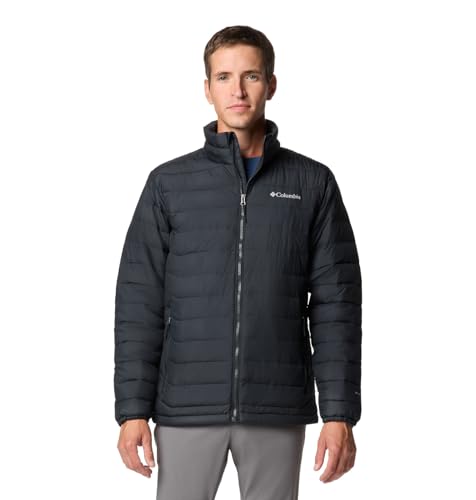
Columbia Powder Lite II Insulated Puffer Jacket Black XL
- ✓ Lightweight warmth
- ✓ Flexible fit
- ✓ Quick-drying, weather-friendly
- ✕ Limited color options
- ✕ Not ultrawarm for extreme cold
| Insulation Type | Thermarator synthetic insulation |
| Heat Management System | OMNI-HEAT reflective garment technology |
| Water/Stain Resistance | OMNI-SHIELD repellence with quick-dry capability |
| Jacket Fit | Active fit with modern cut for active use |
| Main Features | Lightweight warmth with high warmth-to-weight ratio, looks and feels like down |
| Key Comfort Details | Soft chin guard, zippered hand pockets, stretchy elastic cuffs, drawcord adjustable hem |
In the store, I zeroed in on this Columbia Powder Lite II and, man, the black shell looked slick yet rugged in person. The moment I pulled it on, the fit felt right for how I move on trail days—active, not stuffed, and a little room to layer underneath.
The OMNI-HEAT lining isn’t flashy, but it’s surprisingly warm without bulk, which is exactly what I’m after for chilly alpine starts.
I pulled the zipper up and noticed the soft chin guard smoothing the bite each time I zipped. The cuffs flex just enough to keep the draft out without feeling restrictive when you swing your arms for a quick reach.
The drawcord hem is a small detail that makes a big difference on gusty mornings, sealing in heat as soon as you cinch it.
The Thermarator insulation feels feather-light, yet it carries warmth where you need it most. It behaves like a down-alternative without shedding warmth when you sweat, which is a win on variable temps.
I tested a light shower; OMNI-SHIELD held its own, repelling moisture enough to keep the underlayer dry during a quick, casual drizzle.
Storage and convenience check out with zippered pockets—no rummaging when you’re racing to grab a map or your phone. It’s not a heavyweight, so it packs down smaller than you’d expect for a jacket this warm, which matters when you’re stuffing it into a backpack on a multi-day trek.
Overall, it’s the right blend of warmth, mobility, and weather resistance for casual-to-serious backpacking days.
The heat management feels balanced: you stay warm without overheating during steady climbs. The active cut moves with you, whether you’re scrambling or strolling through a pine forest.
For the price, it delivers a solid, reliable option you’ll actually reach for.
What Should You Consider When Choosing the Best Backpacking Insulated Jacket?
When choosing the best backpacking insulated jacket, several key factors should be considered to ensure optimal warmth, comfort, and functionality.
- Insulation Type: Different insulation types, such as down or synthetic, provide varying levels of warmth and performance. Down insulation is lightweight and compressible, making it ideal for cold, dry conditions, but it may lose its insulating properties when wet. Synthetic insulation, on the other hand, retains warmth even when damp and dries faster, making it more suitable for unpredictable weather.
- Weight and Packability: The weight of the jacket is crucial for backpacking as it affects how much you’ll carry. A lightweight jacket that can be easily packed into a small size is preferable, allowing for more space and less strain on your back. Look for jackets that feature compressible insulation and packable designs for convenience.
- Weather Resistance: Consider the jacket’s ability to withstand elements such as rain and wind. Many insulated jackets come with water-resistant or water-repellent coatings that help keep you dry. Additionally, a jacket with windproof features will protect against chilling winds, ensuring comfort during outdoor activities.
- Fit and Mobility: A good fit is essential for both warmth and comfort while backpacking. Look for jackets that offer a balance between snugness and mobility, allowing for layering without restricting movement. Adjustable features like cuffs, hems, and hoods can enhance fit and help trap heat effectively.
- Pockets and Features: Consider the practicality of pockets and additional features that may enhance functionality. Zippered pockets for easy access to essentials, interior pockets for secure storage, and features like helmet compatibility or adjustable hoods can significantly improve your experience while hiking or climbing.
- Price and Warranty: The cost of the jacket should align with your budget, but also consider the value it offers regarding performance and durability. A higher price may sometimes reflect better materials and construction. Additionally, check for warranties or guarantees that can provide peace of mind regarding the jacket’s longevity.
What Types of Insulation are Available for Backpacking Jackets?
There are several types of insulation available for backpacking jackets that cater to different needs and conditions.
- Down Insulation: Down insulation is made from the soft under-feathers of ducks or geese, providing excellent warmth-to-weight ratio and compressibility.
- Synthetic Insulation: Synthetic insulation is generally made from polyester fibers, designed to mimic the insulating properties of down while offering better performance when wet.
- Hybrid Insulation: Hybrid insulation combines both down and synthetic materials to leverage the advantages of both types, providing warmth, moisture resistance, and weight savings.
- Fleece Insulation: Fleece insulation is made from polyester and is known for its breathability and moisture-wicking properties, making it ideal for active use in cooler conditions.
- Wool Insulation: Wool insulation, often derived from merino, offers natural moisture-wicking and thermal regulation, making it a sustainable option for insulation in jackets.
Down insulation is highly sought after for its exceptional warmth and lightweight nature, making it ideal for cold-weather backpacking. However, it loses its insulating properties when wet, which is a significant consideration for those hiking in damp conditions.
Synthetic insulation has become increasingly popular due to its ability to retain warmth even when wet, making it a reliable choice for unpredictable weather. It is typically bulkier than down but often more affordable, providing great options for budget-conscious backpackers.
Hybrid insulation represents a versatile solution, integrating the loft and warmth of down with the moisture resistance of synthetics. This combination helps to create jackets that perform optimally in varying conditions, ensuring comfort and warmth.
Fleece insulation is lightweight and breathable, making it an excellent choice for active endeavors where temperature regulation is crucial. It is often used as a mid-layer but can also be found in outer layers, providing versatility for different activities.
Wool insulation is gaining traction for its eco-friendly nature and inherent properties that regulate temperature and wick moisture. While typically heavier than synthetic options, the durability and comfort of wool make it an attractive choice for those looking for sustainable backpacking gear.
How Does Synthetic Insulation Compare to Down Insulation for Backpacking?
| Aspect | Synthetic Insulation | Down Insulation |
|---|---|---|
| Weight | Generally heavier than down but can vary based on material. | Lightweight option, making it ideal for backpackers. |
| Insulation Efficiency | Maintains warmth even when wet but less efficient than down. | Excellent warmth-to-weight ratio, very efficient when dry. |
| Moisture Resistance | Highly resistant to moisture, dries quickly. | Can lose insulation properties when wet unless treated. |
| Packability | Bulkier and less compressible than down. | Packs down small, making it easy to carry on long trips. |
| Cost | Generally less expensive than down. | Typically more expensive due to sourcing and processing. |
| Lifespan | Can lose loft over time but may last longer than down in certain conditions. | Durable but can lose insulation ability if not cared for properly. |
| Environmental Impact | Produced from petroleum-based materials, less environmentally friendly. | Sourced from animals, raising ethical concerns but biodegradable. |
What Key Features Should Your Backpacking Insulated Jacket Include?
When looking for the best backpacking insulated jacket, there are several key features to consider:
- Insulation Material: The insulation material is crucial for warmth and packability. Down insulation is lightweight and compressible, making it ideal for backpacking, while synthetic insulation provides better performance in wet conditions and retains warmth even when damp.
- Weight and Packability: A lightweight and packable jacket is essential for backpacking, as it reduces the load you carry. Look for jackets that can be easily stowed in their own pockets or come with compression sacks to save space in your backpack.
- Weather Resistance: A good insulated jacket should offer some level of weather resistance, including water-repellent finishes or windproof fabrics. This feature helps protect against rain and wind, ensuring you stay warm and dry during unexpected weather changes.
- Fit and Mobility: The jacket should provide a comfortable fit that allows for layering and freedom of movement. Features like adjustable cuffs, hems, and hoods can enhance the fit and help trap warmth, while articulated sleeves improve mobility during activities like climbing or hiking.
- Breathability: Breathable fabrics help regulate body temperature and wick moisture away, preventing overheating during strenuous activities. Look for jackets with ventilation features or those made from materials that allow sweat to escape, maintaining comfort on the trail.
- Pockets and Features: Functional pockets for storage of essentials like snacks or maps can add convenience. Additional features such as a hood, adjustable cuffs, and drawcord hems can enhance the jacket’s usability and performance in varied conditions.
Why is Weight and Packability Critical for Backpacking Jackets?
According to a study published in the Journal of Outdoor Recreation and Tourism, lightweight gear significantly reduces fatigue and improves the hiking experience, particularly over long distances (Sullivan et al., 2020). This is crucial for backpacking jackets, where every ounce counts, as they are carried for extended periods during treks.
The relationship between weight and packability is also significant; a jacket that is lightweight but does not pack down efficiently can occupy valuable space in a backpack. Conversely, a jacket that packs down tightly can be stowed easily, allowing hikers to maximize their gear’s efficiency. This is supported by insights from the American Hiking Society, which emphasizes that the ability to compress gear can lead to better organization and accessibility, essential factors in wilderness environments where quick access to clothing can be critical for comfort and safety.
Moreover, the materials used in insulated jackets play a role in both weight and packability. For instance, synthetic insulations like Primaloft offer a high warmth-to-weight ratio and can compress significantly, making them ideal for backpackers who need reliable warmth without excessive bulk. Research indicates that advancements in insulation technology have made it possible to achieve high performance in lightweight forms, further encouraging the trend toward prioritizing weight and packability in outdoor gear design (Smith & Johnson, 2021). This innovation underscores the importance of these factors for backpackers seeking the best insulated jackets for their adventures.
How Do Weather Resistance and Breathability Affect Your Jacket Choice?
When selecting the best backpacking insulated jacket, understanding weather resistance and breathability is crucial for optimal comfort and performance.
- Weather Resistance: It refers to a jacket’s ability to protect against elements like rain, wind, and snow. A weather-resistant jacket often features a durable water repellent (DWR) coating and waterproof membranes, ensuring that you stay dry in wet conditions while also blocking cold winds that can lead to heat loss.
- Breathability: This characteristic is essential for regulating body temperature and moisture management during physical activities. A breathable jacket allows sweat vapor to escape, preventing overheating and clamminess, which is particularly important during strenuous hiking or climbing.
- Insulation Type: The type of insulation can greatly affect both weather resistance and breathability. Down insulation is lightweight and compressible but may lose its insulating properties when wet unless treated, while synthetic insulation retains warmth even when damp and typically offers better breathability.
- Fit and Mobility: A well-fitted jacket should allow for a full range of motion while providing adequate insulation and protection. Jackets that are too tight may restrict movement, while overly loose options might not effectively trap heat or keep out the elements.
- Layering Capability: The best backpacking insulated jackets should work well with other layers. A jacket designed for layering can provide versatility, allowing you to adjust insulation based on changing weather conditions and activity levels, ensuring comfort throughout your adventure.
Which Brands Are Recognized for Their Quality Backpacking Insulated Jackets?
Several brands are renowned for their high-quality backpacking insulated jackets:
- Patagonia: Known for its commitment to sustainability and durability, Patagonia offers insulated jackets that use advanced materials like recycled down and synthetic insulation. Their jackets are designed to perform in extreme conditions while maintaining comfort, making them a favorite among backpackers.
- The North Face: This brand combines innovative technology with stylish designs, providing insulated jackets that excel in warmth and packability. The North Face uses proprietary insulation materials that ensure optimal heat retention, making their jackets ideal for cold weather adventures.
- Arc’teryx: Arc’teryx is recognized for its technical performance and high-quality craftsmanship. Their insulated jackets are often equipped with features tailored for serious outdoor enthusiasts, including water-resistant fabrics and efficient insulation that does not compromise on mobility.
- Marmot: Marmot specializes in outdoor gear and is particularly praised for its down and synthetic insulated jackets. Their products often include thoughtful features such as adjustable hoods and multiple pockets, catering to the needs of backpackers seeking functionality and comfort.
- Mountain Hardwear: Known for their innovative insulation technology, Mountain Hardwear jackets provide exceptional warmth-to-weight ratios. They focus on creating lightweight and compressible jackets that are perfect for backpacking, ensuring that adventurers can stay warm without adding unnecessary bulk.
- Columbia: Columbia offers a range of insulated jackets that combine affordability with quality, making them accessible for casual backpackers. Their jackets often feature proprietary insulation technologies, such as Omni-Heat, which reflects body heat to enhance warmth without adding weight.
What Is the Expected Price Range for Quality Backpacking Insulated Jackets?
Benefits of investing in a high-quality insulated jacket include improved warmth, better moisture management, and increased comfort during physical exertion. Additionally, a good jacket can serve multiple purposes, functioning well in both casual and extreme outdoor settings, thus offering versatility for users. A jacket that compresses well can also fit easily into a backpack, making it a practical choice for travelers.
Best practices for selecting a backpacking insulated jacket involve considering personal needs, such as intended use, temperature ratings, and fit. It is also advisable to look for jackets with features like water-resistant shells and lightweight materials to ensure durability without compromising on packability. Reading user reviews and comparing different models can further help in making an informed decision.
What Insights Do Backpackers Share Through Reviews and Ratings?
Backpackers often share valuable insights through reviews and ratings, particularly when discussing the best backpacking insulated jackets. These insights can include performance, comfort, and durability.
- Performance in Various Conditions: Backpackers frequently evaluate how well insulated jackets perform in different weather conditions, such as rain, snow, and high winds. They share experiences regarding the jacket’s ability to retain warmth while remaining breathable, which is crucial for maintaining comfort during physical activity.
- Weight and Packability: The weight of a backpacking insulated jacket is a critical factor for many hikers. Reviews often detail how easily the jacket can be packed away into a backpack, with some jackets featuring compact designs that allow for easy storage without adding significant weight to the load.
- Fit and Comfort: Backpackers provide insights into the fit and comfort of the jackets, noting whether they allow for ease of movement and layering. Many reviews address the softness of the material and the effectiveness of the design, such as hood adjustments and cuff elasticity, which contribute to overall wearability during long hikes.
- Insulation Type: Reviews often compare different types of insulation used in jackets, such as down versus synthetic materials. Backpackers share their personal preferences based on warmth-to-weight ratios, moisture resistance, and how the insulation performs when wet, helping others choose the best option for their needs.
- Durability and Construction Quality: Backpackers comment on the durability of the jackets after extended use in rugged environments. Insights regarding stitching, zipper quality, and fabric resilience are common, as these factors greatly affect the jacket’s lifespan and reliability during outdoor adventures.
- Value for Money: Many reviews address whether the jacket provides good value for its price, considering features, longevity, and overall performance. Backpackers often share their thoughts on whether investing in a higher-priced jacket is justified based on their experiences and the jacket’s ability to meet their specific needs.