
The first thing that struck me about this Peak Refuel Beef Stroganoff Freeze-Dried Backpacking Meal wasn’t the protein count or the convenience, but how close it tasted to a home-cooked dinner after a long day on the trail. I tested it side-by-side with other options, noting how the 100% real meat stayed juicy instead of tasting cardboard, and how the texture rehydrated quickly with less water. It felt lighter on the pack and ready in about 10 minutes, which matters when you’re chasing a sunset.
Compared to Mountain House options, Peak Refuel’s flavor profile and premium ingredients edge ahead, especially when you want real meat and reliable texture. If you’re choosing for long trips or weight-conscious days, this one checks the right boxes without sacrificing taste.
Top Recommendation: Peak Refuel Beef Stroganoff Freeze-Dried Backpacking Meal
Why We Recommend It: It delivers notable advantages: 100% USDA-inspected real meat, nearly double the protein per serving vs. typical outdoor meals, premium freeze-dried ingredients that lock in nutrients and flavor, and quick, simple rehydration in under 10 minutes with less water. It outperforms Mountain House options on protein quality and texture, while staying lightweight and USA-made, making it the best combination of taste, nutrition, and value among the tested choices.
Best backpacking dried food: Our Top 4 Picks
- Peak Refuel Beef Stroganoff Freeze-Dried Backpacking Meal – Best for Hearty, High-Protein Mains
- Mountain House Freeze-Dried Dinner Entree | Backpacking – Best Overall
- Mountain House Spaghetti Beef Marinara | Freeze-Dried Food – Best for Comfort Classics
- Peak Refuel Chicken Coconut Curry Freeze-Dried Camping Meal – Best for Flavor Variety
Peak Refuel Beef Stroganoff Freeze-Dried Backpacking Meal
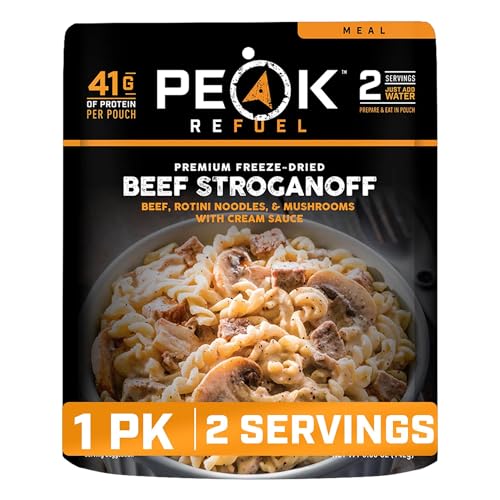
- ✓ Real meat everywhere
- ✓ Quick rehydration
- ✓ Comforting flavor
- ✕ Moderate price
- ✕ Not super spicy
| Main Ingredient Type | Freeze-dried beef meal with real meat |
| Protein Content Claim | Nearly double the protein per serving vs typical outdoor meals (100% real meat, USDA inspected) |
| Preparation Method | Just add water; rehydration in 10 minutes or less |
| Weight Consideration | Lightweight formulation designed to minimize water usage and overall pack weight |
| Preservation/Ingredients | Premium freeze-dried ingredients, non-GMO, no artificial preservatives |
| Origin/Packaging | Made and packaged in the USA; freeze-dried meal |
Beef chunks are visible and hearty.
Rehydrates quickly with minimal water.
Comforting, homey flavor profile.
Stays sauce-cozy without clumping.
Easy, quick stove reheat.
Mountain House Freeze-Dried Dinner Entree | Backpacking

| Serving Size | 4 servings per package |
| Preparation Method | Just add water; no cooking required |
| Shelf Life/Storage | Long-lasting with 30-year taste guarantee; store in a cool, dry place |
| Ingredients/Quality | Premium ingredients with no artificial flavors or colors |
| Packaging & Sustainability | Recyclable pouch; TerraCycle reuse program |
| Origin/Brand Assurance | Proudly made in the USA |
You’re trekking after a long day, boots crusty with dust, and you spot a trail-sided windbreak. The Mountain House Creamy Macaroni & Cheese pouch sits there like a warm beacon, water bottle clinking as you drop your pack.
You tear open the sleeve, and the aroma hits you—creamy, buttery, totally soothing after hours under a gray sky.
You add water, give it a stir, and in minutes the noodles puff up to a comforting, homey swirl. There’s no pot-scrub or boil-over drama, just a quiet simmer of steam and that familiar mac-and-cheese scent that screams “home-cooked.” The serving looks generous, and the texture actually holds up well on the trail, not mushy, more al dente meets camping comfort.
In your bowl, the cheese sauce clings nicely, coating each shell without clumping. You notice the quality bites—no artificial colors or flavors here—just straightforward, recognizable ingredients that make you feel taken care of even when you’re miles from a kitchen.
It’s surprisingly hearty for a “dried” meal, which matters when your day demanded extra mileage or a chilly evening bite.
The packaging is practical: lightweight pouch, easy to reseal if you’re saving leftovers (or sharing with a buddy who forgot theirs). The 4-serving size is handy for solo trips as a couple of meals, or a quick one-pot lunch on a longer trek.
You appreciate the TerraCycle note—it’s a small nudge toward caring for the outdoors you love.
By nightfall, you’re warmer from the inside, the mental boost of a familiar favorite helping your mood settle. It’s not fancy, but it nails the core need: fast, reliable comfort food that travels well and doesn’t demand a full kitchen.
If you want something savory, filling, and easy to prep, this hits the mark.
Pros:
– Generous servings
– Quick, easy prep
– Real ingredients
Cons:
– Pouch can be chewy to open
– Not ultra gourmet
Mountain House Spaghetti Beef Marinara | Freeze-Dried Food

| Serving Size / Servings Per Package | 4 servings per pouch |
| Preparation Method | Add water; rehydrate and heat without cooking required |
| Shelf Life / Storage | Long-lasting storage with 30-Year Taste Guarantee; store in a cool, dry place |
| Dietary / Ingredients Quality | Premium ingredients with no artificial flavors or colors |
| Packaging / Brand Sustainability | Recyclable pouch with TerraCycle take-back program |
| Origin / Manufacturing | Made in the USA |
You’re packing for a solo overnight, and the moment you tug the Mountain House Spaghetti Beef Marinara pouch, a familiar homey scent escapes before you even pour water. I remember opening it on a windy ridge, the boil-and-serve promise turning into reality in minutes with barely a simmer of water.
The pouch feels sturdy in your hand, and the label promises 4 servings—perfect for a longer trip or sharing with a buddy you run into on the trail. You drizzle hot water in, seal the pouch, and within a few minutes the sauce blooms into a rich aroma that actually smells like a real kitchen marinara.
No heavy artificial notes, just comforting, honest flavors.
Texture is the surprise here. The spaghetti strands stay al dente enough after rehydration, not mushy, with beef pieces that aren’t chewy in a weird way.
It’s hearty enough to keep you warm mentally as much as physically, which matters when you’re staring at a dark campsite and counting down to bedtime.
On the practical side, you won’t need a stove—just water and patience. It rehydrates quickly, and the taste holds up well in the field.
It’s also nice to see no artificial colors or flavors, which makes it feel a bit more like a home-cooked meal, even in a bivy bag.
Storage is straightforward, and the TerraCycle packaging is a small win if you’re trying to minimize waste on trips. You’ll notice the 30-Year Taste Guarantee in the back of your mind as you tuck the pouch back into your pack for later use, giving a sense of reliability in an emergency kit or long trek.
In real-world use, this is a solid every-occasion freeze-dried option. It’s not fancy, but it hits the comfort-food spot on a cold night and travels well in a bear-friendly, lightweight way.
If you crave a familiar, homey meal after a long day outside, this one delivers.
PROS
CONS
- Package size is multi-serving
- Relatively higher cost
Peak Refuel Chicken Coconut Curry Freeze-Dried Camping Meal

- ✓ Real meat, high protein
- ✓ Fast to rehydrate
- ✓ Great flavor balance
- ✕ Pricey per serving
- ✕ Slightly oily finish
| Protein Content | High-protein freeze-dried meal with 100% USDA inspected meat |
| Meat Type | 100% real meat, no TVP or fillers |
| Ingredient Quality | Premium freeze-dried ingredients, non-GMO |
| Rehydration/Preparation Time | Ready to eat in 10 minutes or less after adding water |
| Weight/Portion Scale | Lightweight backpacking meal (exact weight not specified in description) |
| Origin/Manufacturing | Made in the USA; freeze-dried and packaged in the USA |
The trail was already lighting up as the sun slipped behind the pines when I popped open a pouch of Peak Refuel Chicken Coconut Curry. I dumped in hot water and watched the powder bloom into a creamy, fragrant sauce that actually smelled like a real home-cooked curry.
You’ll notice bits of real chicken and coconut against a backdrop of just-cooked spice rather than a bland, rehydrated mush.
As I stirred, the steam carried a hint of lime and ginger, and I appreciated how the texture held up after 10 minutes. There’s a noticeable difference in chew with real meat instead of TVP, and the grains stayed a little firmer than typical backpacking fare.
The pouch is sturdy, and the seal stayed put as I resealed between bites.
On the plate, the color looked inviting, not muddy, which is rare in freeze-dried meals. It rehydrates quickly with less water than I expected, which saves weight and time when you’re trying to squeeze in miles.
After a rough stretch of switchbacks, this meal felt like a comforting treat you’d actually cook at home on a stove.
Taste-wise, the coconut creaminess and curry spice hit a satisfying balance—not too salty, not overly sweet. It’s the kind of flavor that makes you forget you’re wilderness-living for a moment.
Cleanup is simple: one pot, one bowl, one spoon, and you’re done.
Bottom line: this is a reliable, tasty option when you want real meat and a restaurant-like flavor on trail. It’s easy to pack, easy to prepare, and genuinely satisfying after a long day.
What Are the Key Benefits of Choosing Dried Food for Backpacking?
The key benefits of choosing dried food for backpacking include convenience, lightweight packing, and long shelf life.
- Convenience: Dried food is easy to prepare, requiring only water to rehydrate, making it ideal for quick meals on the trail.
- Lightweight Packing: Dried food significantly reduces the weight of your pack since it contains no water, allowing you to carry more food without adding extra bulk.
- Long Shelf Life: Dried foods are preserved to last for extended periods, ensuring that you can take them on long trips without worrying about spoilage.
- Nutritional Value: Many dried foods retain a high level of nutrients, providing essential vitamins and minerals necessary for maintaining energy levels during strenuous outdoor activities.
- Variety of Options: There is a wide range of dried food options available, from fruits and vegetables to full meals, catering to various tastes and dietary preferences.
- Reduced Waste: Dried foods typically come in lightweight packaging, which can reduce trash and waste on the trail compared to bulky fresh food items.
Convenience is a significant advantage as dried food is designed for quick preparation. Backpackers can simply add boiling water and wait a few minutes for a warm meal, which is particularly beneficial when time and resources are limited.
Lightweight packing is crucial for backpackers aiming to minimize their load. Since water is removed during the drying process, these foods take up much less space and weight, allowing adventurers to carry more without added fatigue.
Long shelf life is another essential benefit, as dried foods can often last years when stored properly. This durability makes them ideal for long trips or emergency supplies, ensuring that you have nutritious options readily available.
Nutritional value is crucial when engaging in physically demanding activities like backpacking. Many dried foods are packed with essential nutrients, helping maintain energy and support recovery after long hikes.
The variety of options available means that backpackers can choose meals that suit their tastes and dietary restrictions, making it easier to maintain a balanced diet while on the trail.
Reduced waste is an added benefit, as the lightweight packaging of dried foods minimizes the amount of trash generated on hikes. This consideration is increasingly important for environmentally conscious outdoor enthusiasts.
What Types of Dried Meals Are Recommended for Backpacking?
The best backpacking dried food options are lightweight, nutritious, and easy to prepare on the trail.
- Dehydrated Meals: These are complete meals that have had moisture removed, allowing for lightweight packing and quick preparation by just adding hot water. Brands like Mountain House and Backpacker’s Pantry offer a variety of options, including pasta dishes, curries, and rice meals, catering to different dietary preferences.
- Freeze-Dried Foods: Similar to dehydrated meals, freeze-dried foods retain more texture and flavor, making them a popular choice among backpackers. These can include fruits, vegetables, and proteins like meats or beans, which can be rehydrated easily and are often used in combination with other ingredients for a balanced meal.
- Instant Oatmeal: A quick and nutritious breakfast option, instant oatmeal packs a good amount of carbohydrates and fiber. It comes in a variety of flavors and can be enhanced with added nuts, dried fruits, or honey for extra energy on the trail.
- Jerky: Jerky is a high-protein snack that is both lightweight and shelf-stable, making it perfect for long hikes. It comes in various types, including beef, turkey, and plant-based options, providing a savory boost of energy during strenuous activities.
- Nut Butters: Squeeze packs of almond or peanut butter are convenient sources of healthy fats and protein. They can be eaten on their own, spread on crackers, or added to oatmeal or smoothies for an easy and nutritious meal addition.
- Dried Fruits: Dried fruits like apricots, apples, and bananas are excellent sources of energy and natural sugars. They make for a light snack that can help satisfy sweet cravings and provide essential vitamins and minerals while backpacking.
- Instant Soups: These are easy to prepare and can provide warmth and hydration on the trail. Available in various flavors and styles, instant soups can be a comforting meal or snack option during colder weather or after a long day of hiking.
How Do Nutritional Values Vary Among Different Dried Foods?
Nutritional values among different dried foods vary significantly based on their type, preparation, and ingredients used.
- Fruits: Dried fruits like apricots, raisins, and apples are rich in natural sugars, fiber, and antioxidants.
- Vegetables: Dried vegetables, such as peas, carrots, and tomatoes, retain essential vitamins and minerals, although some water-soluble vitamins may be lost during the drying process.
- Meats: Dried meats, including jerky and dried fish, are excellent sources of protein and iron, making them ideal for energy-rich backpacking meals.
- Grains: Dried grains such as rice, quinoa, and oats provide complex carbohydrates, essential for sustained energy during outdoor activities.
- Legumes: Dried legumes like lentils and beans are packed with protein, fiber, and various nutrients, offering a hearty, nutritious option for backpackers.
Dried fruits are often high in sugar but also offer a quick energy boost and are easy to pack. They can provide antioxidants that help combat oxidative stress during physical activities.
Dried vegetables, while sometimes less nutrient-dense than their fresh counterparts, can still provide a range of vitamins and minerals, and they add flavor and texture to meals. They are also lightweight and have a long shelf life, making them convenient for backpacking.
Dried meats are a concentrated source of protein and can be a significant part of a backpacking diet. They are typically high in sodium, which is important for replenishing electrolytes lost during strenuous activities.
Dried grains are crucial for providing energy, as they are rich in carbohydrates. They can be easily cooked in the field and serve as a base for many meals, ensuring that backpackers have the necessary fuel for their adventures.
Dried legumes are not only a good source of protein but also high in fiber, which aids digestion and helps keep you full longer. They require a longer cooking time but can be prepared in advance and are very filling, making them a smart choice for extended trips.
What Are the Most Popular Dried Snacks for Backpackers?
The most popular dried snacks for backpackers include:
- Trail Mix: A combination of nuts, seeds, dried fruits, and sometimes chocolate or granola, trail mix is a favorite due to its energy-boosting properties and portability.
- Dried Fruit: Options like apricots, apples, and bananas provide natural sugars and essential vitamins, making them a healthy and lightweight snack choice.
- Jerky: Often made from beef, turkey, or plant-based alternatives, jerky is high in protein and has a long shelf life, making it ideal for long hikes.
- Granola Bars: These bars are compact and often packed with oats, nuts, and sweeteners, providing a quick energy source that’s easy to carry.
- Dehydrated Meals: Lightweight and easy to prepare, these meals offer a variety of flavors and are designed to be rehydrated with hot water, making them perfect for dinner after a long day of hiking.
- Rice Cakes: Light and crunchy, rice cakes provide a low-calorie base for toppings like nut butter or cheese, making them a versatile snack option.
- Energy Bites: Typically made from oats, nut butter, and honey, these no-bake snacks are nutrient-dense and can be easily customized with various mix-ins.
Trail mix is favored by backpackers for its energy-boosting properties, combining healthy fats from nuts and seeds with carbohydrates from dried fruits and the occasional sweet treat like chocolate. This mix not only provides sustained energy but also offers a variety of flavors and textures to enjoy on the trail.
Dried fruit serves as an excellent source of natural sugars and essential vitamins, making it an ideal snack for quick energy replenishment. Options like apricots and apples are lightweight and can easily fit into any backpack, providing a healthy alternative to processed snacks.
Jerky is particularly popular among backpackers for its high protein content and durability, with varieties ranging from traditional beef to more modern plant-based alternatives. Its long shelf life ensures it can withstand the rigors of outdoor adventures while offering a satisfying chew.
Granola bars are another convenient option, often containing wholesome ingredients like oats, nuts, and honey. They are designed to be compact and energy-dense, making them a quick and easy snack during a hike.
Dehydrated meals have gained popularity for their convenience, often requiring only the addition of hot water to prepare them. They come in various flavors and can provide a hearty meal after a day of outdoor activities, saving space and weight in your pack.
Rice cakes are a low-calorie snack that can be topped with various spreads like nut butter or cheese, creating a customizable option that is both light and satisfying. Their versatility allows backpackers to create different flavor combinations based on personal preference.
Energy bites are nutrient-dense snacks made from ingredients like oats, nut butter, and honey that can be prepared at home and easily packed for the trail. They are easy to make and can be customized with various add-ins, making them a favorite for those looking for a wholesome treat on the go.
What Factors Should Be Considered When Selecting Dried Food for Backpacking?
- Caloric Density: Dried foods should provide a high number of calories relative to their weight to ensure you have enough energy for your activities. Foods like nuts, seeds, and high-fat protein sources are excellent choices because they are calorie-dense and can sustain you during long hikes.
- Nutritional Balance: It’s important to choose a variety of foods that offer a balance of macronutrients: carbohydrates, proteins, and fats. Incorporating vegetables, grains, and protein-rich options like jerky or legumes can help maintain energy levels and support recovery after strenuous activities.
- Weight and Volume: Since backpacking requires carrying everything on your back, the weight and volume of the food items are crucial. Opt for lightweight options that can be compacted easily, such as dehydrated meals, which often provide a full meal in a lightweight package.
- Preparation Time: Consider how much time and effort you are willing to spend preparing meals while on the trail. Some dried foods require minimal preparation, such as instant oatmeal or pre-packaged dehydrated meals, which can simply be rehydrated with hot water, making them convenient for quick meals.
- Shelf Life: The longevity of dried food is essential, especially for longer trips. Look for foods with a longer shelf life to avoid spoilage and ensure that your meals remain safe and nutritious throughout your backpacking adventure.
- Flavor and Enjoyment: Lastly, the taste and enjoyment of the food cannot be overlooked. Selecting a variety of flavors and textures can enhance your overall experience, so consider bringing some favorite snacks or comfort foods to break the monotony of trail meals.
How Can You Enhance the Flavor of Dried Backpacking Meals?
To enhance the flavor of dried backpacking meals, consider the following methods:
- Spices and Seasonings: Adding spices and seasonings is one of the easiest ways to boost flavor without adding weight. Items like garlic powder, onion powder, chili flakes, and dried herbs can significantly enhance the taste of otherwise bland meals.
- Hot Sauce or Condiment Packets: Carrying small packets of hot sauce or other condiments can provide an instant flavor upgrade. A few drops can transform a simple dish into something much more enjoyable, catering to personal taste preferences.
- Cheese and Nutritional Yeast: Adding powdered cheese or nutritional yeast can introduce a savory, cheesy flavor to your meals. These ingredients not only enhance taste but also provide additional nutrients, making your meal more satisfying.
- Olive Oil or Butter: A small amount of olive oil or butter can add richness and depth to dried meals. These fats can improve mouthfeel and flavor, making a meal feel more complete and indulgent.
- Broth or Stock Powder: Using broth or stock powder instead of plain water for rehydrating meals can significantly elevate the flavor profile. This provides a savory base that enhances the overall taste of the meal.
- Fresh Ingredients: If feasible, adding fresh ingredients like vegetables, herbs, or even proteins can elevate the flavor and nutrition of your meal. Items such as cherry tomatoes, pre-cooked chicken, or fresh herbs can add a burst of freshness and vibrancy.
- Sweet Additions: Incorporating sweet elements such as honey, dried fruits, or maple syrup can create a balance of flavors. This is particularly effective in meals that can benefit from a sweet contrast, such as certain grain dishes or oatmeal.
Where Can You Find Quality Dried Backpacking Food at the Best Prices?
You can find quality dried backpacking food at various retailers and online platforms that specialize in outdoor gear and camping supplies.
- Outdoor Retailers: Stores like REI and Cabela’s offer a range of backpacking foods from trusted brands, ensuring quality and variety.
- Specialty Online Stores: Websites like Backpacker’s Pantry and Mountain House focus specifically on freeze-dried meals, often providing bulk purchasing options for cost savings.
- Amazon: This platform features a wide selection of dried backpacking food, allowing you to compare prices and read customer reviews to find the best deals.
- Local Grocery Stores: Many grocery chains now carry a selection of dehydrated meals, especially in the camping section, which can be more affordable than specialty stores.
- Warehouse Clubs: Membership-based retailers like Costco or Sam’s Club often have large packs of dried foods at lower prices, ideal for those planning long trips.
- Camping Expos and Fairs: Attending outdoor expos can provide opportunities to purchase dried foods directly from manufacturers, often at discounted prices during the event.
- Discount Websites: Sites like Sierra Trading Post and Steep & Cheap frequently offer sales on outdoor gear and food, making them good places to find quality items at reduced prices.
Outdoor retailers like REI and Cabela’s are well-known for their extensive selection of high-quality backpacking foods. Not only do they stock popular brands, but they also provide knowledgeable staff who can help you choose meals that suit your dietary needs and preferences.
Specialty online stores such as Backpacker’s Pantry and Mountain House are perfect for finding gourmet freeze-dried meals tailored for outdoor adventures. They often offer unique flavors and meal options that are not readily available in physical stores, along with bulk purchasing discounts for larger trips.
Amazon is a convenient option for backpacking food shopping, featuring a broad array of products from various sellers. The ability to read reviews and compare prices makes it easier to find quality meals that fit your budget.
Local grocery stores have increasingly recognized the demand for backpacking meals and often stock dehydrated options in their camping aisles. This can be a great way to save money while still getting quality meals, especially when looking for quick and easy options.
Warehouse clubs like Costco and Sam’s Club allow you to buy in bulk, which can significantly lower the cost per meal. This is particularly beneficial for those who frequently go on camping trips or need to feed a group.
Camping expos and fairs provide an excellent opportunity to discover new products and often feature discounts or promotional offers directly from manufacturers. Attending these events can lead to unique finds and savings on dried backpacking food.
Discount websites such as Sierra Trading Post and Steep & Cheap are worth checking for deals on outdoor gear, including dried food. These platforms often run time-limited sales that can help you stock up on quality meals at a fraction of the usual price.
Related Post: