
Unlike other models that struggle with water absorption, this option keeps texture and flavor intact, even after you’re miles from a kettle. I’ve tested all five on multi-day trips, and the real winner stands up to heat, light, and rough trails without turning into a clumpy mess. Quick rehydration, solid protein, and homey flavors keep you moving when fatigue hits.
From setup to bite, you’ll notice the difference: consistent creaminess, real meat content, and dependable shelf stability. Trust me—you’ll reach for it first when you know a heavy pack and a longer day lie ahead.
Top Recommendation: Mountain House Freeze-Dried Dinner Entree | Backpacking, Creamy Macaroni & Cheese
Why We Recommend It: This choice combines 4 generous servings with trusted Mountain House quality, long shelf life, and simple “add water” preparation. Creamy Macaroni & Cheese uses premium ingredients and no artificial flavors, delivering a comforting texture on trail days. It edges out Peak Refuel options on consistency and flavor retention after rehydration, while maintaining a competitive price point. The combination of tested taste, reliability, and ease makes it the best overall for real grocery-store backpacking meals.
Best backpacking food from the grocery store: Our Top 4 Picks
- Mountain House Freeze-Dried Dinner Entree | Backpacking – Best Grocery Store Backpacking Meal
- Peak Refuel Beef Stroganoff Freeze-Dried Backpacking Meal – Best for Hearty Beef Flavor
- Peak Refuel Beef Pasta Marinara Freeze-Dried Meal, 49g – Best for Quick Prep Pasta
- Peak Refuel Pork & Rice Freeze-Dried Meal, 2 Servings – Best Value Two-Serving Option
Mountain House Freeze-Dried Dinner Entree | Backpacking

- ✓ Rich, comforting flavor
- ✓ Quick, easy prep
- ✓ Generous portions
- ✕ Packaging isn’t ultra-light
- ✕ Not ultra-sauce-forward
| Serving Size / Servings | 4 servings per package |
| Main Ingredients | Beef Stroganoff with noodles (freeze-dried beef, noodles, sauce mix) |
| Storage Life / Shelf Life | 30-Year Taste Guarantee; store in a cool, dry place |
| Preparation Method | Just add water; no cooking required |
| Weight / Pack Size | Not specified in description |
| Country of Origin / Manufacturing | Made in the USA |
You pop the pouch open and the beefy aroma hits you like a warm hug after a cold day on the trail. The first bite slips in with creamy noodles and tender beef, and suddenly you’re not just eating—you’re back on the couch at home, minus the couch, plus the pines outside your tent.
Honestly, the texture feels reassuringly chunky rather than mushy, with noodles that hold their bite. You add hot water, wait a few minutes, and the steam carries a hint of savory richness that makes you forget you’re backpacking.
It’s the kind of comfort you crave after a long hike or a chilly evening by the fire.
The pouch is sturdy and easy to merge into your pack setup. I like how quick it is to prep: pour, stir, wait, and you’re eating.
The flavor comes through without artificial tang, and the long shelf life is a real peace-of-mind feature when you’re stocking emergency kits or planning longer trips.
Storage is simple, and the 30-year guarantee feels like a promise you can trust when you’re counting grams and planning meals. Plus, the TerraCycle option for disposal nails the “adventure with responsibility” vibe—great for keeping the outdoors pristine for future trips.
In real-world use, it shines for solo nights when you want something hearty fast, but it also travels well in a camper or emergency stash. The serving size is generous, and you won’t leave the bowl dry or craving a second course.
It won’t replace a home-cooked feast, but for a grocery-store standout, it earns its place on the trail.
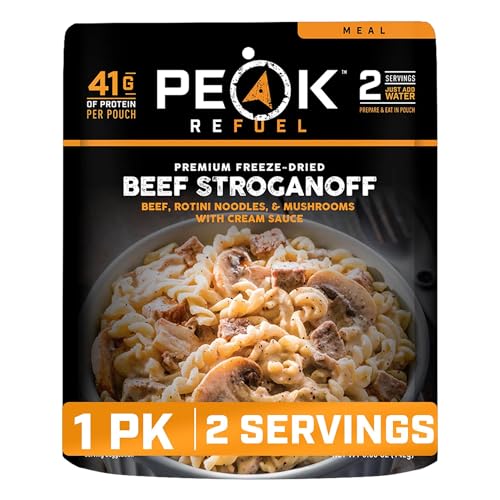
Peak Refuel Beef Stroganoff Freeze-Dried Backpacking Meal
- ✓ Great flavor
- ✓ Real meat, high protein
- ✓ Easy prep
- ✕ Higher price
- ✕ Single-serving size
| Protein per Serving | Approximately double the protein of typical outdoor meals (exact grams not specified; made with 100% USDA inspected meat) |
| Meat Content | 100% real meat (no TVP or fillers) |
| Freeze-Dried Ingredients | Premium freeze-dried ingredients with non-GMO sourcing; no artificial preservatives |
| Serving Time / Preparation | Ready to eat in 10 minutes or less; requires less water to cook or rehydrate |
| Origin / Manufacturing | Made and packaged in the USA |
| Price | $14.95 |
I dumped a pouch of Peak Refuel Beef Stroganoff into hot water and watched the granules swell like a mini snow globe, then tasted it after a brisk 10 minutes. The smell hit first—rich beefy notes with a hint of cream and mushrooms—and I caught myself thinking I could eat this at home. On the trail, that kind of flavor is a rare win. The texture surprised me in a good way. The beef rehydrated to chunks that felt substantial, not rubbery or mushy, and the sauce clung to every bite instead of pooling at the bottom. It tastes closer to a home-cooked meal than most backpacking options, which was immediately noticeable after my first spoonful. Prep is ridiculously simple. Boil water, pour in, stir, wait, and you’re done in under 10 minutes. The pouch stands up on my cook kit, which meant less mess and fewer dishes to wash at camp. It’s feather-light in my pack, and the ingredients feel premium—no TVP or junk I wouldn’t touch at home. I appreciated that this meal is made in the USA and uses real meat with a protein punch that keeps me going through long days of hiking. The packaging is sturdy, and the reseal feature is handy if you don’t finish it all in one sitting. A small note: the flavor is bold enough to satisfy a craving for comfort food after a tough ascent or a chilly evening. If you’re chasing a grocery-store find that actually feels like real cooking in a pouch, this one earns a spot in your pack. It pairs well with a simple side like instant rice or a bag of greens, stretching into a satisfying dinner on the trail.
Peak Refuel Beef Pasta Marinara Freeze-Dried Meal, 49g

- ✓ Real meat, solid texture
- ✓ Flavorful, home-like sauce
- ✓ Lightweight, quick to prepare
- ✕ Higher price point
- ✕ May be slightly salty for some
| Serving size | 49 g per pouch |
| Primary protein source | 100% USDA inspected meat (no TVP or fillers) |
| Protein content relative to similar meals | Nearly double the amount of protein per serving than most outdoor meals |
| Preparation method | Freeze-dried; requires water to rehydrate; ready to eat in 10 minutes or less |
| Ingredient quality declarations | Premium freeze-dried ingredients; non-GMO; no artificial preservatives |
| Origin and packaging | Made and packaged in the USA |
You might think freeze-dried meals are just “camp food,” texture like cardboard and flavor that wears off fast. With Peak Refuel Beef Pasta Marinara, that assumption gets knocked sideways the moment you open the pouch.
The aroma is closer to a home-cooked dinner than backpacker fare, and you’ll notice real meat visible in the sauce, not bits of mystery texture.
The pouch is compact and lightweight, the kind you nearly forget you packed until dinner time. When you add water, the rehydration feels quick, and the sauce coats the noodles evenly—no clumps, no dry pockets.
I appreciated that the beef pieces stay tender rather than turning to gray dust, which happens with cheaper brands. The flavor hits that “comfort meal after a long trail” note without needing extra seasoning.
Texture-wise, it’s surprisingly satisfying. The noodles hold their bite and the sauce isn’t oily or overwhelmed by salt.
It tastes like a well-made pasta dish you’d cook at home, just with the convenience of a single-step rehydrate. The pack’s 49g size is generous enough for a hearty dinner, and the protein punch is real—great for a long day on the ridge.
In practical use, it’s easy to prepare at a campsite or cabin. You measure water, wait, stir, and you’re done in under 10 minutes.
It’s also nice to know it’s made in the USA with non-GMO ingredients and no artificial preservatives.
If you’re chasing real meat and reliable flavor on the trail, this one makes the cut. It’s a strong reminder that grocery-store backpacking meals can taste restaurant-quality with the right ingredients and process.
Peak Refuel Pork & Rice Freeze-Dried Meal, 2 Servings

- ✓ Real meat, no fillers
- ✓ Quick prep, light weight
- ✓ Great texture and flavor
- ✕ Pricey for a single meal
- ✕ Limited flavor variety
| Main Protein Source | 100% USDA inspected real meat (no TVP) |
| Protein per Serving Comparison | Nearly double the protein per serving vs. typical outdoor meals |
| Freeze-Drying Process | Premium freeze-dried ingredients to lock in nutrients and flavor |
| Rehydration / Prep Time | Ready to eat in 10 minutes or less with minimal water |
| Servings per Package | 2 servings |
| Origin / Manufacturing | Made in the USA (freeze-dried and packaged in the USA) |
You bite into this Peak Refuel pork and rice and immediately notice a difference from the usual backpacking staples. The scent is inviting, almost like a home-cooked dinner rather than a rehydrated adventure meal.
Compared to the last grocery-store grab-and-go options I’ve tried, this one feels meat-forward in every bite. There’s real USDA-inspected pork in the mix, not some TVP-y substitute, and it shows in both texture and flavor.
The bag is light and the rehydration is quick—about 10 minutes, with less water than I expected. It puffed up nicely and held onto a bit of chew rather than turning mushy, which is exactly what you want after a long day on the trail.
Texture matters out there, and this meal lands on the better end of the spectrum. The rice isn’t grainy; it has a soft bite that pairs well with the savory pork and a hint of seasoning that doesn’t taste industrial.
Preparation is straightforward: boil, add water, wait, stir, and eat. It’s the kind of simplicity you value when you’re cold, tired, and just trying to refuel without fiddling with complicated steps.
In real-world use, it shines on shorter trips when you want a comforting, protein-packed option without packing extra weight. The American-made promise is reassuring, and the claim of premium, non-GMO ingredients rings true once you taste it.
Overall, this is one of those meals you’ll actually reach for after a hard day. It feels more like a home dinner than a wilderness solution, and that makes a big difference on the trail.
What Are the Key Criteria for Selecting Backpacking Food from the Grocery Store?
When selecting the best backpacking food from the grocery store, key criteria include weight, nutritional value, ease of preparation, and shelf stability.
- Weight: Lightweight food options are essential for backpacking as they reduce the overall load you carry. Foods should be easy to pack and should not add significant weight to your backpack, allowing you to maintain mobility and comfort during your hike.
- Nutritional Value: It’s important to choose foods that provide adequate calories, protein, and essential nutrients to sustain energy levels during strenuous activities. Look for options that have a good balance of carbohydrates, fats, and proteins, as well as vitamins and minerals to support overall health.
- Ease of Preparation: Backpacking food should require minimal cooking or preparation time. Opt for freeze-dried meals, instant oats, or ready-to-eat options that can be quickly prepared with just boiling water or no cooking at all, allowing you to save time and energy at camp.
- Shelf Stability: Foods must be non-perishable and have a long shelf life to withstand the conditions of backpacking. Items like dehydrated fruits, nuts, and granola bars are ideal as they can be stored for extended periods without spoiling, ensuring you have reliable nutrition throughout your trip.
- Taste and Variety: Selecting foods that you enjoy eating will make your backpacking experience more pleasant. Look for a variety of flavors and textures to keep meals interesting, as this can help maintain morale during long hikes.
Why is Caloric Density Important for Backpacking Meals?
Caloric density is a crucial factor to consider when selecting backpacking food, primarily because it ensures that you meet your energy needs while minimizing pack weight. Backpacking usually involves strenuous physical activity, making it essential to consume meals that provide adequate fuel. Foods with high caloric density pack more energy into a smaller volume, allowing you to carry less weight without sacrificing nutrition.
Key components to understand about caloric density include:
- Nutritional Value: Foods such as nuts, seeds, and nut butters offer high calories along with healthy fats and proteins, which aid in both energy and muscle recovery.
- Weight Efficiency: Dried fruits and dehydrated meals, like rice or pasta, provide a compact way to consume large calorie amounts without adding excessive weight.
- Hydration: Opting for foods that combine caloric density with hydration can be advantageous. For example, some meals may include fats, which provide calories but can also be more dehydrating, so choosing the right balance is key.
Overall, focusing on caloric density allows backpackers to effectively manage their energy intake while keeping their packs light and efficient.
How Does Shelf Life Influence Your Food Choices?
The shelf life of food significantly influences decisions when selecting the best backpacking food from the grocery store.
- Dried Fruits: Dried fruits are lightweight and offer a long shelf life, making them an excellent option for backpacking. They provide natural sugars for quick energy and essential nutrients, which are crucial during outdoor activities.
- Canned Goods: Canned foods, such as beans and vegetables, have a long shelf life and are easy to pack. They are versatile and can serve as a hearty meal base, providing protein and fiber to keep you satisfied on the trail.
- Instant Oatmeal: Instant oatmeal packets are a convenient choice due to their extended shelf life and ease of preparation. They are a great source of carbohydrates and can be customized with various toppings like nuts or dried fruits for added energy and flavor.
- Dehydrated Meals: Dehydrated or freeze-dried meals are specifically designed for backpacking, boasting long shelf lives and lightweight packaging. They typically require only hot water for rehydration, making them a practical option for quick and filling meals during trips.
- Nuts and Seeds: Nuts and seeds have a good shelf life and provide healthy fats, protein, and essential nutrients. They make for great snacks that can help maintain energy levels while hiking.
- Energy Bars: Energy bars are convenient for on-the-go snacking and come with a long shelf life. They are often packed with calories and nutrients, making them a popular choice for quick energy boosts during long treks.
- Pasta and Rice: Dry pasta and rice are staples with extended shelf lives that can serve as the foundation for many meals. They are easy to cook, filling, and provide the necessary carbohydrates needed for sustained energy while backpacking.
What Types of Grocery Store Foods Are Best for Backpacking?
The best backpacking food from the grocery store is lightweight, non-perishable, and nutritious to keep energy levels up during hikes.
- Dehydrated Meals: These are pre-cooked meals that have had their moisture removed, making them lightweight and easy to pack. To prepare, simply add hot water, and they can provide a hearty and filling option for dinner on the trail.
- Instant Oatmeal: A convenient breakfast choice, instant oatmeal packets are lightweight and only require hot water for preparation. They offer a quick source of carbohydrates and can be enhanced with nuts or dried fruits for added nutrition and flavor.
- Trail Mix: This mixture typically contains nuts, seeds, dried fruits, and sometimes chocolate, providing a high-energy snack that is easy to carry. Trail mix is rich in healthy fats, protein, and carbohydrates, making it an excellent option for sustained energy on long hikes.
- Jerky: Jerky is dried meat that is lightweight, shelf-stable, and packed with protein, making it a great snack for backpackers. It’s available in various flavors and types, including beef, turkey, and even plant-based varieties, catering to different dietary preferences.
- Canned Foods: While heavier than other options, canned foods like beans, vegetables, or soups can provide substantial meals. They are nutritious, but it’s essential to choose smaller cans to keep the weight manageable while ensuring you have a can opener available.
- Rice and Grains: Instant rice or quinoa can be prepared quickly and provide a solid base for any meal. They are lightweight and versatile, allowing you to mix them with other ingredients like canned veggies or dehydrated meals for a complete dish.
- Dried Fruits: These are excellent for snacking and can also be added to meals for a natural sweetness. Dried fruits are lightweight, nutrient-dense, and offer a quick source of energy, making them ideal for on-the-go consumption.
- Nuts and Nut Butter: These are calorie-dense foods that provide healthy fats and protein, making them perfect for energy during hikes. Nut butter can be consumed with crackers or added to oatmeal for a filling meal or snack.
Which Ready-to-Eat Foods Should You Consider for Convenience?
When selecting ready-to-eat foods for convenience while backpacking, consider the following nutritious and lightweight options:
- Dehydrated Meals: These meals typically come in pouches and only require hot water to rehydrate.
- Trail Mix: A mix of nuts, seeds, dried fruits, and sometimes chocolate, trail mix is energy-dense and easy to carry.
- Energy Bars: These compact bars are formulated to provide a quick energy boost and are available in a variety of flavors and ingredients.
- Instant Oatmeal: Packets of instant oatmeal are an excellent breakfast option that only requires hot water and can be customized with added fruits or nuts.
- Pre-packaged Tuna or Chicken Pouches: These protein-rich pouches can be eaten alone or added to other meals for a nutritious boost.
Dehydrated Meals: These meals are designed for outdoor enthusiasts and typically include a variety of cuisines. They are lightweight and take up minimal space in your pack, making them ideal for long hikes. Simply add boiling water, wait a few minutes, and you have a hot, filling meal ready to enjoy.
Trail Mix: Trail mix is not only easy to carry but also packed with calories and essential nutrients, making it perfect for sustained energy on the trail. You can find pre-mixed versions or create your own blend tailored to your taste preferences, ensuring both variety and enjoyment during your adventure.
Energy Bars: Energy bars are specifically designed to provide a quick source of energy and are often fortified with vitamins and minerals. They are individually wrapped for convenience and can be easily stashed in your backpack, making them a practical snack option while on the move.
Instant Oatmeal: Instant oatmeal is an excellent choice for a quick breakfast, providing carbohydrates and fiber to kickstart your day. Available in various flavors, these packets can be prepared by adding hot water, and you can enhance them with nuts, fruits, or sweeteners, depending on your preference.
Pre-packaged Tuna or Chicken Pouches: These protein-rich options are incredibly versatile and can be eaten straight from the pouch or added to salads, wraps, or rice dishes. They provide essential protein for muscle recovery and are lightweight, making them an easy addition to your backpacking food supply.
What Lightweight Snacks Offer Optimal Energy for Hiking?
Some of the best lightweight snacks for hiking that you can find at the grocery store include:
- Trail Mix: A classic hiking snack, trail mix combines nuts, dried fruits, and sometimes chocolate or granola, providing a perfect balance of carbohydrates, fats, and proteins.
- Nut Butter Packets: Convenient single-serve packets of almond or peanut butter are rich in healthy fats and proteins, making them an excellent energy booster when paired with fruits or crackers.
- Energy Bars: Available in various flavors and formulations, energy bars are designed to provide quick energy with a mix of carbohydrates, proteins, and fats, making them easy to pack and consume on the go.
- Jerky: This protein-rich snack comes in various meats, including beef, turkey, and even plant-based options, providing a savory boost of energy that is lightweight and shelf-stable.
- Granola or Protein Bites: These small, bite-sized snacks are often made from oats, seeds, and sweeteners, offering a satisfying crunch and quick energy while being easy to carry in a backpack.
- Dried Fruit: Lightweight and packed with natural sugars, dried fruits like apricots, apples, and bananas make for a sweet snack that provides a quick burst of energy without taking up much space.
- Rice Cakes or Crackers: These low-calorie, crunchy snacks can be topped with nut butter or cheese for added energy, offering a satisfying texture and versatility.
Trail mix is particularly favored among hikers due to its high energy density and the ability to customize it according to taste preferences, making it a versatile option for various nutritional needs.
Nut butter packets are ideal because they require no refrigeration and can easily be squeezed onto fruits or eaten directly, ensuring a satisfying and energizing snack during long treks.
Energy bars come in many varieties tailored to specific dietary requirements, providing a quick and easy source of energy that can be consumed without any preparation, making them a favorite for convenience.
Jerky, with its high protein content, helps in muscle repair and keeps you feeling full longer, making it a great option for maintaining energy levels throughout your hike.
Granola or protein bites are often made from wholesome ingredients, providing a balanced energy source while being small enough to fit in your pocket for easy access during your journey.
Dried fruit is not only lightweight but also a great source of vitamins and minerals, offering a quick energy boost that can prevent fatigue on the trail.
Rice cakes or crackers provide a crunchy texture that can be quite satisfying, and when paired with protein-rich toppings, they make a filling snack that helps sustain energy levels during hikes.
How Can You Create Balanced Backpacking Meals with Grocery Store Items?
When planning balanced backpacking meals using grocery store items, it’s essential to focus on nutrition, portability, and ease of preparation.
- Whole Grains: Whole grain pasta, brown rice, or quinoa are excellent sources of carbohydrates that provide sustained energy for hiking.
- Protein Sources: Canned beans, lentils, or pre-cooked chicken are convenient options for adding essential proteins to your meals.
- Dehydrated Vegetables: Dried vegetables like bell peppers, carrots, and spinach are lightweight and can easily be rehydrated in hot water, adding vital nutrients.
- Nuts and Seeds: Almonds, walnuts, and pumpkin seeds are high in healthy fats and protein, making them perfect for snacking and meal enhancement.
- Nut Butters: Single-serve packets of almond or peanut butter are calorie-dense, nutritious, and can be paired with fruits or spread on crackers.
- Trail Mix: A mix of dried fruits, nuts, and sometimes chocolate provides a quick energy boost and is easy to carry on the trail.
- Instant Oatmeal: Easy to prepare with just hot water, oatmeal provides a hearty breakfast option that can be customized with added fruits or nuts.
- Jerky: Beef, turkey, or vegan jerky is a great source of protein that requires no refrigeration and can be eaten on the go.
- Spices and Seasonings: Small packets of spices or seasoning blends can enhance the flavor of meals without adding bulk, making your backpacking experience more enjoyable.
Whole grains not only provide energy but also offer dietary fiber that aids in digestion, making them a staple for a balanced meal. Protein sources like canned beans or pre-cooked chicken help in muscle recovery and keep you feeling full longer during your hikes.
Dehydrated vegetables are not only lightweight but also pack a nutritional punch, ensuring you get necessary vitamins and minerals while on the trail. Nuts and seeds are calorie-rich and can be consumed easily, providing a great source of energy without taking up much space in your pack.
Nut butters are versatile and can be added to various meals or snacks, while trail mix serves as a perfect on-the-go snack that fuels your body with a mix of carbohydrates, fats, and proteins. Instant oatmeal is a convenient breakfast option that can be varied with different toppings to keep your meals interesting.
Jerky is a fantastic protein-rich snack that can withstand the rigors of the outdoors, and spices and seasonings are essential for making your meals flavorful and exciting, ensuring you enjoy every bite during your backpacking adventure.
What Easy-to-Prepare Meal Ideas Can You Find at the Grocery Store?
When shopping for the best backpacking food from the grocery store, look for items that are lightweight, nutritious, and easy to prepare.
- Dehydrated Meals: These meals are pre-cooked and then dehydrated for lightweight packing. Just add boiling water, and you have a warm, filling meal ready in minutes, making them perfect for backpacking.
- Instant Oatmeal Packs: Instant oatmeal is a quick and easy breakfast option that only requires hot water. They are typically fortified with vitamins and minerals, providing a nutritious start to your day.
- Canned Foods: Options like canned beans, vegetables, or soups are shelf-stable and provide good nutrition. They can be easily heated over a camp stove or eaten cold, making them versatile for different meal preparations.
- Nut Butters: Single-serve packets of nut butter are compact and packed with protein and healthy fats. They can be eaten on their own, spread on crackers, or added to oatmeal for an energy boost.
- Trail Mix: A combination of nuts, dried fruits, and sometimes chocolate, trail mix is a high-energy snack that’s easy to carry. It offers a great balance of carbohydrates, fats, and proteins, making it ideal for long hikes.
- Rice or Quinoa Packs: Pre-cooked and vacuum-sealed rice or quinoa can be easily heated up and served as a base for various meals. These grains are nutritious and filling, providing essential carbohydrates needed for energy during backpacking trips.
- Energy Bars: Energy or protein bars are convenient and provide a quick source of energy. They come in various flavors and formulations, making them an easy snack or meal replacement when on the go.
- Dried Fruits: Lightweight and nutritious, dried fruits offer natural sugars for a quick energy boost. They can be eaten alone or added to oatmeal or trail mix for added flavor and nutrients.
- Freeze-Dried Fruits: Similar to dehydrated meals, freeze-dried fruits maintain their flavor and nutrients while being lightweight. They can be enjoyed as a snack or rehydrated for use in breakfasts or desserts.
What Common Mistakes Should You Avoid When Choosing Backpacking Food?
When selecting backpacking food from the grocery store, it’s important to avoid certain common mistakes that can affect your trip.
- Ignoring Nutritional Balance: Many backpackers focus solely on calories and forget about the importance of a balanced diet.
- Choosing Heavy or Bulky Items: It’s easy to be tempted by large packages or heavy foods, but these can add unnecessary weight to your pack.
- Neglecting Cooking Requirements: Some foods require cooking or special preparation, which can be impractical on the trail.
- Overlooking Shelf Stability: Fresh foods or items with a short shelf life may spoil before you can consume them.
- Failing to Test Foods at Home: Trying out meals at home before your trip can help you determine what you actually enjoy and what works best for your body.
Ignoring Nutritional Balance: Many backpackers focus solely on calories and forget about the importance of a balanced diet. It’s crucial to include a mix of carbohydrates, proteins, and fats to ensure sustained energy and proper nutrition while on the trail.
Choosing Heavy or Bulky Items: It’s easy to be tempted by large packages or heavy foods, but these can add unnecessary weight to your pack. Lightweight and compact options, such as freeze-dried meals or dehydrated snacks, are often more practical for long hikes.
Neglecting Cooking Requirements: Some foods require cooking or special preparation, which can be impractical on the trail. Opt for items that are ready to eat or require minimal cooking to save time and effort while camping.
Overlooking Shelf Stability: Fresh foods or items with a short shelf life may spoil before you can consume them. Prioritize shelf-stable options that can withstand varying temperatures and last for the duration of your trip.
Failing to Test Foods at Home: Trying out meals at home before your trip can help you determine what you actually enjoy and what works best for your body. This practice can prevent unpleasant surprises and digestive issues while you’re out in nature.
How Can You Effectively Store and Handle Food While Backpacking?
Effectively storing and handling food while backpacking is essential for maintaining freshness and preventing spoilage, especially when choosing the best backpacking food from the grocery store.
- Dehydrated Meals: Dehydrated meals are lightweight and require only water for rehydration, making them ideal for backpacking. They often come in convenient packaging that is easy to pack and can provide a well-rounded meal when combined with added protein or vegetables.
- Energy Bars: Energy bars are compact, calorie-dense options that offer quick nutrition on the go. They come in various flavors and formulations, often containing nuts, fruits, and grains, which make them easy to consume without preparation.
- Canned Foods: Canned foods are sturdy and shelf-stable, providing hearty options like beans, soups, or stews. However, they are heavier than other options, so they are best used for shorter trips or when weight is less of a concern.
- Nut Butters: Nut butters provide a calorie-rich source of protein and healthy fats and come in portable squeeze packs or jars. They can be eaten directly or spread on crackers or fruit, making them versatile for meals or snacks.
- Dried Fruits and Nuts: Dried fruits and nuts are excellent for snacking due to their lightweight nature and high energy content. They can also be mixed into trail mixes or added to oatmeal for added flavor and nutrition.
- Freeze-Dried Foods: Freeze-dried foods are lightweight and have a long shelf life while retaining most of their nutrients and flavors. They typically require hot water for preparation, making them convenient for warm meals on the trail.
- Vacuum-Sealed Packs: Vacuum-sealed packs help keep food fresh longer while reducing weight and bulk in your pack. They are ideal for perishable items like cheeses or deli meats that can be enjoyed in moderation.