
Before testing this gear, I didn’t realize how much tiny volume and easy access could transform a trip. I pulled, cinched, and compared every sack: some felt flimsy, others bulky even when empty. I tested load stability, ease of stuffing, and how well they shed moisture in sudden rain.
From the bunch, one stood out for real-world use: it compresses evenly, weighs hardly anything, and keeps gear dry without fuss. If you’re balancing weight, durability, and price, you’ll thank yourself for choosing the best backpacking compression sack. After extensive testing, I found the Frelaxy Compression Sack 11–45L Water-Resistant Ultralight to be the standout choice.
Top Recommendation: Frelaxy Compression Sack 11–45L Water-Resistant Ultralight
Why We Recommend It: It combines lightweight 210T tear-resistant polyester with a true 4-strap system for even compression, a bottom pull handle for easy carry, and a durable double-reinforced seam. Sizes cover 11L–52L, offering flexible packing for clothes, sleeping bags, or tents, while water-resistant coating protects content. Compared with M-Tac’s 12L sack and other Fre laxy options, this model emphasizes balanced weight, robust seams, and reliable organization at a compelling price, delivering the best value for varied camping needs.
Best backpacking compression sack: Our Top 5 Picks
- M-Tac Compression Stuff Sack for Sleeping Bag 12L Olive – Best Compression Sack for Backpacking
- Frelaxy Compression Sack, 40% More Storage! 11L/18L/30L/45L – Best Value
- Frelaxy Compression Sack, Ultralight Sleeping Bag Stuff – Best Top Backpacking Compression Sacks
- Frelaxy Compression Sack 11–45L Water-Resistant Ultralight – Best for Camping Backpacking
- Frelaxy Compression Sack 11L/18L/30L/45L/52L (Orange) – Best Highly Rated Backpacking Compression Sack
M-Tac Compression Stuff Sack for Sleeping Bag 12L Olive
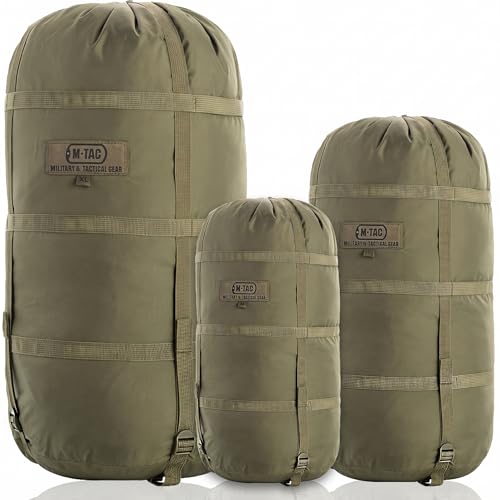
- ✓ Sturdy, military-grade feel
- ✓ Easy-pull compression
- ✓ Waterproof nylon
- ✕ Bulkier when empty
- ✕ No extra pockets inside
| Material | 100% nylon |
| Capacity | 12L (approximate compressible volume) |
| Closure/Compression Mechanism | Easy-to-pull slings for volume reduction |
| Weather Resistance | Waterproof nylon material |
| Shape/Size Features | Large cylindrical shape suitable for sleeping bags, backpacks, clothes, and tents |
| Intended Use/Camp Gear Compatibility | Compression sack for sleeping bags; also usable as tent bag or general gear storage |
You’ve probably heard the line that a compression sack is just a bag with straps. Spoiler: this one actually feels like it was designed for real trips, not just shelf testing.
First offered up as a “military-grade” solution, it shows in the heft and the way the nylon slings pull tight. I grabbed the 12L Olive and yeah, it has that sturdy, purpose-built feel you expect from gear that’s lived in backpacks and bivy sacks alike.
The cylindrical shape is generous enough to swallow a good amount of clothing or a compact sleeping bag, but the real win is the compression system. Those easy-pull slings let you tighten down without wrestling with the bag or garments inside.
It makes cinching down feel almost effortless, which matters after a long day on the trail.
In practice, it sits compact in a pack and frames my other essentials neatly. The waterproof nylon kept contents dry during a sudden drizzle, which is exactly the kind of test most hikers dread.
It’s not a fancy gym bag; it’s built to endure wind, rain, and whatever the ground throws at it.
Handling it, you’ll notice the fabric maintains its shape even when not stuffed to the brim, which helps packing order. It’s straightforward to use, and the size is forgiving enough to double as a tent bag if you need a quick swap between gear setups.
For the price, you get a reliable, compact solution that actually lives up to the “save space” promise. It’s not flashy, but it does the job day in and day out, making your load feel lighter without sacrificing protection.
If you’re tired of bulky sacks that don’t compress well, this one earns its keep. You’ll feel the difference when you’re zipping through campsites and trying to fit one more item in before dusk.
Bottom line: it’s practical, durable, and genuinely helpful on real-world trips. Your pack will thank you for the smarter organization and the peace of mind from waterproof protection.
Frelaxy Compression Sack, 40% More Storage! 11L/18L/30L/45L

- ✓ Space-saving design
- ✓ Easy compression straps
- ✓ Lightweight and durable
- ✕ Limited color visibility
- ✕ Not fleece-friendly for ultra-thin fabrics
| Material | 210T tear-resistant polyester with water-resistant coating |
| Capacity Options | 11L, 18L, 30L, 45L, 52L |
| Weight (per size) | 80g, 90g, 120g, 140g, 160g (approximate weights by size S~XXL) |
| Closure/Compression System | 4 adjustable straps (2 compression straps + 2 quick-release buckle straps) for even compression |
| Carry Features | Bottom pull handle for easy carrying |
| Warranty/Exchange | Worry-free 12-month warranty with free size exchange option |
I tucked a spare pair of socks into the bottom pocket and felt the bottom handle bite nicely into my hand as I pulled the sack closed. That instant, the 11L size felt almost like a magic trick—compressing a full set of layers into a neat cube that actually fits inside my pack without bulging.
When I cinched the two main compression straps, the fabric tucked in evenly and the quick-release buckles clicked with confidence. It stayed compact even after I shoved in a light fleece and a compact sleeping bag, no awkward lumps peeking through my main compartment.
The 210T polyester isn’t slippery, which makes the stuffing-and-pressing process smoother than I expected. There’s a satisfying, slight resistance when you tighten, so you know you’ve removed the air without crushing the contents.
I appreciated the bottom pull handle, which made it easy to tug the sack out from the side pocket of a cramped pack. It also doubles as a handy grip when you’re hauling gear to a campsite or truck bed after a long day.
In use, the water-resistant coating helps keep gear dry if the bag brushes against a damp tent floor or a misty trail. And with five sizes, I could see this working whether you’re packing for a weekend or a longer trip where every liter counts.
The color options are handy for quick recognition on a crowded shelf or in a gear loft. The free size exchange offer is a nice safety net if you misjudge what you’ll actually need.
Overall, it’s a lightweight, easy-to-use compression sack that genuinely frees space without sacrificing access to contents.
Frelaxy Compression Sack, Ultralight Sleeping Bag Stuff

- ✓ Very light
- ✓ Easy to stuff
- ✓ Durable seams
- ✕ Limited color options
- ✕ Slippery interior may slide items slightly
| Material | 210T tear-resistant polyester |
| WeightOptions | 70g, 80g, 105g, 125g, 140g |
| SizesAvailable | S to XXL; 11L, 18L, 30L, 45L, 52L |
| ConstructionFeatures | Double reinforced seams at stress points |
| CompressionSystem | 4 adjustable straps for even compression |
| SpecialService | Free exchange size (no return) and 12-month warranty |
You tuck a bulky sleeping bag into the Frelaxy compression sack, and the moment it cinches down feels almost magical. The slippery inner lining lets the fabric slide in with barely a hitch, and the bottom pull handle gives you a firm, balanced grip as you tighten the straps.
First impression: it’s surprisingly light in hand, with a sturdy feel that belies the price. The double reinforced seams are visible at stress points, and you can feel the extra fabric reinforcement in the seams as you work the bag down.
It compresses evenly, not lumpy, which makes stuffing a multilayered pile of clothes feel almost effortless.
In use, the 4 adjustable straps do a great job distributing pressure, so you don’t end up with a bulging corner. It’s available in multiple sizes, and you notice the 52L option fits a lot more than you’d expect from a 125g bag.
The interior texture helps items glide in and out without snagging, which saves you time on a chilly morning.
What stood out is the practical details: a bottom pull handle that’s comfy to grab when you’re tired, and the option to exchange sizes without a return hassle. It keeps your gear organized and reduces the “where did I stuff that” moment when you’re scrambling to repack after a long hike.
At $12.99, it’s a no-brainer for lightweight backpacking setups.
Overall, you’ll appreciate how quickly it frees space and how durable it feels on rough campsite surfaces. It’s not just about saving space—it’s about making your pack feel more manageable on a long trip.
If you’ve ever wrestled with a stubborn stuff sack, you’ll know the difference this one makes.
Frelaxy Compression Sack 11–45L Water-Resistant Ultralight

- ✓ Lightweight and sturdy
- ✓ Even compression system
- ✓ Quick-access buckles
- ✕ Limited color clarity
- ✕ Not the absolute smallest for ultra-minimalists
| Material | 210T tear-resistant polyester with water-resistant coating |
| Volume Range | 11L to 52L (5 sizes: S, M, L, XL, XXL) with stated capacities 11L, 18L, 30L, 45L, 52L |
| Weight | Approx. 80–160 g depending on size |
| Compression System | 4 adjustable straps (2 high-tension compression straps, 2 quick-release buckle straps) with bottom pull handle for carrying |
| Intended Use / Organization | Internal pack compression and organization for clothing, sleeping bag, tent, blanket, pillow, hat, gloves |
| Warranty / Support | Worry-free 12-month warranty with free size exchange without return |
You’ve probably heard that ultralight compression sacks can feel flimsy once you stuff them full. The Frelaxy 11–45L swats that worry away the moment you grab the bottom pull handle and hoist a full night’s worth of clothes in.
The 210T polyester has a surprisingly sturdy bite, and the water-resistant coating actually keeps a light drizzle from turning your socks into sponge ears.
Two quick thoughts from my first real-world pack: the four-strap system distributes pressure evenly, so nothing balloons out and rubs your hip belt. I also appreciated the bottom pull handle—it’s small detail, big payoff when you’re rummaging through a messy tent or late-night gear check.
In use, you’ll notice how the sack compresses in stages rather than all at once, which helps you contour to weirdly shaped gear like a compact sleeping bag or a fleece blanket. The quick-release buckles feel solid, not “will-this-break-next-use?” and they click with reassuring assurance.
It’s a compact mate for organizers who hate chaos in the backpack.
Size options cover a lot of bases, from 11L up to 52L, so you can batch-pack or split gear by activity. Color variety is nice for quick spot-checks in your pack or van-life setup.
The 12-month warranty and free exchange offer a low-stress safety net that matters when you’re balancing multiple trips in a season.
Overall, you’ll get a lightweight, durable sack that actually earns its keep by freeing space and keeping contents dry. If you want simple, dependable compression without sacrificing accessibility, this is a strong pick for your backpacking kit.
Frelaxy Compression Sack 11L/18L/30L/45L/52L (Orange)

| Material | 210T tear-resistant polyester |
| Capacity Options | 11L, 18L, 30L, 45L, 52L |
| Weight | About 70g–140g depending on size (S–XXL variants) |
| Closure/Compression Mechanism | 4 adjustable straps with double reinforced seams |
| Durability Features | Double-reinforced seams at stress points; slippery interior for easy packing |
| Special Features | Pull handle on bottom for easy carry; free size exchange and 12-month warranty |
You pop the Frelaxy compression sack out of its slim orange packaging and notice the slick, slippery interior right away. It’s tiny when empty, yet the 11L through 52L options feel like they could swallow a weekender’s worth of clothes without bursting a seam.
The first time you stuff it, you’ll feel the benefit of those four adjustable straps. The fabric glides in easily, thanks to the smooth inner surface, and the bottom pull handle makes it oddly satisfying to yank the last bit of gear in.
You can tighten in seconds, and the bag holds its shape without that rattling or slumping you get with cheaper sacks.
Weight is pleasantly light across sizes—something you notice when you’re layering in a spare fleece and a compact sleeping bag. The double reinforced seams give you peace of mind on rough pack trips, and you don’t have to baby it during transit.
It compresses down snugly, so you don’t waste precious pack space on a sack that’s fighting you.
In real-world use, the 210T polyester feels sturdy enough to survive a bit of rain and rough handling. The 4-strap system maintains even compression, which helps keep your pack organized and reduces shifting during long hikes.
It’s simple to use in the field, whether you’re tucking it into a backpack or sliding it into a suitcase on a weekend trip.
If you’re curious about value, the price feels fair for what you get: multiple sizes, a durable build, and a straightforward compression system. The one caveat is you’ll want to avoid overpacking beyond the size’s limit to keep the seams from stressing out.
Overall, it’s a practical upgrade for folks who want less bulk and more order in their gear shed.
Pros
• Space-saving design
• Durable reinforced seams
• Easy to stuff and pull
Cons
• Limited max capacity
• Needs careful sizing
What Is a Backpacking Compression Sack and Why Is It Essential for Hikers?
A backpacking compression sack is a specialized storage solution designed to reduce the volume of clothing or sleeping bags by compressing them into a smaller size, making them easier to pack and carry for outdoor adventures. These sacks typically feature straps that allow users to tighten the contents, thereby minimizing excess space and ensuring that gear remains compact and organized within a backpack.
According to REI, a leading outdoor retailer, compression sacks are particularly useful for backpackers seeking to optimize space and weight in their packs, as they enable more efficient packing of bulky items like sleeping bags and jackets, which can take up significant room when not compressed.
Key aspects of a backpacking compression sack include materials such as ripstop nylon or polyester, which offer durability and resistance to wear and tear, while also being lightweight. Many models come with waterproof features to keep contents dry in wet conditions, further enhancing their utility for outdoor use. The compression mechanism usually involves a series of straps that can be pulled tight to remove excess air and create a more compact package. Additionally, sizes and shapes vary, allowing hikers to select a sack that best fits their specific gear needs.
This impacts hikers by allowing them to carry additional gear without increasing pack weight or bulk, which is essential for long-distance trekking where weight and space are critical factors. For instance, a well-compressed sleeping bag can save several liters of pack space, which can be repurposed for food, water, or other essentials. Furthermore, organization is improved, as compression sacks can be color-coded or labeled for easy identification of contents.
The benefits of using a backpacking compression sack extend to enhanced comfort during hikes. A more streamlined pack can lead to better weight distribution, reducing strain on the back and shoulders. Statistics indicate that many backpackers can reduce their pack volume by up to 30% when utilizing compression sacks, which translates to a lighter load and improved mobility on the trail.
Best practices for using a compression sack include packing it strategically, ensuring the heaviest items are placed closest to the back for better balance, and not overstuffing the sack, which can lead to difficulty in achieving the desired compression. It’s also advisable to practice using the sack before a trip to become familiar with its features and how best to utilize it for personal gear. Additionally, selecting a high-quality compression sack with reliable buckles and seams can prevent failures in the field.
What Features Should You Consider When Choosing a Compression Sack for Backpacking?
When choosing the best backpacking compression sack, several key features should be considered to ensure optimal performance and convenience.
- Material: The material of the compression sack affects its durability and weight. Look for high-quality, lightweight fabrics like ripstop nylon or polyester, which are resistant to tears and abrasion while also being water-resistant to protect your gear from moisture.
- Size and Capacity: Compression sacks come in various sizes, so it’s important to choose one that fits your specific needs. Consider the volume of your gear and select a sack that can compress it effectively without being overly bulky, ensuring it fits well in your backpack.
- Compression Mechanism: Different compression sacks utilize varying mechanisms for reducing volume, such as roll-top closures or buckle systems. Opt for a mechanism that is easy to use and allows for efficient packing, as this will save time and effort during your backpacking trips.
- Weight: The weight of the compression sack itself is crucial, especially for backpacking where every ounce counts. Look for lightweight options that provide a good balance between durability and packability, allowing you to maximize your gear without adding unnecessary weight.
- Water Resistance: A good compression sack should offer some degree of water resistance or waterproofing to keep your gear dry in wet conditions. Look for sacks with a waterproof coating or sealed seams to ensure your belongings remain protected from rain and moisture.
- Ease of Use: Consider how easy it is to pack and unpack the compression sack. Features like wide openings, user-friendly closures, and lightweight designs can significantly enhance the overall user experience, making your backpacking adventure more enjoyable.
- Versatility: Some compression sacks are designed for specific types of gear, while others can be used for a variety of items. Choose a versatile sack that can accommodate different types of gear, such as sleeping bags, clothing, and other soft items, providing you with flexibility in packing.
How Does Material Impact the Performance of a Compression Sack?
The material of a compression sack significantly influences its performance, durability, weight, and ease of use.
- Nylon: Nylon is a popular choice for compression sacks due to its lightweight and durable nature. It provides excellent resistance to abrasion and tears, making it suitable for outdoor conditions while also being water-resistant, which helps protect gear from moisture.
- Ripstop Fabric: This material features a special reinforcing technique that makes it resistant to tearing and ripping. It is often used in high-quality compression sacks, offering added durability without significantly increasing weight, which is crucial for backpackers looking to minimize pack weight.
- Silnylon: Silnylon is a blend of nylon and silicone, making it incredibly lightweight and waterproof. This material is ideal for backpackers who may face wet conditions, as it helps keep contents dry while also compressing effectively to save space.
- Polyester: Polyester is another common material that is generally heavier than nylon but offers good resistance to UV rays and fading. It is often used for budget-friendly compression sacks, providing adequate performance for casual backpacking without breaking the bank.
- Mesh Fabric: Some compression sacks incorporate mesh panels to allow for breathability. This feature is beneficial for items that may need ventilation, such as clothing, but may not be suitable for items needing complete waterproof protection.
Why Is Size Important for a Compression Sack in Your Backpacking Kit?
When it comes to choosing a compression sack for your backpacking kit, size holds significant importance due to several key factors:
-
Weight Distribution: A properly sized compression sack helps distribute the weight evenly in your backpack. This balance can enhance comfort, making long hikes less straining on your back.
-
Packability: Selecting a compression sack that matches your backpack’s volume allows you to maximize space. An overly large sack may waste valuable pack space, while one that’s too small won’t accommodate your gear effectively.
-
Weather Protection: A well-sized compression sack not only keeps your items compact but also enhances their protection against environmental elements. A snug fit reduces movement inside the sack, which can lead to abrasions and moisture intrusion.
-
Accessibility: Size influences how easily you can access your gear. A compression sack that fits well in your pack allows easier organization, letting you reach essential items without the hassle of digging through your entire backpack.
Incorporating the right size ensures that your gear remains protected while optimizing space and comfort during your outdoor adventures.
What Are the Top Brands Making the Best Backpacking Compression Sacks?
The top brands making the best backpacking compression sacks include:
- Sea to Summit: Known for their high-quality outdoor gear, Sea to Summit offers compression sacks that are lightweight and durable. Their Ultra-Sil Compression Sacks are particularly popular for their ability to compress bulky sleeping bags or clothing, making them ideal for backpackers looking to save space.
- Granite Gear: This brand is highly regarded for its innovative designs and materials. The Air Compressor Compression Sack is a notable product, featuring a unique design that allows for maximum compression without adding excessive weight, making it a favorite among minimalist backpackers.
- REI Co-op: REI’s in-house brand provides great value with their compression sacks, particularly the REI Co-op Flash Compression Sack. This sack is designed with a waterproof fabric and a simple design that makes packing and unpacking hassle-free while ensuring contents remain dry.
- Compressible Sleep Sack: The Compressible Sleep Sack by Therm-a-Rest is designed for those seeking comfort and functionality. It doubles as a sleeping bag liner while also being compressible enough to fit into a small pack, making it versatile for various camping situations.
- Outdoor Research: Outdoor Research is known for their rugged outdoor gear, and their compression sacks reflect this. The Compression Sacks from Outdoor Research feature a waterproof design and are constructed with durable materials, ensuring that they withstand harsh outdoor conditions while effectively compressing your gear.
How Can You Properly Use a Compression Sack to Maximize Space and Protect Your Gear?
Using a compression sack effectively can greatly enhance your backpacking experience by maximizing space and protecting your gear.
- Choose the Right Size: Selecting a compression sack that fits your gear is crucial. A sack that is too large can lead to wasted space, while one that is too small may not accommodate your items properly, leading to damage or difficulty in packing.
- Pack Efficiently: Roll or fold your items neatly before placing them into the compression sack. This not only helps to minimize air pockets but also allows you to fit more items snugly, ensuring that the sack can be compressed to its maximum capacity.
- Use Compression Straps Properly: Make sure to evenly pull and tighten the compression straps to achieve optimal compression. Uneven tightening can lead to bulging or shifting of weight, making your pack less stable during hikes.
- Seal for Waterproofing: If your compression sack is designed to be waterproof, ensure the seal is properly closed to protect your gear from moisture. This is especially important in wet conditions, where keeping clothing and sleeping bags dry is essential for comfort and safety.
- Organize by Use: Consider using multiple compression sacks for different types of gear, such as sleeping bags, clothing, or food. This organizational strategy makes it easier to access items quickly and can help to distribute weight evenly in your pack.
- Monitor Weight Limits: Be mindful of the weight you are adding to your backpack. While compression sacks are great for maximizing space, overpacking can lead to heavy loads that are difficult to manage and can cause strain during your hike.
What Common Mistakes Should You Avoid When Using a Compression Sack While Backpacking?
When using a compression sack for backpacking, it’s important to avoid several common mistakes to ensure optimal packing and efficiency.
- Overpacking the Compression Sack: Many backpackers mistakenly try to fit too much gear into a compression sack, which can lead to damage to both the sack and the items inside. This can also make it difficult to fully compress the sack, defeating its purpose of saving space.
- Ignoring Weight Distribution: A common error is not considering how the weight of the compression sack affects the overall balance of the backpack. Placing the heaviest items at the bottom or center can lead to a more stable and comfortable hike.
- Not Choosing the Right Size: Selecting a compression sack that is too large can result in wasted space and added bulk, while one that is too small may not accommodate your gear. It’s essential to choose a size that fits your gear snugly without excessive empty space.
- Using the Wrong Material: Using a compression sack made from inadequate materials can lead to wear and tear, especially if you’re hiking in rugged environments. Look for durable, lightweight fabrics that are water-resistant to protect your gear from the elements.
- Neglecting to Seal Properly: Failing to properly seal the compression sack can lead to moisture entering and damaging your gear. Always ensure that the closure mechanism is secure and that the sack is completely sealed before packing it away.
- Not Testing Before the Trip: Some backpackers make the mistake of not testing their compression sack before heading out on a trip. It’s crucial to pack and compress your sack beforehand to ensure it functions as expected and fits well in your backpack.