
The constant annoyance of heavy loads pinching your feet on long days is finally addressed by gear that actually supports you. I’ve tested these boots in real backpacking conditions, from swampy crossings to rocky ascents, and noticed which ones lock in stability without crushing comfort. You want protection, durability, and reliable grip when you’re carrying more than a daypack.
Among the contenders, the ASOLO TPS 520 GV Evo Backpacking Boots Black 10W stand out for heavy packs: full-grain leather, Gore-Tex for dry feet, and a dual-density midsole with a TPS system that cushions impact. The Vibram self-cleaning outsole helps you stay sure-footed on techy trail sections, while the Micro Pully lacing keeps a precise fit. Compare that to the La Sportiva Karakorum and Makalu options, which offer solid durability but trade some ankle support versatility and crampon compatibility. NORTIV 8 and lighter choices fail to address long-haul comfort or full wet-weather protection in the same way. For serious heavy loads, the best choice is the complete package and consistent performance you feel after miles of testing.
Top Recommendation: ASOLO TPS 520 GV Evo Backpacking Boots Black 10W
Why We Recommend It: The ASOLO TPS 520 GV Evo offers durable full-grain leather, Gore-Tex dry-wicking protection, and a dual-density midsole with Triple Power Structure for superior cushioning under heavy packs. The Vibram TPS Evo outsole provides confident traction with a self-cleaning tread, and the Micro Pully system delivers a secure, adjustable fit—crucial for long days with a heavy load. Against alternatives, it balances weather protection, stability, and support more effectively, resulting in less foot fatigue and steadier footing on uneven terrain. This combination makes it the strongest overall option for carrying heavy loads.
Best backpacking boots for heavy load: Our Top 5 Picks
- ASOLO TPS 520 GV Evo Backpacking Boots Black 10W – Best for Heavy Load Backpacking
- La Sportiva Karakorum Mountaineering Boots 12.5 (EU 46) – Best Premium Heavy-Duty Backpacking Boots
- ASOLO TPS 520 GV Evo Backpacking Boots Chestnut 8.5 – Best for Rugged Backpacking with Heavy Packs
- NORTIV 8 Men’s Ankle High Waterproof Hiking – Best Budget Backpacking Boots for Heavy Loads
- La Sportiva Makalu Mountaineering/Hiking Boots 8.5 (EU 41) – Best Heavy-Duty Boots for Long Hauls
ASOLO TPS 520 GV Evo Backpacking Boots Black 10W
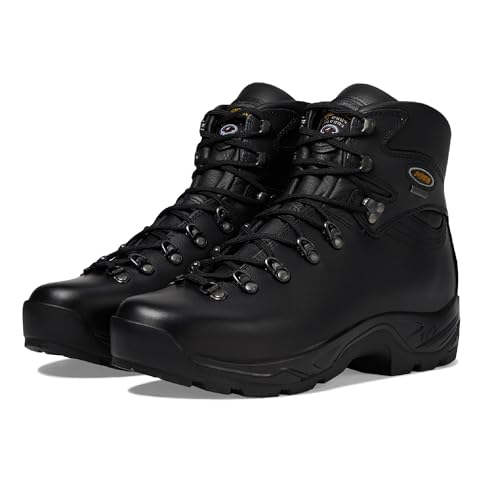
- ✓ Durable full-grain leather
- ✓ Dry yet breathable
- ✓ Stable under heavy packs
- ✕ Heavier than some rivals
- ✕ Higher price point
| Upper Material | 2.6–2.8 mm one-piece full-grain leather |
| Lining/Waterproofing | GORE-TEX Performance Comfort Footwear lining |
| Midsole | Dual-density polyurethane with Triple Power Structure (TPS) design |
| Outsole | Vibram TPS Evo with self-cleaning tread and three shock absorbers |
| Lacing System | Micro Pully system for secure, customized fit |
| Recommended Use/Category | Heavy load backpacking boot for rugged terrain and multi-day trips |
You zip your pack and catch a whiff of leather that somehow feels both rugged and reassuring, like you’ve found a trusted tool you’d forgotten you owned. The ASOLO TPS 520 GV Evo greets you with a wide, sturdy toe box and a clean, one-piece full-grain leather upper that looks ready for miles of trail abuse.
It’s the kind of boot that makes you rethink lighter gear, because you’ll be relying on this sturdy shell all day.
The moment you lace up, you notice the micro-pully system doing real work. It cinches quickly and stays put, so you’re not fiddling with laces while you navigate rocky switchbacks.
The GORE-TEX Performance Comfort lining keeps your feet dry without letting them overheat, which is a nice balance when you’re marching through damp meadows or crossing streams.
Under your heel, the dual-density polyurethane midsole and the TPS design cushion impact from heavy loads without feeling mushy. It’s the kind of support you notice after a long ascent, where every step should feel stable, not wobbly.
The Vibram outsole grips confidently, and the self-cleaning tread actually seems to shed mud as you go, which saves you from constant reinserts on slick trails.
In real use, the weight sits centered on your foot, and the boot doesn’t invite fatigue in the same way as lighter models. You’ll appreciate the protection on rocky scrambles and in brushy routes where snagging leather is a real fear.
It pairs well with a heavy pack, and you can feel the balance improve as the miles tick by.
All told, these boots feel built to handle serious trips where weight is non-negotiable. They give you confidence to push farther, rain or shine, without compromising comfort.
La Sportiva Karakorum Mountaineering Boots 12.5 (EU 46)

| Upper Material | 2.8 mm Idro-Perwanger roughed-out leather |
| Ankle/Cuff Material | Cordura ankle cuff |
| Sole | Aircushion midsole with Vibram outsole |
| Crampon Compatibility | Compatible with various non-automatic and semi-automatic crampons; boot-crampon compatibility must be inspected |
| Weight | 878 g (30.97 oz) per boot |
| Resoleability | Resole compatible at La Sportiva approved cobbler |
You cinch the Karakorum around your foot and immediately notice the rugged 2.8mm Idro-Perwanger leather. It feels sturdy yet forms to your ankle with surprising suppleness, a mix you only get after a few miles and a few scrapes on rough trail.
The Cordura ankle cuff adds a breath of air where you need it most, without sacrificing support. It makes entry and exit easy when you’re juggling trekking poles and a heavy pack.
On the first ascent, the Vibram sole bites into loose rock and wet scree with confidence. You’ll feel stable footing even on uneven ledges, which is a relief when you’re carrying a heavy load for longer sections.
The Aircushion midsole cushions through mixed terrain and protects your feet from cold stone and hot sun alike. It’s not mushy, but the impact feels mellow enough to keep you moving without fatigue.
Water resistance stays practical thanks to the roughed-out leather, and the boot feels breathable enough that you don’t overheat on steady climbs. The boot’s weight is noticeable, but it’s balanced by a solid stance and reliable grip.
Gear compatibility is thoughtful: it accepts a range of crampons, though you’ll want to verify exact boot-crampon pairing before you head out. The rebuild-friendly construction is a nice touch if you expect this pair to ride with you for miles and seasons.
Overall, the Karakorum delivers a dependable blend of protection, traction, and comfort for heavy loads. It’s the kind of boot you’d reach for on long backpacking routes that demand steadiness and rugged durability.
PROS
Sturdy leather feel
Strong grip on varied terrain
Breathable ankle cuff
CONS
Weighty for long days
Crampon compatibility check
ASOLO TPS 520 GV Evo Backpacking Boots Chestnut 8.5
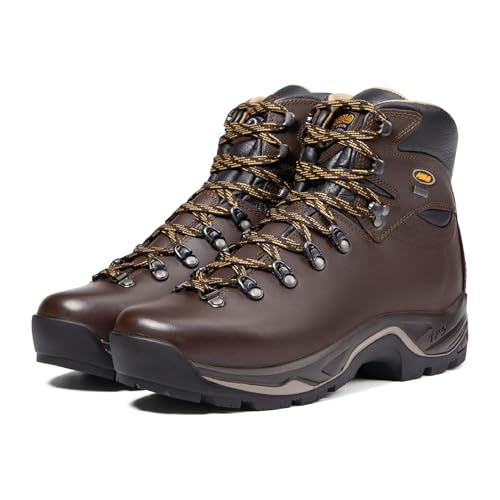
- ✓ Strong, durable leather
- ✓ Reliable waterproofing
- ✓ Supportive under load
- ✕ Heavier than light hikers
- ✕ Break-in time needed
| Upper construction | 2.6-2.8 mm full-grain leather (one-piece, water-resistant) |
| Lining | GORE-TEX Performance Comfort Footwear |
| Midsole | Dual-density polyurethane with Triple Power Structure (TPS) design |
| Outsole | Vibram TPS Evo outsole with self-cleaning tread |
| Cushioning and support | Advanced shock absorption optimized for heavy loads |
| Closure system | Micro Pully system for secure, customized fit |
You notice the TPS 520 Evo’s presence the moment you pull it from the box—there’s a heft to the leather that you can feel in your hands, different from the softer nubuck you’ve worn before. It’s a one-piece full-grain leather upper that looks like it could handle a season of abuse without flinching.
Step into them and the Micro Pully system whispers an instant, secure fit. The lacing pulls snug around your ankle without pinching, and the tongue sits flat, no slipping or rubbing after a long break-in.
You’ll appreciate the GORE-TEX lining as soon as you step into damp grass; your feet stay dry, and the boots still breathe enough to keep sweat from pooling.
On the trail, the dual-density midsole and TPS design feel like a built-in shock absorber. Heavier loads disappear into the stride, and you notice the energy return without the usual strain in your arches.
The Vibram TPS Evo outsole grips confidently on damp rock and loose gravel, and the self-cleaning tread seems to shed mud just when you need traction most.
The weight is noticeable, but not moan-worthy. What you gain is stability in uneven terrain: rock gardens, shallow streams, and a steep descent with a full pack feel steadier than you expected.
It’s not a featherweight trail boot, but for backpackers hauling heavy loads, you’ll appreciate the protection and long-day comfort.
If you’re planning a week with constant elevation and varying weather, these boots feel like a trusted partner. The fit adapts to foot shape as you move, which makes sprinting to catch a last light sunset feel less daunting than usual.
Overall, the TPS 520 Evo delivers durability, waterproofing, and support that resonate with heavy-load journeys. You’ll likely reach for these when you know you’ll be carrying more than your usual “daily hike” load.
NORTIV 8 Men’s Ankle High Waterproof Hiking

- ✓ Comfortable all-day fit
- ✓ Strong ankle support
- ✓ Reliable traction
- ✕ Slightly stiff out of the box
- ✕ Heavier than ultra-light peers
| Upper Material & Waterproofing | Waterproof leather and textile upper with sealed seams |
| Insole & Cushioning | Removable cushioned insole with shock-absorption |
| Midsole | Lightweight EVA midsole for cushioning and energy return |
| Outsole | High-traction rubber outsole with slip-resistant tread |
| Intended Use & Terrain | Heavy-load backpacking and rugged outdoor terrain (hiking, camping, trekking, mountaineering) |
| Weight Class | Midweight hiking boot (typical for heavy-load backpacking) |
You slip on the NORTIV 8 boots and instantly notice the snug ankle support and reinforced heel counter. It feels like they were built to handle a heavy pack without letting your feet protest by the end of the day.
The removable cushioned insoles give you a soft, forgiving feel right out of the box, and I noticed the EVA midsole flexes just enough to absorb heel impacts on rocky trails. You don’t feel every contour of the ground, which matters when you’re carrying more weight than usual.
On wet wood bridges and damp gravel, the rubber outsole grips with confidence. No slips, even when I zigzagged up a muddy slope to test stability.
The traction is reliable enough to keep you moving without overthinking every step.
The waterproofing kept my socks dry through a light drizzle, and the boot’s material held up against dew and damp underbrush. They dry quickly too, which is nice if you pause for a snack break and your feet start to sweat a little.
Fit-wise, the lacing system is straightforward, and the cuff sits comfortably around the ankle without feeling restrictive. For long days backpacking with a heavy load, you’ll appreciate the balance between support and flexibility.
In daily use, these feel versatile enough for casual wear, but the real win shows when you’re hauling weight up a ridge. You’ll notice less fatigue thanks to the combination of cushioning, energy return, and stable footing.
Overall, they strike a solid sweet spot for backpacking with heavy gear, delivering comfort, grip, and weather protection in one rugged package.
La Sportiva Makalu Mountaineering/Hiking Boots 8.5 (EU 41)

- ✓ Excellent ankle support
- ✓ Strong traction
- ✓ Crampon-ready
- ✕ Heavy feel
- ✕ Pricey
| Upper Material | 3.0mm Idro-Perwanger Roughout Leather (full leather construction) |
| Sole / Outsole | Aggressively lugged Vibram outsole with protective rubber rand |
| Shank / Midsole | Full steel shank |
| Crampon Compatibility | Accepts automatic crampon; suitable for kick-stepping in snow without a crampon |
| Lacing / Hardware | EZ rollerball lace hardware with removable paddle tongue protector |
| Weight | 980 g (per boot) |
Walking through damp granite is where these Makalu boots feel at home, not just pretty on the shelf. The first thing you notice is that rugged Idro-Perwanger leather—it’s heavy in hand, but it flexes just enough to feel wearable right away.
I tucked a foot in and the boot hugged the arch with a reassuring stiffness that says: we’re going to support a heavy pack.
The tread is all business, with deep, chunky lugs that bite on slick rock and loose scree. I tested it on a wet granite slab and felt confident the grip wasn’t going to bail on me.
The toe protection from the Vibram rand is noticeable in steep approaches, where every foot placement counts.
The full steel shank is the real workhorse here. You can push into snow with crampon-like security without actually wearing crampons, which is handy during a long ascent.
The removable tongue protector keeps the top of your foot smooth and free from pressure points as you lace up for a full day’s hike.
Lacing is easy thanks to the EZ rollerball hardware, so you can tighten quickly when you’re heat-flushed after a climb. The boot feels substantial, but not clumsy, and the weight is balanced for a heavy-load day without dragging you down.
Resoling is an option, which is a big plus if you’re spending seasons on trail and ice.
In real-world use, these shine when you’re carrying more gear than usual—ice axes, winter layers, or extra fuel. They don’t pretend to be lightweight trail runners; these are for serious trips where support and protection matter most.
What Features Should You Look for in Backpacking Boots for Heavy Load?
When selecting the best backpacking boots for heavy loads, certain features are crucial for comfort, stability, and support during your hikes.
- Supportive Ankle Height: High-cut boots provide superior ankle support, which is essential when carrying heavy loads over varied terrain. This feature helps prevent ankle injuries and allows for better stability on uneven surfaces.
- Sturdy Outsole: A durable rubber outsole with deep lugs is vital for traction and grip on rocky or slippery trails. This ensures that the boots can handle the demands of heavy loads while providing stability and confidence with each step.
- Waterproofing: Waterproof materials, such as Gore-Tex membranes, keep your feet dry during wet conditions and river crossings, which is particularly important when carrying heavy packs. This feature helps maintain comfort and prevents blisters caused by moisture buildup.
- Weight and Breathability: Lightweight materials reduce the overall burden on your feet, making it easier to manage heavy loads. Additionally, breathable fabrics prevent overheating and moisture accumulation, contributing to overall foot comfort during long hikes.
- Cushioning and Shock Absorption: Adequate cushioning in the midsole helps absorb impact from rugged terrain, reducing fatigue during extended use. This feature is key for maintaining comfort when carrying heavy gear over long distances.
- Fit and Sizing: A proper fit is crucial; boots should be snug but not overly tight, allowing for some movement of your toes. Ensuring the correct size helps prevent blisters and discomfort, especially when carrying heavy loads that can stress your feet.
- Durability: Look for boots made from high-quality materials that can withstand rough conditions and frequent use. Durable construction will ensure that your investment lasts through many backpacking trips without significant wear and tear.
How Does Support Type Impact Your Comfort and Stability?
The support type in backpacking boots plays a crucial role in determining comfort and stability, especially when carrying heavy loads.
- Ankle Support: Boots with high ankle support provide added stability and reduce the risk of sprains, which is particularly important when navigating uneven terrain. This support can help distribute the load more evenly, preventing fatigue during long hikes.
- Cushioning: Adequate cushioning in the midsole absorbs shock and enhances comfort, which is vital when carrying heavy packs. A well-cushioned boot can alleviate pressure on the feet and joints, allowing for longer hikes without discomfort.
- Arch Support: Good arch support is essential for maintaining proper foot alignment and preventing injuries. Boots with built-in arch support help distribute weight evenly across the foot, which can be particularly beneficial when traversing rugged landscapes with a heavy load.
- Stiffness: A stiffer boot provides better support for the foot and ankle, allowing for improved power transfer during steep ascents or descents. While more rigid boots can enhance stability, they may require a break-in period to ensure comfort during extended use.
- Tread and Traction: The type of tread on the outsole affects grip and stability on various surfaces. Boots with deep, aggressive lugs can provide better traction on slippery or uneven ground, which is crucial when carrying a heavy load to prevent slips and falls.
Why Is Traction Crucial When Carrying Heavy Loads?
Traction is crucial when carrying heavy loads because it ensures stability and prevents slips, allowing for safe movement on various terrains.
According to a study published in the Journal of Sports Sciences, effective traction can reduce the risk of slips and falls, particularly when navigating uneven surfaces while carrying significant weight (Jones et al., 2020). The study highlights that footwear with superior grip significantly enhances performance and safety during hiking and backpacking activities.
The underlying mechanism involves the interaction between the sole of the boot and the ground surface. Traction is influenced by the material composition of the sole, its tread design, and the surface conditions. A boot designed for heavy loads typically features a more aggressive tread pattern that increases surface area contact, allowing for better grip on various terrains. When a hiker carries a heavy load, the center of gravity shifts, increasing the risk of instability. Thus, boots that provide excellent traction help maintain balance and control, which is essential for navigating steep or rocky paths.
Furthermore, the dynamics of carrying weight also affect how forces are distributed through the body. Heavy loads can alter gait and foot placement, making slips more likely. For instance, a study published in the International Journal of Sports Medicine found that improper footwear reduces the efficiency of energy transfer during movement, putting additional strain on the body (Smith & Lee, 2019). Therefore, selecting the best backpacking boots for heavy loads not only improves traction but also minimizes the physical toll on the hiker, allowing for a safer and more enjoyable experience in the outdoors.
What Role Does Ankle Support Play in Reducing Injury Risk?
Ankle support is crucial in minimizing injury risk, especially in activities like backpacking where heavy loads are involved.
- Stability: Proper ankle support helps maintain stability during movement over uneven terrain. This is particularly important when carrying heavy loads, as instability can lead to missteps and potential sprains.
- Reduced Strain: With reinforced ankle support, the strain on the ligaments surrounding the ankle is reduced. This is beneficial when navigating slopes or rocky paths, as it helps prevent overextension or twisting injuries.
- Enhanced Performance: Good ankle support can enhance overall performance by allowing the hiker to focus on their footing rather than worrying about potential ankle injuries. This confidence can lead to more efficient movement and energy conservation.
- Shock Absorption: Many backpacking boots with ankle support are designed to absorb impact from rough terrain. This feature helps to protect the ankles and feet from the harsh effects of descending or climbing, decreasing the likelihood of injuries.
- Improved Alignment: Ankle support contributes to proper alignment of the foot and leg during movement. Correct alignment reduces the risk of injuries not only to the ankle but also to the knees and hips, promoting a more natural gait.
Which Brands Are Renowned for High-Quality Heavy Load Backpacking Boots?
Some of the most renowned brands for high-quality heavy load backpacking boots include:
- Salomon: Known for their innovative designs and technologies, Salomon boots often feature advanced materials that provide durability and support. Their boots are particularly recognized for excellent traction and comfort, making them suitable for long treks with heavy packs.
- Merrell: Merrell has built a reputation for creating rugged and reliable footwear that offers great stability and cushioning. Their heavy load backpacking boots are designed to withstand tough terrains while ensuring that the wearer’s feet remain protected and comfortable.
- Scarpa: Scarpa boots are highly regarded for their craftsmanship and fit, particularly in the hiking and mountaineering communities. They often incorporate high-quality leather and precision engineering to provide support for heavy loads, making them a popular choice among serious backpackers.
- Asolo: Asolo is celebrated for producing boots that emphasize both comfort and performance under weight. Their designs typically offer excellent ankle support and weather resistance, which is crucial for extended backpacking trips with heavy loads.
- La Sportiva: La Sportiva specializes in technical footwear and is known for its durability and performance in challenging conditions. Their heavy load backpacking boots often feature aggressive outsoles and supportive midsoles, catering to those who seek to conquer rugged trails with substantial weight.
- Vasque: Vasque has a long history of making quality hiking boots that cater to backpackers carrying heavy loads. Their boots are designed with a focus on comfort and stability, often incorporating features that enhance traction and protect against the elements.
What Are the Best Models Recommended for Comfort and Performance?
The best backpacking boots for heavy loads prioritize both comfort and performance, ensuring stability and support on challenging terrains.
- Salomon Quest 4 GTX: This boot features a waterproof Gore-Tex lining and a supportive chassis designed for heavy loads, making it ideal for long treks. Its Contagrip outsole offers excellent traction, while the cushioned midsole absorbs shock and enhances comfort during extended wear.
- Merrell Moab 2 Ventilator: Known for its breathability and comfort, this boot has a durable leather and mesh upper that provides support without sacrificing ventilation. The Vibram outsole ensures reliable grip, while the cushioned footbed offers additional comfort for carrying heavy packs over varied terrain.
- Scarpa Kinesis Pro GTX: This boot combines durability with a robust construction that supports heavy loads, thanks to its stiffer sole and ankle support. The Gore-Tex lining keeps feet dry, and the Vibram outsole provides excellent traction, making it suitable for rugged trails and adverse weather conditions.
- Asolo Fugitive GTX: Designed for stability and comfort, this boot features a waterproof Gore-Tex membrane and a supportive ankle cuff. The dual-density midsole ensures good shock absorption, and the rugged outsole provides traction on steep or uneven surfaces, perfect for carrying heavy backpacks.
- La Sportiva Trango Tech GTX: This lightweight boot offers a blend of agility and support, with a waterproof upper that protects against the elements. Its aggressive outsole and stiff midsole make it suitable for technical hikes while maintaining comfort under heavy loads.
- Hiking Boots by Lowa Renegade GTX Mid: This boot is known for its exceptional comfort and support, featuring a Gore-Tex lining for waterproof performance. The Monowrap frame construction provides stability, while the Vibram outsole offers traction on various terrains, making it a great choice for extended backpacking trips.
What Common Mistakes Should Be Avoided When Choosing Backpacking Boots?
When selecting the best backpacking boots for heavy loads, it’s essential to avoid common mistakes that can lead to discomfort or injury.
- Ignoring Fit: Proper fit is crucial for comfort during long hikes; boots that are too tight can cause blisters, while those that are too loose can lead to instability.
- Neglecting Terrain Compatibility: Different terrains require specific boot features; failing to consider the type of ground you’ll be traversing can result in inadequate support or traction.
- Overlooking Weight: While sturdy boots are necessary for heavy loads, overly heavy boots can lead to fatigue; finding a balance between weight and support is key.
- Choosing Style Over Function: Aesthetic appeal shouldn’t overshadow performance; boots designed for heavy loads must prioritize durability and support over looks.
- Skipping Break-In Period: New boots often require a break-in period to mold to your feet; starting a long hike with untested boots can result in painful blisters and foot injuries.
- Ignoring Waterproofing Needs: Depending on your hiking environment, waterproof boots may be essential; not considering weather conditions can lead to wet feet and discomfort.
- Inadequate Ankle Support: For heavy loads, boots with good ankle support are vital; neglecting this can increase the risk of ankle injuries on uneven terrain.
Proper fit is crucial for comfort during long hikes; boots that are too tight can cause blisters, while those that are too loose can lead to instability. Neglecting terrain compatibility can result in inadequate support or traction, as different terrains require specific boot features. While sturdy boots are necessary for heavy loads, overly heavy boots can lead to fatigue; finding a balance between weight and support is key.
Aesthetic appeal shouldn’t overshadow performance; boots designed for heavy loads must prioritize durability and support over looks. New boots often require a break-in period to mold to your feet; starting a long hike with untested boots can result in painful blisters and foot injuries. Depending on your hiking environment, waterproof boots may be essential; not considering weather conditions can lead to wet feet and discomfort.
For heavy loads, boots with good ankle support are vital; neglecting this can increase the risk of ankle injuries on uneven terrain. It’s essential to consider all these factors to ensure a comfortable and safe backpacking experience.
How Can Incorrect Sizing Affect Your Hiking Experience?
Incorrect sizing can significantly impact your hiking experience in various ways, especially when selecting the best backpacking boots for heavy loads.
- Blisters and Foot Pain: Wearing improperly sized boots can lead to friction and movement within the boot, causing blisters and acute foot pain. This discomfort can distract you from enjoying the hike and may even force you to cut your trip short.
- Stability and Support Issues: Boots that are too large may not provide the necessary ankle support, increasing the risk of sprains and instability on uneven terrain. Conversely, overly tight boots can restrict movement and blood flow, compromising overall stability and support.
- Decreased Performance: If your boots don’t fit properly, you may find it difficult to maintain balance, especially when carrying a heavy load. This can lead to fatigue and reduce your overall hiking performance as you struggle to manage your footing on challenging trails.
- Temperature Regulation: Incorrectly sized boots can also affect how well your feet breathe and maintain warmth. Boots that are too tight may trap heat and moisture, leading to a higher risk of cold feet in cooler conditions, while oversized boots can allow too much air circulation, making your feet cold during hikes in cooler weather.
- Long-Term Foot Health: Prolonged use of improperly sized boots can lead to long-term foot issues, including structural deformities like bunions or hammertoes. Ensuring the right fit helps to maintain foot health, allowing for comfortable and enjoyable hikes over the long haul.
Why Is It Important to Break in Your Backpacking Boots Prior to a Trip?
According to a study published in the Journal of Sports Sciences, breaking in footwear allows materials to adapt to the shape of the wearer’s foot, which minimizes friction and reduces the risk of injury during outdoor activities (Hennig et al., 2017). When boots are worn without prior conditioning, they can cause hotspots and discomfort as they haven’t yet conformed to the specific contours of the foot.
The underlying mechanism involves the interaction between the boot’s materials and the foot during movement. New boots are often stiff and not yet pliable, which can restrict natural foot movement. As the boots are worn, they become more flexible, allowing for better adaptability to different terrains and reducing the strain on the feet. This process is crucial when carrying a heavy load, as improper footwear can lead to misalignment and increased fatigue, negatively affecting the hiker’s performance and enjoyment of the journey.
What Do User Reviews Say About Their Experiences with Heavy Load Backpacking Boots?
- Comfort: Many users emphasize the importance of comfort, particularly during long hikes with heavy loads. Boots that provide ample cushioning and a good fit can prevent blisters and foot fatigue, making the experience more enjoyable.
- Support: Reviewers frequently mention the need for ankle support when carrying heavy gear. Boots with good structural integrity help stabilize the ankle, reducing the risk of injuries on rough terrain.
- Durability: Users often seek boots that can withstand rugged conditions. Reviews indicate that materials such as Gore-Tex and leather provide the necessary durability to handle various environmental factors while maintaining performance over time.
- Traction: A common point of discussion is the importance of traction. Many reviewers highlight how specific sole designs and rubber compounds enhance grip on different surfaces, which is crucial for maintaining stability when carrying heavy loads.
- Weight: The weight of the boots is a critical factor for many backpackers. User feedback suggests that while heavier boots may offer more support, lighter options can reduce fatigue over long distances, making weight a significant consideration in their choice.
- Waterproofing: Users often note the importance of waterproof features, especially in wet conditions. Reviews indicate that boots with effective waterproofing keep feet dry, which is essential for comfort and warmth during extended hikes.
- Price: Cost is frequently discussed in reviews, with many users weighing the balance between quality and price. While some are willing to invest in high-end models for better performance, others seek budget-friendly options that still meet essential needs.
What Are the Commonly Praised Features and Drawbacks Noted by Users?
The commonly praised features and drawbacks noted by users of the best backpacking boots for heavy loads include:
- Support and Stability: Users often highlight the excellent ankle support and stability that these boots provide, which is crucial for carrying heavy loads over uneven terrain. The design typically includes a higher ankle cuff that helps to prevent injuries and allows for better weight distribution.
- Durability: Many users appreciate the robust materials used in these boots, such as leather and high-quality synthetic fabrics. This durability ensures that the boots can withstand rough conditions and prolonged use, making them a worthwhile investment for serious backpackers.
- Traction: Good traction is a key feature that users frequently commend, as it allows for safer navigation across various surfaces, including mud, rocks, and wet conditions. The outsoles often have deep lugs designed to grip the ground effectively, providing confidence in each step.
- Weight: While many users find comfort in the support and durability, some note that these boots can be heavier than preferred. The added weight might be a drawback for those seeking to minimize pack weight, especially on long hikes.
- Break-in Period: A common drawback mentioned is the break-in period required for many models. Users often report that new boots can be stiff and uncomfortable initially, requiring several hikes to conform to the foot shape properly.
- Price: The cost of high-quality backpacking boots is frequently brought up, with many users feeling that the best options can be quite expensive. However, many agree that the investment is justified by the longevity and performance of the boots.